


Maggiori informazioni sul libro
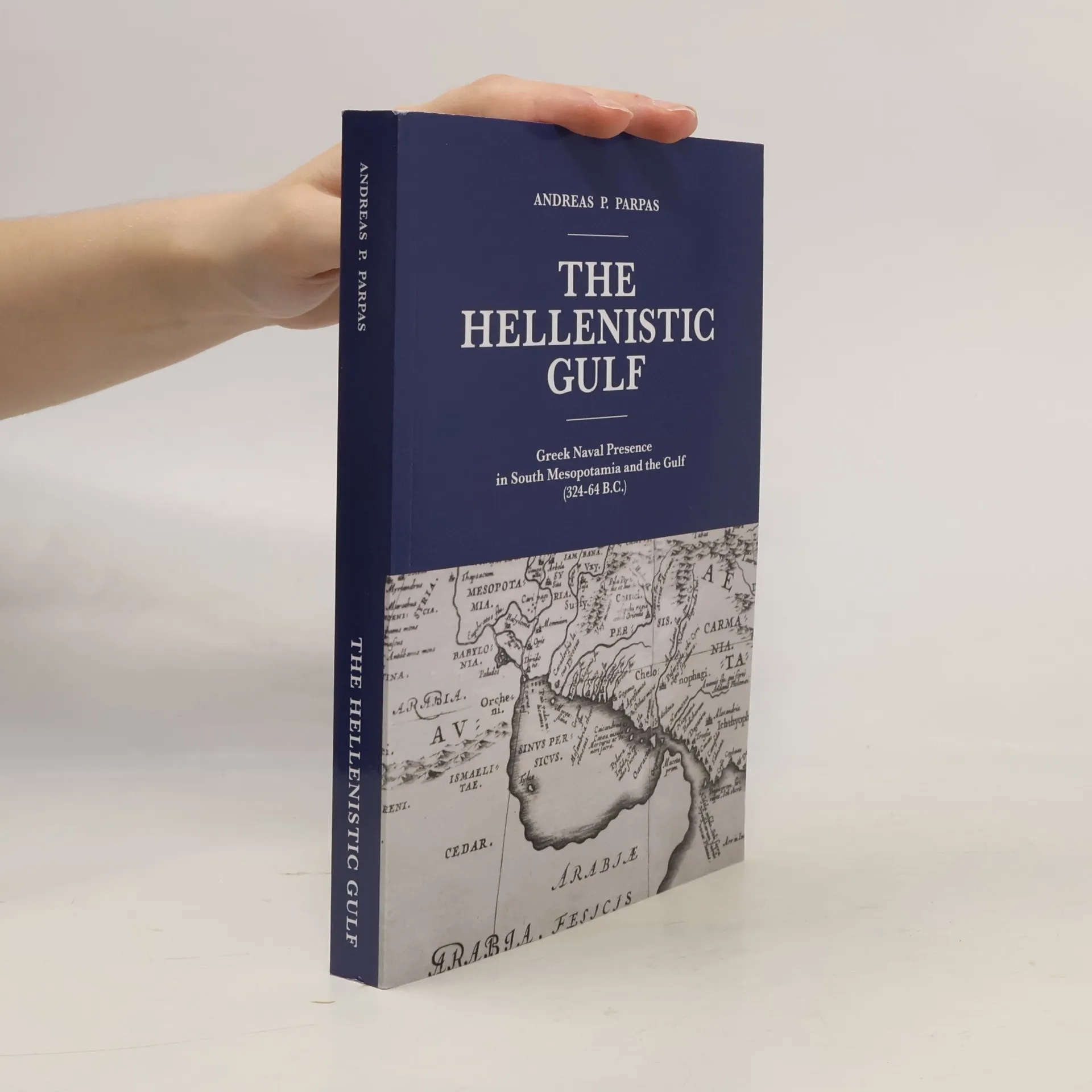
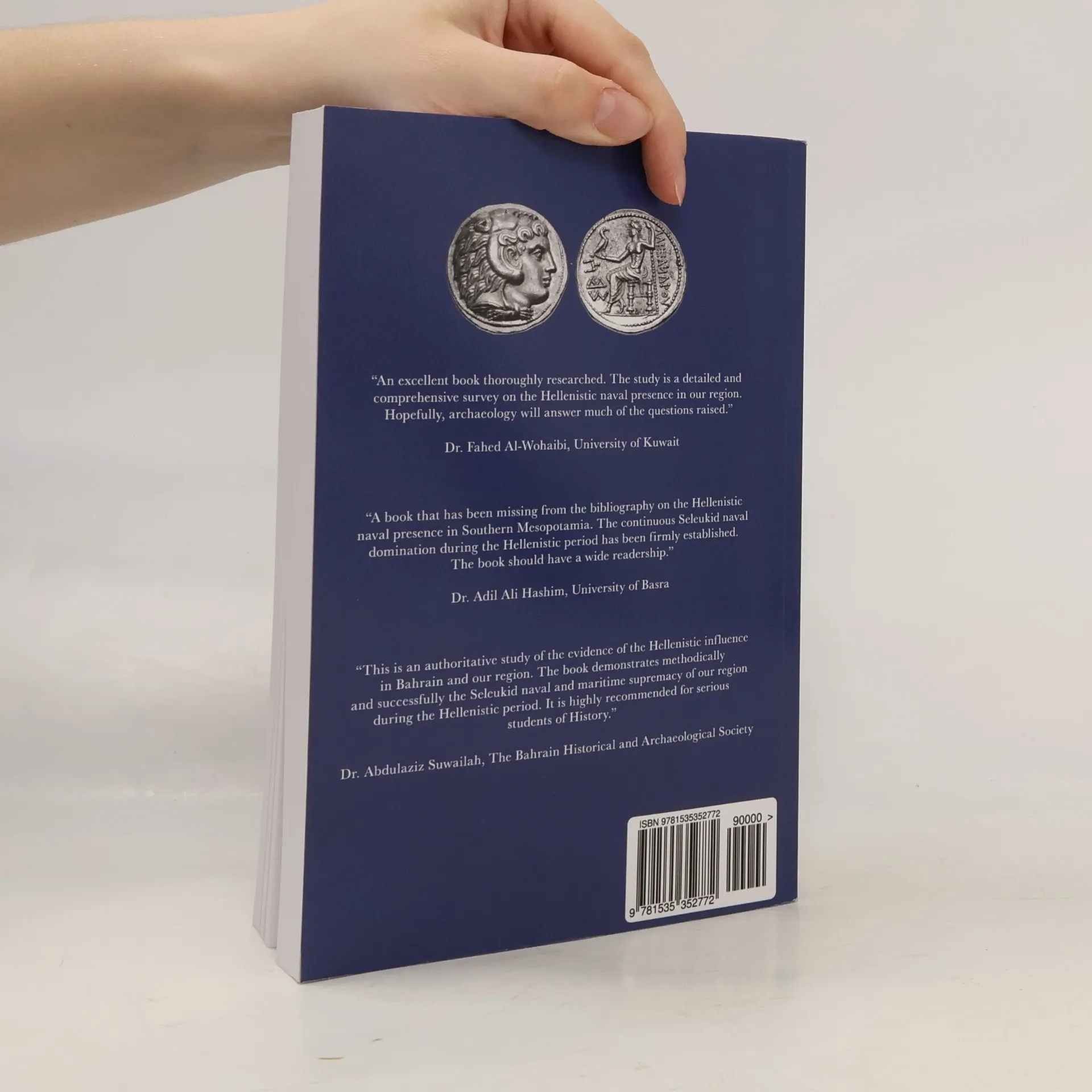
The book deals with the Hellenistic naval presence in the Persian Gulf. The Seleukids, who inherited a big part of Alexander's Empire, they built a Western Empire in the East that included the Persian Gulf. All the available evidence leads to believe that there was a continuous Hellenistic naval domination in the Persian Gulf that started with Alexander at the end of the fourth century B.C. and continued by the Seleukids and the Charakeneans until the end of the Hellenistic period. The Seleukids colonized the Gulf and South Mesopotamia with important settlements like at Alexandria on the Tigris-Antiochia-Charax Spasinou, Antiochia in Persis, Seleukeia on the Erythrean Sea and on the Hedyphon, Tylos and at the Strait of Hormuz. Their domination of the Gulf was achieved through the establishment of the Eparchy of the Erythrean Sea in South Mesopotamia and the maritime district Tylos and the islands with Bahrain as their naval Headquarter. We can therefore talk of the creation of a Hellenistic Gulf during the Hellenistic period. The book examines archaeological and epigraphic evidence as well as literal and numismatic evidence and its findings are supported by site visits and a close cooperation with scholars from the University of Kuwait, University of Basra and Bahrain History and Archaeological Society.
Acquisto del libro
The Hellenistic Gulf, Andreas P. Parpas
- Lingua

- Pubblicato
- 2016
- Rilegatura
- (In brossura),
- Condizioni del libro
- In ottime condizioni
- Prezzo
- 6,49 €
Metodi di pagamento
Ancora nessuna valutazione.
- Titolo
- The Hellenistic Gulf
- Sottotitolo
- Greek Naval Presence in South Mesopotamia and the Gulf (324-64 B.c.)
- Lingua
- Inglese
- Autori
- Andreas P. Parpas
- Pubblicato
- 2016
- Formato
- In brossura
- Pagine
- 380
- ISBN10
- 1535352779
- ISBN13
- 9781535352772
- Serie
- Descrizione
- The book deals with the Hellenistic naval presence in the Persian Gulf. The Seleukids, who inherited a big part of Alexander's Empire, they built a Western Empire in the East that included the Persian Gulf. All the available evidence leads to believe that there was a continuous Hellenistic naval domination in the Persian Gulf that started with Alexander at the end of the fourth century B.C. and continued by the Seleukids and the Charakeneans until the end of the Hellenistic period. The Seleukids colonized the Gulf and South Mesopotamia with important settlements like at Alexandria on the Tigris-Antiochia-Charax Spasinou, Antiochia in Persis, Seleukeia on the Erythrean Sea and on the Hedyphon, Tylos and at the Strait of Hormuz. Their domination of the Gulf was achieved through the establishment of the Eparchy of the Erythrean Sea in South Mesopotamia and the maritime district Tylos and the islands with Bahrain as their naval Headquarter. We can therefore talk of the creation of a Hellenistic Gulf during the Hellenistic period. The book examines archaeological and epigraphic evidence as well as literal and numismatic evidence and its findings are supported by site visits and a close cooperation with scholars from the University of Kuwait, University of Basra and Bahrain History and Archaeological Society.