


Parametri
- 320pagine
- 12 ore di lettura
Maggiori informazioni sul libro
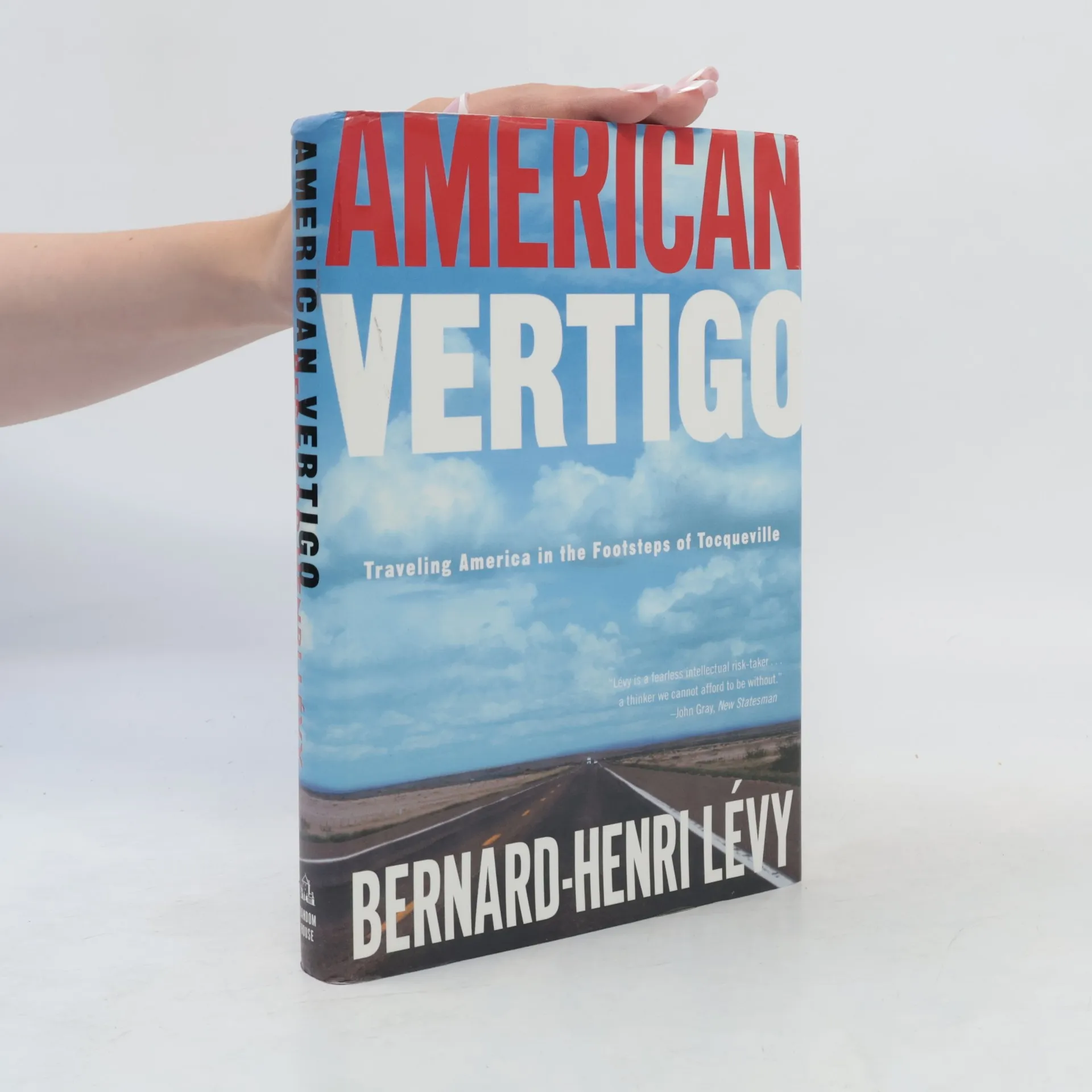
What does it mean to be an American, and what can America be today? Celebrated philosopher and journalist Bernard-Henri Lévy spent a year traveling across the country, following in the footsteps of Alexis de Tocqueville, whose work remains the most influential book about America. The result is a fresh examination of a country we think we know. From Rikers Island to Chicago mega-churches, and from Muslim communities in Detroit to an Amish enclave in Iowa, Lévy delves into core issues of our democracy: the unique nature of American patriotism, the interplay of freedom and religion (including baseball), the prison system, the resurgence of ideology, and the state of our political institutions. He revisits Tocqueville’s key ideas, such as the dangers of “the tyranny of the majority,” while exploring mutual lessons between Europe and America. Through powerful interviews with a diverse range of Americans—from prison guards to clergymen, and from cultural icons to political figures—Lévy presents a rich tapestry of voices, revealing both the grandeur and harsh realities of American life. The book addresses critical choices America faces today and highlights its role as a place where inclusion is not just an ideal but a practice. In a time of anxiety about global perceptions, Lévy offers a sympathetic perspective to spark a new conversation about the essence of America.


Acquisto del libro
American Vertigo, Bernard-Henri Lévy, Charlotte Mandell
- Lingua

- Pubblicato
- 2006
- Rilegatura
- (Copertina rigida)
Metodi di pagamento
Qui potrebbe esserci la tua recensione.
- Titolo
- American Vertigo
- Sottotitolo
- Traveling America in the Footsteps of Tocqueville
- Lingua
- Inglese
- Editore
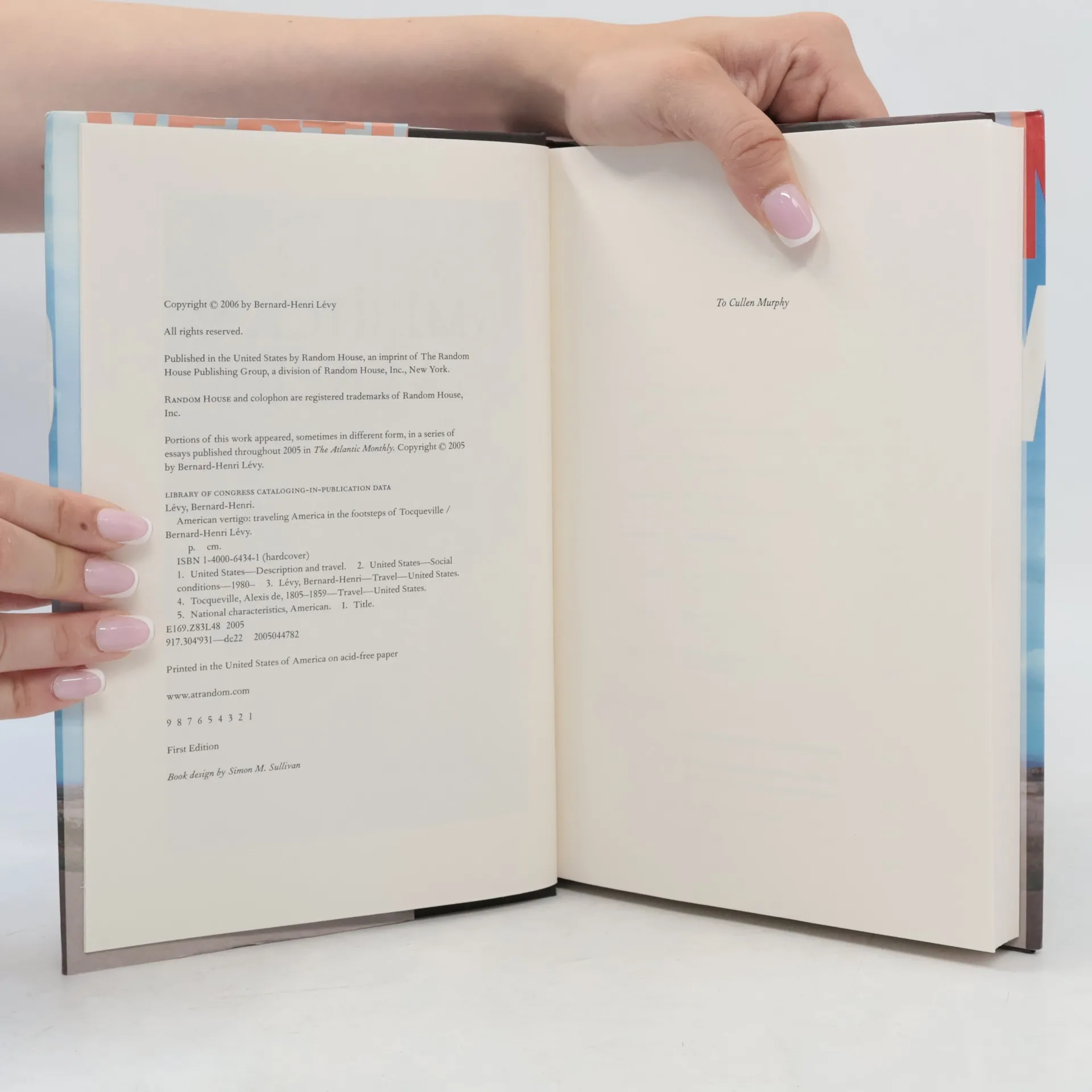
- Random House
- Pubblicato
- 2006
- Formato
- Copertina rigida
- Pagine
- 320
- ISBN10
- 1400064341
- ISBN13
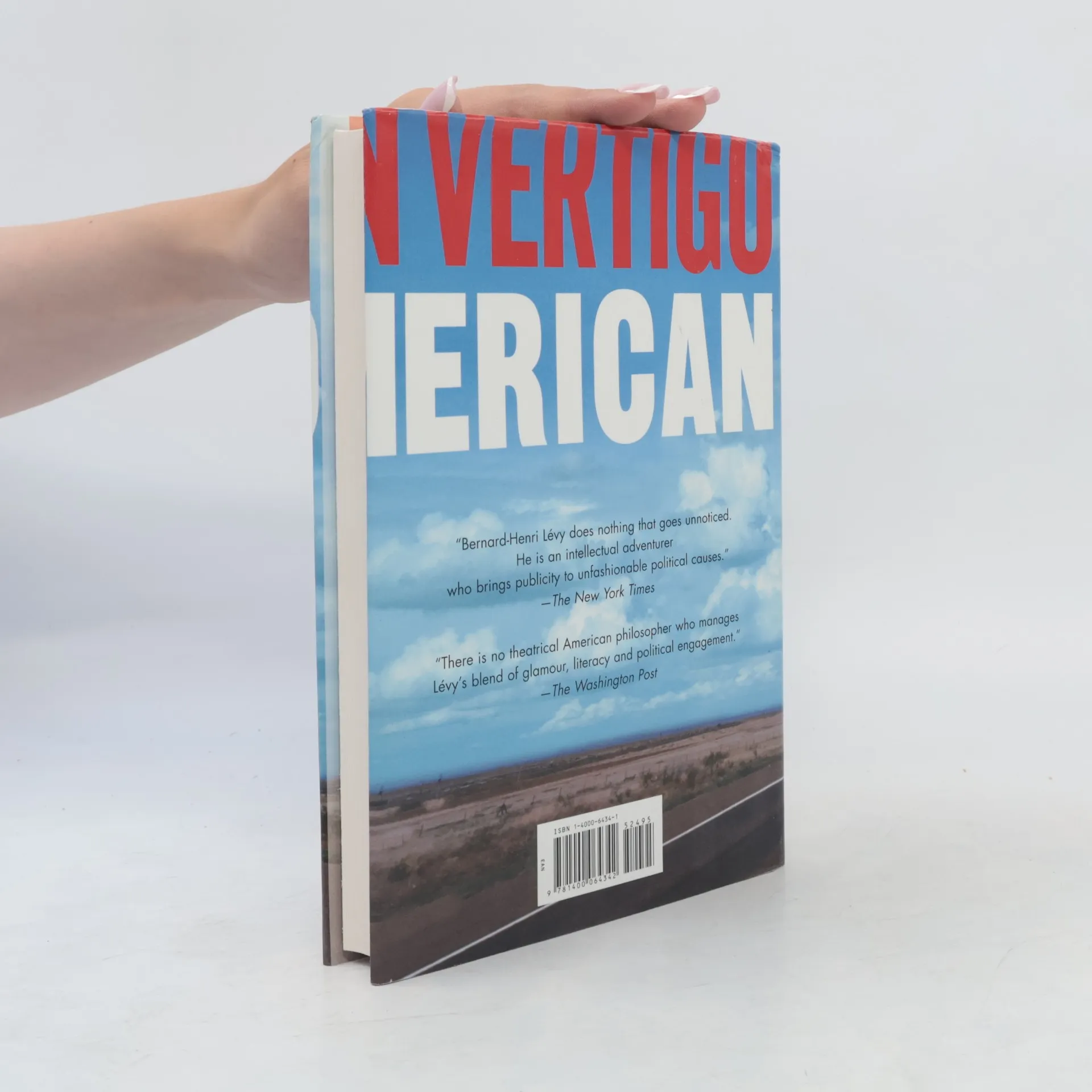
- 9781400064342
- Serie
- Categoria
- Prima pubblicazione
- 2006
- Titolo originale
- American Vertigo
- Valutazione
- 2,35 su 5
- Descrizione
- What does it mean to be an American, and what can America be today? Celebrated philosopher and journalist Bernard-Henri Lévy spent a year traveling across the country, following in the footsteps of Alexis de Tocqueville, whose work remains the most influential book about America. The result is a fresh examination of a country we think we know. From Rikers Island to Chicago mega-churches, and from Muslim communities in Detroit to an Amish enclave in Iowa, Lévy delves into core issues of our democracy: the unique nature of American patriotism, the interplay of freedom and religion (including baseball), the prison system, the resurgence of ideology, and the state of our political institutions. He revisits Tocqueville’s key ideas, such as the dangers of “the tyranny of the majority,” while exploring mutual lessons between Europe and America. Through powerful interviews with a diverse range of Americans—from prison guards to clergymen, and from cultural icons to political figures—Lévy presents a rich tapestry of voices, revealing both the grandeur and harsh realities of American life. The book addresses critical choices America faces today and highlights its role as a place where inclusion is not just an ideal but a practice. In a time of anxiety about global perceptions, Lévy offers a sympathetic perspective to spark a new conversation about the essence of America.