


Maggiori informazioni sul libro
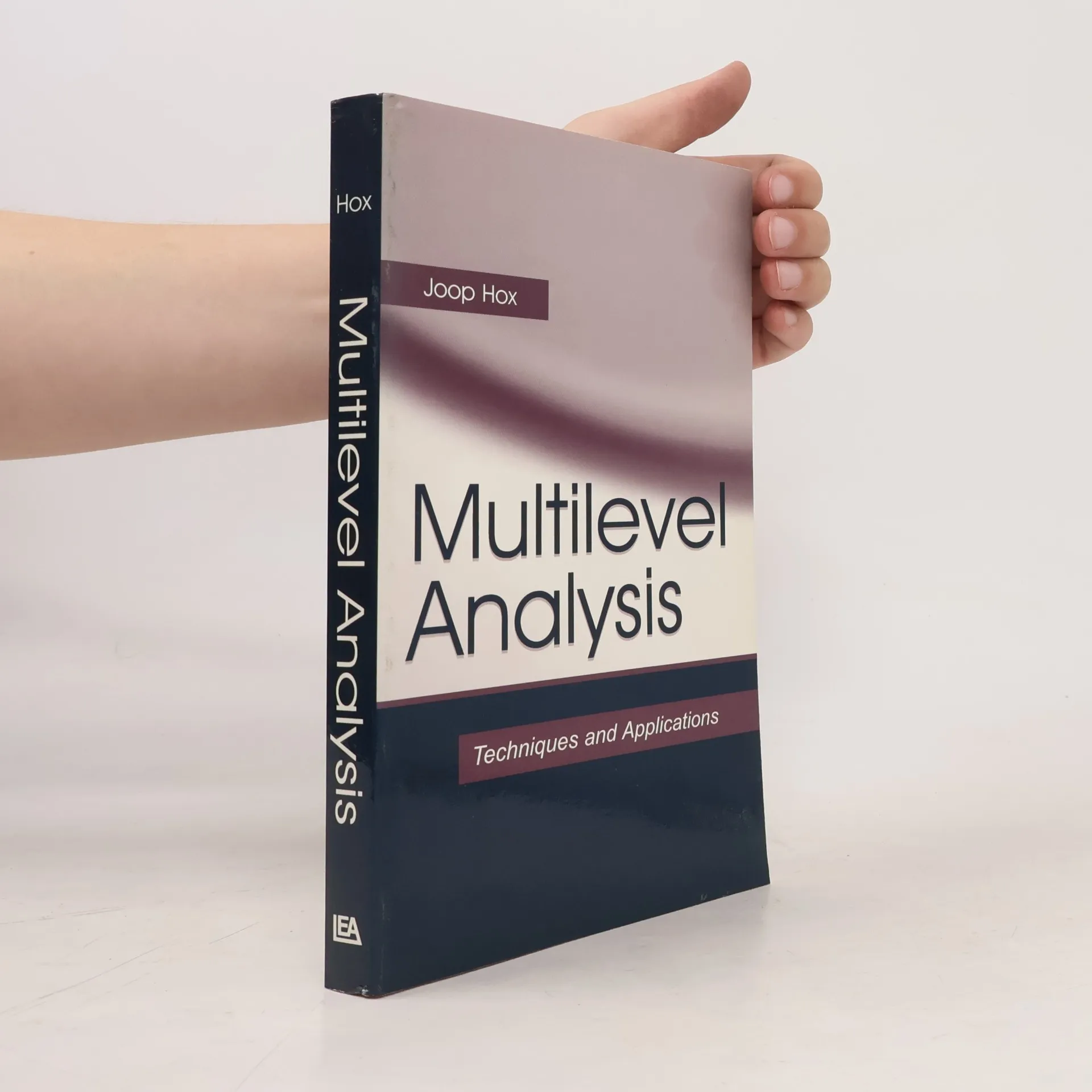
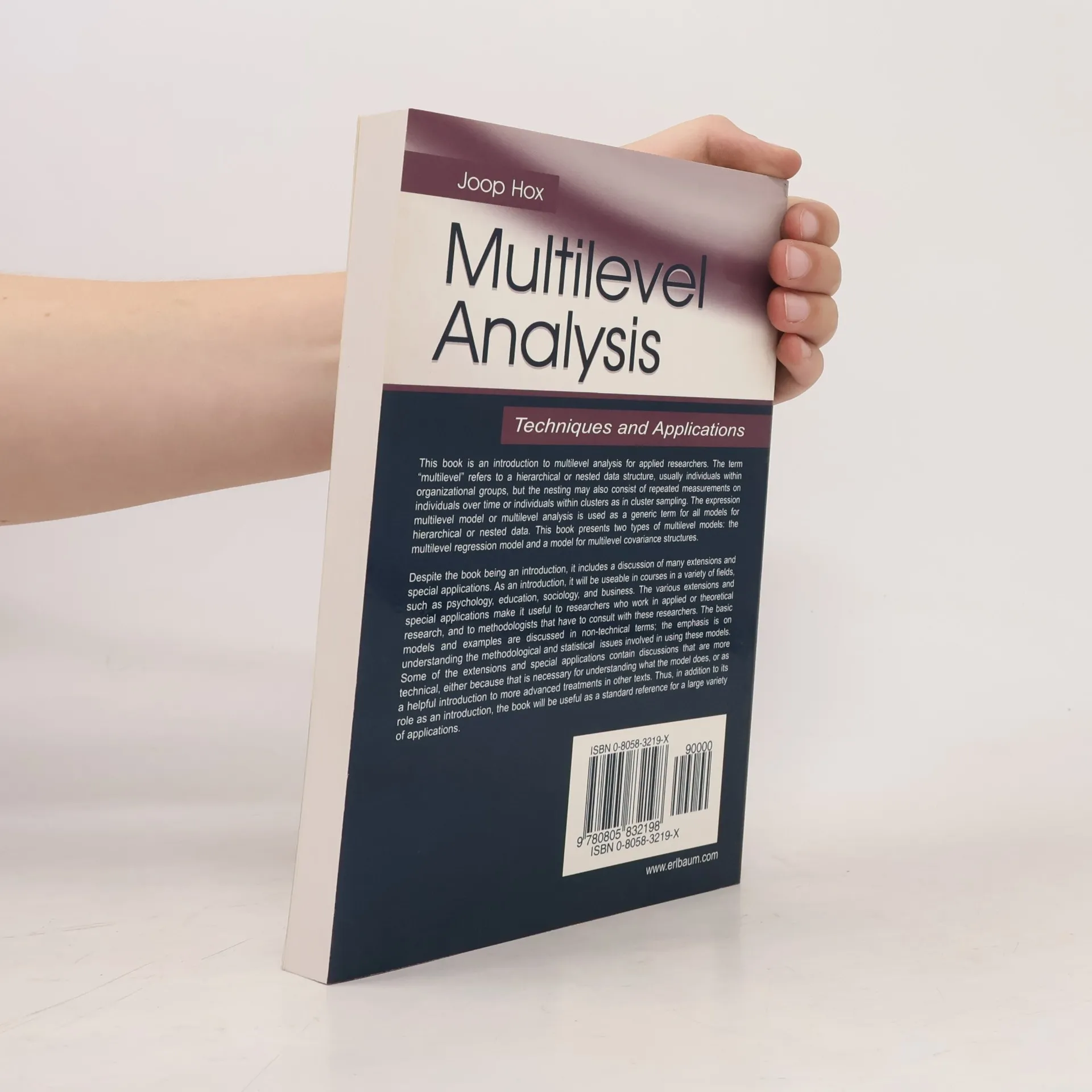
This book is an introduction to multilevel analysis for applied researchers featuring models for hierarchical or nested data. This book presents two types of The multilevel regression and multilevel covariance structures models.Despite the book being an introduction, it includes a discussion of many extensions and special applications. As an introduction, it will be useable in courses in a variety of fields, such as psychology, education, sociology, and business. The various extensions and special applications make it useful to researchers who work in applied or theoretical research, and to methodologists that have to consult with these researchers. The basic models and examples are discussed in non-technical terms; the emphasis is on understanding the methodological and statistical issues involved in using these models. Some of the extensions and special applications contain more technical discussions, either because that is necessary for understanding what the model does, or as an introduction to more advanced treatments. Thus, the book will be useful as an introduction and as a standard reference for a large variety of applications.
Acquisto del libro
Quantitative Methodology Series: Multilevel Analysis, Joop J. Hox
- Lingua

- Pubblicato
- 2002
- Rilegatura
- (In brossura),
- Condizioni del libro
- In buone condizioni
- Prezzo
- 2,79 €
Metodi di pagamento
Ancora nessuna valutazione.
- Titolo
- Quantitative Methodology Series: Multilevel Analysis
- Sottotitolo
- Techniques and Applications
- Lingua
- Inglese
- Autori
- Joop J. Hox
- Editore
- Routledge Academic
- Pubblicato
- 2002
- Formato
- In brossura
- Pagine
- 304
- ISBN10
- 080583219X
- ISBN13
- 9780805832198
- Serie
- Descrizione
- This book is an introduction to multilevel analysis for applied researchers featuring models for hierarchical or nested data. This book presents two types of The multilevel regression and multilevel covariance structures models.Despite the book being an introduction, it includes a discussion of many extensions and special applications. As an introduction, it will be useable in courses in a variety of fields, such as psychology, education, sociology, and business. The various extensions and special applications make it useful to researchers who work in applied or theoretical research, and to methodologists that have to consult with these researchers. The basic models and examples are discussed in non-technical terms; the emphasis is on understanding the methodological and statistical issues involved in using these models. Some of the extensions and special applications contain more technical discussions, either because that is necessary for understanding what the model does, or as an introduction to more advanced treatments. Thus, the book will be useful as an introduction and as a standard reference for a large variety of applications.