

Maggiori informazioni sul libro
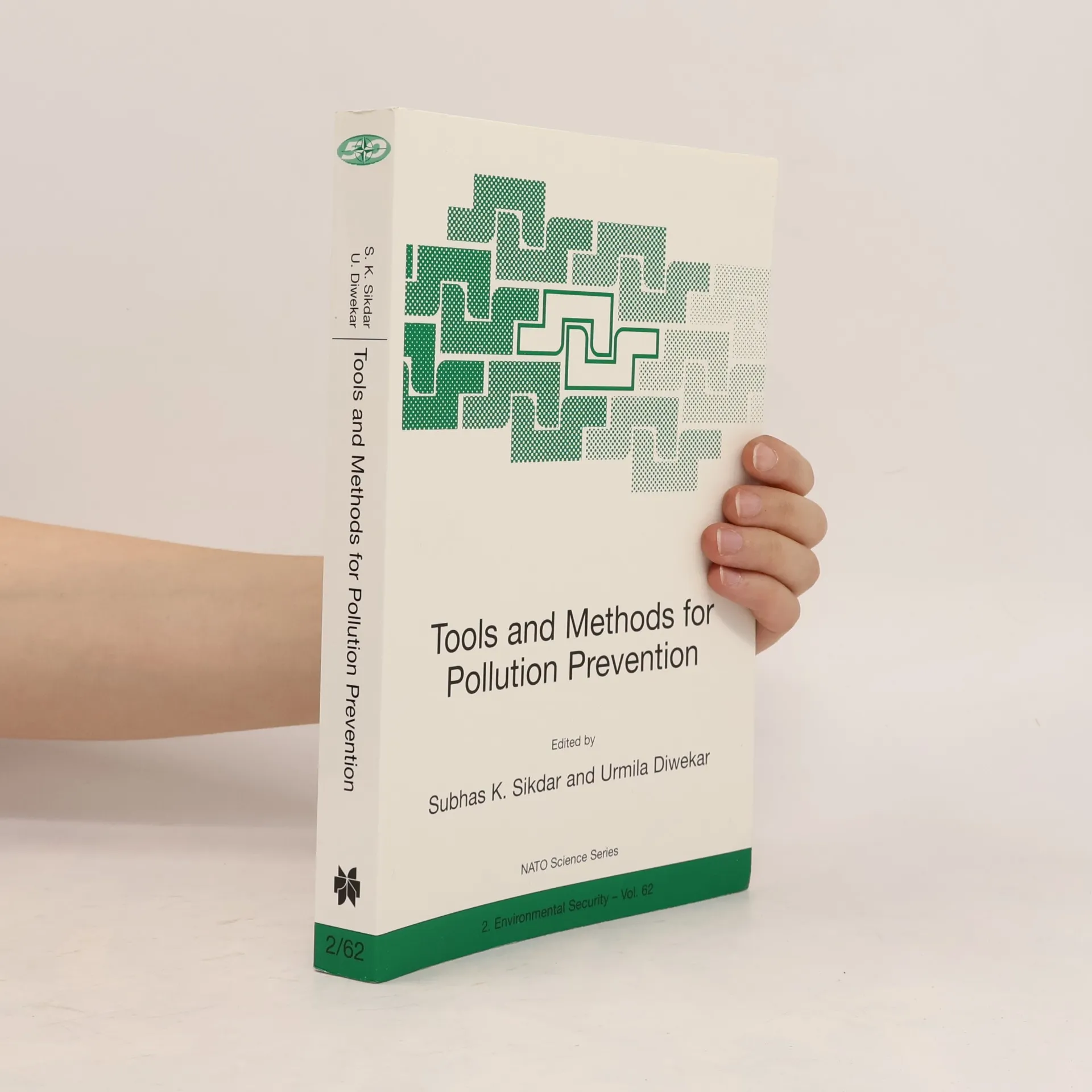
Difficult ethical and political issues arise when applying scientific and technological solutions to prevent pollution. Proposed solutions often present ambiguous questions, and no single approach fits all locations. A scientific foundation is essential for all environmental solutions, as sound science offers a rational understanding for decision-makers. The NATO Advanced Research Workshop (ARW) on Tools and Methods for Pollution Prevention, held from October 12-14, 1998, in Prague, aimed to gather experts from NATO and Eastern Europe to discuss available and developing science-based tools for analyzing the environmental impacts of manufacturing processes and products. The workshop presentations were specifically written for this volume after undergoing peer reviews and revisions. Most chapters focus on developing methods for designing environmentally friendly processes or products. Some chapters adopt a broader perspective, addressing implementation challenges, ethical conflicts, resistance to change due to inertia or inadequate infrastructure, and resource limitations. These broader discussions are placed at the beginning of the book, starting with an overview by Sikdar et al., which outlines the scope and challenges of pollution prevention in manufacturing sectors.
Acquisto del libro
NATO Science Series: Environmental Security - 62: Tools and Methods for Pollution Prevention, Subhas K. Sikdar, Urmila Diwekar
- Lingua

- Pubblicato
- 1999
- Rilegatura
- (In brossura),
- Condizioni del libro
- In buone condizioni
- Prezzo
- 20,99 €
Metodi di pagamento
Ancora nessuna valutazione.
- Titolo
- NATO Science Series: Environmental Security - 62: Tools and Methods for Pollution Prevention
- Lingua
- Inglese
- Autori
- Subhas K. Sikdar, Urmila Diwekar
- Editore
- Springer
- Pubblicato
- 1999
- Formato
- In brossura
- Pagine
- 396
- ISBN10
- 0792359267
- ISBN13
- 9780792359265
- Serie
- Categoria
- Tag
- Commercio, Natura, Scienze Naturali, Scienza, Medicina, Tecnologia, Tematica ecologica, Sostenibilità, Sviluppo, Scienze ambientali, Ingegneria Chimica, Vento
- Descrizione
- Difficult ethical and political issues arise when applying scientific and technological solutions to prevent pollution. Proposed solutions often present ambiguous questions, and no single approach fits all locations. A scientific foundation is essential for all environmental solutions, as sound science offers a rational understanding for decision-makers. The NATO Advanced Research Workshop (ARW) on Tools and Methods for Pollution Prevention, held from October 12-14, 1998, in Prague, aimed to gather experts from NATO and Eastern Europe to discuss available and developing science-based tools for analyzing the environmental impacts of manufacturing processes and products. The workshop presentations were specifically written for this volume after undergoing peer reviews and revisions. Most chapters focus on developing methods for designing environmentally friendly processes or products. Some chapters adopt a broader perspective, addressing implementation challenges, ethical conflicts, resistance to change due to inertia or inadequate infrastructure, and resource limitations. These broader discussions are placed at the beginning of the book, starting with an overview by Sikdar et al., which outlines the scope and challenges of pollution prevention in manufacturing sectors.