


Maggiori informazioni sul libro
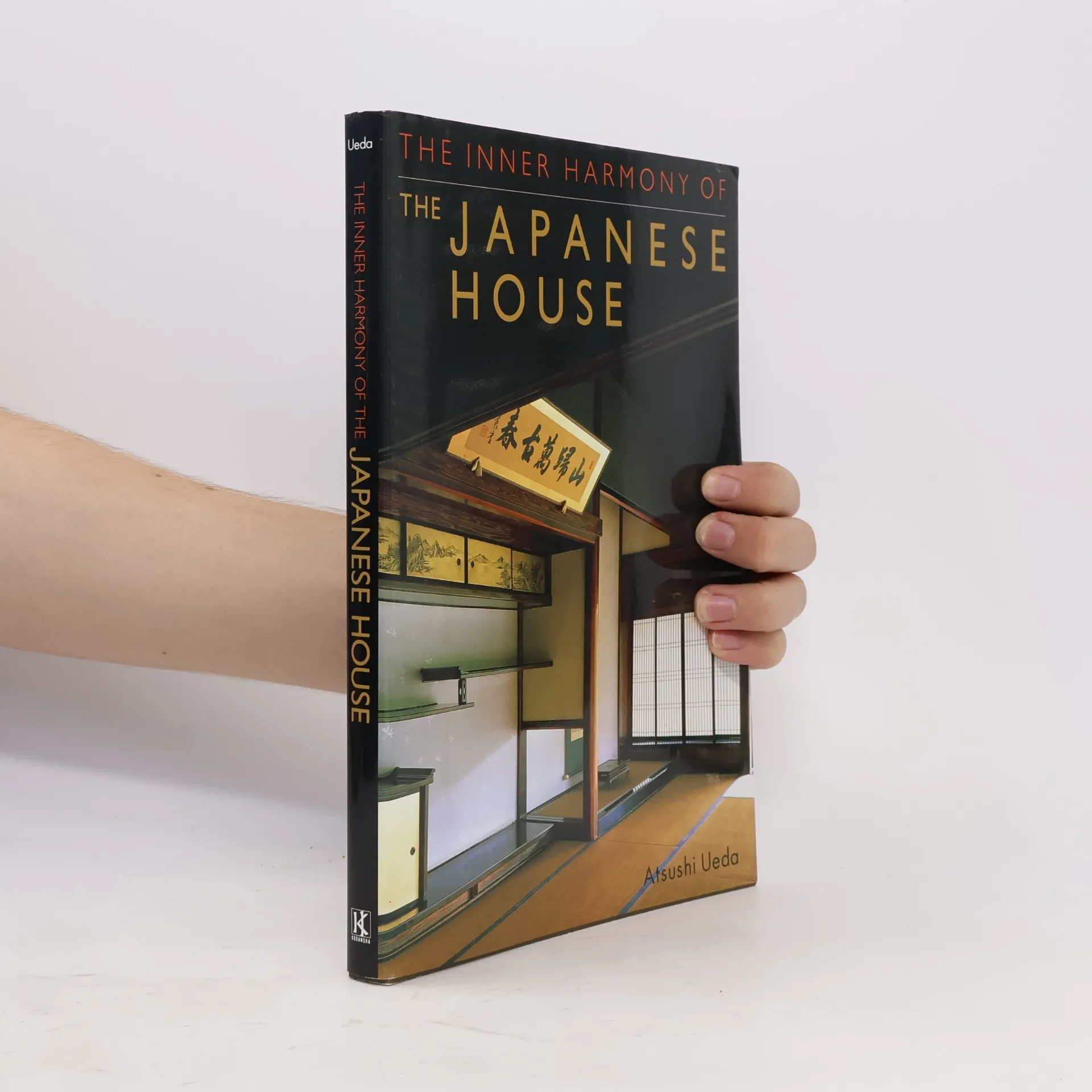
With the possible exception of the woodblock print, no other aspect of Japanese culture has been so widely embraced outside Japan as the traditional Japanese home. Interior decorators, architects, and homeowners from the West have been borrowing from Japanese architecture since Frank LloydWright, yet the fundamentals of the Japanese abode remain something of a mystery. What is the age-old sensibility behind it? Why do luminaries in the field hold it up as one of mankind's most successful blends of function, tradition, and nature? Atsushi Ueda ably answers these questions in InnerHarmony, which became a bestseller in his native Japan and continues to be used in high schools and colleges throughout the country. Breaking down the living space into its primary elements-shoji, partitions, pillars, garden, and so on-Ueda reveals the underlying patterns and hidden harmony thattook centuries to he discusses the ways in which shoji exploit the natural light to create a subdued radiance; the way decorated sliding doors and moveable partitions define one's sense of living space; and the function of a miniature garden as viewed from inside the house as well as out. Inthe manner of John McPhee and Tracy Kidder, Professor Ueda unravels the concealed concepts at work in the Japanese living space, and brings compelling insights and a long-needed clarity to the subject-all in the best tradition of contemporary literary nonfiction.
Acquisto del libro
The Inner Harmony of the Japanese House, Atsushi Ueda, Stephen Suloway
- Lingua

- Pubblicato
- 1998
- product-detail.submit-box.info.binding
- (In brossura),
- Condizioni del libro
- In ottime condizioni
- Prezzo
- 12,99 €
Metodi di pagamento
Ancora nessuna valutazione.
- Titolo
- The Inner Harmony of the Japanese House
- Lingua
- Inglese
- Autori
- Atsushi Ueda, Stephen Suloway
- Editore
- Kodansha USA
- Pubblicato
- 1998
- Formato
- In brossura
- Pagine
- 204
- ISBN10
- 4770023537
- ISBN13
- 9784770023537
- Serie
- Tag
- Arte, Architettura, Design, Giappone
- Descrizione
- With the possible exception of the woodblock print, no other aspect of Japanese culture has been so widely embraced outside Japan as the traditional Japanese home. Interior decorators, architects, and homeowners from the West have been borrowing from Japanese architecture since Frank LloydWright, yet the fundamentals of the Japanese abode remain something of a mystery. What is the age-old sensibility behind it? Why do luminaries in the field hold it up as one of mankind's most successful blends of function, tradition, and nature? Atsushi Ueda ably answers these questions in InnerHarmony, which became a bestseller in his native Japan and continues to be used in high schools and colleges throughout the country. Breaking down the living space into its primary elements-shoji, partitions, pillars, garden, and so on-Ueda reveals the underlying patterns and hidden harmony thattook centuries to he discusses the ways in which shoji exploit the natural light to create a subdued radiance; the way decorated sliding doors and moveable partitions define one's sense of living space; and the function of a miniature garden as viewed from inside the house as well as out. Inthe manner of John McPhee and Tracy Kidder, Professor Ueda unravels the concealed concepts at work in the Japanese living space, and brings compelling insights and a long-needed clarity to the subject-all in the best tradition of contemporary literary nonfiction.