

Maggiori informazioni sul libro
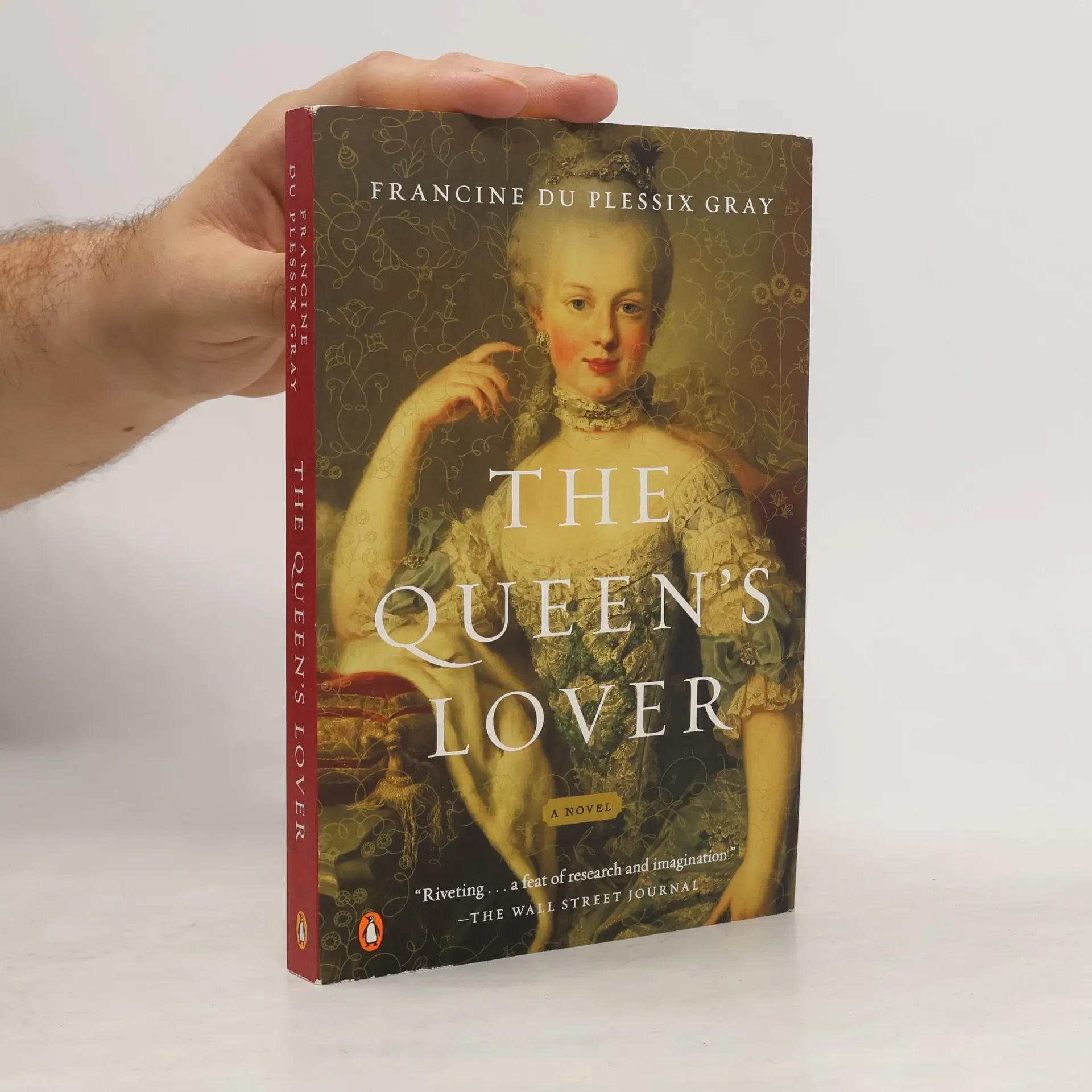
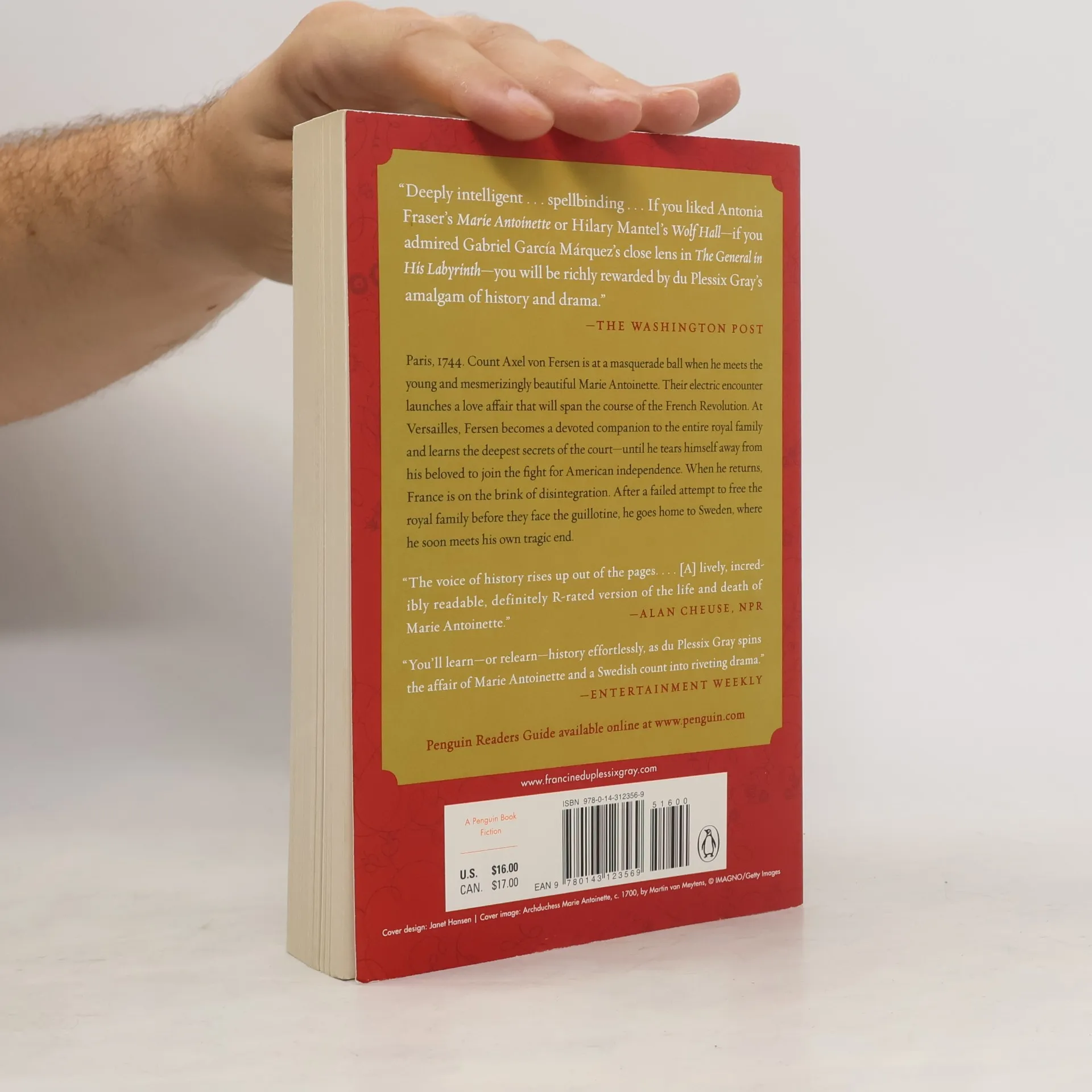
A “spellbinding” and “deeply intelligent” historical novel about Marie Antoinette on the eve of the French Revolution (The Washington Post ) Through the untold love story between Marie Antoinette and Swedish aristocrat Axel von Fersen, acclaimed author Francine du Plessix Gray weaves history with romance in a captivating novel that also offers a fresh vision of the French Revolution. Paris, 1774. The dashing nobleman meets nineteen-year-old Marie Antoinette at a masquerade ball. As their relationship deepens at Versailles, Fersen discovers the court’s secrets, even the startling erotic details of Marie Antoinette’s marriage. But this intimacy is disrupted when he leaves to join the American Revolution. When he returns in 1783, he finds France on the brink of disintegration. After the Revolution of 1789, the royal family is moved to the Tuileries and suffers increasingly harsh captivity. After a failed attempt to liberate them, Fersen goes home to Sweden where he soon meets his own tragic end: his fate is symbolic of the violent pace with which of the eighteenth century’s events transformed European culture.
Acquisto del libro
The Queen's Lover, Francine du Plessix Gray
- Lingua

- Pubblicato
- 2013
- product-detail.submit-box.info.binding
- (In brossura),
- Condizioni del libro
- In buone condizioni
- Prezzo
- 11,99 €
Metodi di pagamento
Ancora nessuna valutazione.
- Titolo
- The Queen's Lover
- Lingua
- Inglese
- Autori
- Francine du Plessix Gray
- Editore
- Penguin Books
- Pubblicato
- 2013
- Formato
- In brossura
- Pagine
- 304
- ISBN10
- 0143123564
- ISBN13
- 9780143123569
- Serie
- Tag
- Narrativa, Tema stórico, Letteratura romantica, Prosa storica, USA, Francia, XVIII secolo, Svezia, Grande rivoluzione francese (1789-1799)
- Descrizione
- A “spellbinding” and “deeply intelligent” historical novel about Marie Antoinette on the eve of the French Revolution (The Washington Post ) Through the untold love story between Marie Antoinette and Swedish aristocrat Axel von Fersen, acclaimed author Francine du Plessix Gray weaves history with romance in a captivating novel that also offers a fresh vision of the French Revolution. Paris, 1774. The dashing nobleman meets nineteen-year-old Marie Antoinette at a masquerade ball. As their relationship deepens at Versailles, Fersen discovers the court’s secrets, even the startling erotic details of Marie Antoinette’s marriage. But this intimacy is disrupted when he leaves to join the American Revolution. When he returns in 1783, he finds France on the brink of disintegration. After the Revolution of 1789, the royal family is moved to the Tuileries and suffers increasingly harsh captivity. After a failed attempt to liberate them, Fersen goes home to Sweden where he soon meets his own tragic end: his fate is symbolic of the violent pace with which of the eighteenth century’s events transformed European culture.