

Maggiori informazioni sul libro
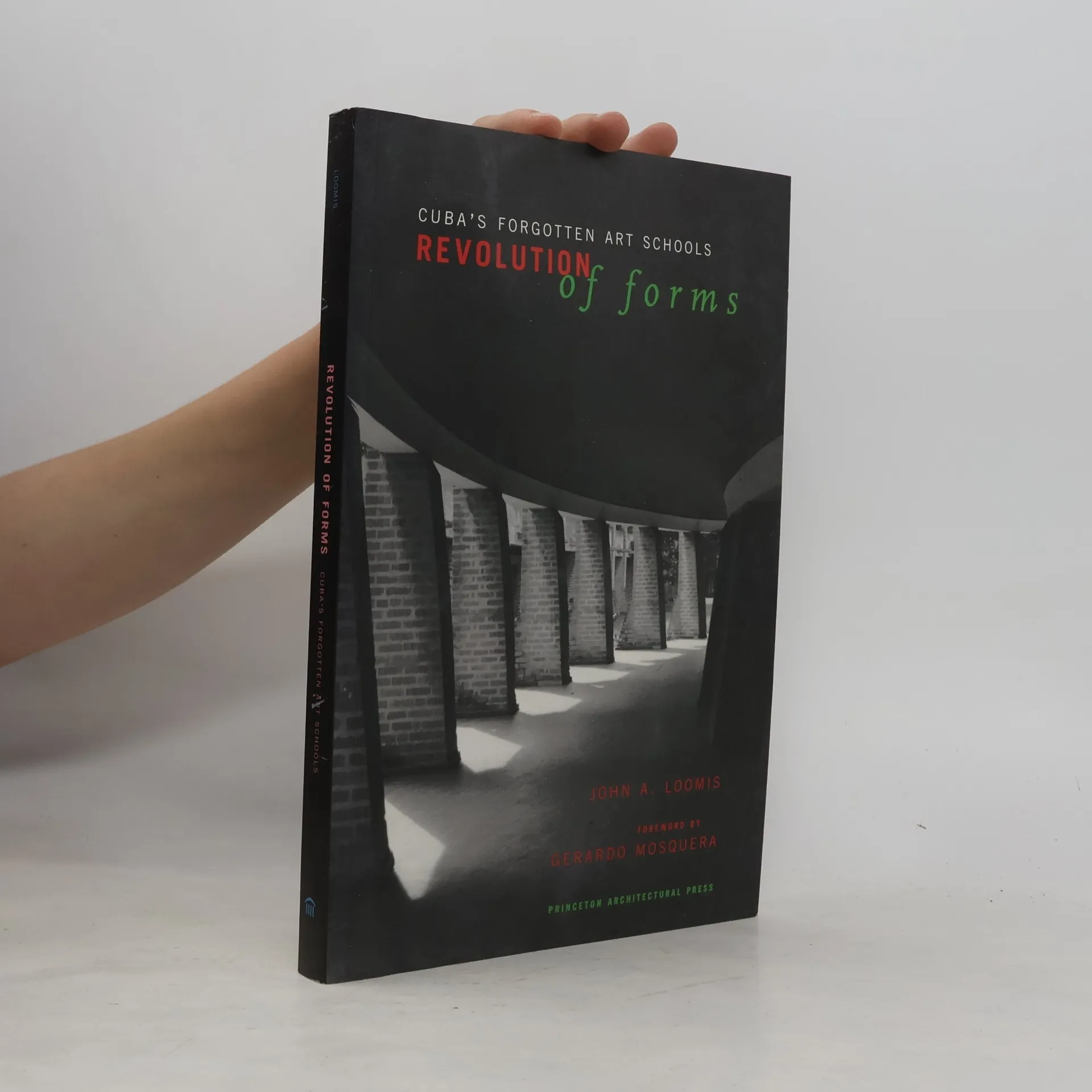
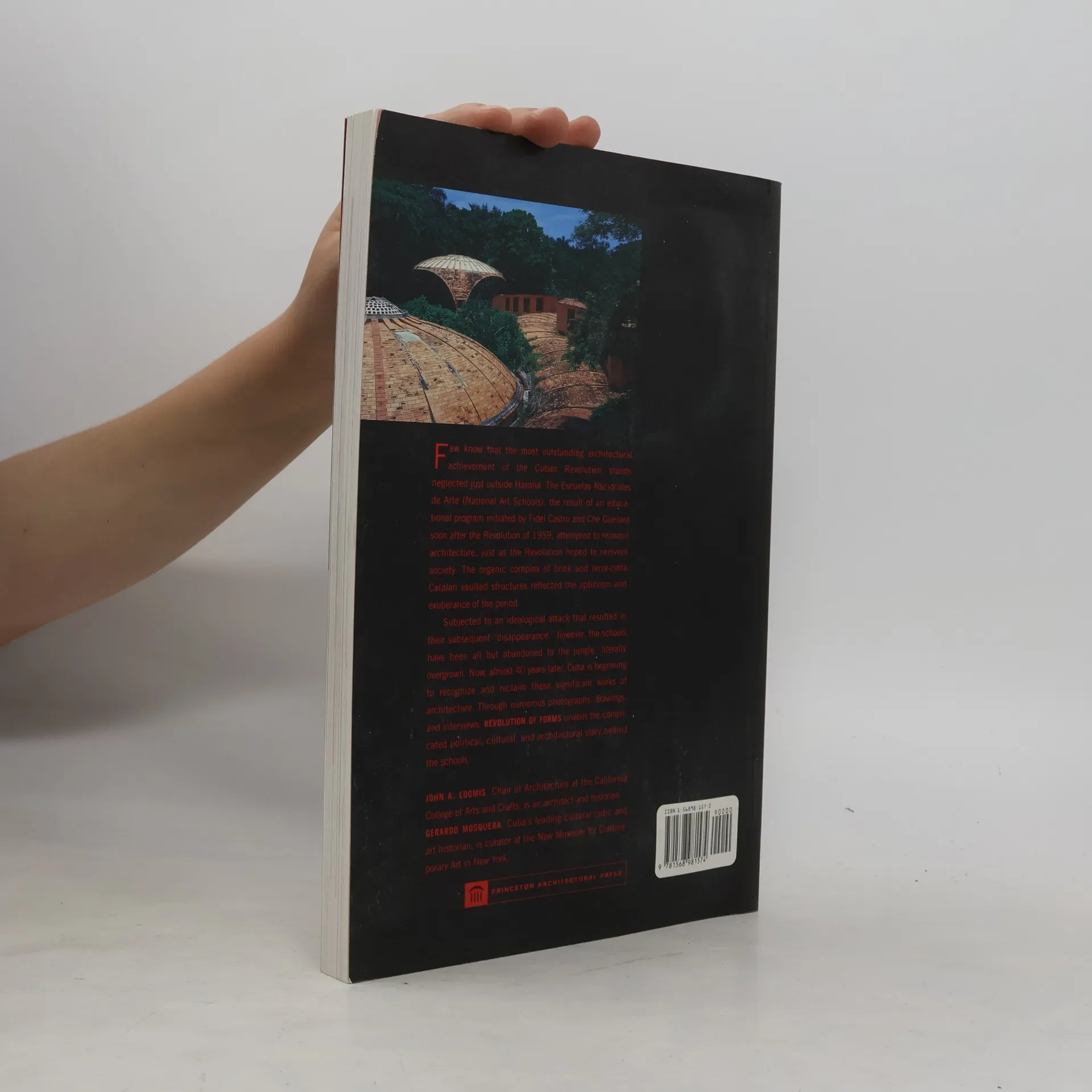
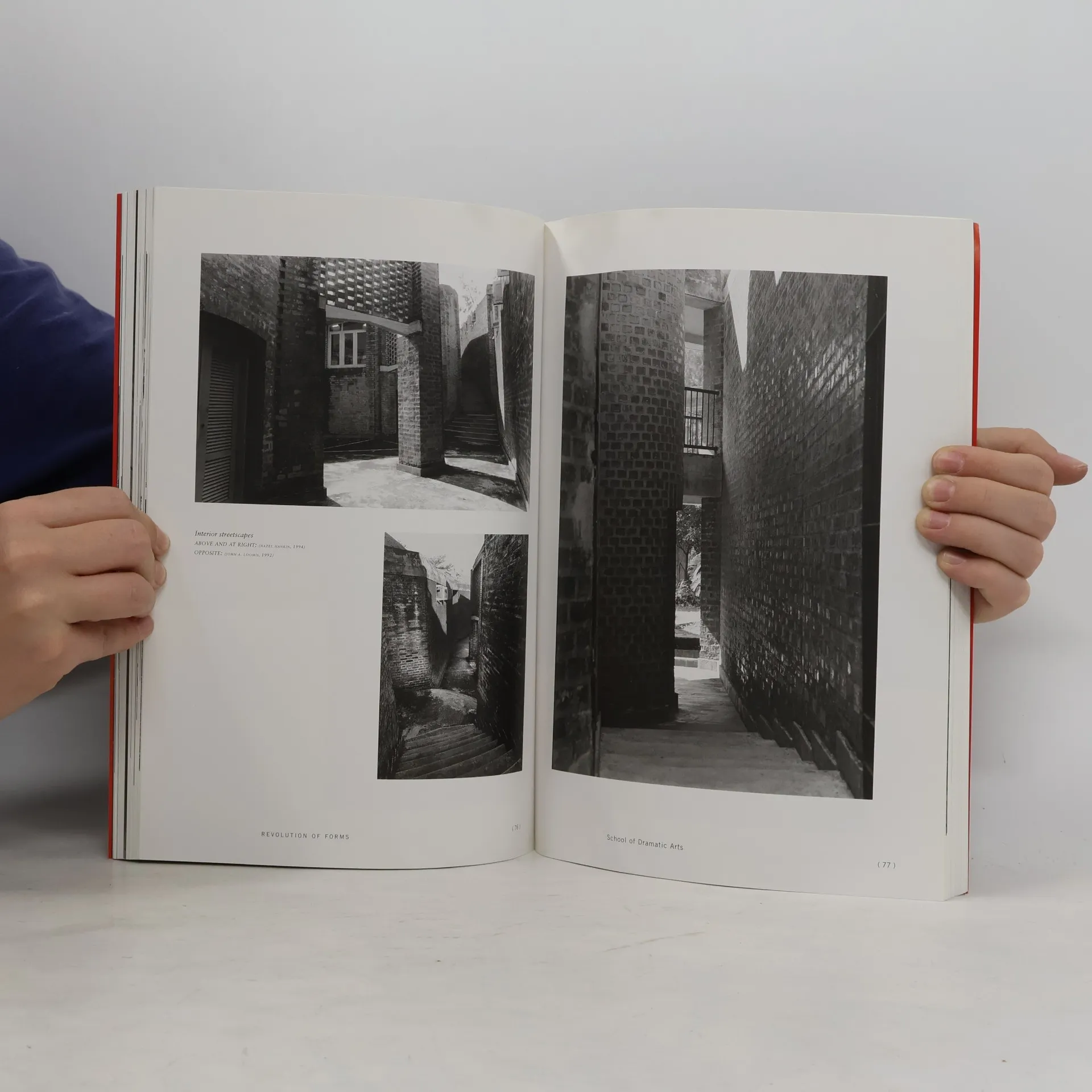
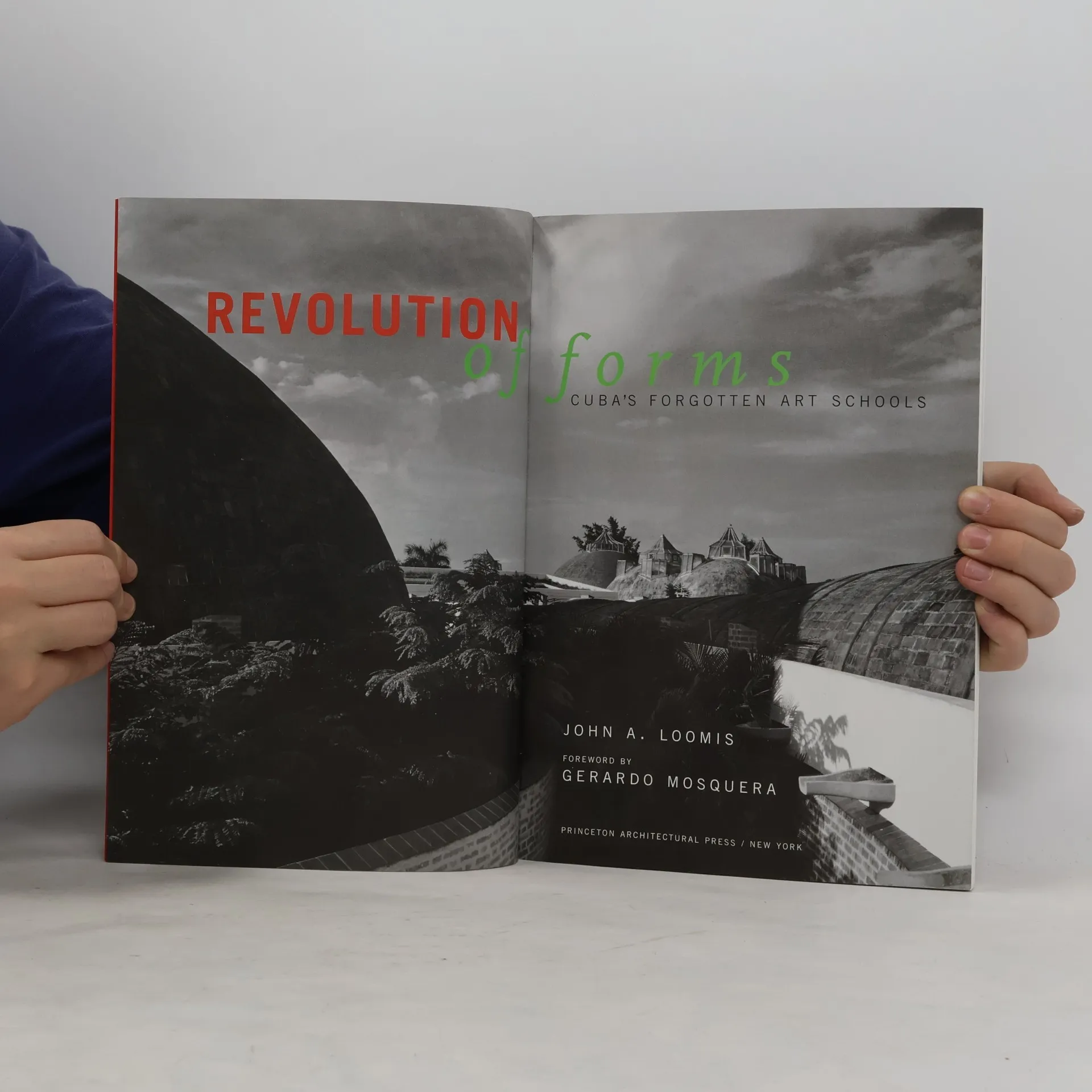
"A revolution of forms is a revolution of essentials." - Jos Mart, Cuban intellectual and independence leader. The current interest in Cuba's architecture often overlooks the remarkable architectural achievement of the Cuban Revolution, the Escuelas Nacionales de Arte (National Art Schools), located just outside Havana. Built between 1961 and 1965, these schools emerged from an educational initiative by Fidel Castro and Che Guevara following the 1959 Revolution. The architects designed an organic complex of brick and terra-cotta structures that embodied the era's optimism. The schools aimed to reinvent architecture alongside the Revolution's goal of societal transformation. However, before completion, they fell out of favor, labeled politically incorrect and a bourgeois luxury, leading to their "disappearance." Abandoned and overgrown by the jungle, these buildings were neglected for decades. Now, nearly 40 years later, Cuba is starting to recognize and reclaim these significant architectural works. Revolution of Forms delves into the history and politics surrounding the creation and abandonment of these structures, featuring archival photographs, plans, and images showcasing their current state.
Acquisto del libro
Revolution of Forms, John A. Loomis, Gerardo Mosquera
- Lingua

- Pubblicato
- 1998
- Rilegatura
- (In brossura),
- Condizioni del libro
- Danneggiato
- Prezzo
- 12,37 €
Metodi di pagamento
Ancora nessuna valutazione.
- Titolo
- Revolution of Forms
- Sottotitolo
- Cuba's Forgotten Art Schools
- Lingua
- Inglese
- Autori
- John A. Loomis, Gerardo Mosquera
- Pubblicato
- 1998
- Formato
- In brossura
- Pagine
- 220
- ISBN10
- 1568981570
- ISBN13
- 9781568981574
- Serie
- Descrizione
- "A revolution of forms is a revolution of essentials." - Jos Mart, Cuban intellectual and independence leader. The current interest in Cuba's architecture often overlooks the remarkable architectural achievement of the Cuban Revolution, the Escuelas Nacionales de Arte (National Art Schools), located just outside Havana. Built between 1961 and 1965, these schools emerged from an educational initiative by Fidel Castro and Che Guevara following the 1959 Revolution. The architects designed an organic complex of brick and terra-cotta structures that embodied the era's optimism. The schools aimed to reinvent architecture alongside the Revolution's goal of societal transformation. However, before completion, they fell out of favor, labeled politically incorrect and a bourgeois luxury, leading to their "disappearance." Abandoned and overgrown by the jungle, these buildings were neglected for decades. Now, nearly 40 years later, Cuba is starting to recognize and reclaim these significant architectural works. Revolution of Forms delves into the history and politics surrounding the creation and abandonment of these structures, featuring archival photographs, plans, and images showcasing their current state.