

Maggiori informazioni sul libro
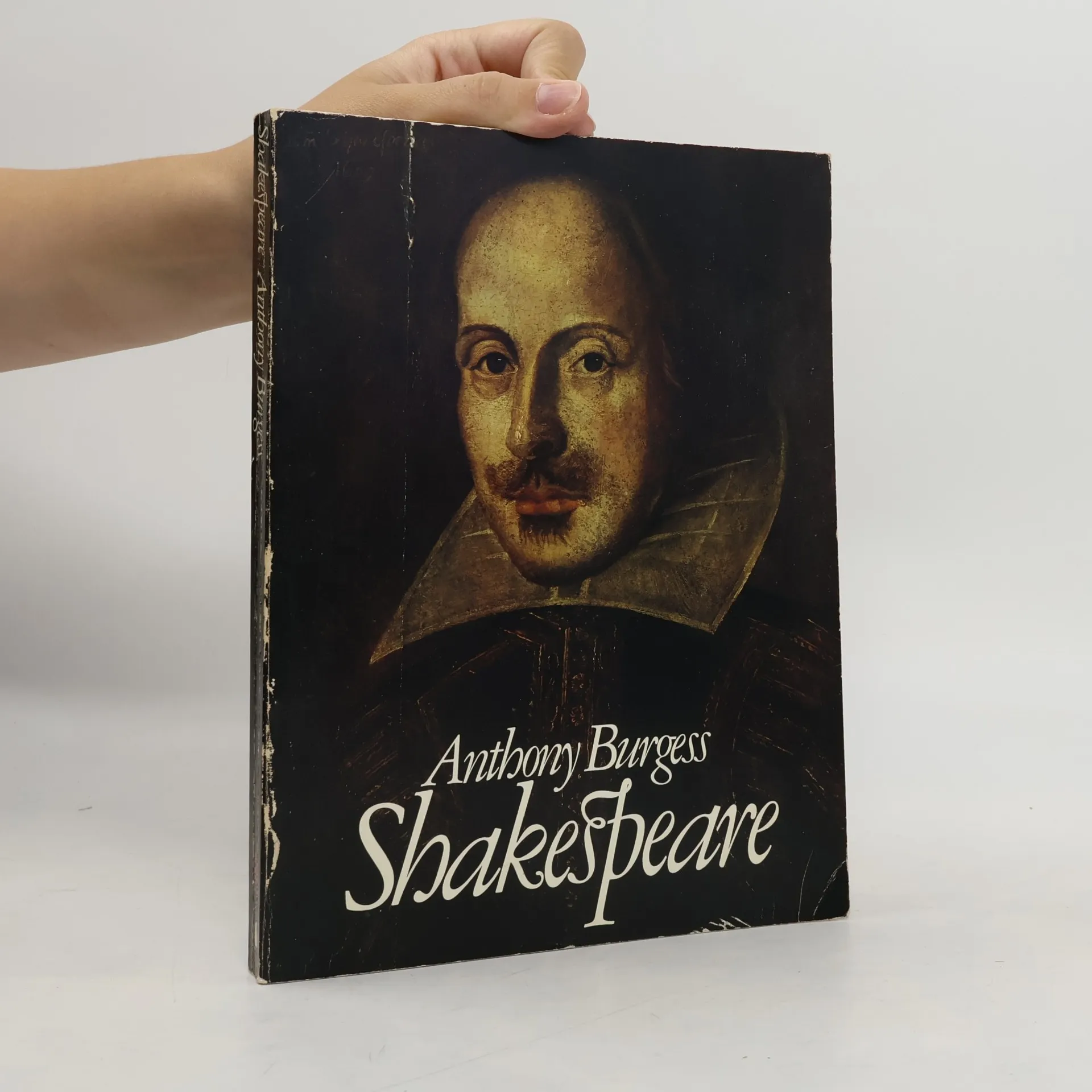
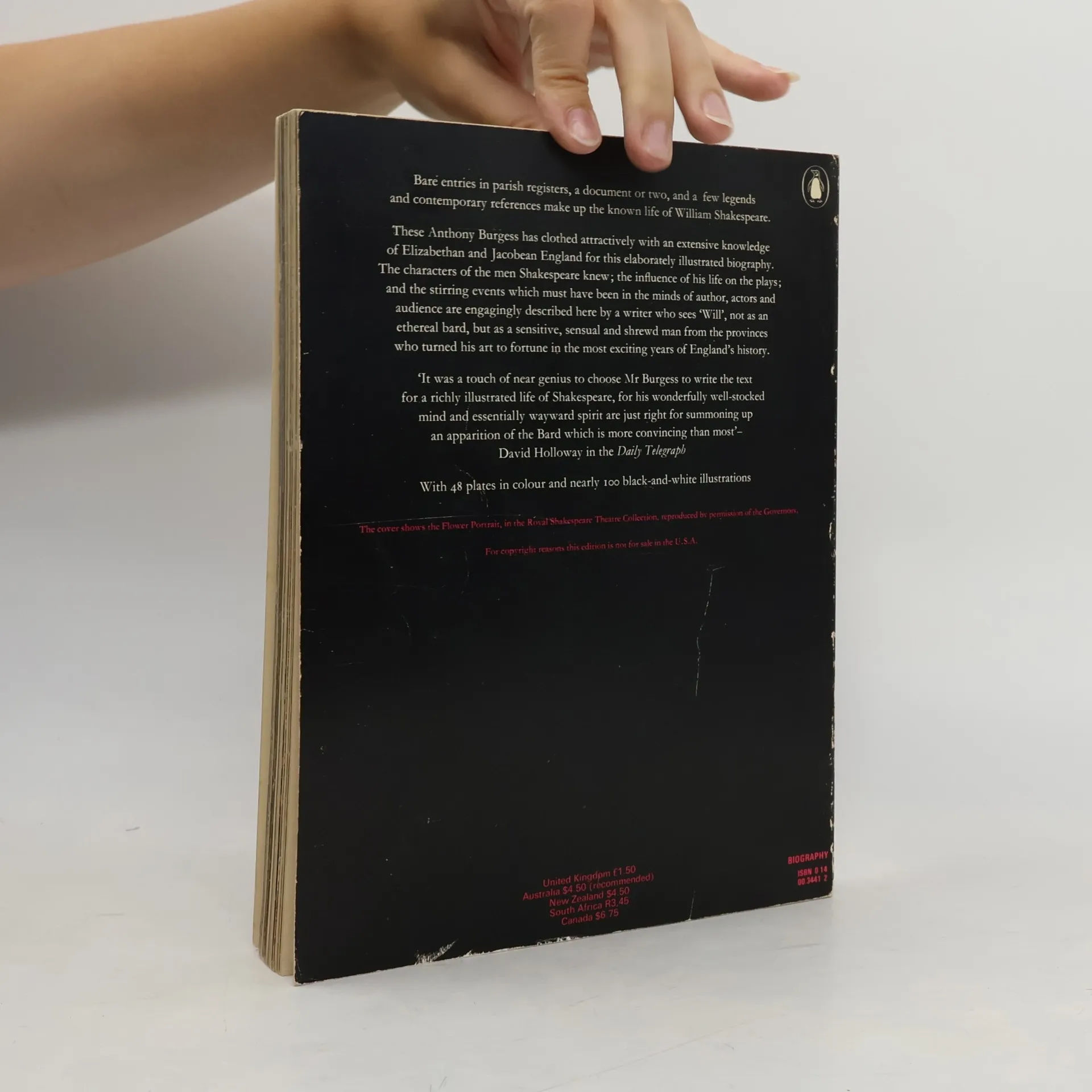
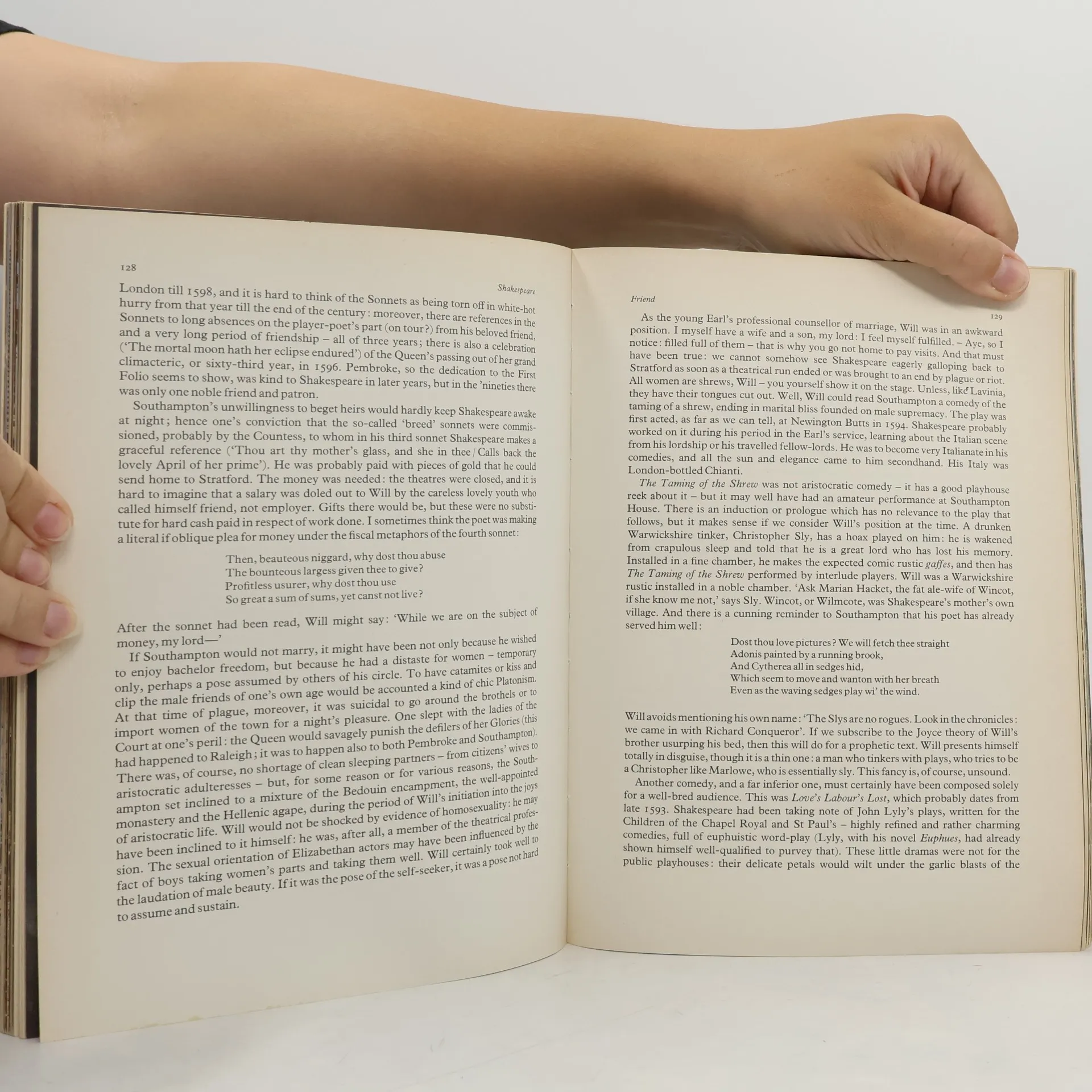
Shakespeare has been the lodestar of English literature, not only to our finest biographers & critics but to our greatest imaginative writers as well. Oscar Wilde, Mark Twain & James Joyce have all written of the man— as enigma, ancestor or phantom. In <i>Shakespeare</i> Burgess, whose <i>Nothing Like the Sun</i> Harold Bloom called "the only successful novel ever written about Shakespeare," takes up that daunting challenge once again, reimagining the actual world of Shakespeare the author, actor & man. Burgess is mindful of the few facts we have about Shakespeare & handles them with great dexterity. But this isn't a mere recounting of facts. It's an attempt by one virtuoso writer to capture the likeness of the supreme virtuoso, to locate him exactly & take his measure. It's also an attempt to present him —as only a gifted professional writer can —as a working writer among others, a man of his time in his own milieu. Shakespeare the Elizabethan upstart? Literary genius without peer? The representative man? The actor among actors, businessman among businessmen? What Burgess so skillfully gets across —alongside what he calls "the main facts about the life & society from which the poems & plays arose"— is a genuine feel for who Shakespeare was & where he was. In the end, Burgess claims for himself the right of every Shakespeare-lover: "to paint his own portrait of the man."
Acquisto del libro
Shakespeare, Anthony Burgess
- Lingua

- Pubblicato
- 1972
- Rilegatura
- (In brossura),
- Condizioni del libro
- Danneggiato
- Prezzo
- 8,51 €
Metodi di pagamento
Ancora nessuna valutazione.
- Titolo
- Shakespeare
- Lingua
- Inglese
- Autori
- Anthony Burgess
- Editore
- Penguin Books
- Pubblicato
- 1972
- Formato
- In brossura
- Pagine
- 300
- ISBN10
- 0140034412
- ISBN13
- 9780140034417
- Serie
- Descrizione
- Shakespeare has been the lodestar of English literature, not only to our finest biographers & critics but to our greatest imaginative writers as well. Oscar Wilde, Mark Twain & James Joyce have all written of the man— as enigma, ancestor or phantom. In <i>Shakespeare</i> Burgess, whose <i>Nothing Like the Sun</i> Harold Bloom called "the only successful novel ever written about Shakespeare," takes up that daunting challenge once again, reimagining the actual world of Shakespeare the author, actor & man. Burgess is mindful of the few facts we have about Shakespeare & handles them with great dexterity. But this isn't a mere recounting of facts. It's an attempt by one virtuoso writer to capture the likeness of the supreme virtuoso, to locate him exactly & take his measure. It's also an attempt to present him —as only a gifted professional writer can —as a working writer among others, a man of his time in his own milieu. Shakespeare the Elizabethan upstart? Literary genius without peer? The representative man? The actor among actors, businessman among businessmen? What Burgess so skillfully gets across —alongside what he calls "the main facts about the life & society from which the poems & plays arose"— is a genuine feel for who Shakespeare was & where he was. In the end, Burgess claims for himself the right of every Shakespeare-lover: "to paint his own portrait of the man."