

Anaïs Nin (1903-1977) è conosciuta per i suoi ampi diari, in cui descrive in modo sincero la sua vita e, soprattutto, i suoi sentimenti. Il testo in questione è un adattamento romanzato di materiale tratto dal diario di ottobre 1931 a ottobre 1932 e descrive la fioritura della relazione intima tra Nin, il noto scrittore americano Henry Miller e sua moglie June. Il materiale già pubblicato è stato in gran parte rimosso, ma alcune parti sono state reinserite per garantire la coerenza della narrazione. Il diario è molto aperto e discute sia sentimenti e conversazioni che atti sessuali, a volte in modo molto dettagliato e diretto. Se dobbiamo credere a questa narrazione, la vita di Nin e di Miller in quel periodo consisteva principalmente nell'amore in tutte le sue forme. La traduzione e l'esecuzione sono di buon livello; fotografie dei protagonisti sulla copertina anteriore e posteriore.
Da "Un diario d'amore" Serie
Questa serie svela i pensieri intimi e non censurati di una delle scrittrici più provocatorie del XX secolo. I diari raccontano la sua vita appassionata, le sue esplorazioni artistiche e le sue complesse relazioni con notevole franchezza. I lettori vengono invitati nelle profondità della psicologia e del desiderio umano, esplorando temi di amore, sessualità ed espressione creativa. Offre uno sguardo penetrante nella mente di una donna che visse e scrisse con intensa passione.
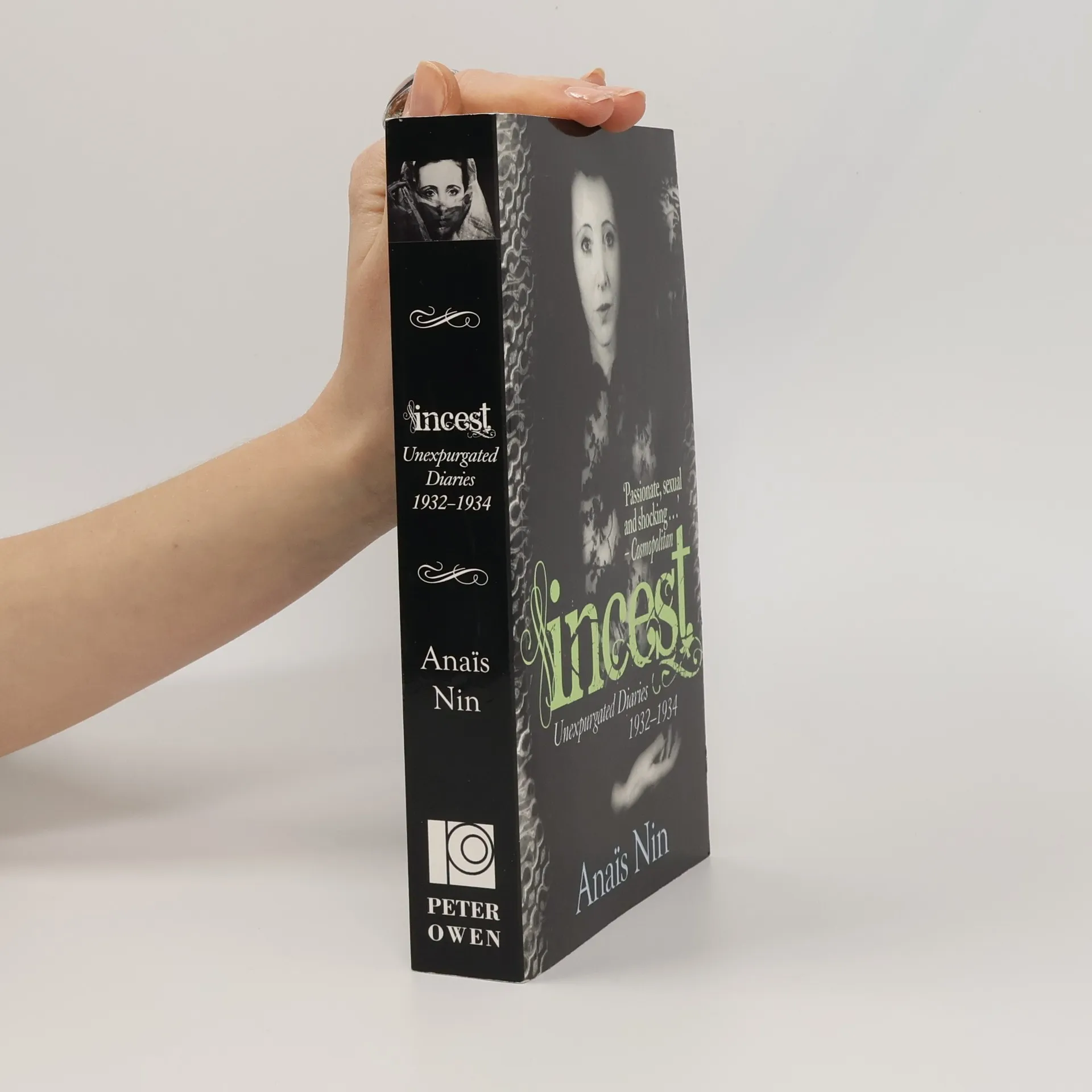
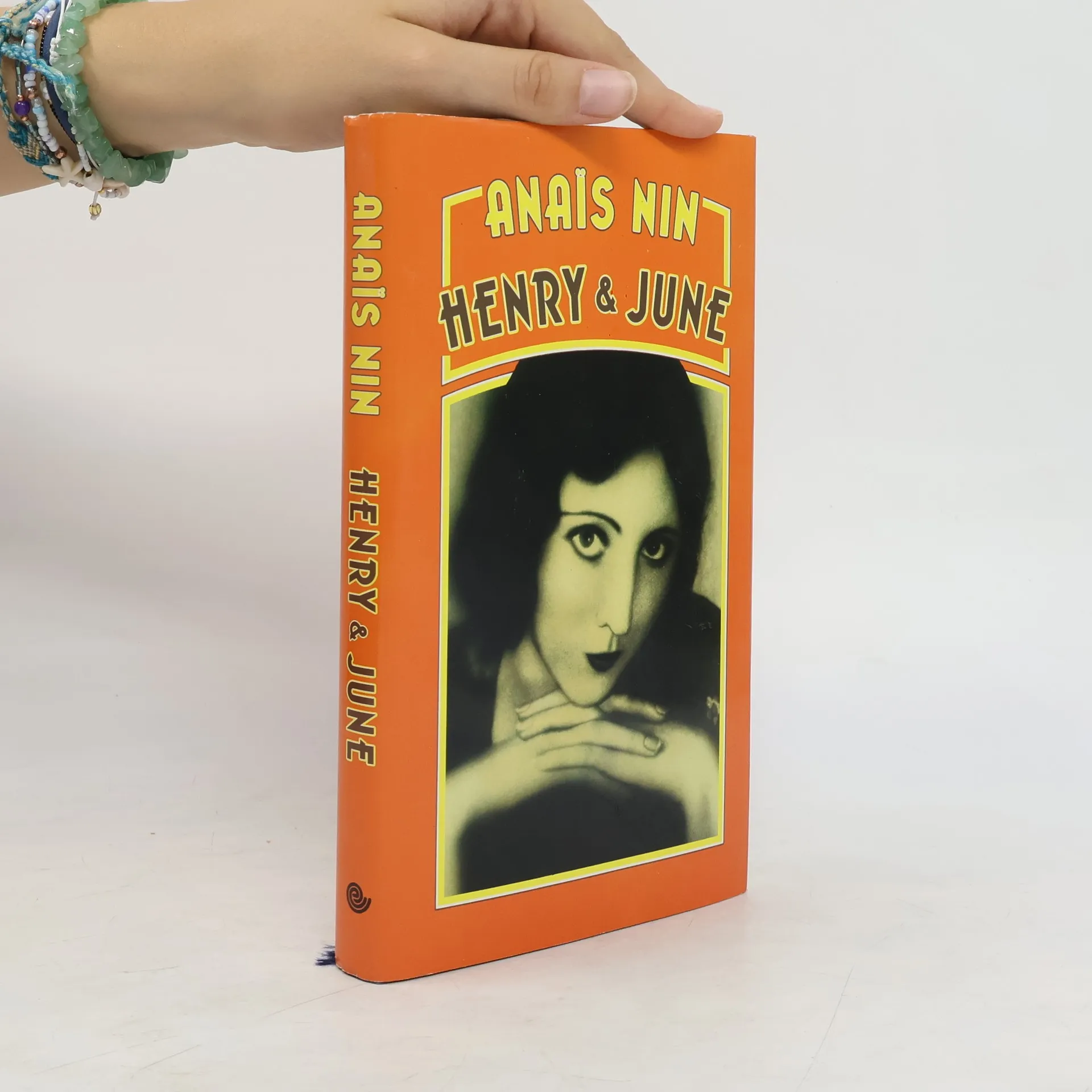
Ordine di lettura consigliato
Few writings explore a woman's love life in such detail, with such subtlety, insight, and pain, as does Anais Nin's original, uncensored diary. It is a life record that deals openly with the physical aspects of relationships and unsparingly with the full spectrum of psychological ramifications. Here was a woman who sought the freedom to act out her sexual and emotional desires with the same guiltless, "amoral" abandon that men have always claimed for themselves. When Nin began publishing sections of her diary in 1966, this aspect of her life was excised, though clearly there was more than could be told at the time concerning her relationships with Henry Miller and his wife, June, with the writer and actor Antonin Artaud, with her analysts Rene Allendy and Otto Rank, and - most important - with her father. Here now is the previously missing portion of Nin's life in the crucial years from 1932 to 1934, the shattering psychological drama that drove her to seek absolution from her psychoanalysts for the ultimate transgression. In its raw exposure of a woman's struggle to come to terms with herself, to find salvation in the very act of writing, Incest unveils an Anais Nin without masks and secrets, yet in the end still mysterious, perhaps inexplicable.