

Cult bestseller, new buzz word... Freakonomics is at the heart of everything we see and do and the subjects that bedevil us daily: from parenting to crime, sport to politics, fat to cheating, fear to traffic jams. Asking provocative and profound questions about human motivation and contemporary living and reaching some astonishing conclusions, Freakonomics will make you see the familiar world through a completely original lens.
Freakopedia Serie
Questa serie si addentra nelle connessioni inaspettate e spesso bizzarre della vita quotidiana. Esplora gli incentivi nascosti e le causalità non convenzionali che guidano il comportamento umano, dal crimine alla genitorialità. I lettori sono sfidati a riconsiderare la saggezza convenzionale e a scoprire gli aspetti affascinanti ma trascurati del mondo che li circonda. Ogni volume offre una prospettiva fresca su come l'economia e la natura umana plasmano la nostra realtà in modi sorprendenti e illuminanti.

Ordine di lettura consigliato
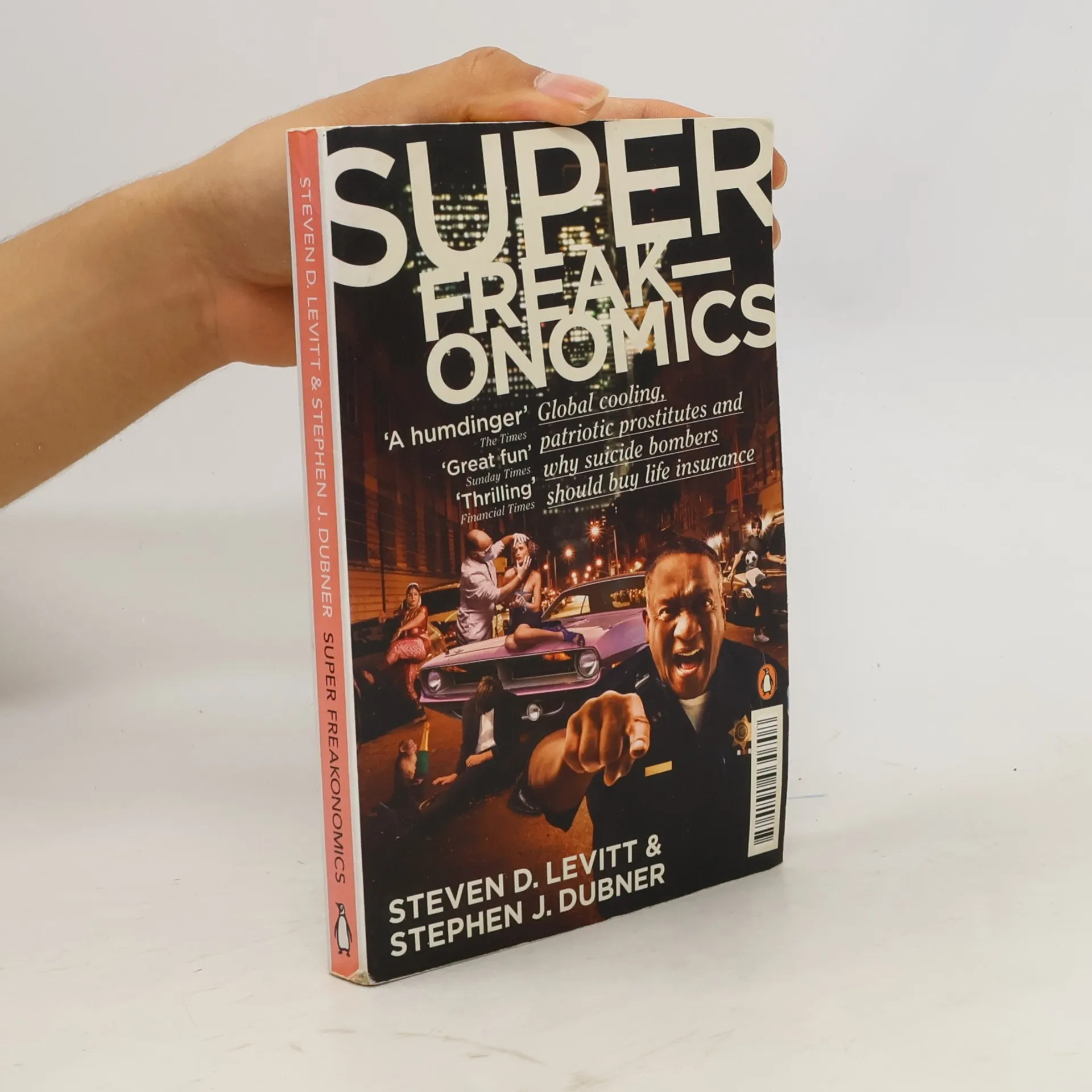
Super freakonomics
- 270pagine
- 10 ore di lettura
Looking deeper, questioning harder, this title uncovers the hidden truths about our world, from global cooling to patriotic prostitutes, drunk walking to why suicide bombers should buy life insurance.
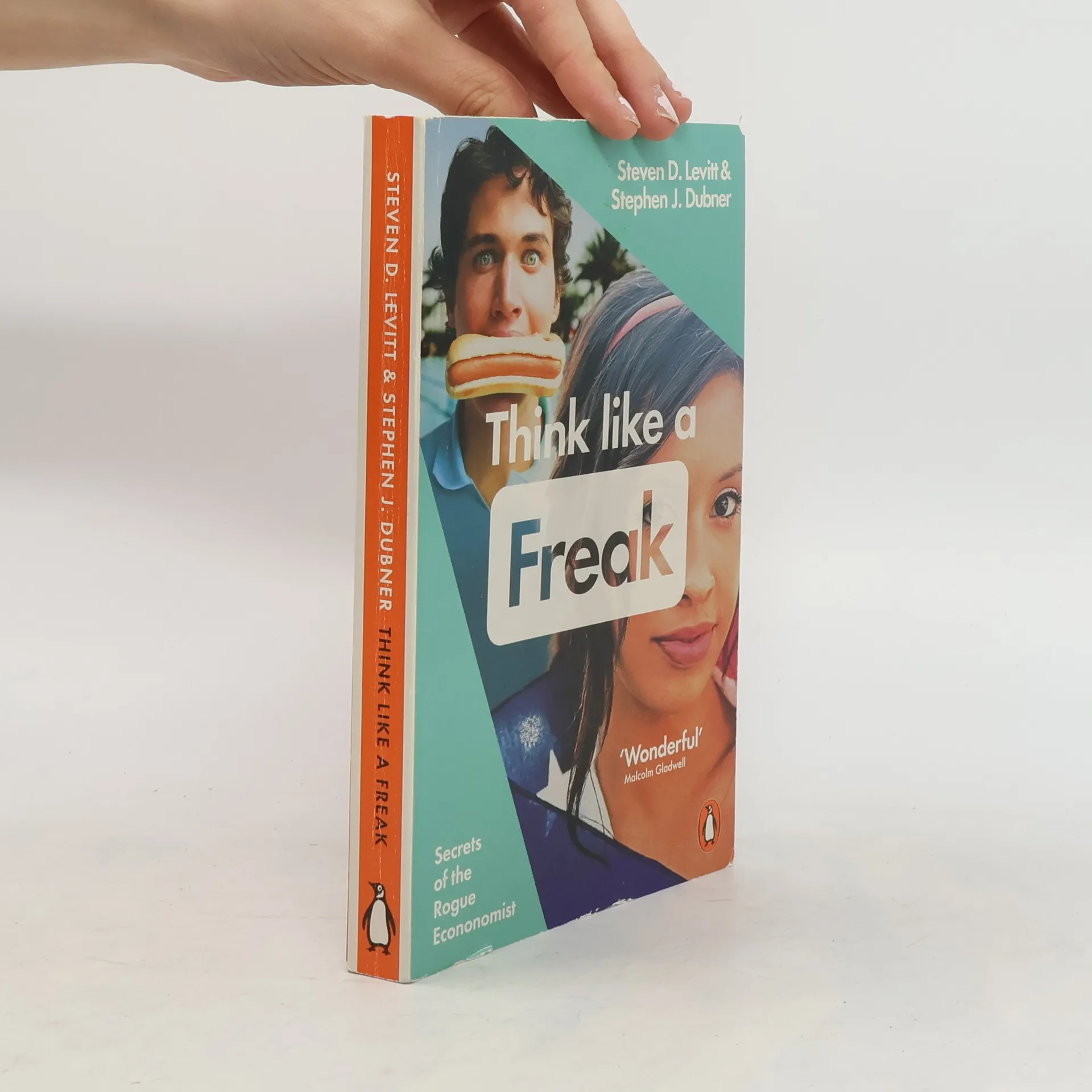
Think Like a Freak
- 256pagine
- 9 ore di lettura
The Freakonomics books have come to stand for something- challenging the conventional wisdom; using data rather than emotion to answer questions; and learning to think differently about how the world works. Now Levitt and Dubner have gathered up what they have learned and turned it into a readable and practical toolkit for thinking smarter, harder and different - thinking, that is, like a Freak. Think Like a Freakoffers a philosophy and a methodology, with rules like 'Put Your Moral Compass in Your Pocket,' 'Embrace Your Ignorance,' 'The Upside of Quitting,' 'Think Like a Child', 'Like a Bad Dye Job, The Truth is in the Roots' and 'How to win a fight, Freakonomics-style'. Thinking like a Freak comes in handy for everything from making oodles of money to wiping out diseases to getting your kids to visit you in the nursing home when you're old. This book shows how anyone can do it.
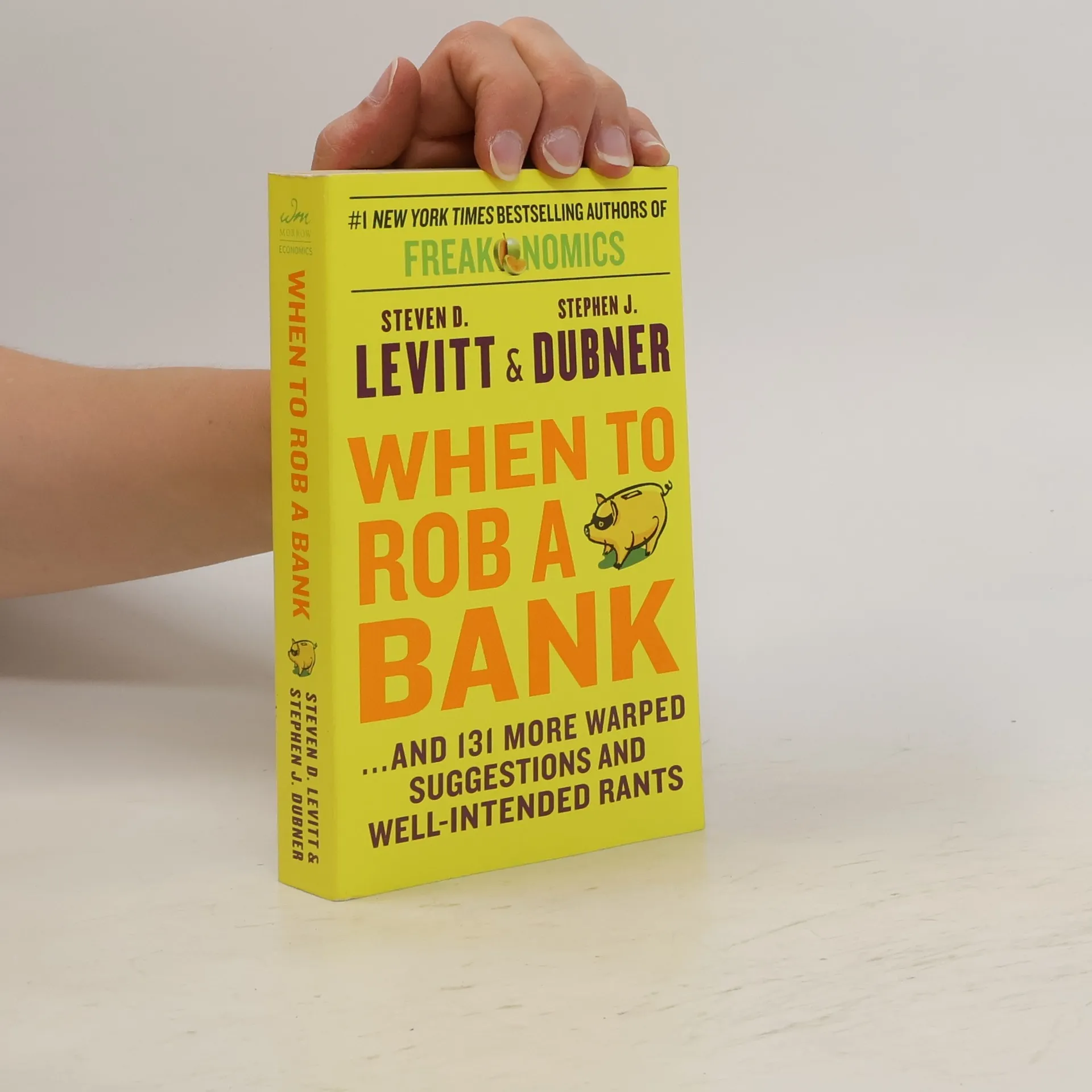
When to Rob a Bank
- 400pagine
- 14 ore di lettura
In celebration of the 10th anniversary of a landmark book, this curated collection from the most engaging economics blog offers a perfect solution for fans of the authors. Surprising, erudite, and witty, it showcases the brilliance that has made the authors an international sensation, with over 7 million books sold and 150 million podcast downloads. Since the original book's release, the authors have maintained a blog with a more casual and personal tone, posing offbeat questions like why flight attendants don’t receive tips, how a terrorist might plan an attack, and why KFC often runs out of fried chicken. Over the past decade, they have published more than 8,000 blog posts, many of which they admit were not their best work. However, they have carefully selected the finest entries for this collection. Readers will explore topics such as the nature of lies, effective strategies to reduce gun deaths, the controversial idea of a sex tax, and the humorous conclusion that robbing a bank is not worth the effort. Additionally, insights into the authors’ own interests, including gambling, golf, and the debate over the penny, add a personal touch to the collection.
Libri correlati
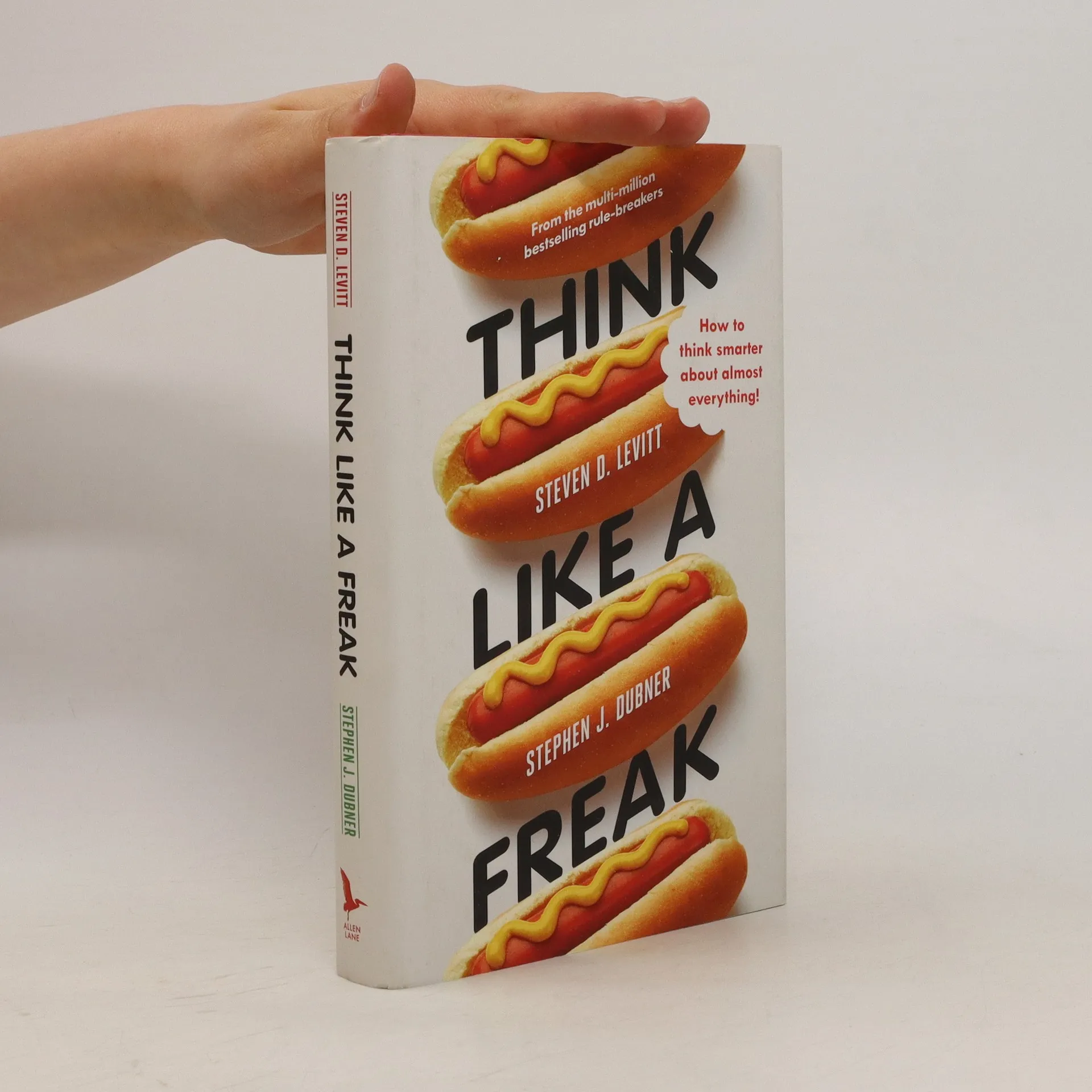
Think Like a Freak: How to Think Smarter about Almost Everything
- 304pagine
- 11 ore di lettura
The Freakonomics books have come to stand for challenging conventional wisdom; using data rather than emotion to answer questions. Now Levitt and Dubner have turned what they've learned into a readable and practical toolkit for thinking smarter, harder, and different - thinking, that is, like a Freak. Think Like a Freak offers rules like 'Put Your Moral Compass in Your Pocket,' 'The Upside of Quitting,' 'Just Because You're Great at Something Doesn't Mean You're Good at Everything,' and 'If You Have No Talent, Follow Levitt's Path to Success.'
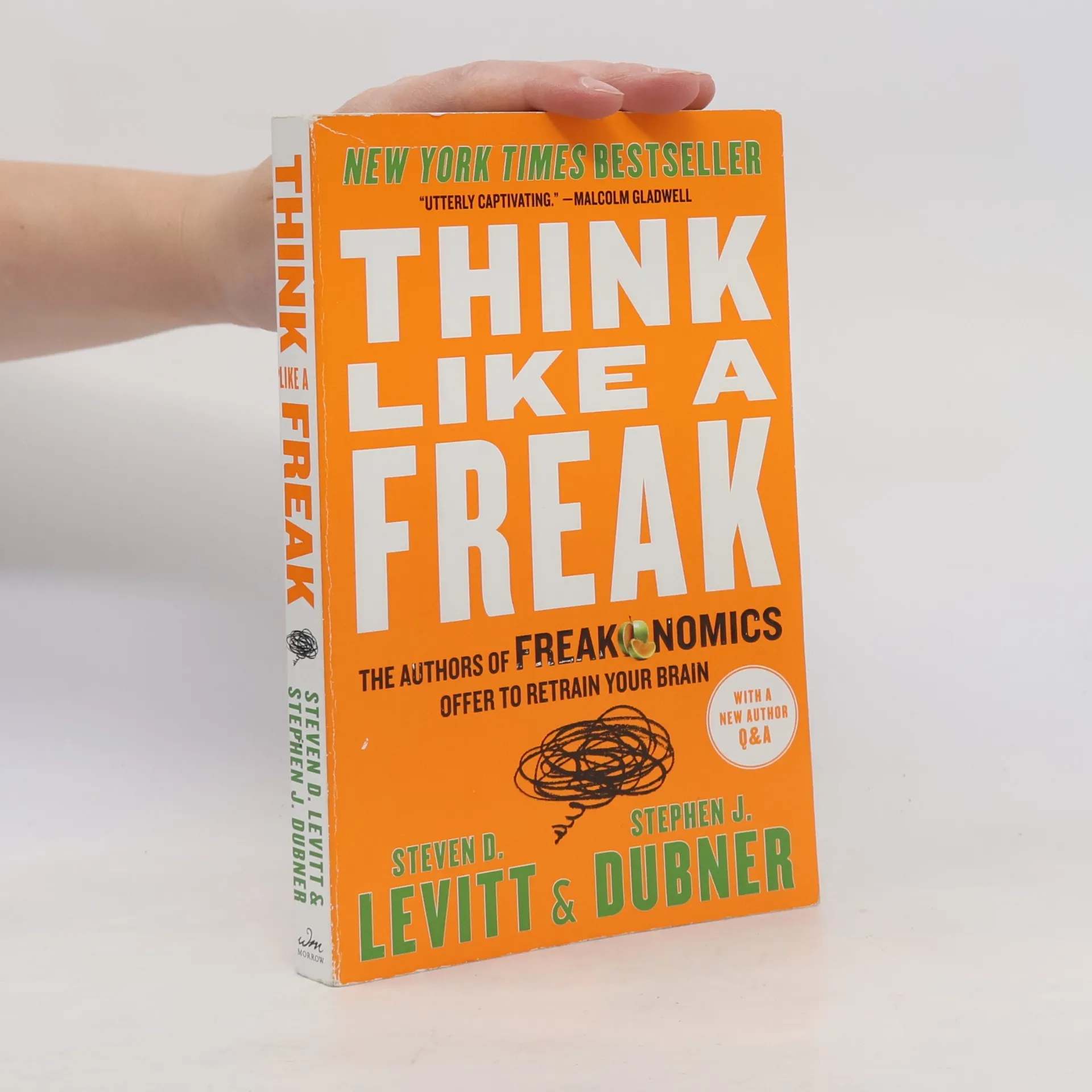
Think Like a Freak: The Authors of Freakonomics Offer to Retrain Your Brain
- 304pagine
- 11 ore di lettura
Now in Paperback—the New York Times bestseller—and follow up to the revolutionary bestsellers Freakonomics and SuperFreakonomics—with a new author Q&A. With their trademark blend of captivating storytelling and unconventional analysis, Steven D. Levitt and Stephen J. Dubner take us inside their thought process and teach us all how to think a bit more productively, more creatively, more rationally. In Think Like A Freak, they offer a blueprint for an entirely new way to solve problems, whether your interest lies in minor lifehacks or major global reforms. The topics range from business to philanthropy to sports to politics, all with the goal of retraining your brain. Along the way, you’ll learn the secrets of a Japanese hot-dog-eating champion, the reason an Australian doctor swallowed a batch of dangerous bacteria, and why Nigerian e-mail scammers make a point of saying they’re from Nigeria. Levitt and Dubner plainly see the world like no one else. Now you can too. Never before have such iconoclastic thinkers been so revealing—and so much fun to read.
Superfreakonomics, Illustrated Edition
Global Cooling, Patriotic Prostitutes, and Why Suicide Bombers Should Buy Life Insurance
- 304pagine
- 11 ore di lettura
The sequel to SuperFreakonomics expands on the original's exploration of unconventional economic theories and insights. It delves into intriguing topics, blending humor with serious analysis to challenge conventional wisdom. Readers can expect a deeper examination of social behavior, incentives, and the surprising ways in which people respond to various situations. This edition promises to engage and enlighten, making complex ideas accessible and entertaining.
