
Bookbot

I Cardini della Storia

Questa serie approfondisce i momenti cruciali della storia umana, andando oltre una semplice cronaca di disastri e conflitti. Scopre narrazioni di gentilezza inaspettata, sacrificio e compassione che hanno plasmato il corso della civiltà. Ogni puntata offre uno sguardo profondo su eventi unici in cui l'umanità è emersa anche nei tempi più bui. È una celebrazione di improbabili atti di bontà che dimostrano come la speranza persista anche nelle circostanze più avverse.

Mysteries of the Middle Ages
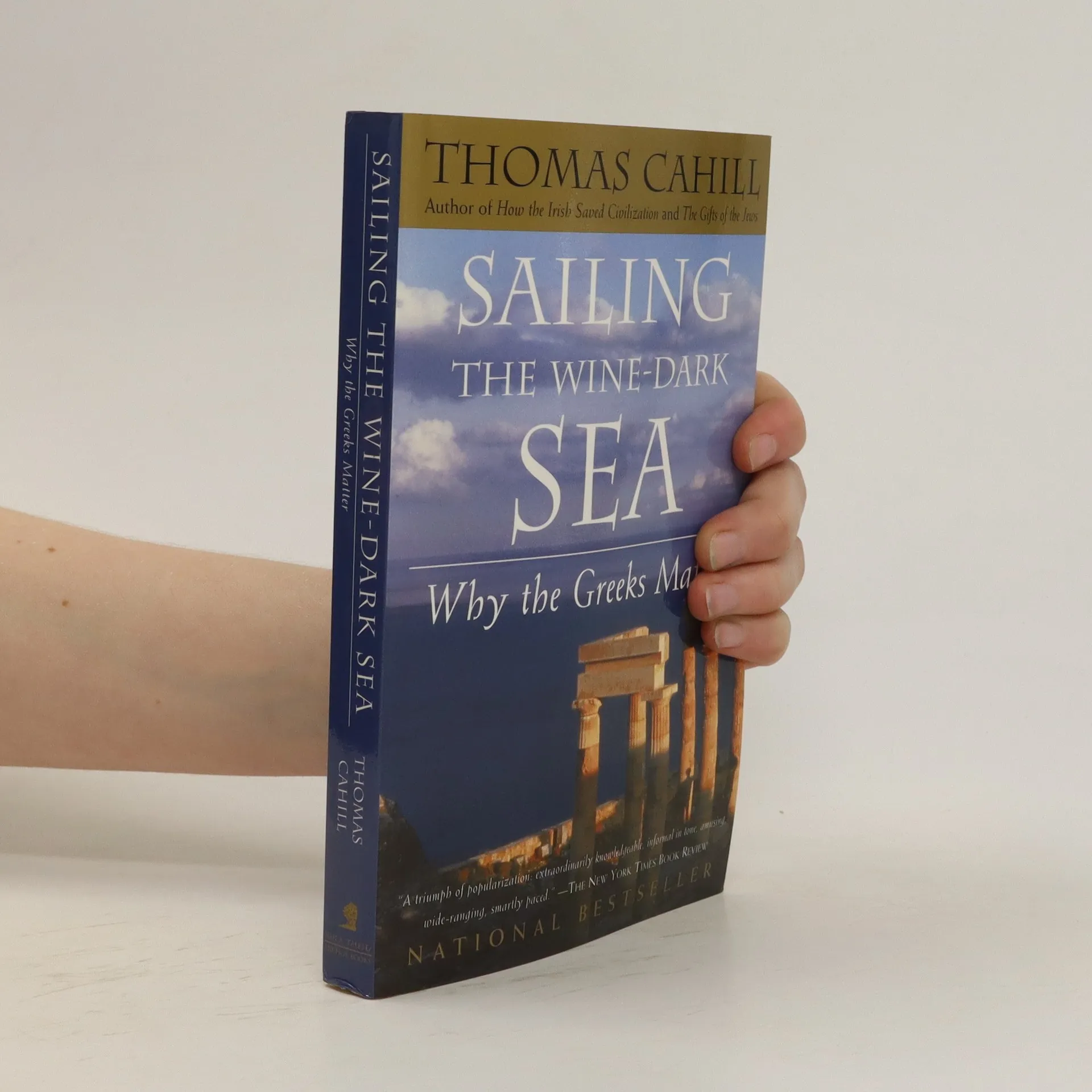
Sailing the wine-dark sea : why the Greeks matter
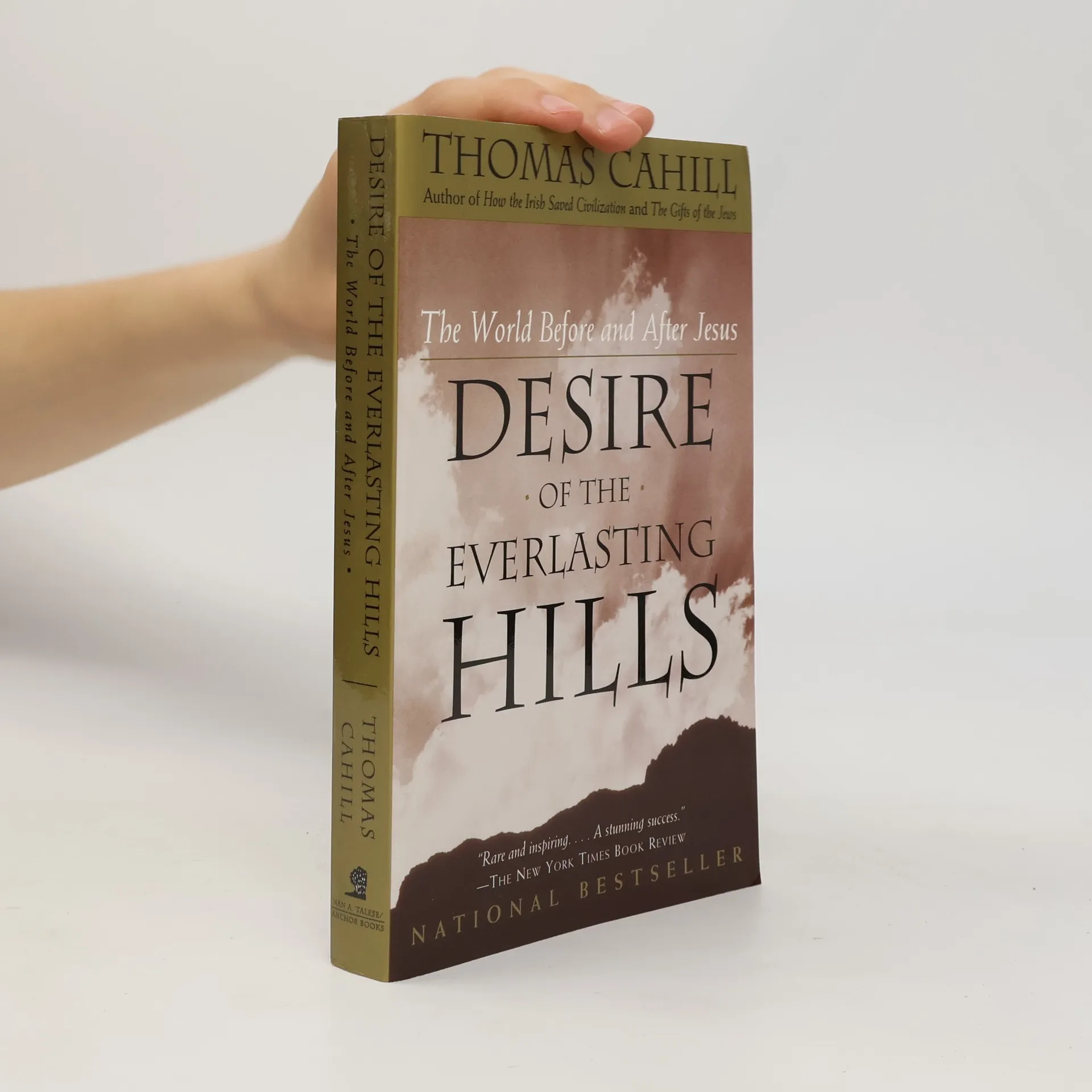
Desire of the Everlasting Hills
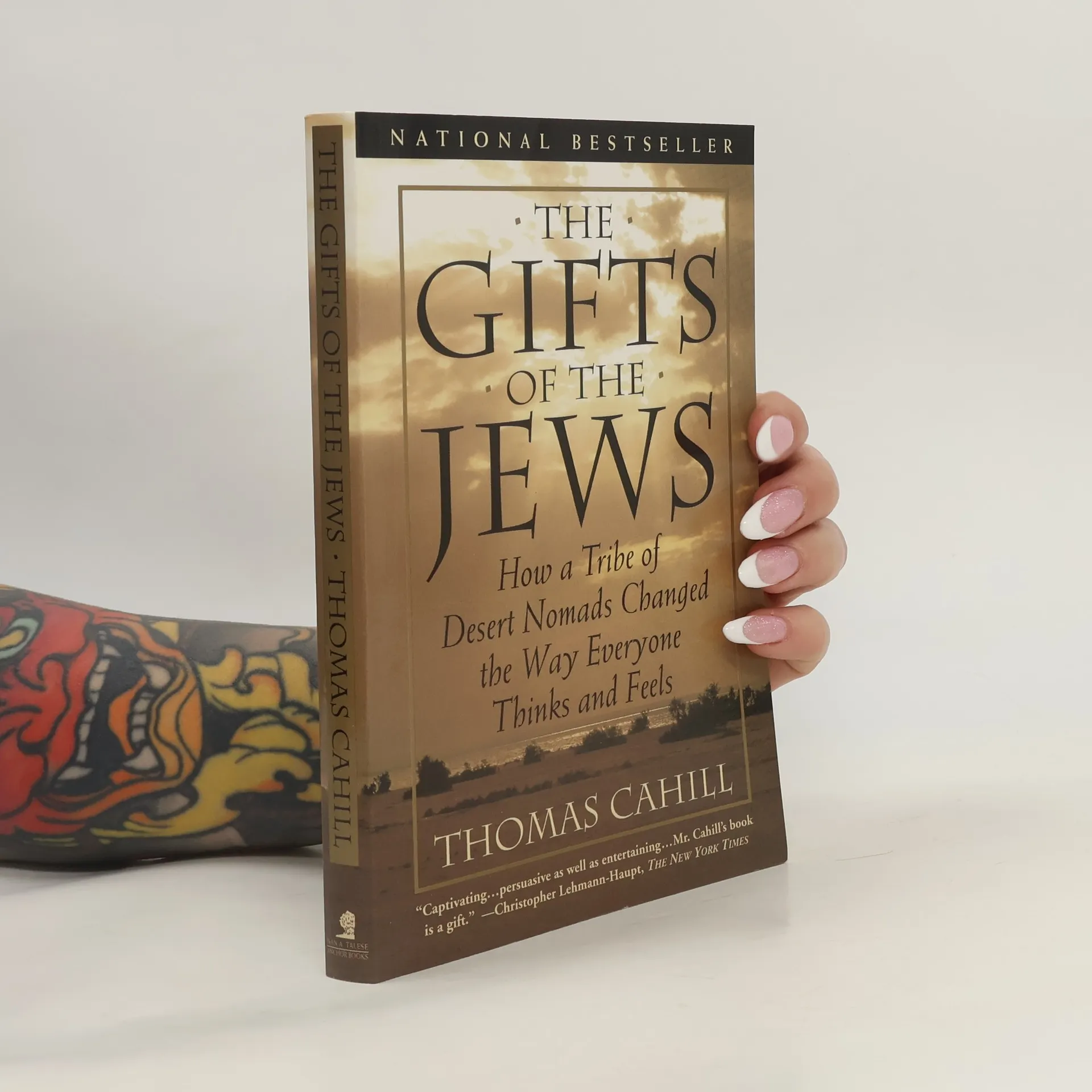
The Gifts of the Jews
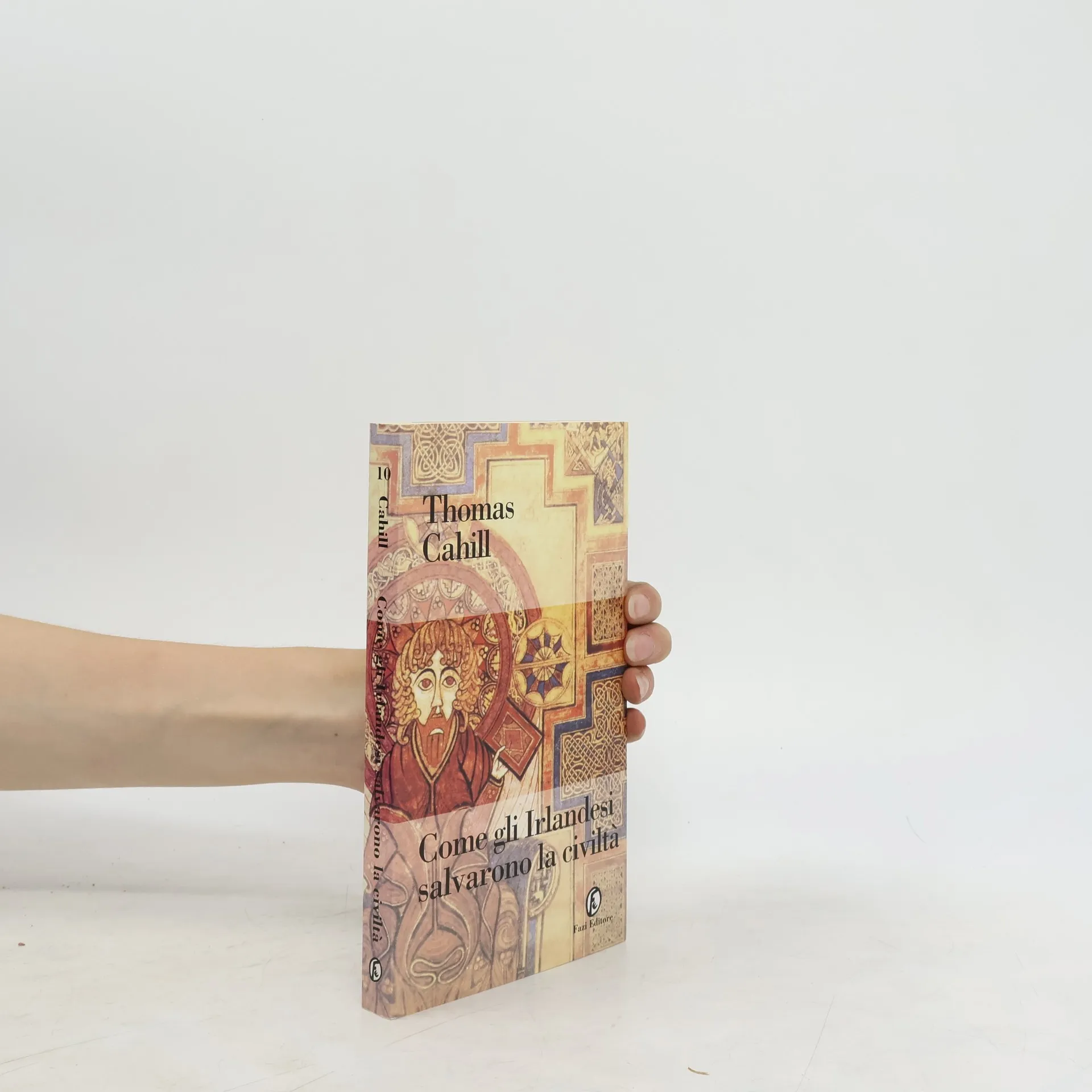
Come gli Irlandesi salvarono la civiltà

Ordine di lettura consigliato

  1. Sono rari gli storici capaci di unire alla ricchezza e alla solidità delle informazioni una autentica vena narrativa. Dotato di queste virtù, e di una passione per la sua materia che non concede mai nulla a facili improvvisazioni, Thomas Cahill ha scritto un libro memorabile sul periodo più oscuro della storia europea, quella misteriosa età di transizione che va dalla caduta dell’impero romano all’affermazione dell’autorità di Carlo Magno. Un periodo in cui fu la stessa nozione di “cultura” a venire radicalmente rielaborata, in entrambe le sue articolazioni fondamentali: la conservazione e la trasmissione del sapere. Nessuno, prima di Cahill, aveva con tanta abbondanza d’argomenti messo in rilievo il ruolo che in questo processo di trasformazione intellettuale svolse l’Irlanda monastica. Trascinato da un’arte del racconto che potrà ricordare le pagine dei grandi storici del passato (da Gibbon a Michelet fino a Croce), il lettore verrà a conoscenza del mondo di San Patrizio e del Book of Kells, godendo la novità di una “storia mai scritta”, il cui carattere avventuroso ha già fatto del libro di Cahill uno dei maggiori best-seller americani degli ultimi anni.

    Come gli Irlandesi salvarono la civiltà1
    3,8
  2. The Gifts of the Jews

    How a Tribe of Desert Nomads Changed the Way Everyone Thinks and Feels

    • 291pagine
    • 11 ore di lettura

    Taking us first to Sumer in the third millennium, Cahill explores a civilization in which life is seen - as it was in all ancient societies - as part of an endless cycle of birth and death: time perceived as a wheel, spinning ceaselessly, never altering its course - until the ancient Jews dramatically change that perception. When Abraham hears the Voice of God speaking the unexpected words "Go forth," the concept of an unknown future takes hold and Western civilization is born. From this insight the Jews evolve a new vision of men and women with unique destinies - a vision that thousands of years later will inspire the Declaration of Independence and our hopeful belief in progress and the sense that tomorrow can be better than today. Thomas Cahill narrates this momentous shift with compelling stories, insights, and humor, and draws us closer to such powerful biblical personalities as Abraham and Sarah, Moses and Miriam, David, Amos, Isaiah, Naomi, and Ruth.

    The Gifts of the Jews2
    3,8
  3. From the bestselling author of How the Irish Saved Civilization and The Gifts of the Jews, his most compelling historical narrative yet. How did an obscure rabbi from a backwater of the Roman Empire come to be the central figure in Western Civilization? Did his influence in fact change the world? These are the questions Thomas Cahill addresses in his subtle and engaging investigation into the life and times of Jesus. Cahill shows us Jesus from his birth to his execution through the eyes of those who knew him and in the context of his time—a time when the Jews were struggling to maintain their beliefs under overlords who imposed their worldview on their subjects. Here is Jesus the loving friend, itinerate preacher, and quiet revolutionary, whose words and actions inspired his followers to journey throughout the Roman world and speak the truth he instilled—in the face of the greatest defeat: Jesus' crucifixion as a common criminal. Daring, provocative, and stunningly original, Cahill's interpretation will both delight and surprise.

    Desire of the Everlasting Hills3
    4,0
  4. In Sailing the Wine-Dark Sea, his fourth volume to explore "the hinges of history," Thomas Cahill escorts the reader on another entertaining—and historically unassailable—journey through the landmarks of art and bloodshed that defined Greek culture nearly three millennia ago.In the city-states of Athens and Sparta and throughout the Greek islands, honors could be won in making love and war, and lives were rife with contradictions. By developing the alphabet, the Greeks empowered the reader, demystified experience, and opened the way for civil discussion and experimentation—yet they kept slaves. The glorious verses of the Iliad recount a conflict in which rage and outrage spur men to action and suggest that their "bellicose society of gleaming metals and rattling weapons" is not so very distant from more recent campaigns of "shock and awe." And, centuries before Zorba, Greece was a land where music, dance, and freely flowing wine were essential to the high life. Granting equal time to the sacred and the profane, Cahill rivets our attention to the legacies of an ancient and enduring worldview.

    Sailing the wine-dark sea : why the Greeks matter4
    3,8
  5. A new volume in the author's acclaimed Hinges of History series examines the rebirth of scholarship, art, literature, philosophy, and science following the Dark Ages, vividly capturing the spirit of experimentation, pageantry, and pursuit of knowledge that transformed medieval Europe and set the stage for the modern world. Reprint. 75,000 first printing.

    Mysteries of the Middle Ages5
    3,7