Questa serie approfondisce le vite e le menti dei pensatori e artisti più influenti della storia. Ogni volume offre un ritratto avvincente di una figura chiave, esplorando il loro lavoro, la loro eredità e il loro impatto sul mondo. È un viaggio affascinante nelle correnti intellettuali e creative che hanno plasmato la nostra civiltà. Ideale per i lettori che cercano una comprensione più profonda degli individui cardine che hanno spinto i confini del pensiero e della creazione.
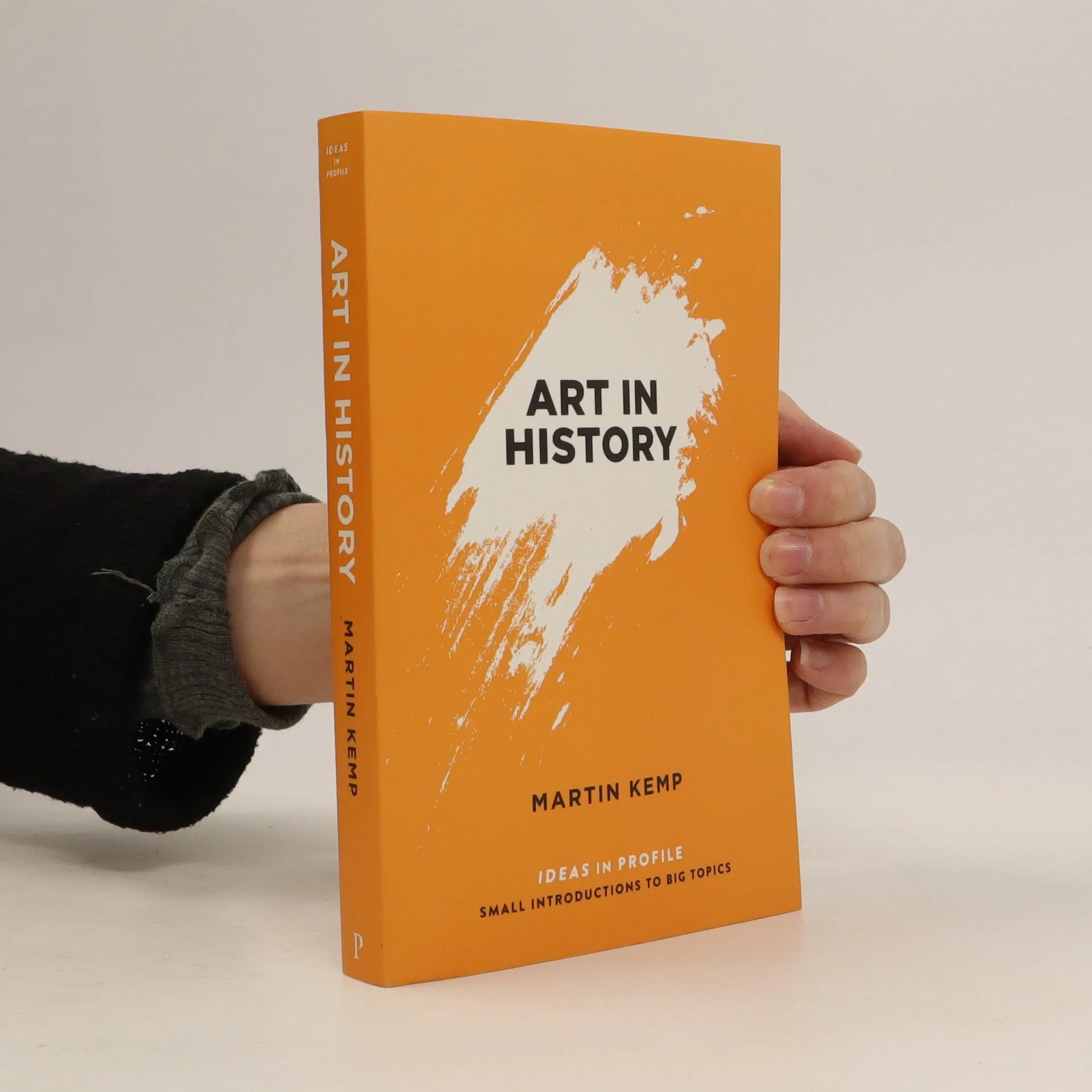
When we look at a painting by Raphael, Rembrandt, or Rubens it speaks to us directly, but it's also an historical document, part of a living world. Martin Kemp takes the reader on an extraordinary trip through art, from devotional works to the revolutionary techniques of the Renaissance, from the courtly Masters of the seventeenth century through to the daring avant-garde of the twentieth century and beyond. Art In History is an indispensable, accessible and richly detailed guide to our culture, our history, our heritage, and our art
'Feminism' wrote Marie Shear in 1986, 'is the radical notion that women are people'. But, simple and powerful though this definition is, feminism is not a single, clear narrative. It doesn't begin with a specific event at a particular moment in time, it can't be identified with any one political organization or movement, and it isn't defined by the contributions of a handful of great thinkers.Here, Professor Deborah Cameron unpicks the various strands that constitute one of history's most important intellectual and political movements. In her clear and incisive account, she discusses oppression, sexuality, violence, academic theory and practical activism, shows how feminism can be a way of viewing the world and provides an overview of its history.In an era of #metoo, pay gap scandals and online harrassment, it's impossible to deny that gender inequality is a fact of life. And as long as that continues to be true, we will need to understand and engage with the ideas and history of the feminist movement.
Roger Scruton looks at the central ideas of conservatism over the centuries. He examines conservative thinking on civil society, the rule of law and the role of the state on the one hand; and freedom (including freedom of expression and association), morality, equality, property and rights on the other. He traces the origins and development of the conservative ideology in the philosophies and thoughts of, among others, John Locke, Thomas Hobbes, David Hume, Edmund Burke, Adam Smith, John Stuart Mill, John Ruskin, Michael Oakeshott, Friedrich Hayek, Milton Friedman and Robert Nozick. He shows how conservative ideas have worked out in the politics and policies of leading figures people such as Thomas Jefferson, Benjamin Disraeli, the Earl of Salisbury, Calvin Coolidge, Winston Churchill, Ronald Reagan and Margaret Thatcher. He also looks closely at the degree to which capitalism and free markets have been, and are integral to, conservative ideology and politics in the UK and in the USA. Professor Scruton's clear, incisive guide is essential reading for anyone wishing to understand the politics and policies of the west now and over the last three centuries.
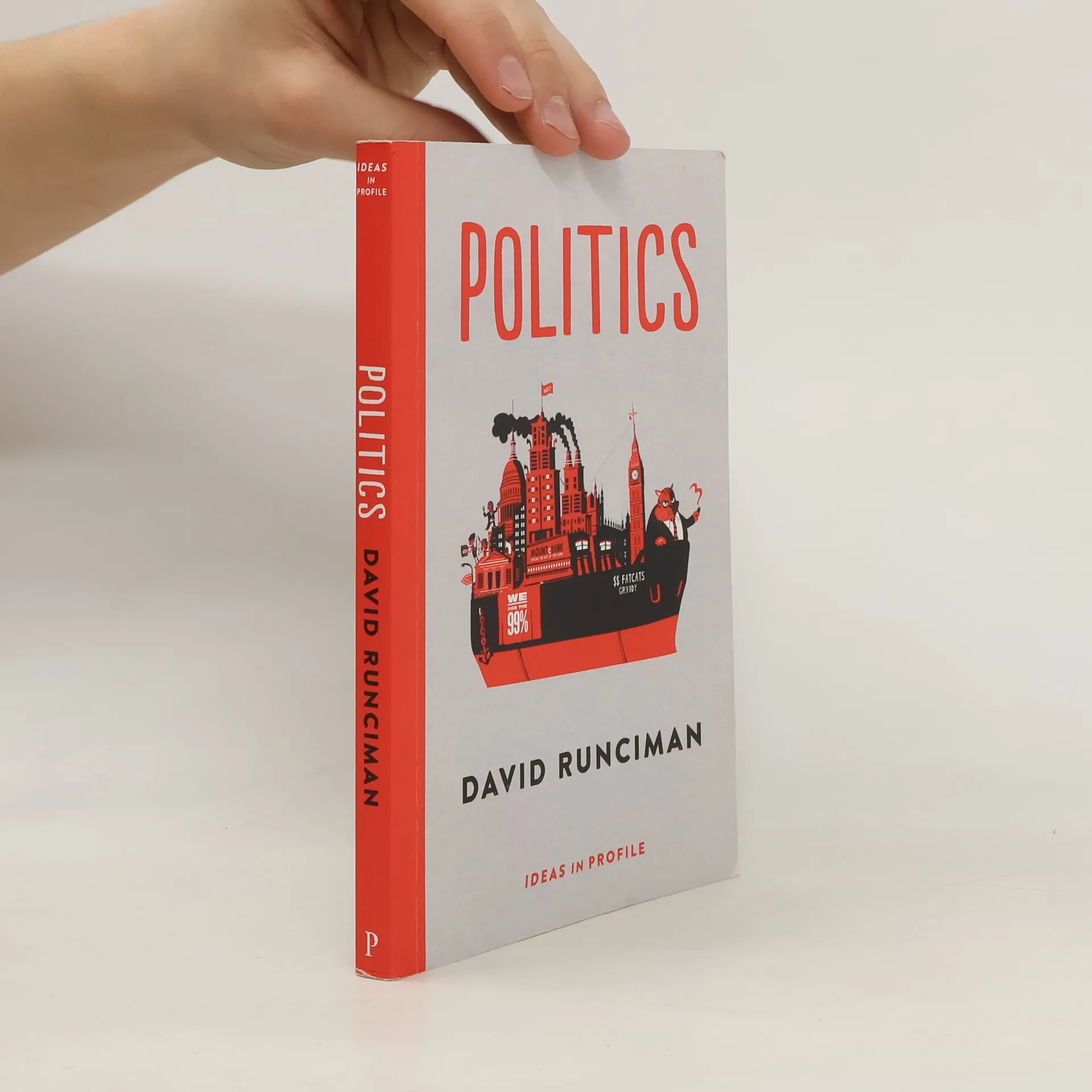
In the first title of an exciting new series one of the world's leading political scientists asks the big questions about politics: what is it, why we do we need it and where, in these turbulent times, is it heading? From the gap between rich and poor to the impact of social media, via Machiavelli, Hobbes and Weber, Runciman's comprehensive short introduction is invaluable to those studying politics or those who want to know how life in Denmark became more comfortable than in Syria.Fusing animation and images from the award winning animators behind RSA Animates, beautifully adapted to both print and digital formats, the Ideas in Profile series boldly reinvents what introductions can and should be in the twenty-first century. Concise, clear, relevant, entertaining, original and global in scope, Politics makes essential reading - and viewing for students and general readers.