

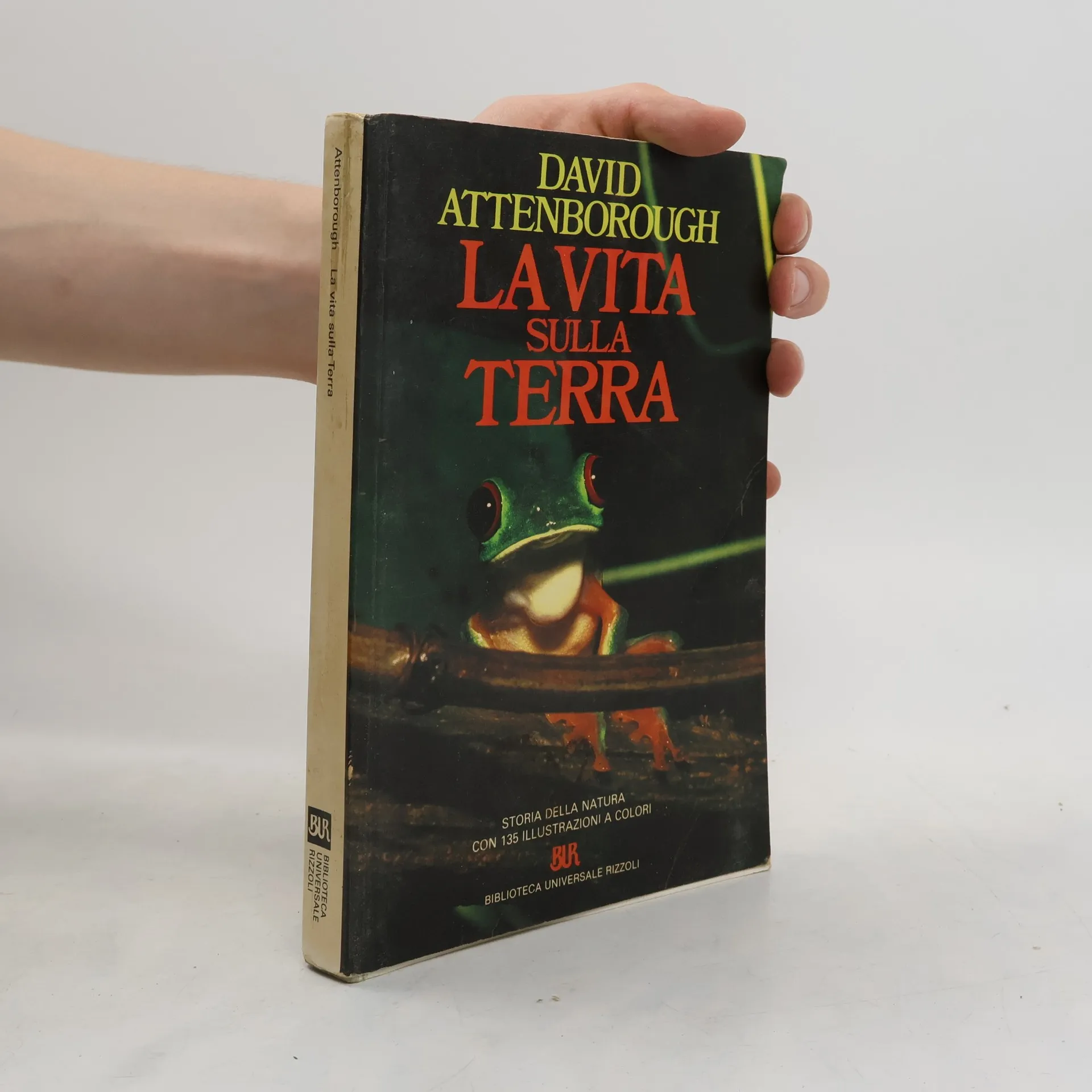
In quest'opera unica, David Attenborough presenta una storia completa della natura, tracciando l'evoluzione della vita da organismi unicellulari oltre 3 miliardi di anni fa fino all'uomo moderno. La narrazione esplora la vita animale e vegetale attuale, intrecciando confronti con specie estinte, illustrando le origini delle creature viventi. L'approccio dinamico di Attenborough mette in evidenza l'evoluzione di circa quattro milioni di specie, concentrandosi su sviluppi chiave all'interno dei principali gruppi. Analizza perché alcuni animali prosperarono ed evolsero in forme più complesse mentre altri affrontarono l'estinzione a causa di limitazioni fisiologiche. Questo libro è un'esplorazione straordinaria della vita, mostrando la chiarezza e la perspicacia di Attenborough mentre guida i lettori attraverso ecosistemi diversi. Dalle giungle dove le orchidee imitano le vespe per attrarre i pollinatori, alle formiche miele dell'Australia che immagazzinano nettare nei loro compagni, fino ai macachi del Giappone che si immergono in sorgenti vulcaniche per sopravvivere all'inverno, la narrazione è ricca di meraviglie. La narrazione coinvolgente di Attenborough invita i lettori ad apprezzare le intricate connessioni nel mondo naturale e le straordinarie adattamenti emersi nel corso della storia.
Trilogia della Vita Serie
Questa trilogia approfondisce le profonde domande sull'esistenza e sulla condizione umana. Ogni opera offre una prospettiva unica sulle complessità della vita, dell'amore e della perdita. La serie invita i lettori a contemplare il senso della vita e il nostro posto nell'universo. È un viaggio di introspezione e scoperta che risuona con coloro che cercano una comprensione più profonda.
Ordine di lettura consigliato
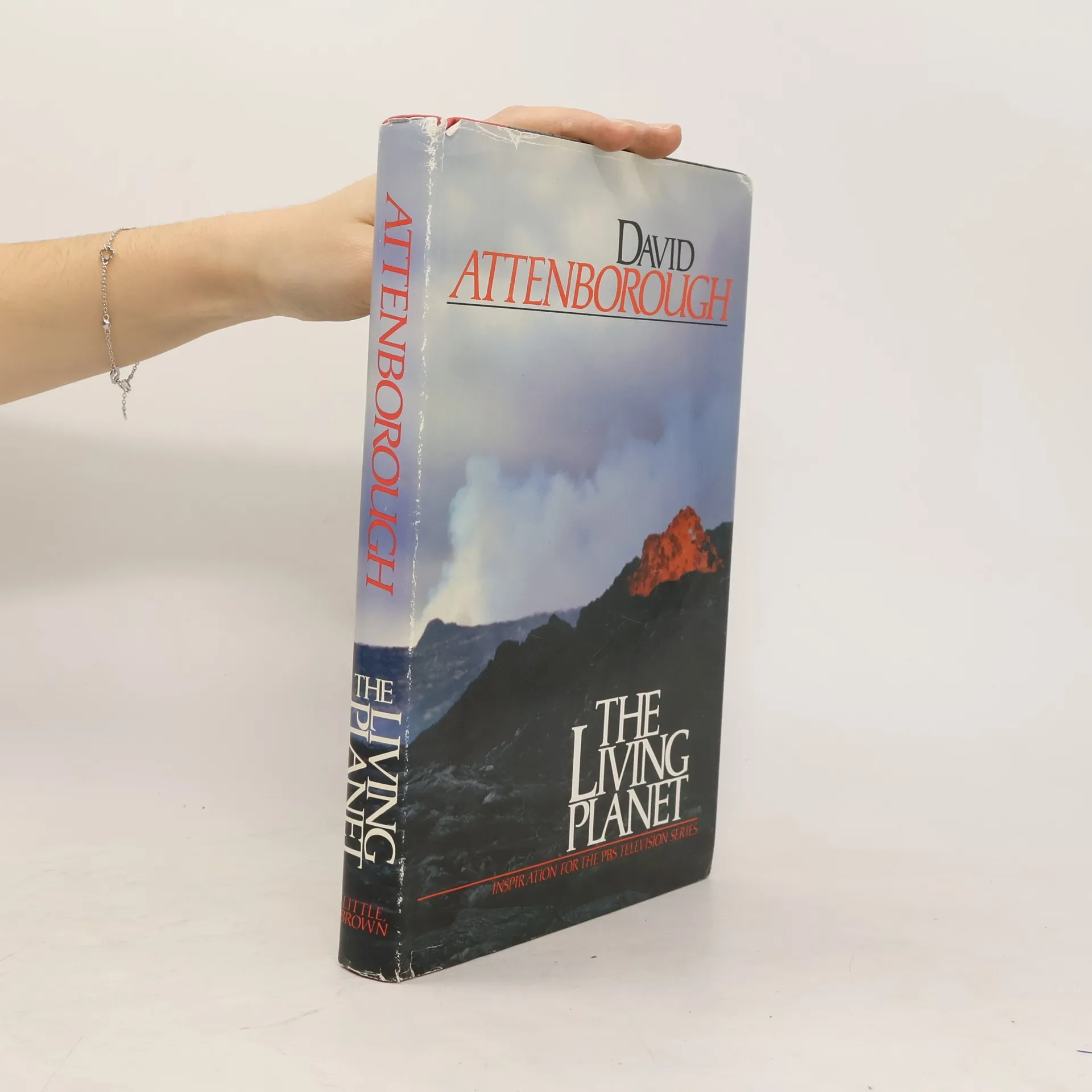
The Living Planet
- 320pagine
- 12 ore di lettura
Book discusses and pictures life in various environments such as deserts, grasslands, oceans, and the sky.
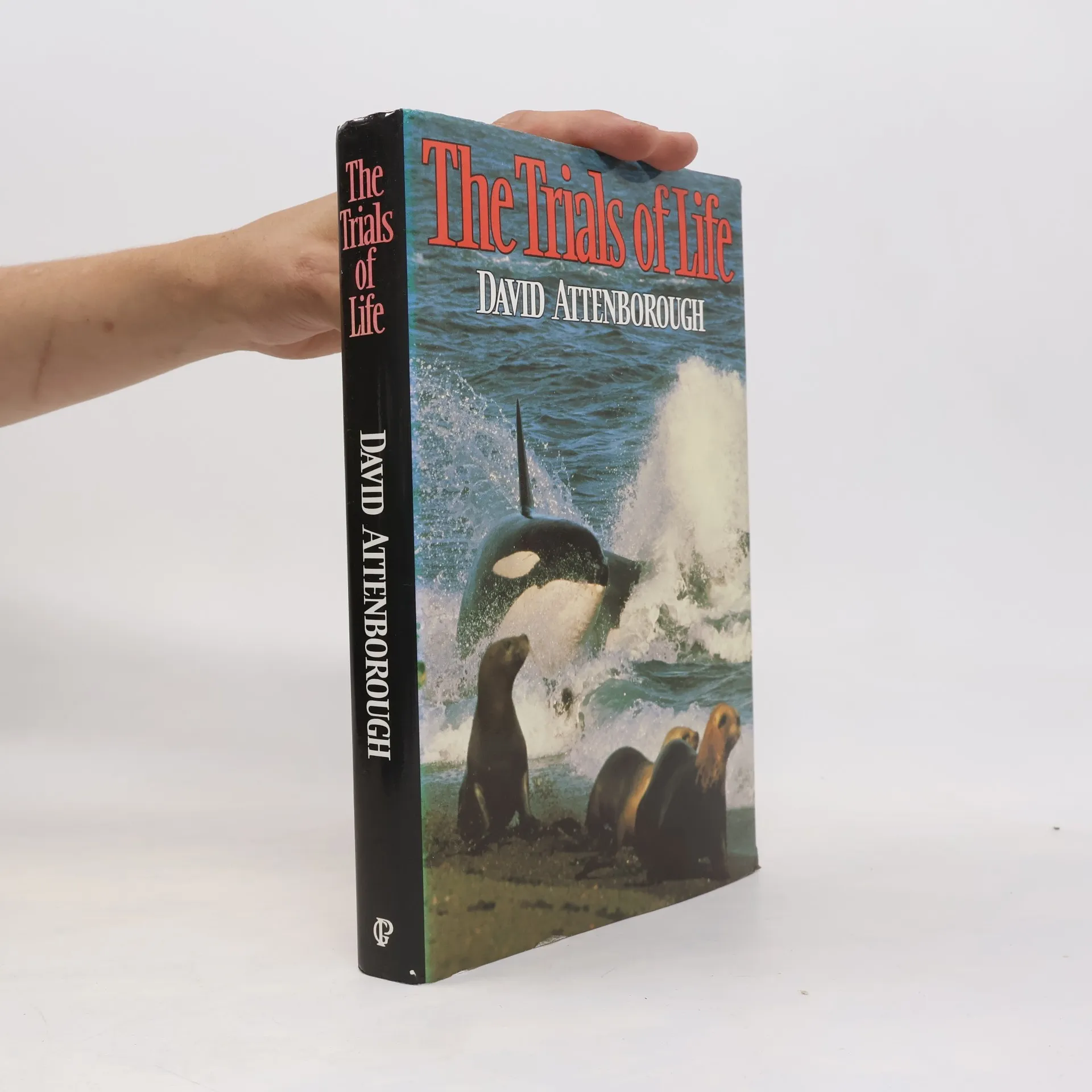
The Trials of Life
- 320pagine
- 12 ore di lettura
This book examines how animals use their bodies-how they behave and why. Each chapter looks at a different stage in the life of animals.