

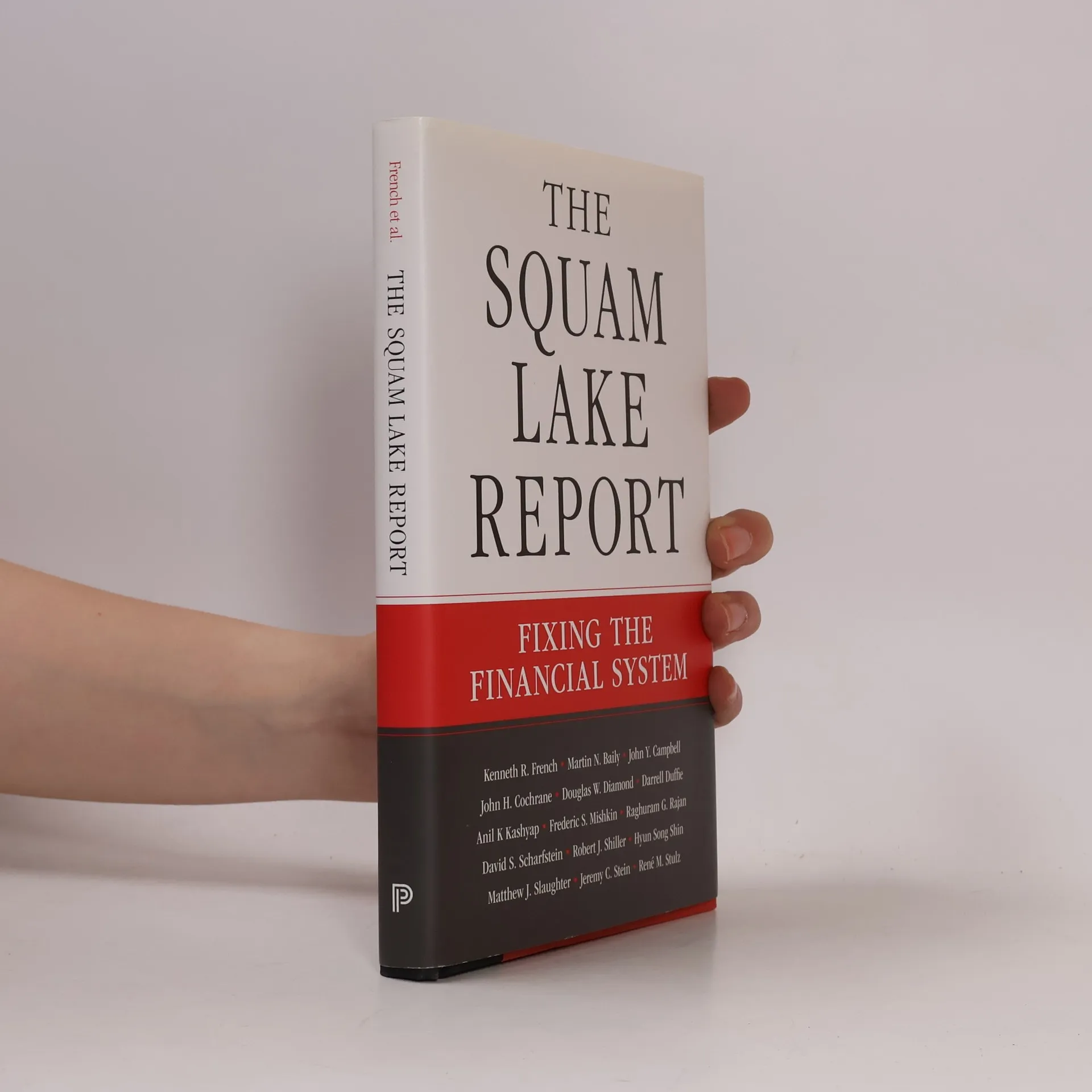
In the fall of 2008, fifteen leading economists gathered at Squam Lake, New Hampshire, to devise a long-term plan for financial regulation reform. The resulting insights form a unified, nonpartisan strategy aimed at addressing the issues plaguing global financial markets. Unlike the ideologically driven proposals that have dominated discussions, this report presents a clear action plan designed to transform financial regulation for future generations. The authors highlight the ongoing conflict between financial institutions and society, offering transparent solutions to bridge this divide. They identify critical gaps in the current regulatory framework concerning complex financial entities, retirement savings, and credit default swaps. Innovative ideas for new financial instruments are proposed to recapitalize banks without imposing costs on taxpayers. To mitigate the risk of large bank failures, the report advocates for higher capital requirements and the establishment of a systemic regulator within the central bank. By analyzing the failures of the financial system and recommending necessary reforms, this report combines extensive academic, private sector, and public policy expertise. Its urgent recommendations aim to enhance the financial well-being of all, making it essential reading for anyone concerned about the health of the global economy.
John Y. Campbell Ordine dei libri (cronologico)
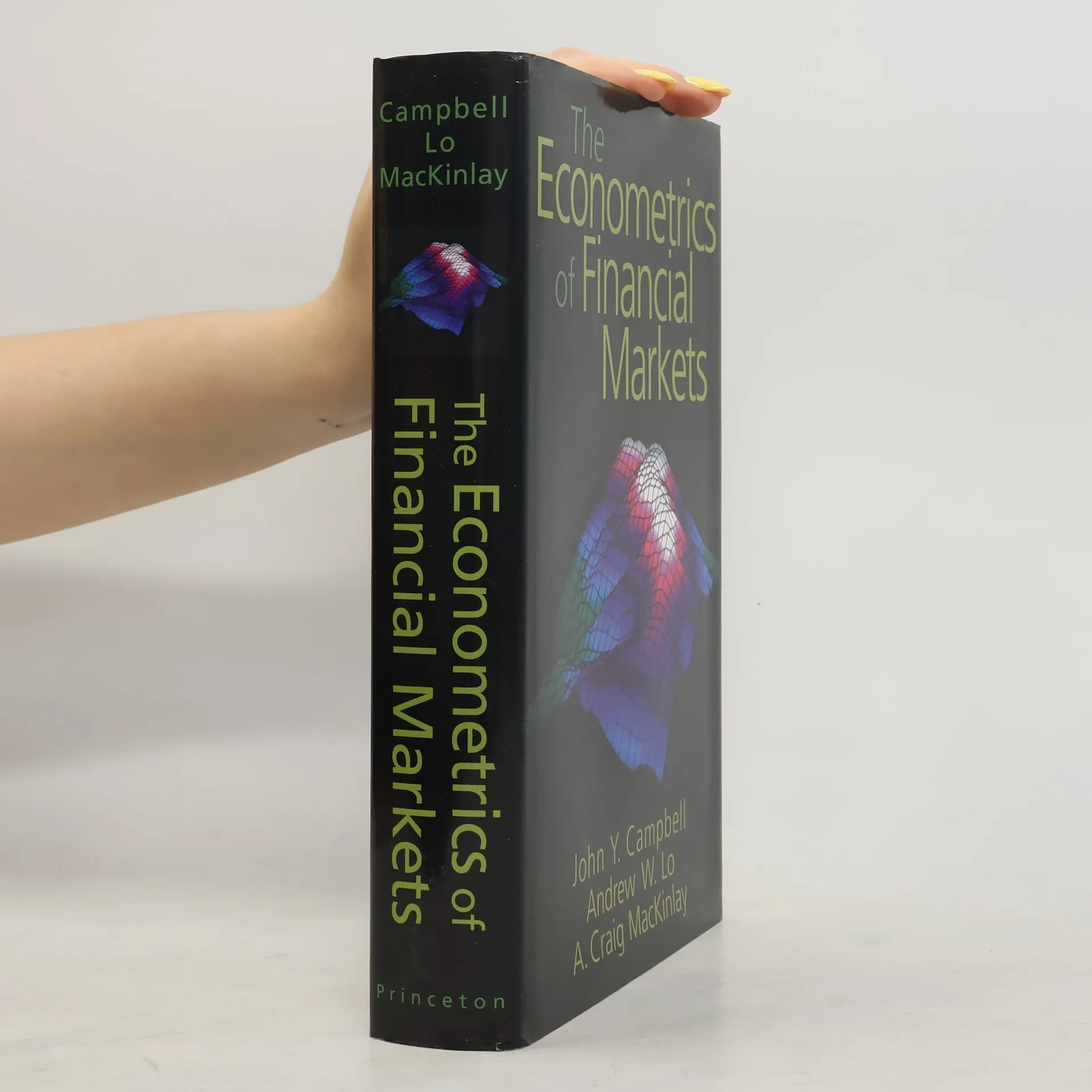
The past twenty years have seen an extraordinary growth in the use of quantitative methods in financial markets. Finance professionals now routinely use sophisticated statistical techniques in portfolio management, proprietary trading, risk management, financial consulting, and securities regulation. This graduate-level textbook is intended for PhD students, advanced MBA students, and industry professionals interested in the econometrics of financial modeling. The book covers the entire spectrum of empirical finance, the predictability of asset returns, tests of the Random Walk Hypothesis, the microstructure of securities markets, event analysis, the Capital Asset Pricing Model and the Arbitrage Pricing Theory, the term structure of interest rates, dynamic models of economic equilibrium, and nonlinear financial models such as ARCH, neural networks, statistical fractals, and chaos theory.Each chapter develops statistical techniques within the context of a particular financial application. This exciting new text contains a unique and accessible combination of theory and practice, bringing state-of-the-art statistical techniques to the forefront of financial applications. Each chapter also includes a discussion of recent empirical evidence, for example, the rejection of the Random Walk Hypothesis, as well as problems designed to help readers incorporate what they have read into their own applications.