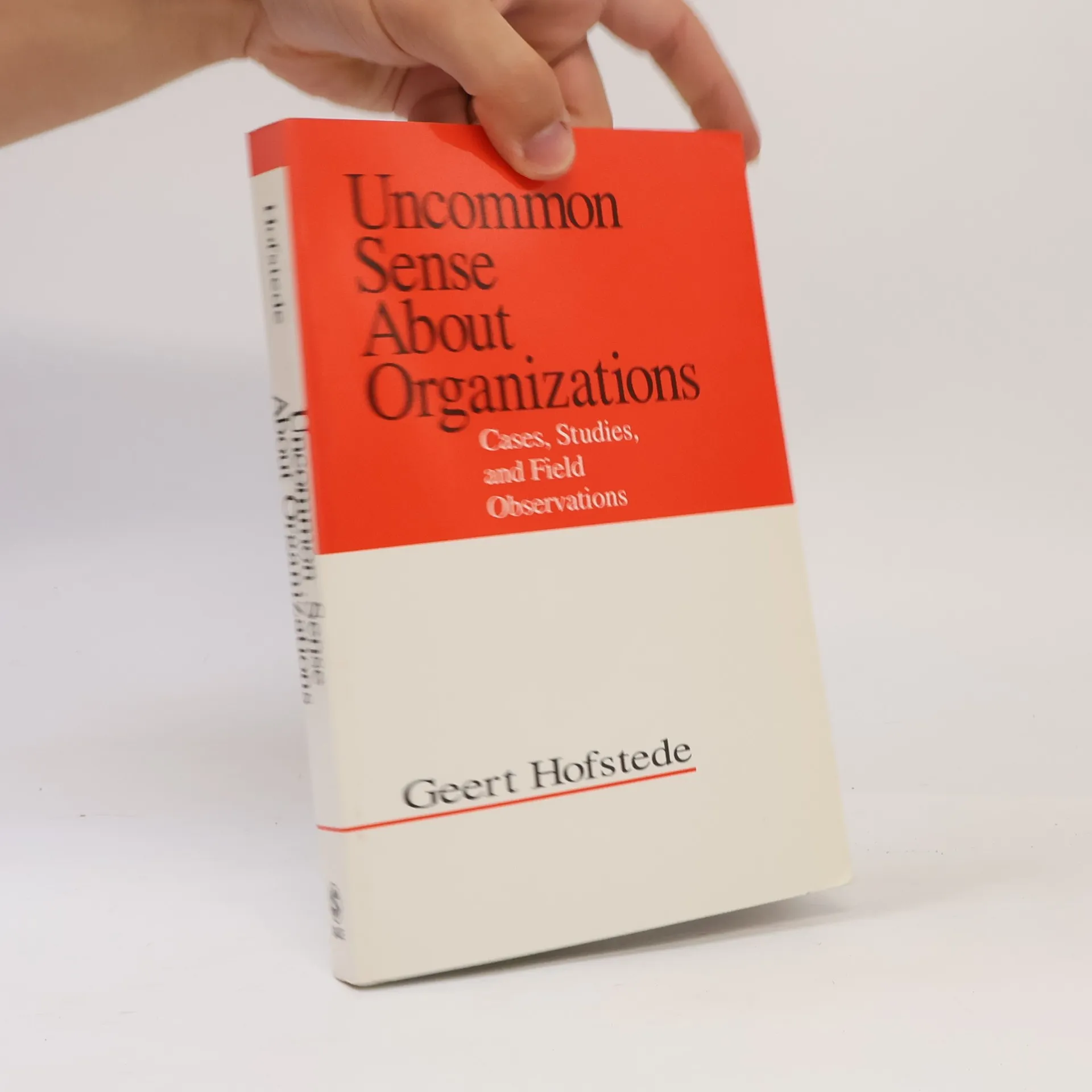


Gerard Hendrik Hofstede è un influente autore olandese che esplora le intricate interazioni tra culture nazionali e organizzative. Il suo lavoro fondamentale indaga come i raggruppamenti culturali nazionali e regionali influenzino profondamente i comportamenti sociali e organizzativi, dimostrandone la notevole persistenza nel tempo. Lo studio di Hofstede offre approfondite prospettive su come queste distinzioni culturali plasmino i nostri mondi sociali e professionali. Il suo approccio fornisce ai lettori una chiave per comprendere le complesse dinamiche culturali che influenzano sia le organizzazioni che intere comunità.
Interkulturelle Zusammenarbeit und globales Management - 6. Auflage
557pagine
20 ore di lettura
Wie unsere Herkunft das Denken, Fühlen und Handeln beeinflusst: Brandaktuell in Zeiten großer Migrationsbewegungen erhält der Leser auf gut verständliche und anregende Weise Einsichten darüber, wie der Ort, an dem wir aufgewachsen sind, unsere Art zu denken, zu fühlen und zu handeln formt.

A guidebook book to Hofstede's five dimensions of culture (power distance, collectivism versus individualism, femininity versus masculinity, uncertainty avoidance and long term versus short term orientation) and derivative synthetic cultures. It provides more than 75 exercises, dialogues, stories and simulations for trainers, educators, and students.
Intercultural cooperation and its importance for survival. People of other countries, of another generation, social class, job or organization, often think and act in ways that puzzle us. To these people, of course, we are the ones who behave in a surprising manner. What separates them from us is the culture in which we grew up. 'Culture' in this sense is not the same as 'civilization'; it encompasses much more. Deeply-rooted and, therefore, often unconscious values lead us to consider as normal what others think abnormal, as polite what to others is rude, and as rational what others find irrational. Organizational cultures are a different phenomenon; they do not follow the same dimensions, are more manageable, and in fact offer an opportunity to bridge national cultures. Following twenty-five years of research into multinational companies, Geert Hofstede and Bob Garrett reveal the circumstances in which organizational cultures can be managed effectively, and outline ways of learning intercultural communication which are essential more essential than ever.