
Bookbot

Karl Löwith

    9 gennaio 1897 – 26 maggio 1973

    Karl Löwith fu un filosofo tedesco che esplorò principalmente l'influenza del cristianesimo sulla coscienza storica moderna. Il suo lavoro approfondisce come le visioni occidentali della storia siano state modellate dal complesso rapporto tra fede e prospettive secolari. Löwith esamina criticamente come la comprensione moderna della storia, pur radicata nelle tradizioni cristiane, spesso manchi della sua fede fondante. Le sue intuizioni rivelano una tendenza pervasiva verso una visione escatologica del progresso umano.

    Dějiny a význam dějin
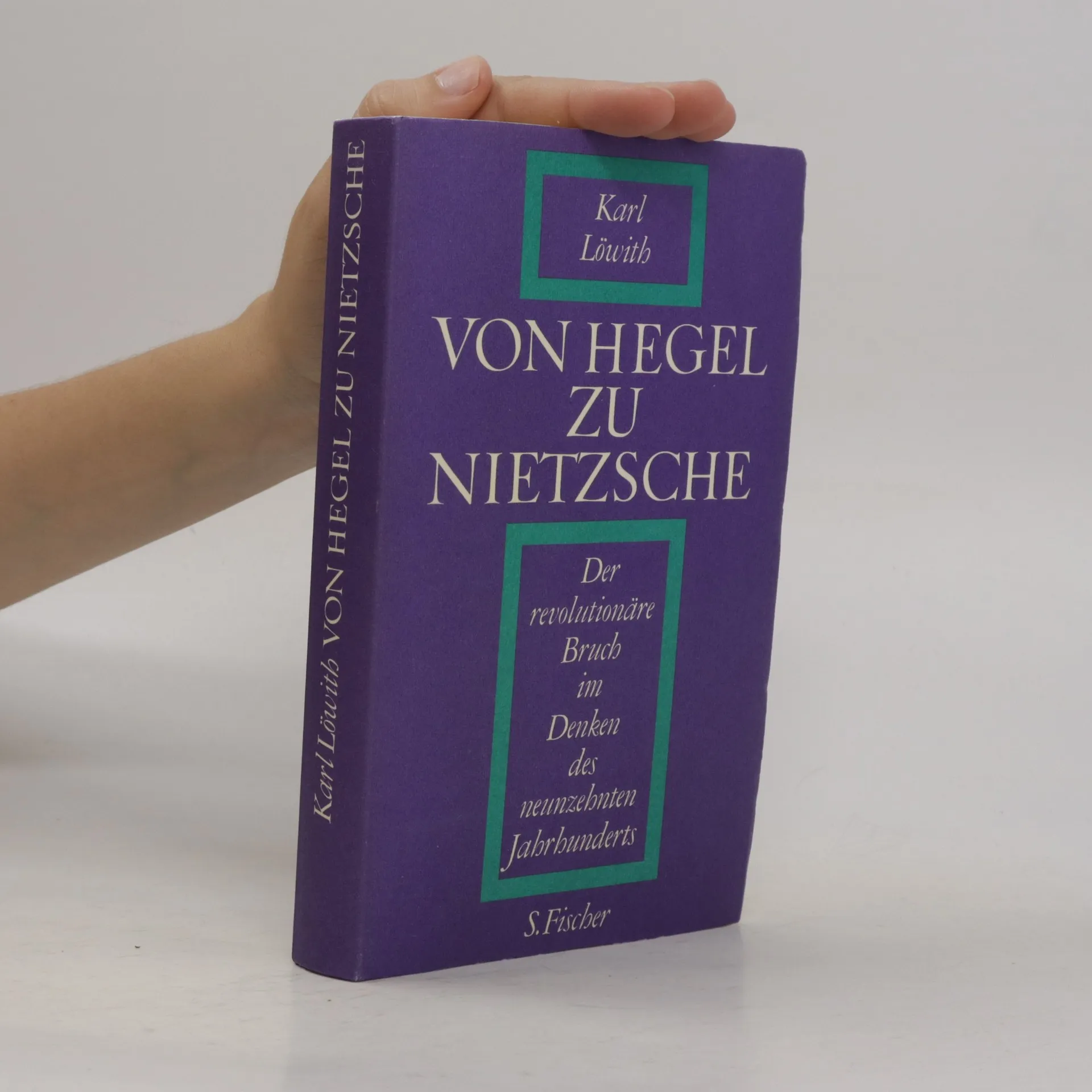
    Von Hegel zu Nietzsche
    Correspondence
    Meaning in History
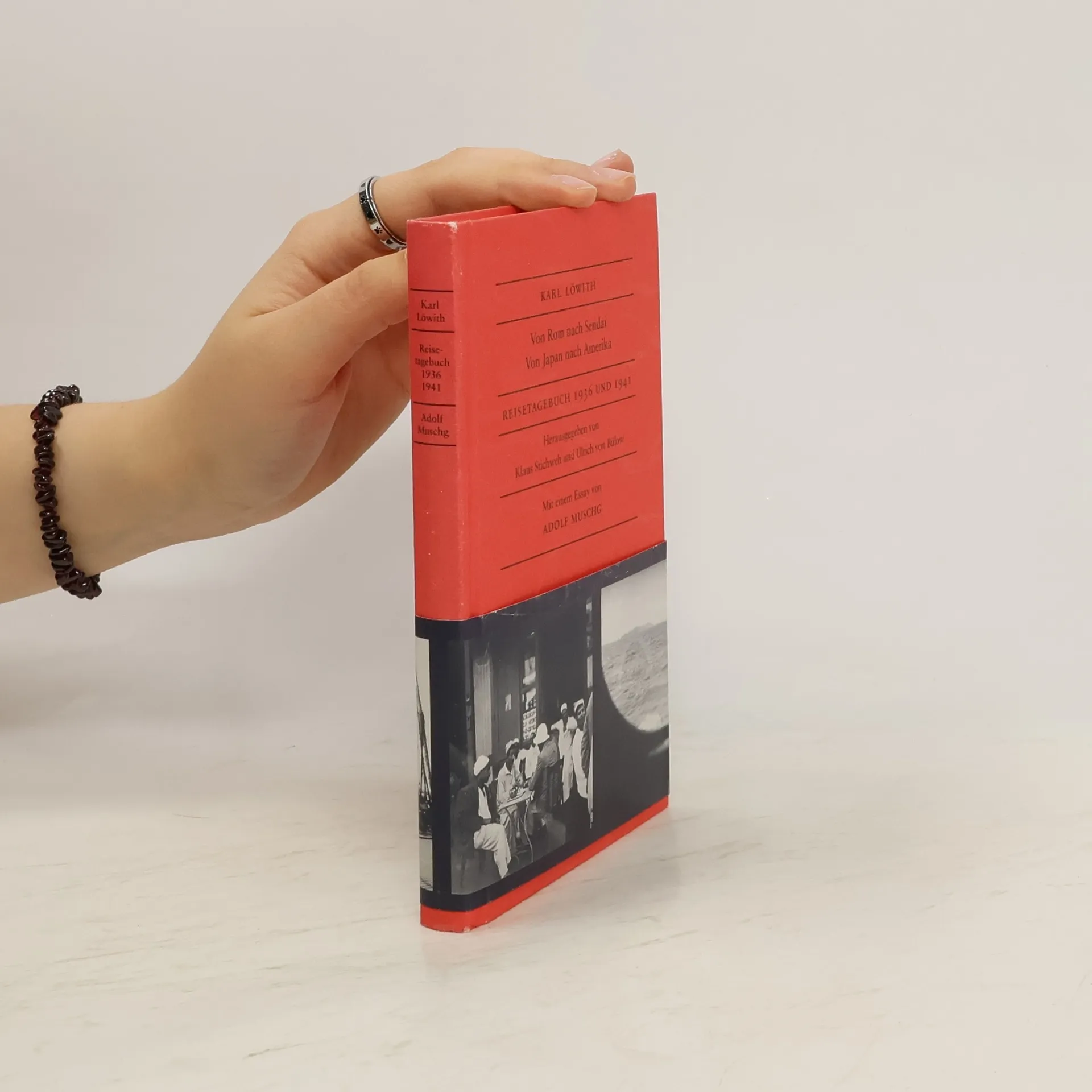
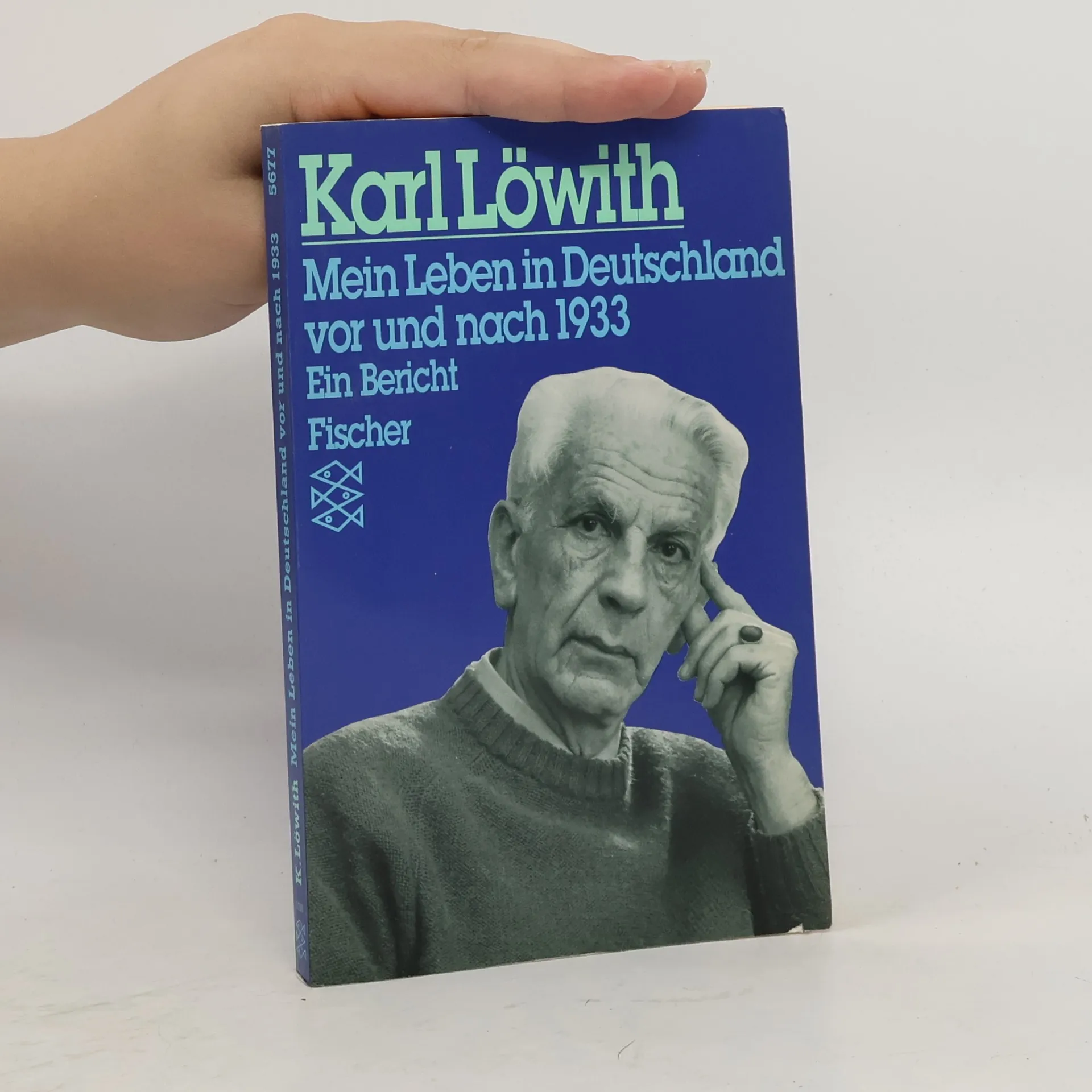
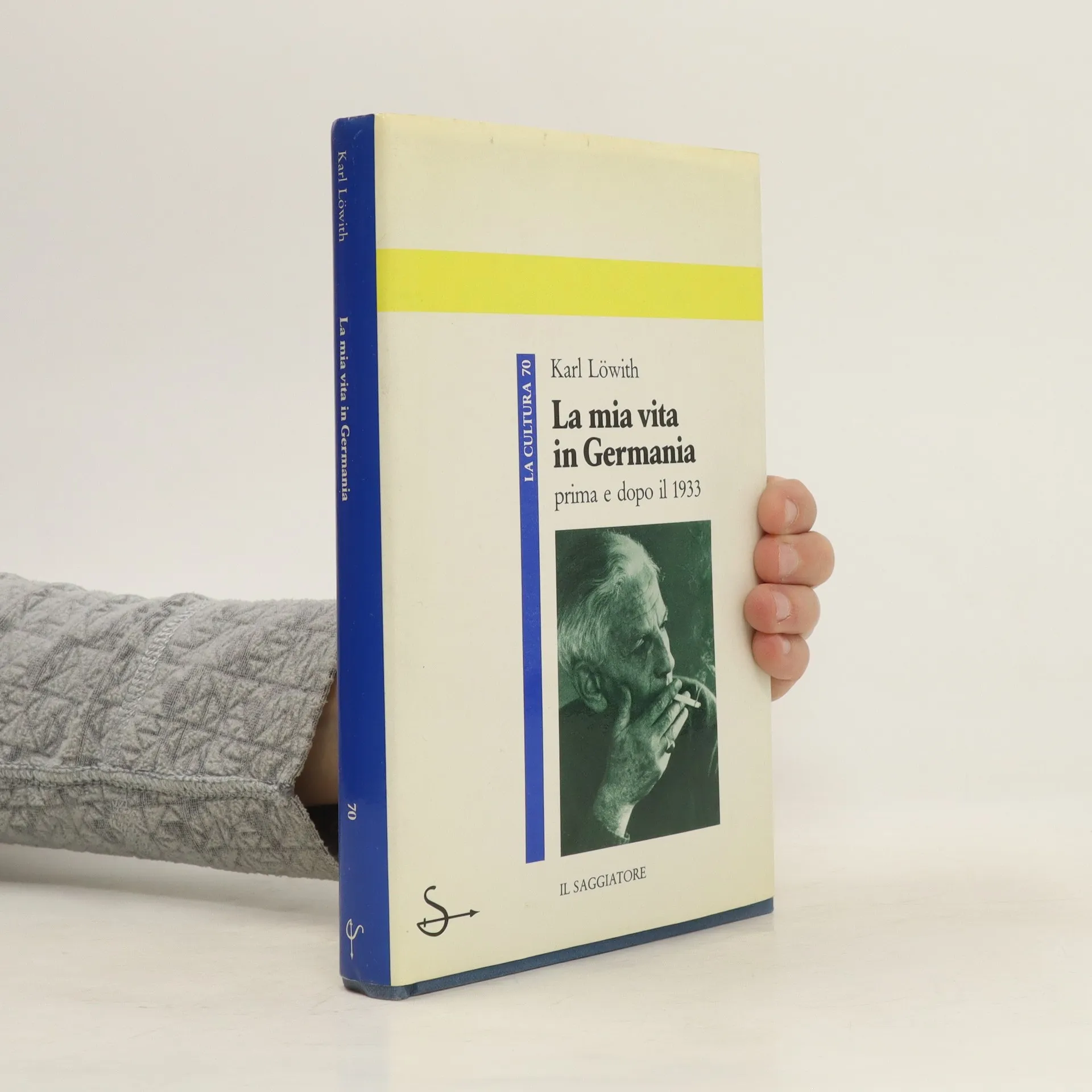
    La mia vita in Germania
    Significato e fine della storia. I presupposti teologici della filosofia della storia
    • L’esigenza di dare un significato all’incessante scorrere degli eventi ha portato il pensiero moderno a vedere nella storia un progresso giustificativo per crisi e dolori. Tuttavia, già gli storici classici come Erodoto, Tucidide e Polibio avevano rinunciato a questa visione monumentale. Per il pensiero classico, le azioni umane seguono l’eterna ciclicità del cosmo, non una rivoluzione sociale, ma quella immutabile degli astri. Tra queste due visioni si colloca, secondo Karl Löwith, la prospettiva giudaico-cristiana, che segna una rottura fondamentale: il senso degli eventi non è nel passato, ma in un futuro escatologico che determina ogni fatto in una storia della salvezza, culminante nella redenzione. Mentre il credente porta la croce, il filosofo secolarizza la speranza religiosa in una fede nel progresso, che è sia “cristiana nella sua origine” che “anti-cristiana nelle sue conseguenze”. Pubblicato nel 1949 e considerato un classico della filosofia contemporanea, il testo è un’analisi dei presupposti teologici in ogni filosofia della storia, evidenziando il loro fallimento. Esplora anche rare eccezioni, come Burckhardt e Vico, che offrono una prospettiva più umana, giungendo a una tesi radicale: l’impossibilità della filosofia della storia.
      Significato e fine della storia. I presupposti teologici della filosofia della storia
      4,2
    • Meaning in History

      • 266pagine
      • 10 ore di lettura

      Modern man sees with one eye of faith and one eye of reason. Consequently, his view of history is confused. For centuries, the history of the Western world has been viewed from the Christian or classical standpoint—from a deep faith in the Kingdom of God or a belief in recurrent and eternal life-cycles. The modern mind, however, is neither Christian nor pagan—and its interpretations of history are Christian in derivation and anti-Christian in result. To develop this theory, Karl Löwith—beginning with the more accessible philosophies of history in the nineteenth and eighteenth centuries and working back to the Bible—analyzes the writings of outstanding historians both in antiquity and in Christian times. "A book of distinction and great importance. . . . The author is a master of philosophical interpretation, and each of his terse and substantial chapters has the balance of a work of art."—Helmut Kuhn, Journal of Philosophy

      Meaning in History
      4,0
    • Correspondence

      1919-1973

      • 336pagine
      • 12 ore di lettura

      The book offers a comprehensive collection of the correspondence between philosopher Martin Heidegger and his student Karl Löwith, shedding light on their intellectual exchanges and personal relationship. This unprecedented compilation enhances the understanding of German intellectual and cultural history, providing insights into Heidegger's philosophical development and the influence he had on Löwith.

      Correspondence
    • Diese zum Klassiker avancierte Studie zur Geschichte des deutschen Geistes im 19. Jahrhundert sucht das Schicksal des Hegelschen Denkens zu erfassen: die Umbildung und Verkehrung der Philosophie des absoluten Geistes durch Marx und Kierkegaard, den Umschlag des geschichtlichen Denkens in das Verlangen nach Ewigkeit bei Nietzsche. Die Erstausgabe erschien 1941 in New York. Der Text dieser Studienausgabe folgt der leicht gekürzten 2. Auflage von 1950.

      Von Hegel zu Nietzsche
      5,0
    • Dějiny a význam dějin

      • 274pagine
      • 10 ore di lettura

      Moderní člověk, tvrdí Karl Löwith, pohlíží na svět zároveň okem víry i okem rozumu, a jeho vidění dějin je proto nevyhnutelně zkreslené. Dějiny západního světa byly po staletí nahlíženy z hlediska křesťanského, anebo klasického – z hluboké víry v Boží království, anebo z víry vopakující se a věčné životní cykly. Moderní mysl však není ani křesťanská, ani pohanská – a její výklady dějin jsou proto jen odvozeně křesťanské a ve výsledku protikřesťanské. Pro věřícího nejsou dějiny autonomní oblastí lidského usilování a pokroku, nýbrž sférou hříchu a smrti, která potřebuje vykoupení; v této perspektivě nelze historický proces jako takový pokládat za svrchovaně důležitý. Moderní myšlení vyhlíží pokrok, avšak vylučuje křesťanskou perspektivu důsledků stvoření a naplnění času; od starověkého světonázoru sice přejímá představu nekonečného pohybu, zároveň však odmítá jeho kruhovou strukturu. Moderní historické vědomí je tak se svým pojetím lineárních dějin jakousi křesťanskou „herezí“. To vysvětluje tendenci k eschatologickému pohledu na lidský pokrok, jež se v dějinách a ve filosofii často objevovala. Löwith rozvíjí tuto teorii ve svém dnes již klasickém díle na podkladě analýzy klíčových textů, přičemž začíná přístupnějšími filosofiemi dějin, které vznikly v devatenáctém a osmnáctém století, a postupně se propracovává nazpět k autorům starověkým a k Bibli.

      Dějiny a význam dějin
      4,0
    • Die Hegelsche Linke

      Texte aus den Werken von Heinrich Heine, Arnold Ruge, Moses Hess, Max Stirner, Bruno Bauer, Ludwig Feuerbach, Karl Marx und Sören Kierkegaard

      Einleitung von K. Löwith: Philosophische Theorie und geschichtliche Praxis in der Philosophie der Linkshegelianer - H. Heine: (Aus:) Zur Geschichte der Religion und Philosophie in Deutschland (1834) - A. Ruge: (Aus:) Unsere letzten zehn Jahre (1845) - M. Hess: (Aus:) Die letzten Philosophen (1845) - M. Stirner: Menschen der alten und neuen Zeit. (Aus:) Der Einzige und sein Eigentum (1844) - B. Bauer: I. (Aus:) Rußland und das Germanenthum (1853); II. Die Posaune des jüngsten Gerichts über Hegel den Atheisten und Antichristen (1841) - L. Feuerbach: I. Grundsätze der Philosophie, Notwendigkeit einer Veränderung (1842/43); II. Feuerbachs Verhältnis zu Hegel (1840), mit späteren Zusätzen - K. Marx: I. Aus der Doktordissertation (1840); II. Aus den Deutsch-Französischen Jahrbüchern (1843/44) - S. Kierkegaard: I. (Aus:) Die Tagebücher; II. Das Eine, was not tut (1847/48); III. Agitatorische Schriften und Aufsätze (1851-1855); IV. (Aus:) Kritik der Gegenwart (1846).

      Die Hegelsche Linke
      4,0