Arundhatí Roy Ordine dei libri (cronologico)
24 novembre 1961
Arundhati Roy è una scrittrice e attivista indiana la cui opera si confronta potentemente con le questioni della giustizia sociale e della disuguaglianza economica. La sua voce letteraria è distintiva e offre profonde intuizioni sulle complessità della condizione umana e delle strutture sociali. La scrittura di Roy approfondisce temi critici, impiegando uno stile narrativo unico che cattura i lettori. Oltre ai suoi successi letterari, è un'attivista dedicata che sostiene le comunità emarginate e sfida le ingiustizie sistemiche.




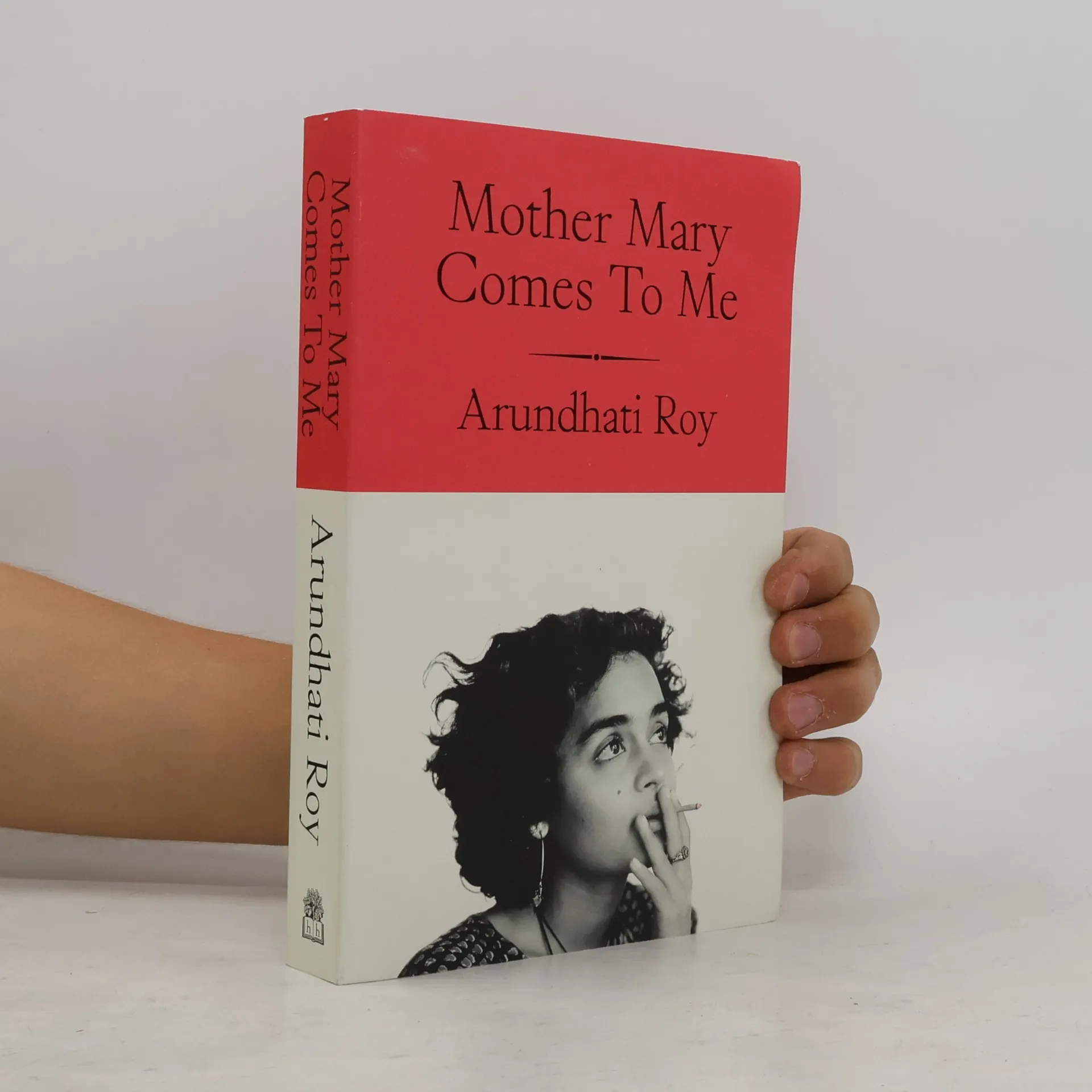
Mother Mary Comes to Me
- 224pagine
- 8 ore di lettura
A raw and deeply moving memoir from the legendary author that explores her complex relationship with her mother, Mary Roy, a formidable influence in her life as a woman and a writer. This first memoir is an intimate and inspirational account of how the author became who she is, shaped by her circumstances and her extraordinary mother, whom she describes as “my shelter and my storm.” Heartbroken by her mother’s death in September 2022 and grappling with the intensity of her grief, the author began to write to understand her feelings about the mother she distanced herself from at eighteen, “not because I didn’t love her, but in order to be able to continue to love her.” This memoir chronicles her journey from childhood in Kerala, where her single mother founded a school, to her acclaimed novels and essays. With the emotional depth of her previous works and the clarity and warmth of her essays, this memoir serves as an ode to freedom and a tribute to complex love and grace. It is a unique exploration of the author's life and relationships, blending humor with poignant reflections on love and loss.
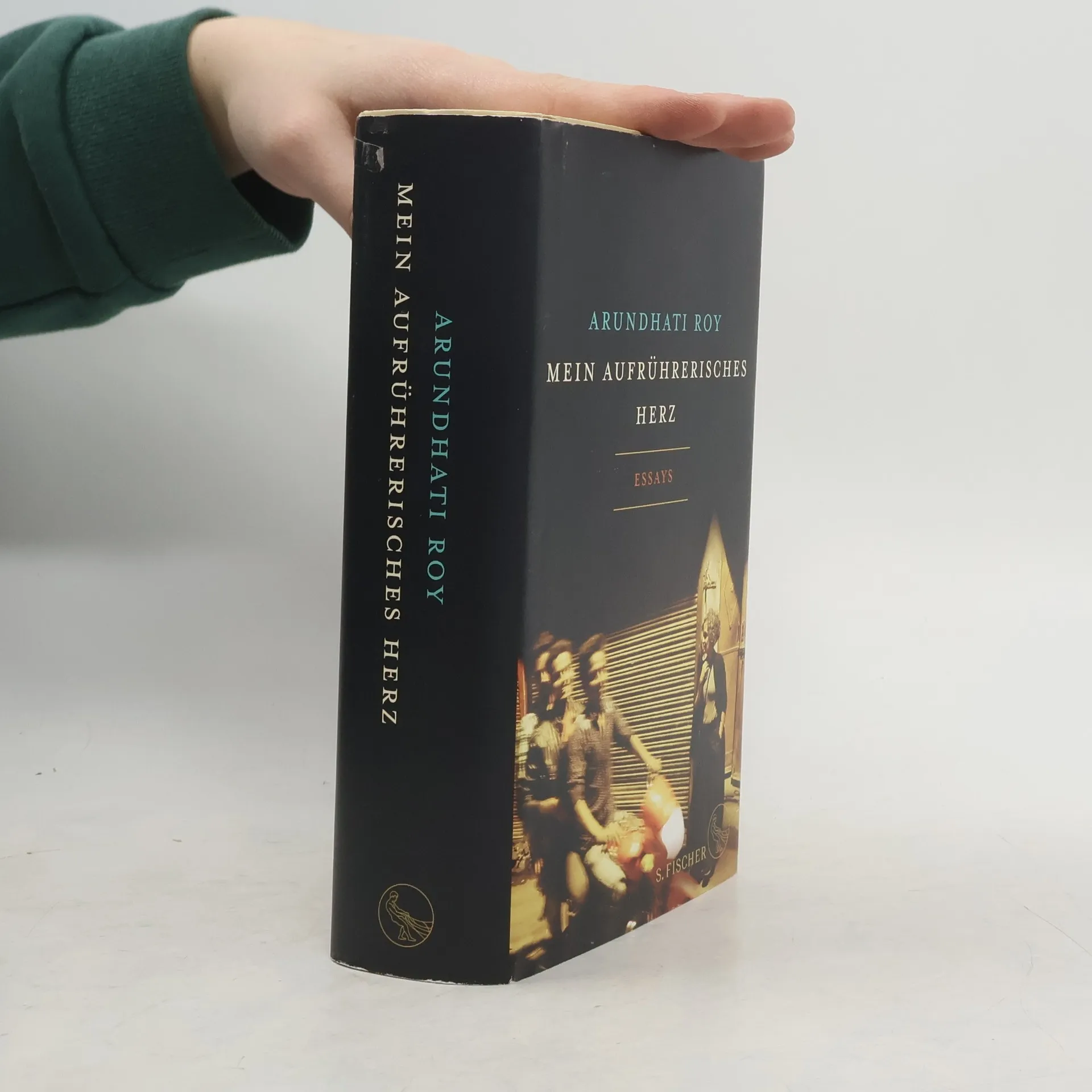
Meine Zuflucht und mein Sturm
Ausgezeichnet mit dem National Book Critics Circle Award (Kategorie Autobiographie)
- 368pagine
- 13 ore di lettura
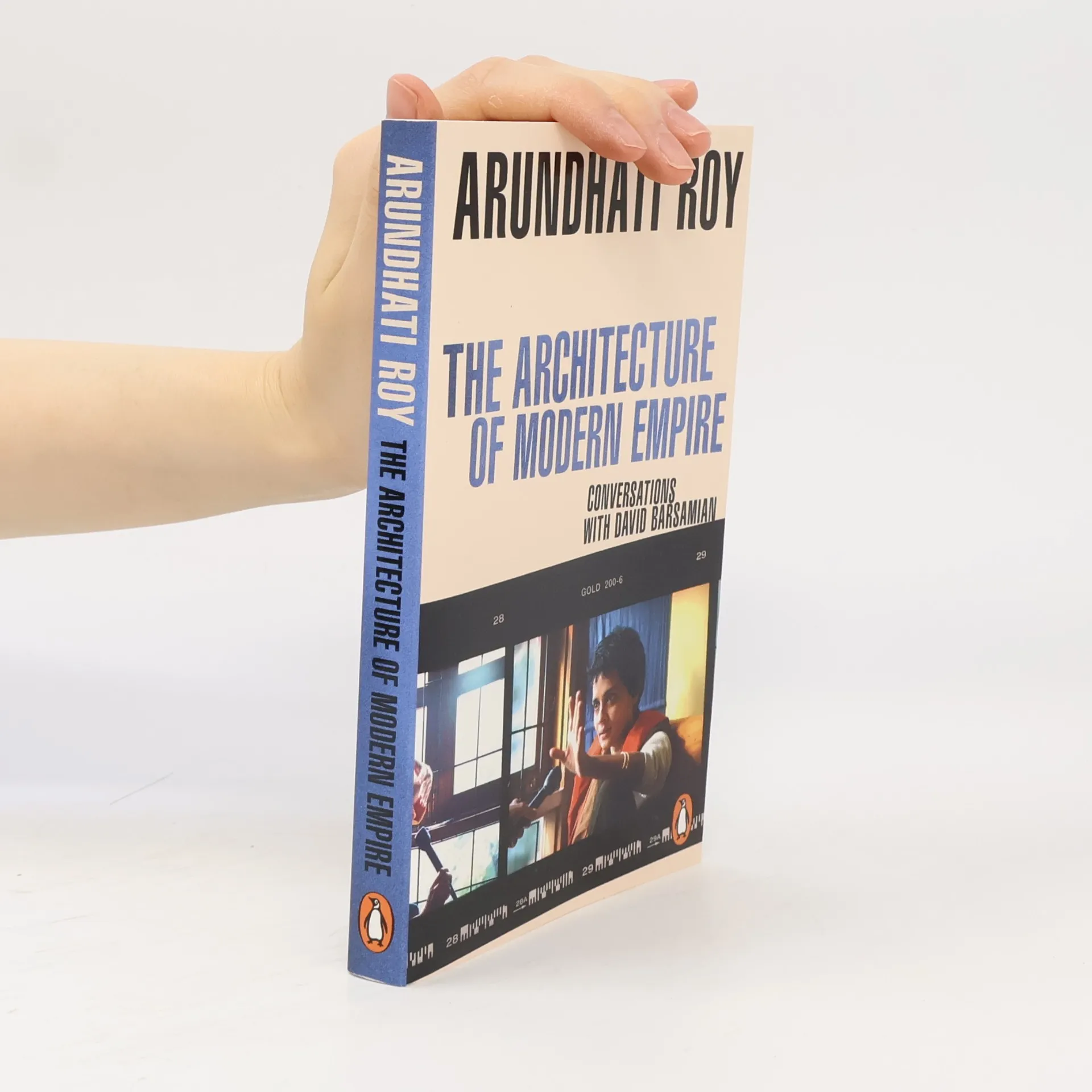
The Architecture of Modern Empire
- 272pagine
- 10 ore di lettura
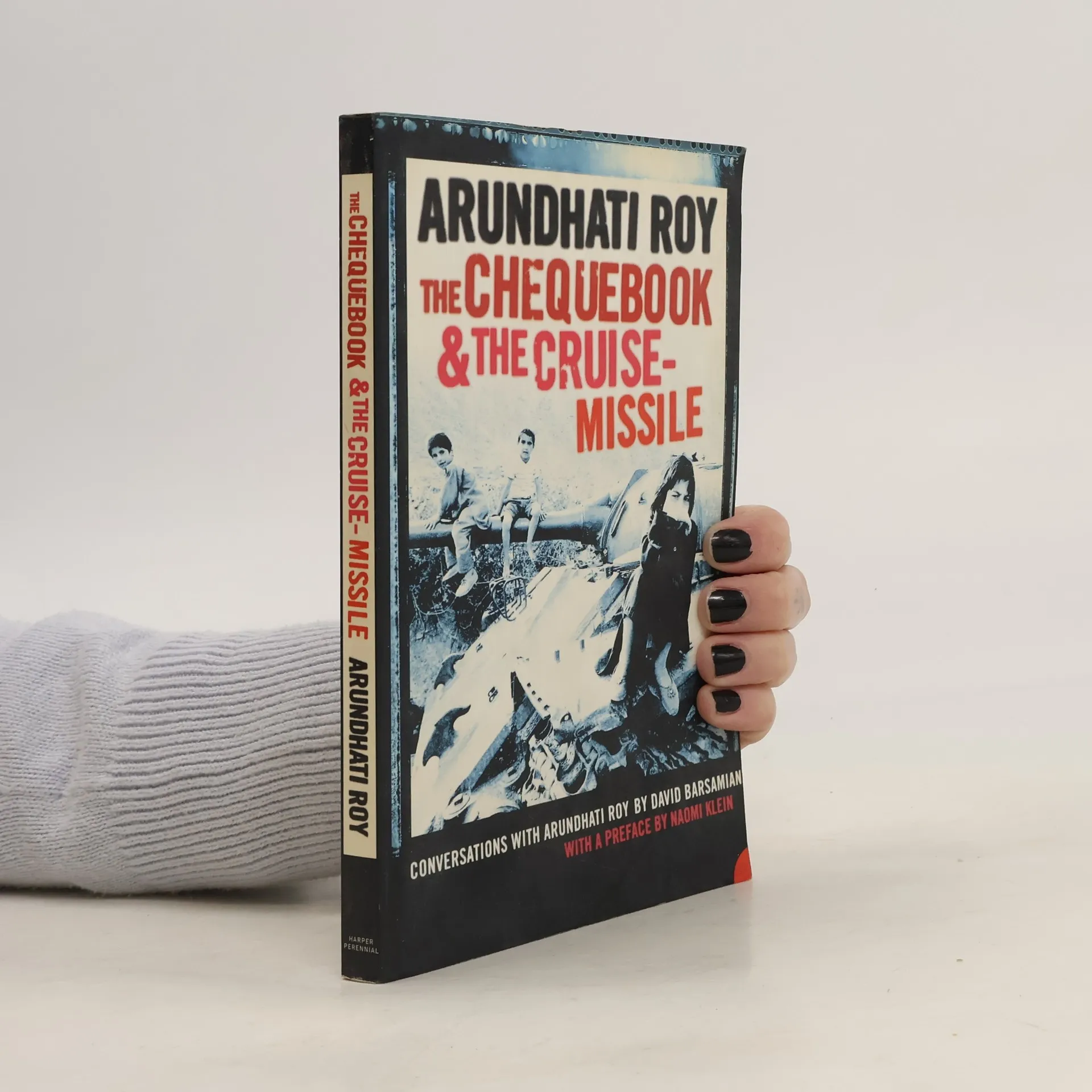
From the bestselling author of Azadi and My Seditious Heart, a piercing exploration of modern empire, nationalism and rising fascism that gives us the tools to resist and fight back'I try to create links, to join the dots, to tell politics like a story, to make it real...'Over a lifetime spent at the frontline of solidarity and resistance, Arundhati Roy's words have lit a clear way through the darkness that surrounds us. Combining the skills of the architect she trained to be and the writer she became, she illuminates the hidden structures of modern empire like no one else, revealing their workings so that we can resist.Her subjects: war, nationalism, fundamentalism and rising fascism, turbocharged by neoliberalism and now technology. But also: truth, justice, freedom, resistance, solidarity and above all imagination - in particular the imagination to see what is in front of us, to envision another way, and to fight for it.Arundhati Roy's voice - as distinct and compelling in conversation as in her writing - explores these themes and more in this essential collection of interviews with David Barsamian, conducted over two decades, from 2001 to the present.WITH AN AFTERWORD FROM NAOMI KLEIN
»Mein aufrührerisches Herz« zeigt die dunkle Kehrseite Indiens und ist ein Plädoyer für Freiheit und Gerechtigkeit. Ihr Mut wird bewundert, ihre Unbeirrtheit gefürchtet: Seit ihrem Bestseller »Der Gott der kleine Dinge« tritt Arundhati Roy für ein gerechteres Indien ein, für Freiheit, die nicht nur für die Wenigen gilt. Sie scheut kein Risiko. Sie kämpft nicht nur mit der Feder, sondern auch auf der Straße: gegen die von Modi angezettelten Pogrome, gegen die Besetzung Kaschmirs, gegen Abholzung und den Bau von Staudämmen, die ganze Landschaften zerstören. »Mein aufrührerisches Herz« zeichnet nicht nur diese Reisen einer engagierten Schriftstellerin und couragierten Bürgerin nach, sondern schließt den Bogen zwischen ihren beiden bewunderten Romanen »Der Gott der kleinen Dinge« und »Das Ministerium des äußersten Glücks«: Ihr Engagement ist ihr Leben.
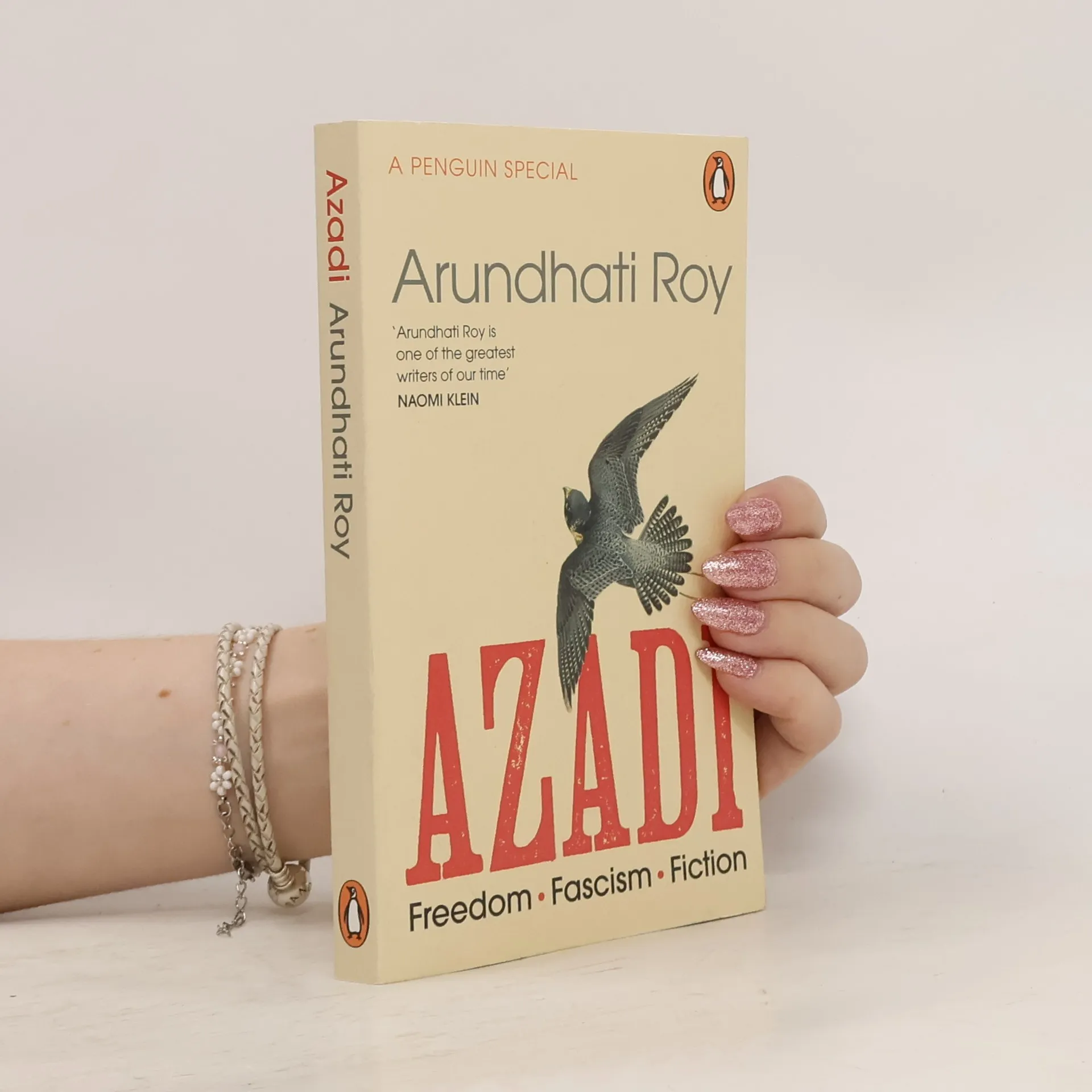
AZADI
- 304pagine
- 11 ore di lettura
FROM THE BEST-SELLING AUTHOR OF MY SEDITIOUS HEART AND THE MINISTRY OF UTMOST HAPPINESS, A NEW AND PRESSING DISPATCH FROM THE HEART OF THE CROWD AND THE SOLITUDE OF A WRITER'S DESK The chant of 'Azadi!' - Urdu for 'Freedom!' - is the slogan of the freedom struggle in Kashmir against what Kashmiris see as the Indian Occupation. Ironically, it also became the chant of millions on the streets of India against the project of Hindu Nationalism. Even as Arundhati Roy began to ask what lay between these two calls for Freedom - a chasm or a bridge? - the streets fell silent. Not only in India, but all over the world. The Coronavirus brought with it another, more terrible understanding of Azadi, making a nonsense of international borders, incarcerating whole populations, and bringing the modern world to a halt like nothing else ever could. In this series of electrifying essays, Arundhati Roy challenges us to reflect on the meaning of freedom in a world of growing authoritarianism. The essays include meditations on language, public as well as private, and on the role of fiction and alternative imaginations in these disturbing times. The pandemic, she says, is a portal between one world and another. For all the illness and devastation it has left in its wake, it is an invitation to the human race, an opportunity, to imagine another world.
The Doctor and the Saint
- 165pagine
- 6 ore di lettura
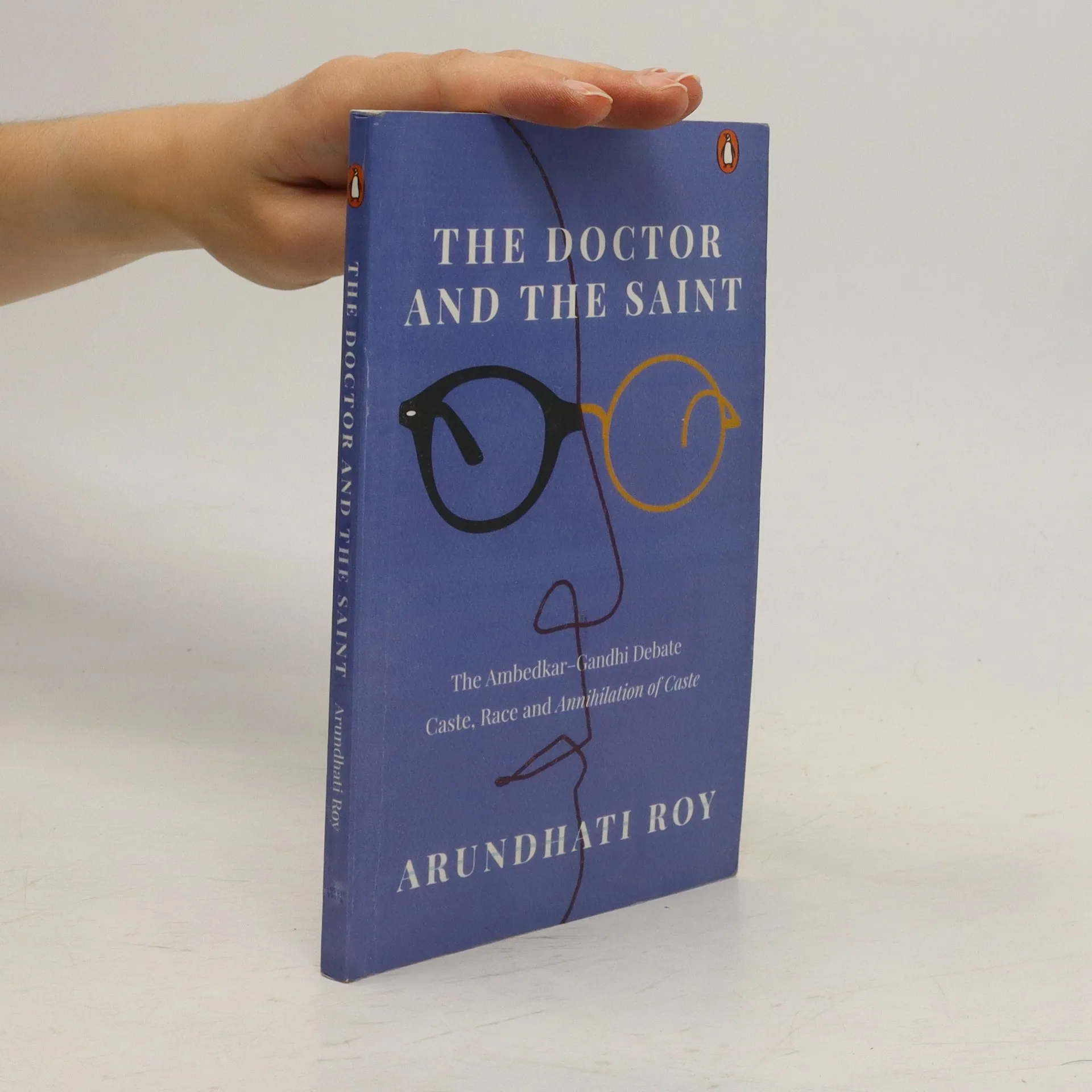
In The Doctor and the Saint, Roy reveals some uncomfortable, even controversial, truths about the political thought and career of India’s most famous, and most revered figure. At the same time, Roy makes clear that what millions of Indians need is not merely formal democracy, but liberation from the oppression, shame, and poverty imposed on them by India’s archaic caste system.
My Seditious Heart
- 1040pagine
- 37 ore di lettura
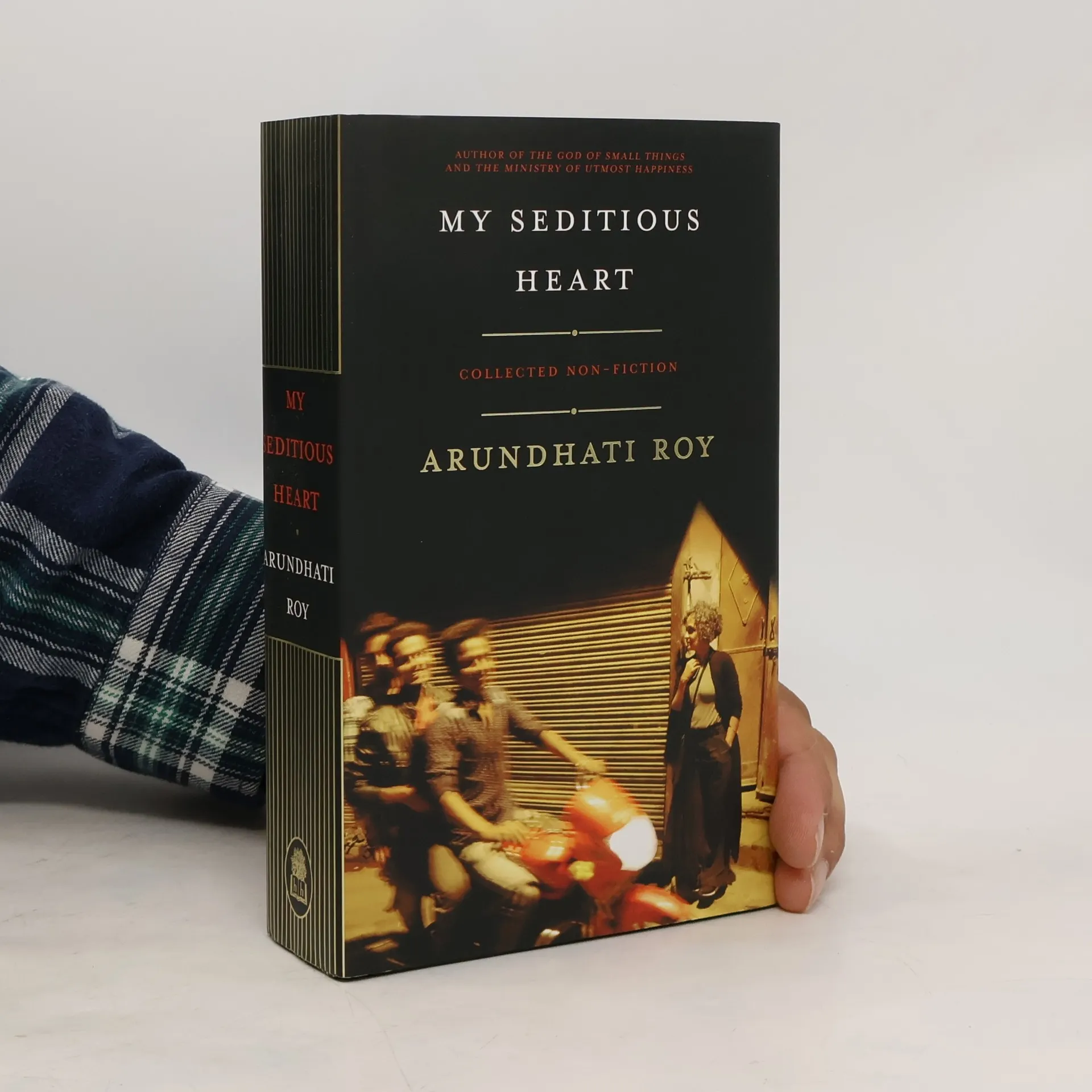
Bookended by her two extraordinary novels, The God of Small Things (1997) and The Ministry of Utmost Happiness (2017), My Seditious Heart collects the work of a two-decade period when Arundhati Roy devoted herself to the political essay as a way of opening up space for justice, rights and freedoms in an increasingly hostile environment. Taken together, the essays speak in a voice of unique spirit, marked by compassion, clarity and courage. Radical and superbly readable, as they speak always in defense of the collective, of the individual and of the land, in the face of the destructive logic of financial, social, religious, military and governmental elites.
Guden for små ting
- 284pagine
- 10 ore di lettura
Handlingen i romanen foregår i en landsby i Kerela, hjemsted for den syrisk-kristne familien Kochamma, som tilhører det øvre sosiale sjikt i lokalsamfunnet. Dette er en storslagen familie- og kjærlighetshistorie. Omtalen er utarbeidet av BS.
El misterio de la felicidad suprema
- 514pagine
- 18 ore di lettura
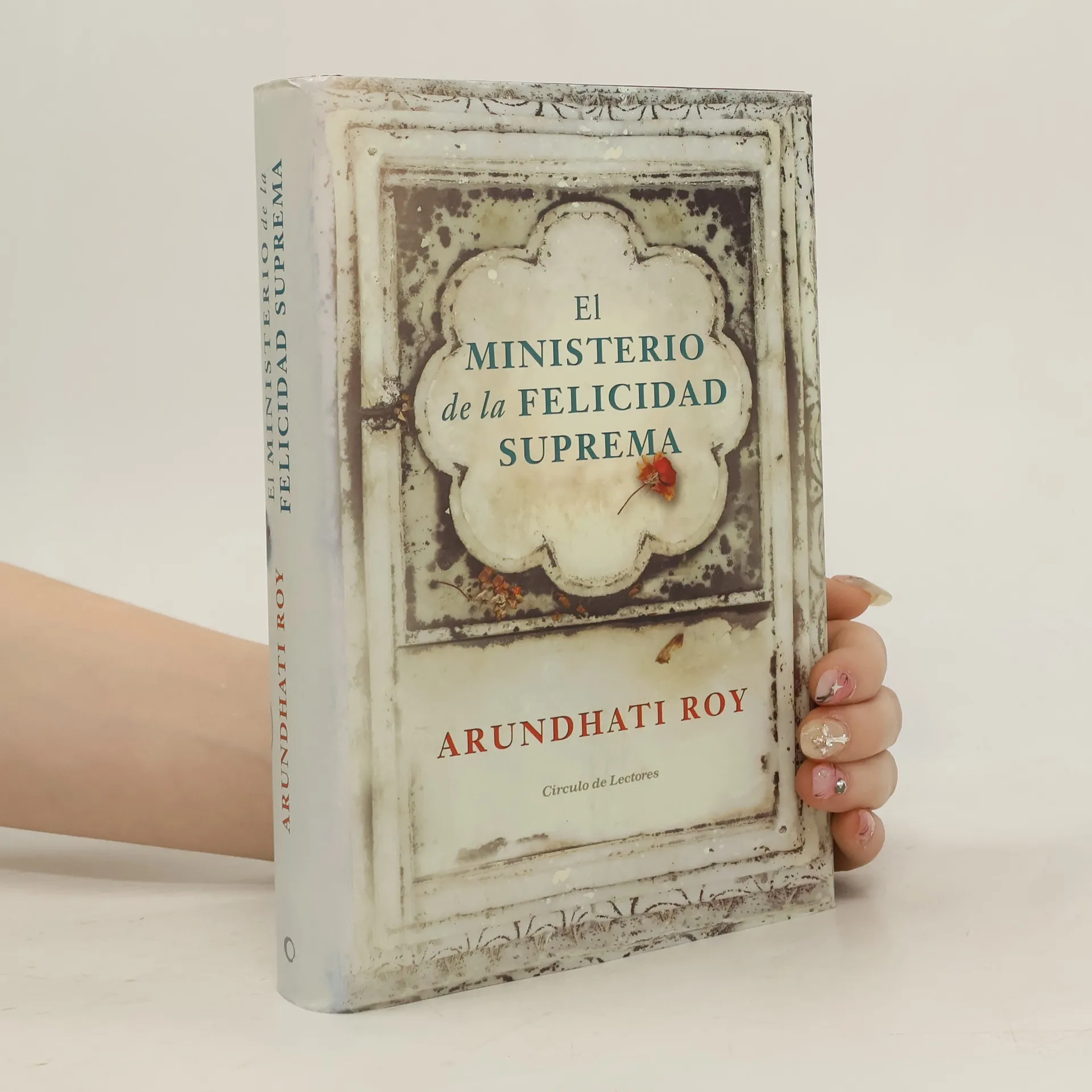
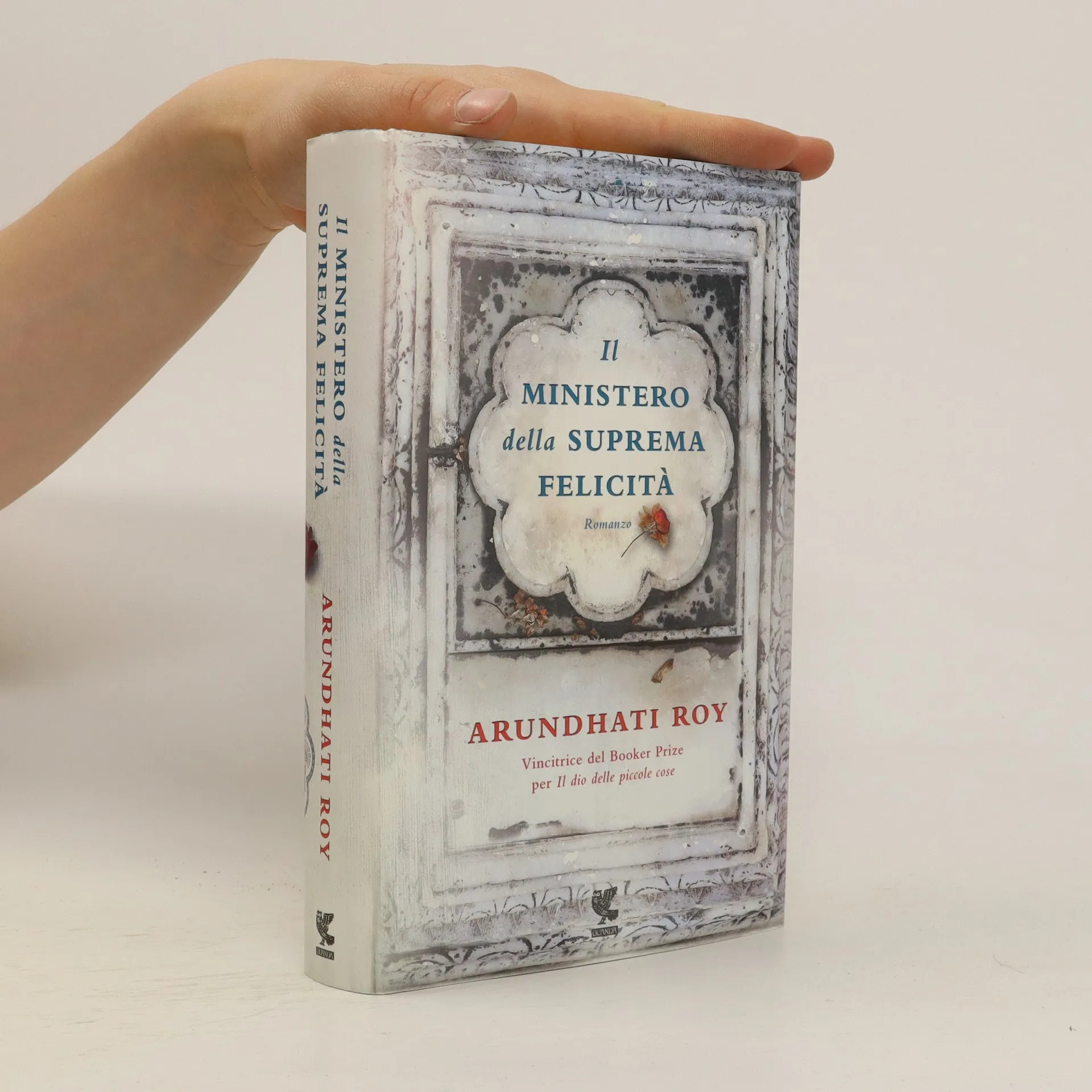
Il ministero della suprema felicità ci accompagna in un lungo viaggio nel vasto mondo dell'India: dagli angusti quartieri della vecchia Delhi agli scintillanti centri commerciali della nuova metropoli, fino alle valli e alle cime innevate del Kashmir dove la guerra è pace, la pace è guerra e occasionalmente viene dichiarato lo «stato di normalità». Anjum, nuova incarnazione di Aftab, srotola un consunto tappeto persiano nel cimitero cittadino che ha eletto a propria dimora. Una bambina appare all'improvviso su un marciapiede, poco dopo mezzanotte, in una culla di rifiuti. L'enigmatica S. Tilottama è una presenza forte ma è anche un'assenza amara nelle vite dei tre uomini che l'hanno amata: tra loro Musa, il cui destino è indissolubilmente intrecciato al suo. Dolente storia di sentimenti e insieme vibrante protesta, Il ministero della suprema felicità si snoda tra sussurri e grida, tra lacrime e sorrisi. I suoi eroi, spezzati dalla realtà in cui vivono, si salvano grazie a una cura fatta di gesti d'amore e di speranza. Ed è per questa ragione che, malgrado la loro fragilità, non si arrendono. Questa storia profondamente umana reinventa ciò che un romanzo può fare e può essere, e riafferma ad ogni pagina le doti narrative di Arundhati Roy
The End of Imagination
- 402pagine
- 15 ore di lettura
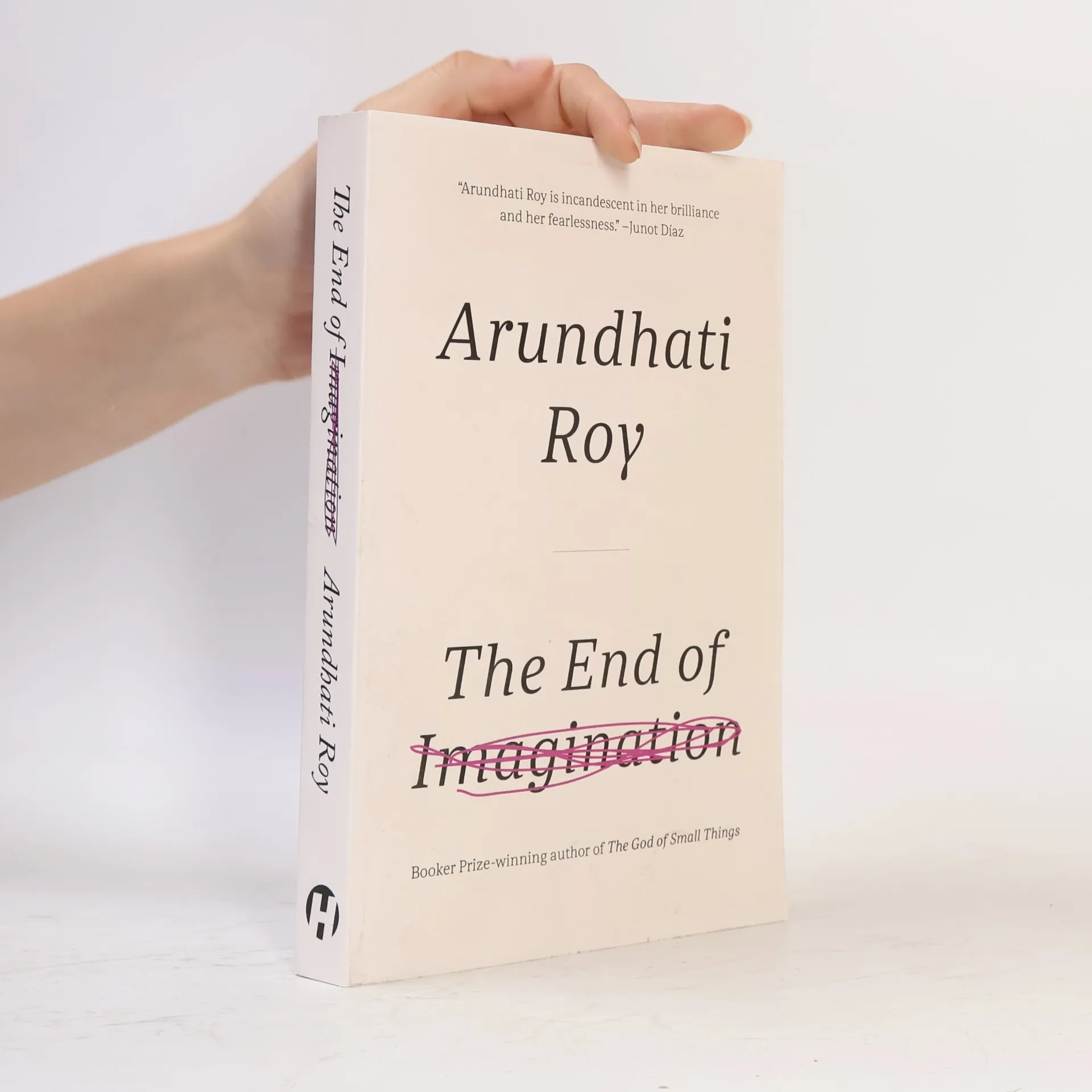
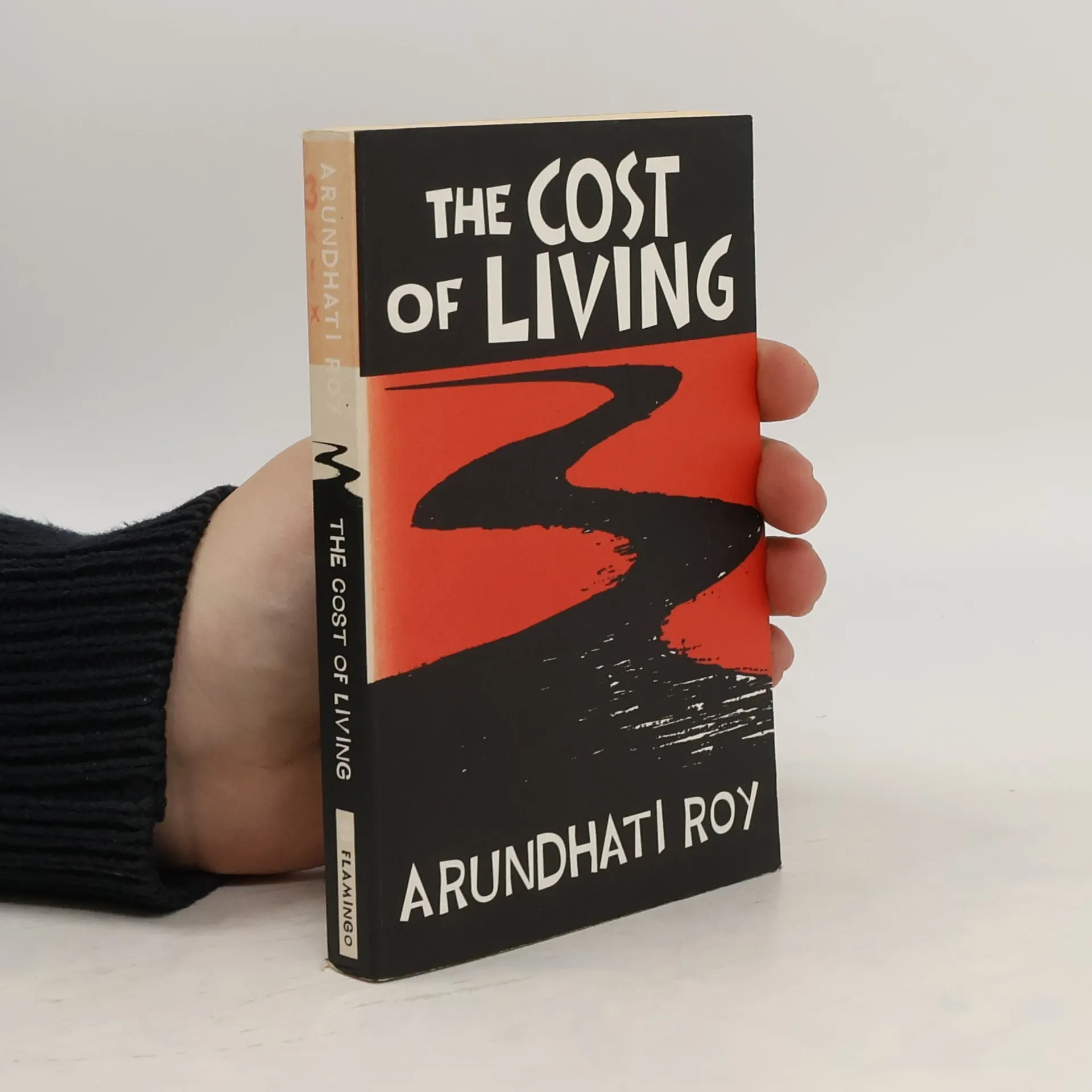
The End of Imagination brings together five of Arundhati Roy's acclaimed books of essays into one comprehensive volume for the first time and features a new introduction by the author. This new collection begins with her pathbreaking book The Cost of Living —published soon after she won the Booker Prize for her novel The God of Small Things —in which she forcefully condemned India’s nuclear tests and its construction of enormous dam projects that continue to displace countless people from their homes and communities. The End of Imagination also includes her nonfiction works Power Politics , War Talk , Public Power in the Age of Empire , and An Ordinary Person’s Guide to Empire , which include her widely circulated and inspiring writings on the U.S. invasions of Afghanistan and Iraq, the need to confront corporate power, and the hollowing out of democratic institutions globally.
Que devons-nous aimer ?
A la rencontre d'Edward Snowden : essais et conversations
- 128pagine
- 5 ore di lettura
Arundhati Roy et John Cusack se lancent dans un pari un peu fou : aller rendre visite à Edward Snowden à Moscou, où il est réfugié politique. De ce défi naît une passionnante série d'essais et de conversations, de l'émergence de cette idée jusqu'à la rencontre avec ce fameux lanceur d'alerte, ancien employé de la CIA et de la NSA. Accompagnés pour cette entrevue historique de Daniel Ellsberg, un autre lanceur d'alerte qui avait fourni en 1971 les "papiers du Pentagone" au New York Times, ils abordent au fil du texte la question de la guerre, de l'espionnage, du terrorisme, du patriotisme... et décortiquent de façon salutairement implacable le fonctionnement actuel du monde.
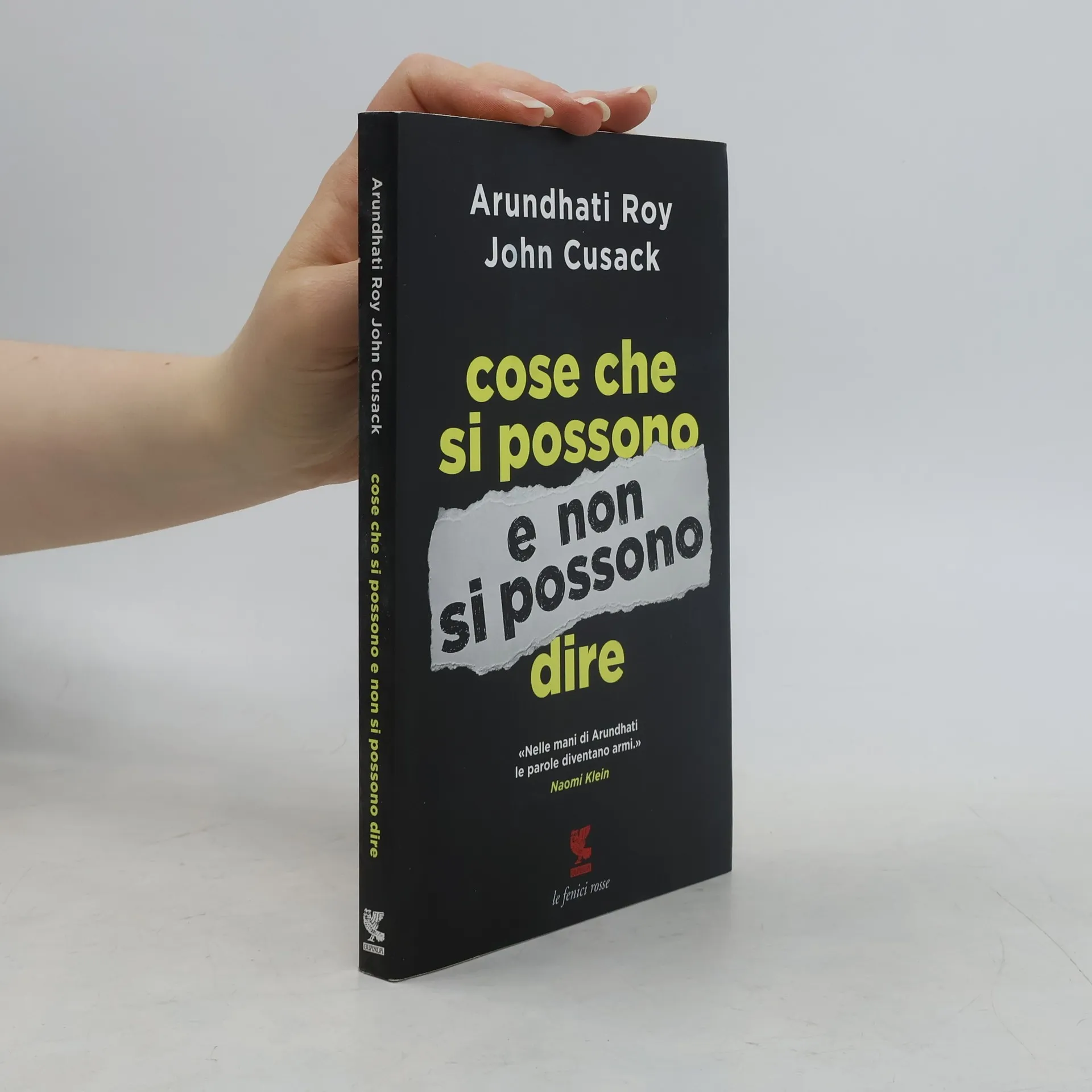
Cose che si possono e non si possono dire
- 176pagine
- 7 ore di lettura
Nell’inverno del 2014, l’attore americano John Cusack, da sempre impegnato sul fronte dei diritti civili, ha un’idea. Far incontrare i due più celebri whistleblower americani, due fedeli servitori del governo statunitense che in epoche diverse hanno avuto il coraggio di renderne pubblici gli abusi: Daniel Ellsberg, il funzionario del Pentagono che nel 1971 rivelò i piani della guerra in Vietnam, e Edward Snowden, l’informatico ed ex tecnico della CIA che nel 2013 denunciò le intercettazioni a tappeto condotte dalla National Security Agency. All’incontro sarà invitata anche Arundhati Roy, una delle voci più chiare e implacabili che si sono levate negli ultimi anni contro la politica imperialista di molti stati, in linea con la posizione di Julian Assange, fondatore di WikiLeaks. Da questo «contro-summit» nasce un libro potente e provocatorio, che interroga tutti noi: che significato hanno davvero le bandiere, il patriottismo, le grandi organizzazioni internazionali? Quale ruolo ricoprono il dissenso e la ricerca della verità in una realtà in cui il denaro può liberamente varcare limiti e confini sociali, culturali, geografici, mentre le persone e le parole non possono farlo?
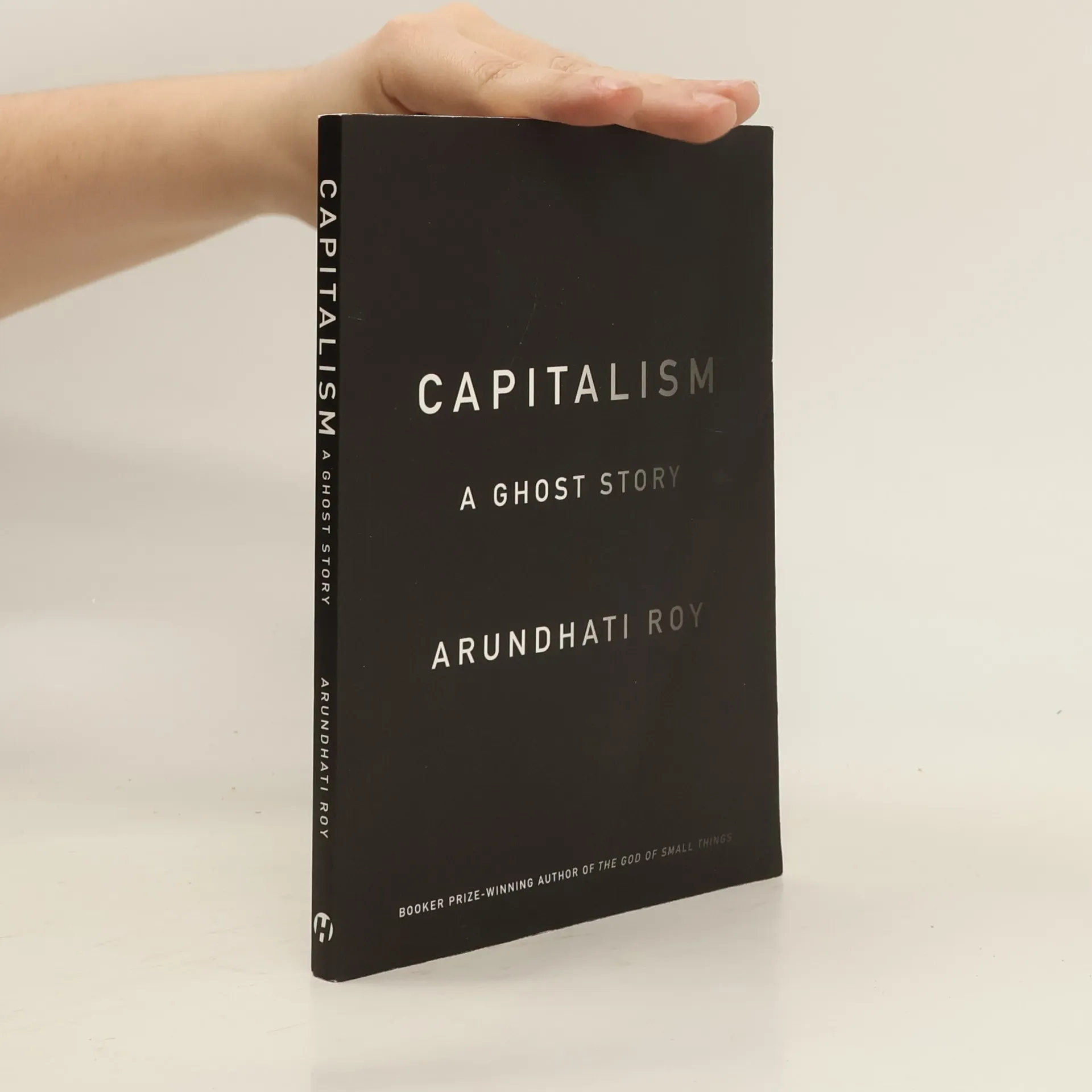
With anger and compassion, Roy exposes the sordid underbelly and dark inhumanity of capitalism in India and around the globe.
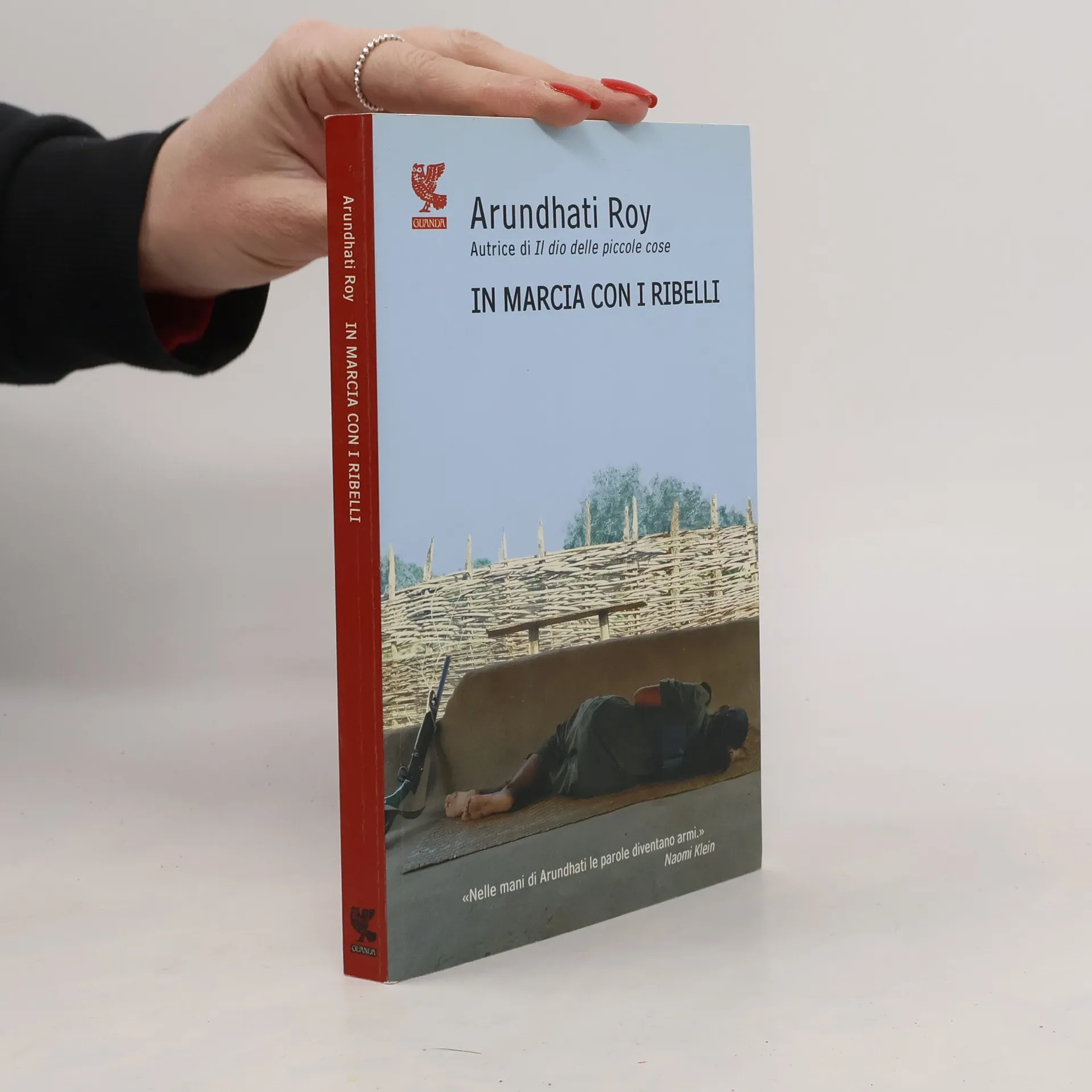
Narratori della Fenice: In marcia con i ribelli
- 202pagine
- 8 ore di lettura
Nitido e scritto a macchina, il biglietto in busta sigillata infilato sotto la porta confermava l'appuntamento. Arundhati Roy aspettava questa notizia da mesi, pronta a recarsi al tempio di Ma Danteshwari con la macchina fotografica, il tika e una noce di cocco. Così, il pericoloso ribelle adivasi, anch'esso riconoscibile grazie a un cappellino e una rivista hindi «Outlook», avrebbe potuto identificarla. Tuttavia, ad accoglierla c'era un ragazzino dall'aria innocua, senza giornale né banane, un pasto veloce per ingannare l'attesa. Questo era poco professionale per chi era considerato «la più grande minaccia per la sicurezza interna» dell'India, come affermato dal primo ministro Chidambaram. Inizia così una coraggiosa esplorazione di un'India sconosciuta, dove il panorama fisico ed economico è stato radicalmente cambiato dalle multinazionali. Con la complicità del governo, le grandi aziende hanno espropriato terre, foreste e vite delle popolazioni locali in modo illegittimo e anticostituzionale. Tuttavia, i poveri di questi villaggi hanno deciso di unirsi alla ribellione maoista per guidare la più grande democrazia del mondo verso un futuro alternativo al capitalismo selvaggio e all’avidità dilagante.
Arundhati Roy verbrachte mehrere Monate im indischen Dschungel, um mit den Guerilleros der Adivasis gegen Landraub zu kämpfen. In ihrem Buch schildert sie ihre Erfahrungen und hebt hervor, dass über 80% der indischen Bevölkerung in absoluter Armut lebt. Der wirtschaftliche Aufschwung Indiens ist nur für eine kleine Minderheit spürbar, und Roy positioniert sich klar auf der Seite der Armen. Ihr Werk ist essenziell für alle, die sich nicht von ökonomischen Zahlen blenden lassen und das wahre Indien kennenlernen möchten. Roy, geboren 1961 in Kerala, ist Schriftstellerin, Gesellschaftskritikerin und Friedensaktivistin, die sich besonders für die Urbevölkerung Indiens engagiert. Sie kämpft für globale Gerechtigkeit, gegen Umweltzerstörung und für Alternativen zum Kapitalismus. Ihr Widerstand gegen die nukleare Aufrüstung Indiens und Pakistans sowie ihre Kritik an den von den USA geführten Kriegen und dem israelischen Terror gegen Palästinenser machten sie zur Zielscheibe internationaler Medienkampagnen. In den letzten Jahren hat sie sich zunehmend den Herausforderungen Indiens gewidmet, darunter dem Kashmir-Konflikt und dem wachsenden Hindu-Faschismus. Roy vertritt unbeirrt ihren oppositionellen Standpunkt, was ihr den Hass des indischen Establishments einbrachte. Sie ist auch für ihren Roman „Der Gott der kleinen Dinge“ bekannt, für den sie 1997 den Booker-Preis erhielt.
Listening to Grasshoppers
- 256pagine
- 9 ore di lettura
What happens once democracy has been used up? When it has been hollowed out and emptied of meaning? This title provides an exploration of the political picture in India. It shows how the journey that Hindu nationalism and neo- liberal economic reforms began together in the early 1990s is unravelling in dangerous ways.
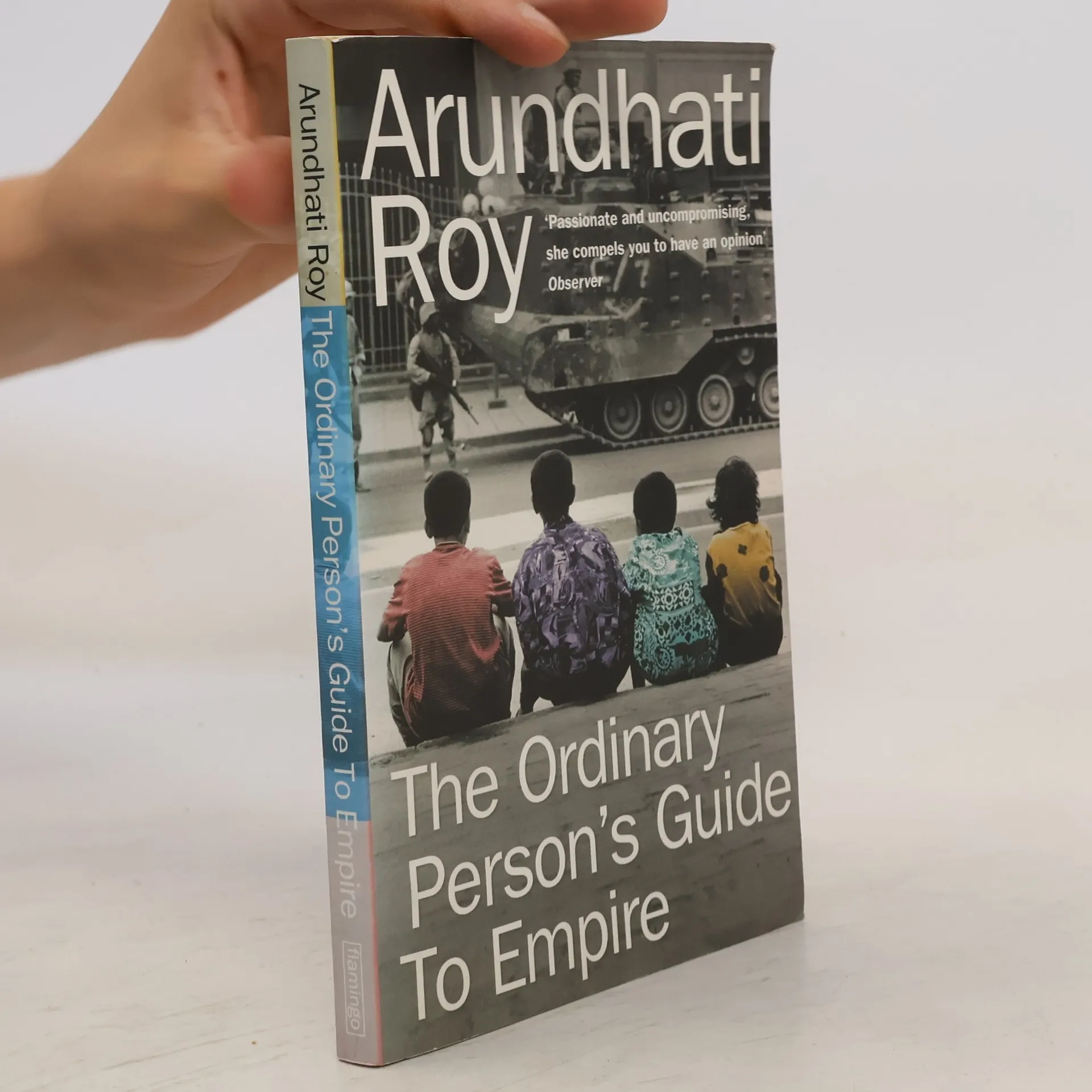
The Ordinary Person's Guide to Empire
- 240pagine
- 9 ore di lettura
In this collection of speeches and essays, Roy writes about the subjects dearest to her heart, subjects of importance to anyone interested in democracy, in global justice, and in the direction certain powerful agencies beyond our control are taking the world
In these interviews, collected by David Barsamian between 2001 and 2003, Arundhati Roy speaks frankly and compellingly on subjects ranging from her unconventional childhood in India to the state of the world following September 11 and the US-led invasion of Iraq. This collection assures Arundhati Roy's prominence as a vital political essayist. In language that is at once lively and humorous, searching and fierce, she discusses her political activism, from her participation in demonstrations against the Indian dam programme to her ongoing legal battle against a charge for corrupting
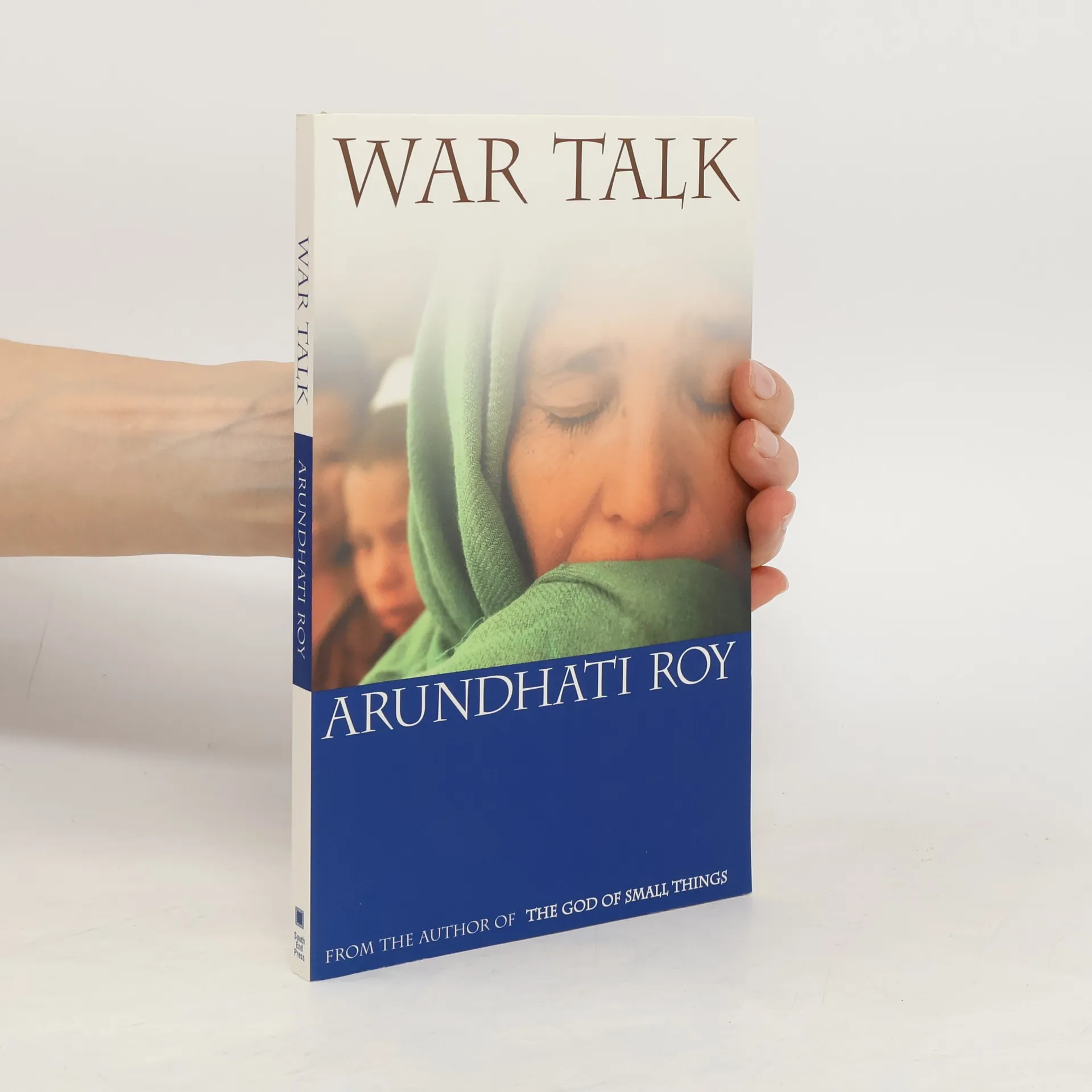
"Roy's new essay collection, War Talk, highlights the global rise of militarism and religious and racial violence. Against the backdrop of nuclear brinkmanship between India and Pakistan, the horrific massacre of Muslims in Gujarat, and U.S. demands for an ever-expanding war on terror, she calls into question the equation of nation and ethnicity."--BOOK JACKET.
Guerra è pace
- 193pagine
- 7 ore di lettura
Le pagine di "Guerra è pace" sono dedicate agli ultimi eventi che hanno sconvolto il mondo intero: l'attacco dell'11 settembre alle Twin Towers di New York e la risposta americana del 7 ottobre. La sua voce forte, polemica, piena di rabbia ma anche di compassione per le vittime, di qualunque bandiera e religione, si leva anche per condannare in modo lucido e documentato i rischi della globalizzazione dell'economia mondiale; della privatizzazione delle risorse energetiche; del divario tra Oriente e Occidente; della guerra nucleare, in cui il nostro nemico sarà la Terra stessa i cui elementi si volgeranno tutti contro di noi. Arundhati Roy sottolinea con forza la necessità a riprendere in mano il proprio futuro.
Die Politik der Macht
- 312pagine
- 11 ore di lettura
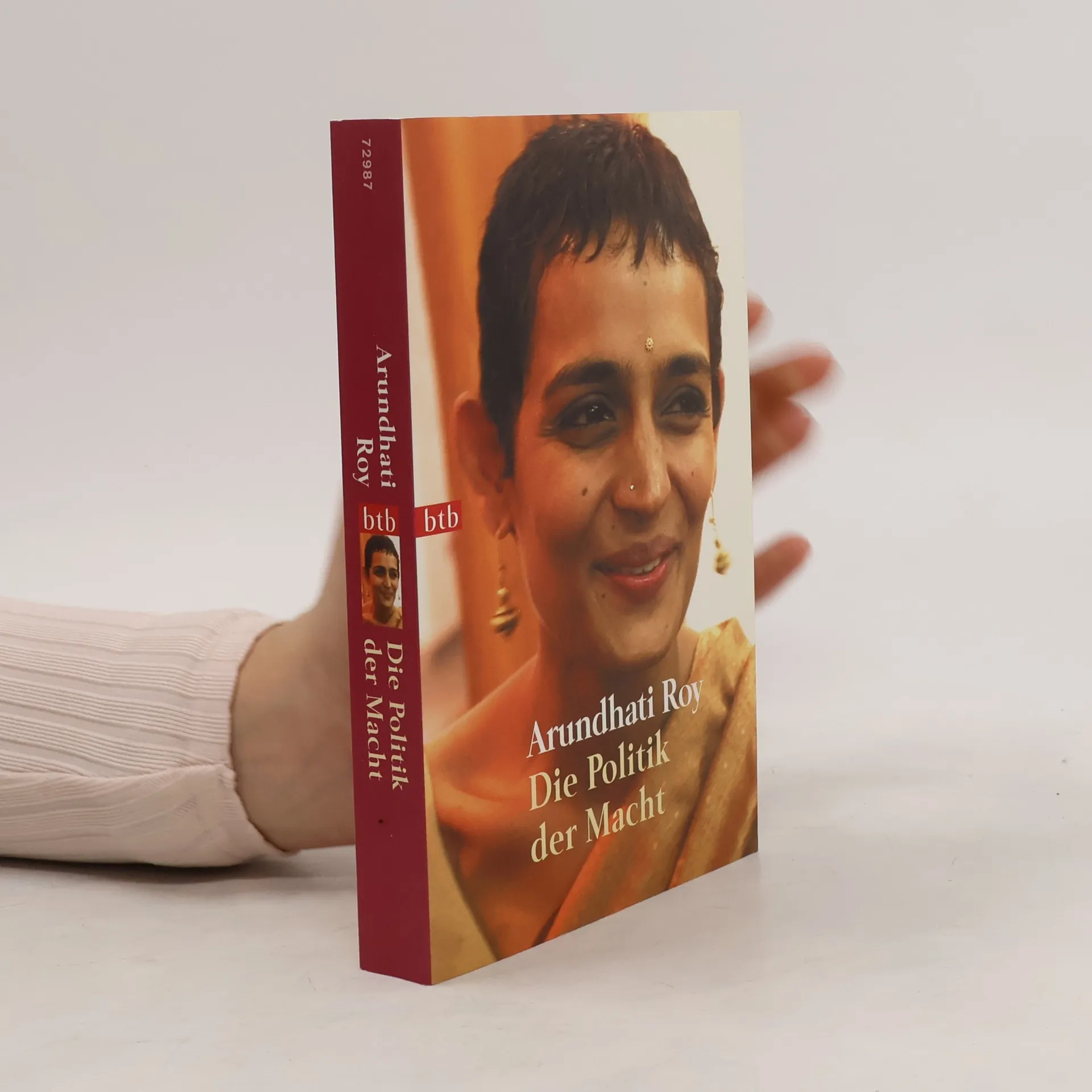
Nach dem Welterfolg ihres Romandebüts „Der Gott der kleinen Dinge“ widmet sich Arundhati Roy zwei Themen der Politik, die ihr als engagierter Autorin am Herzen liegen: dem umstrittenen Narmada-Staudamm im indischen Bundesstaat Gujarat, einem gigantischen Projekt mit verheerenden humanitären und ökologischen Folgen, und den indischen Atombombenversuchen, die zu einer neuen Eskalation des Grenzkonflikts mit Pakistan geführt haben. „Wer weiß, vielleicht ist es das, was das 21. Jahrhundert für uns auf Lager hat: die Demontage des Großen. Großer Bomben, großer Staudämme, großer Ideologien, großer Widersprüche, großer Länder, großer Kriege, großer Helden, großer Fehler. Vielleicht wird es das Jahrhundert der kleinen Dinge sein. Vielleicht macht sich gerade jetzt, in diesem Augenblick, droben im Himmel der kleine Gott für uns bereit.“ „Wer weiß, vielleicht ist es das, was das 21. Jahrhundert für uns auf Lager hat: die Demontage des Großen. Großer Bomben, großer Staudämme, großer Ideologien, großer Widersprüche, großer Länder, großer Kriege, großer Helden, großer Fehler. Vielleicht wird es das Jahrhundert der kleinen Dinge sein. Vielleicht macht sich gerade jetzt, in diesem Augenblick, droben im Himmel der kleine Gott für uns bereit.“
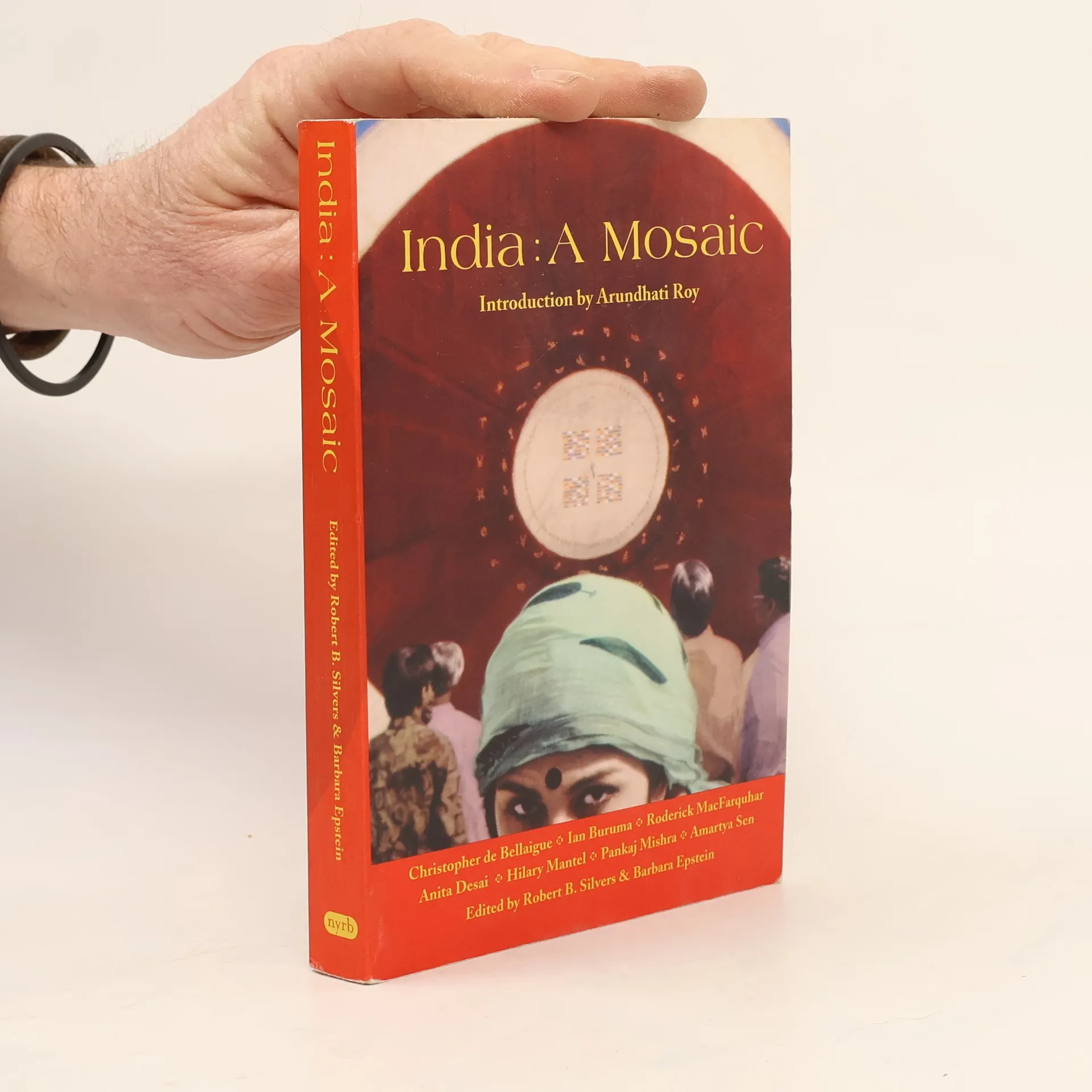
How can we understand India today, fifty years after Independence and only months after its nuclear tests outraged the world? The novelist Arundhati Roy has written, specially for this collection, a fierce denunciation of the Indian nuclear program, which serves as an introduction to nine essays on India, all originally published in The New York Review of Books . In this volume, seven distinguished writers offer penetrating insights into the complexities of the subcontinent. Roderick MacFarquhar reflects on the legacy of Empire and Partition, Ian Buruma considers secularism and Indian democracy, Pankaj Mishra remembers life in Benares, and Christopher de Bellaigue writes on a violent Bombay. But the volatile intersections of history, politics, and culture on which they focus haunt Indian literature too, as shown in essays by Nobel Prize-winner Amartya Sen on Rabindranath Tagore, Hilary Mantel on Rohinton Mistry, and Anita Desai on Indian women's writing.
The Narmada Valley in north-western India is home to 25 million people, and since the 1970's successive federal and state governments have been intent on forcibly evicting these people. This text is a tale of governmental arrogance, high-handedness, corruption and idiocy.
The Greater Common Good
- 76pagine
- 3 ore di lettura
Non fiction piece on Sardar Sarovar (Narmada) Project published in 1999.
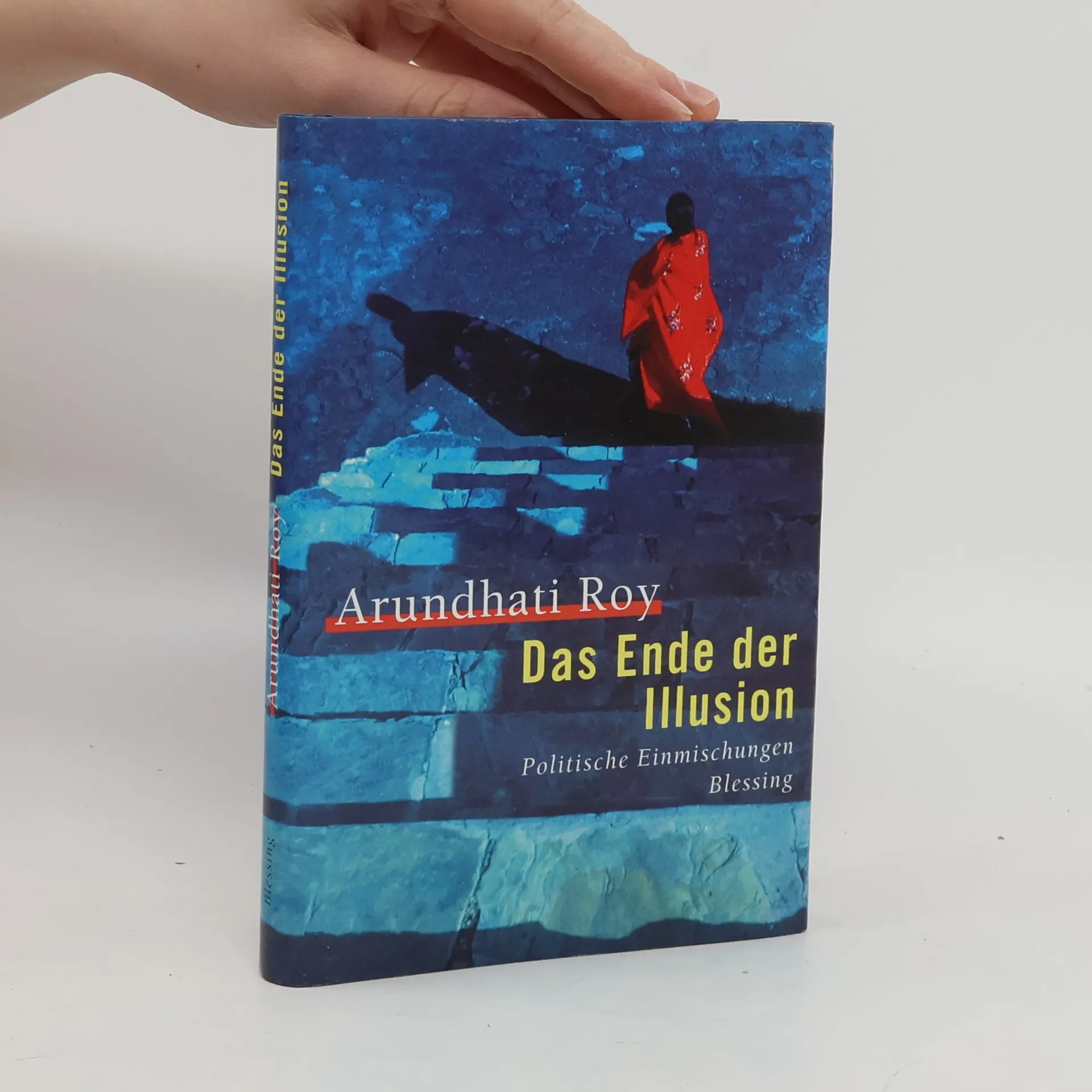
Das Ende der Illusion
- 157pagine
- 6 ore di lettura
Das Ende der Illusion vereint fünf von Arundhati Roys gefeierten Essays in einem umfassenden Band. Diese neue Sammlung beginnt mit ihrem bahnbrechenden Buch Die Kosten des Lebens , in dem sie Indiens Atomtests und den Bau riesiger Staudammprojekte scharf verurteilt, die weiterhin unzählige Menschen aus ihren Häusern und Gemeinschaften vertreiben. Das Ende der Illusion umfasst auch ihre Sachbücher Machtpolitik , Kriegsgespräche , Öffentliche Macht im Zeitalter des Imperiums und Ein gewöhnlicher Leitfaden für das Imperium , die ihre weit verbreiteten und inspirierenden Schriften zu den US-Invasionen in Afghanistan und im Irak, der Notwendigkeit, sich der Unternehmensmacht zu stellen, und der Aushöhlung demokratischer Institutionen weltweit enthalten.
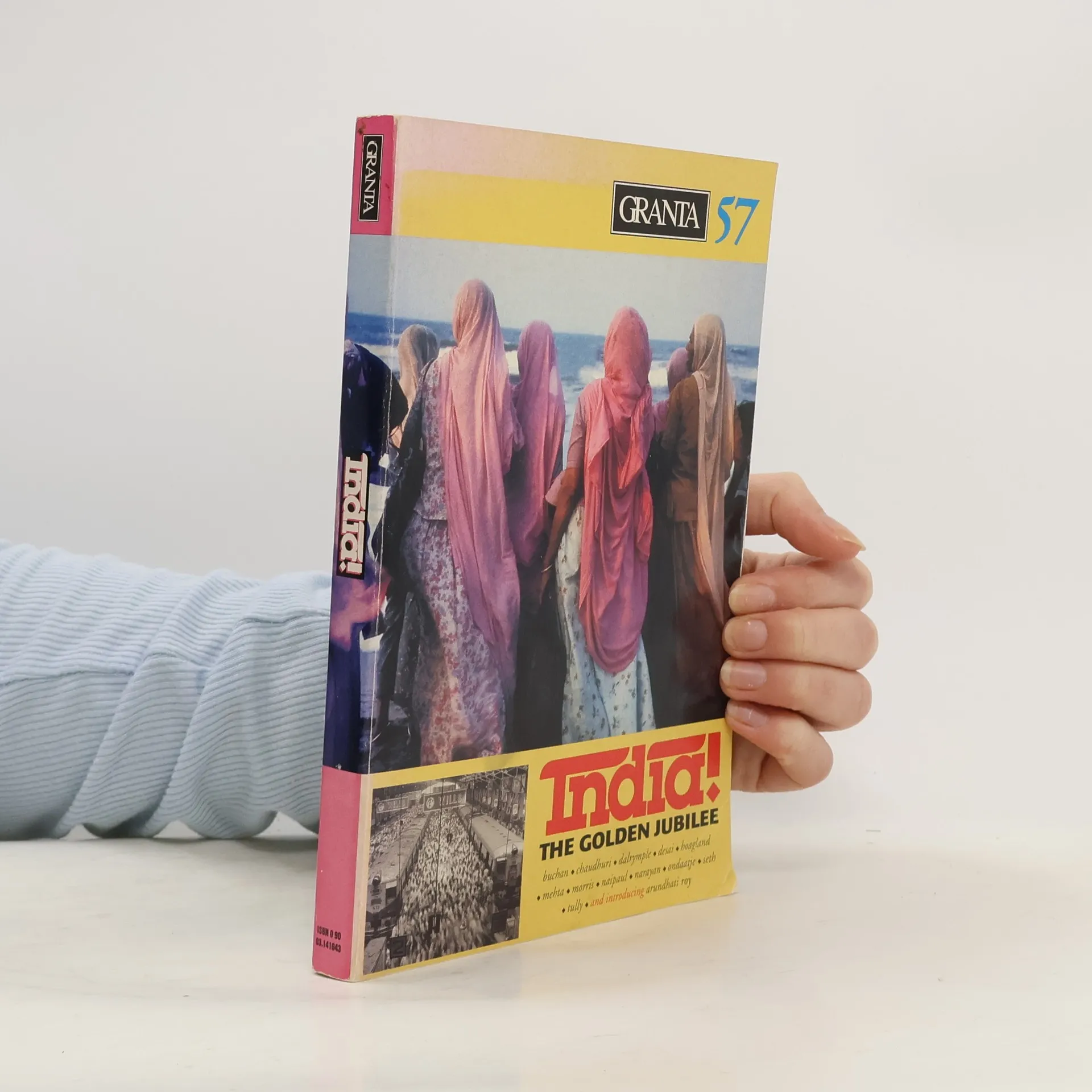
Granta - 57: India: The Golden Jubilee
- 288pagine
- 11 ore di lettura
A magazine of new writing.
Il dio delle piccole cose
- 540pagine
- 19 ore di lettura
India, fine anni Sessanta: Ammu, figlia di un alto funzionario, lascia il marito, alcolizzato e violento, per tornarsene a casa con i suoi due bambini. Ma, secondo la tradizione indiana, una donna divorziata è priva di qualsiasi posizione riconosciuta. Se poi questa donna commette l'innaccettabile errore di innamorarsi di un paria, un intoccabile, per lei non vi sarà più comprensione, né perdono. Attraverso gli occhi dei due bambini, Estha e Rahel, il libro ci racconta una grande storia d'amore che entra in conflitto con le convenzioni. .