
Bookbot

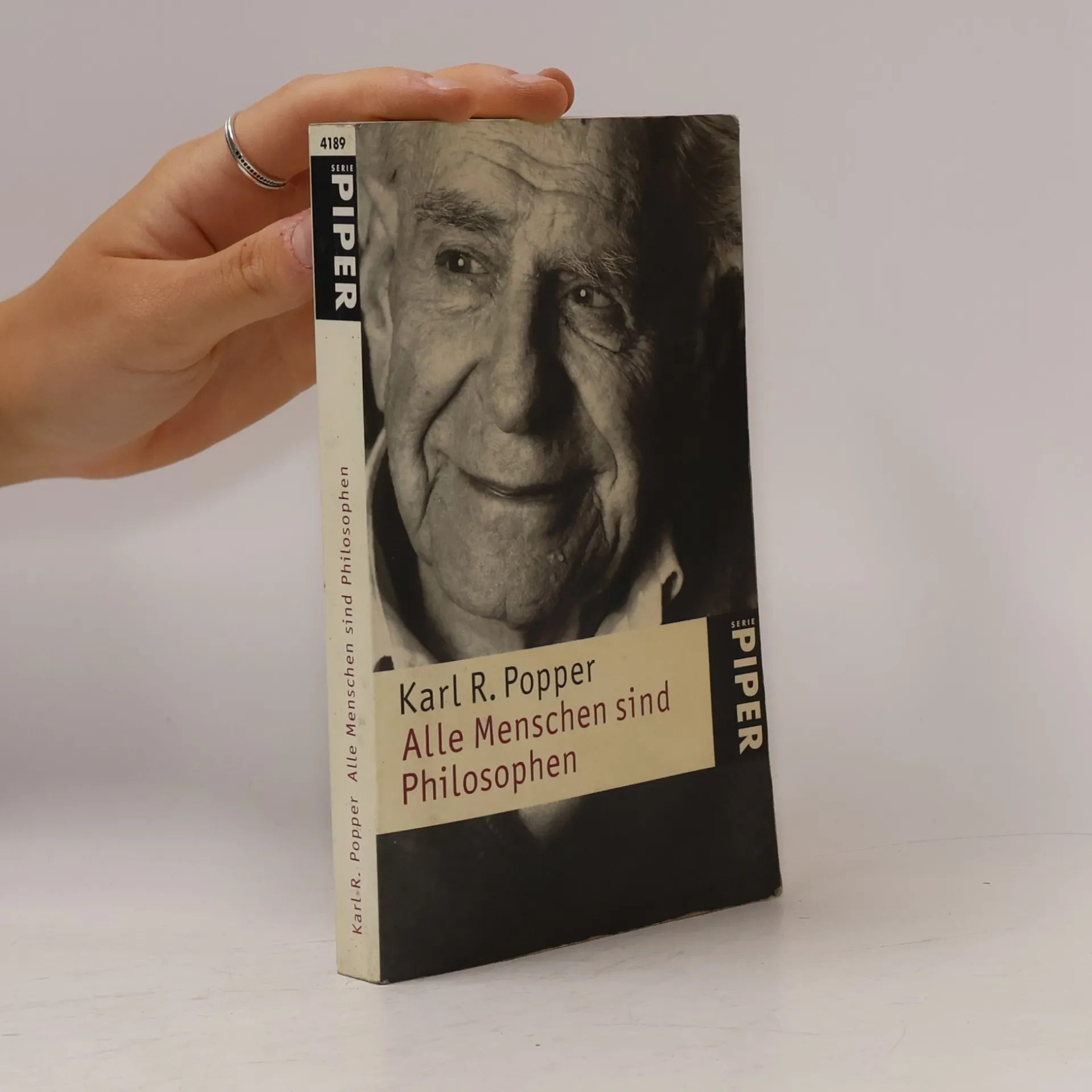
Karl R. Popper

    28 luglio 1902 – 17 settembre 1994

    Karl Popper emerse come uno dei teorici più influenti e filosofi di spicco, capace di catturare l'attenzione internazionale con il suo rigore intellettuale. Il suo lavoro esplorò un vasto panorama di problemi filosofici, dalla teoria politica al metodo scientifico. Popper sfidò in modo significativo le ortodossie consolidate come il positivismo logico e il marxismo, sostenendo che le teorie scientifiche sono, in definitiva, confutabili piuttosto che verificabili. Promosse un ethos critico, sottolineando l'accettazione della nostra ignoranza e l'importanza cruciale del dibattito aperto nella ricerca della verità.

    Karl R. Popper
    After The Open Society
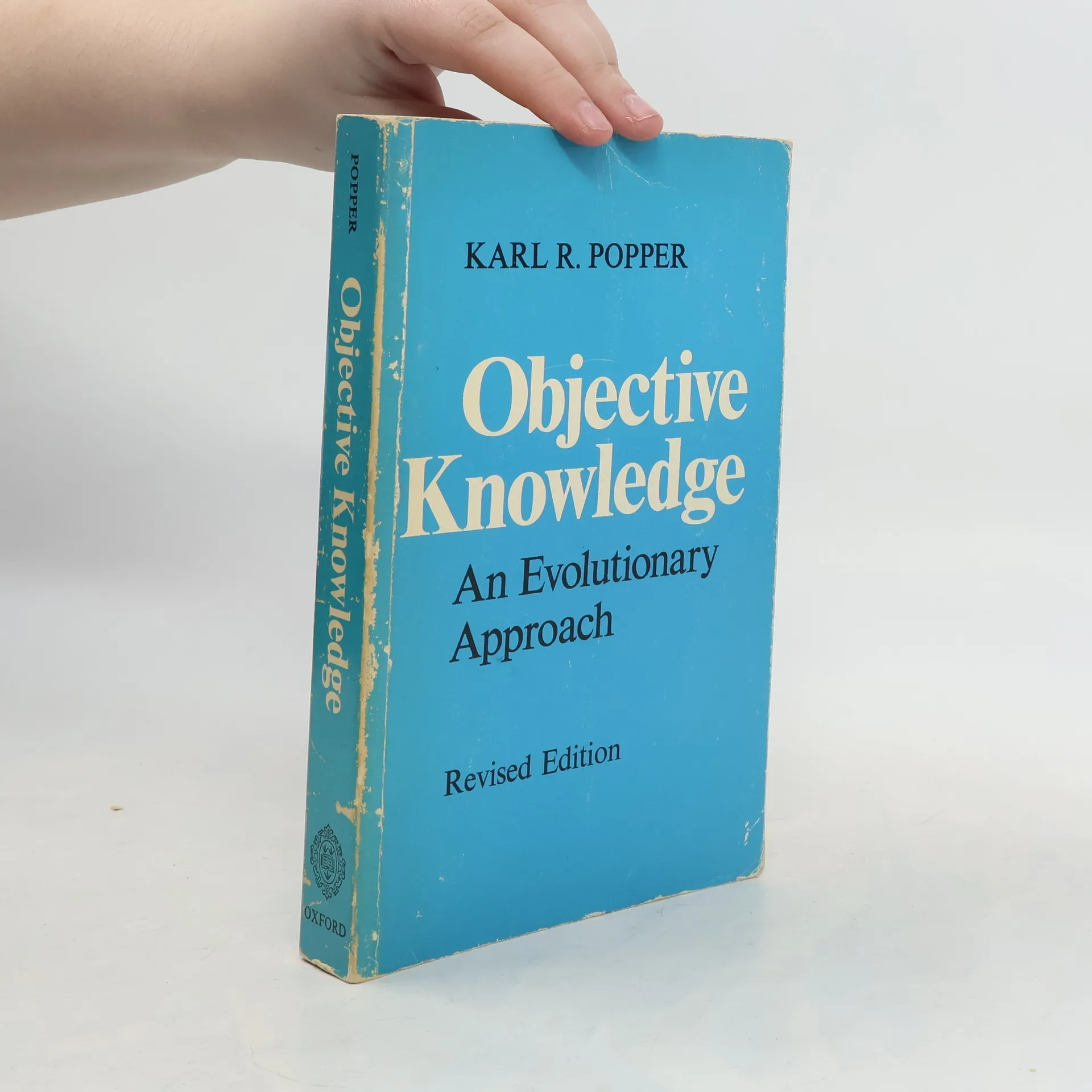
    Conoscenza oggettiva. Un punto di vista evoluzionistico
    Cattiva maestra televisione
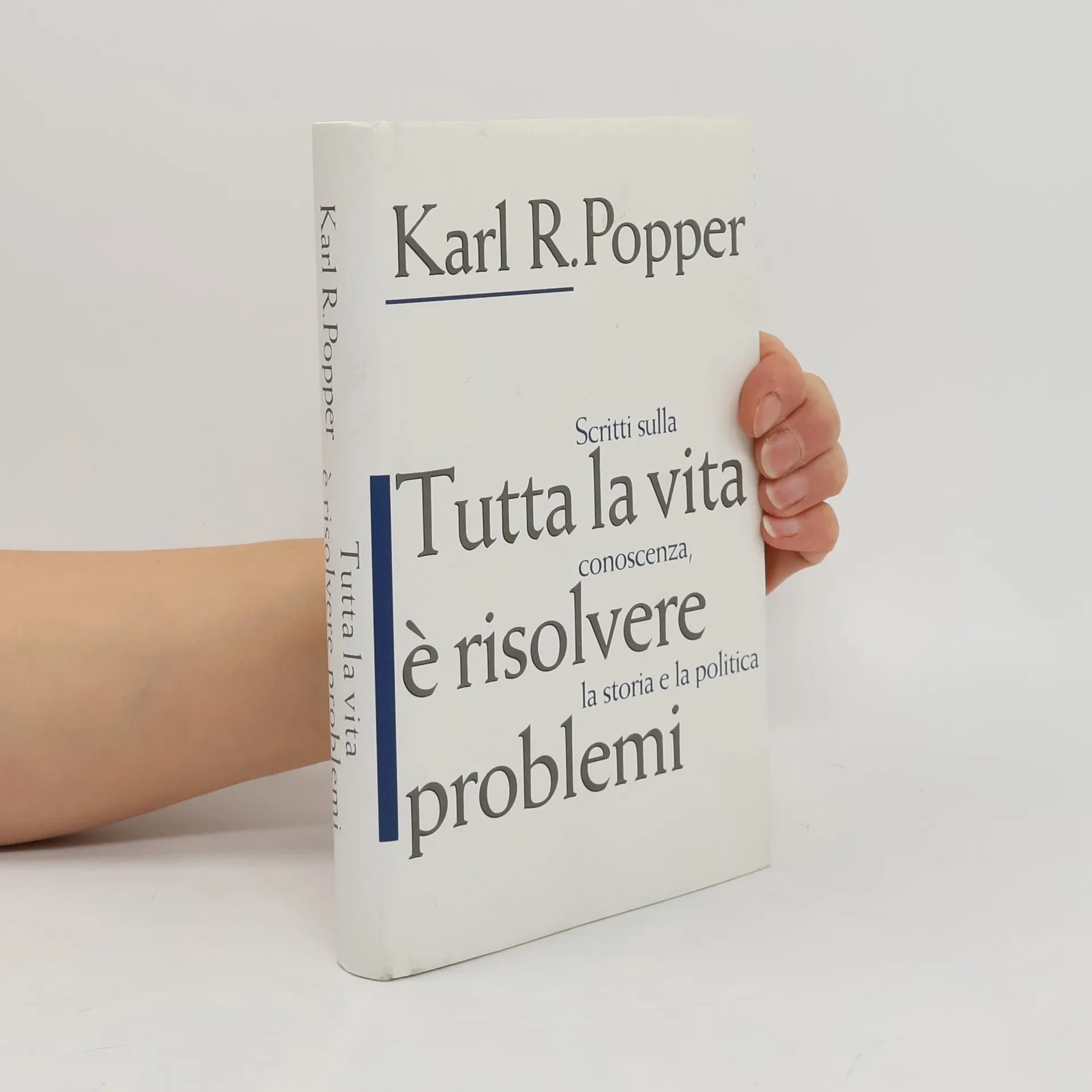
    Tutta la vita è risolvere problemi
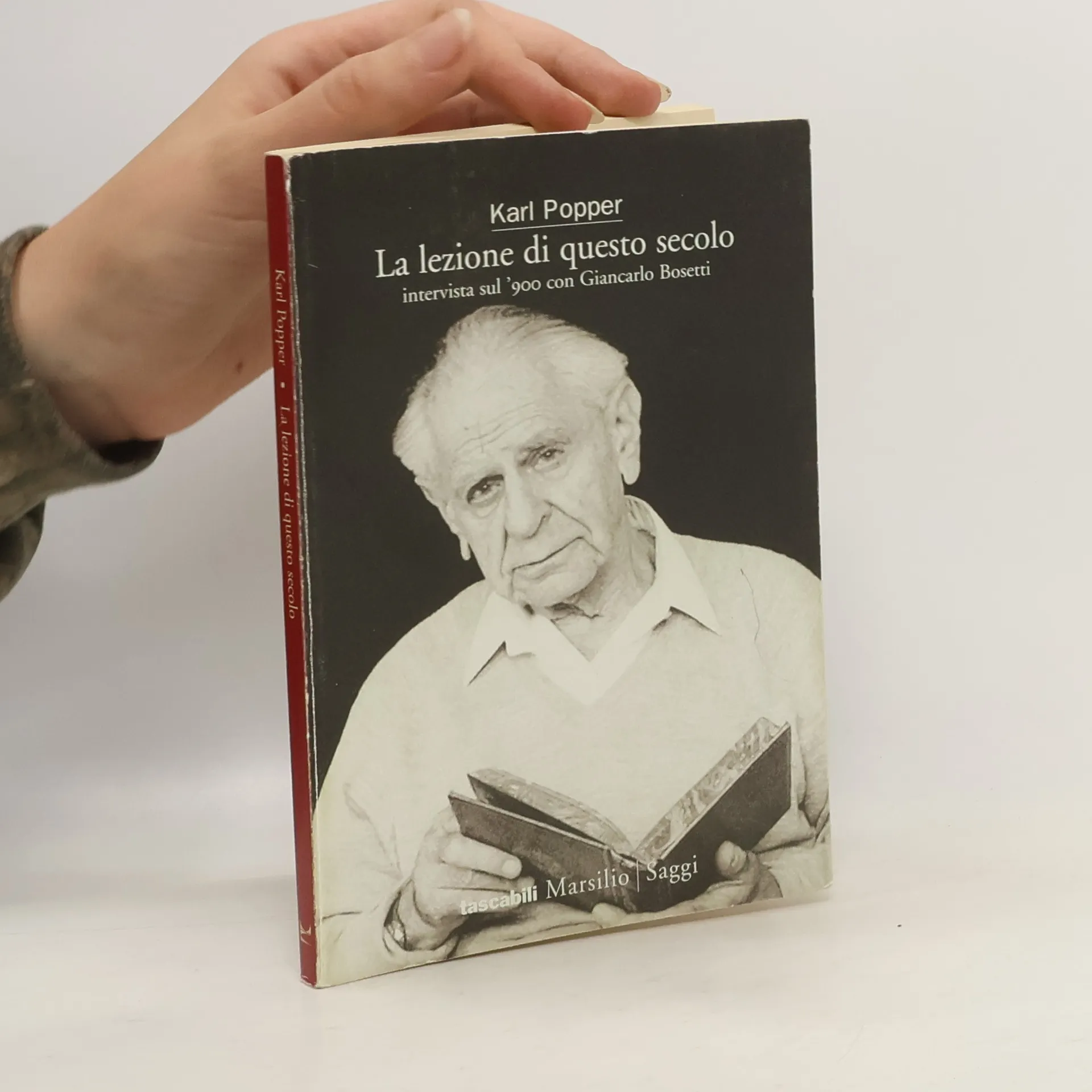
    La lezione di questo secolo. Intervista di Giancarlo Bosetti
    La lezione di questo secolo
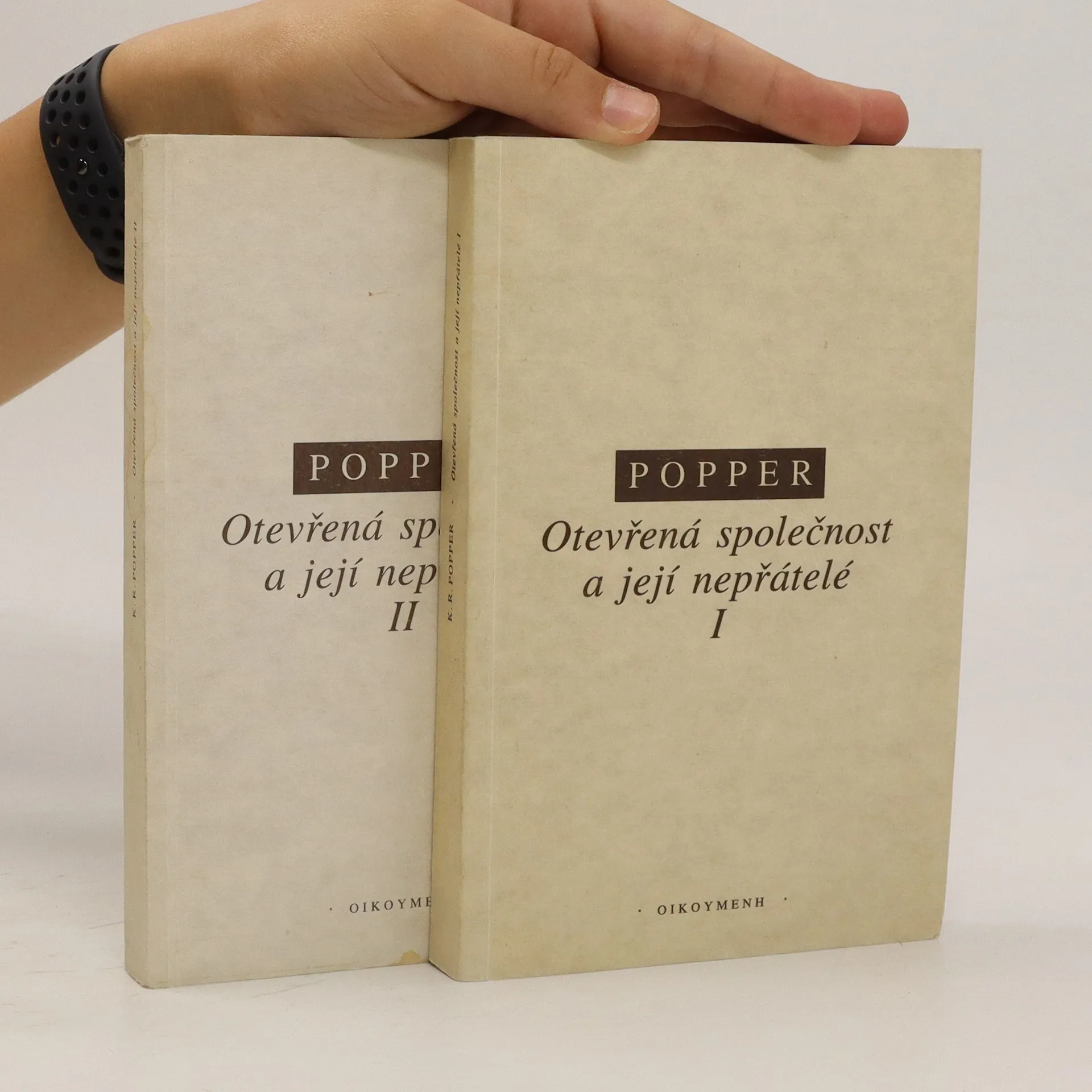
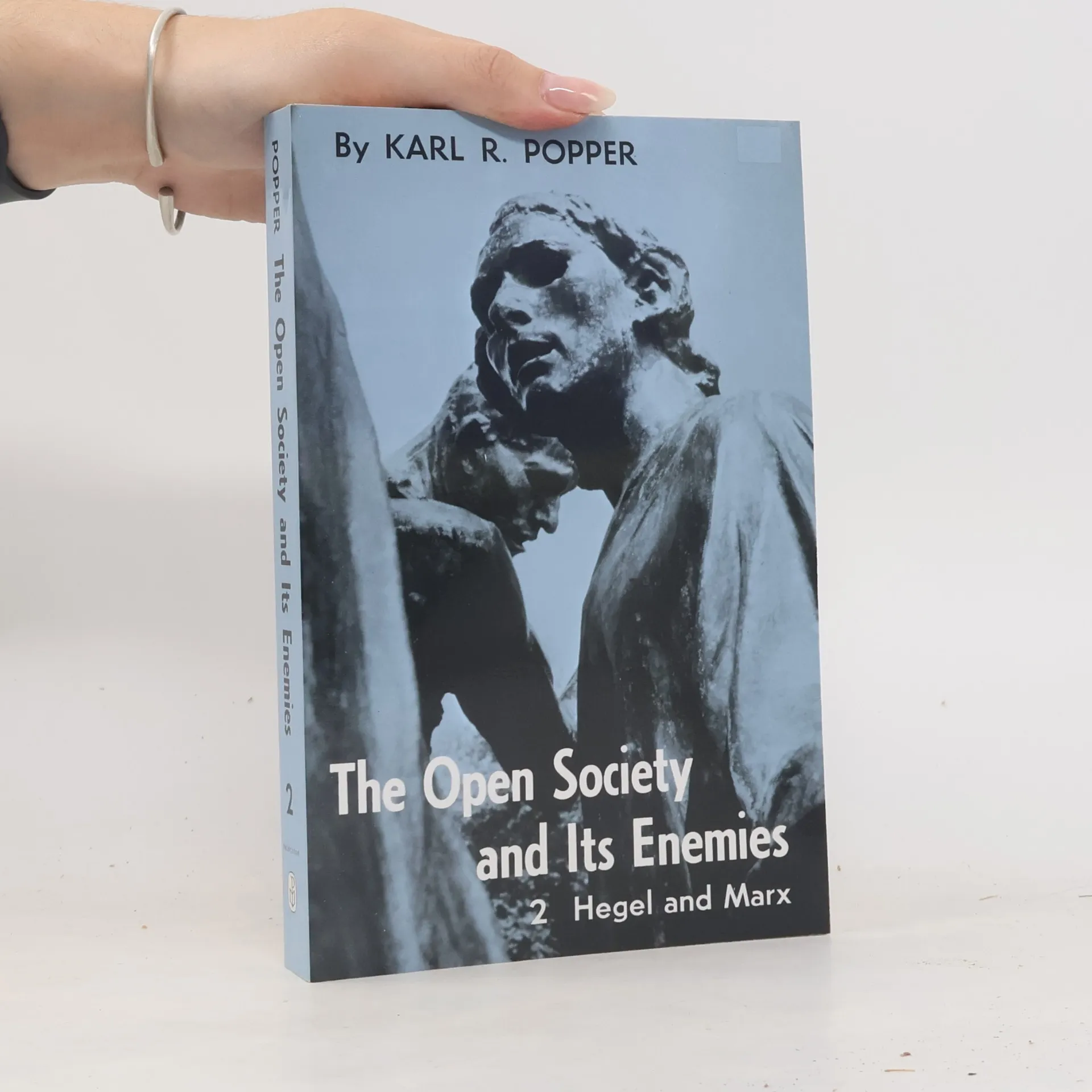
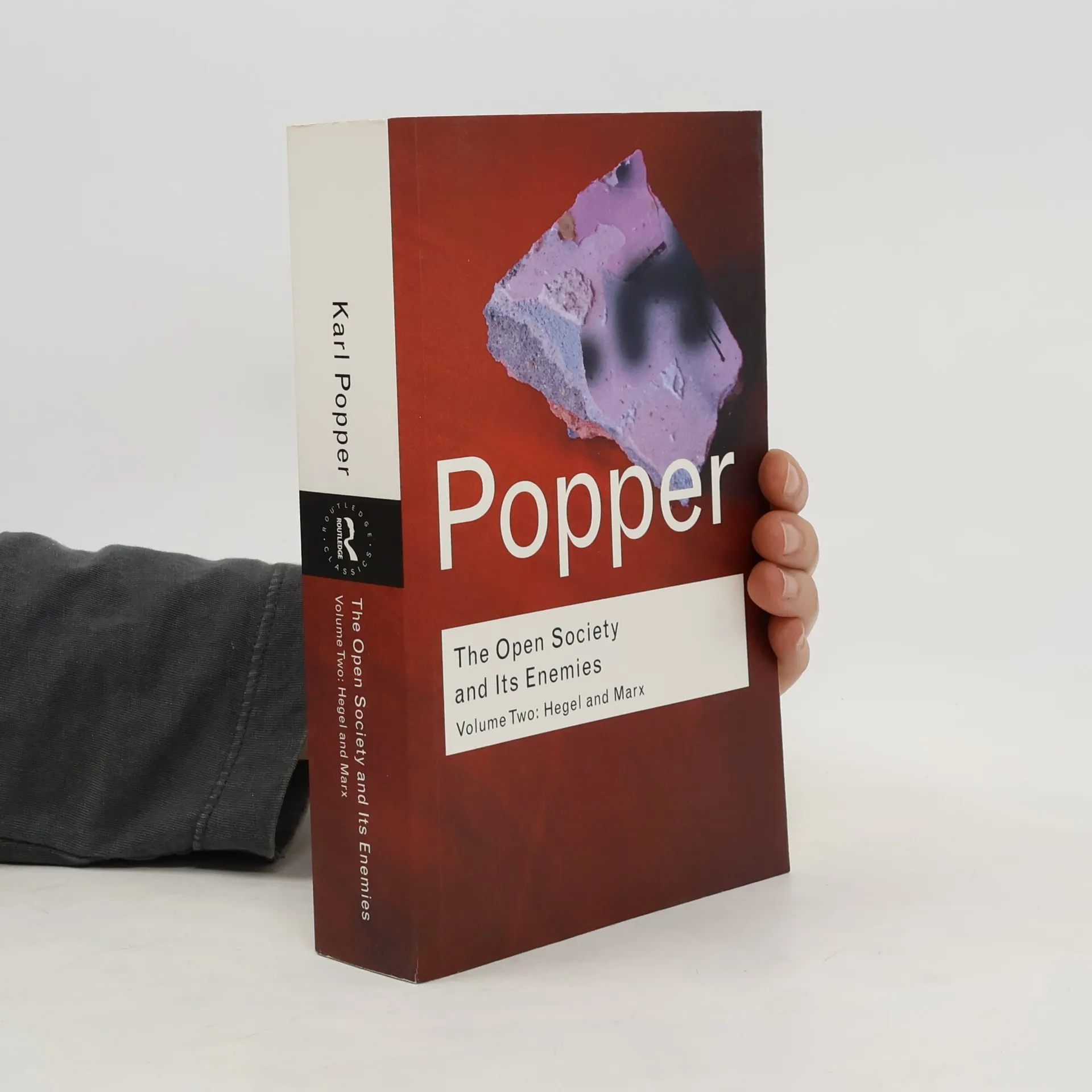
    • Die offene Gesellschaft und ihre Feinde. Band I und II

      Band I: Der Zauber Platons und Band II: Falsche Propheten: Hegel, Marx und die Folgen -als Paket-

      • 1099pagine
      • 39 ore di lettura

      Die Untersuchung des Historizismus steht im Mittelpunkt von Karl Poppers sozialphilosophischem Hauptwerk, das sich mit den Ideen von Platon sowie den Theorien von Hegel und Marx auseinandersetzt. Neben der historischen Analyse werden zentrale erkenntnistheoretische, philosophische, ethische und politische Fragestellungen behandelt, die auch heute noch relevant sind. Poppers Konzept der offenen Gesellschaft, das auf die kontinuierliche Verbesserung demokratischer Institutionen abzielt, bietet wertvolle Einsichten für alle, die sich mit der Entwicklung von Zivilgesellschaften beschäftigen.


      Die offene Gesellschaft und ihre Feinde. Band I und II2023
    • The Open Universe

      An Argument for Indeterminism From the Postscript to The Logic of Scientific Discovery

      • 212pagine
      • 8 ore di lettura

      Focusing on the philosophy of physics, this volume presents Karl Popper's critical examination of subjectivist approaches to the philosophy of science. It serves as a culmination of his ideas, elaborating on the nature of scientific discovery and emphasizing an objective framework. The work challenges established notions and contributes significantly to the discourse on scientific methodology, making it a pivotal read for those interested in the philosophy of science.

      The Open Universe2016
    • Realism and the Aim of Science

      From the PostScript to the Logic of Scientific Discovery

      • 464pagine
      • 17 ore di lettura

      Focusing on the philosophy of physics, this volume of Karl Popper's Postscript critiques subjectivist approaches to science. It represents the culmination of his thoughts on realism and aims to redefine the relationship between scientific theories and reality. Through rigorous analysis, Popper challenges established notions, making significant contributions to the philosophy of science.

      Realism and the Aim of Science2015
    • Quantum Theory and the Schism in Physics

      From the PostScript to the Logic of Scientific Discovery

      • 256pagine
      • 9 ore di lettura

      Focusing on the philosophy of physics, this volume presents Karl Popper's critique of subjectivist approaches in the field. It serves as a culmination of his thoughts and arguments, emphasizing the significance of objective scientific inquiry. As part of a larger work, it explores the implications of quantum theory and its impact on the understanding of scientific discovery, making it a crucial text for those interested in the intersection of philosophy and physics.

      Quantum Theory and the Schism in Physics2015
    • V návaznosti na Foucaultův pojem „biopolitiky“ se Agamben snaží předvést, že svrchovaná politická moc je v západní myšlenkové tradici již od Aristotela chápána jako „moc nad životem“. S využitím analýz C. Schmitta a výsledků antropologického bádání Agamben definuje svatého člověka jako bytost, již lze zabít, ale nikoli obětovat. Tento paradox podle Agambena vymezuje postavení moderního jedince v systému, který ovládá kolektivní „holý život“ všech.

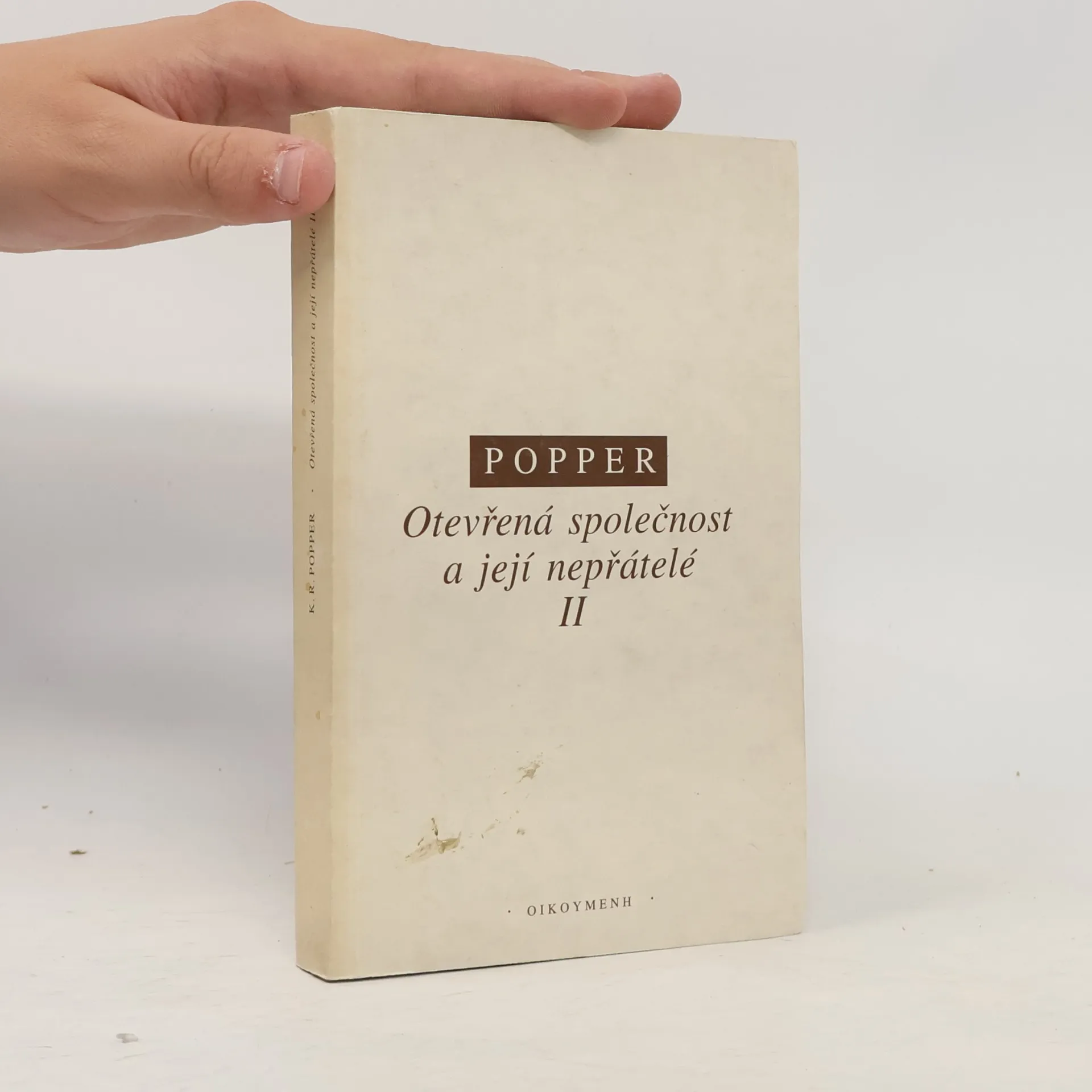
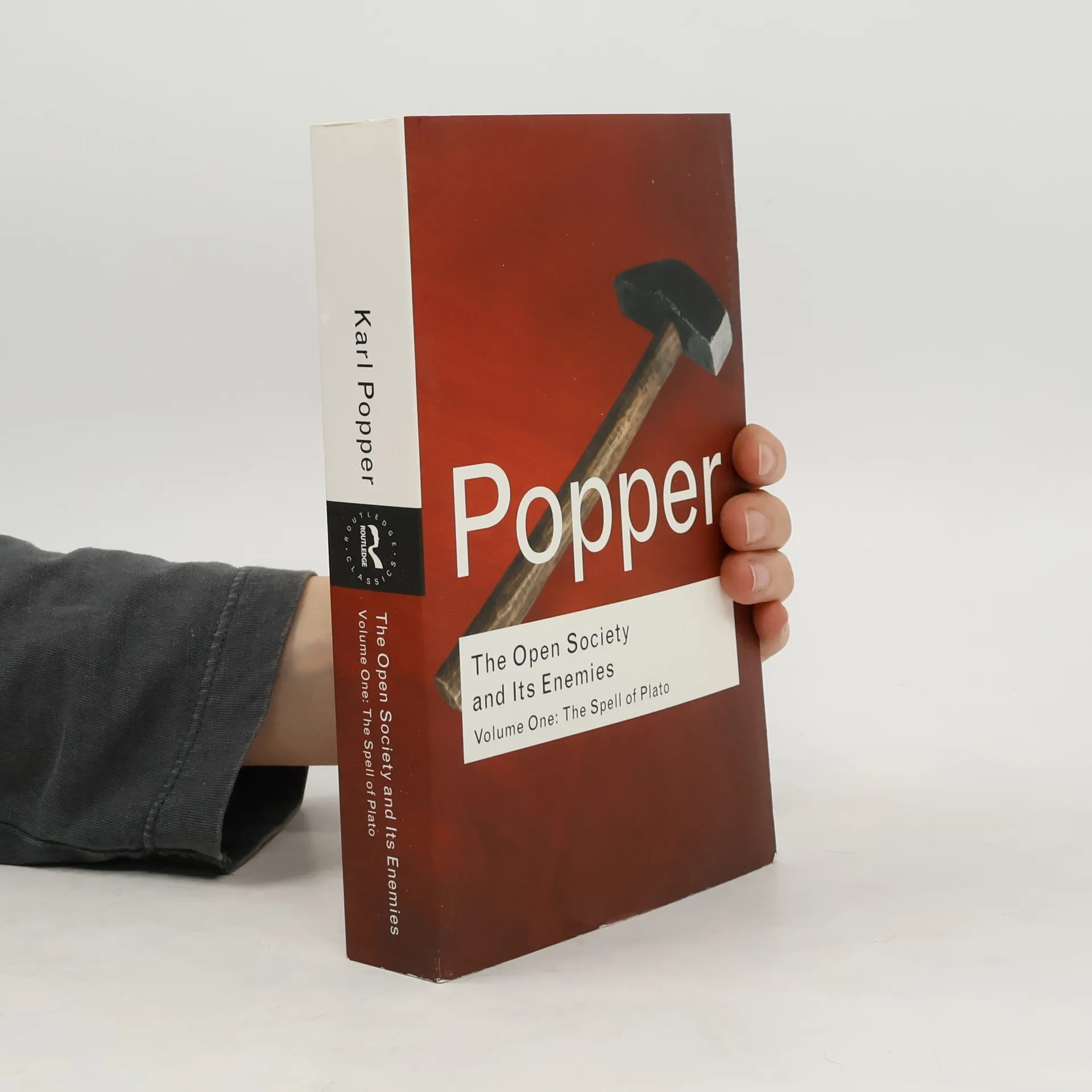
      Otevřená společnost a její nepřátelé. I, Platónovo zaříkávání2011
      4,4
    • After The Open Society

      • 528pagine
      • 19 ore di lettura

      In this long-awaited volume, Jeremy Shearmur collects the most important writings Popper made in the years after The Open Society was first published. Many are published here for the first time.

      After The Open Society2011
      4,4
    • Die offene Gesellschaft und ihre Feinde

      Der Zauber Platons

      • 524pagine
      • 19 ore di lettura

      In this two-volume work, Karl Popper explores the evolution of historicism, the belief in laws governing historical development, as articulated by Plato (Volume I) and later by Hegel, Marx, and their successors (Volume II). The text also engages with a range of epistemological, philosophical, ethical, and political issues that remain relevant today. Since its publication in 1945, the book has been translated into 23 languages, highlighting its significance as more than just a critique of philosophical systems from antiquity to modern times. Popper's theory of the open society emphasizes the continuous improvement of institutions within parliamentary democracies, a concept that is thoroughly developed across both volumes. This work is essential for anyone interested in the foundations and advancement of civil societies.

      Die offene Gesellschaft und ihre Feinde2003
      4,5