‘A humane discourse on the fragility of our minds, of the bodies that give rise to them, and of the world they create for us.’ Daily Telegraph Oliver Sacks’ compassionate tales of people struggling to adapt to different neurological conditions have fundamentally changed the way we understand our own minds. In Musicophilia, he examines the powers of music through the individual experiences of patients, musicians and everyday people – those struck by affliction, unusual talent and even, in one case, by lightning – to show not only that music occupies more areas of the brain than language does, but also that it can calm and organize, torment and heal. Always wise and compellingly readable, these stories alter our conception of who we are and how we function, and show us an essential part of what it is to be human. ‘Fascinating. Music, as Sacks explains, “can pierce the heart directly”. And this is the truth that he so brilliantly focuses upon – that music saves, consoles and nourishes us’ Daily Mail ‘Irresistible, astonishing and moving’ Spectator ‘Deeply warm and sympathetic’ Guardian
Han Visserman Ordine dei libri (cronologico)


Zes verhalen van Ierse schrijvers.
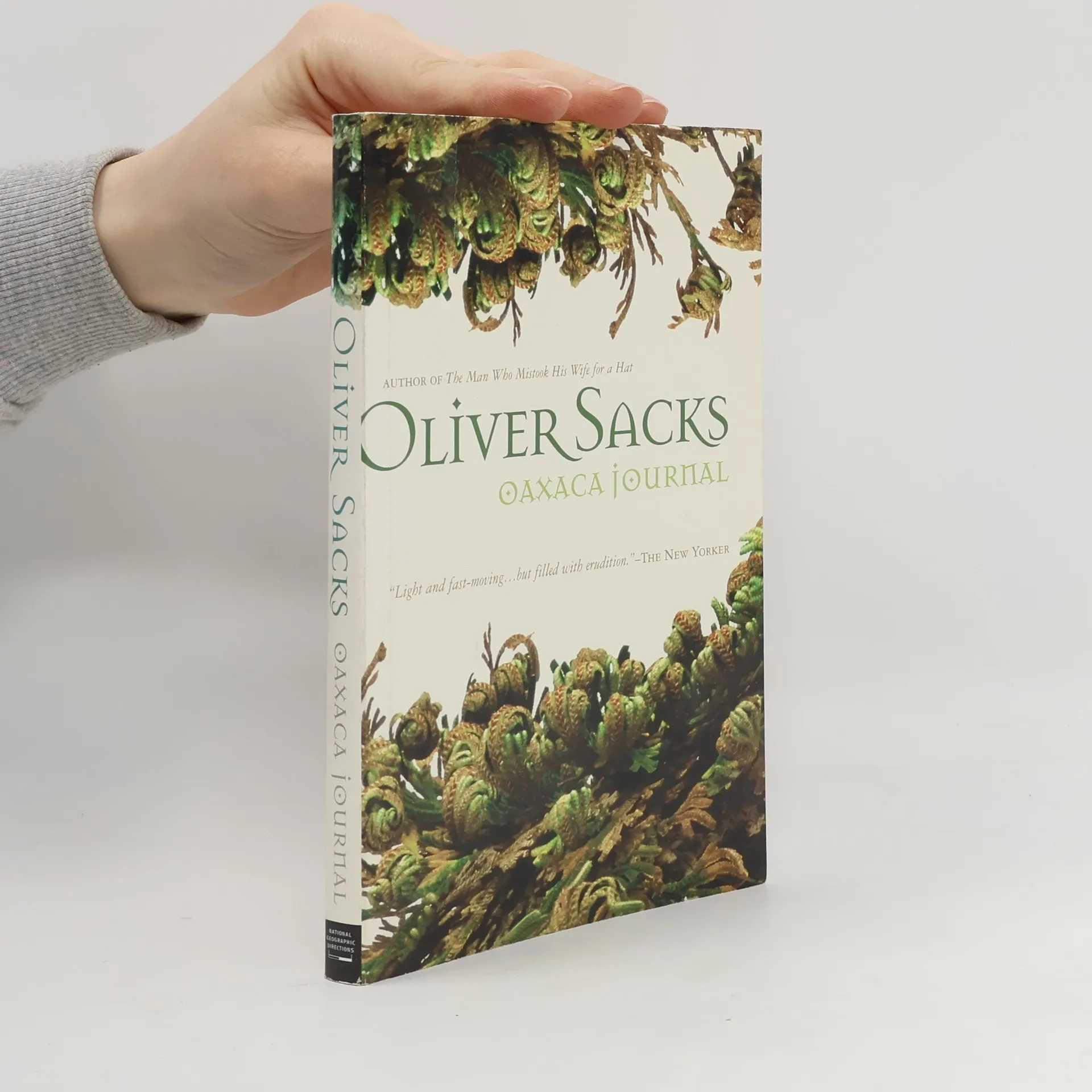
Mexicaans dagboek
- 173pagine
- 7 ore di lettura
Oliver Sacks schrijft over een varenexpeditie naar Oaxaca, in het zuiden van Mexico. Maar Sacks zou Sacks niet zijn als hij zich daartoe beperkte. Hij vertelt uitgebreid over het dagelijks leven in Mexico, over de tragische geschiedenis van dit prachtige land, over chocola en rubber, Azteken en mescal en over heel veel meer. De eruditie en humor van Sacks maken Mexicaans dagboek tot een uiterst boeiend reisverhaal.
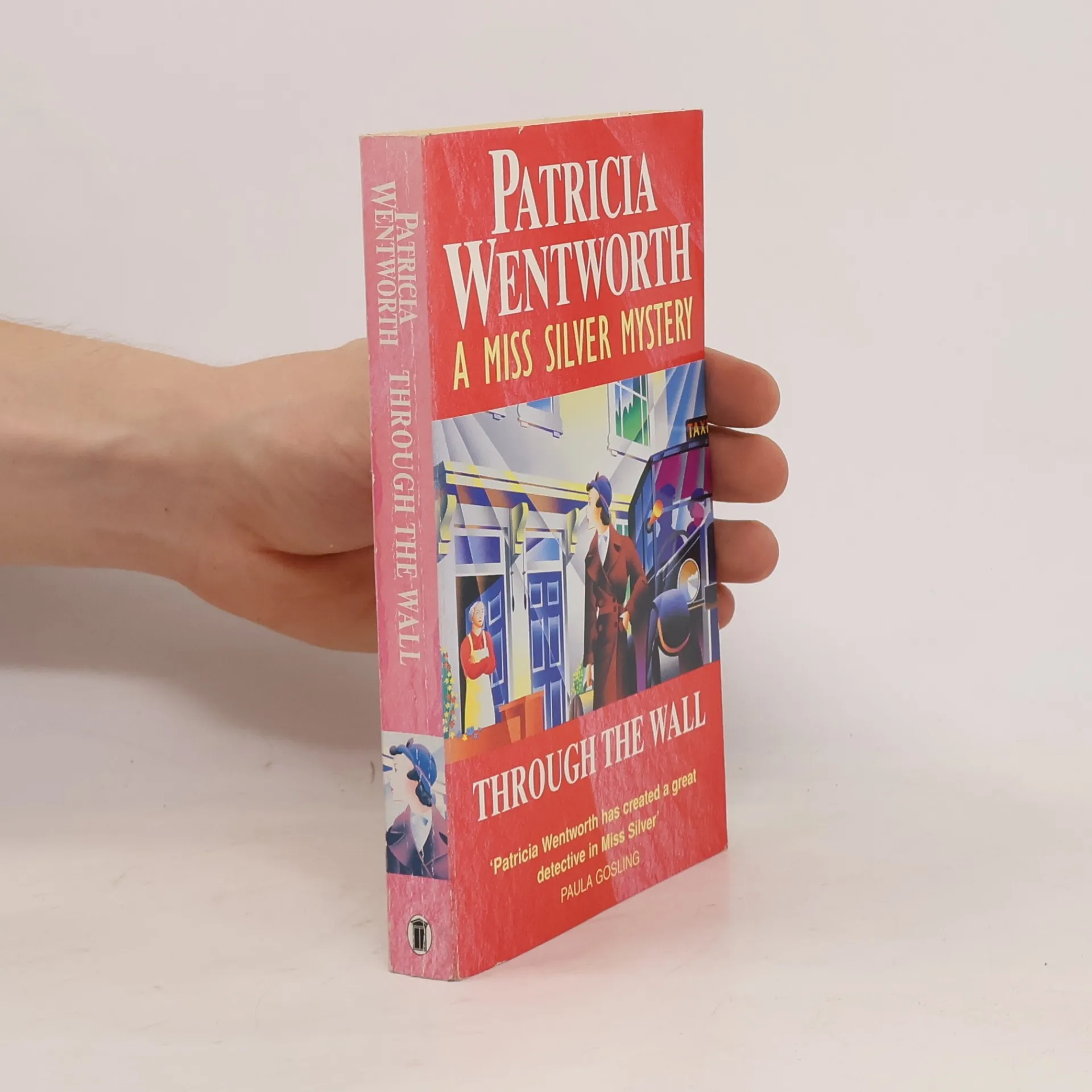
Through the Wall
- 256pagine
- 9 ore di lettura
Most of Marion's relations would prefer her dead, and one of them will not stop at murder . . . Classic crime in stunning new packaging.
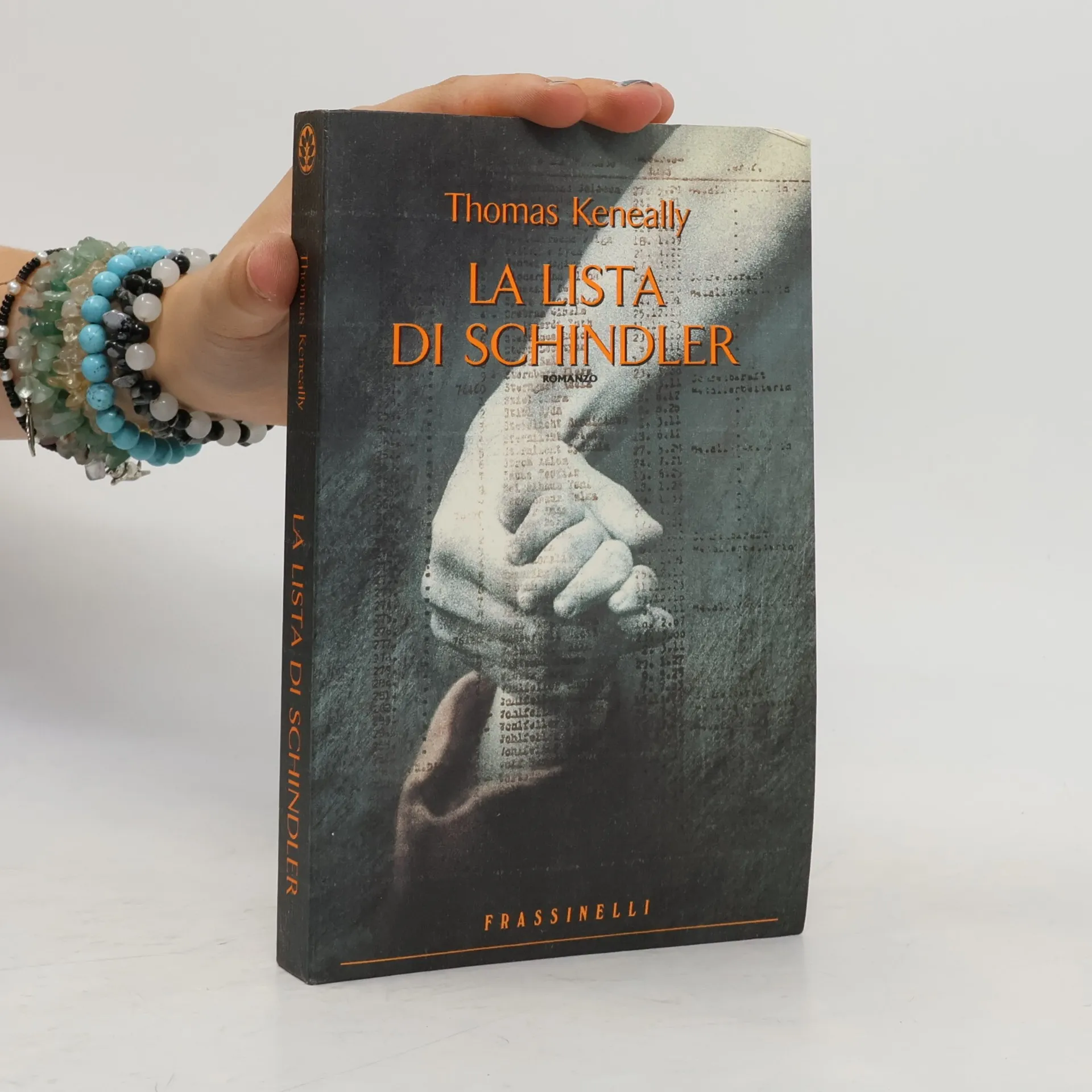
Che cosa significava finire nella "Lista di Schindler"? Chi era in realtà Oskar Schindler, giovane industriale tedesco cattolico e corteggiatore di belle donne? Basandosi anche sulle testimonianze di quanti lo conobbero, Keneally ricostruisce la vita straordinaria di questo personaggio ambiguo e contraddittorio. Ritenuto da molti un collaborazionista, Schindler sottrasse uomini, donne e bambini ebrei allo sterminio nazista, trasferendoli dai lager ai suoi campi di lavoro in Polonia e in Cecoslovacchia, dove si produceva materiale bellico. Così, fornendo armi al governo tedesco e versando enormi somme di denaro, Schindler salvò migliaia di persone. Resta però un mistero il motivo che lo spinse a intrprendere quella sua personale lotta al nazismo.