

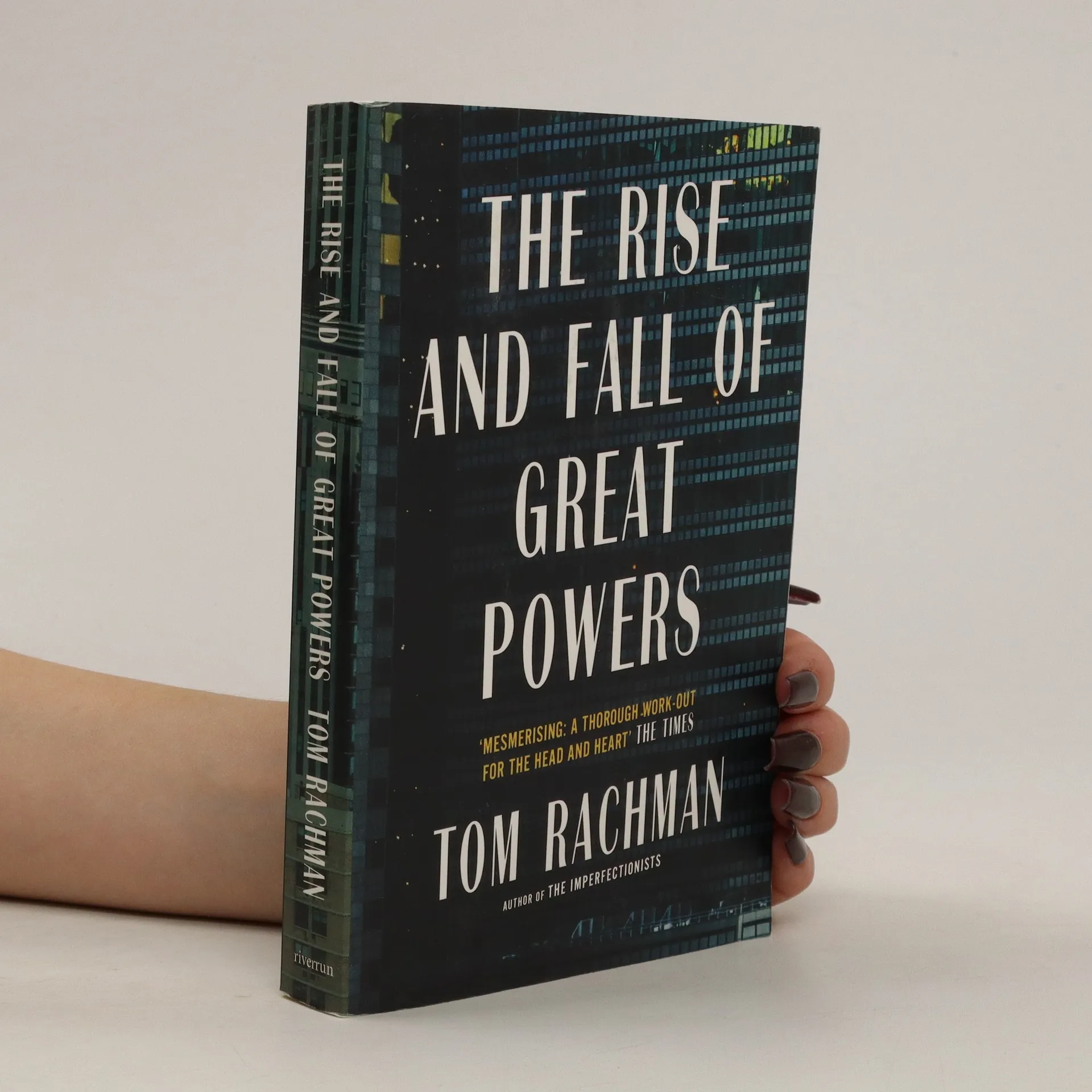
'Ingenious' New York Times 'Mesmerising' The Times 'Loveable' Evening Standard Nine-year-old Tooly is spirited away from Bangkok by a seductive group of outsiders who take her from city to city across the globe. At twenty, she is wandering the streets of Manhattan with a scribbled-on map, scamming strangers for her shadowy protector, Venn. Now, aged thirty-one, she runs a second-hand bookshop on the Welsh borders and has found peace with her strange upbringing - until she's called to return to New York to see her dying father. Warm, hilarious and fizzing with intelligence, The Rise and Fall of Great Powers is a masterpiece about the search for identity.
Onno Voorhoeve Ordine dei libri (cronologico)

Il bambino del giovedì
- 305pagine
- 11 ore di lettura
Nell'intento dello sconosciuto narratore di questa storia si racchiude il senso della vita umana, caratterizzata da tragedie, coincidenze, segreti e incontri che segnano il destino. La narrazione ruota attorno alla famiglia Bauer, nella Cecoslovacchia del 1939, sotto l'occupazione nazista, con l'orribile missione di eliminare la razza ebraica. Pavel e Anneliese Bauer, giovani e benestanti, vedono la loro vita stravolta dall'invasione. Tentano di fuggire a Praga con il loro bambino di sei anni, Pepik, e la loro governante, Marta. A Praga, riescono a mettere in salvo Pepik grazie al Kinder-transport, un treno che porta i bambini in Inghilterra. Con l'avanzare del nazismo, i rapporti all'interno della famiglia si deteriorano: tra Pavel e Anneliese si apre un baratro, mentre Marta diventa per Pavel un'ancora di salvezza. Nel frattempo, Pepik, adottato in Gran Bretagna, sembra scomparire nel nulla a causa di sfortunate circostanze. Al narratore spetta il compito di ricomporre i pezzi delle loro vite e ritrarre la famiglia Bauer, dove, in un intreccio di destino, c'è spazio anche per chi racconta.
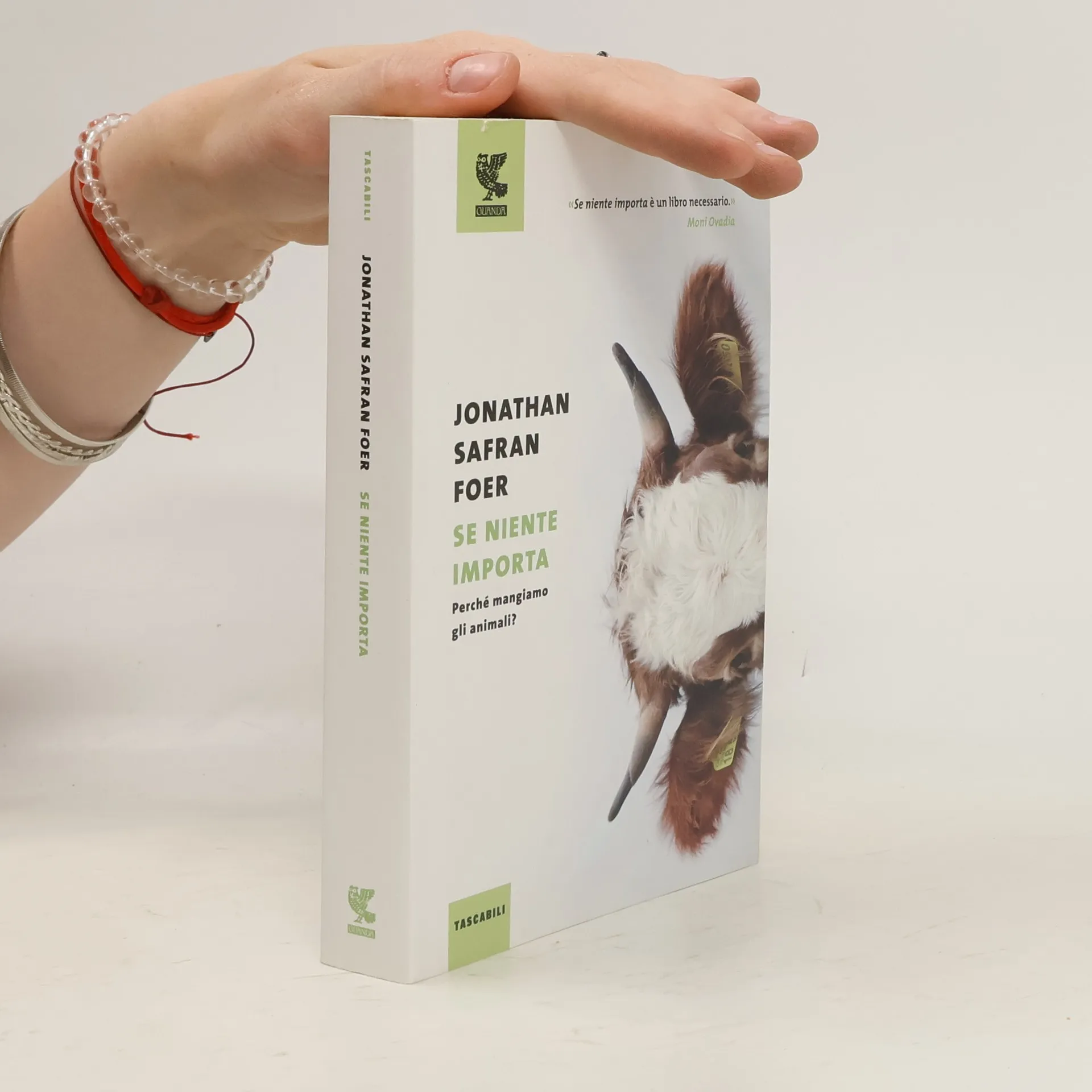
Se niente importa. Perché mangiamo gli animali?
- 368pagine
- 13 ore di lettura
Jonathan Safran Foer ci propone una riflessione sul cibo partendo dal ricordo personale di sua nonna, dalla forza che durante la guerra la spinse a rifiutare della carne di maiale che l'avrebbe tenuta in vita, perché non era cibo kosher, e «se niente importa, non c’è niente da salvare». Il cibo per lei non era solo cibo, ma «terrore, dignità, gratitudine, vendetta, gioia, umiliazione, religione, storia e, ovviamente, amore». Una volta diventato padre, Foer ripensa a questo insegnamento e inizia a interrogarsi su cosa sia la carne, perché nutrire un figlio è ancora più importante che nutrire se stessi. Così nasce questo libro, frutto di un’indagine durata quasi tre anni, che è insieme racconto, inchiesta e testimonianza e che invita tutti alla riflessione, indicando nel dolore degli animali – e soprattutto nella nostra sensibilità verso chi è «inerme» e «senza voce» – il discrimine fra umano e inumano, fra chi accetta senza battere ciglio le condizioni imposte dall’allevamento industriale e chi le mette in discussione.