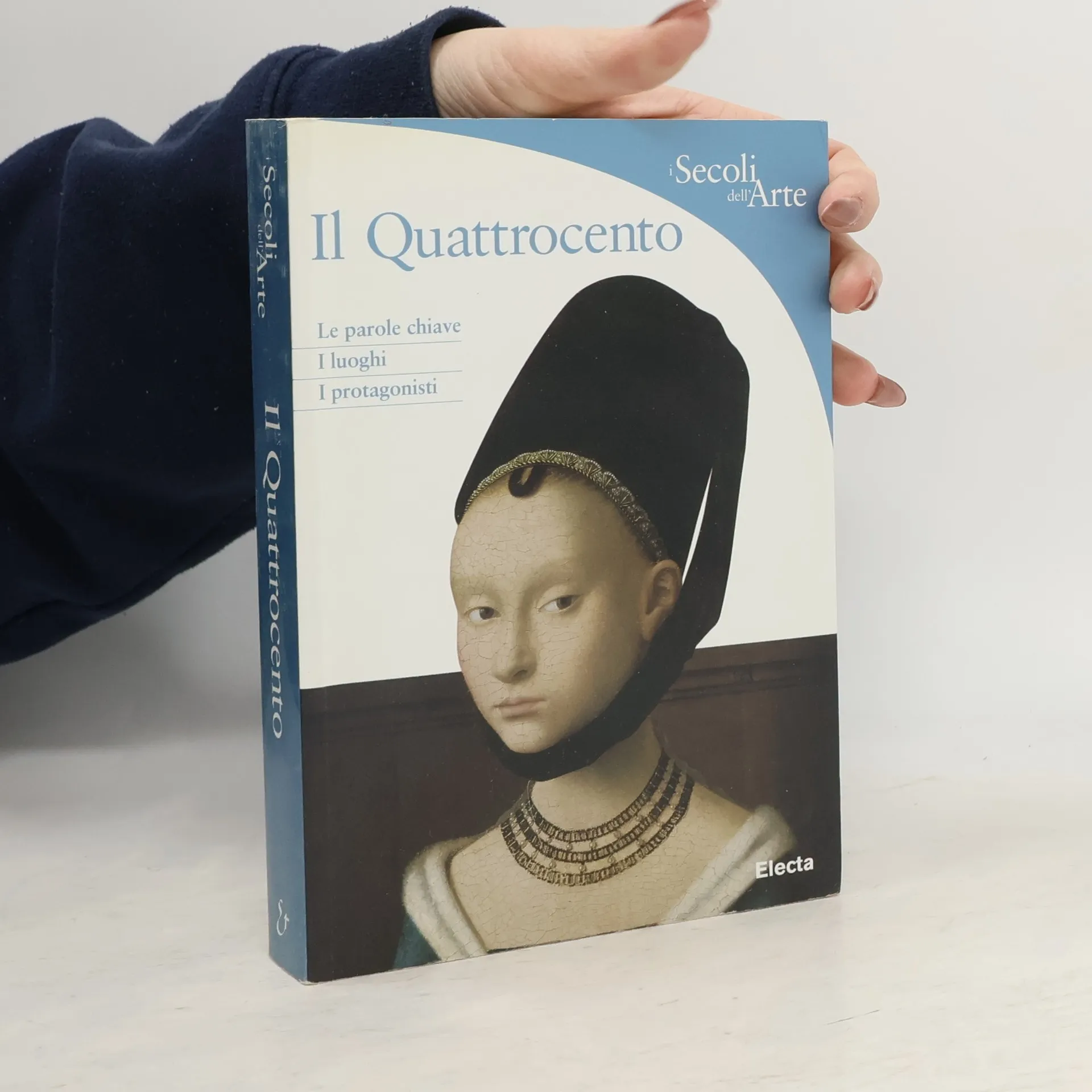
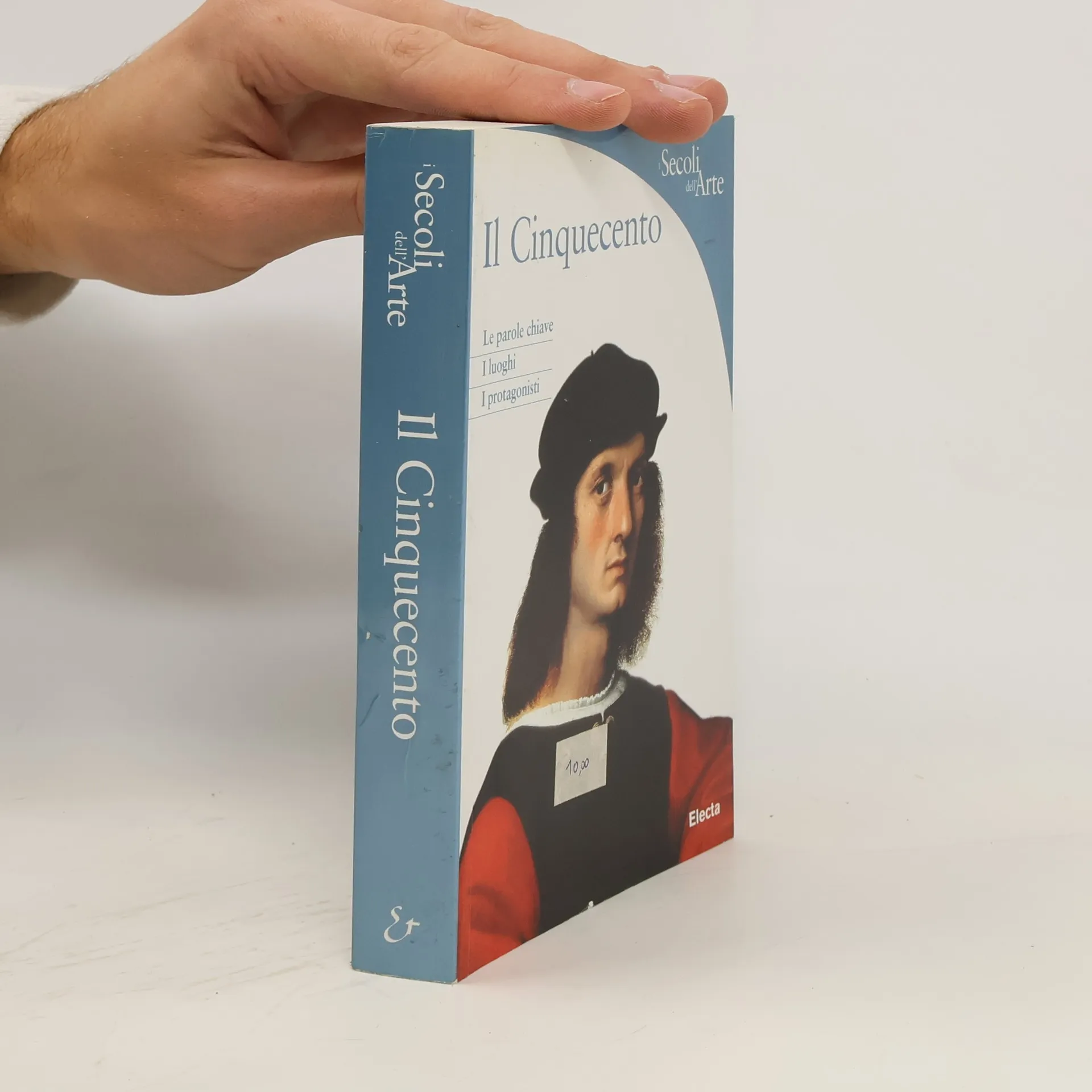
Nel sedicesimo secolo, i valori umanisti e l'ammirazione per l'antichità classica che caratterizzarono il primo Rinascimento si diffusero dall'Italia in tutto il resto del continente. Questo volume è suddiviso in tre sezioni che discutono le figure importanti, i concetti e i centri artistici di questo periodo.
Le parole chiave, i luoghi, i protagonisti - Ediz. illustrata
381pagine
14 ore di lettura
I concetti chiave dell'arte quattrocentesca: arte cortese, altare a sportelli, gotico internazionale, pittura a olio, tarsie lignee. I principali centri di produzione dal Nord Europa all'area mediterranea, dalle città anseatiche, dal Tirolo, Bruges e la Provenza, alle città italiane. Sessanta artisti presentati attraverso la biografia e le opere più significative: dai grandi maestri - Leonardo, Bramante, Van Eyck o Schongauer - ad altri meno noti, come Jaime Baço, Geertgen tot Sint Jans, Hans Multscher, tutti hanno contribuito ad avviare la grande stagione del Rinascimento europeo.
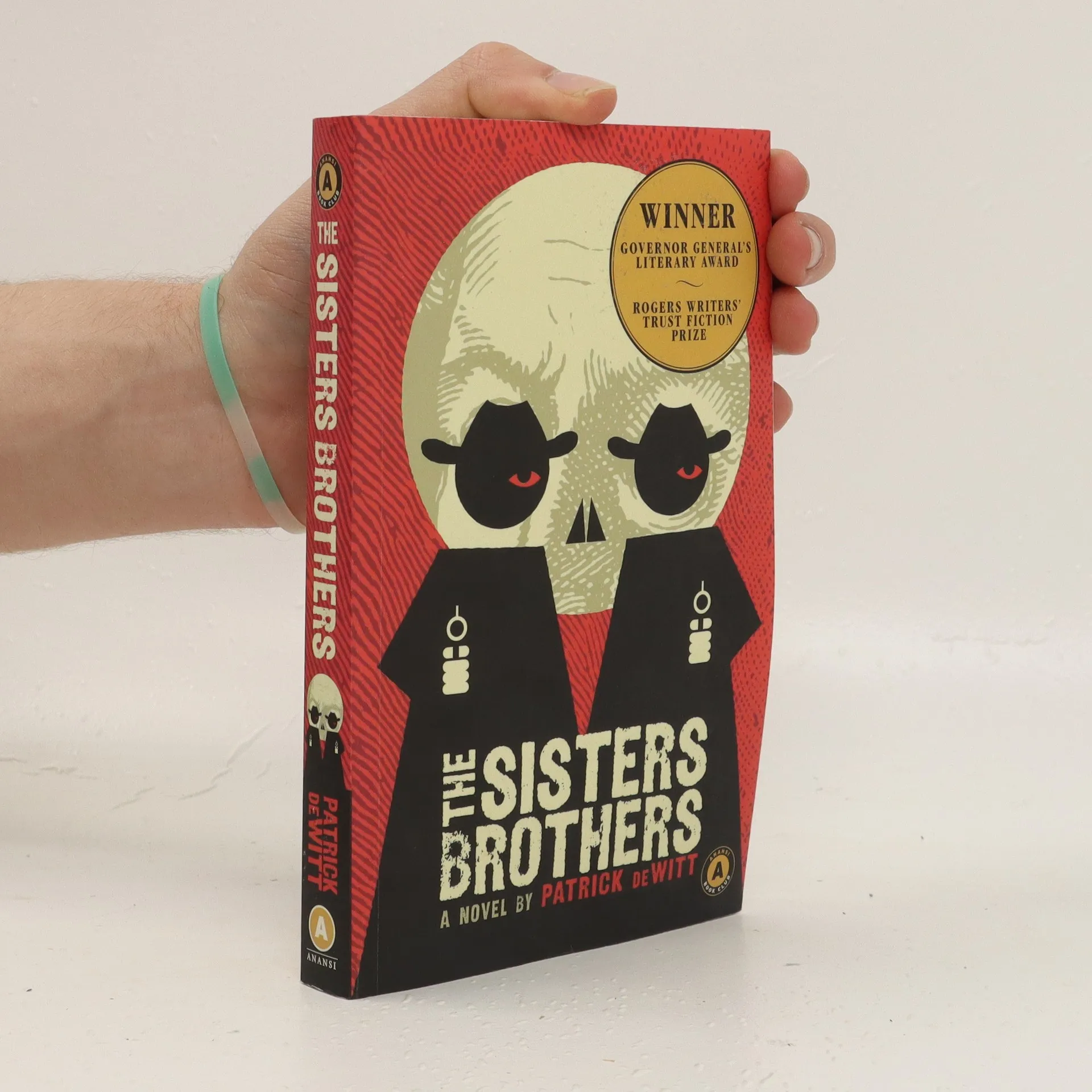
Winner of the Governor General's Award for Fiction, the Rogers Writers' Trust Fiction Prize, and the Stephen Leacock Medal, the Prix des libraires du Quebec and shortlisted for the Man Booker Prize, the Scotiabank Giller Prize, and a #1 national bestseller, The Sisters Brothers is a violent, lustful, hung-over and hilarious odyssey through the underworld of the 1850s frontier. Hermann Kermit Warm is going to die: Eli and Charlie Sisters can be counted on for that. Though Eli has never shared his brother's penchant for whiskey and killing, he's never known anything else. On the road to Warm's gold-mining claim outside San Francisco -- and from the back of his long-suffering one-eyed horse -- Eli struggles to make sense of his life without abandoning the job he's sworn to do. Award-winning and critically acclaimed author Patrick deWitt doffs his hat to the classic Western, and then transforms it into a comic tour-de-force with an unforgettable narrative voice that captures all the absurdity, melancholy, and grit of the West -- and of these two brothers, bound to each other by blood and scars and love.
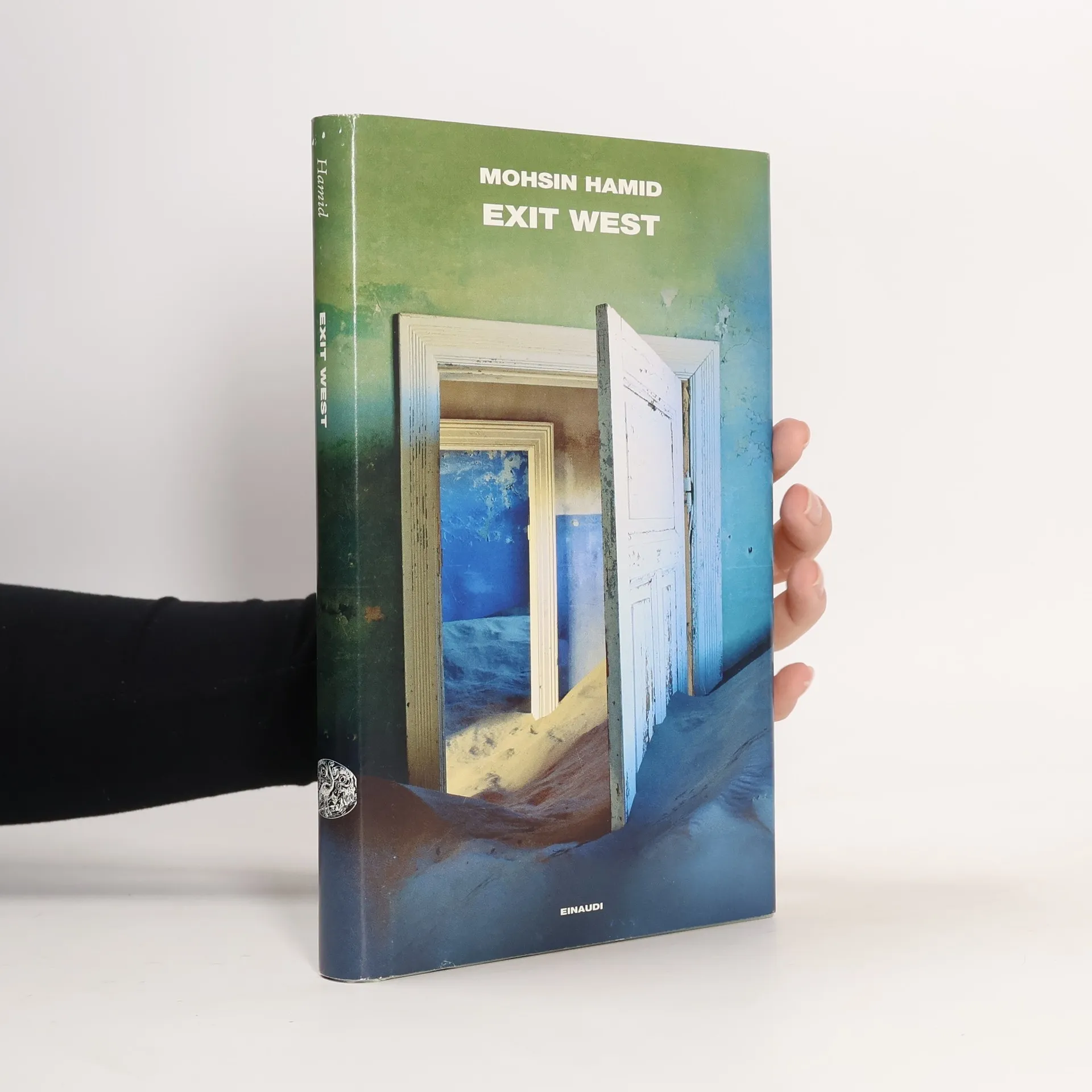
Nadia e Saeed cercano di mantenere vivo il loro amore fragile mentre la guerra civile devasta il loro mondo. Si narra di misteriose porte che conducono verso una nuova speranza. Mohsin Hamid crea un romanzo tenero e spietato, capace di dare un senso a tempi di disorientamento con la potenza visionaria della grande letteratura. In una città affollata di rifugiati, Saeed, timido e goffo, incontra Nadia in un’aula scolastica, ma ci mette tempo per parlarle. La guerra, che distrugge la loro città, accelera il loro avvicinamento, e tra i conflitti, scoprono di essere innamorati. Mentre la morte sembra l'unico orizzonte, si diffonde la voce di porte misteriose che, a rischio della vita, possono trasportarli in un altro luogo. Inizia così il loro viaggio per sopravvivere in un mondo che li vuole morti, mantenendo la loro umanità e il loro legame. Hamid riesce a mostrare il quadro globale dei cambiamenti attuali, mentre si concentra sulle delicate vite degli individui, raccontando la fragile tenerezza di un amore giovane. Con una narrazione che ricorda i classici dell'Ottocento, Hamid affronta l'universale della Storia attraverso le esperienze personali, creando un'opera sconvolgente che dà senso a questi tempi confusi.
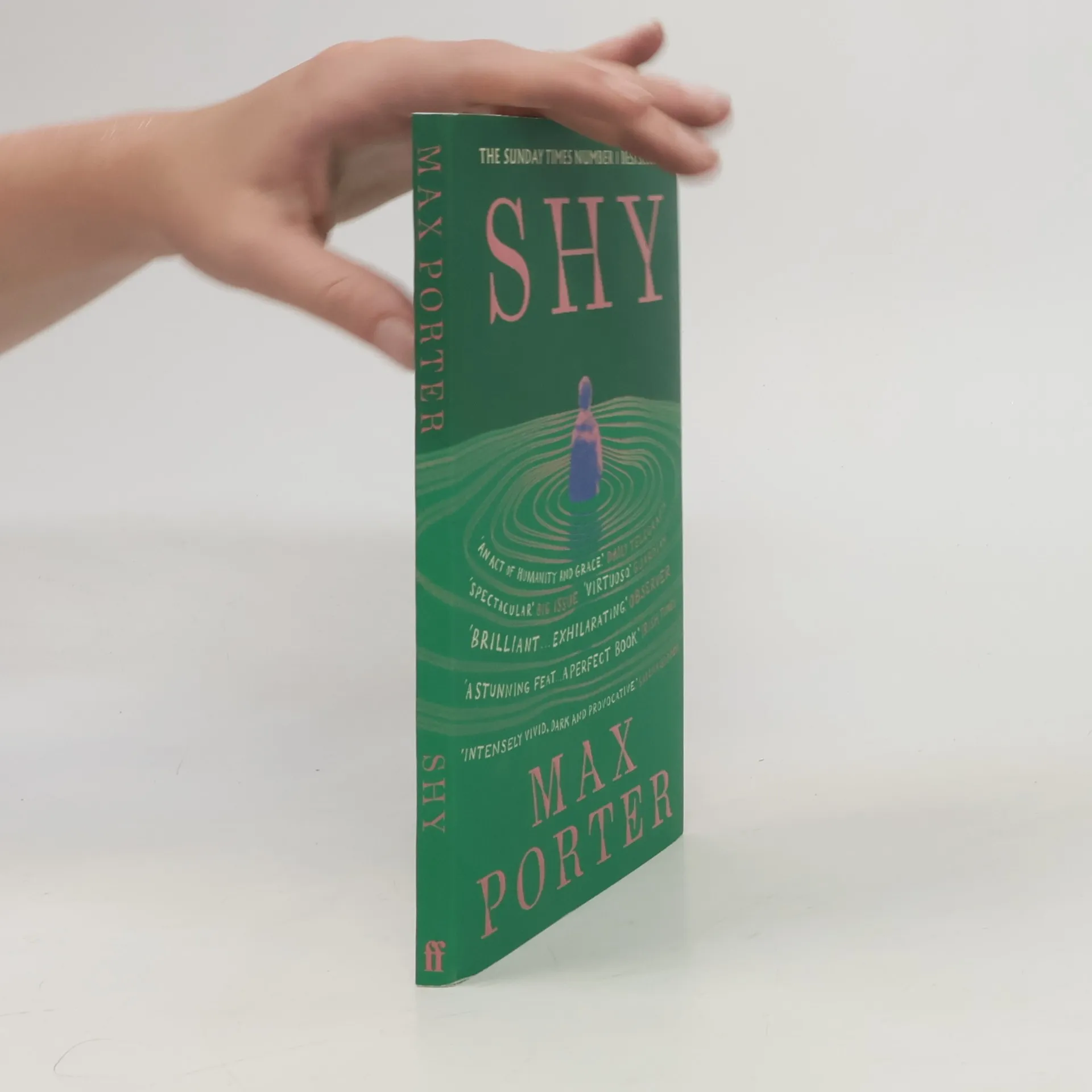
From the bestselling author of Grief is the Thing with Feathers and Lanny, Shy is a novel about guilt, rage, imagination and boyhood. It is about being lost in the dark, and realising you are not alone.'Max Porter is one of my favourite writers in the world.' George Saunders 'Beautiful and haunting.' Kevin Barry 'The strangest, mo[Bokinfo].
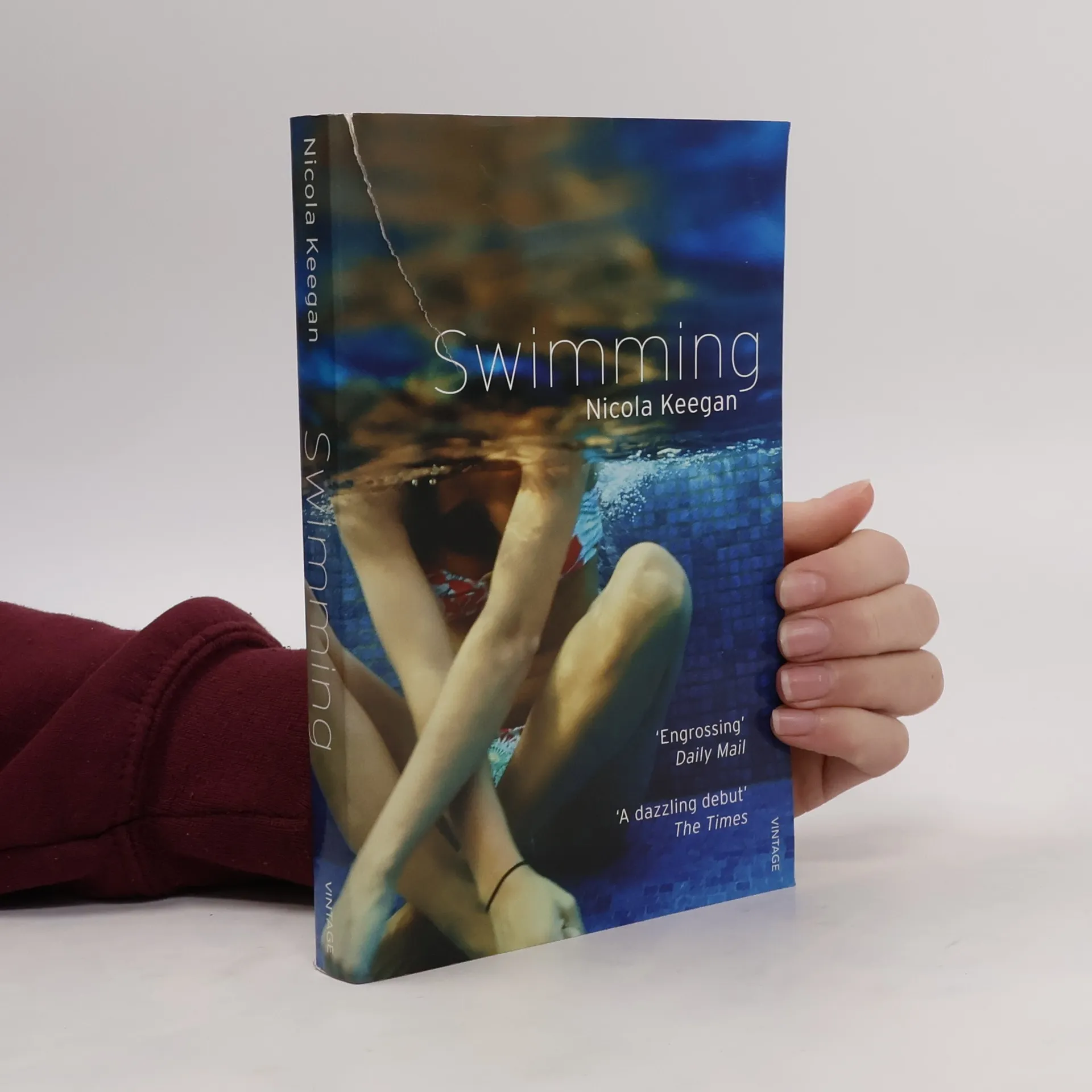
For Pip, swimming is a necessity. With a hopeless mother, a drug-addled sister
and a best friend more interested in her own love-life than in friendship,
swimming provides a welcome escape. Swimming is a novel about growing up,
about talent, and about having what it takes to survive.
Seven years ago, Vivek 'Vicky' Rai, the playboy son of the Home Minister of Uttar Pradesh, murdered Ruby Gill at a trendy restaurant in New Delhi simply because she refused to serve him a drink. Now Vicky Rai is dead, killed at his farmhouse at a party he had thrown to celebrate his acquittal. The police search each and every guest. Six of them are discovered with guns in their possession and are taken in for questioning.' 'In this elaborate murder mystery we join Arun Advani, India's best-known investigative journalist, as the lives of these six suspects unravel before our eyes: a corrupt bureaucrat; an American tourist; a stone-age tribesman; a Bollywood sex symbol; a mobile phone thief; and an ambitious politician. Each is equally likely to have pulled the trigger.' 'Both a page turner and a richly textured tale of human frailties and emotions, Vikas Swarup's eagerly awaited second offering is astutely plotted, with a panoramic, imaginative sweep.
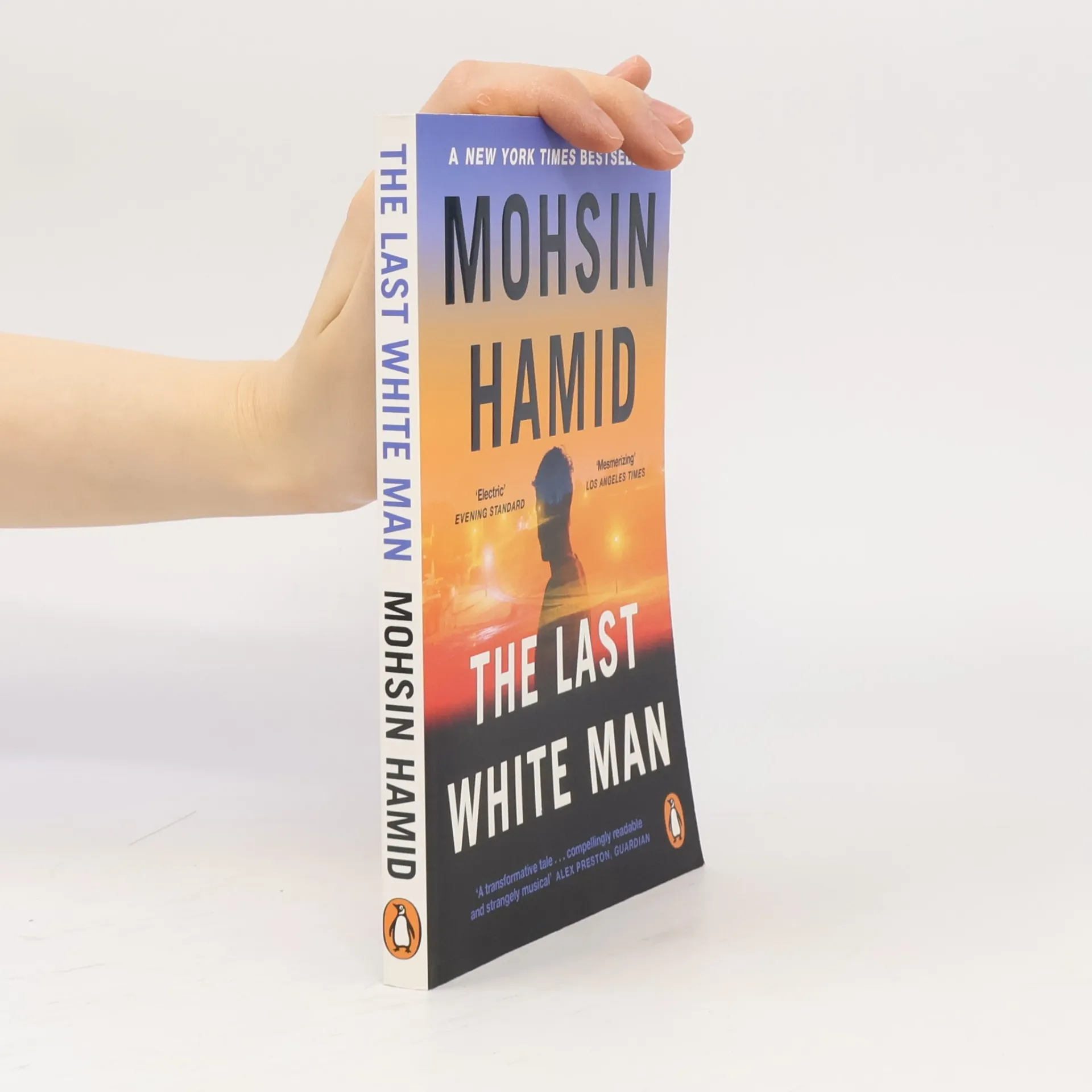
From the twice Booker-shortlisted author of The Reluctant Fundamentalist and Exit West , a story of love, loss, and rediscovery in a time of unsettling changeOne morning, Anders wakes to find that his skin has turned dark, his reflection a stranger to him. At first he tells only Oona, an old friend, newly a lover.Soon, reports of similar occurrences surface across the land. Some see in the transformations the long-dreaded overturning of an established order, to be resisted to a bitter end. In many, like Anders's father and Oona's mother, a sense of profound loss wars with profound love.As the bond between Anders and Oona deepens, change takes on a different a chance to see one another, face to face, anew.'A transformative tale . . . compellingly readable and strangely musical' Guardian'With this big-hearted novel of ideas, Mohsin Hamid confronts challenging truths with insight, wisdom, and - above all else - limitless compassion' Tayari Jones, An American Marriage