

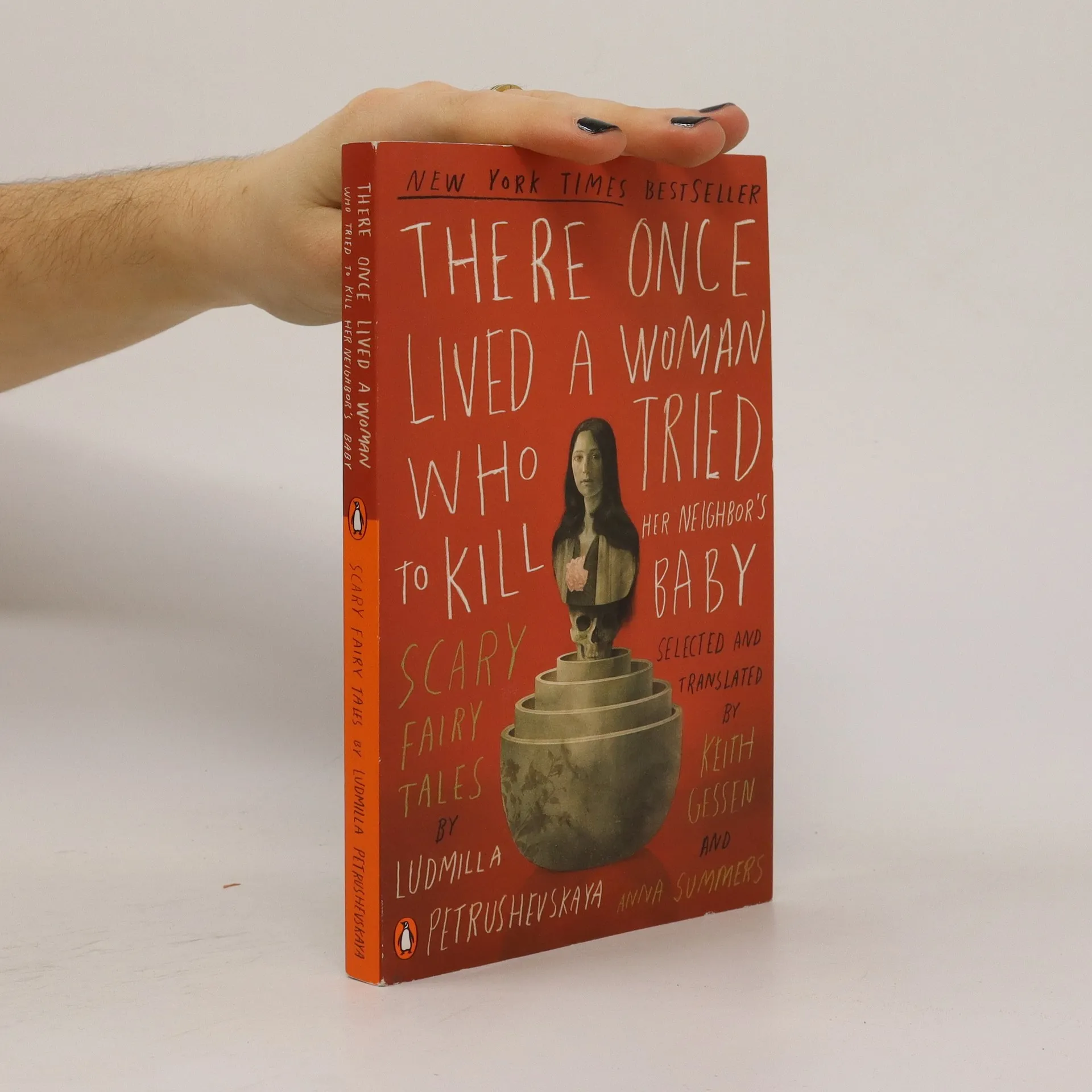
The literary event of Halloween: a book of otherworldly power from Russia's preeminent contemporary fiction writerVanishings and apparitions, nightmares and twists of fate, mysterious ailments and supernatural interventions haunt these stories by the Russian master Ludmilla Petrushevskaya, heir to the spellbinding tradition of Gogol and Poe. Blending the miraculous with the macabre, and leavened by a mischievous gallows humor, these bewitching tales are like nothing being written in Russia-or anywhere else in the world-today.
Yolanda Bloemen Ordine dei libri (cronologico)

Faust en andere verhalen
- 300pagine
- 11 ore di lettura
Het wonder van Toergenjev is dat hij steeds wordt herlezen door fijnproevers en tegelijk bij een zeer breed publiek tot de favorieten is blijven behoren. Marja Wiebes en Yolanda Bloemen vertaalden de everseller Vaders en zonen , en ook de in Faust geselecteerde verhalen. Faust en andere verhalen geeft een prachtig overzicht van de vele facetten van Toergenjevs schrijverschap, van het vroege realisme in verhalen als Petoesjkov , Dagboek van een overtollig mens en De herberg , de lyriek in de klassiek getinte Een briefwisseling en Faust , tot aan fantastische vertellingen als het raadselachtige Verschijningen en de Italiaanse novelle Het lied van de triomferende liefde .
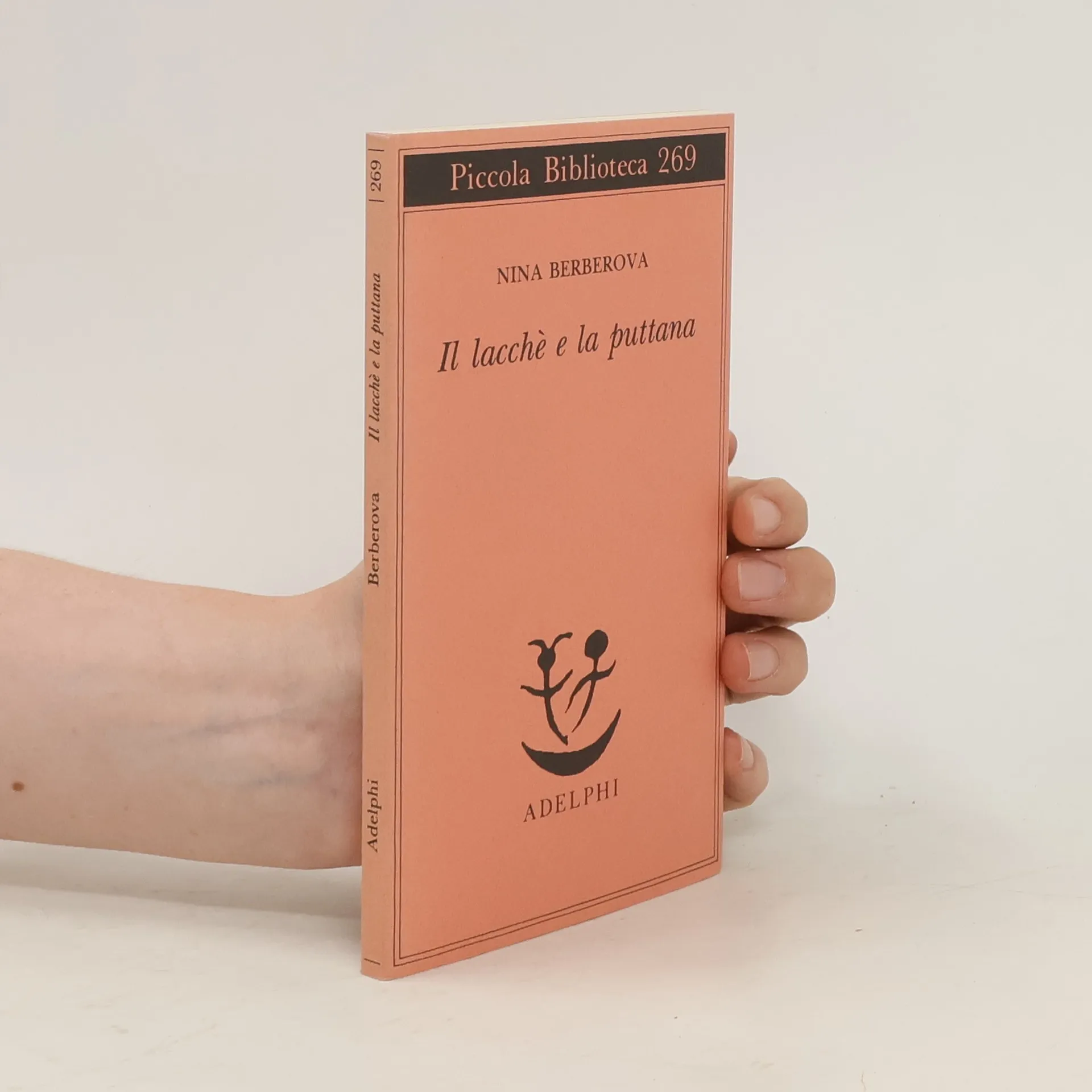
Il lacchè e la puttana
- 90pagine
- 4 ore di lettura
La misura perfetta per Nina Berberova è il racconto lungo, che attraversa un destino e un personaggio con il sibilo di una freccia. Qui si tratta del destino di Tanja, la "puttana", di lei seguiamo le avventure da Pietroburgo al Giappone, alla Cina, a Parigi: donna rapace, sensuale, sordida, disegnata con magistrale economia di tratti e intensità nel dettaglio, figura che merita di occupare un suo posto nella galleria delle grandi abbiette della letteratura russa. E accanto a lei, puntuale controcanto, apparirà il "lacchè", ex ufficiale della cavalleria zarista, finito come cameriere a servire caviale in un ristorante. Lo sfondo è Parigi dei russi bianchi, quinta mobile della disperazione e della degradazione. Lo scioglimento non può essere che sinistro - e, come sempre nella Berberova, cela una punta che si rivela solo nelle ultime righe. Il lacchè e la puttana è apparso per la prima volta, in russo, nel 1937 su «Sovremennye Zapiski».