Bookbot

Amos Oz

    4 maggio 1939 – 28 dicembre 2018

    Amos Oz è stato uno scrittore israeliano le cui opere hanno ottenuto un vasto riconoscimento e traduzioni. La sua scrittura si è spesso addentrata nelle complessità della società israeliana e dell'identità ebraica. Oz ha esplorato le relazioni umane e i dilemmi morali con una profonda comprensione della psiche umana. Il suo stile letterario era noto per la sua eleganza e la sua capacità di cogliere l'essenza dei soggetti che esaminava.

    Amos Oz
    Una pantera in cantina
    La scatola nera
    Fima
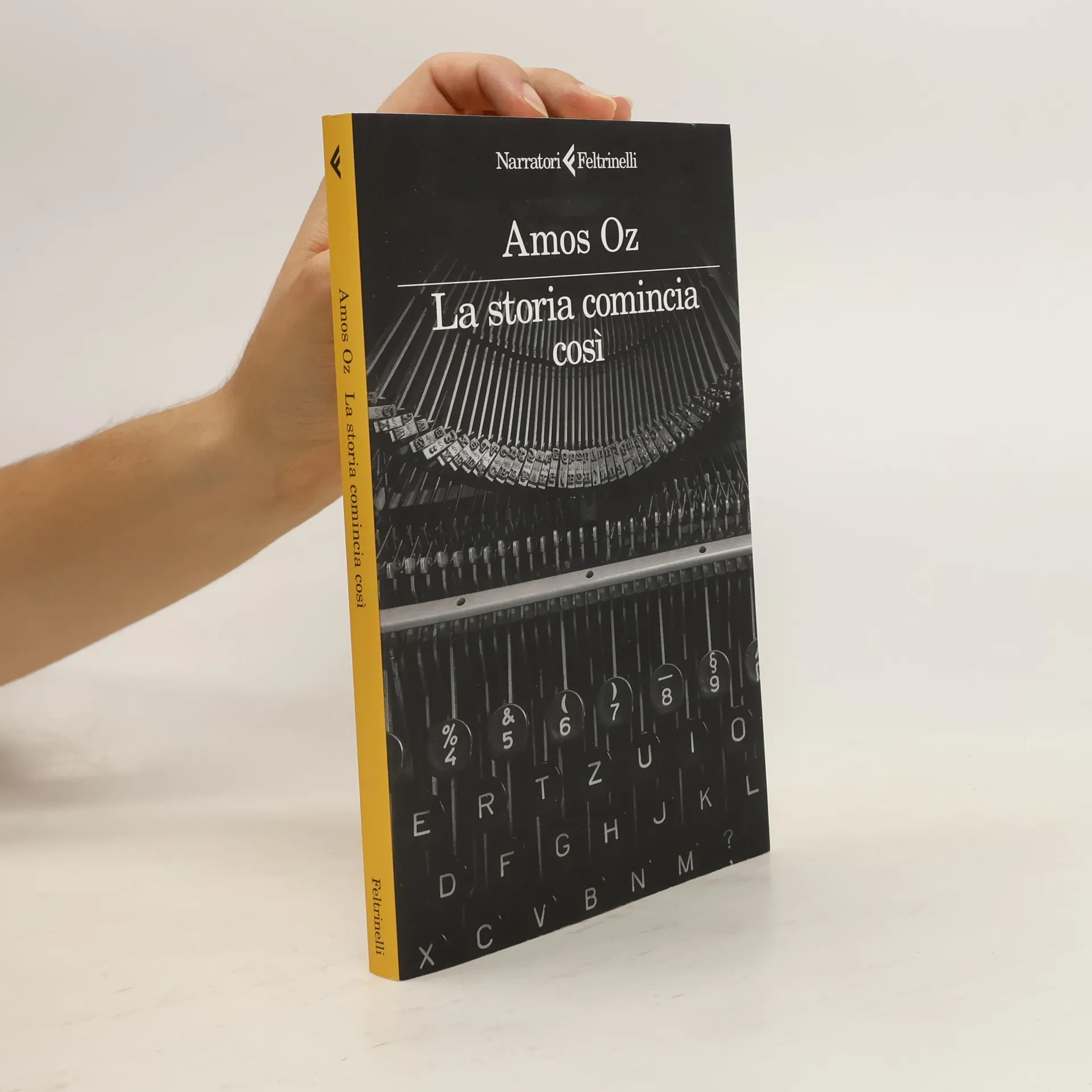
    La storia comincia cosi
    Racconti crudeli dei più grandi narratori israeliani
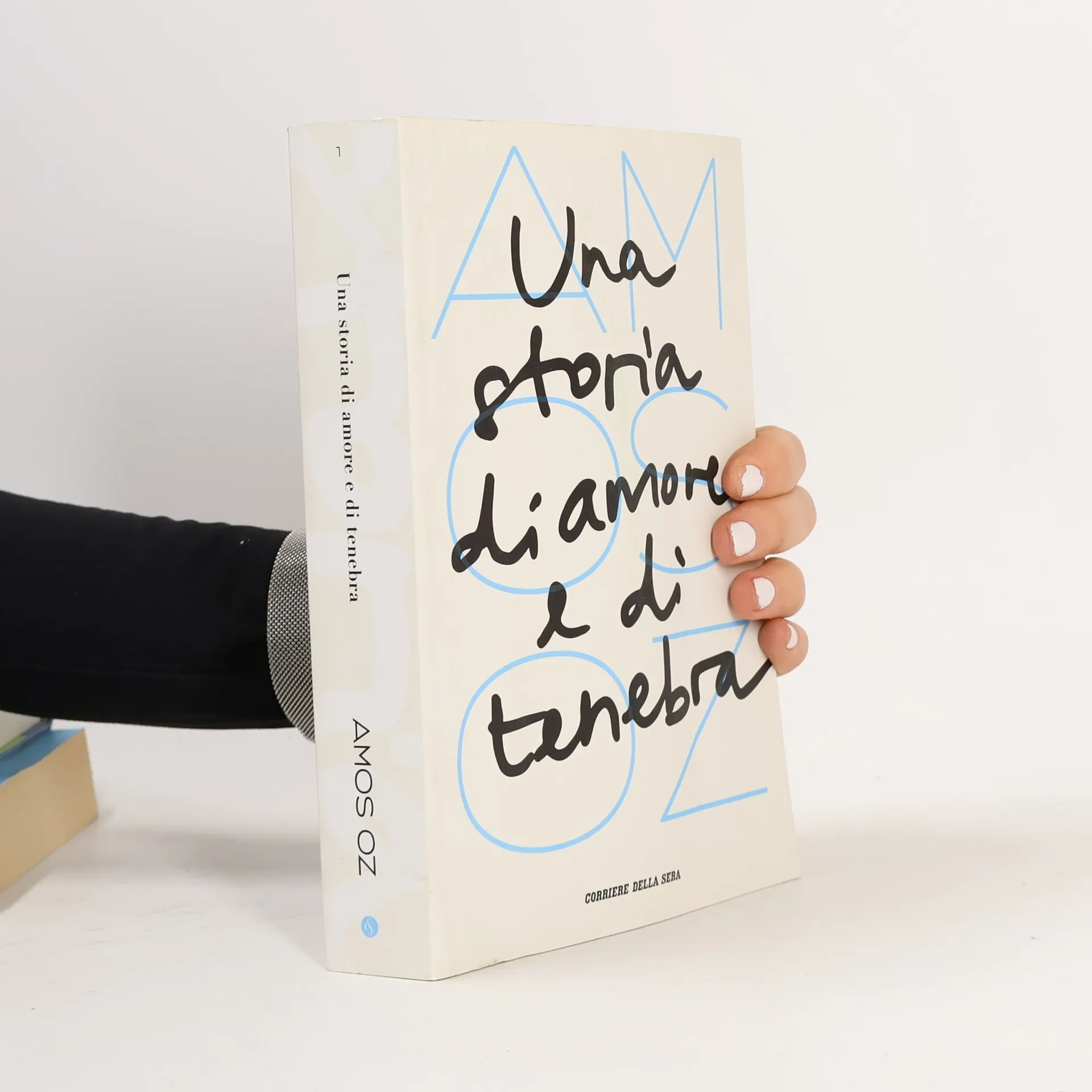
    I Narratori: Una storia di amore e di tenebra
    • Amore e tenebra sono forze centrali in questa autobiografia romanzata, che esplora le origini della famiglia di Oz, la sua infanzia a Gerusalemme e nel kibbutz di Hulda, e la tragica esistenza dei suoi genitori. La narrazione si snoda attraverso 120 anni di storia familiare, rivelando una saga di amore e odio verso l'Europa, con protagonisti quattro generazioni di sognatori, studiosi, uomini d'affari falliti e poeti egocentrici. Questa galleria di personaggi crea un "cocktail genetico" da cui emerge un figlio unico, che, in un momento di rivelazione dolorosa, scopre di essere un artista e scrittore. Oz racconta la sua infanzia e adolescenza, ricca di aspirazioni poetiche e paure di un possibile genocidio degli ebrei, questa volta da parte degli arabi e del mondo intero. Il giovane Oz temeva che il mondo stesse tramando per uccidere tutti gli ebrei, inclusi i bambini e i giovani sognatori. Al centro della narrazione c'è il grande tabù di Oz: il suicidio della madre nel 1952. Questa esplorazione della tragedia è condotta con lucidità e nostalgia, mescolando pietà e travaglio, in un flusso di coscienza poetico che colpisce profondamente il lettore.
      I Narratori: Una storia di amore e di tenebra
      4,2
    • Terra di profondi contrasti, Israele, anche in letteratura. I racconti qui presentati parlano di sentimenti forti: odio, guerra, sangue e violenza. Eppure non mancano l'amore per le proprie radici, le passioni cocenti, la sensualità.

      Racconti crudeli dei più grandi narratori israeliani
      3,7
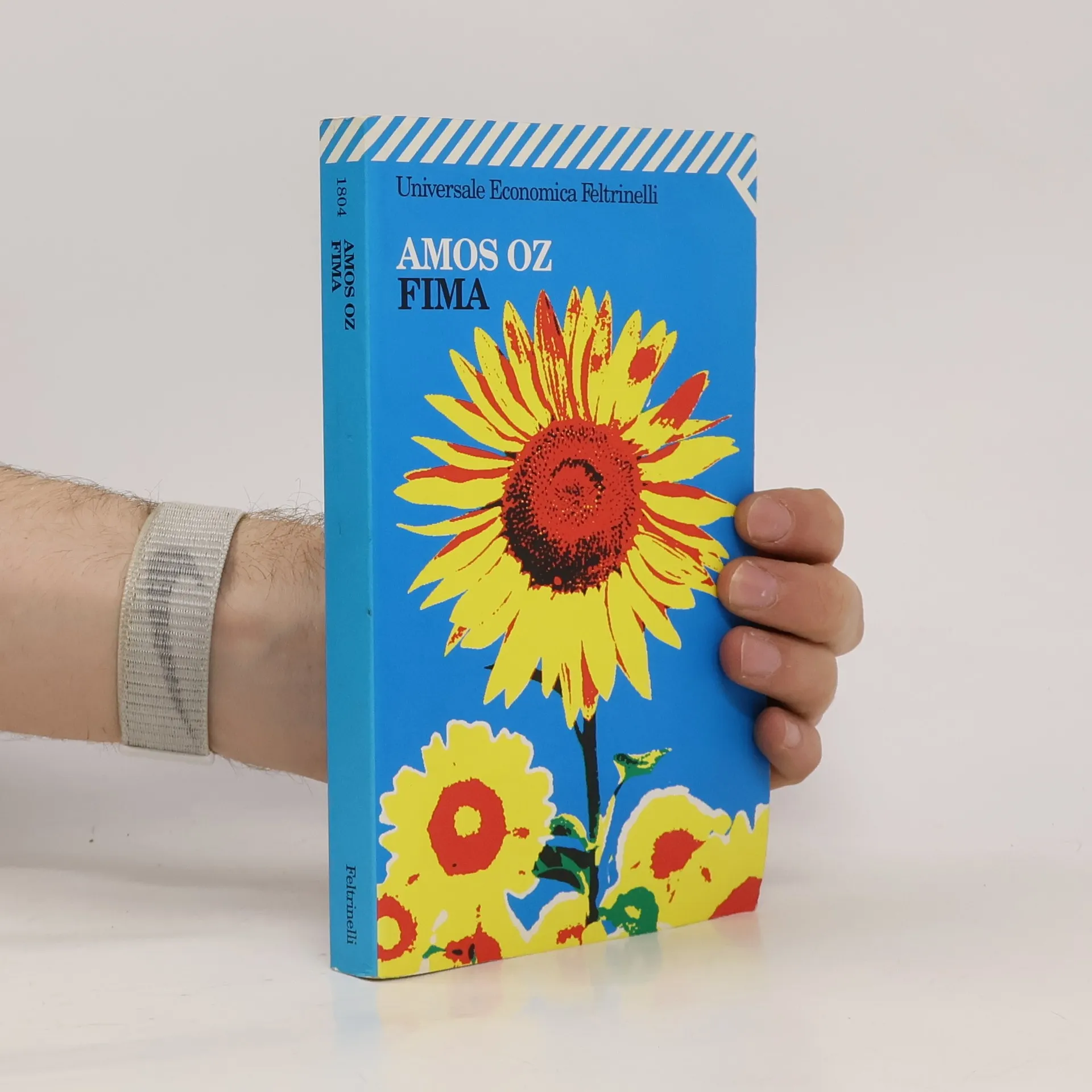
    • Fima

      • 295pagine
      • 11 ore di lettura

      Efraim Numberg, detto Fima, ha cinquantaquattro anni e vive a Gerusalemme. Èrimasto orfano di madre quando ne aveva dieci, con il padre ha una relazionecomplessa. Dopo aver fatto sperare molto come studente di storia prima e comepoeta poi, la sua esistenza si è ben presto costellata di rinunce. È unpersonaggio contraddittorio, attento e distratto, malinconico ed entusiasta,profondo e balordo, pigro e senza ambizioni, trasandato, ma amato dagli amicie con uno strano fascino. Attorno a lui gravitano l'ex moglie Yael col suonuovo marito; l'amico Zvi Kropotkin riuscito laddove lui ha fallito; il padreBaruch che sperava che il figlio gli subentrasse nella sua azienda dicosmetici; l'amante Nina, moglie dell'amico Uri; e il figlio di Yael, Dimi.

      Fima
      4,0
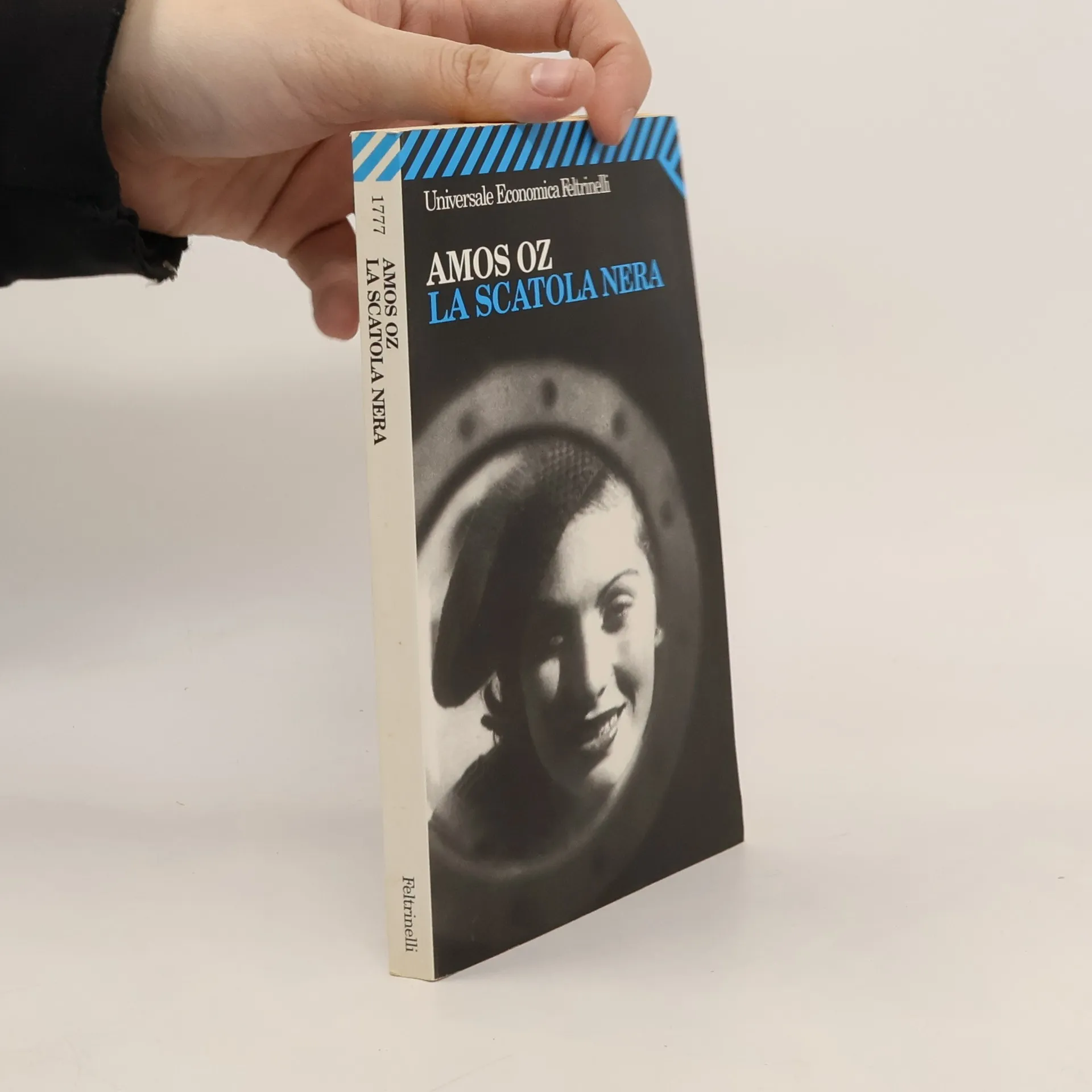
    • La scatola nera

      • 230pagine
      • 9 ore di lettura

      Alec e Ilana non si parlano da sette anni. Il divorzio è stato brutto, le emozioni in gioco crudeli. Lui si è trasferito negli Stati Uniti ed è diventato famoso per i suoi studi sul fanatismo religioso; lei è rimasta in Israele e si è risposata con un ortodosso. Alec e Ilana hanno un figlio, Boaz, disconosciuto dal padre per un’estrema offesa verso la moglie. Boaz ormai è un adolescente irrequieto, chiama la madre “puttana” e, dopo ripetuti scatti di violenza, si fa buttare fuori da scuola. Ilana, dopo anni di silenzio, scrive ad Alec per chiedergli aiuto. Come nella scatola nera che contiene le spiegazioni dei disastri aerei, così nelle lettere scambiate tra i diversi personaggi si trovano le ragioni della loro catastrofe. La crudeltà delle parole cela una profonda sofferenza. La moglie infedele, il marito arrogante, il figlio ribelle, l’ortodosso: tutti feriscono se stessi e gli altri nella lotta per l’esistenza, in un paese senza compassione. La scatola nera è uno dei migliori romanzi di Amos Oz e rivela un ricchissimo spettro di emozioni, dispiegato senza pudori.

      La scatola nera
      3,9
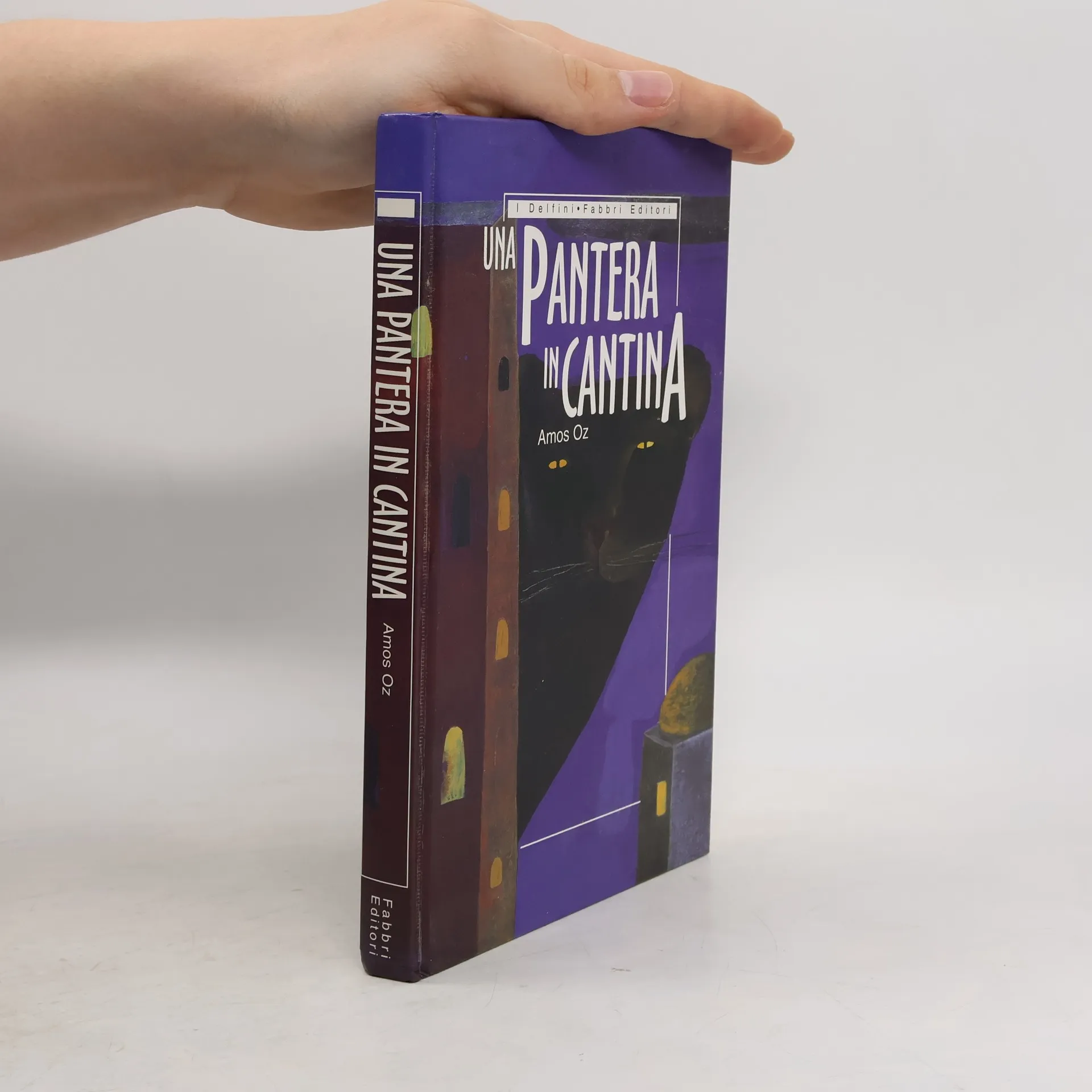
    • Una pantera in cantina

      • 180pagine
      • 7 ore di lettura

      Gerusalemme, 1947. I soldati inglesi pattugliano le strade, c'è il coprifuoco, bombe e pallottole vaganti sono all'ordine del giorno. Proffy, 12 anni, ha stretto con i suoi amici un patto anti-inglese e gioca alle spie. Una notte viene sorpreso per la strada da Stephen Dunlop, un soldato inglese grasso, rosso e solitario che gli chiede di dargli lezioni di ebraico in cambio di lezioni di inglese. Il legame tra l'adulto e il ragazzo viene scoperto dai suoi amici, che lo mettono alla berlina e scrivono sul muro davanti a casa sua, a lettere cubitali, la parola "traditore".

      Una pantera in cantina
      3,7
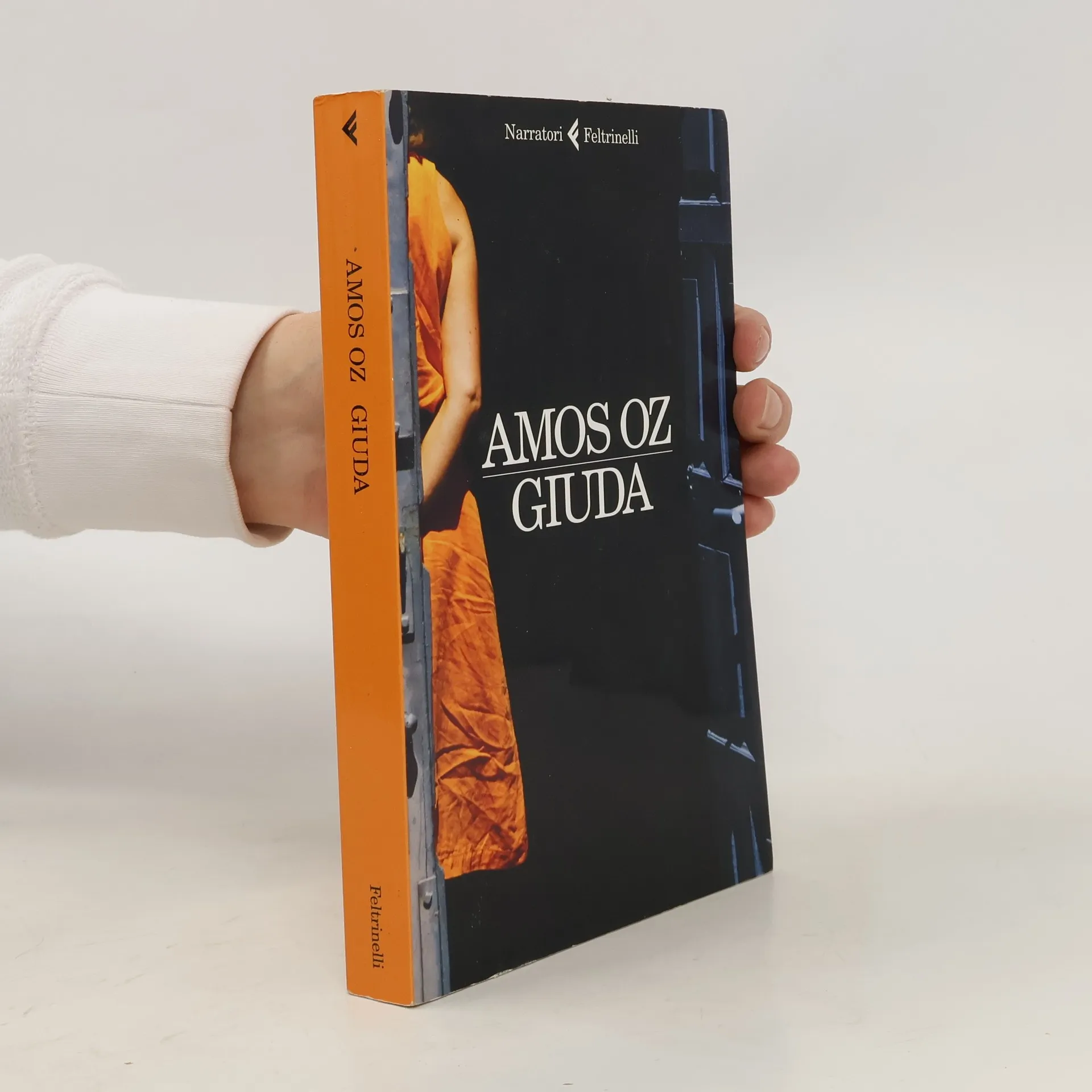
    • “Questa è una storia che si svolge nell'inverno tra la fine del 1959 e l'inizio del 1960. Questa storia contiene un errore e della passione, un amore deluso e una questione di ordine religioso che qui rimane irrisolta. Non pochi edifici portavano ancora ben riconoscibili i segni della guerra che dieci anni prima aveva diviso la città. In sottofondo vi capiterà di udire la melodia lontana di una fisarmonica o le struggenti note di un'ocarina, sul far della sera, dietro un'imposta chiusa.”--Back cover

      Giuda
      3,7
    • D'un tratto nel folto del bosco

      • 114pagine
      • 4 ore di lettura

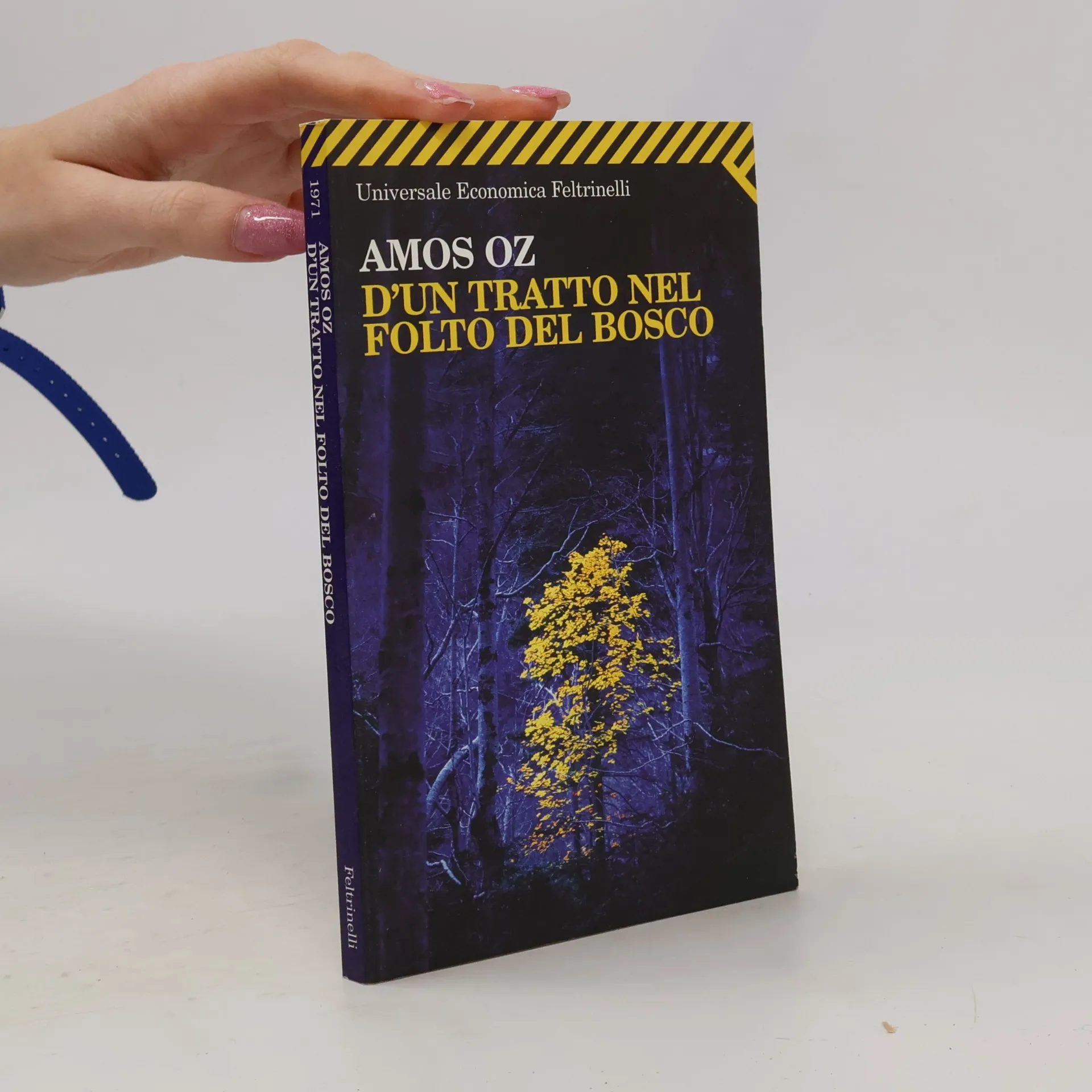
      La notte, al villaggio, regna uno strano silenzio. Anche di giorno, l’assenza degli animali è palpabile: non ci sono cani, gatti o insetti. Qualcosa è accaduto tempo fa, e i bambini chiedono spiegazioni, ma gli adulti rispondono evasivamente. Solo alcuni, come la maestra Emanuela, il vecchio Almon, ex pescatore, e la fornaia, lasciano trasparire un senso di mistero. Mati e Maya decidono di partire per scoprire il segreto del villaggio privo di animali. Nel bosco, incontrano Nimi, un puledrino malato, e Nehi, il demone del bosco, rivelando una verità triste. La narrazione si trasforma in una favola, in cui Amos Oz esplora un paese senza nome e senza animali, descrivendo con maestria voci, silenzi e paesaggi. La storia del villaggio è avvolta in immagini toccanti, adatte a grandi e piccini, e presenta una morale inusuale: gli animali, pur assenti, insegnano agli uomini una lingua che evita il distacco e l’esclusione. La lingua degli animali ha molte parole, ma nessuna esprime l’emarginazione, nemmeno per chi vive con un morbo come il nitrillo.

      D'un tratto nel folto del bosco
      3,6
    • Un uomo capita, quasi per caso, in un pittoresco villaggio d'Israele, Tel Ilan. Tutto sembra immerso in una quiete pastorale, se non fosse che invece in quell'armonia formicolano segreti, fenomeni inquietanti, tresche amorose, eventi di sangue. Tocca al visitatore cercare di svelare l'enigma, o anche soltanto conciliarsi con tutti questi misteri. Come quello di Benni Avni, sindaco del villaggio, che un giorno riceve un biglietto dalla moglie con solo quattro parole: "Non preoccuparti per me". Il marito naturalmente si preoccupa, la cerca in casa, in un rifugio antiaereo in rovina, in una sinagoga vuota, in una scuola - e questo è quanto. Non sapremo mai dov'è finita la moglie di Benni Avni. Né sapremo mai l'identità di quella strana donna, vestita da escursionista, che improvvisamente appare davanti all'agente immobiliare Yossi Sasson. O cosa è successo al nipote della dottoressa Ghili Steiner, che doveva arrivare al villaggio con l'ultimo pullman, ma non si è mai visto. O chi sia lo strambo Wolf Maftzir, che si infiltra nella vita e nella casa di Arieh Zelnik. Qualcosa di terribile è accaduto nel passato dei protagonisti di Tel Ilan. Qualcosa non è stato assorbito dalle loro menti e non è stato preservato nelle loro memorie, eppure esiste da qualche parte, nelle cantine, freme negli oggetti stessi, rivissuto ancora e ancora attraverso il dimenticare, in attesa del momento della rivelazione.

      I Narratori: Scene dalla vita di un villaggio
      3,4
    • La vita fa rima con la morte

      • 106pagine
      • 4 ore di lettura

      È una calda sera d’estate a Tel Aviv. Lo scrittore è seduto in veste di ospite d’onore a un incontro letterario. È assente. Le voci dei relatori gli arrivano opache, senza sostanza. Davanti a sé il pubblico. Lui spia volti, gesti, figure. Un timido e occhialuto adolescente. Un tipo malmostoso che sembra in totale disaccordo con l’oratore. E poco prima in un bar aveva messo a fuoco una cameriera dimessa ma provocante, due figuri dall’aria losca, una vecchia signora con le gambe gonfie. Sono immagini captate, anzi rubate alla realtà. Sono immagini che diventano storie. Più tardi, mentre vaga da solo per le strade deserte della città, sente che i personaggi che ha evocato gli sono accanto. E a quel punto entra nelle loro vite, le invade e le trasforma. Le grandi storie da raccontare hanno bisogno solo di un dettaglio, sembra dire Amos Oz. Poi sono magicamente incontrollabili, come l’immaginazione. E ci vengono a svegliare.
      La vita fa rima con la morte
      3,1
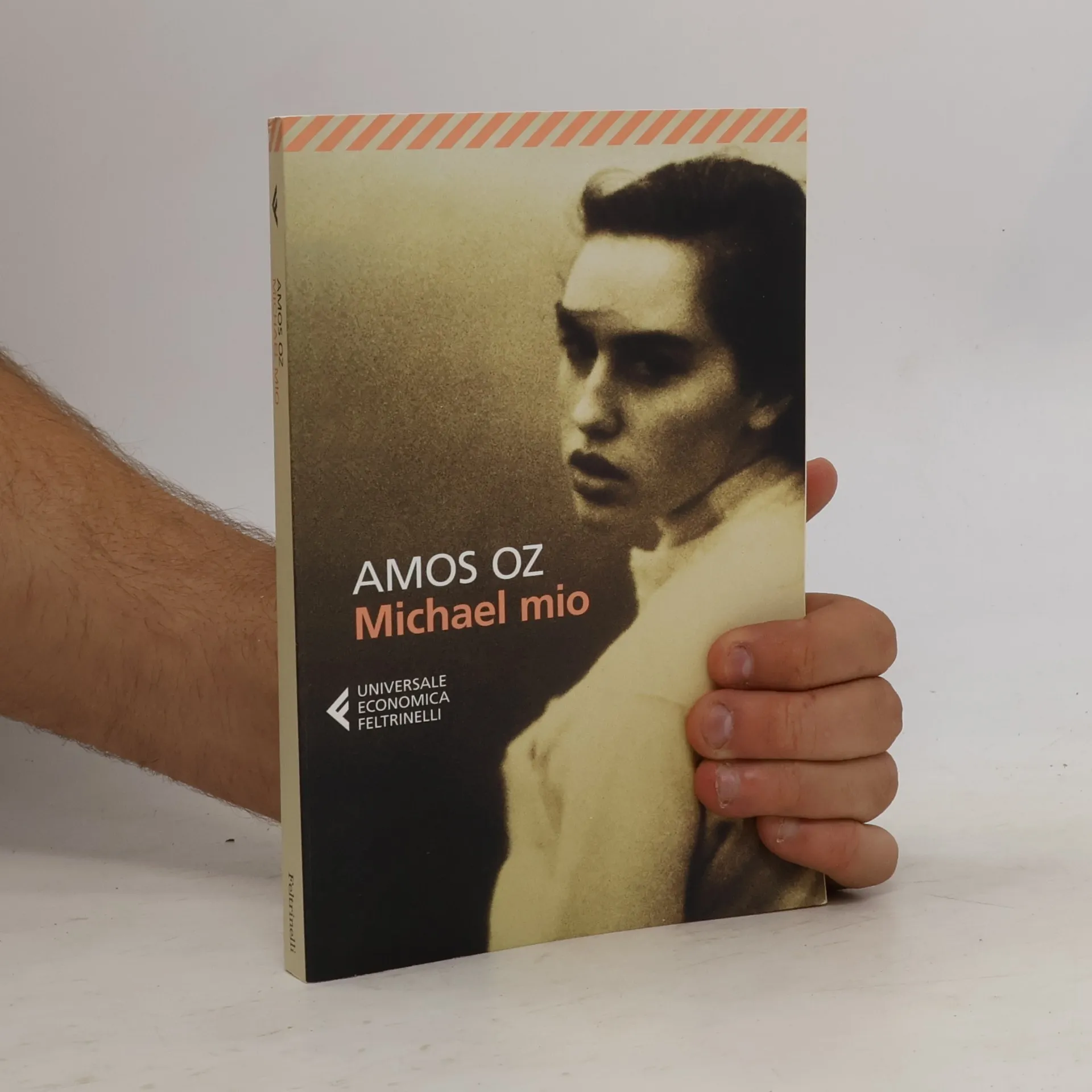
    • Michael mio

      • 250pagine
      • 9 ore di lettura

      "Scrivo questa storia perché le persone che ho amato sono morte. Scrivo questa storia perché quando ero giovane avevo una grande capacità di amare, e ora questa capacità di amare sta morendo. Ma io non voglio morire." Inizia così il racconto in prima persona di Hannah, una trentenne israeliana, studentessa di letteratura ebraica, sposata ad un geologo, Michael Gonen, che ha conosciuto all'università e da cui poi si allontana fino a concludere che "qualcosa è cambiato in questi tristi anni".

      Michael mio
      3,2
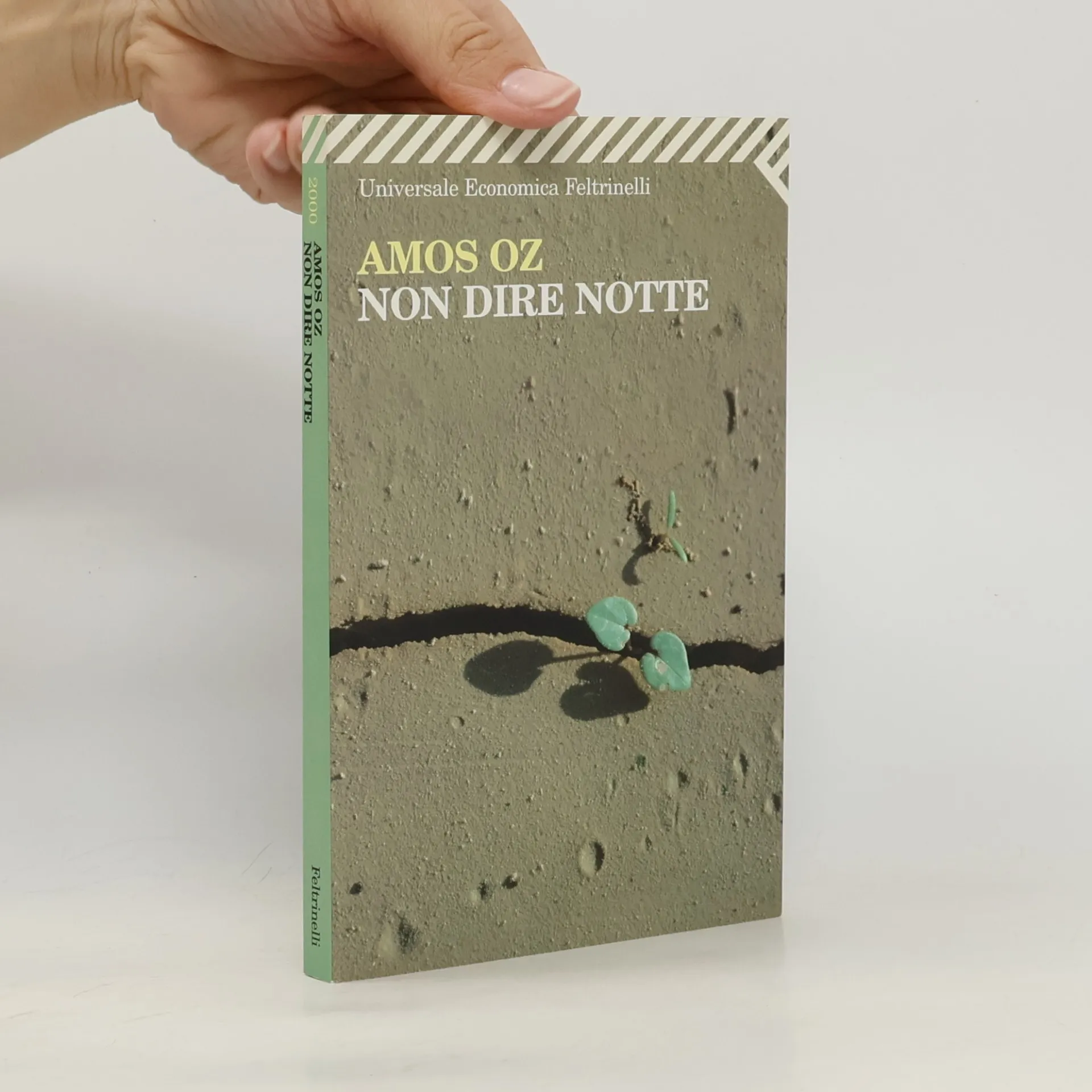
    • Non dire notte

      • 202pagine
      • 8 ore di lettura

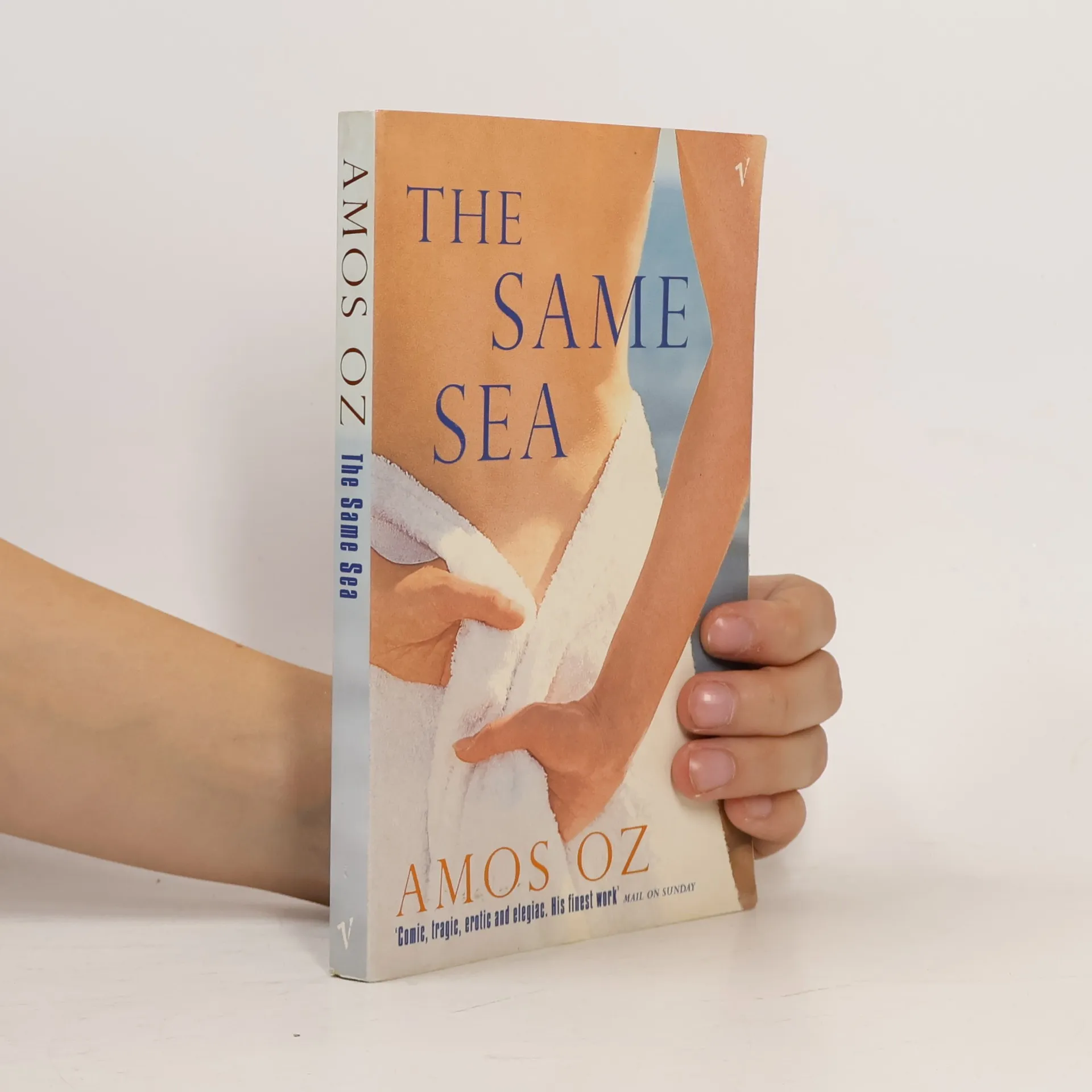
      A Tel Kedar, tranquilla cittadina israeliana nel deserto del Negev, Noa e Theo vivono una fase stagnante della loro relazione dopo sette anni di felice convivenza. Theo, sessantenne urbanista di successo, diventa sempre più introverso, mentre Noa, professoressa di lettere quindici anni più giovane, è in cerca di nuove sfide. Dopo la morte di uno studente, le viene affidato il compito di creare un centro di riabilitazione per giovani tossicodipendenti. Con l'aiuto di Muki, un agente immobiliare, Linda, una timida divorziata, e Lumir, un pensionato, Noa si dedica al progetto, affrontando l'opposizione della comunità che teme che il centro porti droga e criminalità. Nonostante le tensioni, la vicenda mette in luce l’affetto e l’amore che ancora li unisce. La narrazione alterna le prospettive di Noa e Theo, rivelando le loro personalità e le vite degli abitanti di Tel Kedar, tra cui immigrati e giovani studenti. Questo racconto non è esplicitamente politico, ma esplora l’animo umano e la vita quotidiana di una comunità che cerca di vivere normalmente, lontana da Tel Aviv e Gerusalemme, protetta da filo spinato e guardie.

      Non dire notte
      3,2
    • In queste pagine si racconta la vicenda di una fanciulla, Effi Briest appunto,che sposa giovanissima un antico spasimante della madre, salvo poi tradirlo più per noia che per passione. L'amore clandestino ha vita breve ed Effi ritorna a essere una sposa devota e fedele. Ma il destino è in agguato, e dopo anni di serena vita coniugale il marito scopre l'antico adulterio. Nei tragici sviluppi della vicenda a Effi, innocentemente colpevole, rimarrà solo l'affetto del padre cui aggrapparsi.

      Effi Briest
      3,1
    • What Makes an Apple?

      • 152pagine
      • 6 ore di lettura

      This book features six conversations between Amos Oz and Shira Hadad, who was his editor for the novel Judas. Conducted toward the end of Oz's life, these interviews delve into his thoughts on various themes that shaped his life and career, including writing, guilt, love, death, and the afterlife. In the first interview, "A Heart Pierced by an Arrow," Oz shares his journey to becoming a writer and discusses the challenges of his writing process. "Sometimes" reflects on his insights into men, women, and relationships. "A Room of Your Own" outlines his growth as a writer on the kibbutz and his decision to leave. In "When Someone Beats up Your Child," he addresses the critical reception of his work, while "What No Writer Can Do" covers his experiences teaching literature and his views on contemporary literary instruction. The final piece, "The Lights Have Been Changing Without Us for a Long Time," offers his reflections on fellow writers and the changes he has observed in himself and others over time. The title is inspired by a passage in the first interview, where Oz likens a story to an apple, formed from various elements yet distinct from them.

      What Makes an Apple?
      4,3
    • A Tale of Love and Darkness

      • 517pagine
      • 19 ore di lettura

      Tragic, comic and incomparable: an autobiographical epic and a comedie humaine for our times, which is both the portrait of an artist and the story of the birth of a nation, spanning several generations and moving with them from Russia, Lithuania, the Ukraine, to Jerusalem. Love and darkness are just two of the powerful forces that run through Amos Oz's extraordinary, moving story. He takes us on a seductive journey through his childhood and adolescence, along Jerusalem's wartorn streets in the 1940s and '50s, and into the infernal marriage of two kind, well-meaning people: his fussy, logical father, and his dreamy, romantic mother. Caught between them is one small boy with the weight of generations on his shoulders. And at the tragic heart of the story is the suicide of his mother, when Amos was twelve-and-a-half years old. Oz's story dives into 120 year of family history and paradox, the saga of a Jewish love-hate affair with Europe that sweeps from Vilna and Odessa, via Poland and Prague, to Israel. Farce and heartbreak, history and humanity make up this magical portrait of the artist who saw the birth of a nation, and came through its turbulent life as well as his own. over.

      A Tale of Love and Darkness
      4,3
    • “An exemplary instance of a writer using his craft to come to grips with what is happening politically and to illuminate certain aspects of Israeli society that have generally been concealed by polemical formulas.” — The New York TimesNotebook in hand, Amos Oz traveled throughout Israel and the West Bank in the early 1980s to talk with workers, soldiers, religious zealots, aging pioneers, new immigrants, desperate Arabs, and visionaries, asking them questions about Israel’s past, present, and future. What he heard is set down here in those distinctive voices, alongside Oz’s observations and reflections. A classic insider’s view of a land whose complex past and troubled present make for an uncertain future.“Oz’s vignettes . . . wondrously re-create whole worlds with an economy of words.” — Philadelphia Inquirer

      Harvest in Translation: In the Land of Israel
      4,2
    • In the Land of Israel

      • 272pagine
      • 10 ore di lettura

      "An exemplary instance of a writer using his craft to come to grips with what is happening politically and to illuminate certain aspects of Israeli society that have generally been concealed by polemical formulas." --"The New York Times" Notebook in hand, Amos Oz traveled throughout Israel and the West Bank in the early 1980s to talk with workers, soldiers, religious zealots, aging pioneers, new immigrants, desperate Arabs, and visionaries, asking them questions about Israel's past, present, and future. What he heard is set down here in those distinctive voices, alongside Oz's observations and reflections. A classic insider's view of a land whose complex past and troubled present make for an uncertain future. "Oz's vignettes . . . wondrously re-create whole worlds with an economy of words." --"Philadelphia Inquirer"

      In the Land of Israel
      4,2
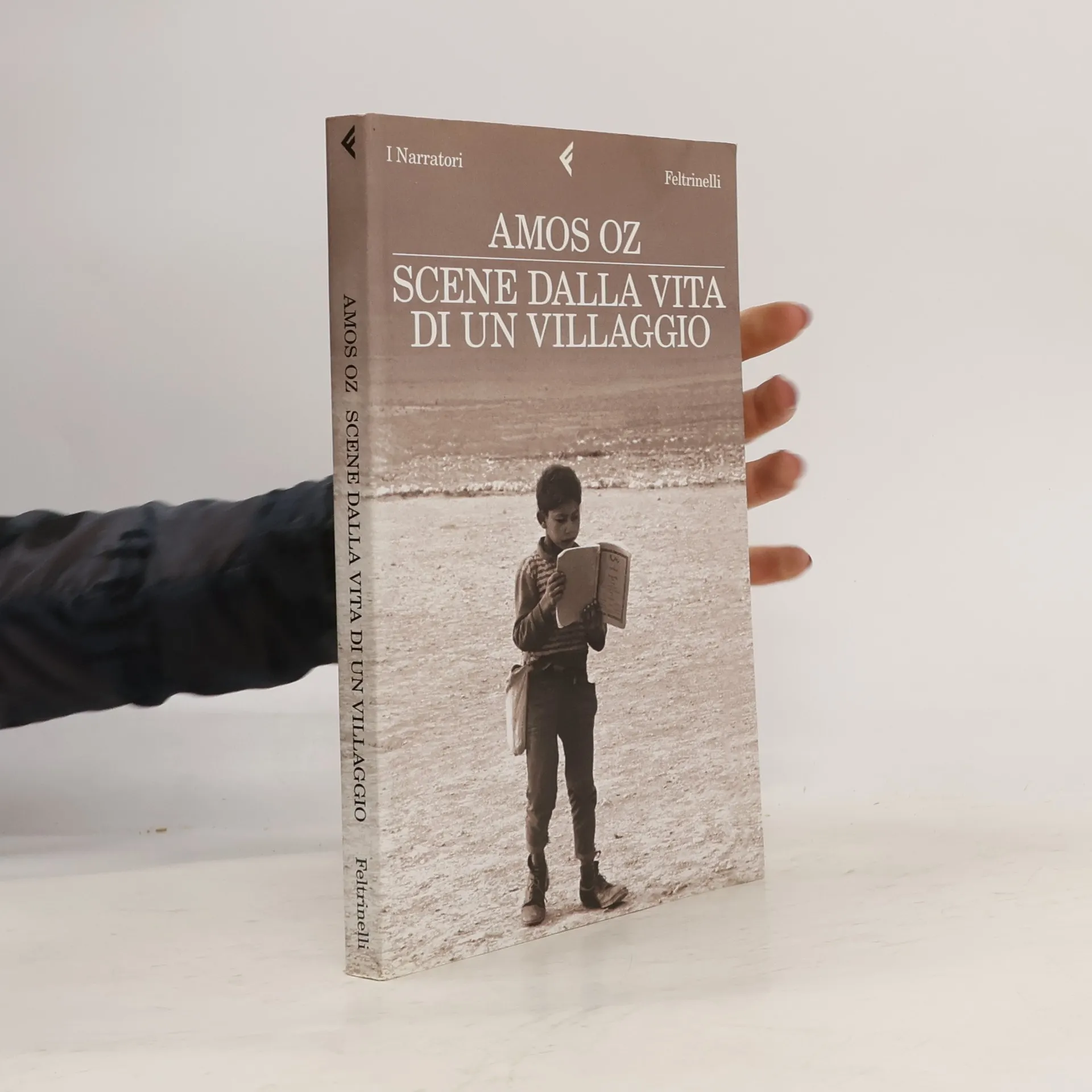
    • Scenes from Village Life

      • 276pagine
      • 10 ore di lettura

      A novel in stories by acclaimed Israeli author Amos Oz.

      Scenes from Village Life
      4,1
    • Dear Zealots

      • 144pagine
      • 6 ore di lettura

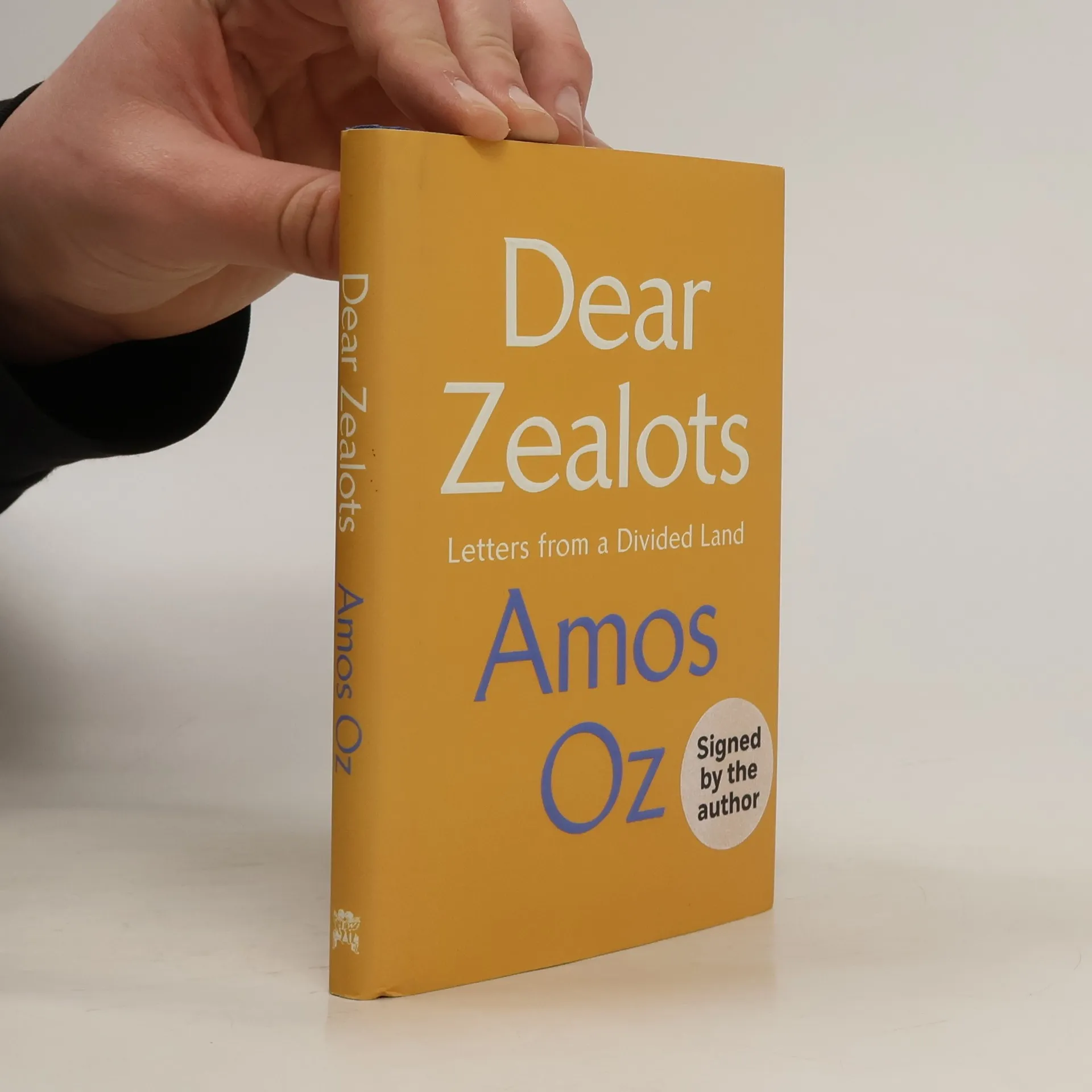
      'Concise, evocative... Dear Zealots is not just a brilliant book of thoughts and ideas - it is a depiction of the struggle of one man who, for decades, has insisted on keeping a sharp, strident and lucid perspective in the face of chaos and at times of madness' David Grossman, winner of the Man Booker International Prize This essential collection of three new essays was written out of a sense of urgency, concern, and a belief that a better future is still possible. It touches on the universal nature of fanaticism and its possible cures; the Jewish roots of humanism and the need for a secular pride in Israel; and the geopolitical standing of Israel in the wider Middle East and internationally. Amos Oz boldly puts forward his case for a two-state solution in what he calls 'a question of life and death for the State of Israel'. Wise, provocative, moving and inspiring, these essays illuminate the argument over Israeli, Jewish and human existence, shedding a clear and surprising light on vital political and historical issues, and daring to offer new ways out of a reality that appears to be closed down.

      Dear Zealots
      4,1
    • The Hill of Evil Counsel

      • 228pagine
      • 8 ore di lettura

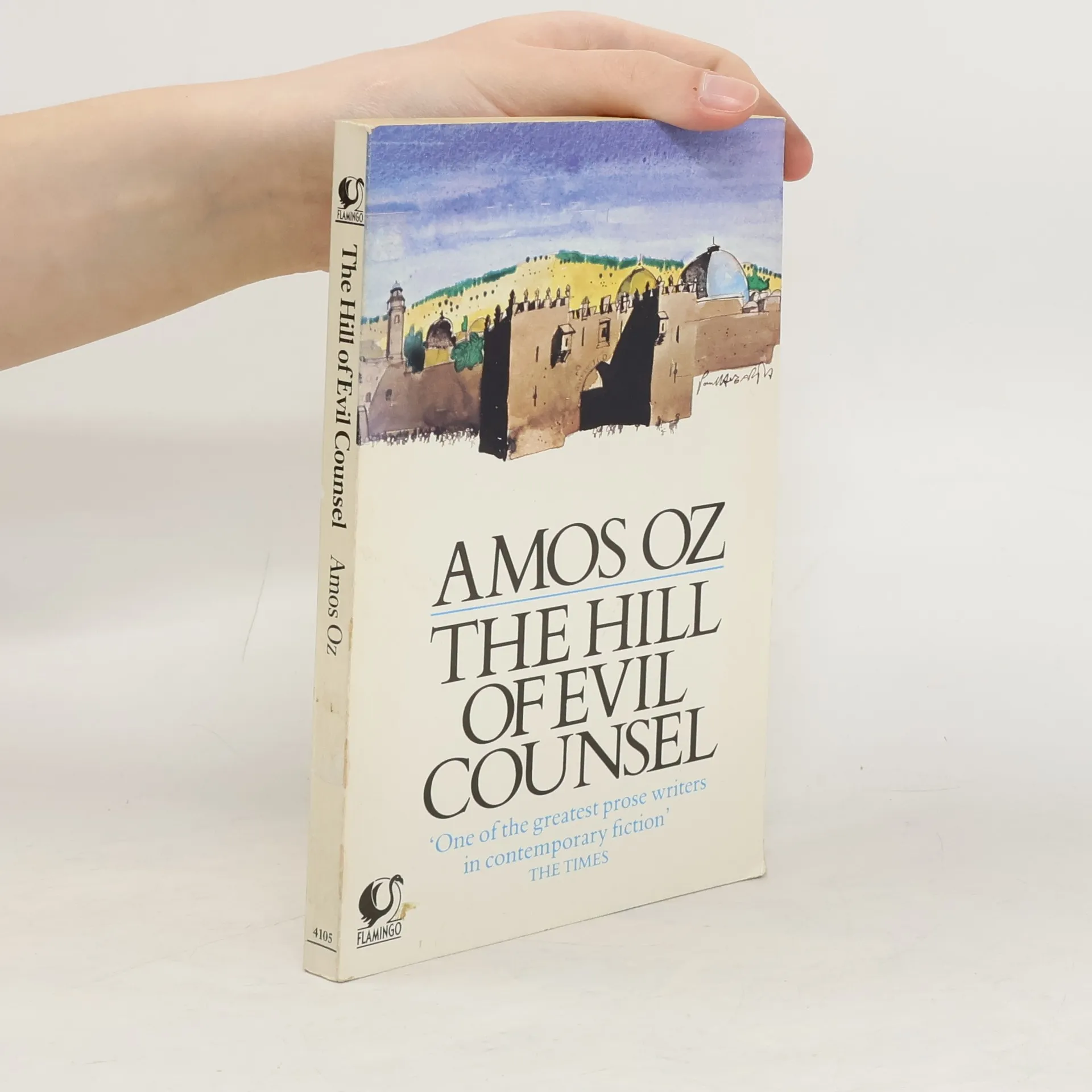
      The Hill of Evil Counsel is a fusion of history and imaginative narrative, re-creating the twilight world of Jerusalem during the fading days of the British Mandate. In these three closely linked stories, Oz vividly evokes the stifling atmosphere of impending crisis as real personalities rub shoulders with fictional characters whose hopes and fears are hauntingly portrayed.

      The Hill of Evil Counsel
      3,7
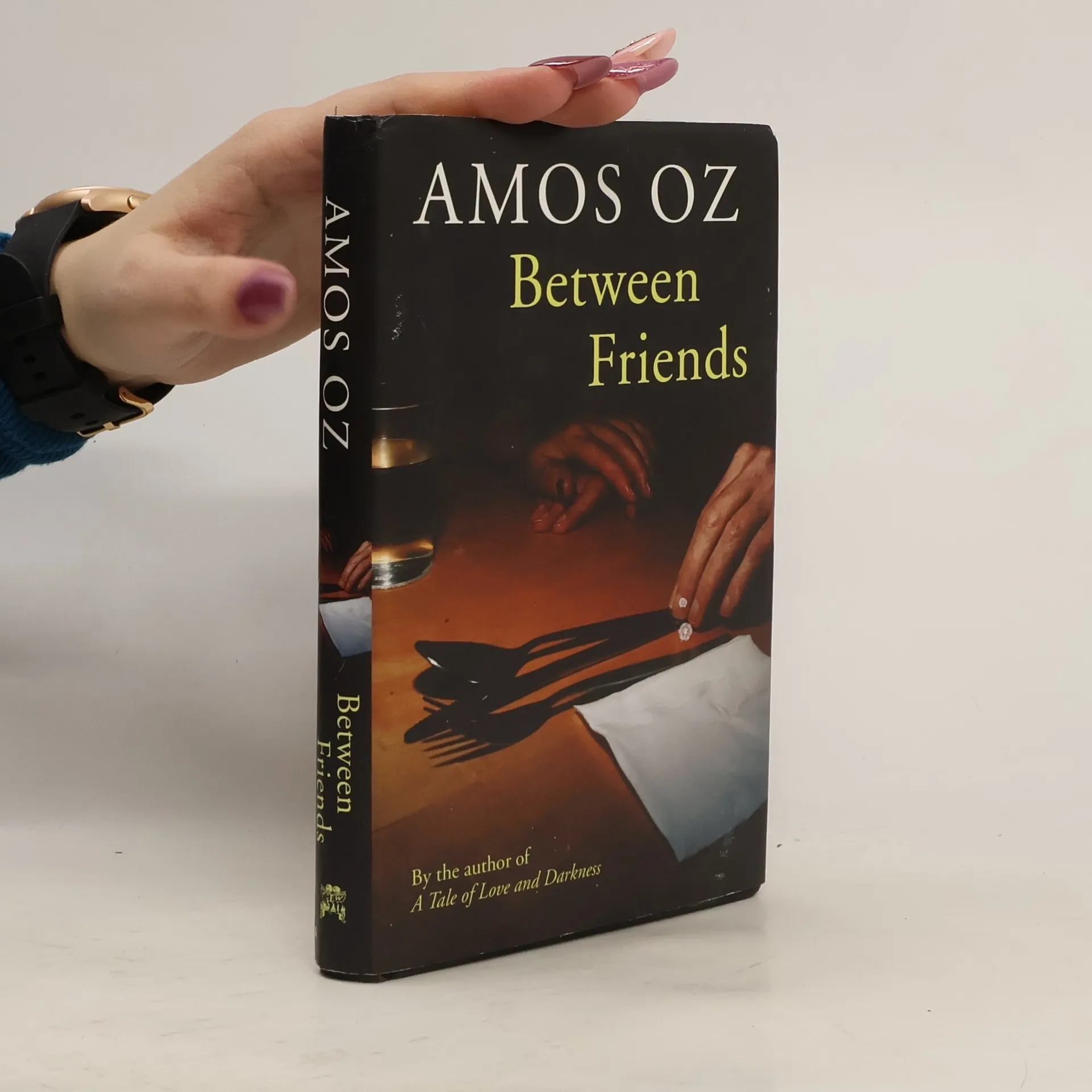
    • Between Friends

      • 198pagine
      • 7 ore di lettura

      At the heart of each drama is a desire to be better, more principled and worthy of the community's respect. With his trademark compassion and sharp-eyed wit, Amos Oz leaves us with the feeling that what matters most between friends is the invisible tie of our shared humanity.

      Between Friends
      4,1
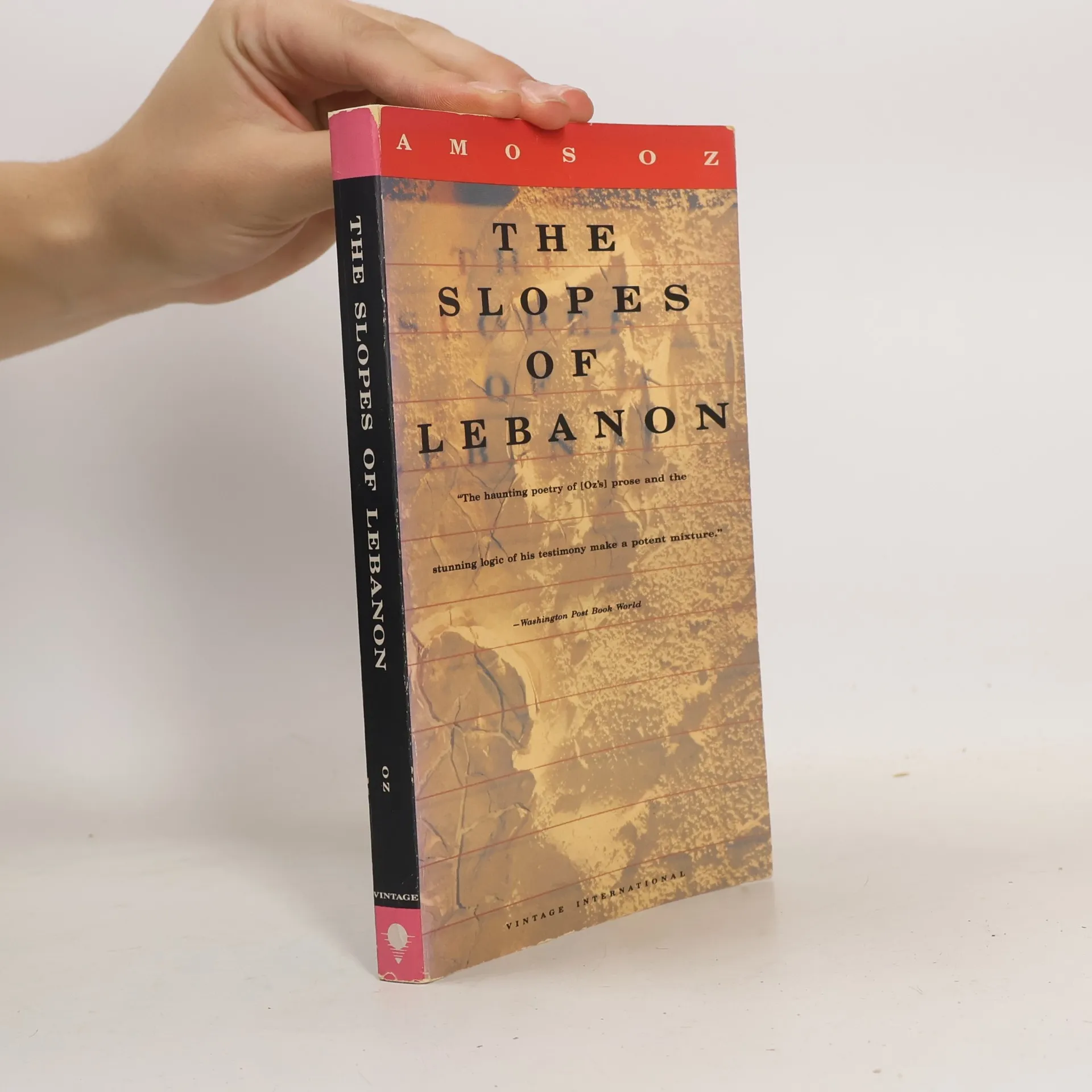
    • This superb collection of essays offers Oz and much more.
      The Slopes of Lebanon
      3,5
    • Under This Blazing Light

      • 220pagine
      • 8 ore di lettura

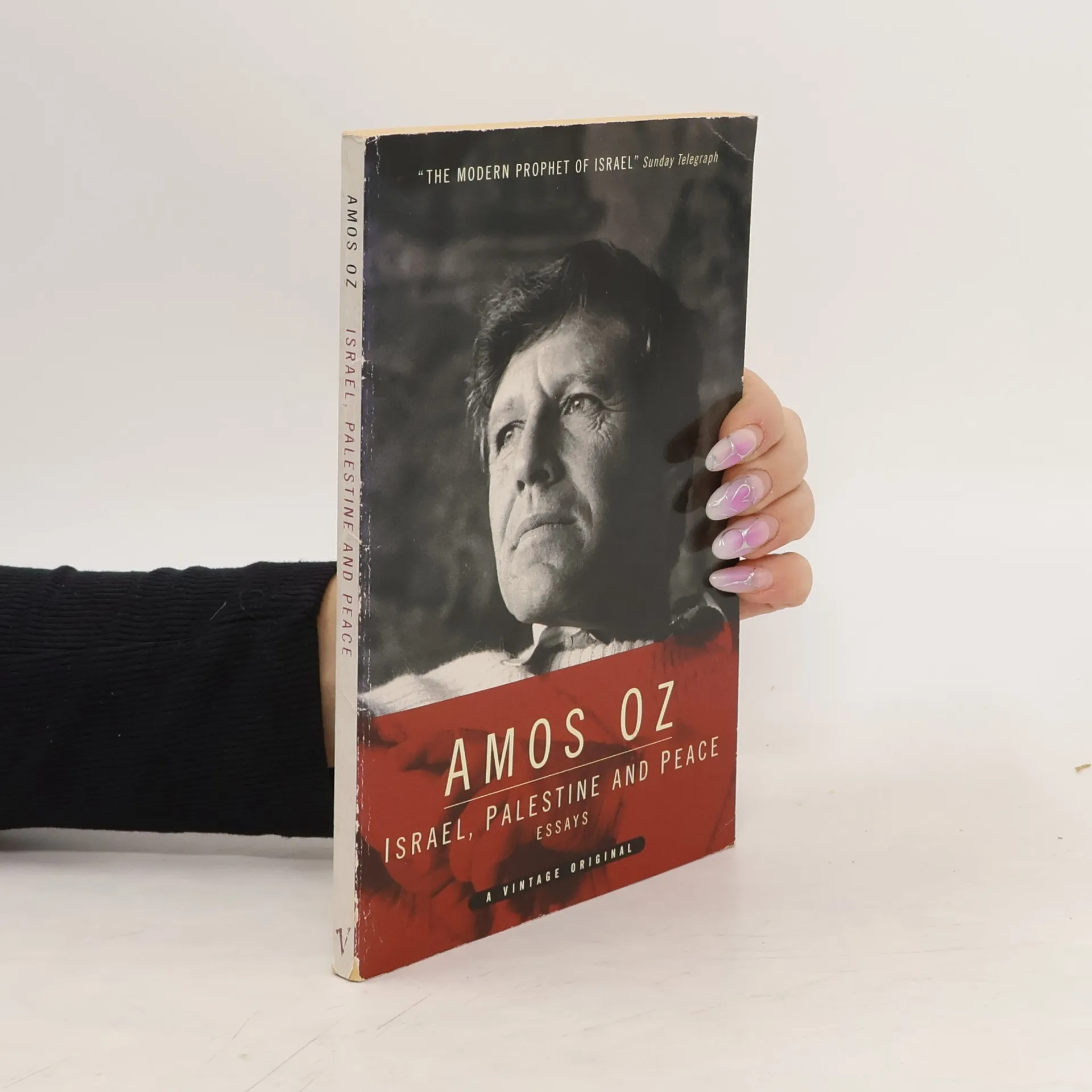
      This collection features political, personal, and literary essays by a renowned Israeli novelist, offering a lively and questioning perspective on Israel's complex cultural landscape. It delves into the Israeli-Palestinian conflict, the essence of Zionism, and the concept of 'homeland', alongside reflections on socialism and influential Jewish thinkers. Through these essays, the author reveals his own experiences and development, combining skepticism and idealism, which are likely to engage new readers while delighting long-time admirers of his work.

      Under This Blazing Light
      3,7
    • Soumchi

      • 96pagine
      • 4 ore di lettura

      "When Soumchi, an eleven-year-old boy growing up in British-occupied Jerusalem just after World War II, receives a bicycle as a gift from his Uncle Zemach, he is overjoyed-even if it is a girl's bicycle. Ignoring the taunts of other boys in his neighborhood, he dreams of riding far away from them, out of the city and across the desert, toward the heart of Africa. But first he wants to show his new prize to his friend Aldo"

      Soumchi
      3,6
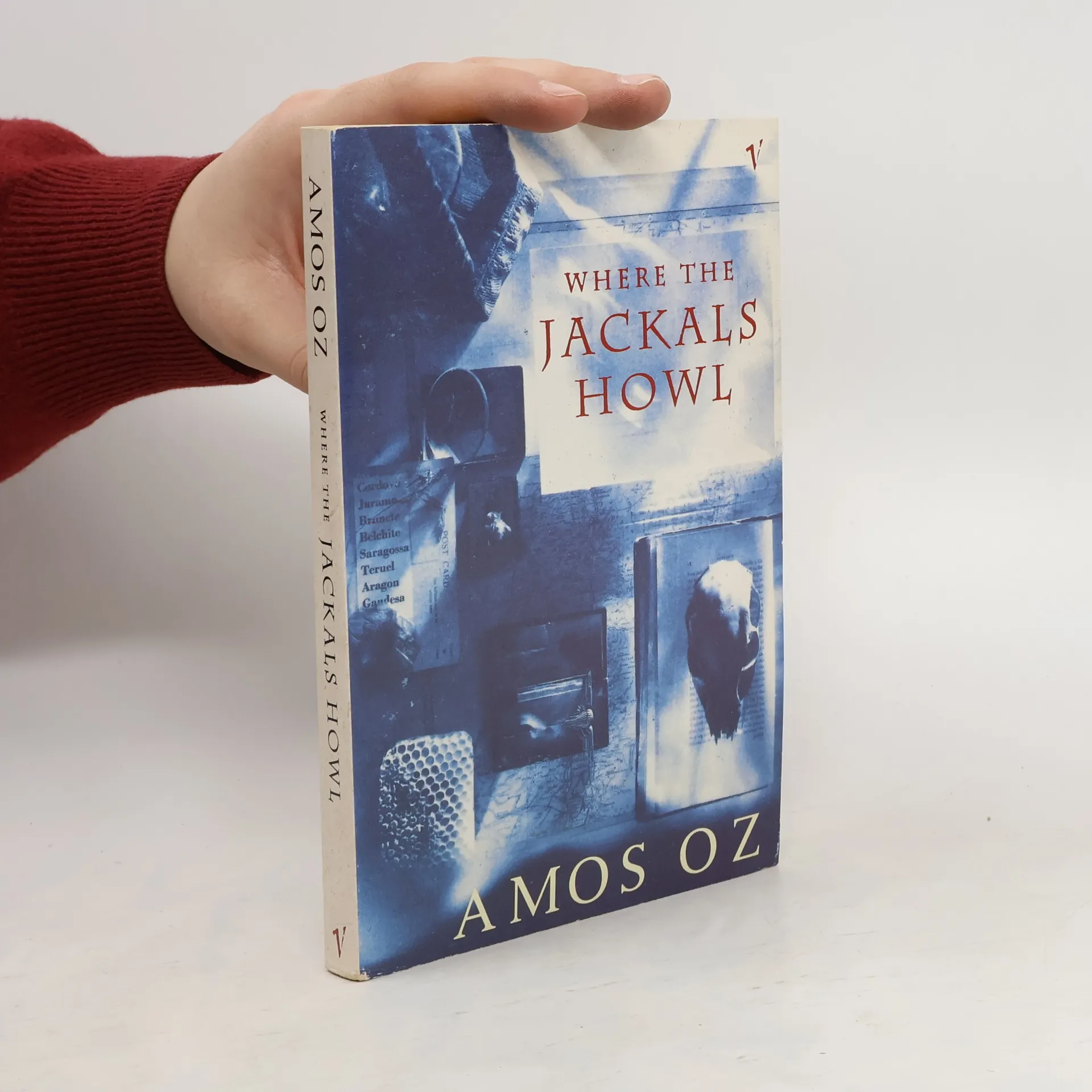
    • Where the Jackals Howl

      • 224pagine
      • 8 ore di lettura

      A collection of short stories set in a kibbutz, highlighting individual Israelis against a background of community life.

      Where the Jackals Howl
      3,7
    • A Perfect Peace

      • 374pagine
      • 14 ore di lettura

      Hailed by Publishers Weekly as "magnificent", this moving novel is set in Israel just before the Six-Day War, and describes life on a kibbutz, where the founders of Israel and their children struggle to come to terms with their land and with each other. "(Oz's) strangest, riskiest, and richest novel".--Washington Post Book World.

      A Perfect Peace
      3,5
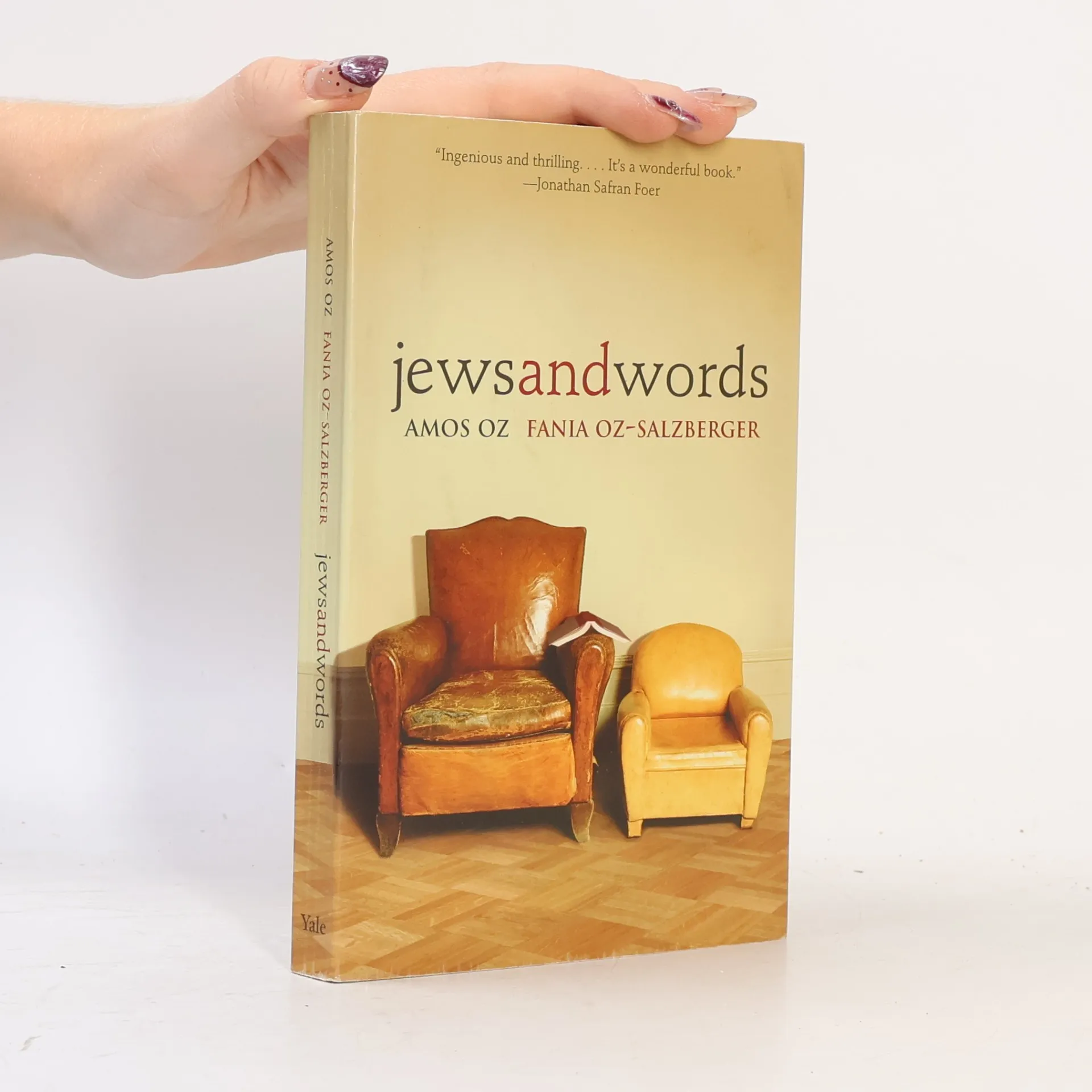
    • Jews and words

      • 248pagine
      • 9 ore di lettura

      The authors roam the gamut of Jewish history to explain the integral relationship of Jews and words. Father and daughter tell the tales behind Judaism's most enduring names, adages, disputes, texts, and quips. These words, they argue, compose the chain connecting Abraham with the Jews of every subsequent generation. From the unnamed, possibly female author of the Song of Songs through obscure Talmudists to contemporary writers, they suggest that Jewish continuity, even Jewish uniqueness, depends not on central places, monuments, heroic personalities, or rituals but rather on written words and an ongoing debate between the generations.

      Jews and words
      3,6
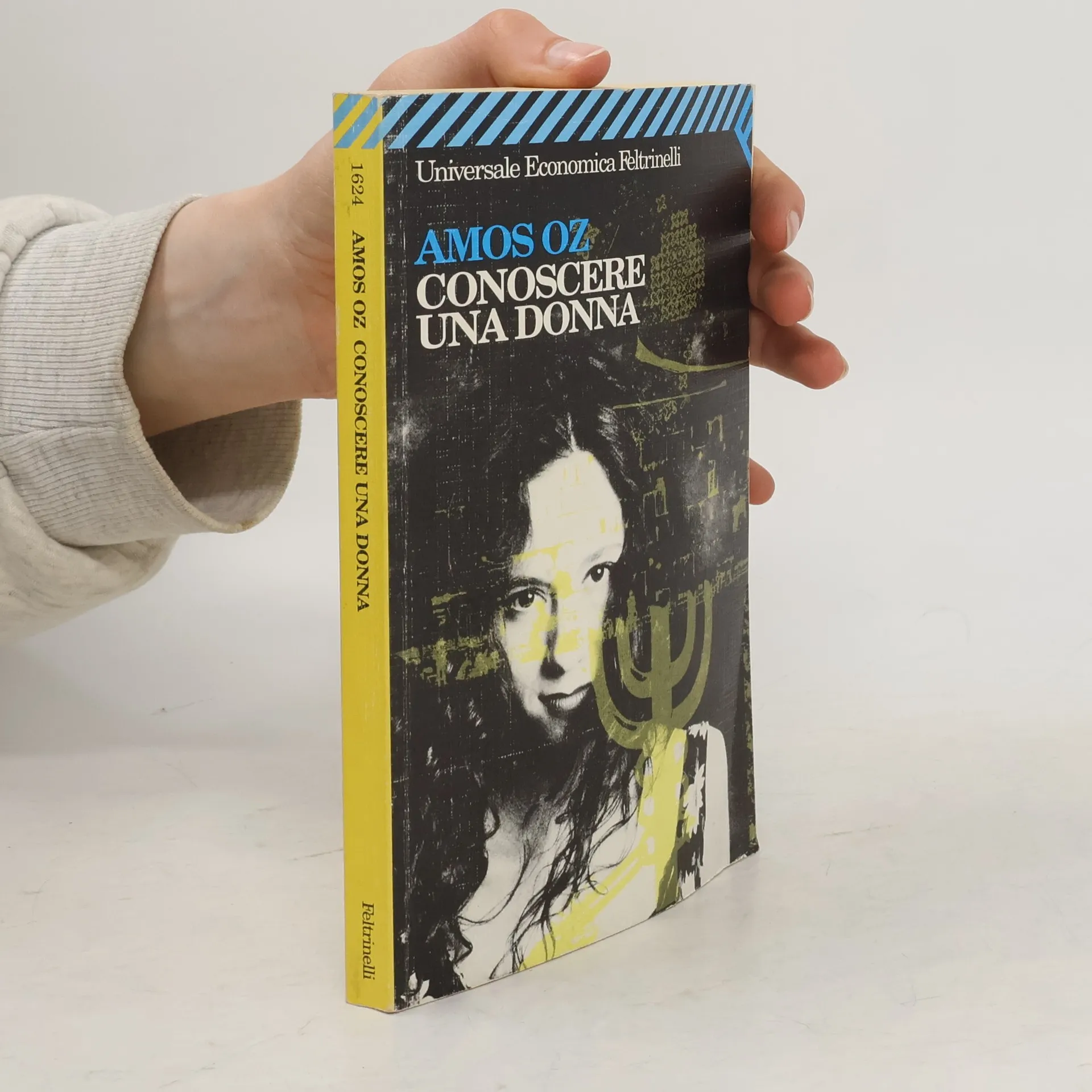
    • To Know a Woman

      • 272pagine
      • 10 ore di lettura

      In a psychological and metaphysical study of a man, Yoel Ravid, a retired Israeli secret service agent who lives a simple life at home, questions his life and his relationships with women

      To Know a Woman
      3,6
    • How to cure a fanatic

      • 112pagine
      • 4 ore di lettura

      Analyses the historical roots of violence and confronts truths about the extremism nurtured throughout society. By bringing us face to face with fanaticism, this title suggests ways in which we can all respond.

      How to cure a fanatic
      3,3
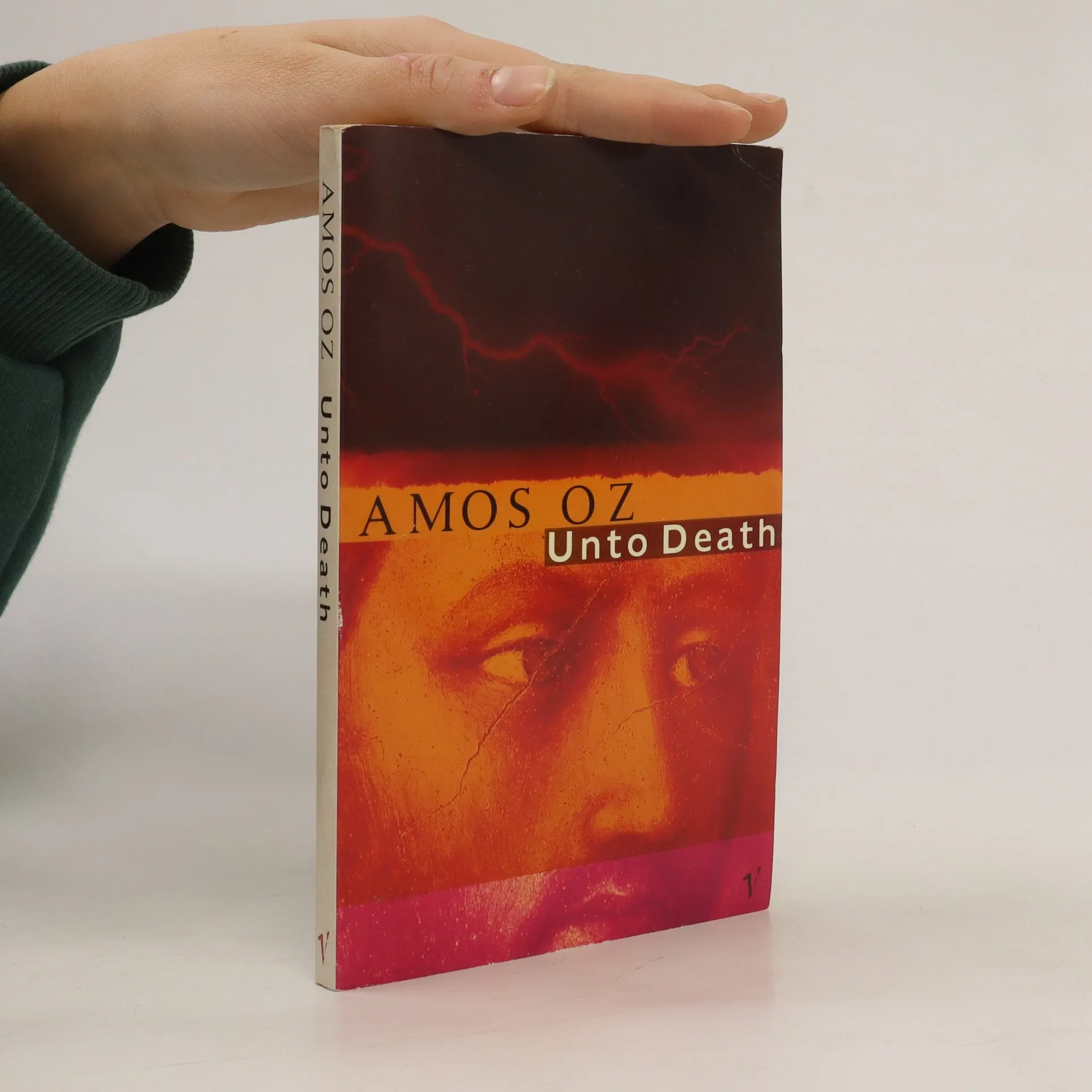
    • Unto Death contains two beautiful short novels linked by death and destruction. Crusade is set in 1096 - a year of sinister omens. Count Guillaume of Touron sets out on a crusade to Jerusalem and on the way he serves his God by killing any Jews he meets. But will the Count find the peace of mind he seeks when he faces the terrible realities of war in the Holy Land? In Late Love Oz portrays an elderly professor living alone in Tel Aviv, a man neither loving nor loved. His last mission is to expose the plight of his fellow Russian Jews and alert the people of Israel to the conspiracy that threatens them. But nobody wants to listen...

      Unto death
      3,3
    • Suhrkamp Taschenbuch: Der dritte Zustand

      Roman - Großdruck

      • 565pagine
      • 20 ore di lettura

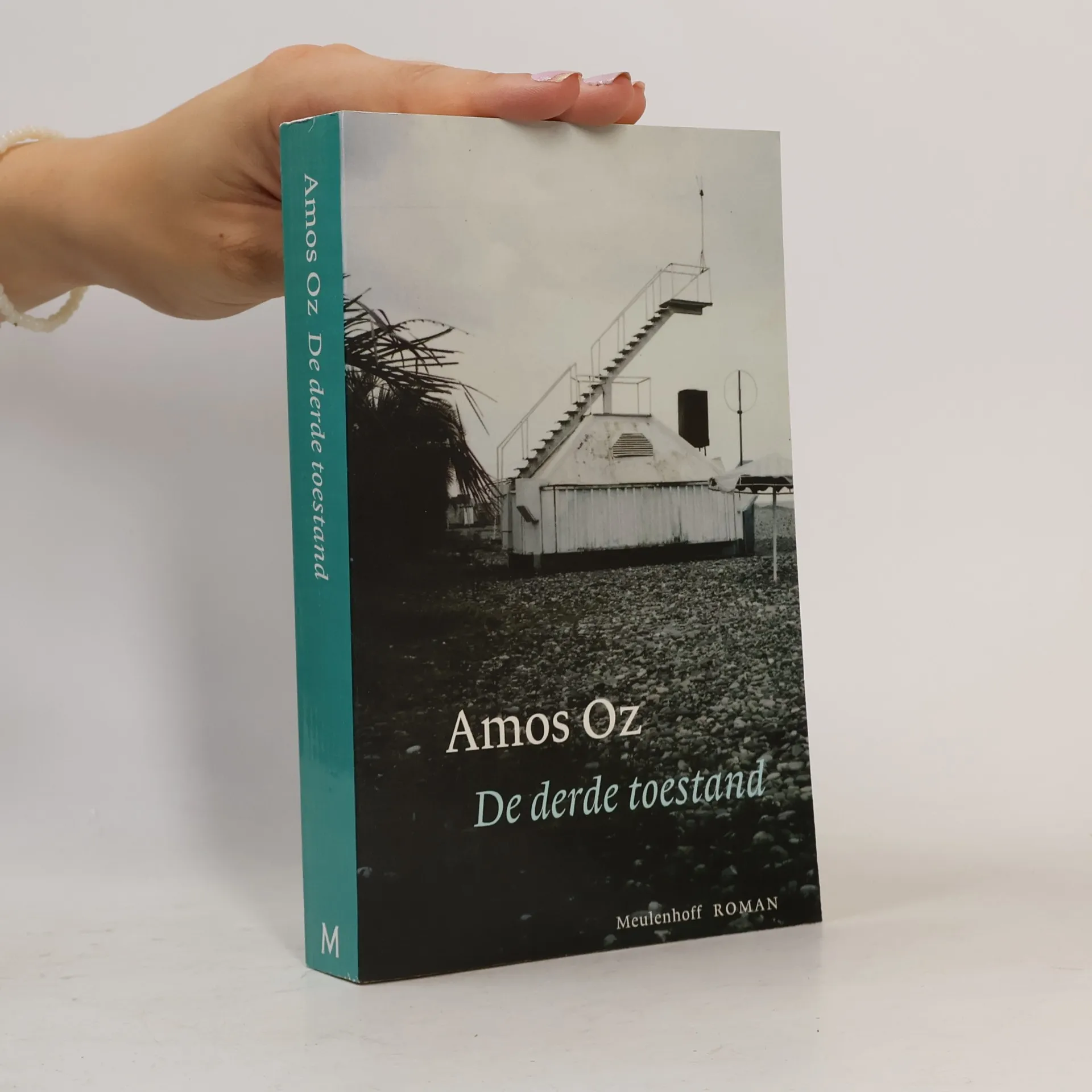
      Fima lives in Jerusalem, but feels that he is in Jerusalem by mistake, that he ought to be somewhere else. In the course of his life he has had several love affairs, several ideas, has written a book of poems that aroused some expectations, has thought about the purpose of the universe and where the country has lost its way, has spun a detailed fantasy about founding a new political movement, has felt longings of one sort or another, and the constant desire to open a new chapter. And here he is now, in his early fifties, in this shabby flat on a gloomy wet morning, engaged in a humiliating struggle to release the corner of his shirt from the zipper of his fly. With rare wit, intimate knowledge of the human heart, and his usual storytelling mastery, Amos Oz portrays a man - and a generation that dreams noble dreams but does nothing.

      Suhrkamp Taschenbuch: Der dritte Zustand
      5,0
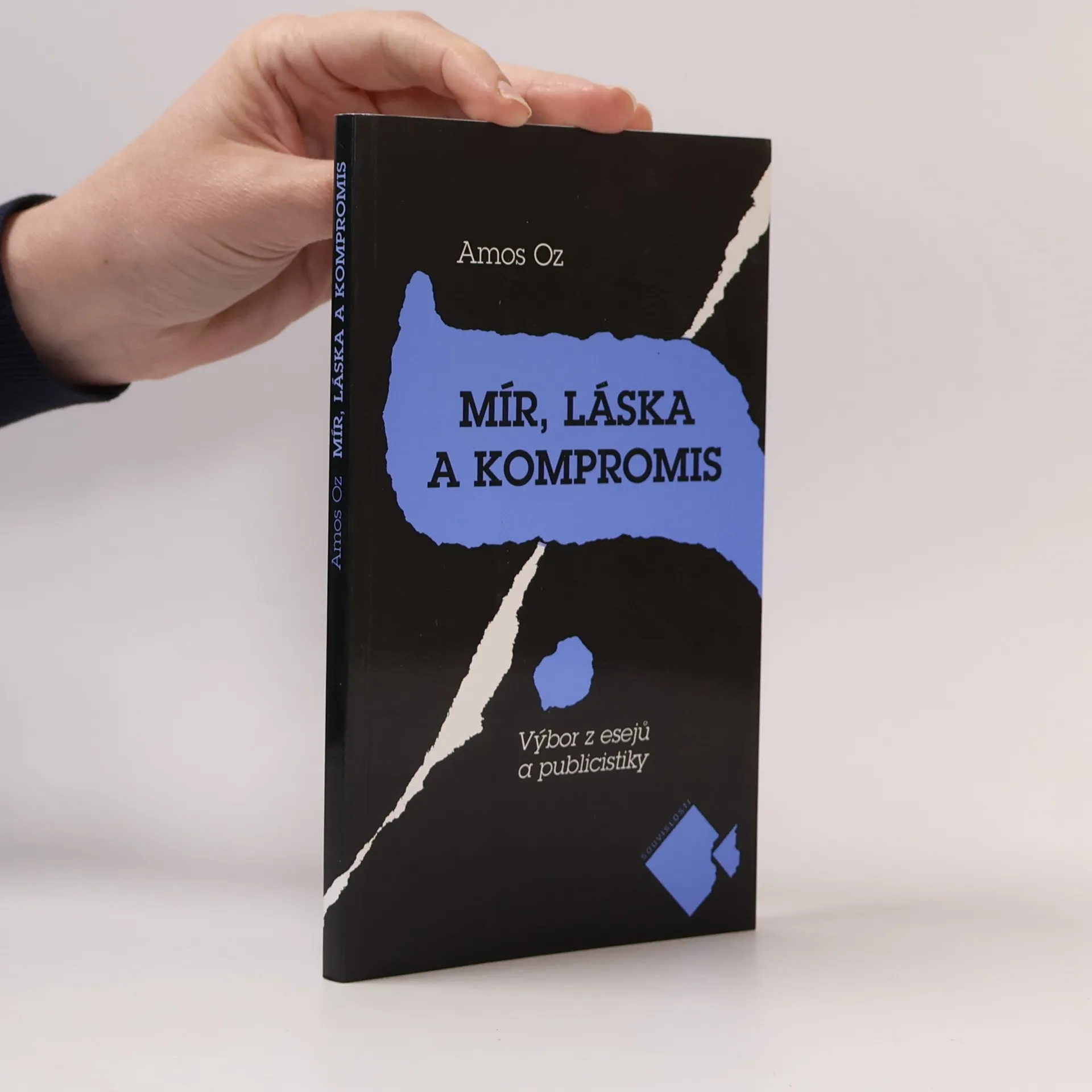
    • V jedenácti esejích a článcích pojednává autor, přední současný izraelský prozaik, o tak ožehavých a aktuálních tématech, jakými jsou soudobý sionismus, problematika kompromisních i konfliktních cest k řešení nevraživosti mezi Židy a Araby ad.

      Mír, láska a kompromis
      4,4
    • Skok do prázdného bazénu

      • 192pagine
      • 7 ore di lettura

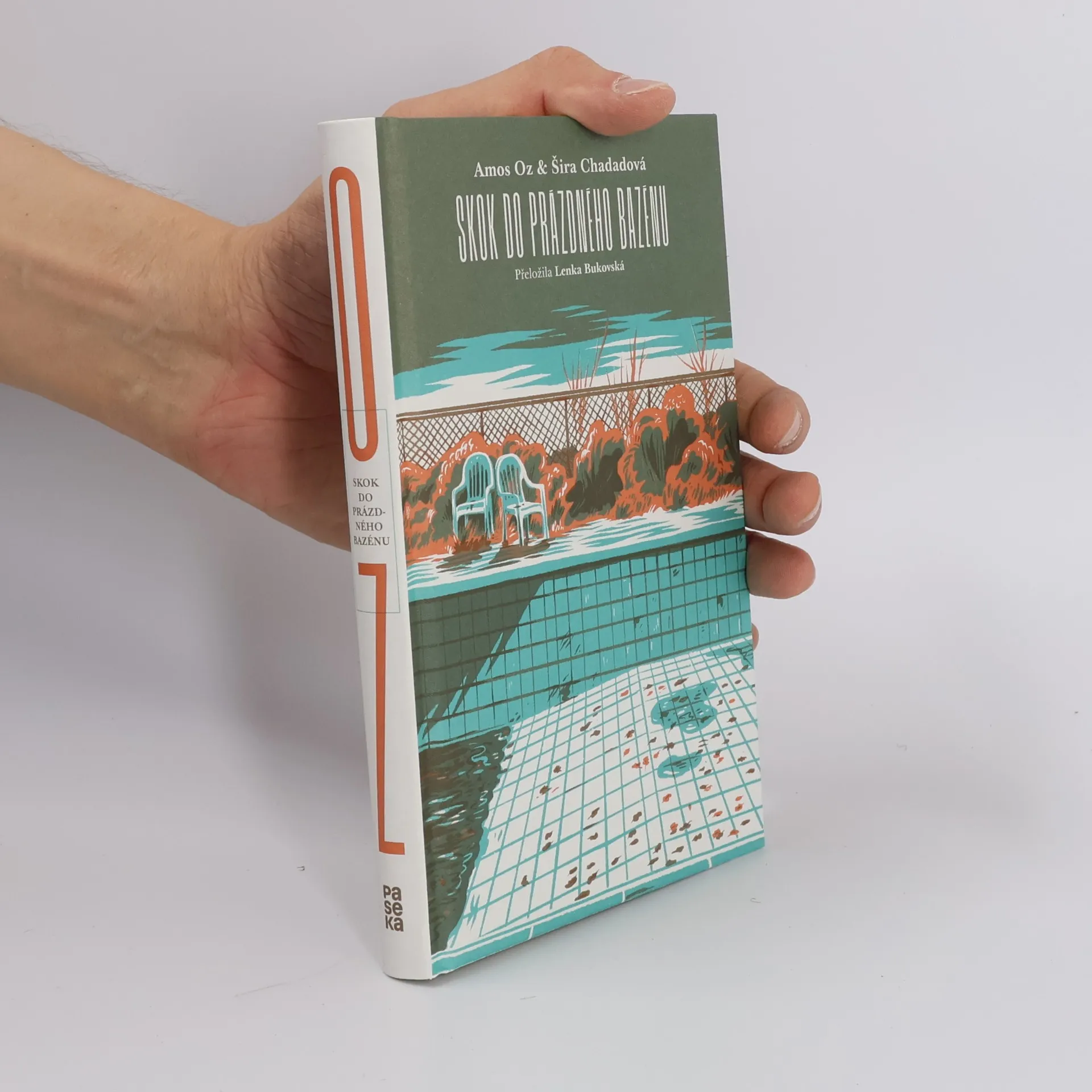
      „Tahle kniha by se klidně mohla jmenovat Příběh skokana do prázdných bazénů,“ říká izraelský spisovatel Amos Oz. To když vypráví o zlomových okamžicích svého života, kdy se několikrát vydal do neznáma a musel začít znovu – změnil si jméno a opustil domov, podstatnou část života strávil v kibucu, kde si těžce vybojoval podmínky na psaní a nakonec i odtud musel spolu s dětmi a manželkou odejít téměř bez peněz a bez prostředků. Rozhovor s ním vede dlouholetá redaktorka jeho knih Šira Chadadová. Kriticky se ho ptá na jeho psaní a inspirace, politické postoje a vztah k erotice a genderu, empaticky naslouchá, když Oz vypráví o sebevraždě své matky nebo hněvu fanatiků, které pobouřil svými texty. V šesti rozhovorech o vášni a lásce, vině, radosti a smrti přináší ojedinělý a intimní vhled do života a tvorby významného spisovatele, věčného čekatele na Nobelovu cenu za literaturu.

      Skok do prázdného bazénu
      4,4
    • Allein das Meer

      • 200pagine
      • 7 ore di lettura

      Amos Oz wurde am 4. Mai 1939 als Amos Klausner in Jerusalem geboren und verbrachte dort seine Kindheit. 1954 trat er dem Kibbuz Chulda bei und nahm den Namen Oz an, der auf hebräisch Kraft, Stärke bedeutet. Von 1960 bis 1963 studierte er Literatur und Philosophie an der Hebräischen Universität von Jerusalem und kehrte nach seinem Bachelor-Abschluss in den Kibbuz zurück. Seit dem 6-Tage-Krieg ist er in der israelischen Friedensbewegung aktiv und befürwortet eine Zwei-Staaten-Bildung im israelisch-palästinensichen Konflikt. Er ist Mitbegründer und herausragender Vertreter der seit 1977 bestehenden Friedensbewegung Schalom achschaw (Peace now). Seit 1987 lehrt er Hebräische Literatur an der Ben-Gurion Universität von Negev, Beesheba. Die Werke von Amos Oz wurden in 37 Sprachen übersetzt. Er hat zahlreiche Preise und Auszeichnungen erhalten.

      Allein das Meer
      4,3
    • Die letzte Lektion

      Ein Leitfaden für die Zukunft

      Pragmatisch und visionär entwirft Amos Oz einen neuen Nahen Osten, der für die Zukunft die Lehren der Vergangenheit aufnimmt. Im Dezember 2018 ist der bedeutendste israelische Autor gestorben und hat uns sein Vermächtnis hinterlassen: Der Mensch ist seiner Natur nach offen. Darum wird es auch im Nahen Osten eine Lösung geben – bei gutem Willen aller. Im Juni 2018 trat Amos Oz das letzte Mal öffentlich auf, an der Universität von Tel Aviv hielt er seine letzte Rede, dies ist sein politisches Vermächtnis. Darin plädiert er leidenschaftlich für einen jüdischen wie für einen palästinensischen Staat im Nahen Osten, er mahnt, er warnt und er gibt Hoffnung. Nach allem, was passiert ist, möchte er nie wieder als jüdische Minorität leben. Der israelisch-palästinensische Konflikt müsse geheilt werden. Aber eine Wunde kann man nicht mit einem Stock heilen. Die Heilung brauche Zeit und erfordere zuallererst »eine Sprache der Heilung«, keine der Unterwerfung.

      Die letzte Lektion
      4,4
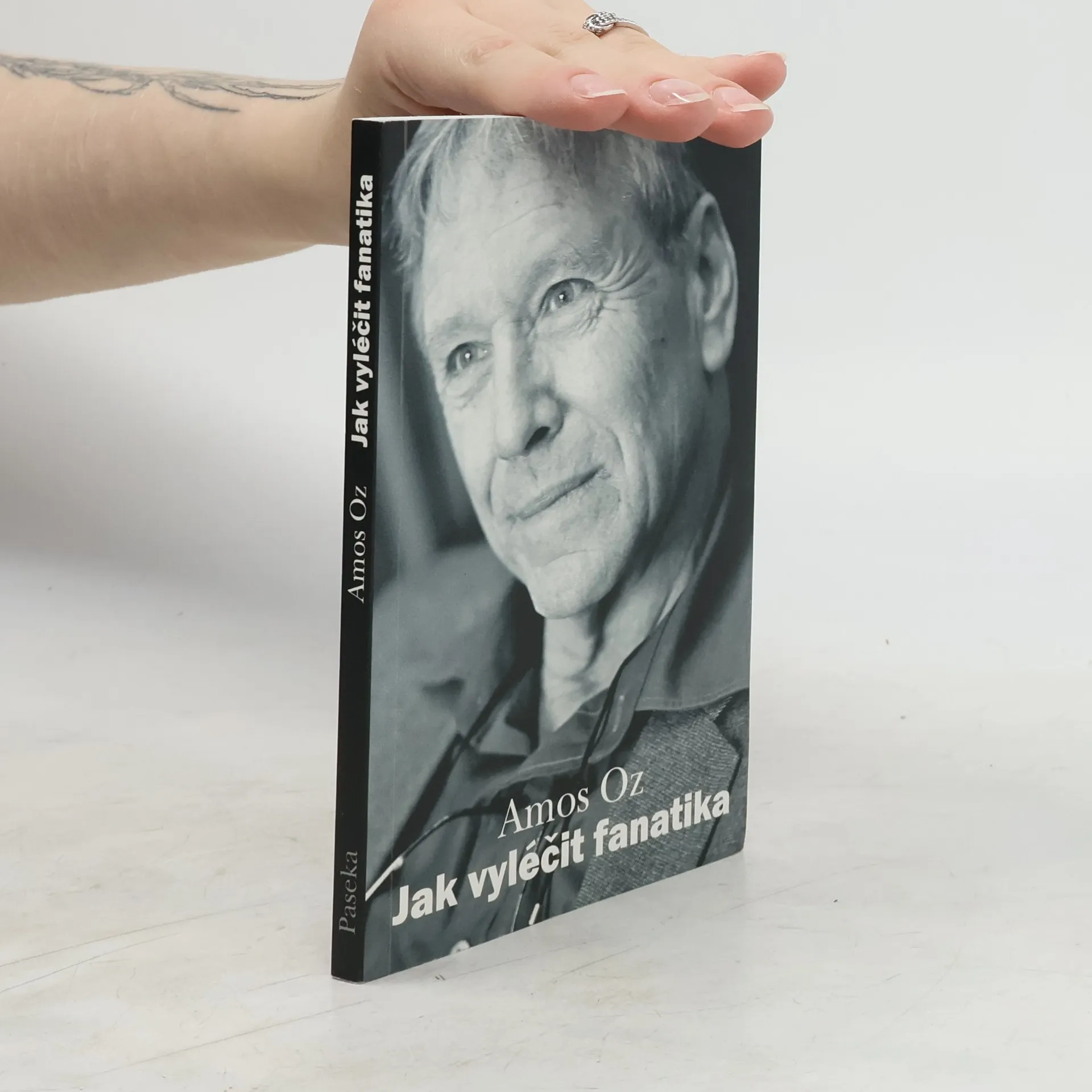
    • Jak vyléčit fanatika

      • 77pagine
      • 3 ore di lettura

      Známý izraelský prozaik a publicista se ve dvojici esejů zamýšlí nad možnými východisky z dlouholetého izraelsko-palestinského konfliktu i nad širším problémem politického a náboženského extremismu, oživeným zejména teroristickými útoky ze září 2001. Ozův pohled na historii blízkovýchodního sporu a vize jeho uspokojivého řešení upoutají svou přímočarostí a odvahou, zároveň však i živým a osobně laděným podáním. Neotřelým způsobem a se smyslem pro humorné odlehčení tíživého tématu se Oz vyslovuje i k aktuálnímu problému světového terorismu, v němž vidí především nový projev odvěkého sváru mezi pragmatismem, pluralismem a tolerancí na jedné straně a různými formami fanatismu na straně druhé.

      Jak vyléčit fanatika
      4,3
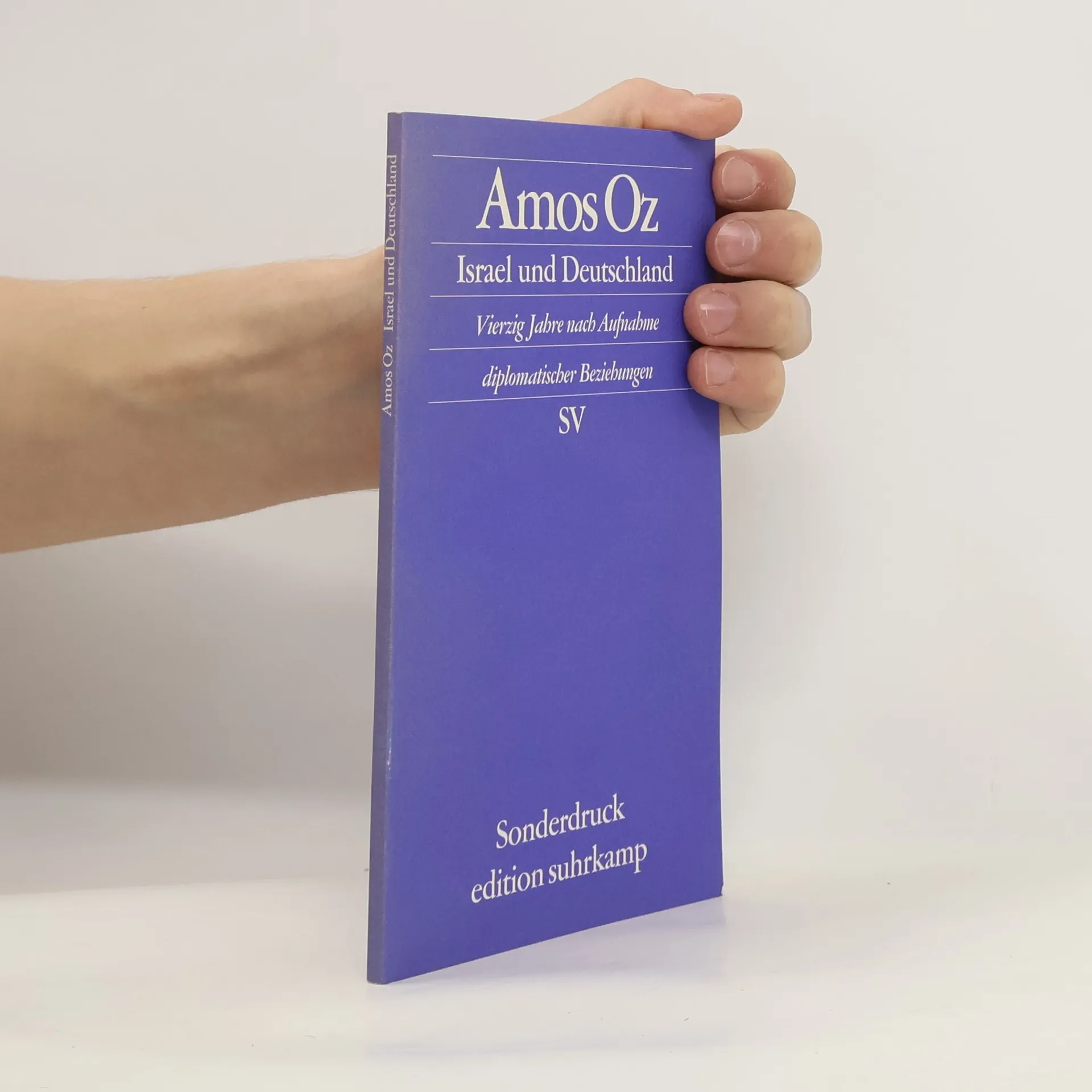
    • Israel und Deutschland

      • 54pagine
      • 2 ore di lettura

      In jedem Paß, den der junge Staat seinen Bürgern ausstellte, war während der ersten Jahre der Unabhängigkeit Israels vermerkt: »Dieser Paß ist gültig für alle Länder – mit Ausnahme von Deutschland«.

      Israel und Deutschland
      4,2
    • Juden und die Worte

      • 285pagine
      • 10 ore di lettura

      Juden und Worte bilden eine enge Verbindung. Amos Oz und seine Tochter Fania Oz-Salzberger, Historikerin, erkunden jüdische Wortwelten, deren Bedeutungen, Auslegungen und Wandlungen sowie die 22 Buchstaben des hebräischen Alphabets. Kontinuität im Judentum war stets an das mündlich und schriftlich geäußerte Wort gebunden, an ein komplexes Geflecht von Interpretationen und Debatten. In Synagogen, Schulen und vor allem zu Hause umspannte es mehrere Generationen. Texte verbinden Juden miteinander, und es wird deutlich, wie Abraham, Sara, Rabban Gamiel, Glückel von Hameln und zeitgenössische Autoren demselben Stammbaum angehören. Vater und Tochter zeigen anhand von Themen wie Kontinuität, Frauen, Zeitlosigkeit und Individualität die Verbindung von Juden und Wörtern, von der anonymen Verfasserin des Hohenliedes bis zu Talmudisten, Gelehrten und Künstlern. Sie verdeutlichen, dass jüdische Tradition und Einzigartigkeit nicht von zentralen Orten oder Ritualen abhängen, sondern von geschriebenen Worten und den Debatten zwischen den Generationen. Gelehrt, behände und humorvoll bietet das Buch einen einzigartigen Streifzug durch die jüdische Geschichte und Kultur und lädt die Leser zu Gesprächen, Fragen und Entdeckungen ein.

      Juden und die Worte
      4,0
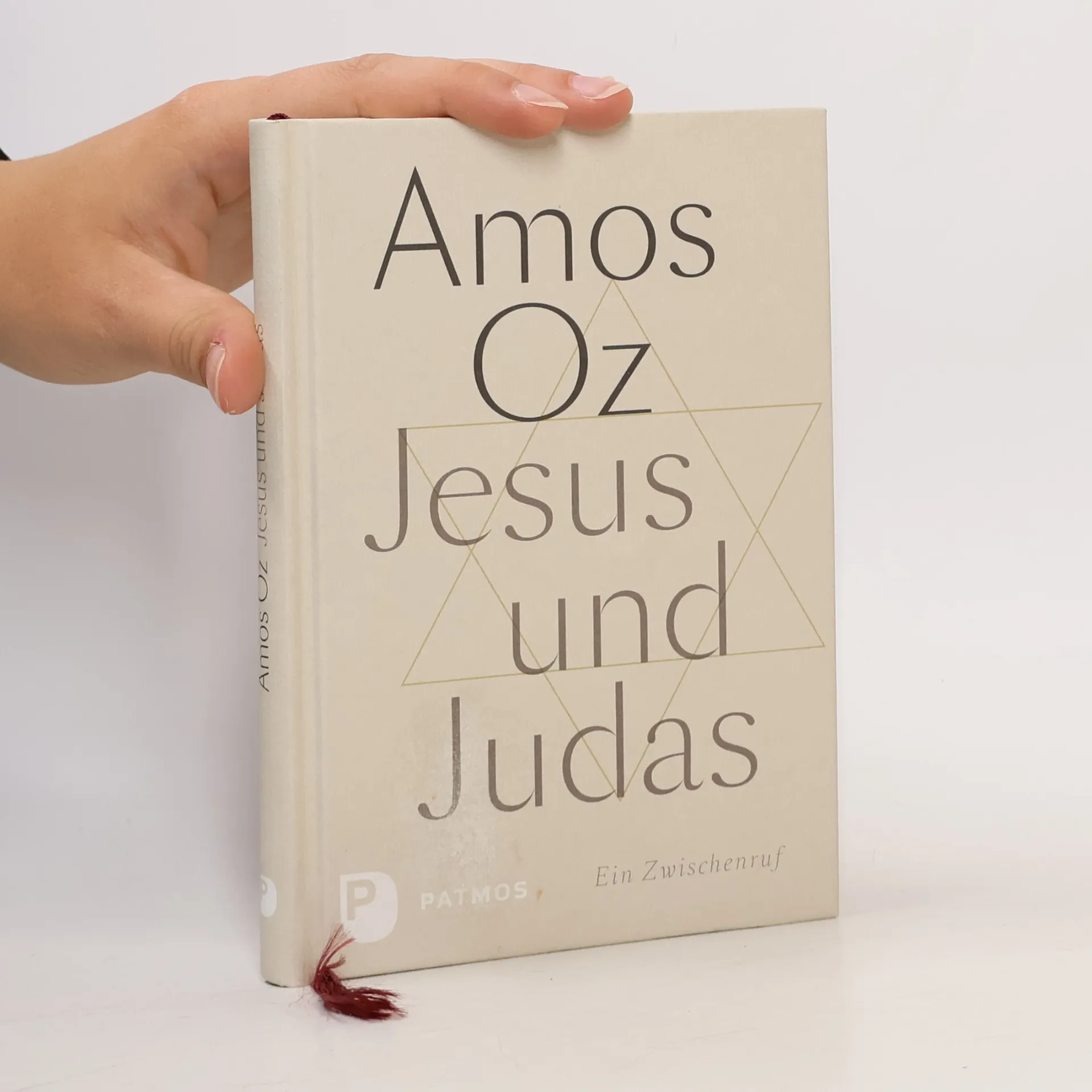
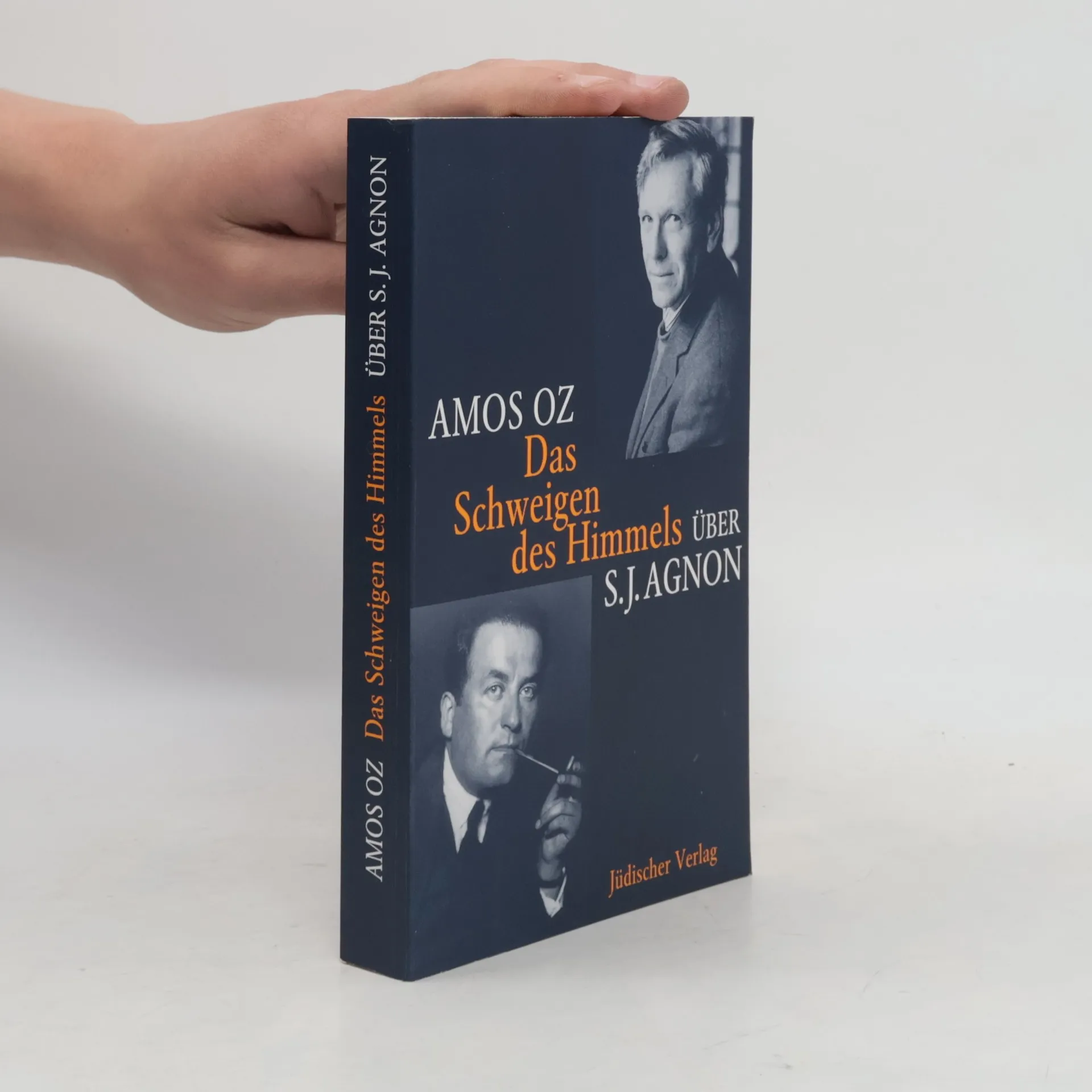
    • Jesus und Judas

      Ein Zwischenruf

      • 96pagine
      • 4 ore di lettura

      In diesem Essay über Jesus und Judas erzählt der weltbekannte israelische Schriftsteller Amos Oz, wie Jesus für ihn von Kindheit an zu einer Art Begleiter wurde. Geboren in Jerusalem, wurde Amos Oz dazu erzogen, von Kirchen und Kruzifixen den Blick abzuwenden, weil dieser Mann so viel Unheil über das jüdische Volk gebracht habe. Der Bruder seines Großvaters, der berühmte Religionswissenschaftler Joseph Klausner, mahnte dagegen den Knaben: Wenn du an einer Kirche oder einem Kreuz vorübergehst, schau hin, schau genau hin, denn Jesus war einer von uns, einer unserer größten Lehrer, einer unserer größten Visionäre. Amos Oz geht den neutestamentlichen Berichten über Jesu nach und stößt auf die Geschichte vom Verrat des Judas. Sie wird für ihn zum Skandal. In der Erzählung von Judas erkennt er das Tschernobyl des christlichen Antisemitismus und den Beginn und die Gründungslegende einer unheilvollen zweitausendjährigen Geschichte. Wer war Jesus, wer Judas?: Ein engagierter persönlicher Blick!
      Jesus und Judas
      3,5
    • Amos Oz wurde am 4. Mai 1939 in Jerusalem geboren und starb am 28. Dezember 2018 in Tel Aviv. 1954 trat er dem Kibbuz Chulda bei und nahm den Namen Oz an, der auf Hebräisch Kraft, Stärke bedeutet. Amos Oz war Mitbegründer und herausragender Vertreter der seit 1977 bestehenden Friedensbewegung Schalom achschaw (Peace now) und befürwortete eine Zwei-Staaten-Bildung im israelisch-palästinensichen Konflikt. Sein Werk wurde vielfach ausgezeichnet, unter anderem mit dem Friedenspreis des Deutschen Buchhandels 1992, dem Goethe-Preis der Stadt Frankfurt am Main 2005 und dem Siegfried Lenz Preis 2014. Sein bekanntestes Werk Eine Geschichte von Liebe und Finsternis wurde in alle Weltsprachen übersetzt und 2016 als Film adaptiert. Ruth Achlama, geboren 1945 in Quedlinburg, studierte Rechtswissenschaft in Heidelberg und Bibliothekswissenschaft in Jerusalem. Heute ist sie hauptberuflich als freie Übersetzerin tätig und lebt in Tel Aviv.
      Herr Levi
      3,7
    • Bericht zur Lage des Staates Israel

      • 77pagine
      • 3 ore di lettura

      Die beiden im vorliegenden Band versammelten Texte aus den Jahren 1990 und 1991 präsentieren diese beiden Dimensionen des Autors Amos Oz, und sie machen zugleich deutlich, daß er zwischen beiden strikt unterscheidet: Wenn er mit sich selbst in Übereinstimmung sei, so Amos Oz, greife er in die politische Situation ein. Ziel seines politischen Engagements: Er kämpft für eine Zweistaatenlösung in Palästina, mit einem souveränen Israel und einem eigenen Staat für die Palästinenser.

      Bericht zur Lage des Staates Israel
      3,5
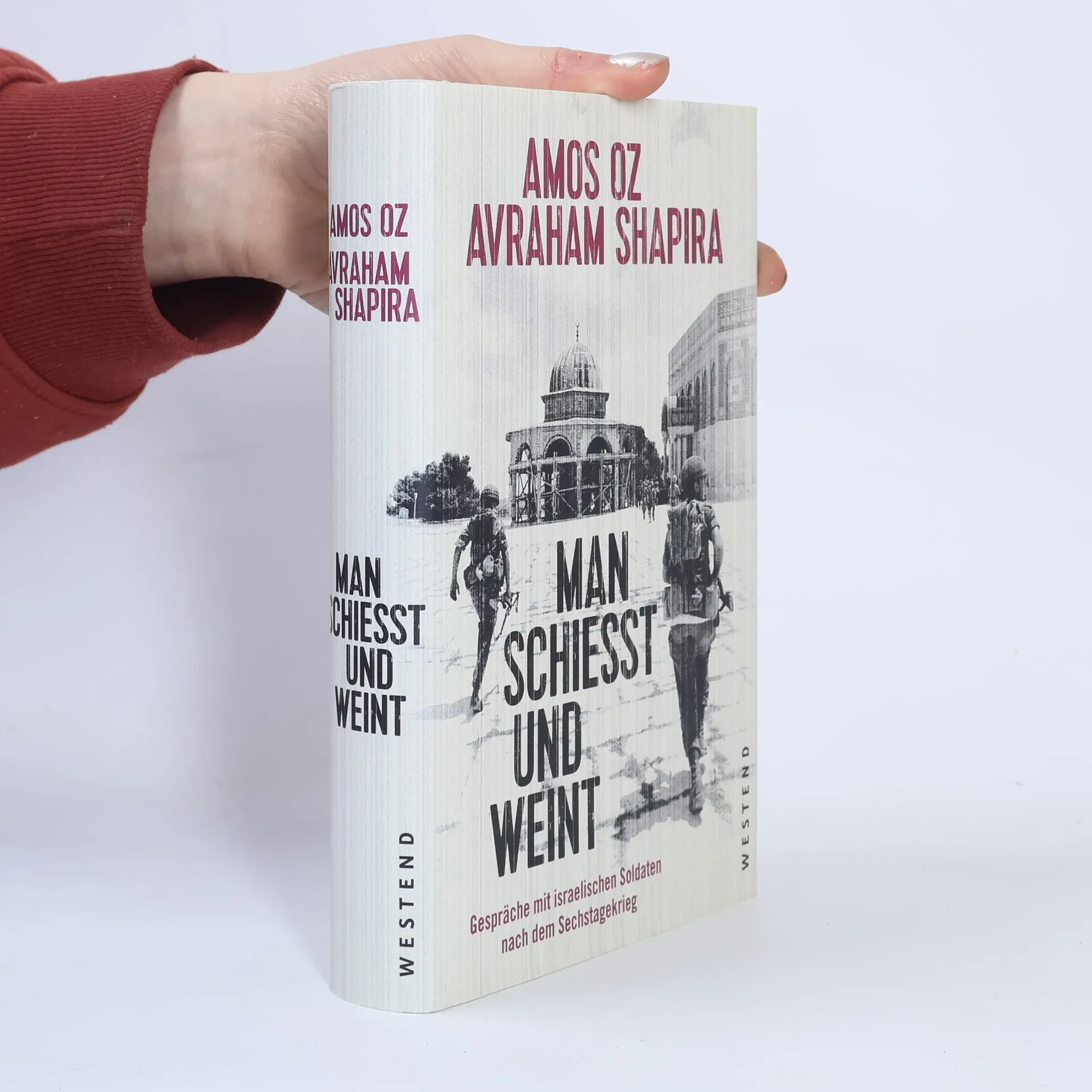
    • Man schießt und weint

      Gespräche mit israelischen Soldaten nach dem Sechstagekrieg

      Die andere Seite des Krieges – Gespräche mit den Soldaten des Sechstagekriegs Nach dem Sechstagekrieg von 1967 initiierte Avraham Shapira zusammen mit Amos Oz das wohl einflussreichste israelische Buch: „Gespräche mit israelischen Soldaten“. Es entstand, als „nach dem Sechstagekrieg im Land eine Art Siegesrausch war“, so Oz im Vorwort zur Neuauflage. „Kein Mensch in Israel sprach vom menschlichen Leid und erst Recht nicht vom besiegten Feind. Wir hatten das Gefühl, dass man von Mensch zu Mensch gehen und erfahren muss, was die Kämpfer auf dem Schlachtfeld erlebt haben und was sie nach dem Schlachtfeld erlebten.“ Damals vom israelischen Militär stark zensiert, liefern die inzwischen weitgehend autorisierten Interviews einen beeindruckenden Einblick in die andere Seite auch heutiger Kriege.

      Man schießt und weint
      2,0
    • Ein anderer Ort

      Roman

      • 447pagine
      • 16 ore di lettura

      Mit den jüdischen Einwanderungswellen nach Palästina und verstärkt durch die Gründung des Staates Israel im Jahre 1948 ist es zwischen der jüdischen Bevölkerung und deren arabischen Nachbarn zu heftigen Auseinandersetzungen, die in Kriege mündeten, gekommen. Diese Entwicklung prägte und prägt nicht nur die gesellschaftlichen und politischen Verhältnisse des Landes, sondern auch das Verhalten der einzelnen Menschen. Amos Oz ist der erzählende Chronist der realen, geistigen und emotionalen Verhältnisse Israels. Sein Roman Ein anderer Ort zeichnet mit der kleinen Welt des Kibbuz einen Mikrokosmos dieses Landes. Der Kibbuz liegt an der nördlichen Grenze Israels. Auf den ersten Blick erscheint er, zu Beginn der sechziger Jahre, als ein kleines Paradies auf Erden. Doch wird er zweifach bedroht: von außen, da auf den Bergen über dem Ort feindliche Stellungen lauern. Von innen: Hinter der harmonischen Außenseite tun sich Spannungen auf, verstricken sich die Menschen in verquere Liebesverhältnisse, werden ideologische Differenzen ausgetragen. Amos Oz zeigt in seinem humorvollen, vielstimmigen Roman, der moralische Wertungen vermeidet und auch dem Klatsch die ihm im Kibbuz gebührende Rolle einräumt, die eruptive Gewalt der Leidenschaften und der weltanschaulichen Gegensätze – und die Art und Weise, wie sie, vielleicht, versöhnt werden können.

      Ein anderer Ort
      3,7
    • Die Hügel des Libanon

      • 320pagine
      • 12 ore di lettura

      Der vorliegende Band versammelt die wichtigsten, aufschlußreichsten und politisch relevantesten Essays von Amos Oz von 1967 bis zur Gegenwart. In ihm sind die Grundannahmen und politischen Schlußfolgerungen des brillant formulierenden Essayisten Amos Oz nachzulesen, die sich seit den ersten kriegerischen Auseinandersetzungen des Staates Israel mit den arabischen Nationen bis zum schwierigen Friedensprozeß zu einer geschlossenen Rundschau verdichten.

      Die Hügel des Libanon
      3,0
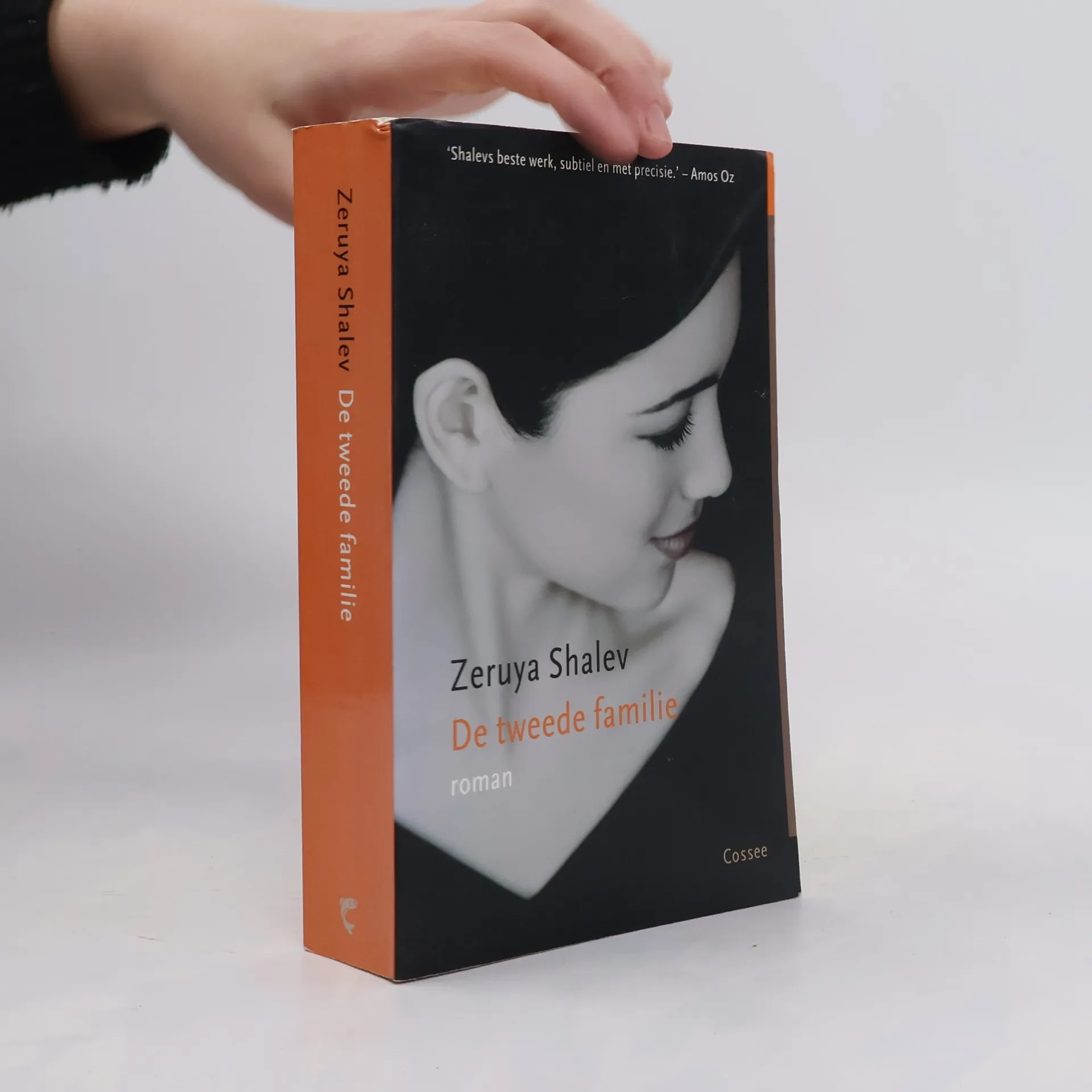
    • De tweede familie

      Roman

      • 429pagine
      • 16 ore di lettura

      Na een mislukt eerste huwelijk probeert een jonge vrouw geborgenheid te vinden in een tweede huwelijk.

      De tweede familie