Joan Tate è stata una prolifica traduttrice, che ha portato le opere di molti importanti autori svedesi e finlandesi di lingua svedese in lingua inglese. I suoi sforzi hanno reso accessibile un ricco arazzo di letteratura nordica a un pubblico anglofono. Tate era nota per la sua capacità di catturare le sfumature e lo stile dei testi originali, guadagnandosi il plauso per il suo approccio preciso e sensibile alla traduzione. La sua eredità risiede nell'ampliare gli orizzonti letterari e nel promuovere la comprensione interculturale attraverso la letteratura.
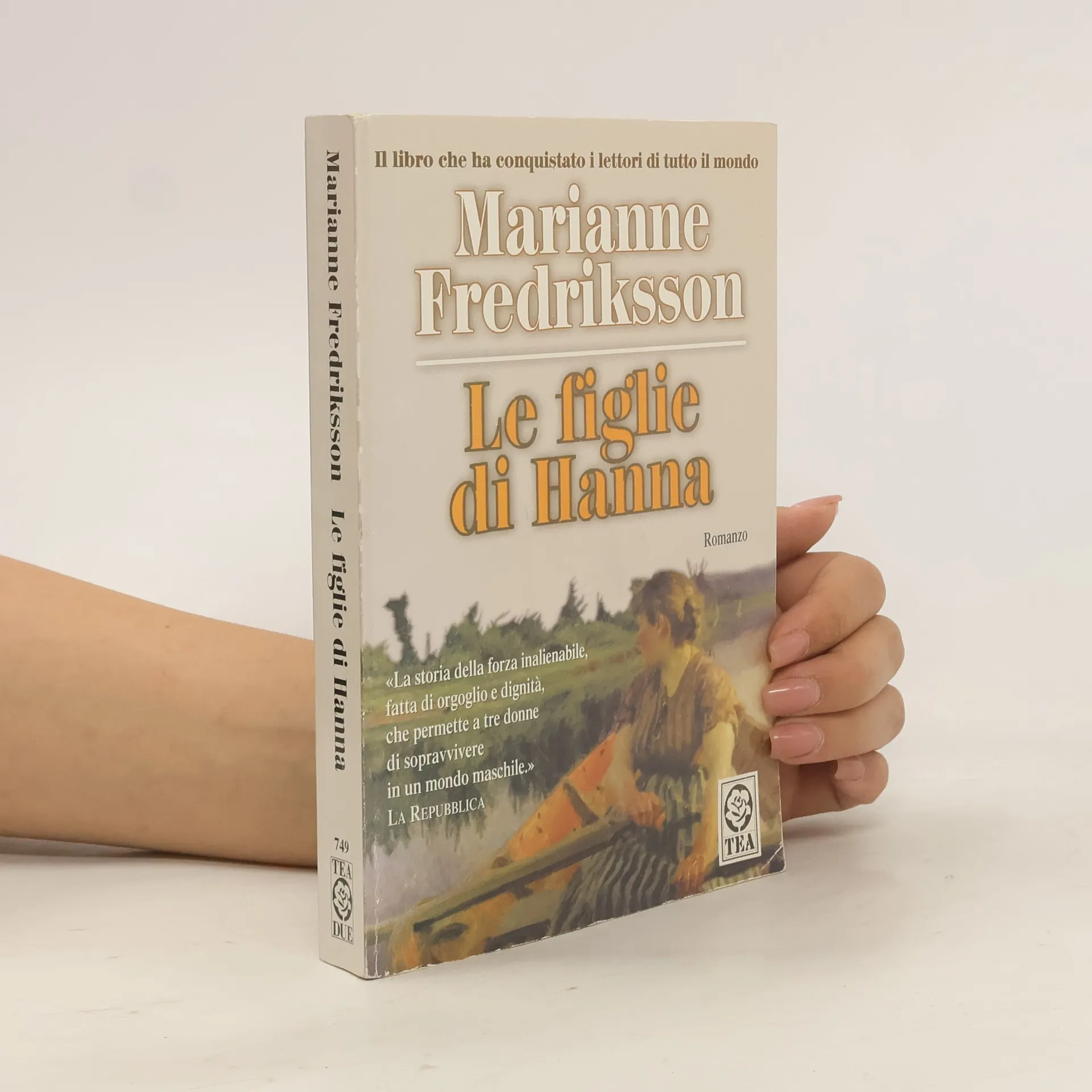
Hanna, Johanna e Anna sono rispettivamente nonna, figlia e nipote. Ma il legame che le unisce è ben più forte di quello del sangue. E' un legame che si riassume in una semplice espressione che racchiude un destino: "essere donna". L'intenso e toccante ritratto di tre donne al centro di una straordinaria narrazione familiare in cui si specchiano cento anni di storia svedese.
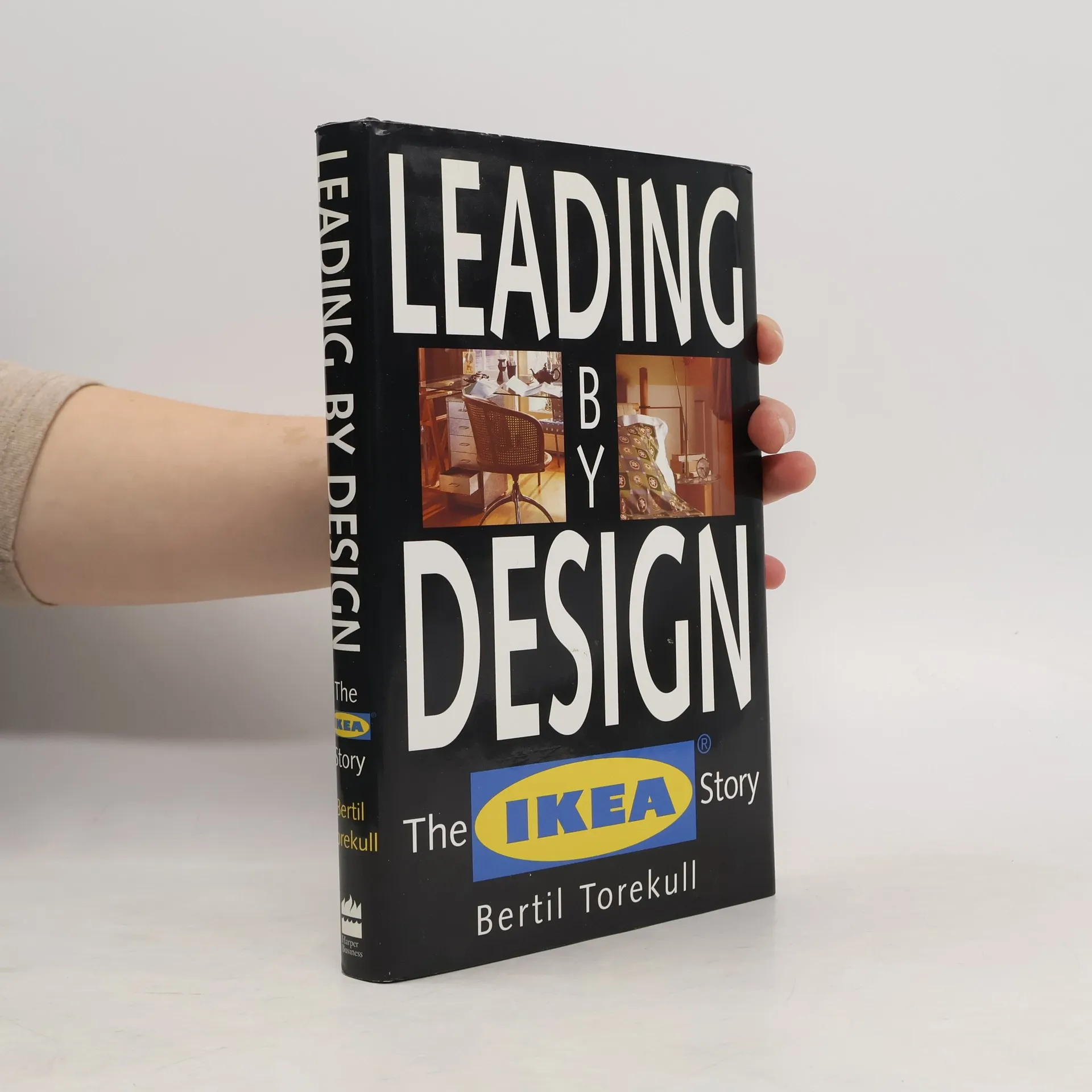
The man who founded Ikea at the age of seventeen in 1943 reveals how he built his business into the largest and most well-known furniture manufacturer in the world.
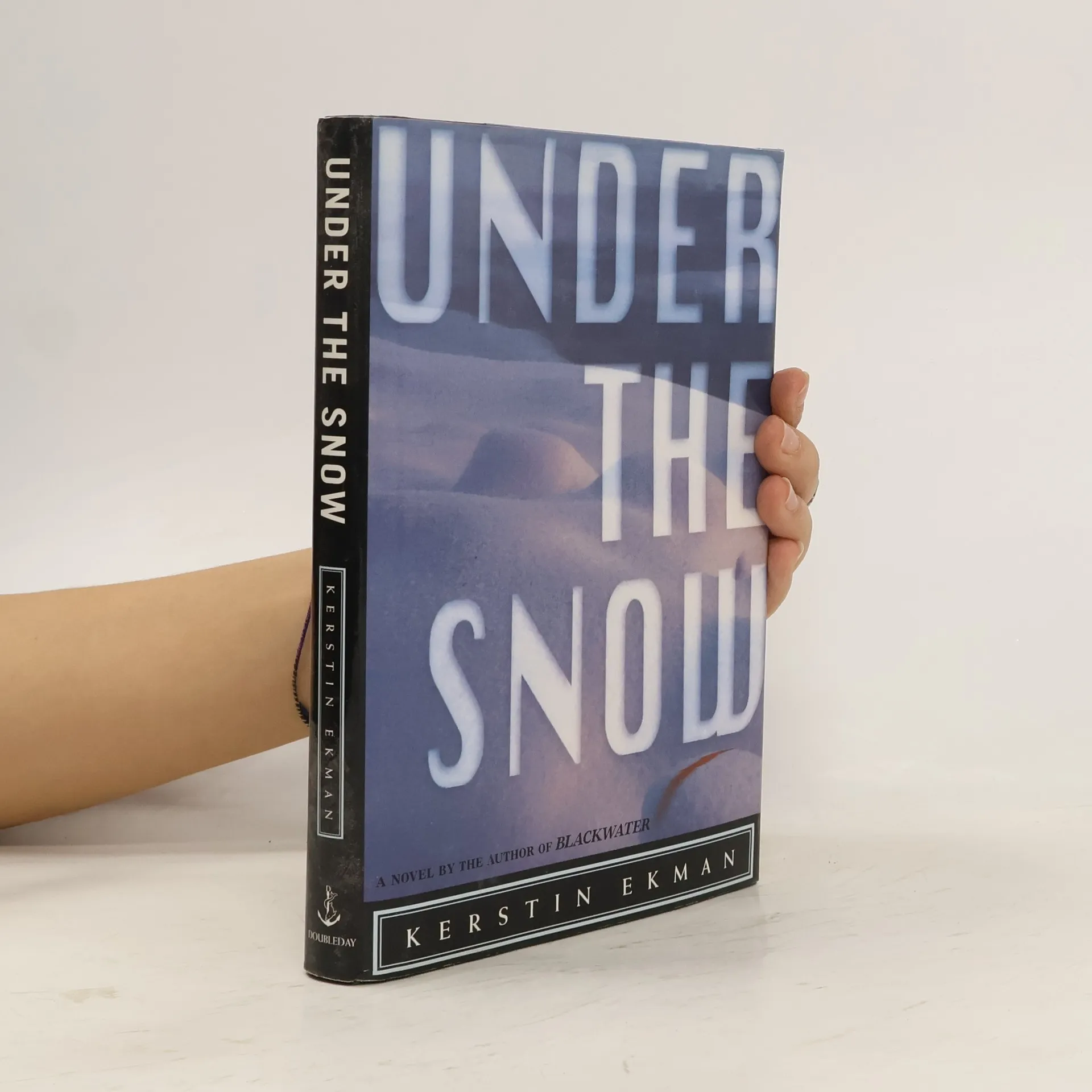
Under the Snow opens with a phone call from an outlying village to police constable Torsson, and the news is of a mah jong party turned sour. A brawl broke out and a man named Matti was accidentally killed. When he questions the villagers, Torsson notices some minor discrepancies in their stories, but writes them off as unimportant. It is not until a few months later that he is forced to reopen the case: David, an eccentric artist and old friend of Matti, has arrived in town for a visit with no knowledge of the death. David has an uneasy feeling about the whole affair, and when he finds Anna Ryd, the town's beautiful English teacher, running away with a bag containing a noose with human hairs on it, he makes it his business to find out what happened. Gradually the facts of the case come to light and dark deeds which were covered up in the snow and darkness of winter are finally brought to light under the relentless summer sun.