

Short stories and other short pieces (including some lovely prose poems) by the late Nobel Prize laureate Alexander Solzhenitsyn. Contents: Matryona's house. For the good of the cause. The Easter procession. Zakhar-the-Pauch. The right hand. An incident at Krechetovka station. Prose poems: Freedom ...
Michael Glenny Ordine dei libri (cronologico)

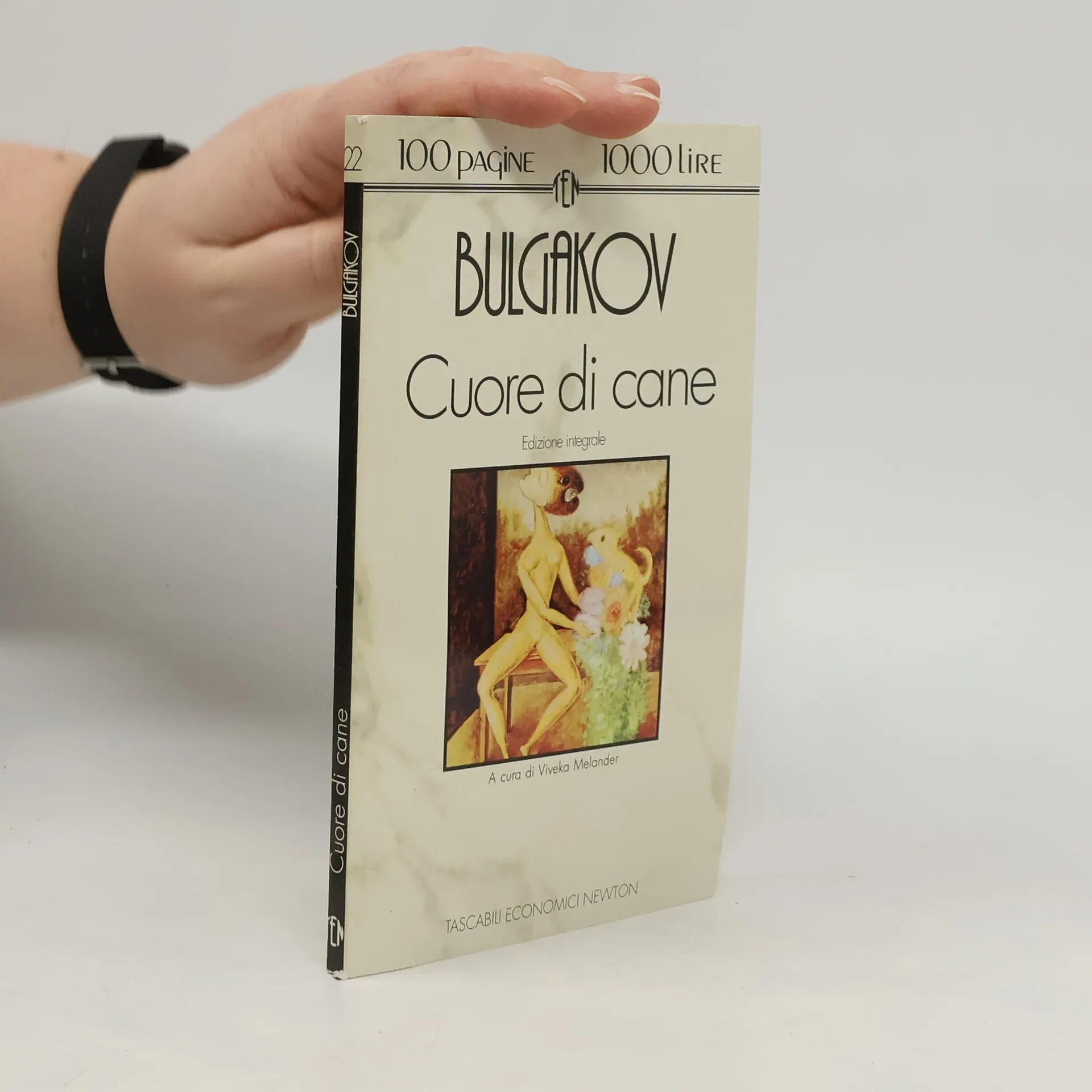

Cuore di cane - Edizione integrale
- 97pagine
- 4 ore di lettura
Sotto il bisturi di uno scienziato, un cane viene trasformato in uomo, ma lo spirito umano, innestatogli grazie al trapianto dell'ipofisi, si abbassa al livello canino: una situazione grottesca, che si snoda tra turpi soliloqui, espressioni gergali, imprecazioni, suoni onomatopeici di estrazione canina, gesti osceni curiosamente frammisti a nuove acquisizioni della semiologia burocratica. Tra la fantascienza e il simbolismo, questo racconto si avvale di una prosa piena, carica, essenziale, tutta animata, tipica di un edificio sostanzialmente drammaturgico, costruito sulla tangibilità delle immagini, sulla immediatezza visiva. E di derivazione teatrale è pure la cura della caratterizzazione a oltranza che, con perfetta, scientifica esattezza, guida la satira di Bulgakov fino a rendere credibile anche l'assurdo.
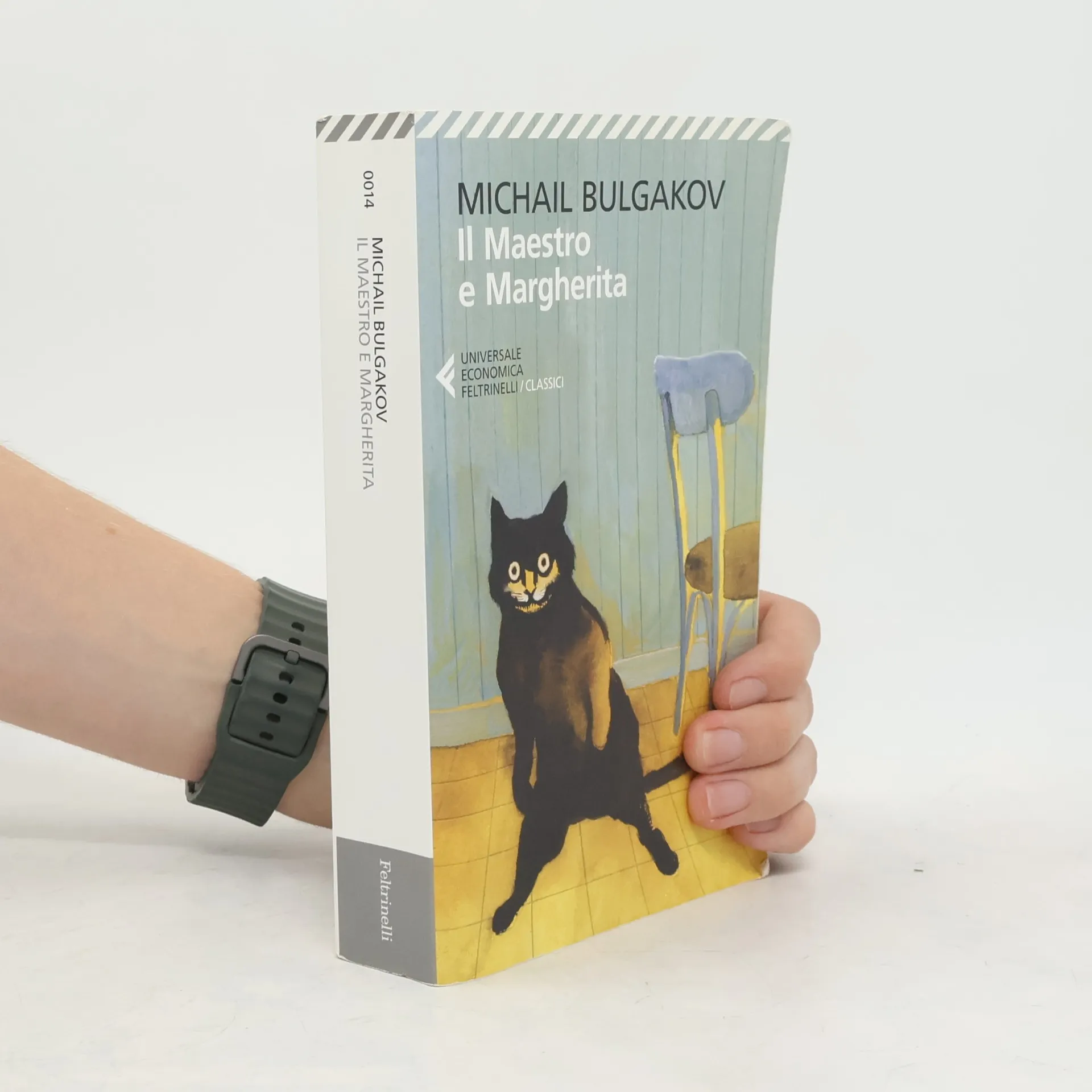
Il Maestro e Margherita
- 552pagine
- 20 ore di lettura
"Il Diavolo è il più appariscente personaggio del grande romanzo postumo di Bulgakov. Appare un mattino dinanzi a due cittadini, uno dei quali sta enumerando le prove dell'inesistenza di Dio. Il neovenuto non è di questo parere. […] Ma c'è ben altro: era anche presente al secondo interrogatorio di Gesù da parte di Ponzio Pilato e ne dà ampia relazione in un capitolo che è forse il più stupefacente del libro. […] Poco dopo, il demonio, in veste del professore di magia nera Woland, si esibisce al Teatro di varietà di fronte a un pubblico enorme. I fatti che accadono sono così fenomenali che alcuni spettatori devono essere ricoverati in una clinica psichiatrica. […] Un romanzo-poema o, se volete, uno show in cui intervengono numerosissimi personaggi, un libro in cui un realismo quasi crudele si fonde o si mescola col più alto dei possibili temi: quello della Passione, non poteva essere concepito e svolto che da un cervello poeticamente allucinato. È qui che […] Bulgakov si congiunge con la più profonda tradizione letteraria della sua terra: la vena messianica, quella che troviamo in certe figure di Gogol' e di Dostoevskij e in quel pazzo di Dio che è il quasi immancabile comprimario di ogni grande melodramma russo." Eugenio Montale
Faithful Ruslan
- 224pagine
- 8 ore di lettura
Unavailable for twenty years, this harrowing allegory of obedience to authority is esteemed as “one of the defining literary texts of the post-Stalin period.” (The Guardian) Set in a remote Siberian depot immediately following the demolition of one of the gulag’s notorious camps and the emancipation of its prisoners, Faithful Ruslan is an embittered cri de coeur from a writer whose circumstances obliged him to resist the violence of arbitrary power. “Every writer who writes anything in this country is made to feel he has committed a crime,” Georgi Vladimov said. Dissident, he said, is a word that “they force on you.” His mother, a victim of Stalin’s anti-Semitic policy, had been interred for two years in one of the camps from which Vladimov derived the wrenching detail of Faithful Ruslan. The novel circulated in samizdat for more than a decade, often attributed to Solzhenitsyn, before its publication in the West led to Vladimov’s harassment and exile. A starving stray, tortured and abandoned by the godlike “Master” whom he has unconditionally loved, Ruslan and his cadre of fellow guard dogs dutifully wait for the arrival of new prisoners—but the unexpected arrival of a work party provokes a climactic bloodletting. Fashioned from the perceptions of an uncomprehending animal, Vladimov’s insistently ironic indictment of the gulag spirals to encompass all of Man’s inexplicable cruelty.
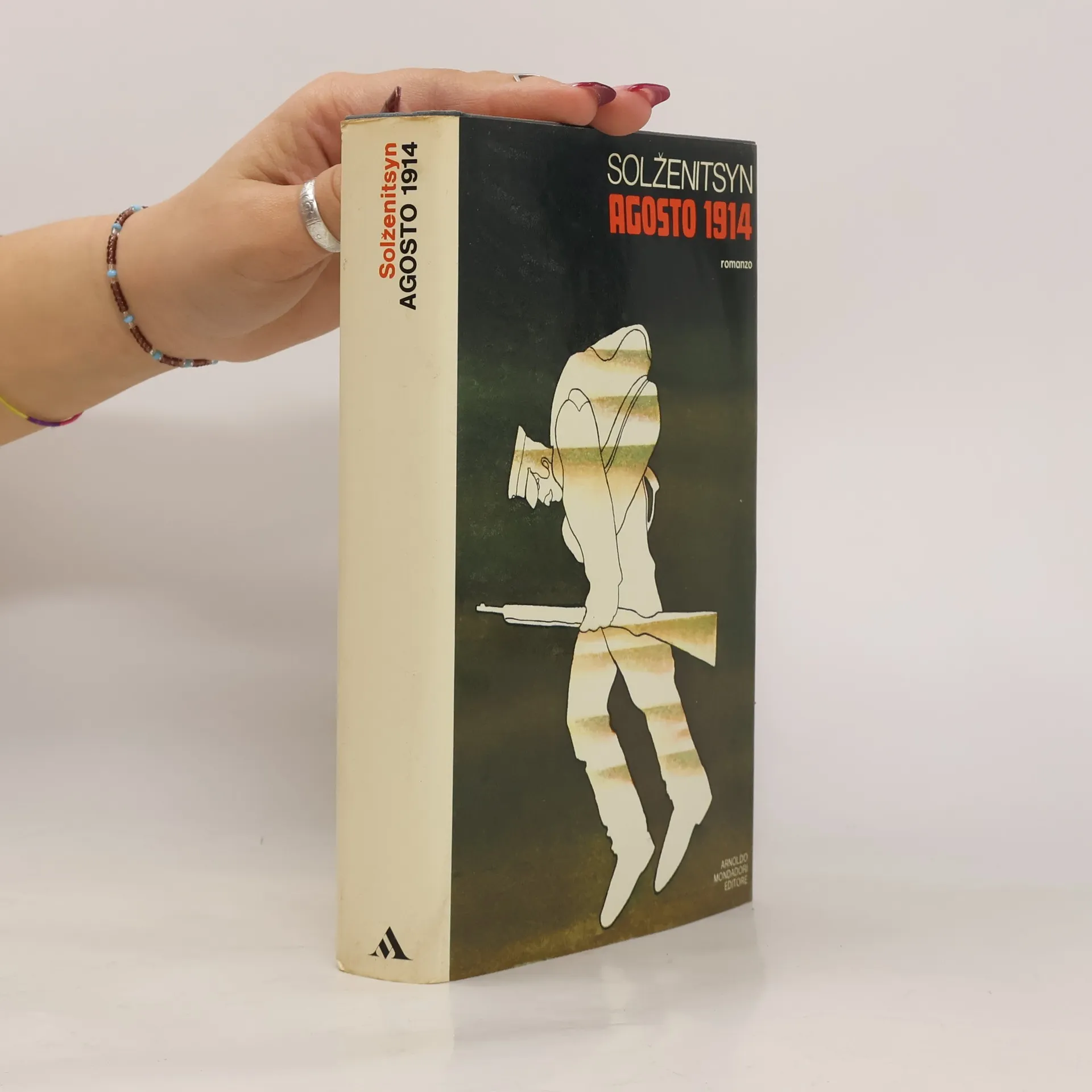
L'opera monumentale del premio Nobel russo descrive l'inizio della Prima Guerra Mondiale e il fallimentare offensiva russa in Prussia Orientale. Aleksandr Solženicyn offre un'interpretazione drammatica e nuova della storia russa. L'assassinio del primo ministro zarista Pyotr Stolypin, un evento cruciale negli anni precedenti alla rivoluzione del 1917, viene ricostruito dalle prospettive distaccate di testimoni storici. Stolypin, l'unica voce di ragione tra i consiglieri dello zar Nicola II, cadde vittima dell'anarchico Mordko Bogrov, e con lui si spense l'ultima speranza di riforma della Russia. Agosto 1914 è il primo volume dell'epopea di Solženicyn, Il Ruota Rossa; il secondo volume è Novembre 1916. Ogni volume si concentra su un momento critico o "nodo" nella storia della rivoluzione russa.
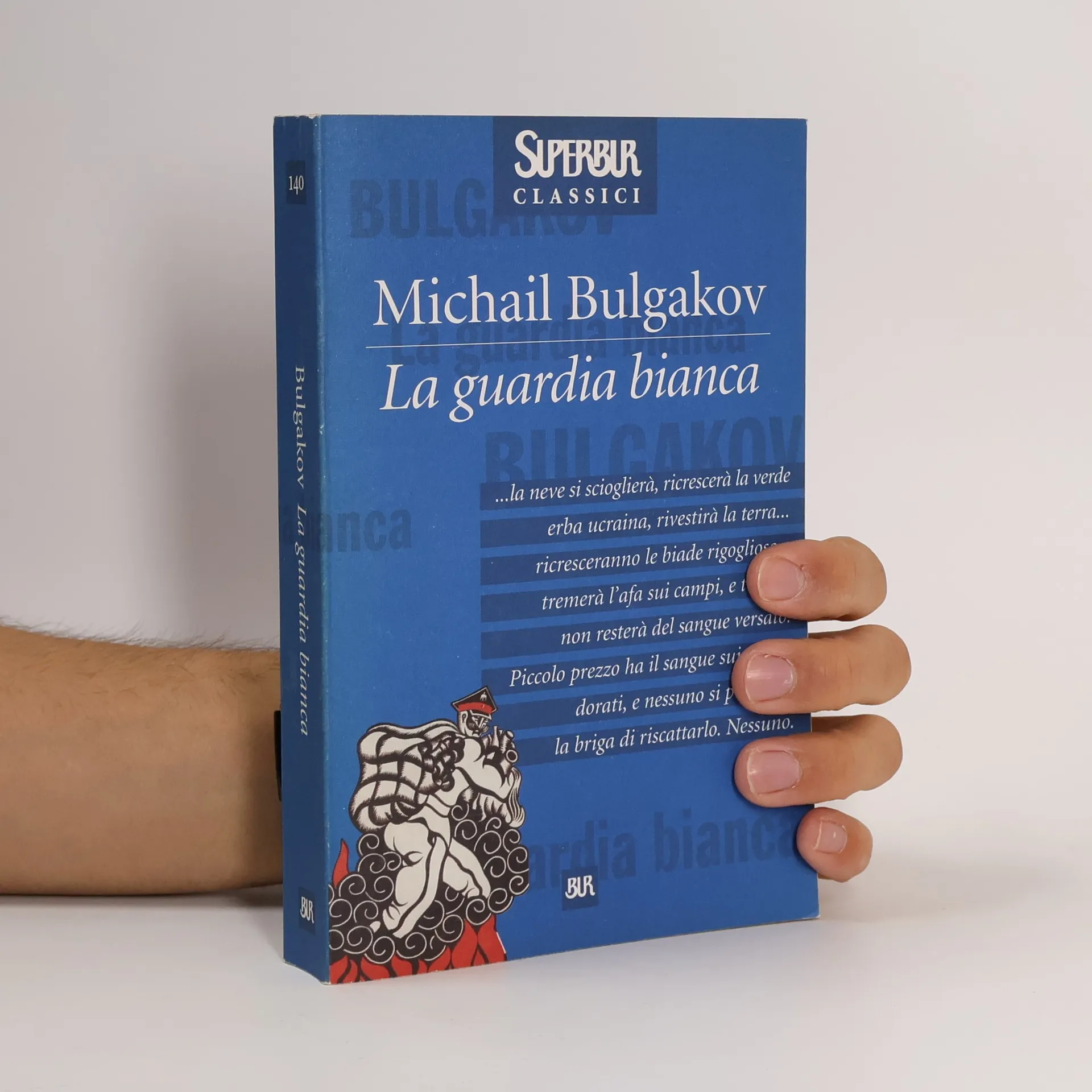
Superbur Classici - 140: La guardia bianca
- 429pagine
- 16 ore di lettura
Bulgakov's elegant first novel, recently reissued by Melville House in the Michael Glenny translation, explores the October Revolution's impact on Kiev, referred to as The City. The narrative unfolds over two pivotal days during the Russian Civil War, December 13 and 14, 1918, as Kiev transitions from the control of Ukrainian Hetman Skoropadsky, a German ally, to the forces of Petlyura, a mysterious Ukrainian nationalist. Petlyura's troops specifically target Russian officers who have supported the corrupt regime. Central to the story is the Turbin family: Alexei, a doctor returning from WWI; his 17-year-old brother Nikolai, a military cadet; and their sister Elena, who inspires Alexei's officer friends. They are accompanied by their comic neighbor, Vasily Lisovich, known as Vasilisa, a character reminiscent of Dostoevsky's creations. The novel showcases Bulgakov's dramatic flair and prose artistry, with elements like Alexei's fever dreams hinting at the surrealism of his later work, The Master and Margarita. The narrative captures the chaos of civil war while reflecting on family loyalty and friendship. Initially published as a magazine serial in 1925, the complete work faced challenges before its eventual release in 1966, while a popular play based on the story ran in Soviet Russia from 1926 to 1941.