Bookbot

August Strindberg

    22 gennaio 1849 – 14 maggio 1912

    Johan August Strindberg, drammaturgo, romanziere e pittore svedese, è riconosciuto come uno dei padri del teatro moderno. La sua opera, che attraversa i principali movimenti letterari del Naturalismo e dell'Espressionismo, continua a risuonare nei lettori sia in Svezia che a livello internazionale. Strindberg si afferma come uno degli autori scandinavi più influenti e rinomati, lasciando un segno indelebile nella letteratura europea.

    August Strindberg
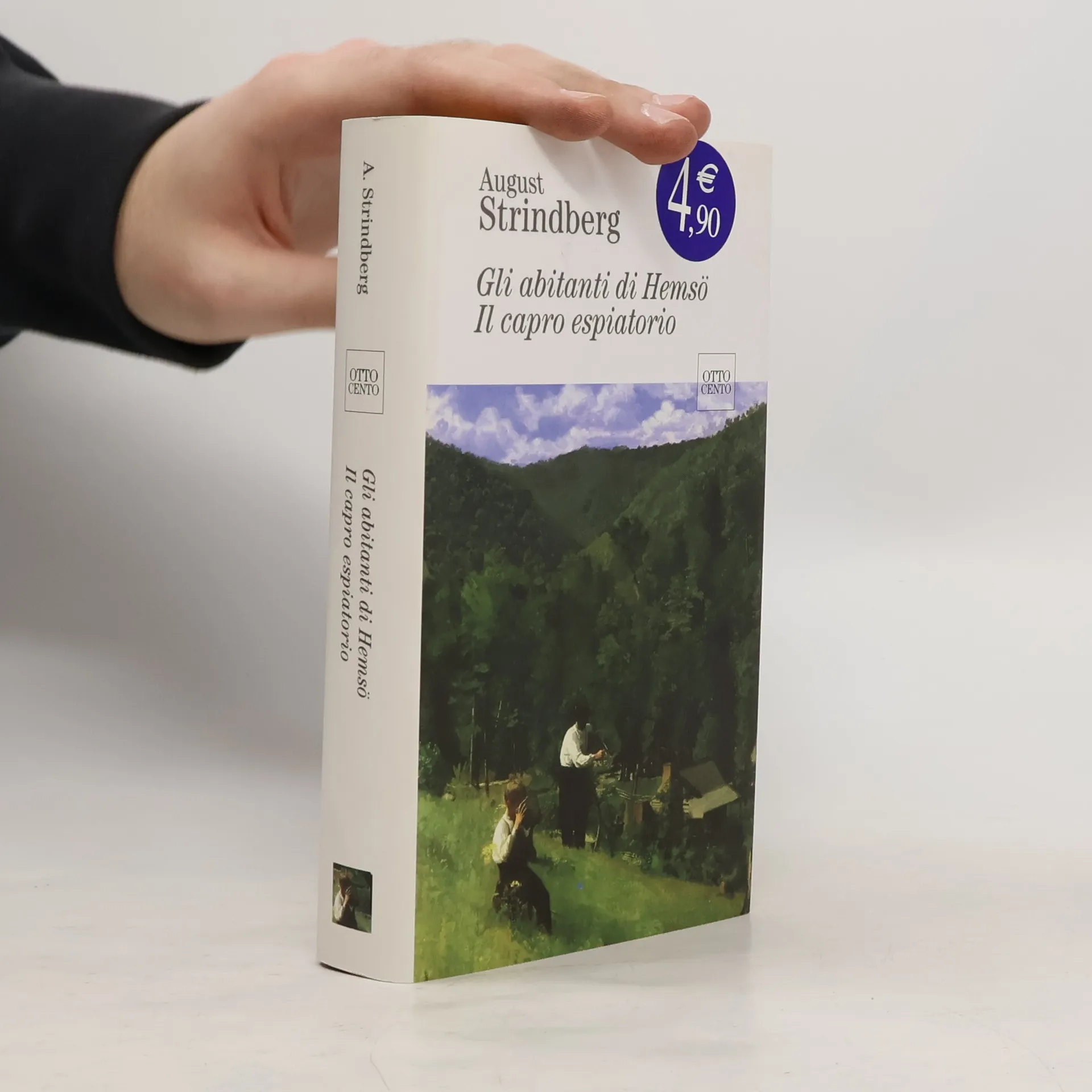
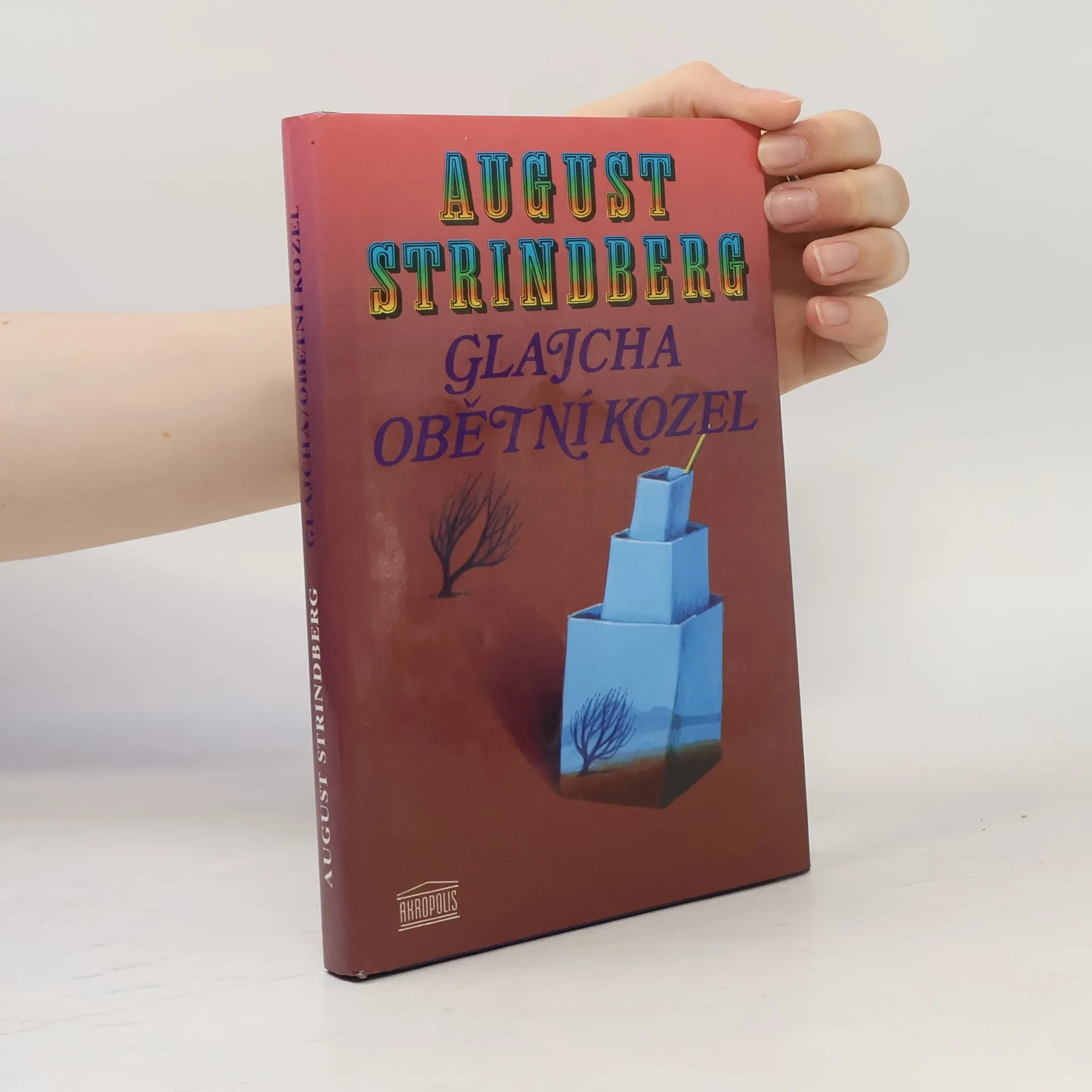
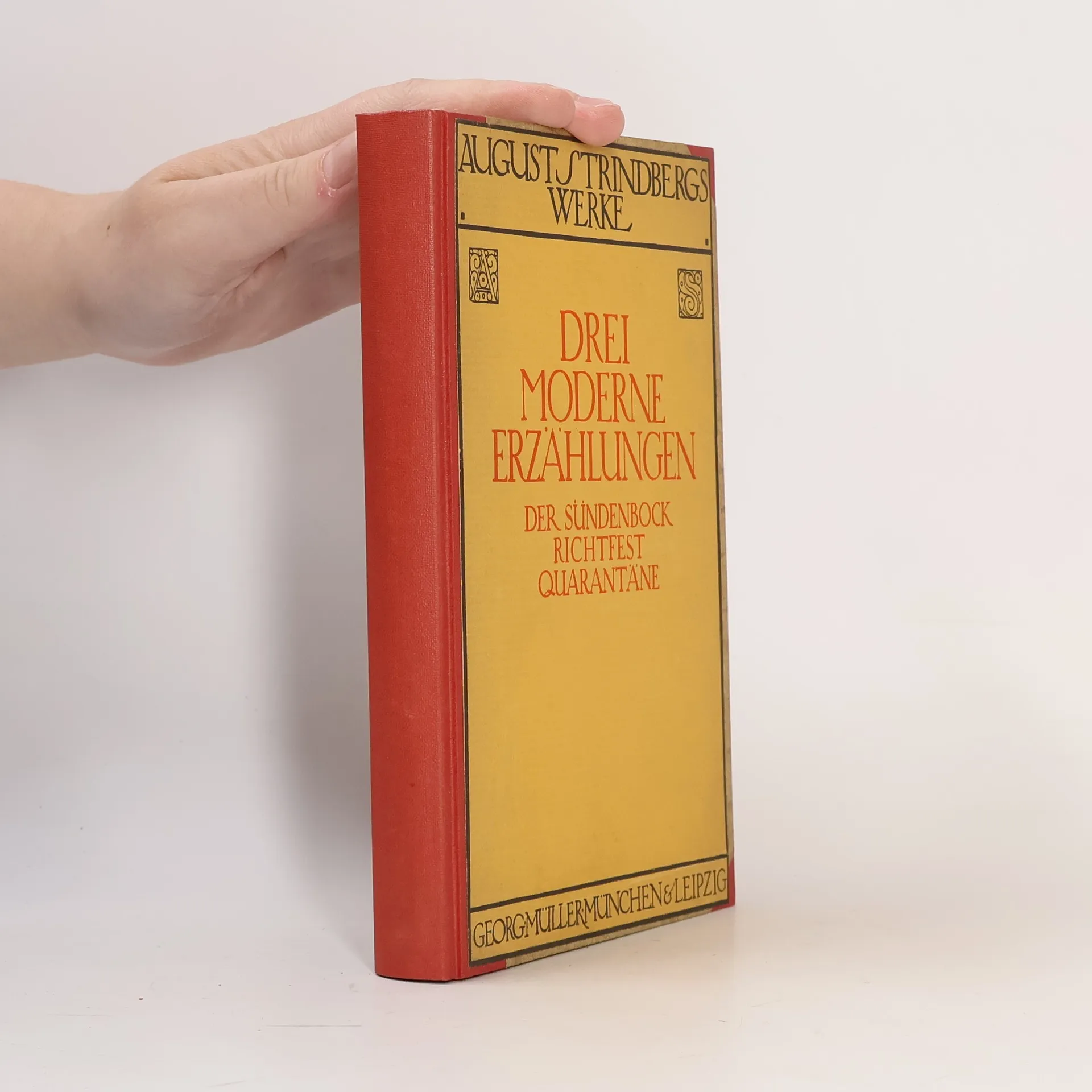
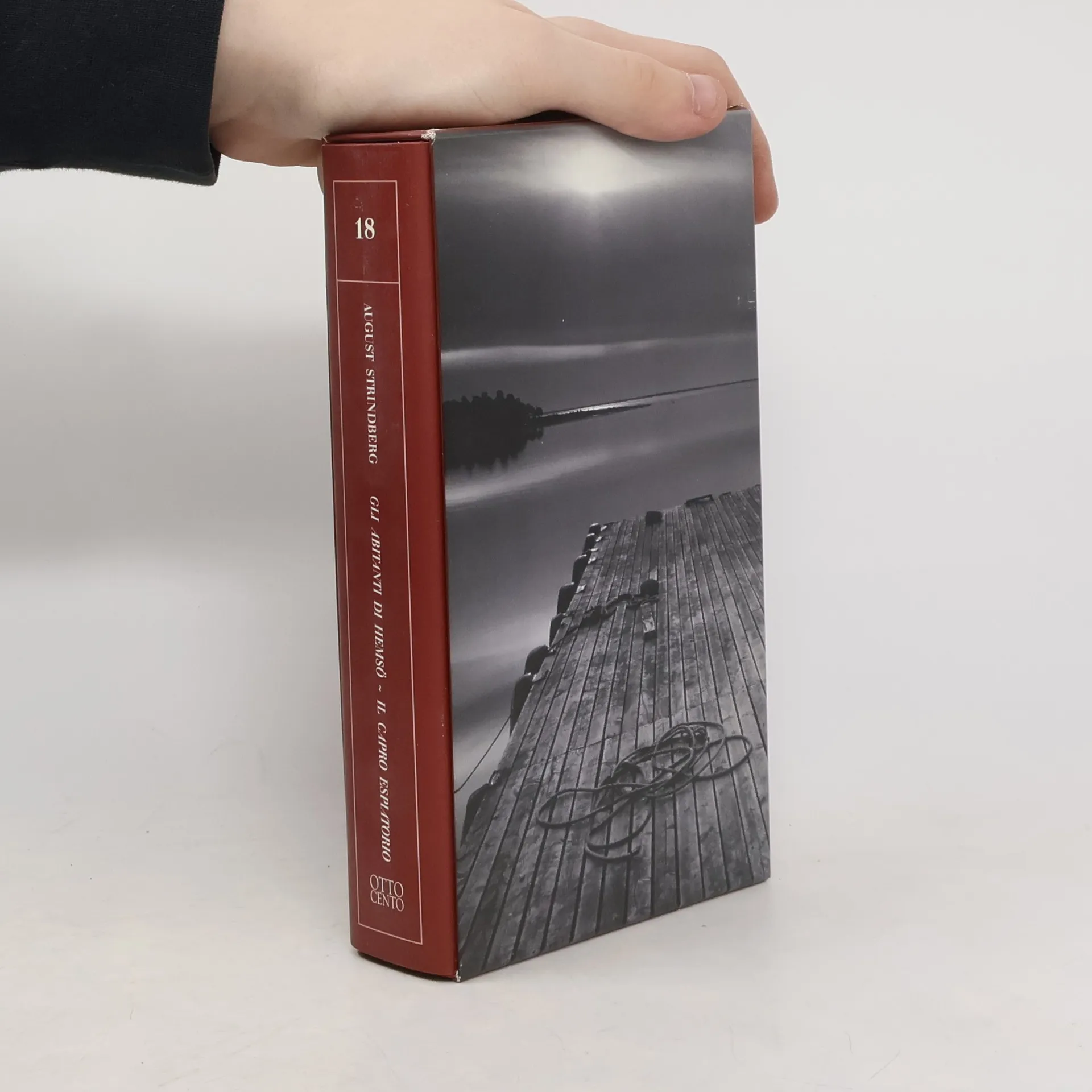
    Glie abitanti di Hemsö. Il capro espiatorio
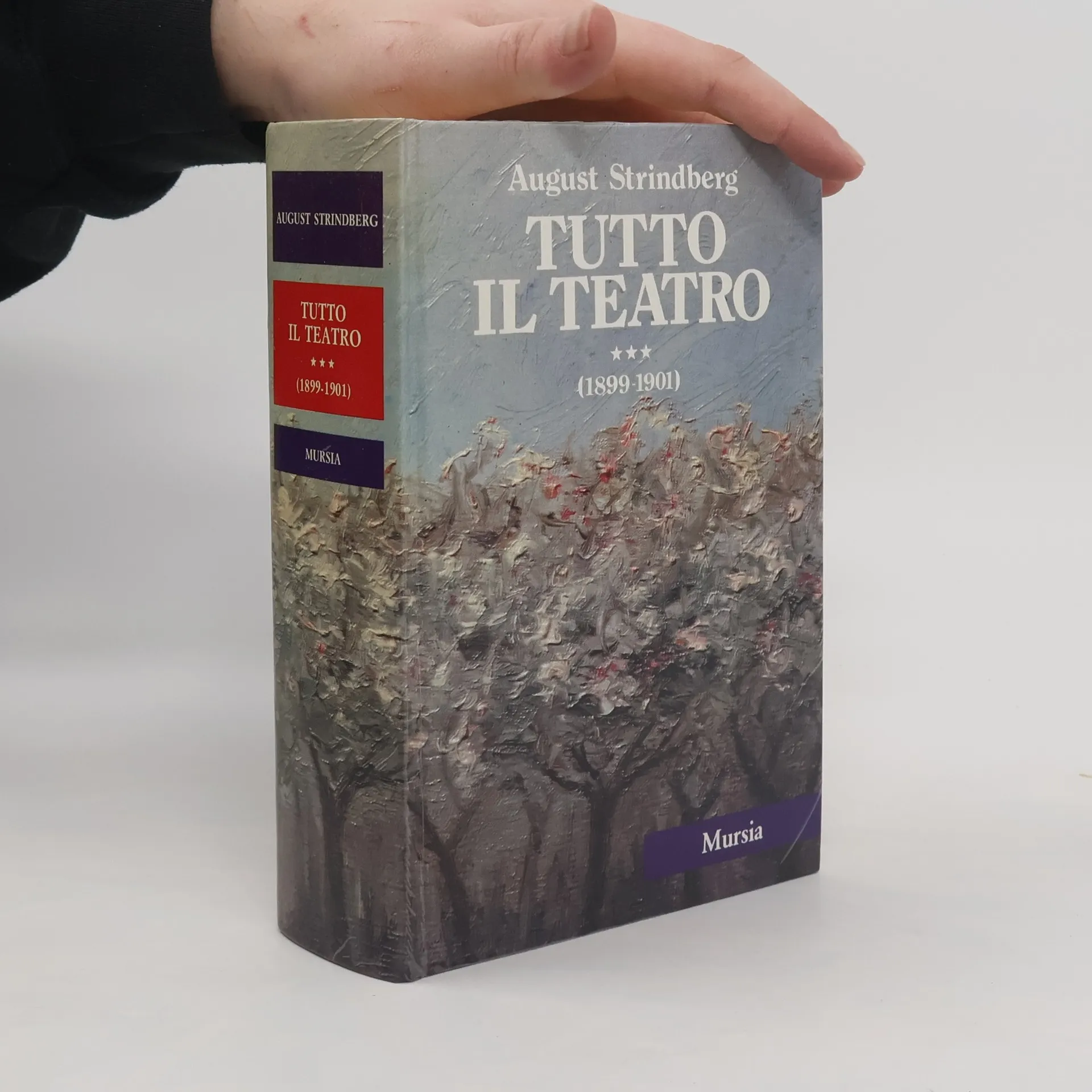
    Tutto il teatro 1899-1901
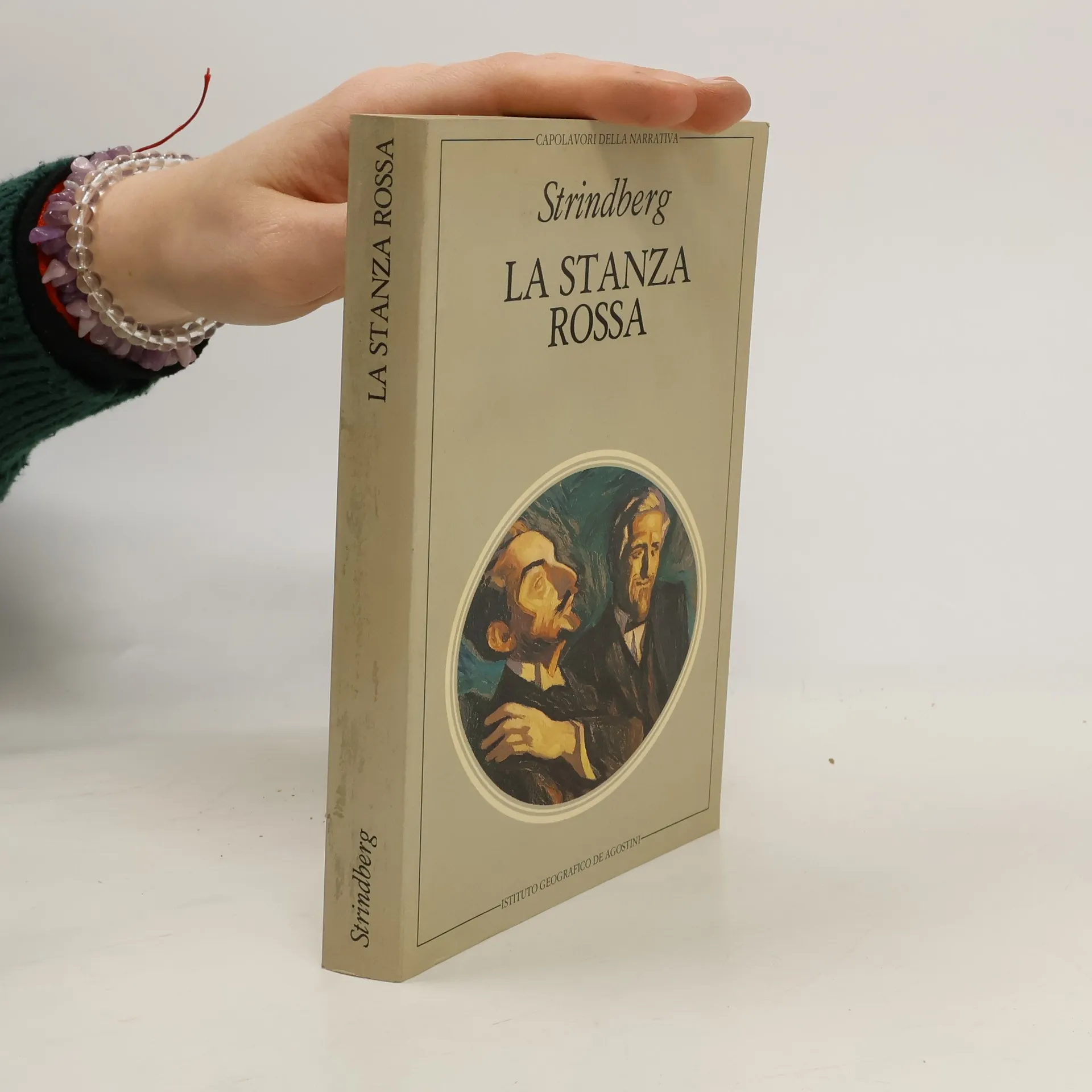
    La stanza rossa
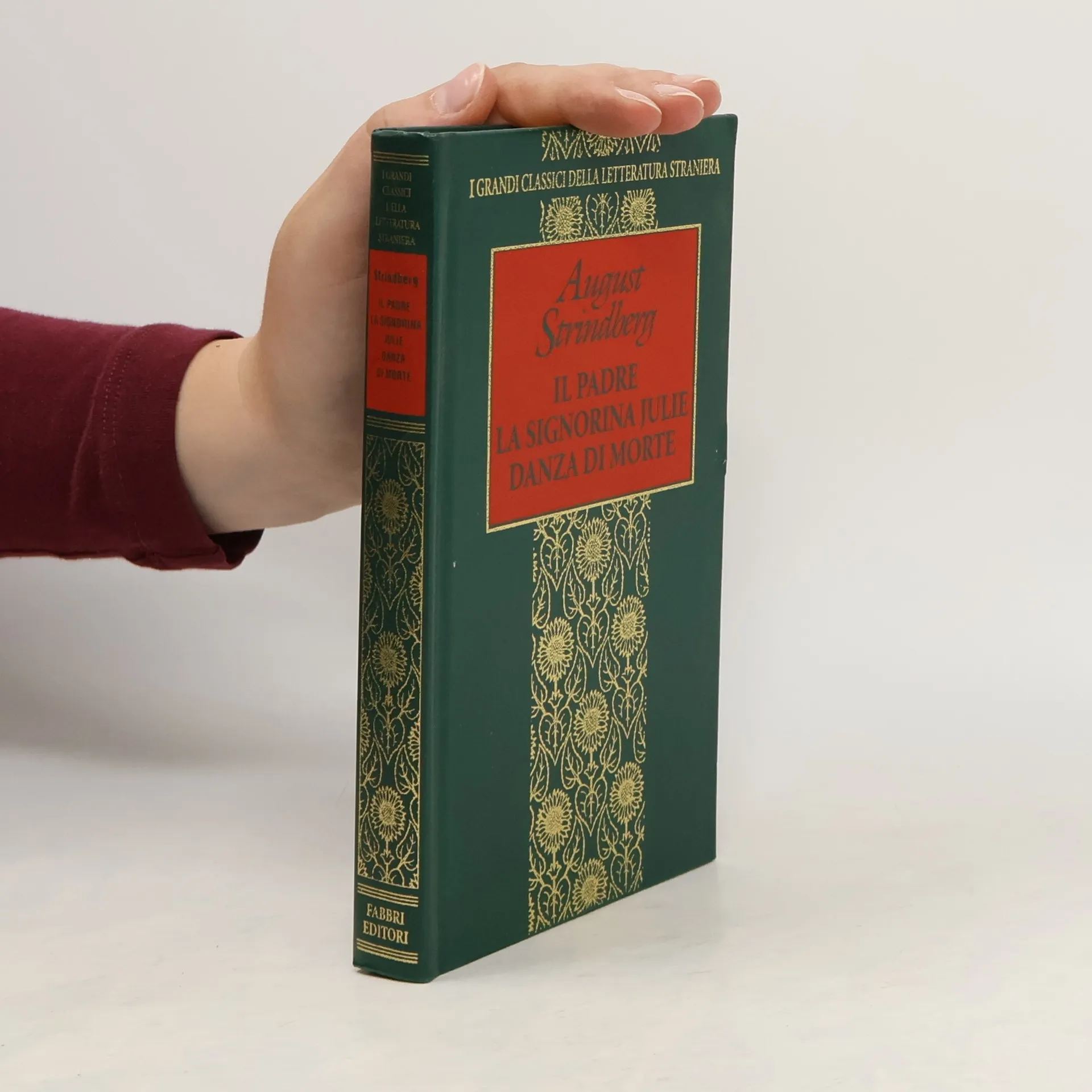
    Il padre. La signorina Julie. Danza di Morte
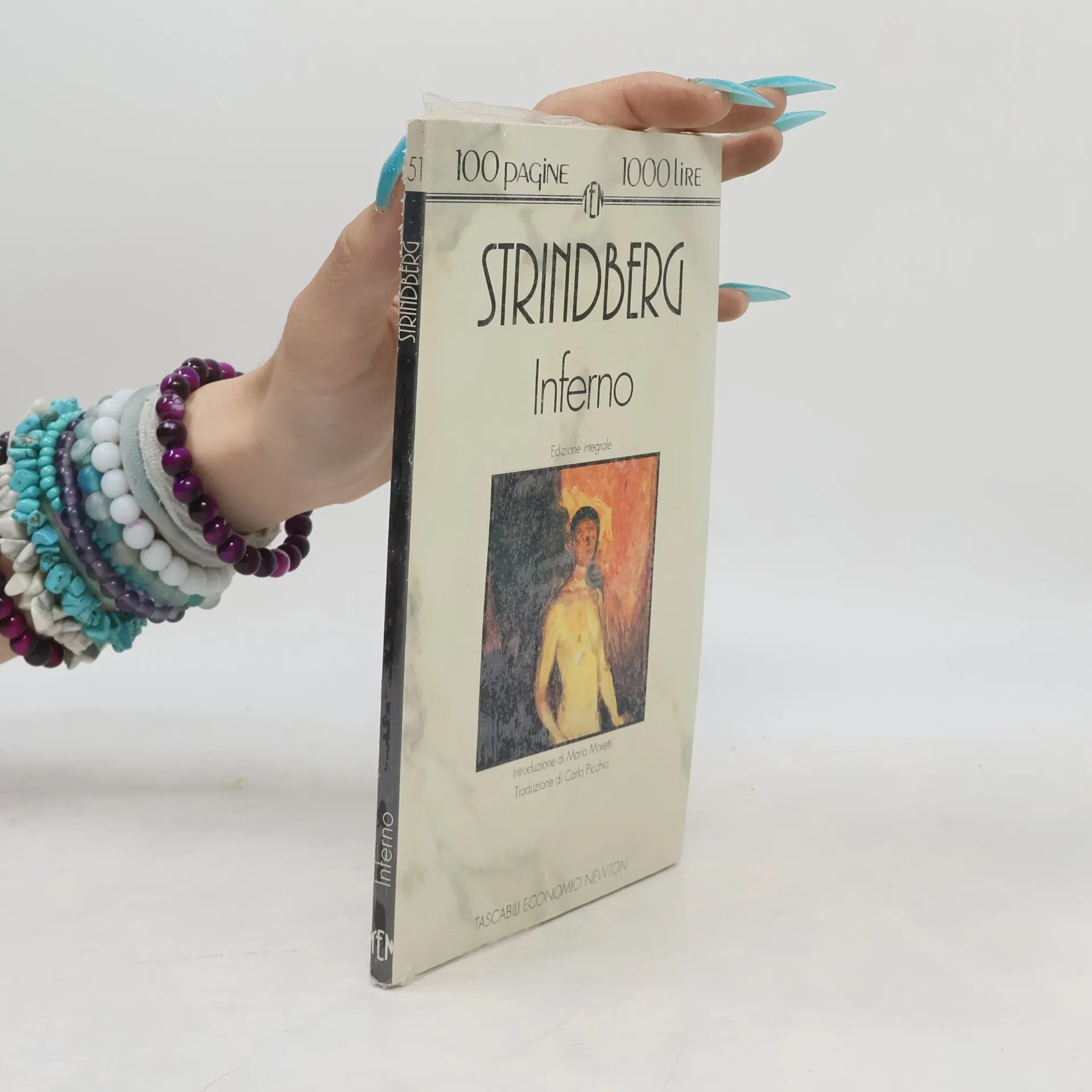
    Inferno
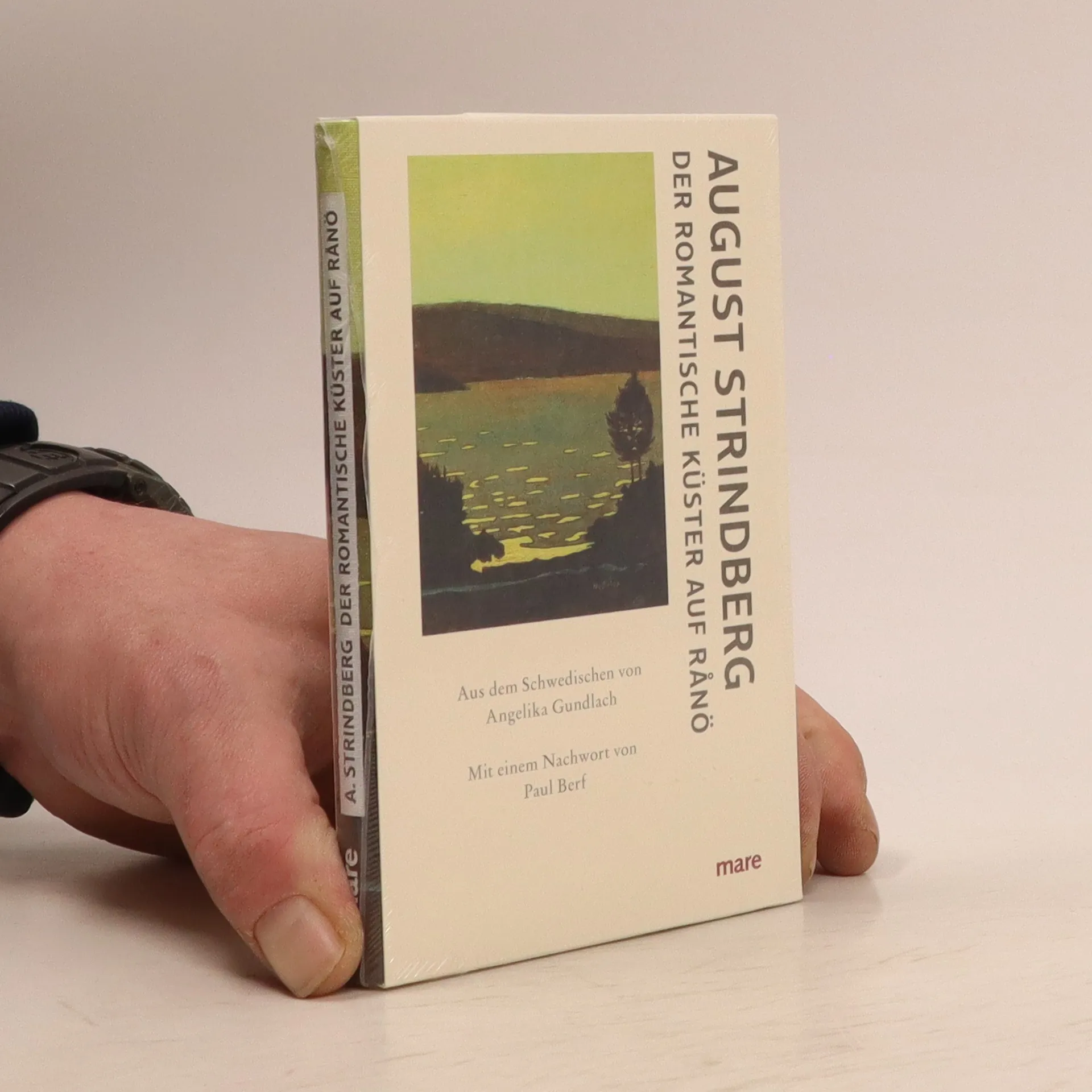
    Gli abitanti di Hemsö - Il capro espiatorio
    • Una natura sconfinata e placida; fiordi che si insinuano in coste verdi e scoscese tempestati di minuscoli pezzetti di terra che affiorano dall’acqua ad incantare l’occhio. Era il paesaggio appena fuori Stoccolma,che affascinò Strindberg, il più grande drammaturgo e romanziere scandinavo. E a quella natura un po’ melanconica egli legò i suoi racconti più belli, abitati da personaggi reali che rappresentavano un naturalismo puro, privo di orpelli, che mostrava ogni particolare. E come pièce pensate per il palcoscenico, i suoi racconti antiborghesi parlavano di condizioni sociali attraverso visioni oniriche e trovate immaginifiche che anticipavano già quella “lanterna magica” che sarebbe stata il cinema. Traduzione di Daniela Marcheschi. Per "Il capro espiatorio" ha collaborato alla traduzione Karin Hellbom. Introduzione di Anna Maria Segala.
      Gli abitanti di Hemsö - Il capro espiatorio
      3,0
    • Composto di getto in meno di due mesi, tra il maggio e il giugno 1897, "Inferno" costituisce insieme il testo più misterioso, più mitico e più ironico di Strindberg. Scritto con l'abituale furia che giunge ad assumere i tratti sperimentali di una scrittura automatica, questo romanzo riflette la situazione di profonda crisi storica che ha segnato la fine dell'Ottocento e soprattutto i drammatici eventi personali dell'autore, il quale, reduce dal fallimento del suo secondo e tempestoso matrimonio, giunse a mettere in crisi tutte le proprie facoltà intellettuali e psichiche, approdando a una condizione di lucida follia: un precipitare in visionarie ossessioni che lo portarono a occuparsi, tra l'altro, di magia e di occultismo.

      Inferno
      3,7
    • Six Plays of Strindberg

      • 304pagine
      • 11 ore di lettura

      August Strindberg one of the founders of the modern theater, a playwight whom Bernard Shaw considered "the only genuinely Shakespearian modern dramatist" and of whom Sean O'Casey exclaimed, "Strindberg, Strindberg, Strindberg, the greatest of them all."This collection offers the most famous of his plays. It includes three examples of his naturalism -- The Father, 1887; Miss Julie, 1883; The Stronger, 1890 -- two of his expressionism -- A Dream Play, 1902; The Ghost Sonata, 1907 -- and Easter, a play whose interest derives from Its defying either of these categories.On these new translations by Elizabeth Sprigge, whose biography of Strindberg is the standard work on that figure, the American reader will have his first opportunity to know the true genius of the great Swedish playwright, for Miss Sprigge's unique achievement has been to render the original texts into an English that is at once fluent and accurate and to provide plays that capture the full vigor and impact of the original.

      Six Plays of Strindberg
      4,2
    • Miss Julie and the Stronger

      Two Plays

      • 80pagine
      • 3 ore di lettura

      Frank McGuinness offers fresh adaptations of two plays by August Strindberg, showcasing his talent in reinterpreting both a significant piece and a lesser-known work. These new versions aim to capture the essence of Strindberg's themes and characters, bringing renewed life to his dramatic narratives.

      Miss Julie and the Stronger
      3,8
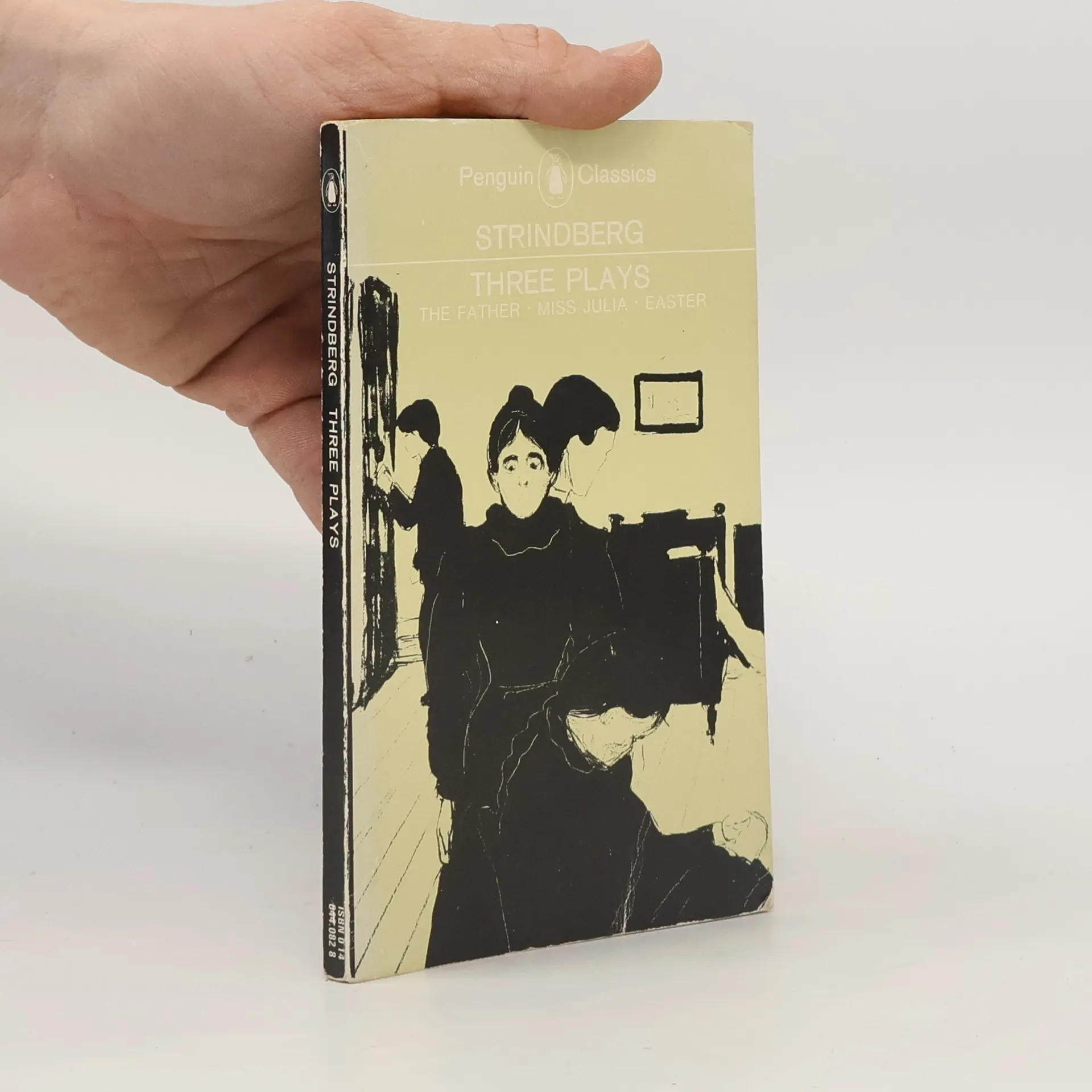
    • Three Plays

      The Father, Miss Julia, Easter

      • 176pagine
      • 7 ore di lettura

      Passionate and powerful, the three plays collected together in this volume represent August Strindburge (1849-1912) at his best, 'The Father', 'Miss Julia', and the more mystical 'Easter.' In all three plays, Strindberg combines acute psychological analysis with total mastery of the power to create unforgettable dramas of human life and love.

      Three Plays
      3,7
    • The People of Hemso

      • 168pagine
      • 6 ore di lettura

      A small island town tries to decipher the motivation behind a man newly hired to work the farm of a wealthy widow.

      The People of Hemso
      3,5