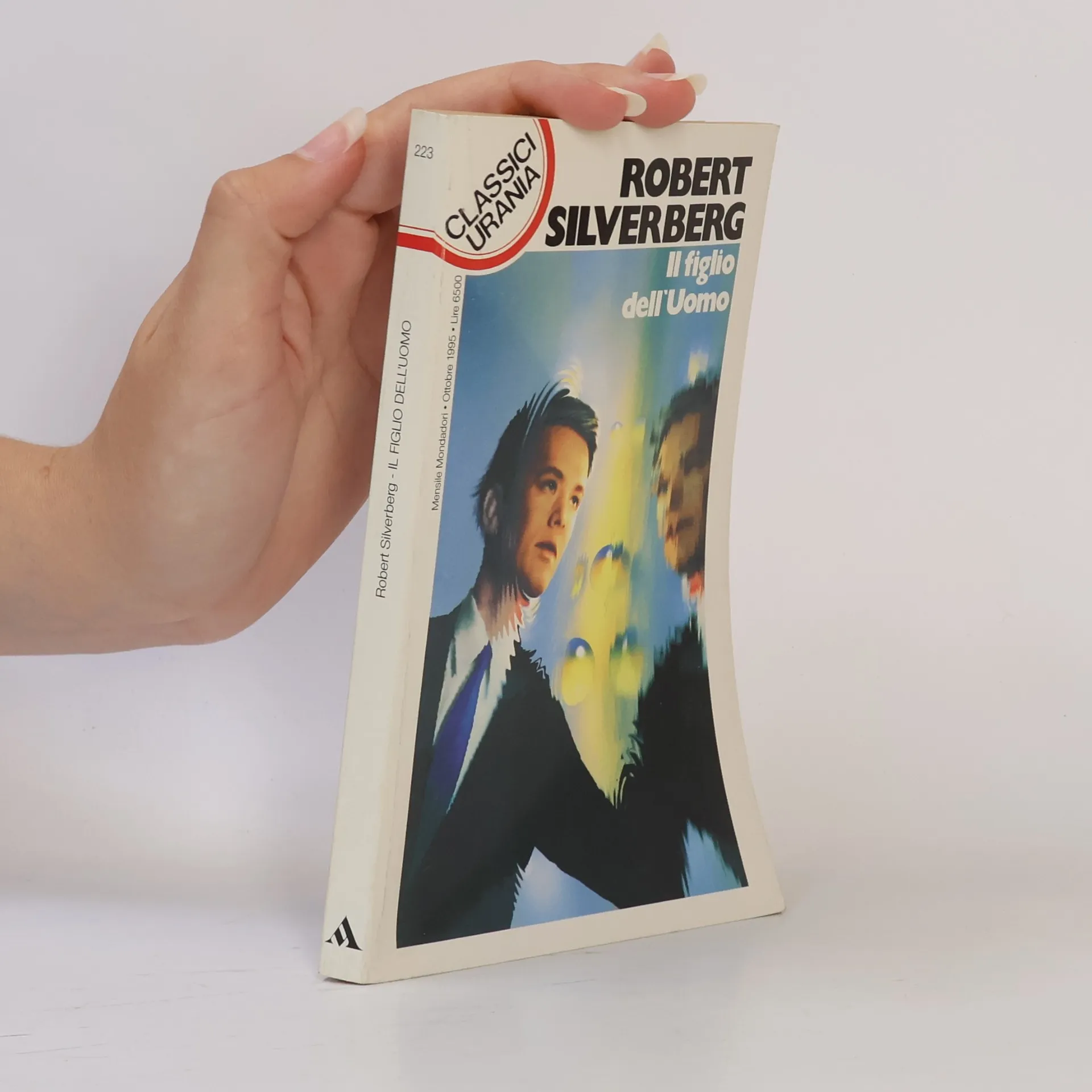
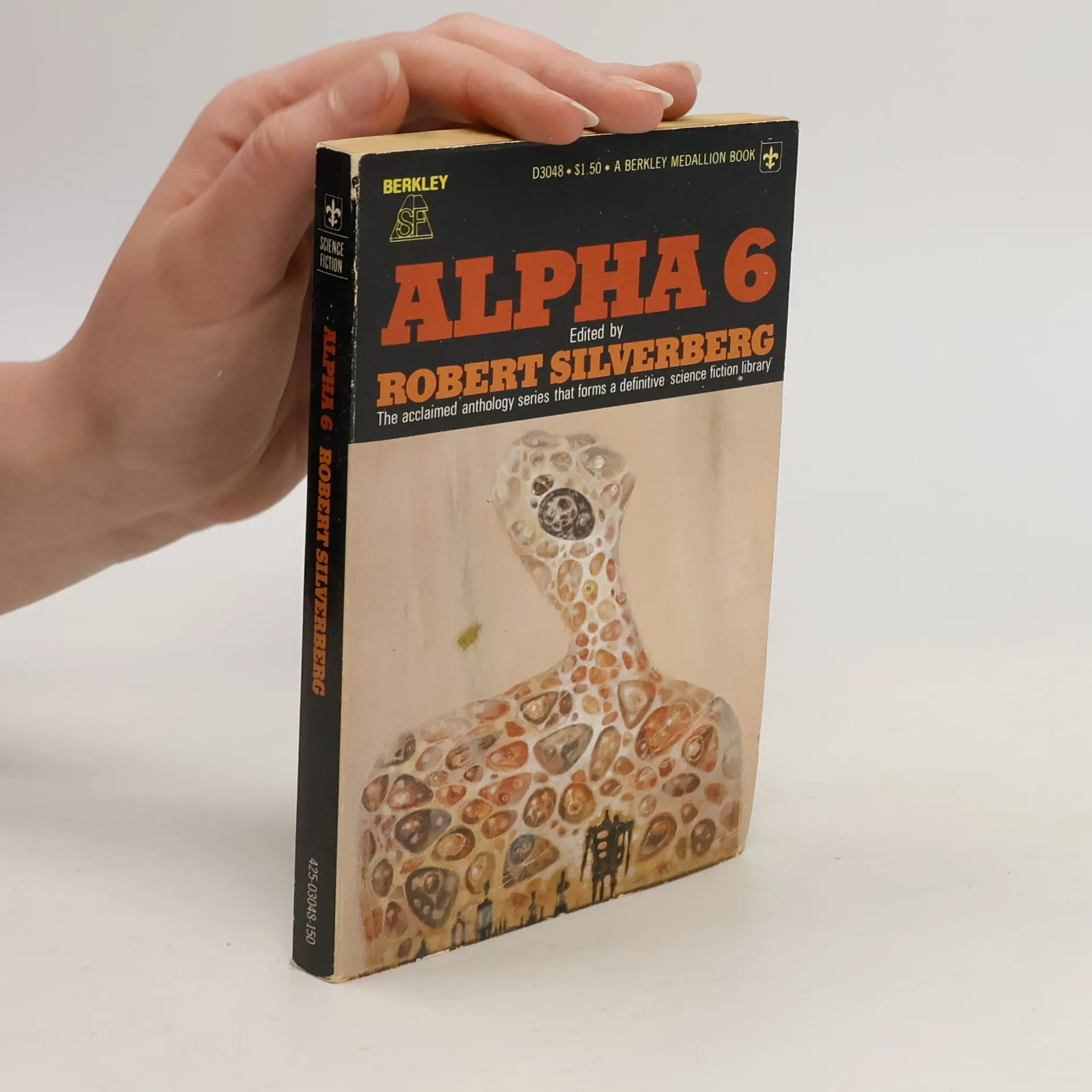
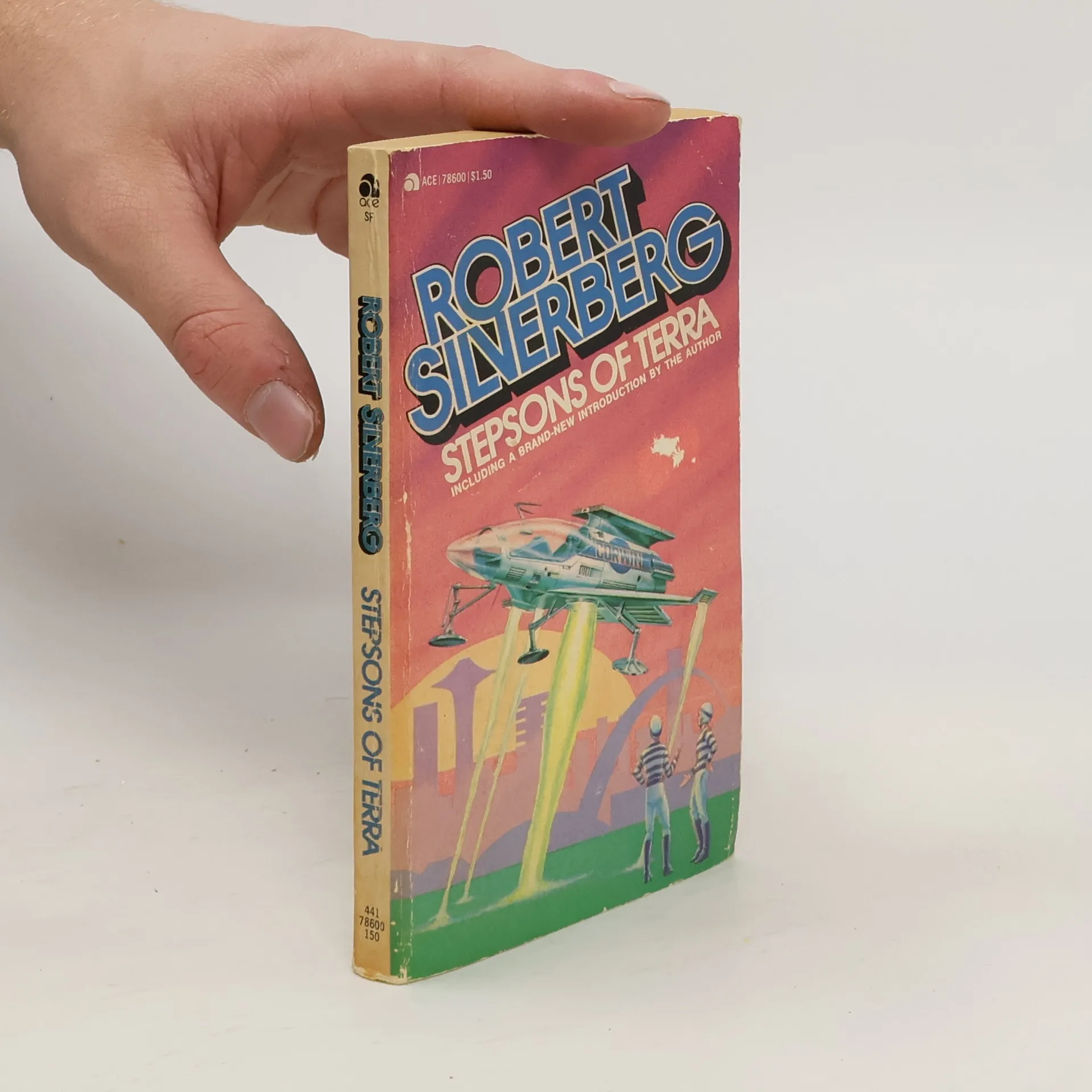
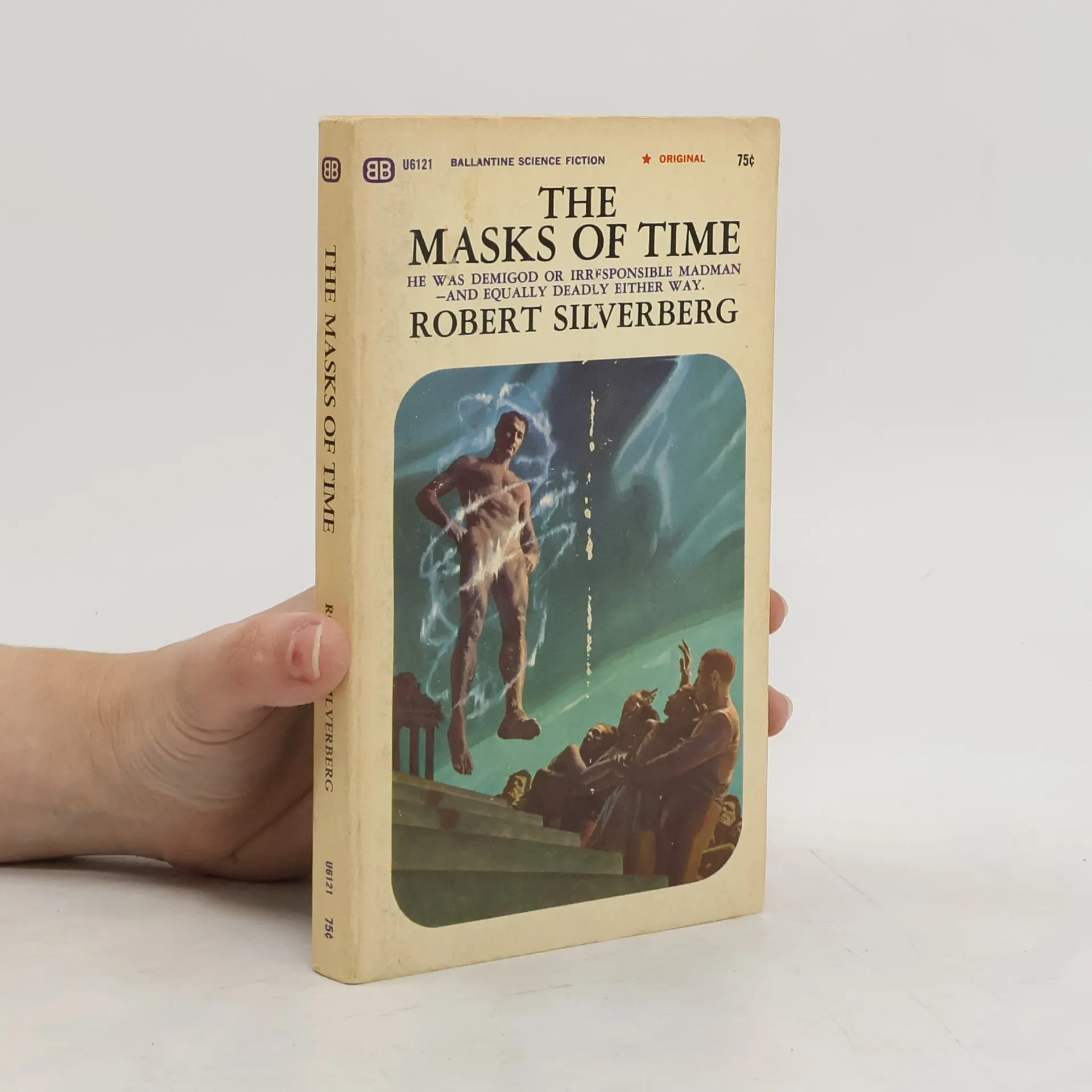
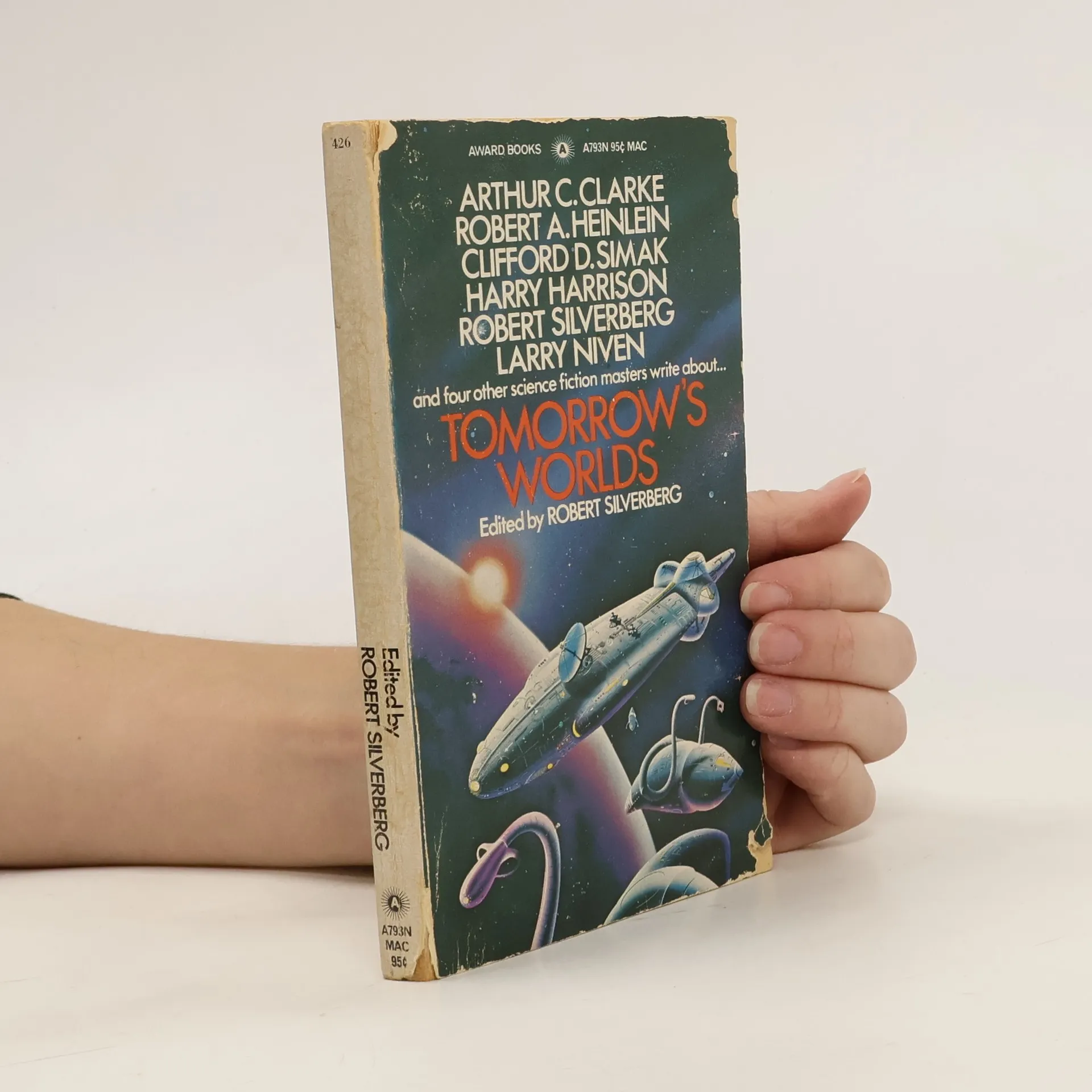
Quando su Kalgash, pianeta costantemente illuminato da sei soli, cala all'improvviso il Buio, i suoi abitanti sono furiosamente assaliti da un'incontenibile follia distruttiva e autodistruttiva. Rimangono ben presto solo radi superstiti, fra cui alcuni pazzi che devastano e uccidono per fame o per divertimento e pochi gruppi organizzati in lotta per la conquista del potere. È proprio a uno di questi che si uniscono Theremon e Siferra, rispettivamente un giornalista e un'archeologa, i quali, addentrandosi in scenari sconvolti dalla più totale anarchia, incontrano gli adepti di una setta religiosa pronti a ristabilire l'ordine e a fondare una nuova civiltà.
Robert Silverberg Libri
15 gennaio 1935
Ci sono molti autori nel database con questo nome.

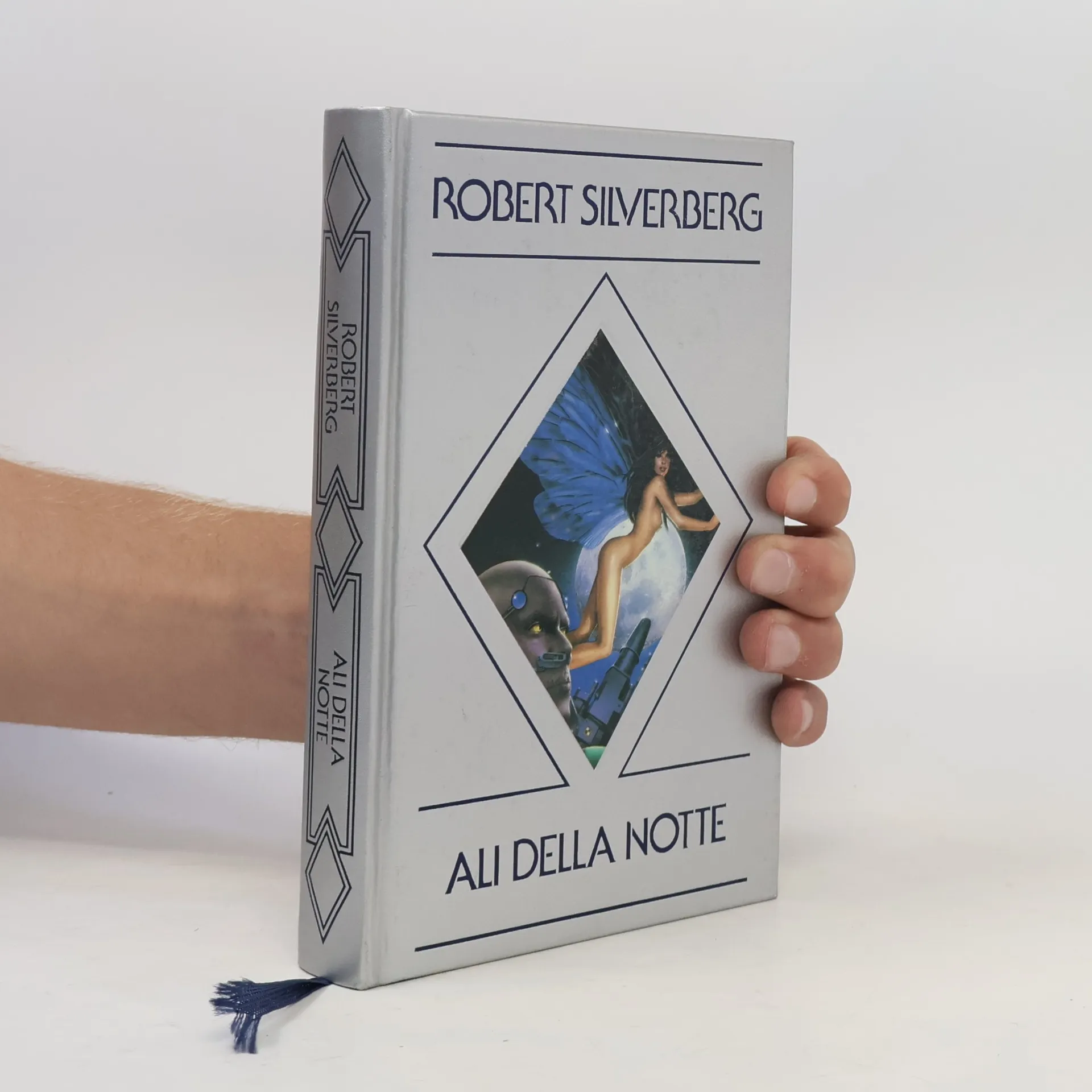
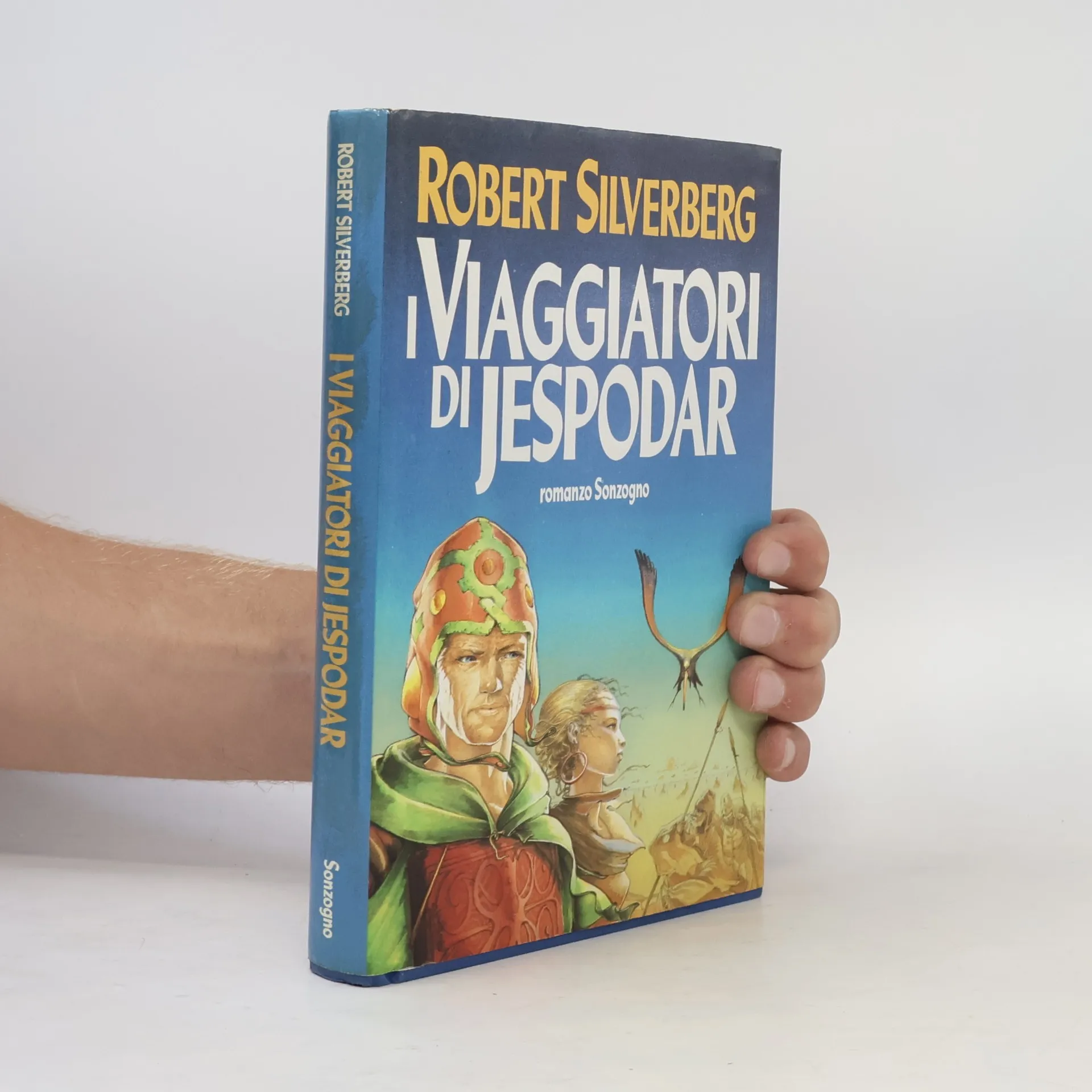
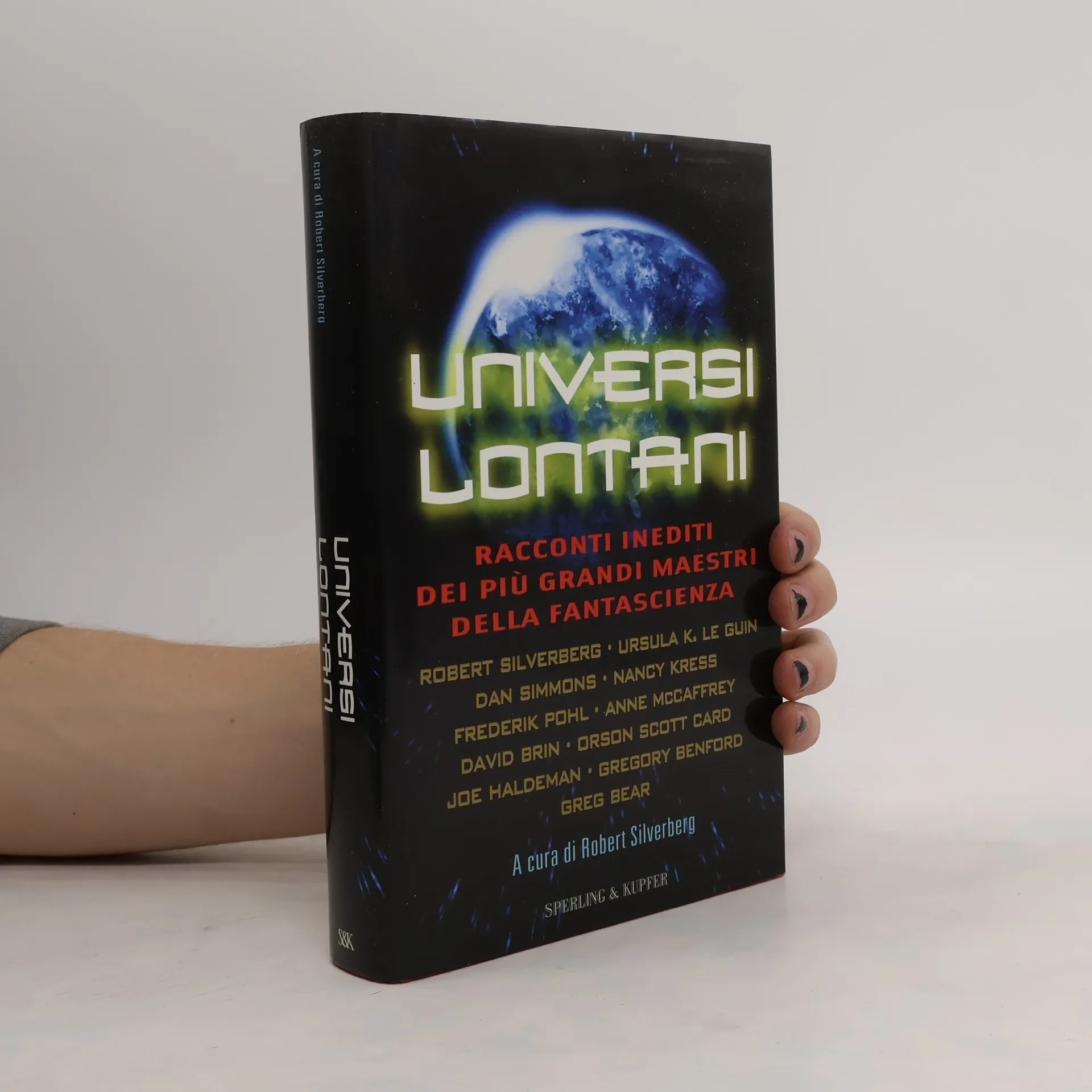
Universi lontani. Racconti inediti dei più grandi maestri della fantascienza
- 475pagine
- 17 ore di lettura
Undici maestri della fantascienza guidati da Robert Silverberg, , ci conducono in altrettanti mondi leggendari; ritornano nei luoghi e nei temi dei loro cicli più famosi aggiungendo delle perle negli universi immaginari più famosi di sempre: Ursula LeGuin nell'Ecumenia (l'Universo de "La Mano Sinistra delle Tenebre"), Haldeman e La Guerra Eterna, O.S.Card e Ender, David Brin torna nei mondi di Uplift, Silverberg e Roma Eterna (un mondo alternativo dove l'Impero Romano non è caduto sotto le scorrerie barbariche), Dan Simmons ed Hyperion, Namcy Kress ed i Non Dormienti "Mendicanti" , F. Pohl e gli Heechee, Il Centro Gallattico di Benford, La Nave che Cantava della McCaffrey (onore alla Grande Signora che ci ha lasciati da poco), La Via di Greg Bear. Un compendio essenziale ai grandi cicli della Fantascienza.
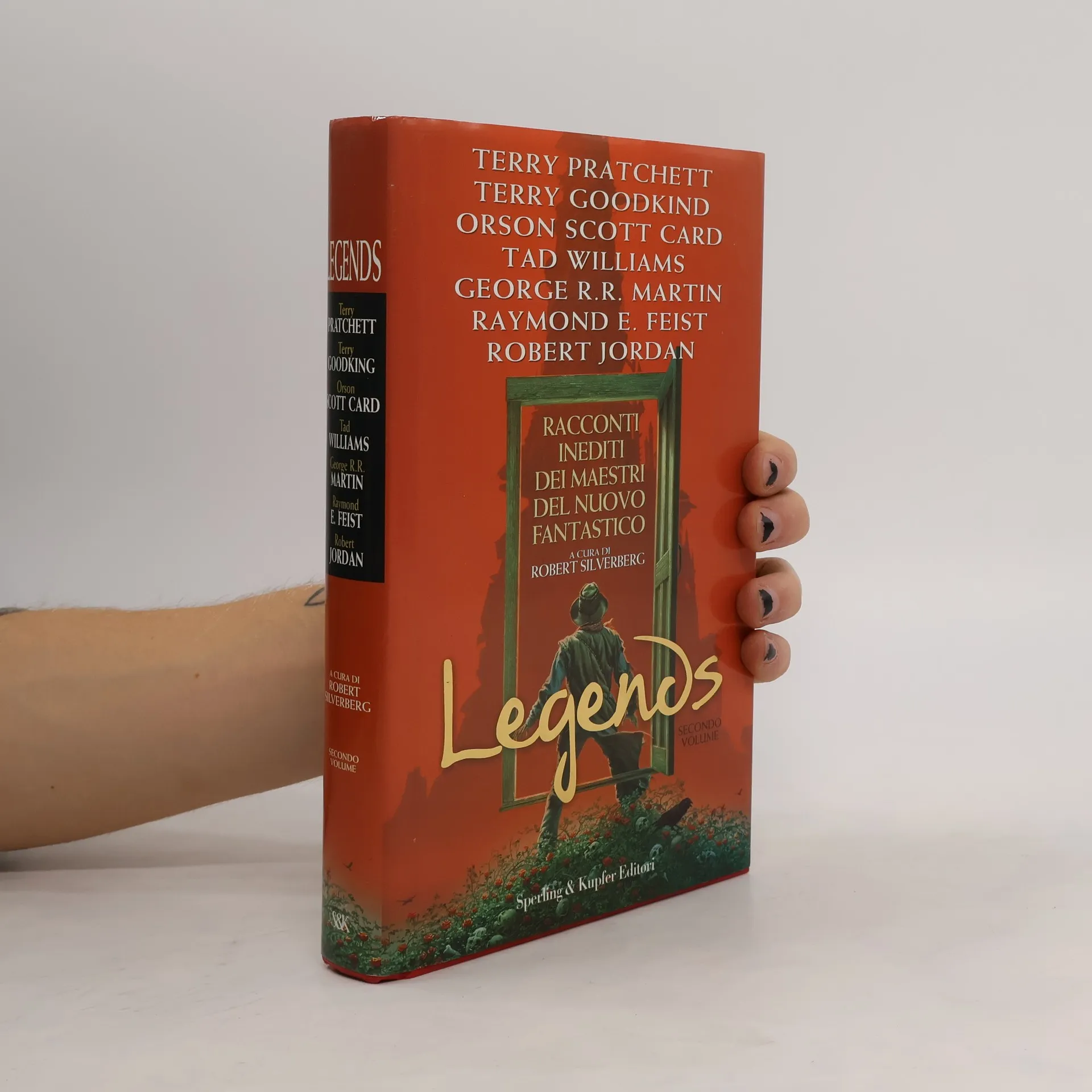
Legends, Vol. 2
- 436pagine
- 16 ore di lettura
I maestri della fantasy ci accompagnano in luoghi dove il confine tra la vitae la morte, il buio e la luce, l'incantesimo e la realtà, la magia e lastregoneria è sottile, indistinto quanto la forza del respiro, con una seriedi racconti che seguono o precedono le opere che li hanno ispirati e ci fannocosì rivivere le emozioni legate alle saghe e alle vicende epiche più famose.
I Viaggiatori di Jespodar
- 334pagine
- 12 ore di lettura
A Jaspodar, villaggio di un mondo extraterrestre, vige la tradizione del Pellegrinaggio: ogni anno, quaranta giovani tentano la scalata a Kosa Saag, immensa montagna sulla cui cima la leggenda vuole si trovi la dimora degli dei.Poilar Crookleg è uno di loro. Dovrà lottare contro creature mai viste, combattere la fatica e la sete, opporsi alle ossessioni e alle ombre che sinascondono al fondo della sua anima. Scoprirà l'odio e l'amore. Soprattuttodovrà rispondere al quesito più importante, cosa lo attende in fondo al cammino? Dove abitano gli dei di Jespodar?
In una sera nell'antica Roma, ora chiamata Roema, il vecchio custode Wuellig svolge il suo turno di guardia. Sostenuto dai suoi sensori elettronici, la sua mente esplora le stelle e scopre l'arrivo della flotta di invasione da tempo prevista, che intende vendicare un antico torto. In una catastrofe notturna travolgente, gli invasori conquistano l'intera Terra. Il compito di Wuellig è compiuto. Intraprende un viaggio di pellegrinaggio, inizialmente per acquisire conoscenza, poi per ringiovanire. Ha davanti a sé un lungo, meraviglioso e talvolta pericoloso cammino... Un sublime romanzo di fantascienza.
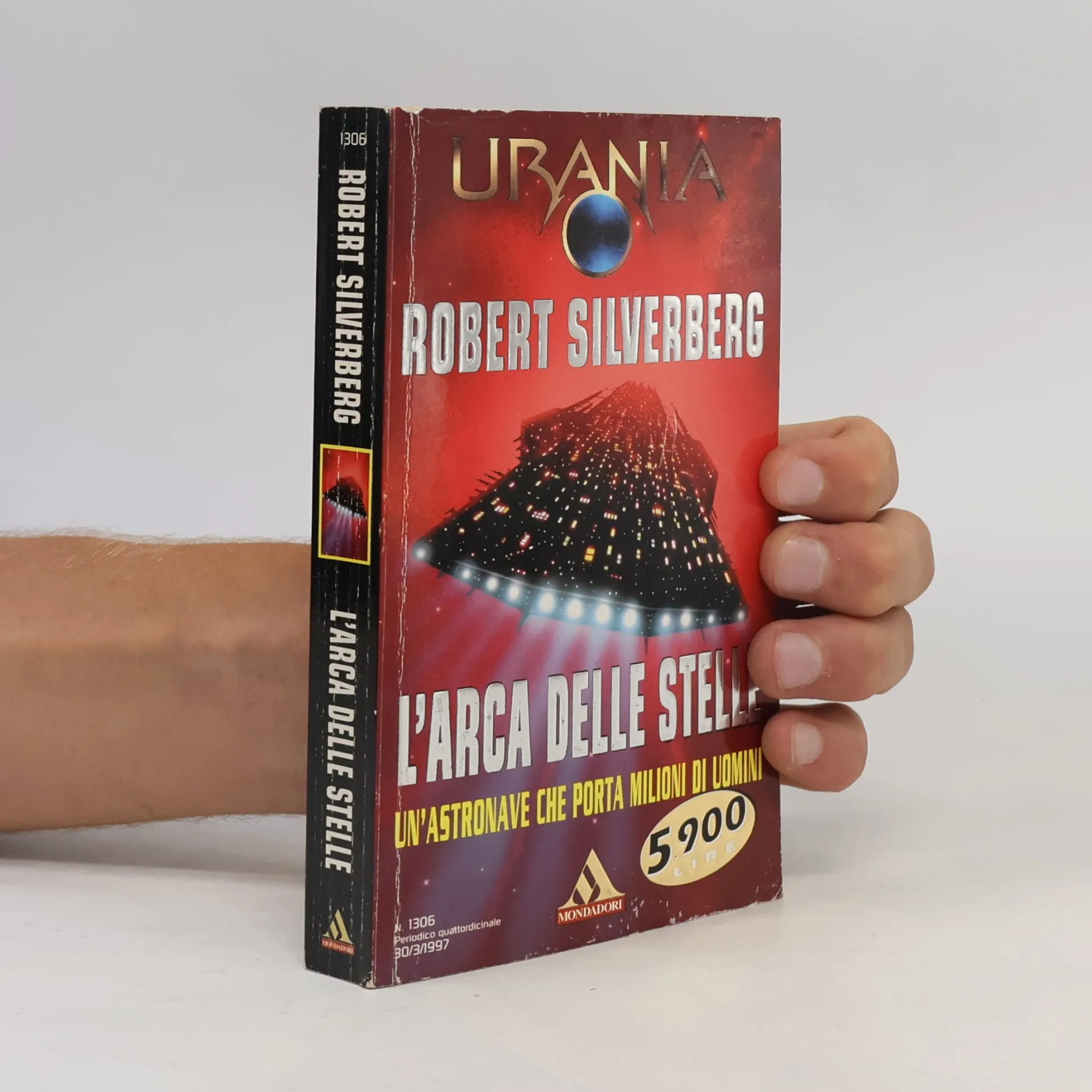
Urania - 2: L'arca delle stelle
- 296pagine
- 11 ore di lettura
La Wotan è una gigantesca arca spaziale. La sua missione è trovare una nuova terra per la razza umana. Ma i telepati presenti a bordo captano un inquietante messaggio dallo spazio: intelletti che popolano il vuoto intergalattico entrano in contatto con l'equipaggio. Nell'Universo, infatti, la vita pullula anche nel nulla che divide le stelle.. Forme di vita inconcepibili si preparano a ricevere i nostri simili. Che cosa c'è là fuori? Copertina di Marco Patrito Versione per libreria di Urania #1306 NOTA: In contemporanea a questo volume ed all'Urania originale è stata pubblicata anche un'edizione destinata alla Grande Distribuzione e priva di ISBN ma identica per il resto alla versione Libreria.
Millemondiestate 1983
Tre romanzi completi
Robots Through the Ages: A Science Fiction Anthology
- 516pagine
- 19 ore di lettura
Featuring a diverse array of tales, this collection showcases stories from both classic and contemporary science fiction authors. It explores the evolution of robots in literature, highlighting their significance and the imaginative visions of the future they inspire. Each story reflects unique themes and perspectives, making it a compelling read for fans of the genre.
Exotic Adventures of Robert Silverberg
- 120pagine
- 5 ore di lettura
Set in a time of adventure and allure, this collection features tales filled with mystery, danger, and eroticism, transporting readers to exotic locations such as safaris, bordellos, and opium dens. Robert Silverberg's lost pulp stories, originally published in the 1950s, are revived in oversized facsimile editions that capture the essence of their era. Available in both softcover and deluxe hardcover formats, these re-creations invite readers to explore a world rich in secrets and intrigue.
To the Land of the Living
- 288pagine
- 11 ore di lettura
Set in an Afterworld - where everyone who has ever lived reawakens when they die to live again and die again, seemingly for ever - this novel tells of the warrior-king Gilgamesh's journey in search of a gateway to the land of the living. Based on the author's novella "Gilgamesh in the Outback".
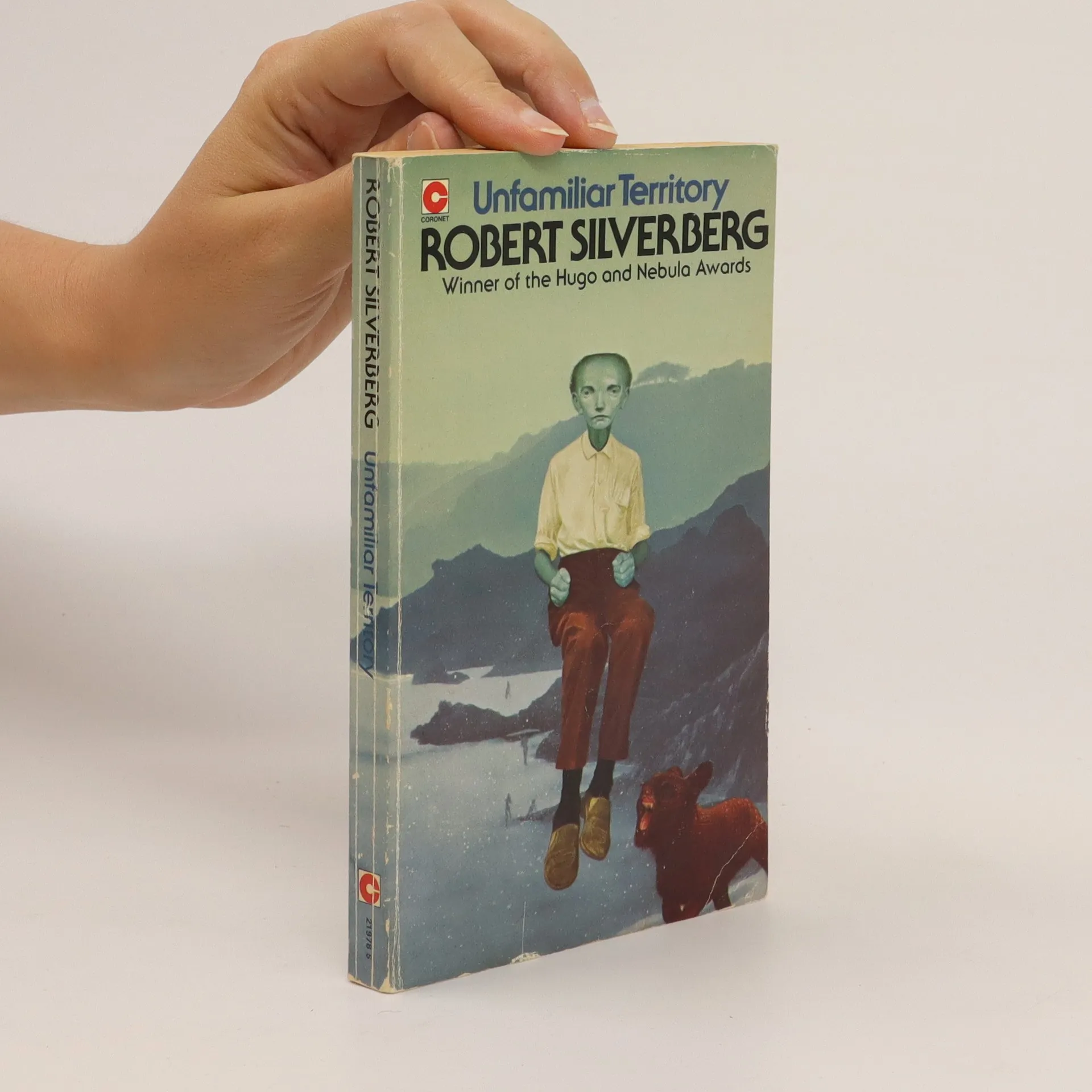
Unfamiliar Territory
- 208pagine
- 8 ore di lettura
This is British paperback edition of this collection of stories, first published by Scribners in 1973. Stories Caught in the Organ Draft (1972); {Now + n, Now - n} (1972); Some Notes on the Pre-Dynastic Epoch (1973); In the Group (1973); Caliban (1971); Many Mansions (1973); Good News from the Vatican (1971); Push No More (1972); The Mutant Season (1973); When We Went to See the End of the World (1972); What We Learned from This Morning's Newspaper (1972); In Entropy's Jaws (1971); The Wind and the Rain (1973).
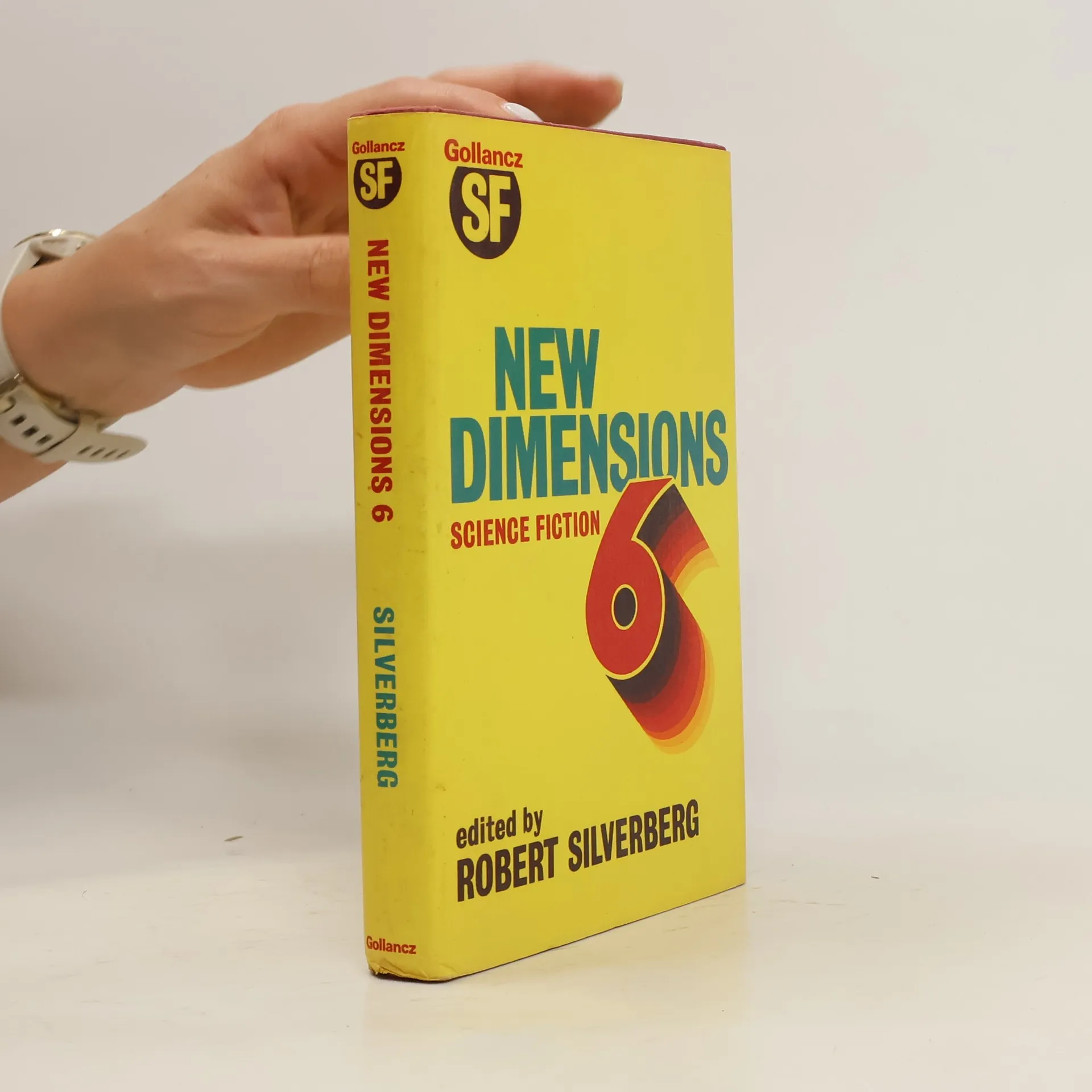
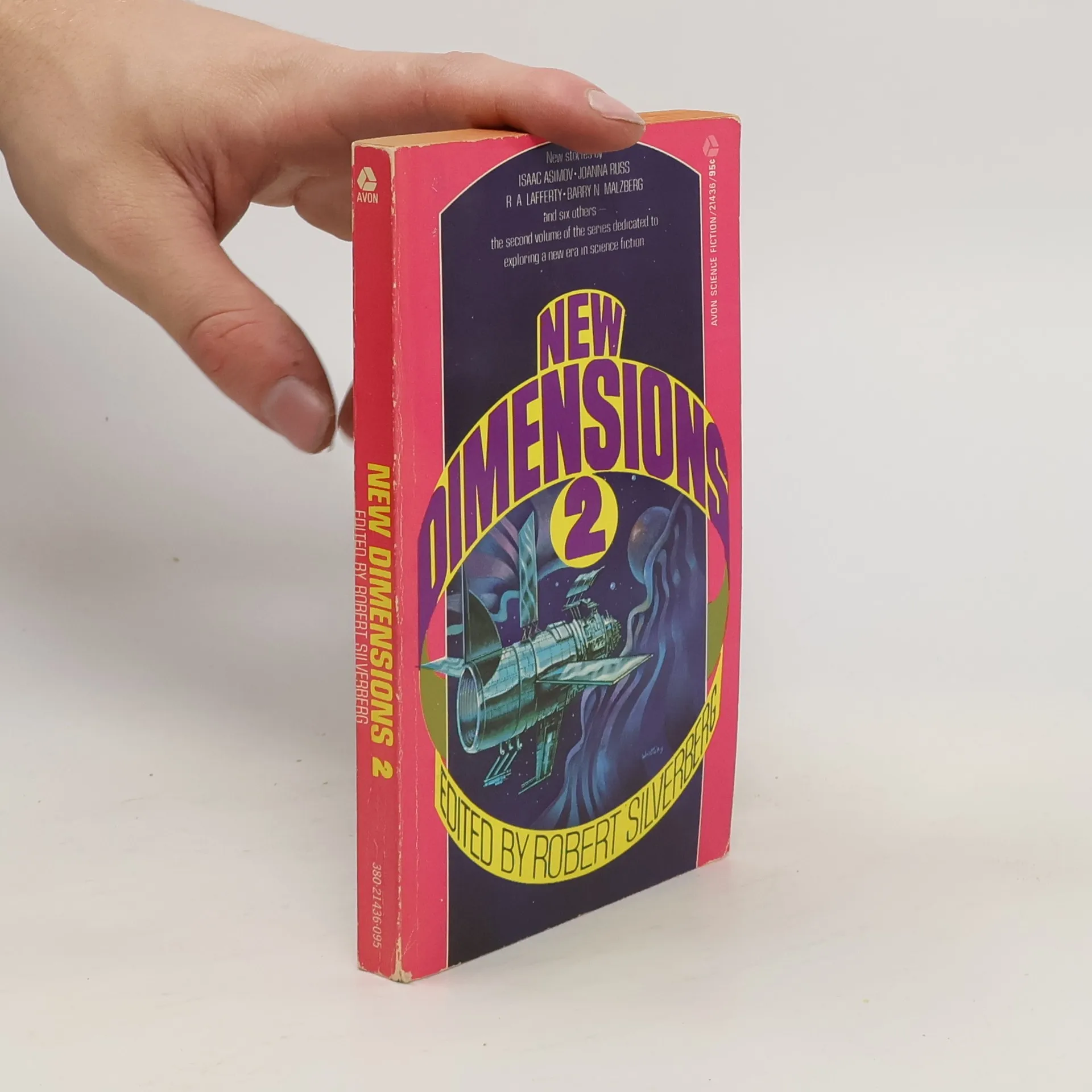
New Dimensions 2
- 204pagine
- 8 ore di lettura
L'impero galattico rischia la rovina: al suo centro la città di Trantor, capitale e cuore dell'Impero percorso da venti di rivolta, vacilla. E' l'ultima battaglia per Hari Sheldon, il creatore della Psicostoria, l'unico strumento scientifico in grado di prevedere il fututro ed eventualmente correggerlo. E' l'ultima battaglia per il misterioso Demerzel, mitico robot umanoide che da ventimila anni agisce sotto svariate identità nella Galassia per aiutare il pacifico sviluppo del genere umano. Una battaglia in cui non si possono più commettere errori.
The Mutant Season
- 264pagine
- 10 ore di lettura
The story revolves around mutants who possess extraordinary powers and have concealed their identities due to fear of persecution. As tensions escalate, the emergence of a mutant in a significant political position offers a glimmer of hope for their community in the twenty-first century, suggesting a potential shift in societal acceptance and the struggle for equality.
Our Washington, D.C.
- 112pagine
- 4 ore di lettura
Our nations capital is truly a distinctive setting, with historical and cultural sites around just about every corner. "Our Washington, D.C." is a pictorial celebration showcasing the areas stunning monuments and scenes, offering a glimpse into what makes this city so unique--from the historic homes, trendy neighborhoods, and diverse special events and festivals to the people who live and work in the capital city. Such locales as the Washington Monument, the U.S. Holocaust Memorial Museum, the Vietnam Veterans Memorial, the U.S. Capitol building, the White House(including rare interior photos), Arlington National Cemetery, the National Zoo, the Smithsonian Institution, the National Arboretum, the Spy Museum, Mt. Vernon, and the Potomac River are brought to life in "Our Washington, D.C." Featuring the striking photography of Paul M. Franklin, historical images, and detailed captions that capture the essence of Washington, D.C., this is a fabulous presentation of the area that is both our past and our future.
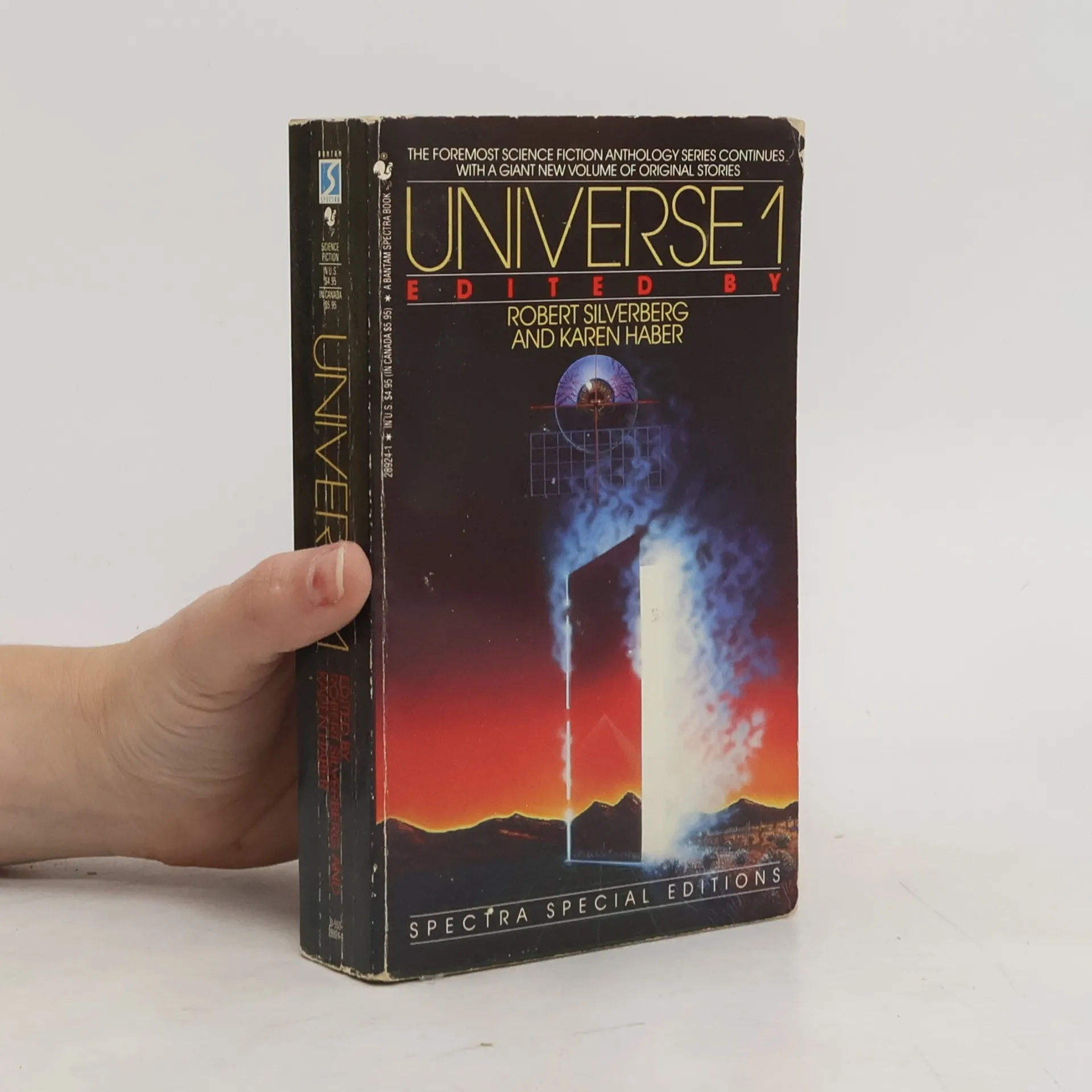
Universe One
- 449pagine
- 16 ore di lettura
A continuation of the Universe series edited by Terry Carr until 1987.
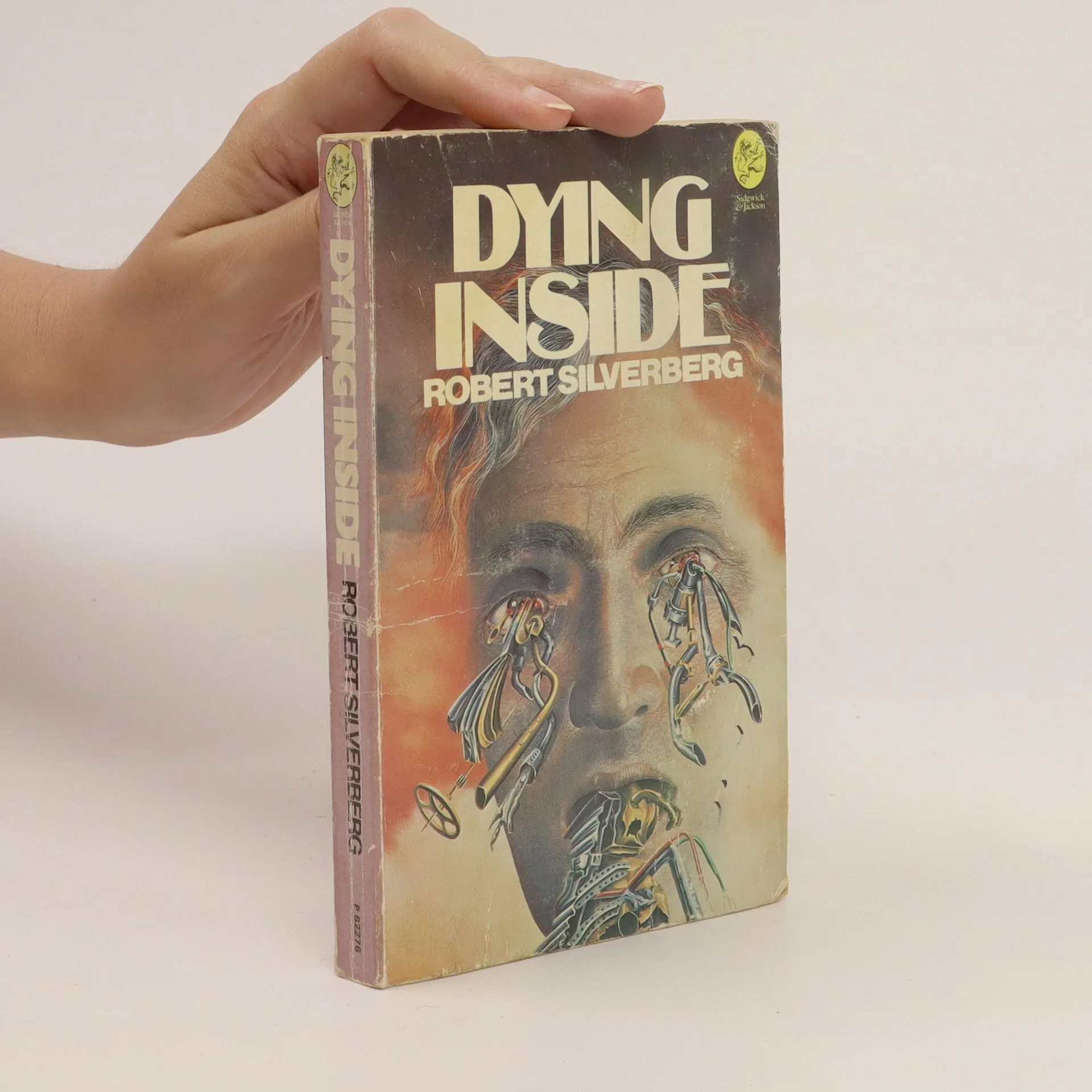
Dying Inside
- 188pagine
- 7 ore di lettura
David Selig was born with an awesome power -- the ability to look deep into the human heart, to probe the darkest truths hidden in the secret recesses of the soul. With reckless abandon, he used his talent in the pursuit of pleasure. Then, one day, his power began to die... Universally acclaimed as Robert Silverberg's masterwork, Dying Inside is a vivid, harrowing portrait of a man who squandered a remarkable gift, of a superman who had to learn what it was to be human.
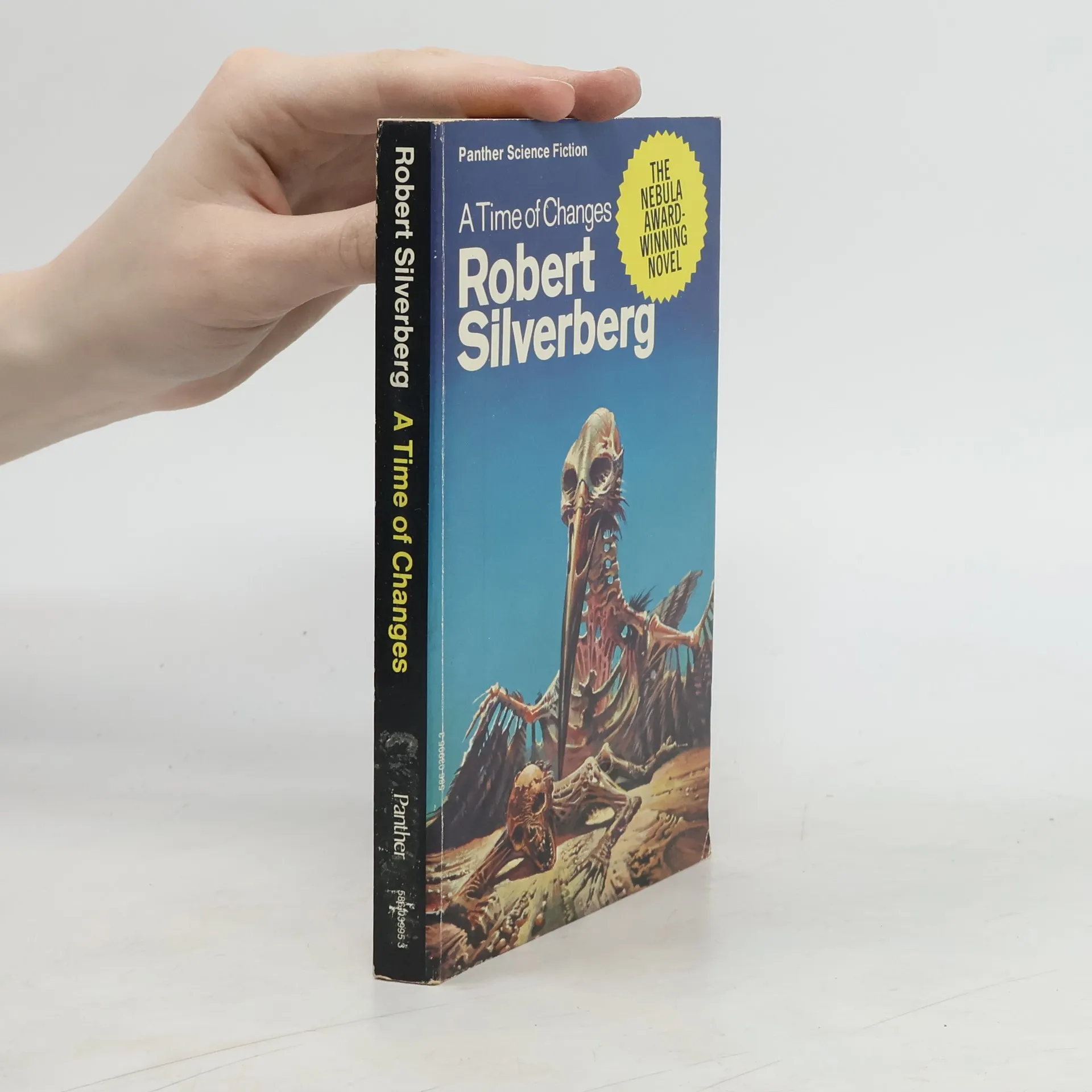
In the bustling Constantinople of 1150 AD, Judson Daniel Elliot, a tour guide for the Time Service, abandons his group of tourists to spend a stolen hour with a dazzling, time-defying paradox of seventeen springs, named Pulcheria. This is a serious crime! Upon his return, he discovers that a cunning tourist has independently dived into time. In a panic, Jud tries to locate the man, but he keeps making one bewildering blunder after another. His friends rush to mend the frayed temporal fabric, but the relentless Time Patrol is onto them. Jud could be plucked from the time stream at any moment, which means he would simply cease to exist. This is a gripping tale from a writer who has already made a significant mark in the field and was recently honored with the Nebula Award for A Time of Changes.
This collection features a diverse array of speculative fiction from 1989, showcasing both established and emerging voices in the genre. The contents include a mix of novellas, novelettes, and short stories, each offering unique narratives and imaginative worlds. Notable contributions include Judith Moffett's "Tiny Tango," a thought-provoking novella, and Mike Resnick's "For I Have Touched the Sky," which continues the Kirinyaga series. Gregory Benford's "Alphas" and Connie Willis's "At the Rialto" present engaging explorations of human experience and societal themes. The anthology also includes works by Kathe Koja, Steven Popkes, and Robert Silverberg, each adding depth and variety to the collection. From William King's "Visiting the Dead" to Bruce Sterling's "Dori Bangs," the stories reflect a range of styles and subjects. Lucius Shepard's "The Ends of the Earth" and Nancy Kress's "The Price of Oranges" further exemplify the creativity of the time. Additional highlights include S. P. Somtow's "Lottery Night," Alexander Jablokov's "A Deeper Sea," and Megan Lindholm's "Silver Lady and the Fortyish Man." The collection concludes with Gardner Dozois's insightful essay summarizing the year's contributions to the genre, alongside honorable mentions that acknowledge other noteworthy works. This anthology serves as a testament to the richness and diversity of speculative fiction during this period.
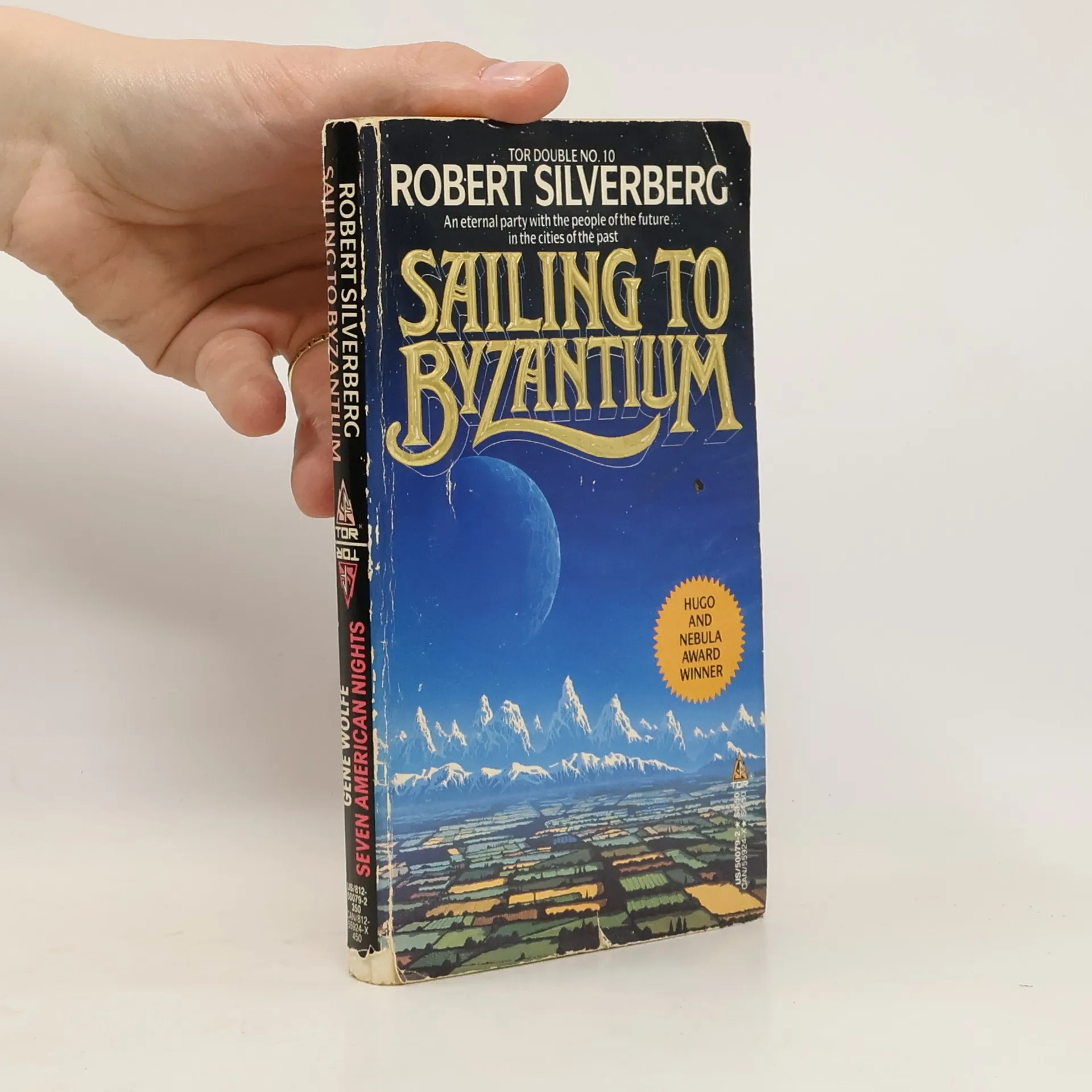
Sailing to Byzantium
- 183pagine
- 7 ore di lettura
Sailing to Byzantium (Feb 1985) Awards:1986 Hugo Award - Best Novella (Nomination)1986 Locus Poll Award - Best Novella (Place: 2)1986 Nebula Award - Novella (Win)1986 SF Chronicle Award - Novella (Nomination)Seven American Nights (1978)Awards:1979 Hugo Award - Best Novella (Nomination)1979 Locus Poll Award - Best Novella (Place: 3)1979 Nebula Award - Novella (Nomination)
The Man in the Maze
- 192pagine
- 7 ore di lettura
It is the future, technology is advanced, lives are long, and the galaxy has been partially colonised by humans. Linking the disparate human worlds together are diplomats and agents who travel the starways. One of these men is Richard Muller, and now he has the greatest opportunity of his career. Humans at long last have met an intelligent alien species. Muller is sent to make initial contact, but the mission does not go well. Muller is cursed by the aliens. His brain is modified so that his subconscious thoughts radiate from his mind. This makes his presence unbearable to humans. Embittered, he choses to live out his life in an abandoned city of murderous mazes on a long-dead planet. For decades Muller is left alone, but suddenly he is needed again. Humans have made contact with a second and even more dangerous species, one seemingly bent on destroying humanity. The only hope is Muller. His brain can broadcast the thoughts that might convince the aliens that humans are sentient and their equals. A team from Earth make a perilous entry into the maze, confront Muller, and convince him to come to the aid of his former colleagues.
At Winter's End
- 496pagine
- 18 ore di lettura
From the Five-Time Nebula Award-Winner""Seven thousand centuries ago, falling death stars unleashed fiery apocalyptic destruction on Earth and inaugurated the Long Winter. One small band of People took refuge in an underground cocoon where they and their descendants waited for the time of ice to end. Now their long winter is over. Prophecy and circumstance urge the tribe out into the half-forgotten world beyond their safe cocoon. Led by their chieftain Koshmar, the tribe journeys to the city of Vengiboneeza, where the prophecy of the gods says they are to rule. On their way the tribe discovers the dangers and wonders of life in the New Springtime. In the face of new temptations and peril, Koshmar and her lover, the priestess Torlyri, struggle to keep the People united and fulfill the prophecy. For soon they will be beset by other trials, as other beings seek to fulfill their own prophecies.Robert Silverberg provides an introduction exclusive to this Bison Books edition.
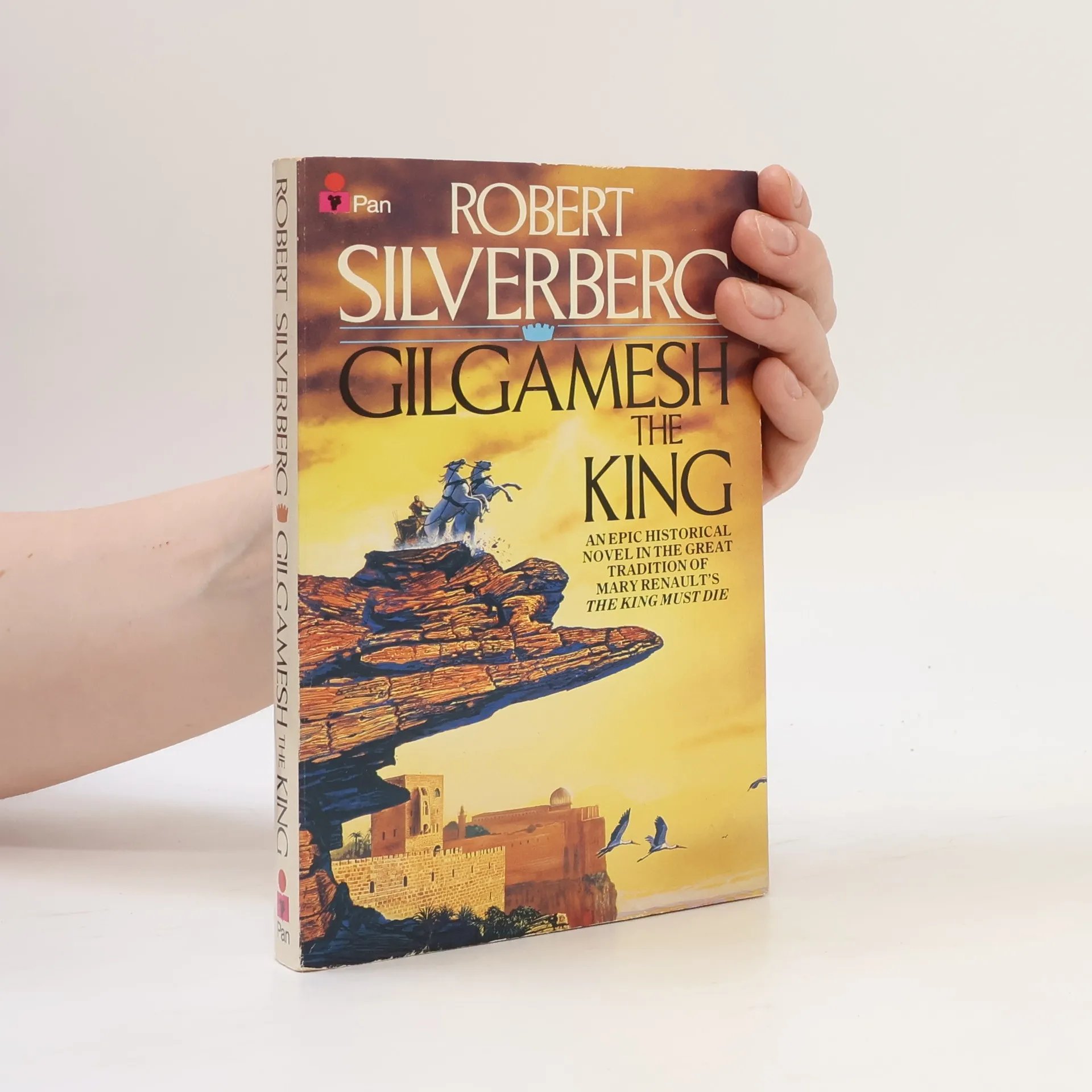
Gilgamesh the King
- 299pagine
- 11 ore di lettura
The epic tale of Gilgamesh, the legendary god-king of Sumeria who discovered the secret of eternal life, has enflamed the imaginations of countless generations. In Gilgamesh, science fiction Grand Master Robert Silverberg gives us a vivid portrait of a courageous, lusty, sometimes reckless ruler of men. It is the majestic tale of a man haunted by gods, tormented by his passion for a woman who was his greatest rival, and driven by a thirst for immortality.
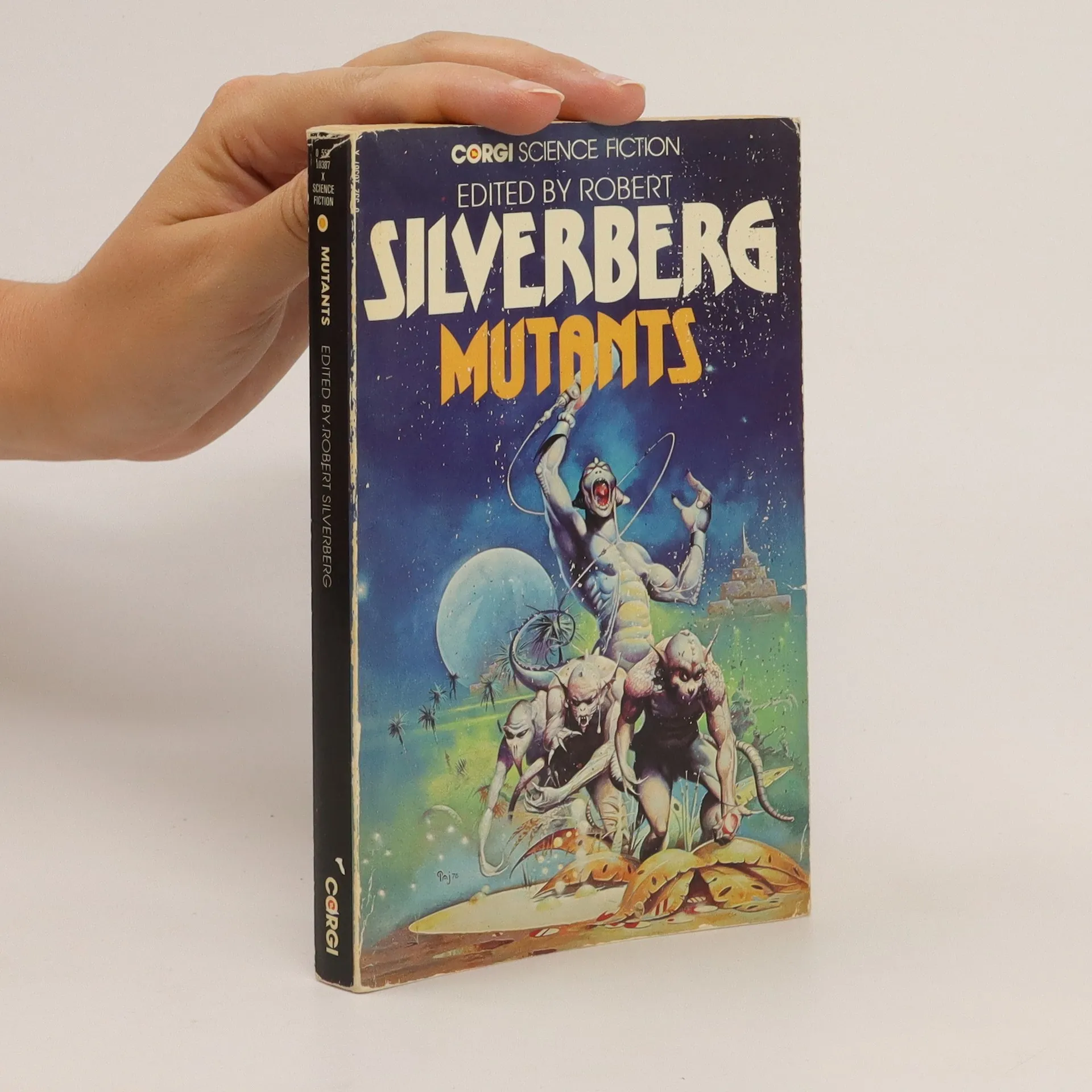
Mutants
- 208pagine
- 8 ore di lettura
Hated...Feared...Hunted...or Despised... Such is the fate of anybody - or anything - that dares to deviate from the norm of its race, such is the destiny of those we choose to label... MUTANTS Edited by Hugo-award-winner, Robert Silverberg, MUTANTS is an anthology of eleven science-fiction stories based on the theme of genetic changes in living things - changes that sometimes horrify, sometimes disgust, and always reap the most surprising consequences to man and his world... Cover Illustration: Peter. A. Jones Contents: · Introduction · Robert Silverberg · Tomorrow’s Children · Poul Anderson & F. N. Waldrop · It’s a Good Life · Jerome Bixby · The Mute Question · Forrest J Ackerman · Let the Ants Try · Frederik Pohl · The Conqueror · Mark Clifton · Liquid Life · Ralph Milne Farley · Hothouse · Brian W. Aldiss · Ozymandias · Terry Carr · The Man Who Never Forgot · Ginny Wrapped in the Sun · R. A. Lafferty · Watershed · James Blish
Downward To The Earth
- 256pagine
- 9 ore di lettura
One man alone in an alien landscape - SF's HEART OF DARKNESS by one of the field's acknowledged greats.
Acclaimed writer and editor Robert Silverberg has curated a collection featuring eleven renowned Fantasy authors, each contributing a new story inspired by their famous series. Stephen King presents "The Little Sisters of Eluria," a tale of Roland, the Gunslinger, set in The Dark Tower universe. Terry Pratchett offers a humorous incident in Discworld with "The Sea and Little Fishes," highlighting a magical contest involving Granny Weatherwax. Terry Goodkind explores the origins of the Border between realms in "Debt of Bones," tied to The Sword of Truth. Orson Scott Card shares a story of Alvin and his apprentice in "Grinning Man," drawn from the Tales of Alvin Maker. Silverberg himself revisits Majipoor in "The Seventh Shrine," where Lord Valentine embarks on an adventure in an ancient tomb. Ursula K. Le Guin adds a sequel to her Earthsea series with "Dragonfly," focusing on a woman's quest to learn magic. Tad Williams crafts a dark tale set in a haunted castle before the events of Memory, Sorrow, and Thorn in "The Burning Man." George R.R. Martin's "The Hedge Knight" takes place a generation prior to A Song of Ice and Fire. Ann McCaffrey returns to Pern in "Runner of Pern," while Raymond E. Feist's "The Wood Boy" is set in the Riftwar Saga. Lastly, Robert Jordan's "New Spring" reveals pivotal events leading to The Wheel of Time, featuring the meeting of Lan and Moiraine as they begin their search for the child destined to lea
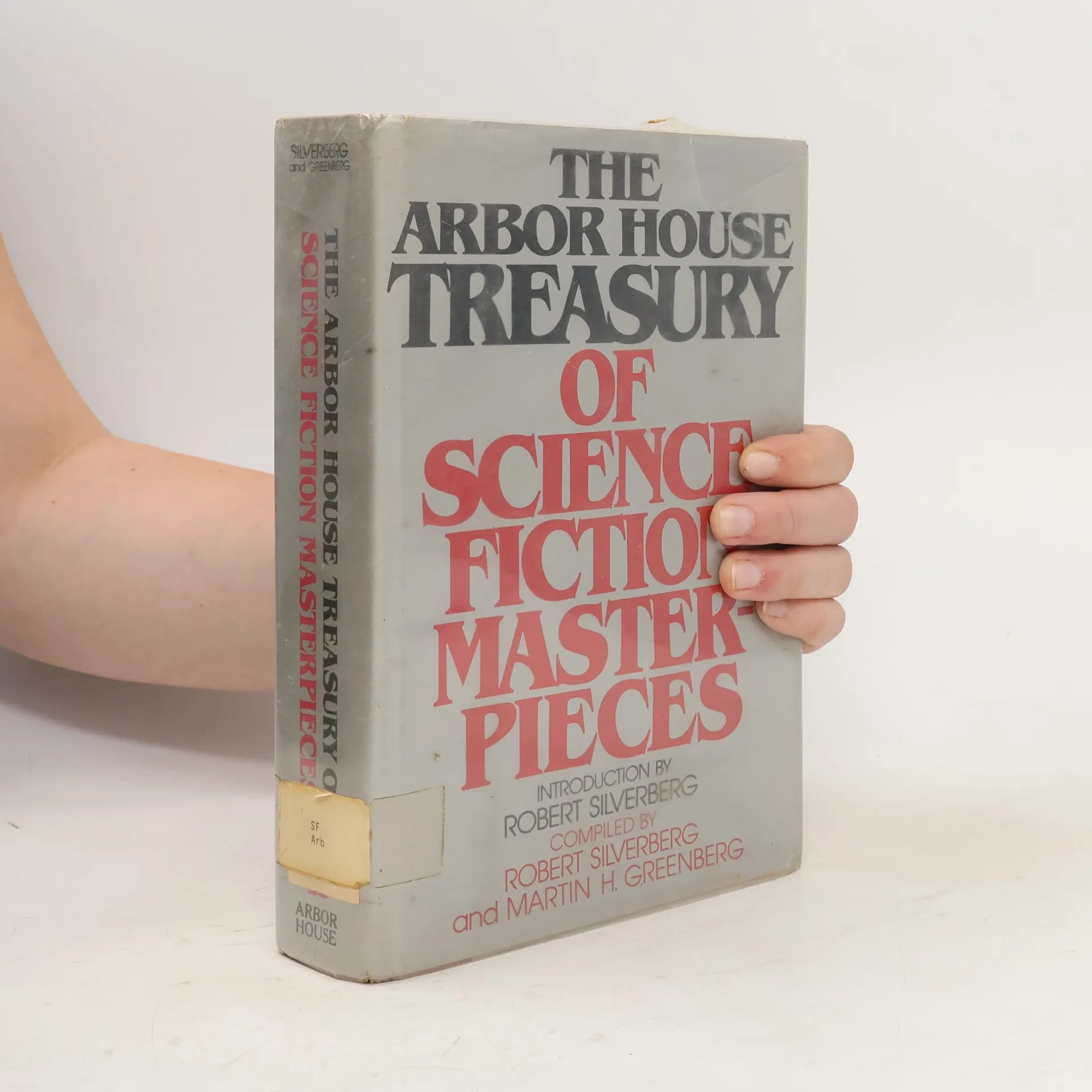
The Arbor House Treasury of Science Fiction Masterpieces
- 538pagine
- 19 ore di lettura
Great science-fiction stories from the past one hundred years include masterworks by Kipling, Julian Huxley, Asimov, Le Guin, Capek, Bester, Farmer, and other luminaries
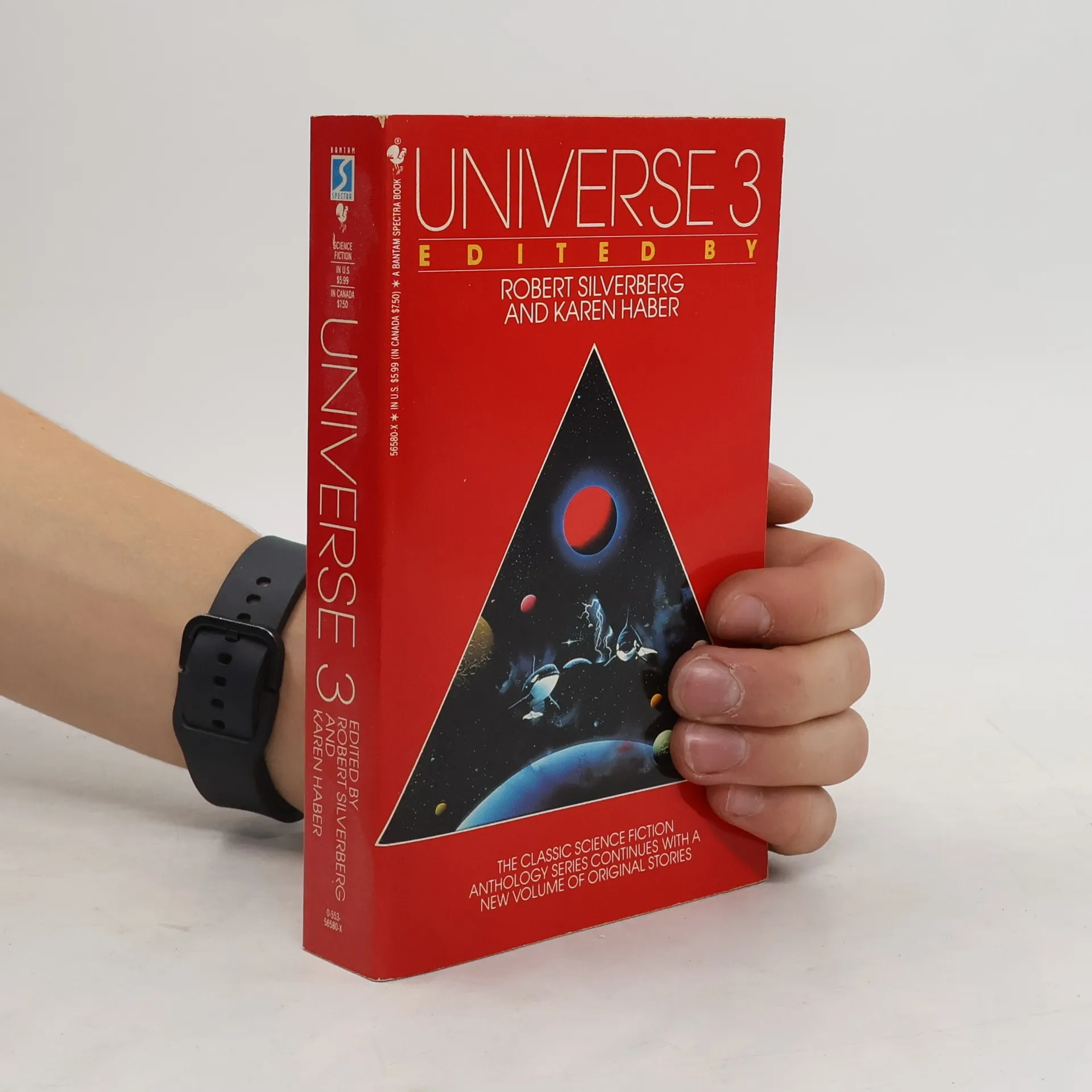
Universe 3
- 436pagine
- 16 ore di lettura
Original anthology of 15 stories. Alex Jeffers's stylish tale of love and art in an alien landscape ("Composition with Barbarian and Animal") and Brian Aldiss's dark vision of the near future ("The Madonna of Futurity") highlight this showcase of 15 original sf stories by veteran and first-time authors. Fans of "classic" sf will appreciate the broad variety of styles this strong collection offers.Contents:Introduction by Robert Silverberg; * The Cure / Joe Haldeman; * Composition with Barbarian and Animal / Alex Jeffers; * Transcript of “Yandal” / Terry Boren; * Dirtyside Down / Wil McCarthy; * Let Me Count the Ways / Larry Tritten; * Moths to the Blue Flame / E. Michael Blake; * Black Memes / Jamil Nasir; * Neezies / Mary A. Turzillo; * The Enemies of Nickel City / Nicholas A. DiChario; * The Only Thing You Learn / Barry N. Malzberg; * The Pigeonhole Principle / David Ira Cleary; * Going West / Phillip C. Jennings; * McGregor / Paul Di Filippo; * The Apples of Venus / Mark Rich; * The Madonna of Futurity / Brian W. Aldiss.Cover art by Michael David Ward
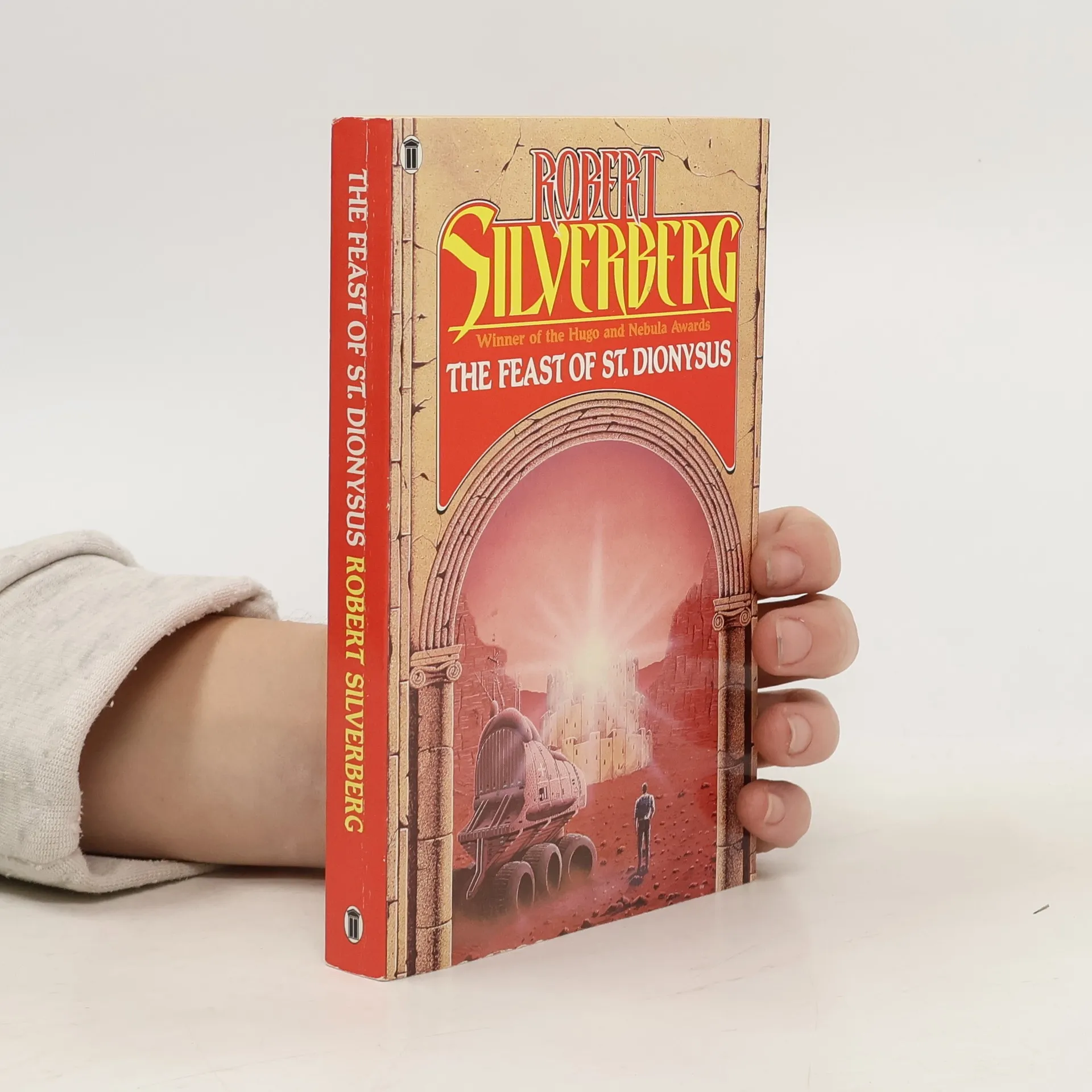
The Feast of St. Dionysus Five Science Fiction Stories
- 255pagine
- 9 ore di lettura
This story was written in late '71, early '72. It's very moving even if it's never clear what's real & what's not. John Oxenshuer is sole survivor of the first US Mars expedition. His crewmates were killed in a sandstorm, bodies unrecovered. Tho considered heroic for his efforts to rescue them & his solo return, he's wracked with guilt & doubt. He packs up camping gear & heads out into the Mojave to get his head straight. He encounters a weird religious cult with a hidden desert community. Melding Xianity & Dionysian revelry, they seek union with Jesus thru indulgence in wine, dancing, wrestling & sex. They are completely peaceful. They welcome him, but he's unsure he wants what they offer. Collection first published 1975. Contents • 3 • The Feast of St. Dionysus • (1973) • novella by Robert Silverberg • 79 • Schwartz Between the Galaxies • (1974) • novelette by Robert Silverberg • 107 • Trips • (1974) • novelette by Robert Silverberg • 153 • In the House of Double Minds • (1974) • novelette by Robert Silverberg • 181 • This Is the Road • (1973) • novella by Robert Silverberg
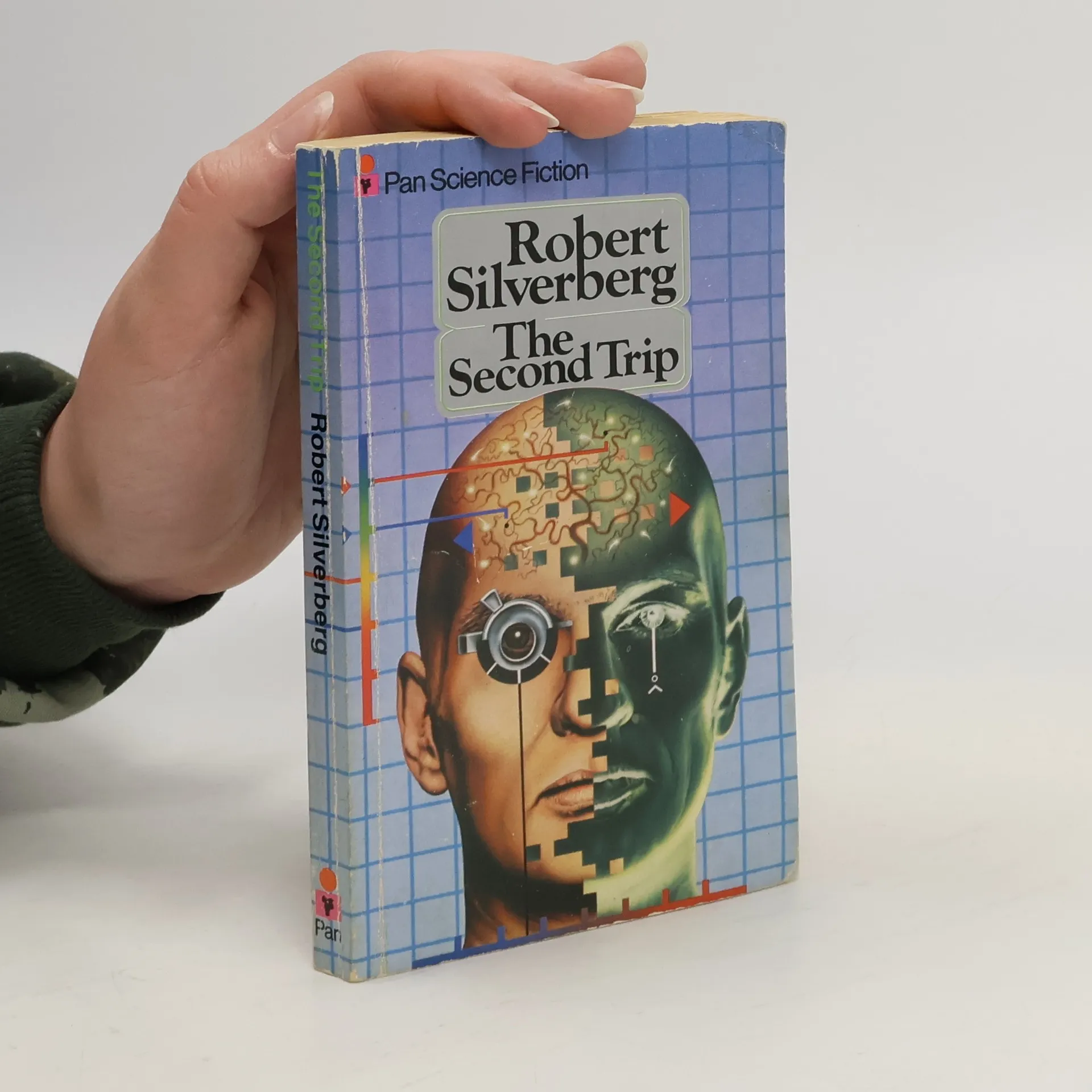
The Second Trip
- 192pagine
- 7 ore di lettura
Science fiction novel set in the year 2011 (about 40 year when book was written). Because capital punishment has been deemed too harsh, violent criminals are subjected to coercive therapy that effectively erases their memories and replaces them with artificially constructed memories to form a new personality deemed useful to society. Protagonist Paul Macy, a rehabilitated criminal, finds his original personality, a serial rapist named Nat Hamlin, reasserting itself in defiance of the mental conditioning. Be warned, the work contains controversial/explicit sexual content, mature language, and, some might argue, dubious gender politics. After its serialization in Amazing Science Fiction in 1971, the magazine’s editor Tim White had to admittedly defend the work due to the deluge of angry letters the magazine received.
The Alien Years
- 496pagine
- 18 ore di lettura
When aliens invade, a generations-long struggle begins against an impenetrable enemy in this sci-fi epic from the Hugo and Nebula Award–winning author.The Entities have arrived on Earth, fifteen feet tall with impenetrable defenses and inscrutable motives. As conquerors, they have no demands, no explanations, simply harsh consequences should they be challenged. Releasing a plague and plunging the world into a new Dark Age, the Entities seem unbeatable. But, one family at least—the Carmichael clan led by Colonel Anson Carmichael—will never give up the resistance.THE ALIEN YEARS is an epic story told over multiple generations by master of thoughtful science fiction Robert Silverberg. Can ideas of freedom survive in the face of an overwhelmingly powerful enemy?
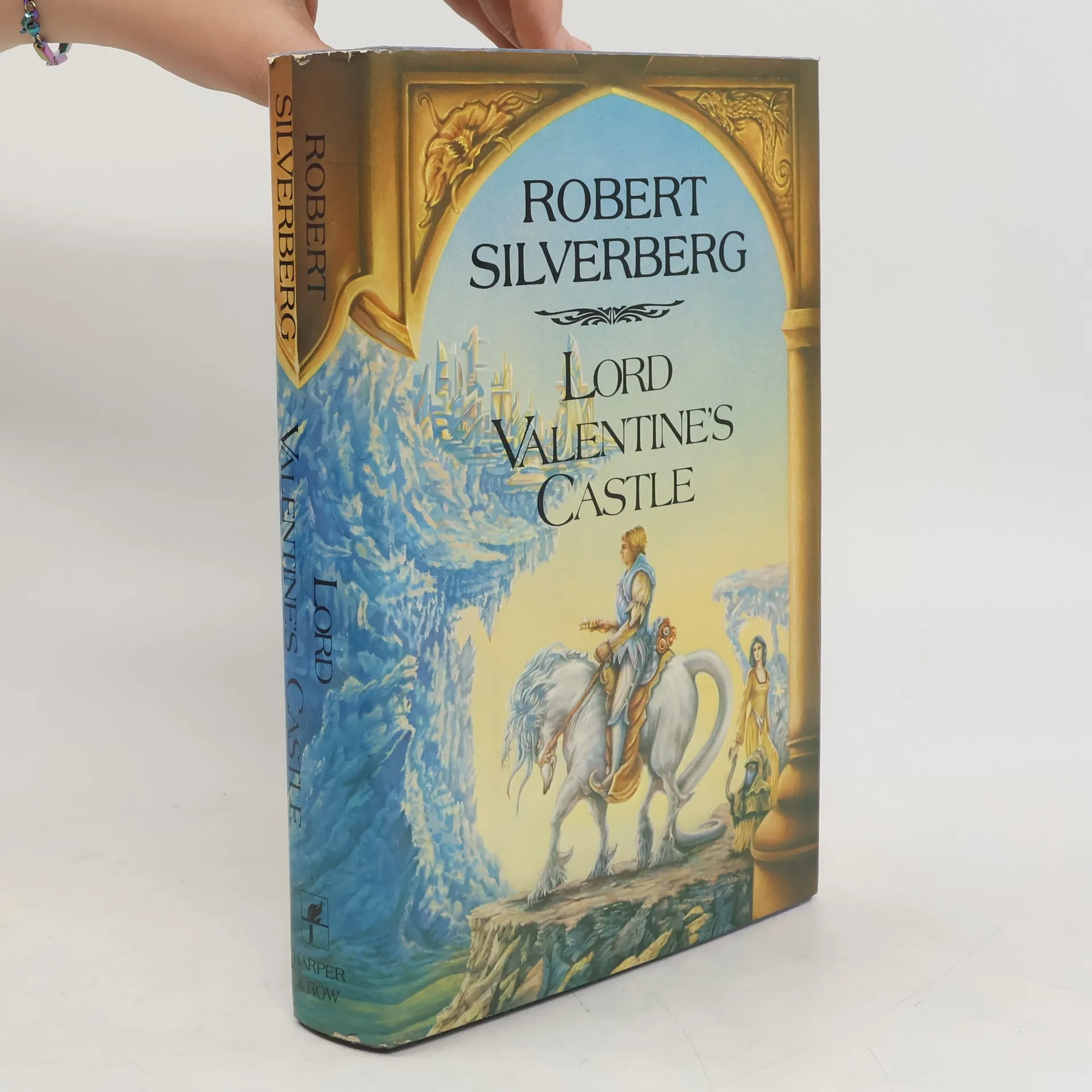
Lord Valentine's Castle
- 444pagine
- 16 ore di lettura
Valentine, a wanderer who knows nothing except his name, finds himself on the fringes of a great city, and joins a troupe of jugglers and acrobats; gradually, he remembers that he is the Coronal Valentine, executive ruler of the vast world of Majipoor, and all its peoples, human and otherwise... Valentine's journey is a long one, a tour through a series of magnificent environments. Fields of predatory plants give way to impossibly wide rivers, chalk-cliffed islands and unforgiving deserts. The prose is unrelentingly dreamlike—no accident given that on Majipoor, dreams rule the minds of great and humble alike. Originally serialized in The Magazine of Fantasy & Science Fiction in four parts: November 1979, December 1979, January 1980 and February 1980.
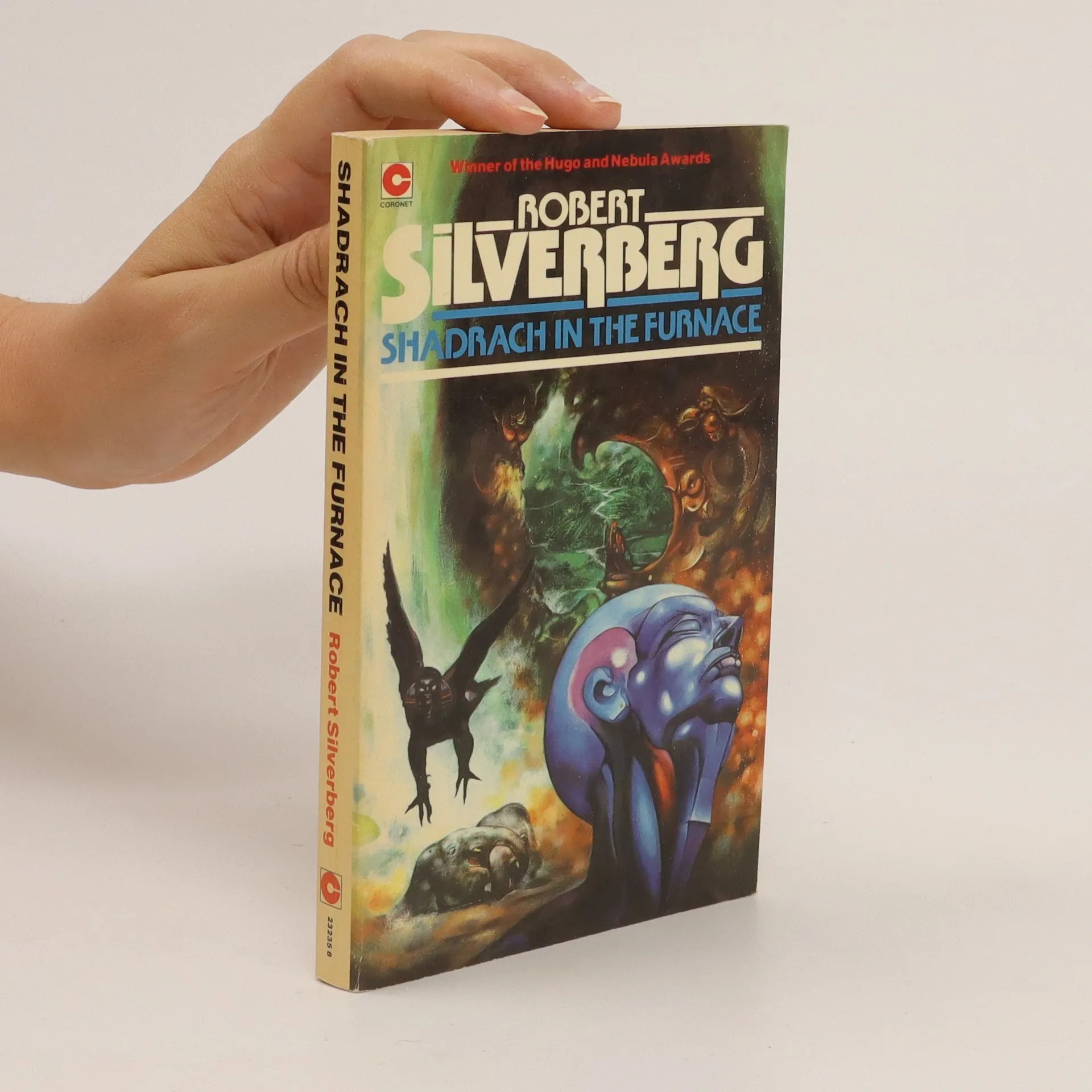
Shadrach in the Furnace
- 245pagine
- 9 ore di lettura
The year is 2012. The world lies ravaged by biological warfare, its population decimated by a ferocious genetically-transmitted disease known as the organ rot. And presiding over the ruins is a ninety-three-year-old tyrant, preserved in a state of youth by a series of organ transplants: the self-styled Genghis Mao. Shadrach Mordecai, Genghis Mao's trusted personal physician, was a vital cog in the great machine devoted to keeping the ruler alive: linked to him by a network of electronic implants, Shadrach was able to detect and diagnose the first signs of malfunction in his lord and master. But close as he was to the aging dictator, Shadrach could not have known that events would soon plunge him into a desperate struggle - a struggle in which a paragon of idealism faced the very incarnation of evil.
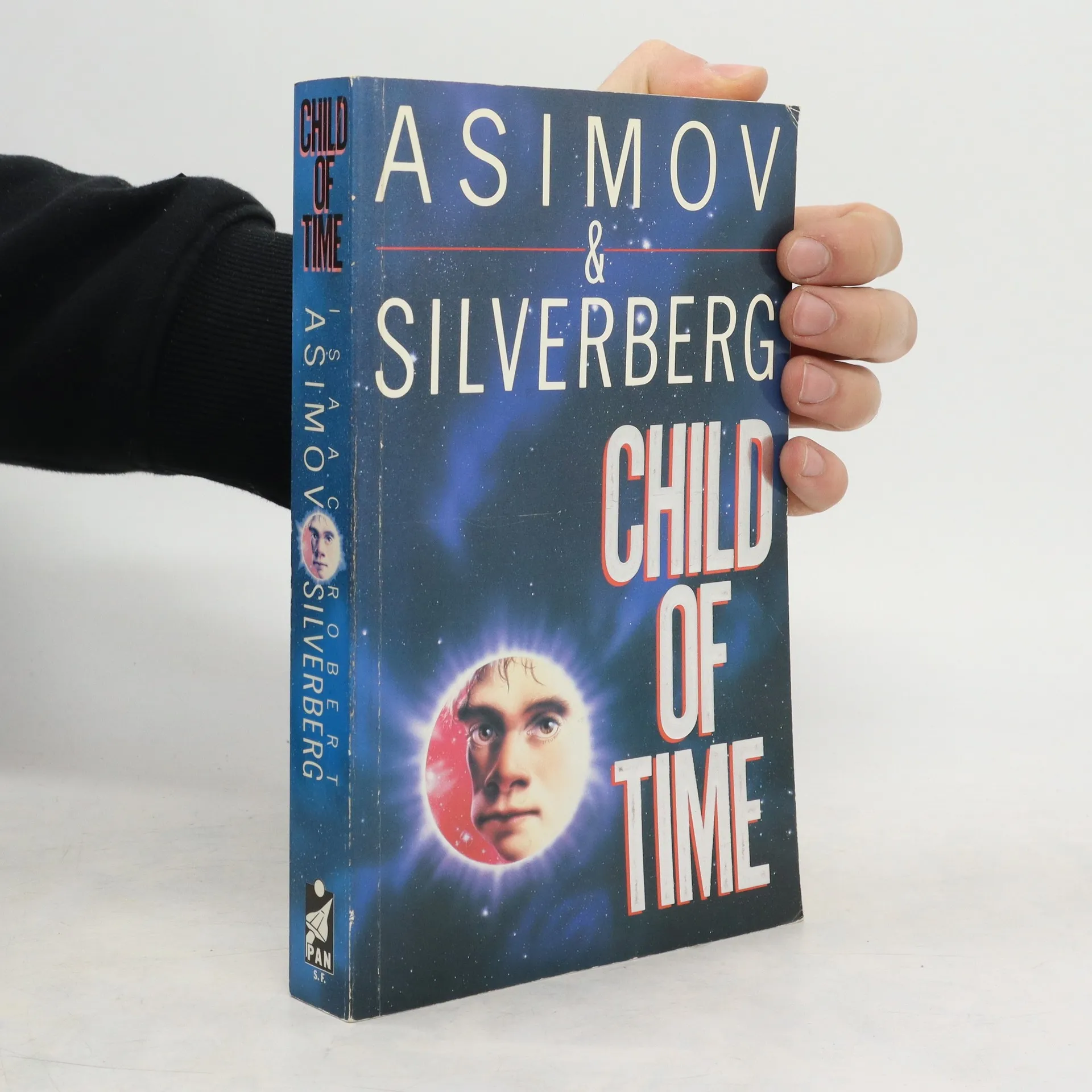
Child of Time
- 352pagine
- 13 ore di lettura
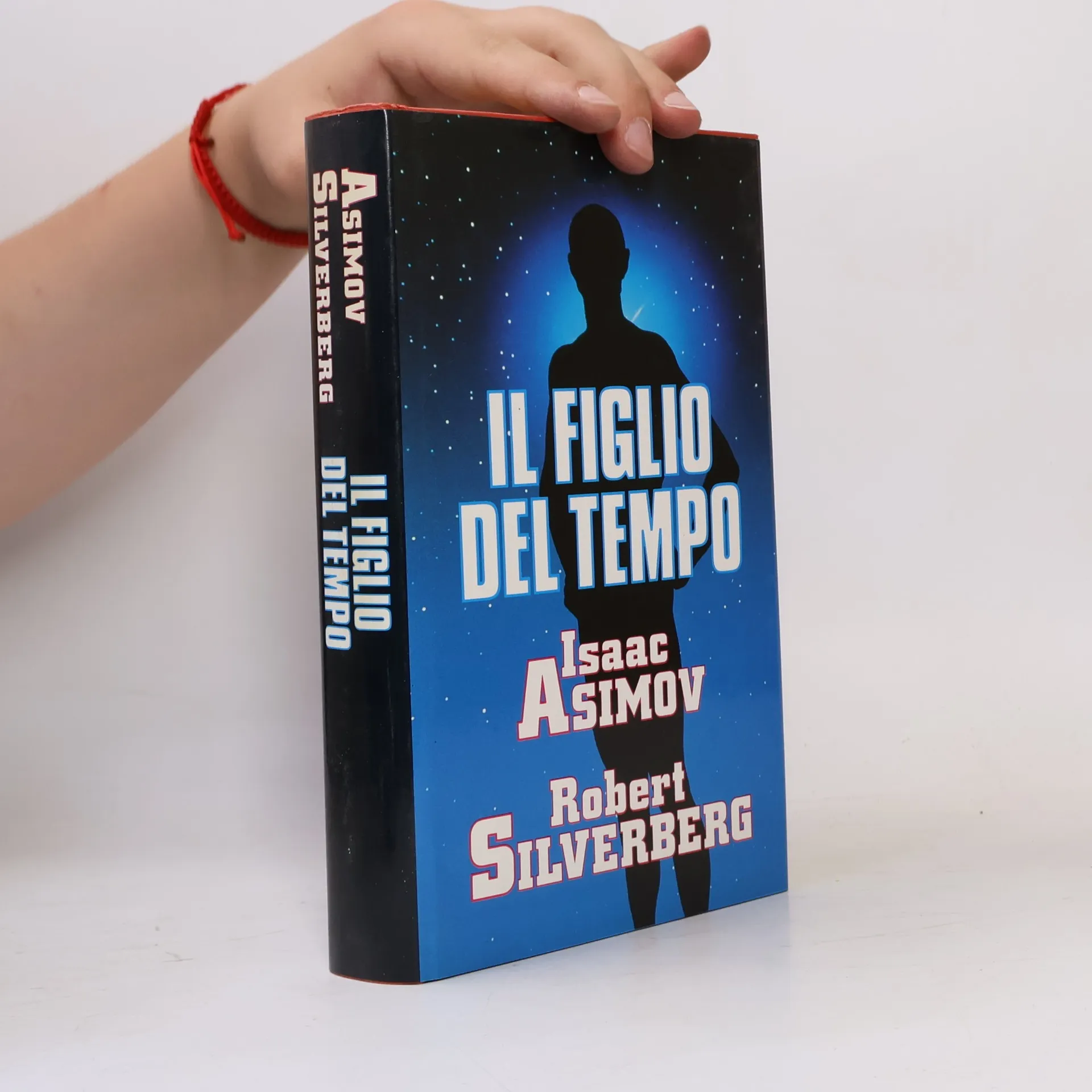
Based on an Asimov short story, The Ugly Little Boy. A children's nurse is hired as part of a scientific project aimed at bringing a living being from the past to the present. A four-year-old Neanderthal boy is snatched from his home and hurled 40,000 years into a terrifying future.
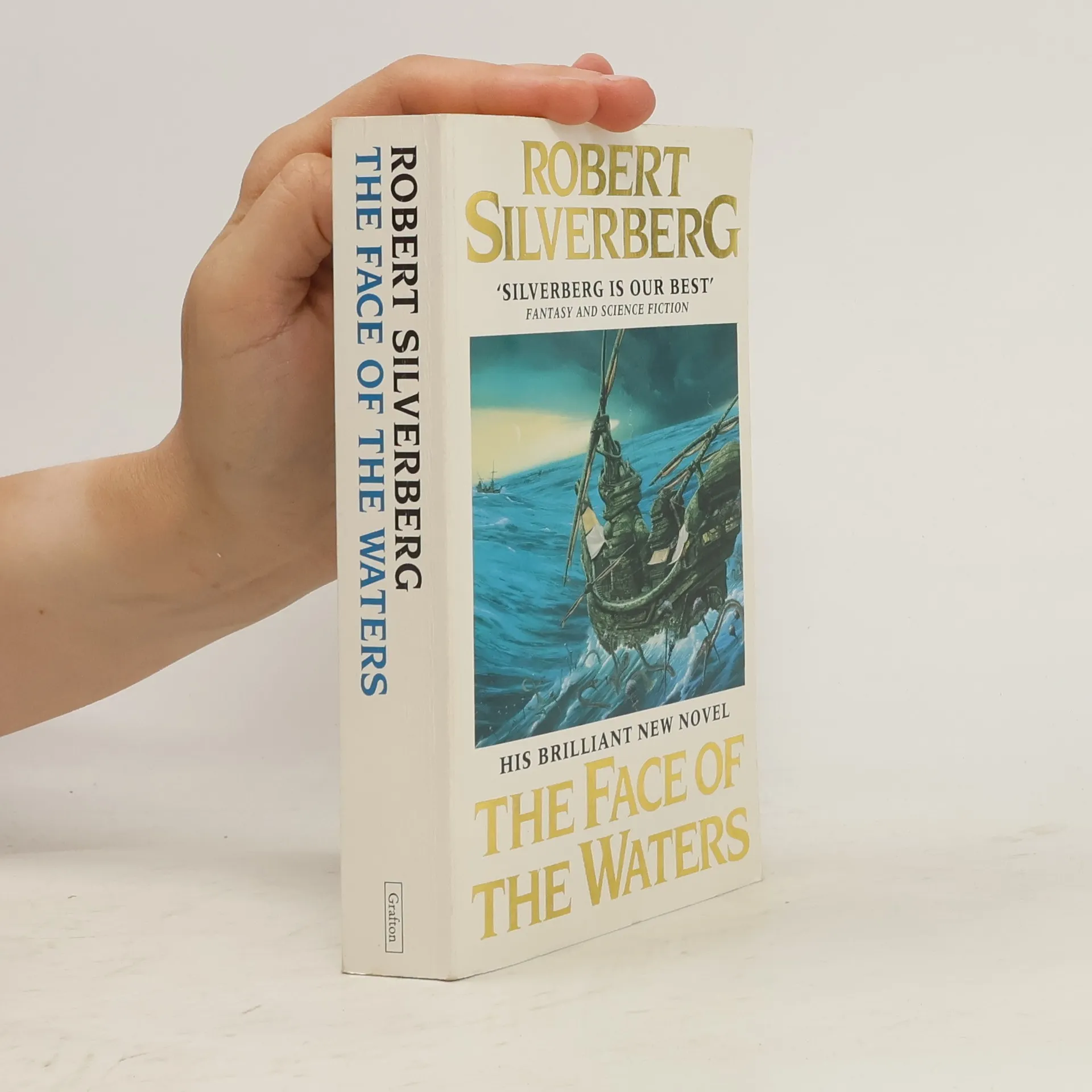
The Face of the Waters
- 428pagine
- 15 ore di lettura
Silverberg, winner of four Hugos and five Nebulas, presents a riveting tale of an epic voyage of survival in a hostile environment. On the watery world of Hydros, humans live on artificial islands and keep an uneasy peace with the native race of amphibians. When a group of humans angers their alien hosts, they are exiled--set adrift on the planet's vast and violent sea.
Year's Best SF 6
- 512pagine
- 18 ore di lettura
Science fiction as short fiction is a favorite form of the genre, and David G. Hartwell's Year's Best series consistently delivers humor, drama, style, and surprises. The Sixth Edition features a diverse array of stories, showcasing the creativity of various authors. Highlights include Paul J. McAuley's novelette "Reef," David Brin's thought-provoking short story "Reality Check," and Robert Silverberg's engaging "The Millennium Express." Tananarive Due's "Patient Zero" and Ken MacLeod's "The Oort Crowd" add depth to the collection, while M. Shayne Bell's "The Thing About Benny" and Brian Stableford's "The Last Supper" offer unique narratives. Joan Slonczewski's "Tuberculosis Bacteria Join UN" and Howard Waldrop's "Our Mortal Span" explore intriguing concepts, complemented by David Langford's "Different Kinds of Darkness." Norman Spinrad's "New Ice Age, or Just Cold Feet?" and Stephen Dedman's "The Devotee" further enrich the anthology. Other notable contributions include Chris Beckett's "The Marriage of Sky & Sea," Ursula K. Le Guin's "The Birthday of the World," and Greg Egan's novella "Oracle." The collection concludes with memorable stories from Nancy Kress, Brian W. Aldiss, Stephen Baxter, and Ted Chiang, ensuring a captivating reading experience for fans of the genre.
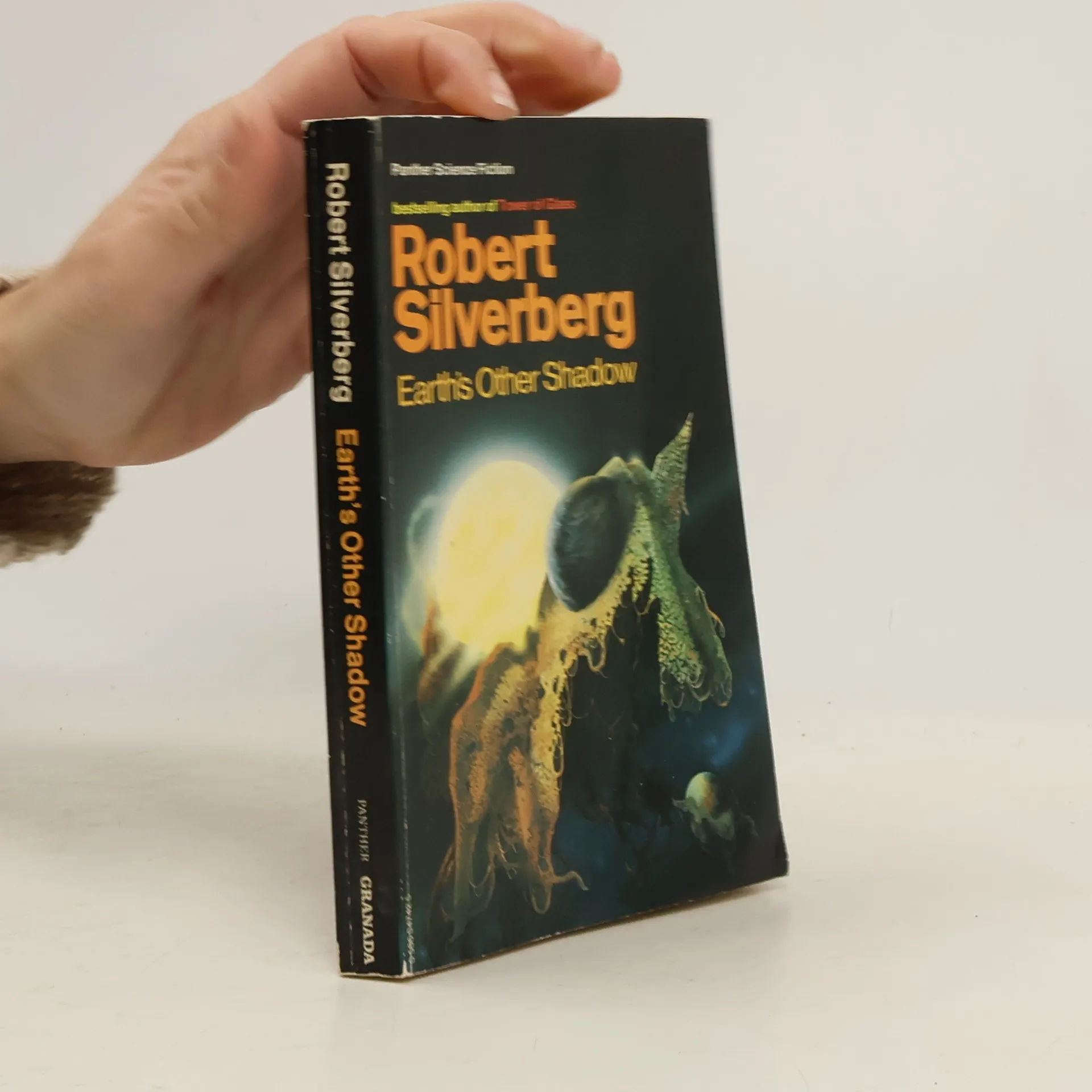
Earth's Other Shadow
- 222pagine
- 8 ore di lettura
Something Wild Is Loose 71 novelette by Silverberg To See the Invisible Man 63 story by Silverberg Ishmael in Love 70 story by Silverberg How It Was When the Past Went Away 69 novella by Silverberg To the Dark Star 68 story by Silverberg The Fangs of the Trees 68 novelette by Silverberg Hidden Talent 57 novelette by Silverberg The Song the Zombie Sang 70 story by Harlan Ellison & Silverberg Flies 67 story by Silverberg
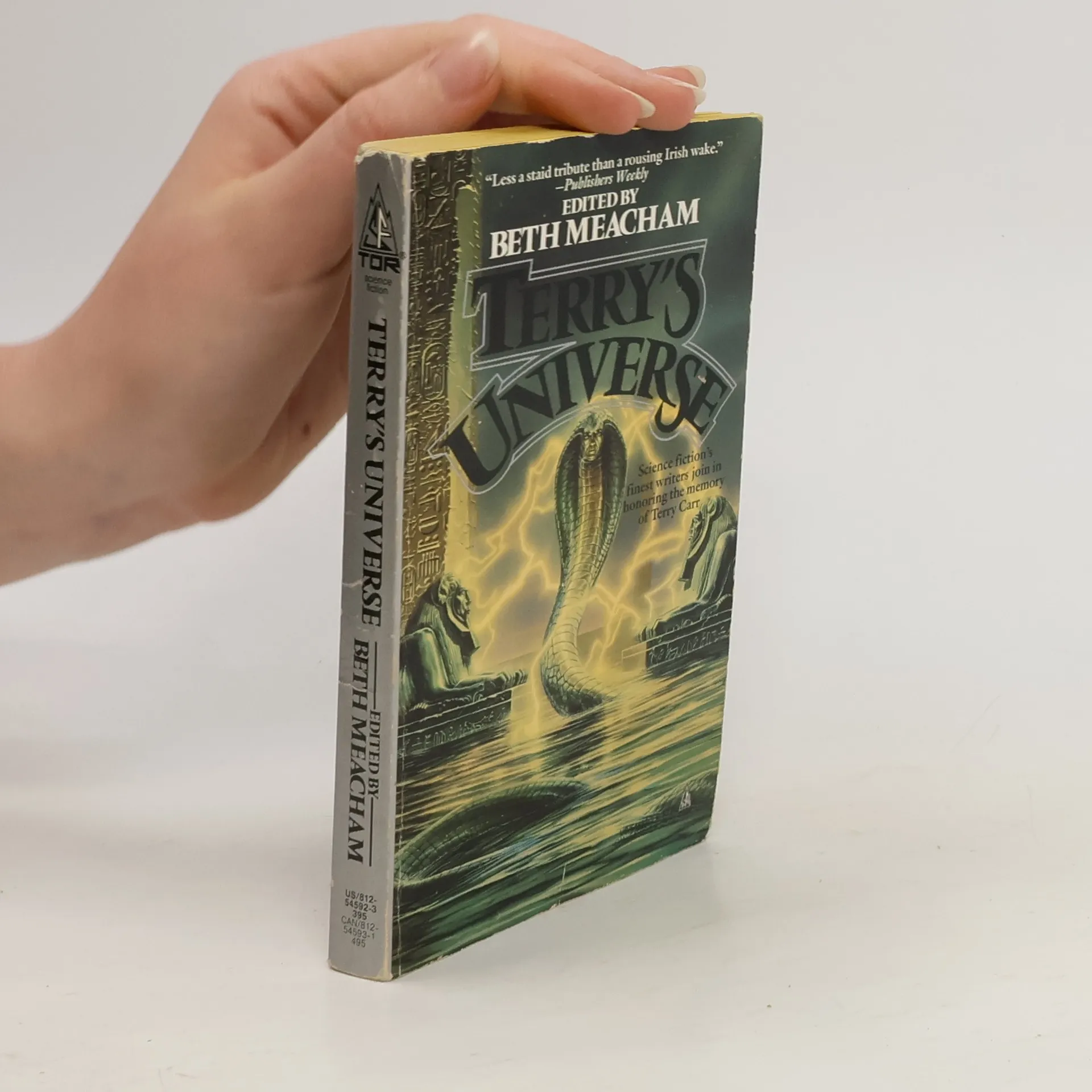
Terry's Universe
- 240pagine
- 9 ore di lettura
This collection of all new short fiction by thirteen of today's top science fiction writers represents a memorial to the late Terry Carr and includes contributions by Ursulia K. Le Guin, Roger Zelazny, and Robert Silverberg, among others
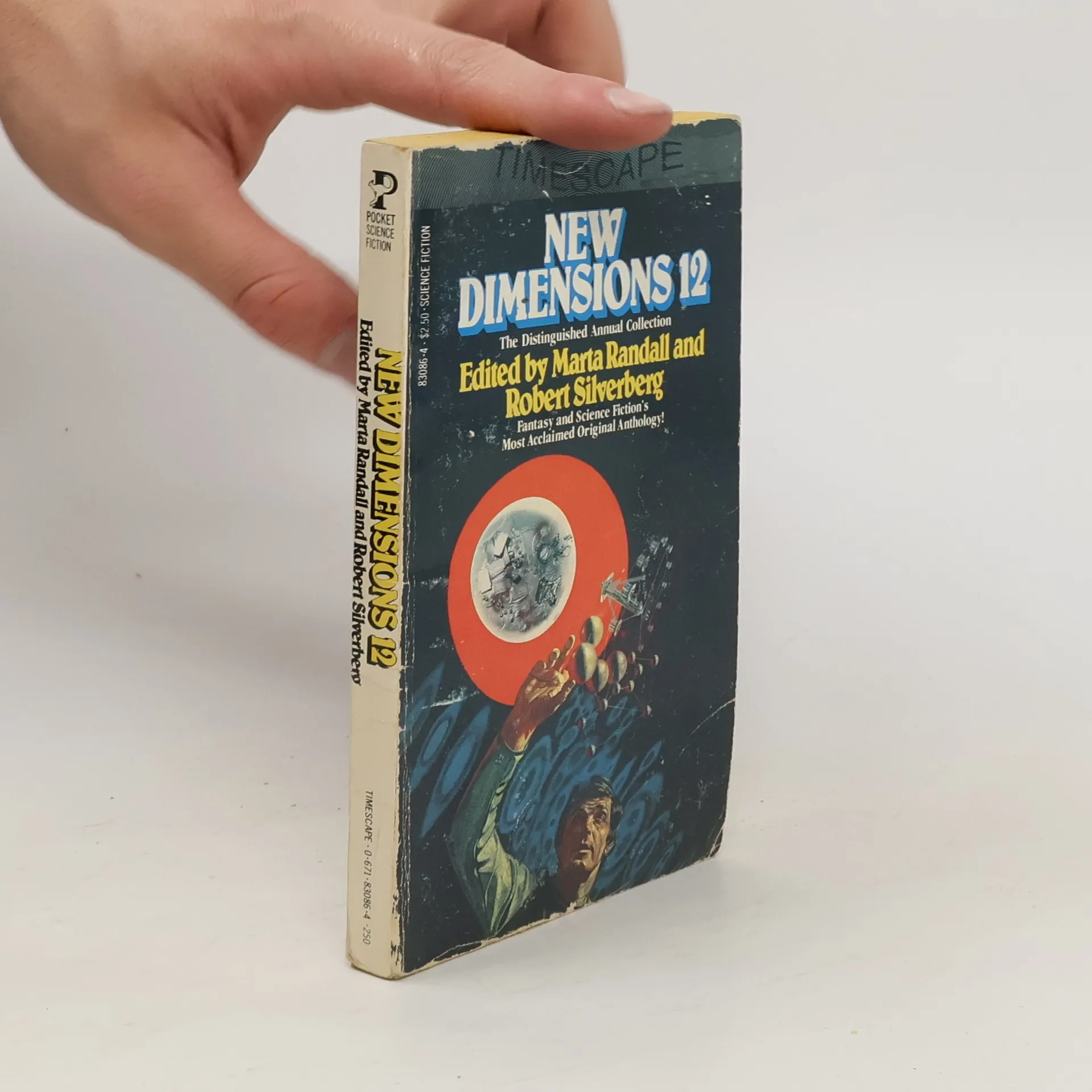
New Dimensions 12
- 223pagine
- 8 ore di lettura
New Dimensions 12 provides a snapshot of the New Wave movement in the years before SF was revitalized by the advent of the Cyberpunks. Authors in this edition include Michael Swanwick, Gregory Benford, Richard Grant, Elizabeth Lynn, Vonda McIntyre, Gordon Ecklund, Jack Dunn & Barry Maltzberg, Michael Ward, Tony Sarowitz, Juleen Brantingham, Carter Scholz, Peter Santiago and an illustration by Wendy Rose.
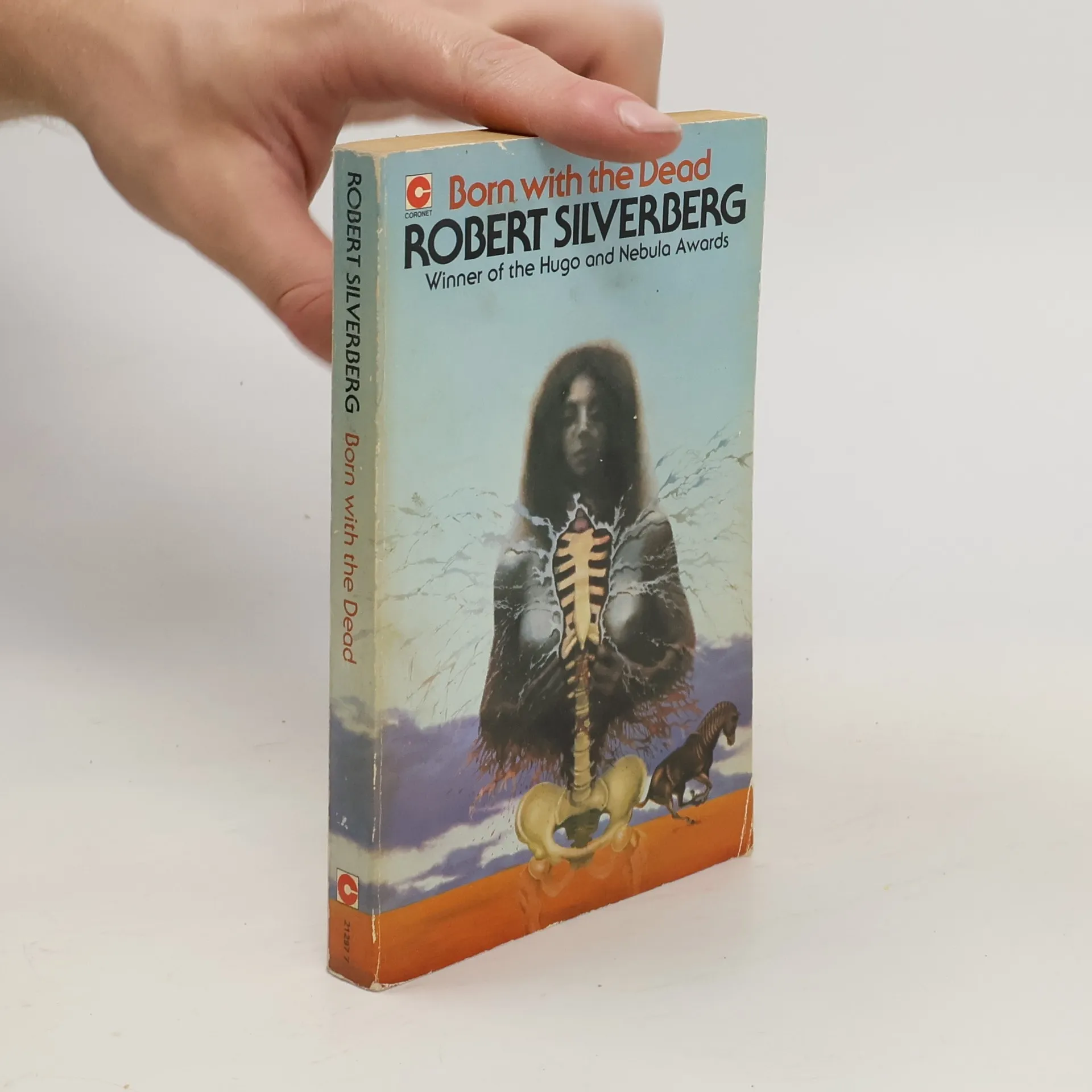
Born with the Dead
- 219pagine
- 8 ore di lettura
Collection of three novellas. Title novella: This Robert Silverberg novella was nominated for every major science fiction award when it was released, and won the coveted Nebula and Locus awards. A man's wife is among the rekindled dead now. He's heard that she was on an airplane to Zanzibar with five other rekindled dead. As a "warm" he was not really allowed to make contact with her. The dead liked to stay in their cold-cities. But he'd loved her so much when she was alive, he just had to try. (Nebula Award(R) Winner; Locus Award Winner; Hugo Award Nominee; Science Fiction Hall of Fame Pick)
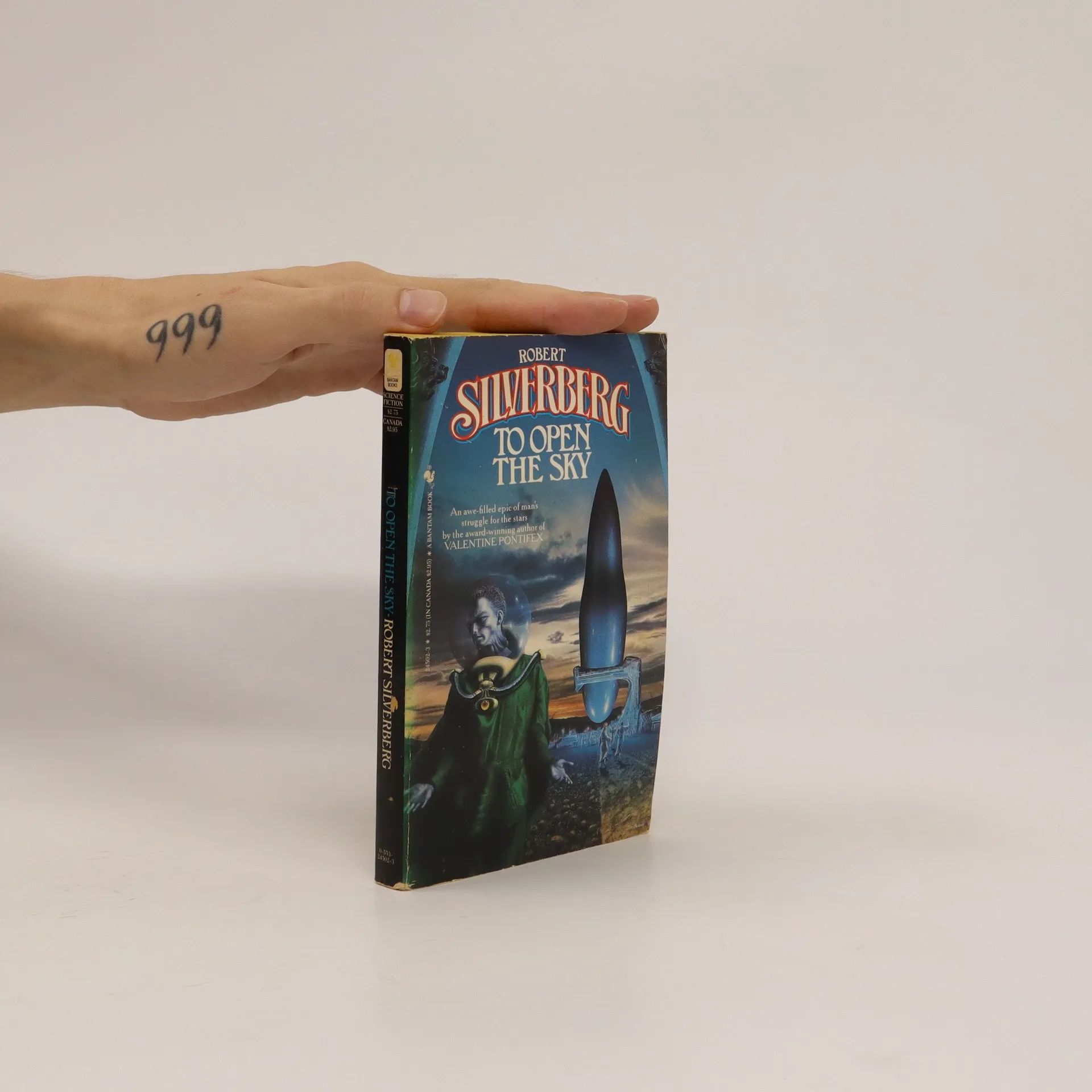
To Open the Sky
- 224pagine
- 8 ore di lettura
Earth's wildly overpopulated surface was frenetic, its billions swept away by mass hysteria.
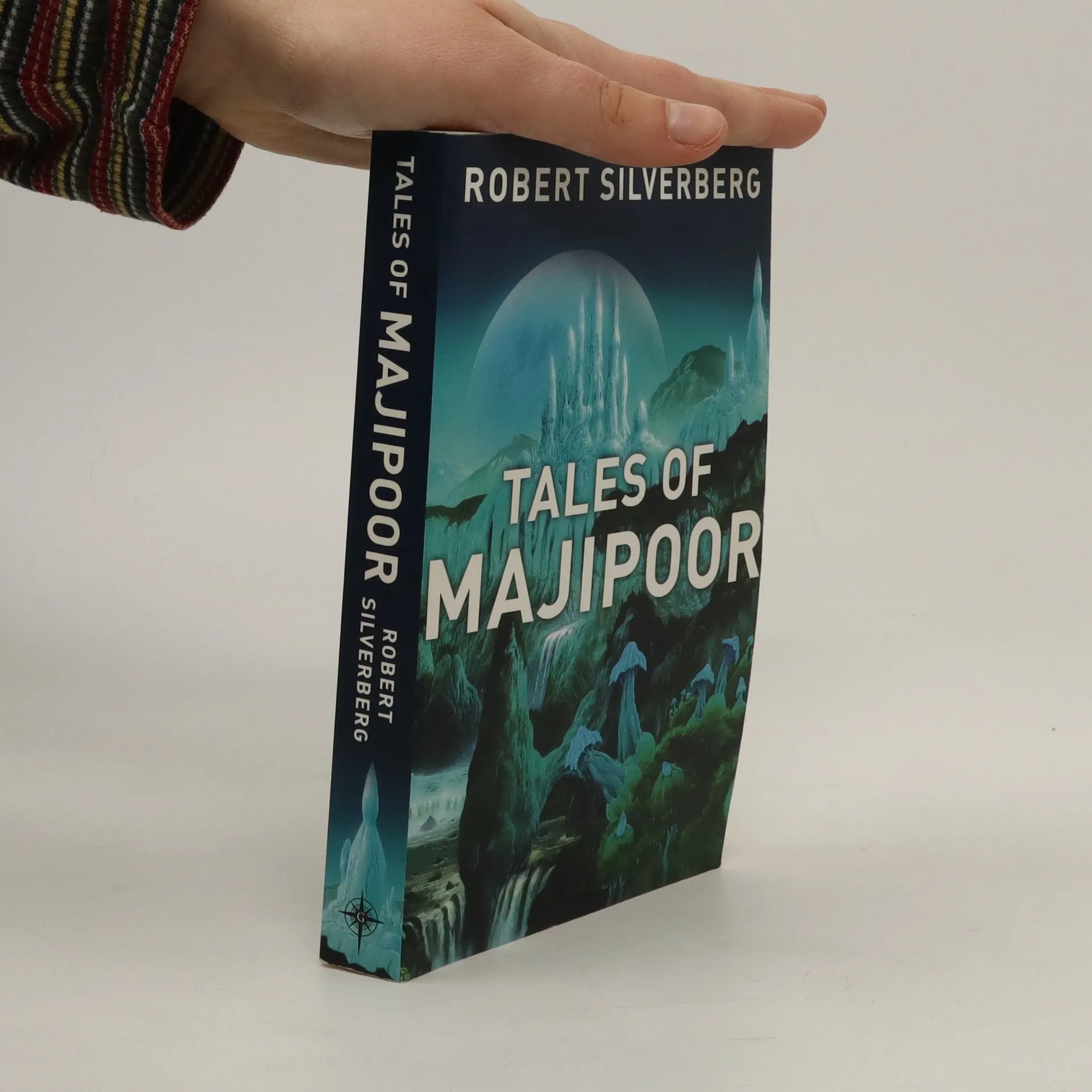
Tales of Majipoor
- 320pagine
- 12 ore di lettura
From one of the masters of science fiction comes a collection of stories, all set on his most famous creation - the massive world of Majipoor.
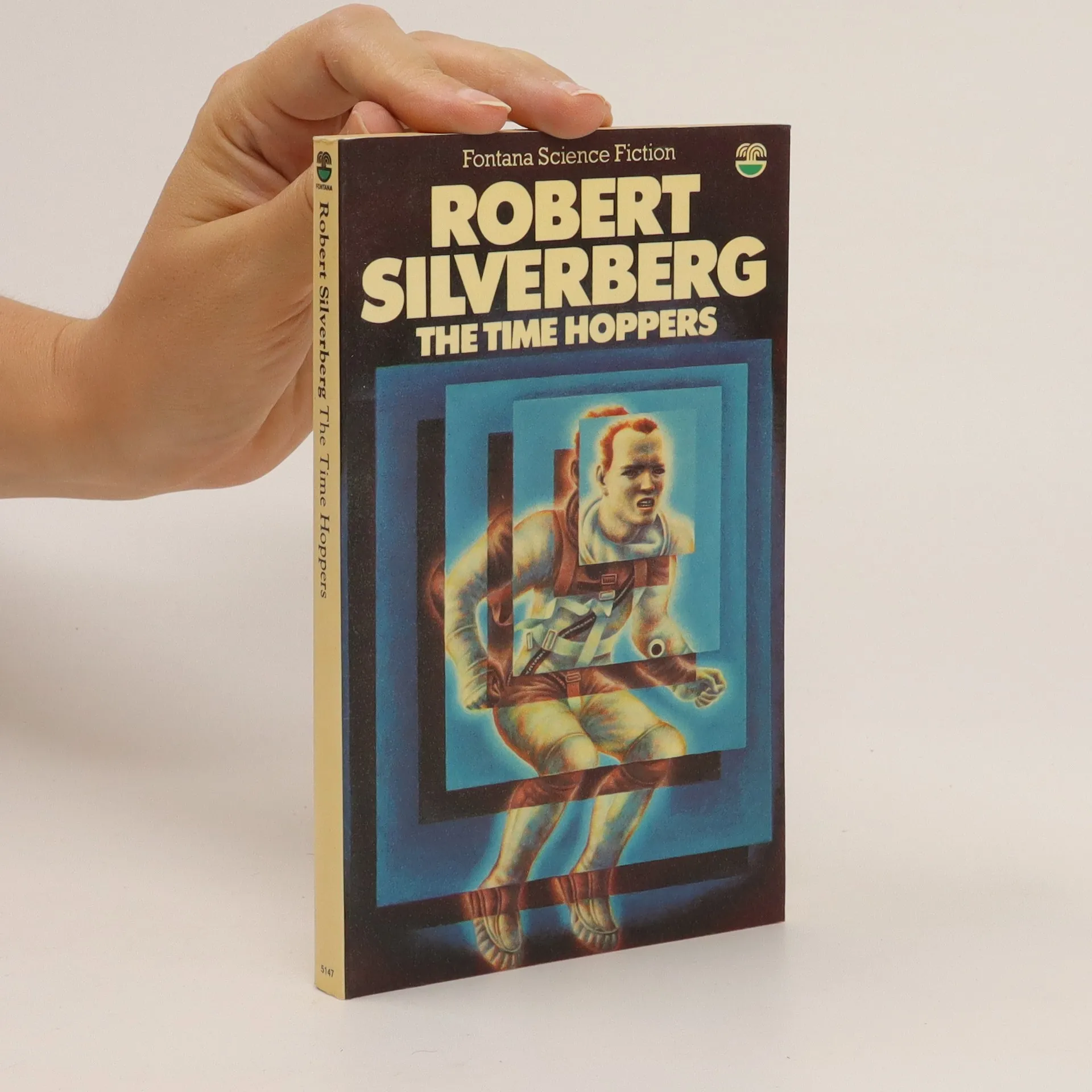
The Time Hoppers
- 160pagine
- 6 ore di lettura
They were disappearing, one at a time, in spite of the fact that in the crowded, hungry world of 2490 there was really nowhere worth going. Then they began to reappear, not in Moscow or Nairobi or LA--but in 1970, 1981, even the nostalgic days of the roaring 2100's. A way to the past had been found & people were flocking thru it for a better life--no matter what peril they might pose to the threatened present. Earth in the late 25th Century is an unpleasant place for many. People are crowded into most available areas. Unemployment is rampant. A highly stratified society provides luxury & space for a few, while lower levels live crowded in tiny apartments. Into this situation comes a hope of escape–-escape into the past, before the world was crowded. The story follows several characters. 1st is Joe Quellen, a midlevel Secretariat of Crime bureaucrat with a secret African residence, reached by a private teleportation booth. He heads the investigation into unauthorized time travel. Another is Norman Pomrath, Joe's brother-in-law, an unemployed low-level worker. He swears he wouldn't abandon his wife & children if presented with a chance to become a hopper.
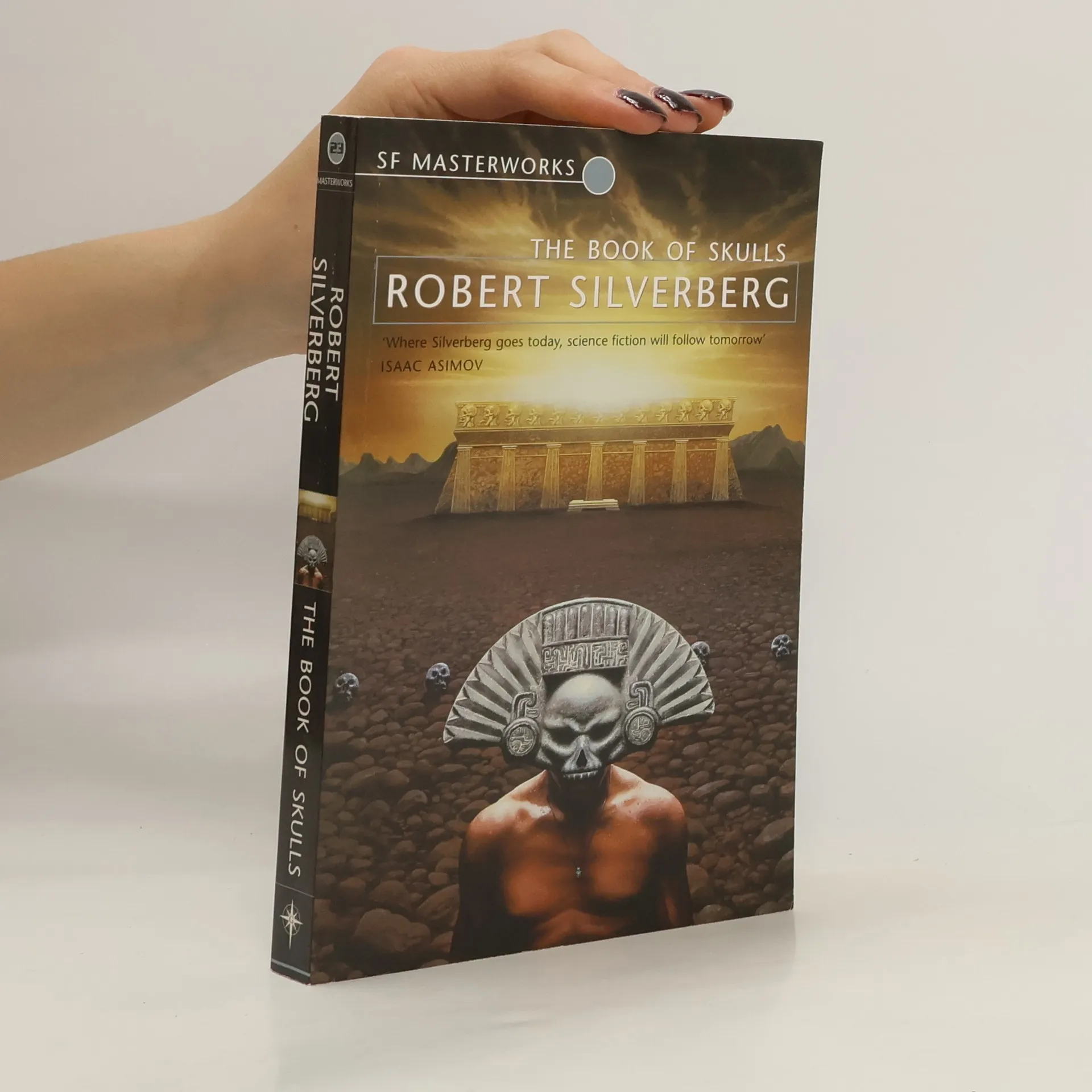
The Book Of Skulls
- 222pagine
- 8 ore di lettura
A finely crafted account of four friends' quest for immortality
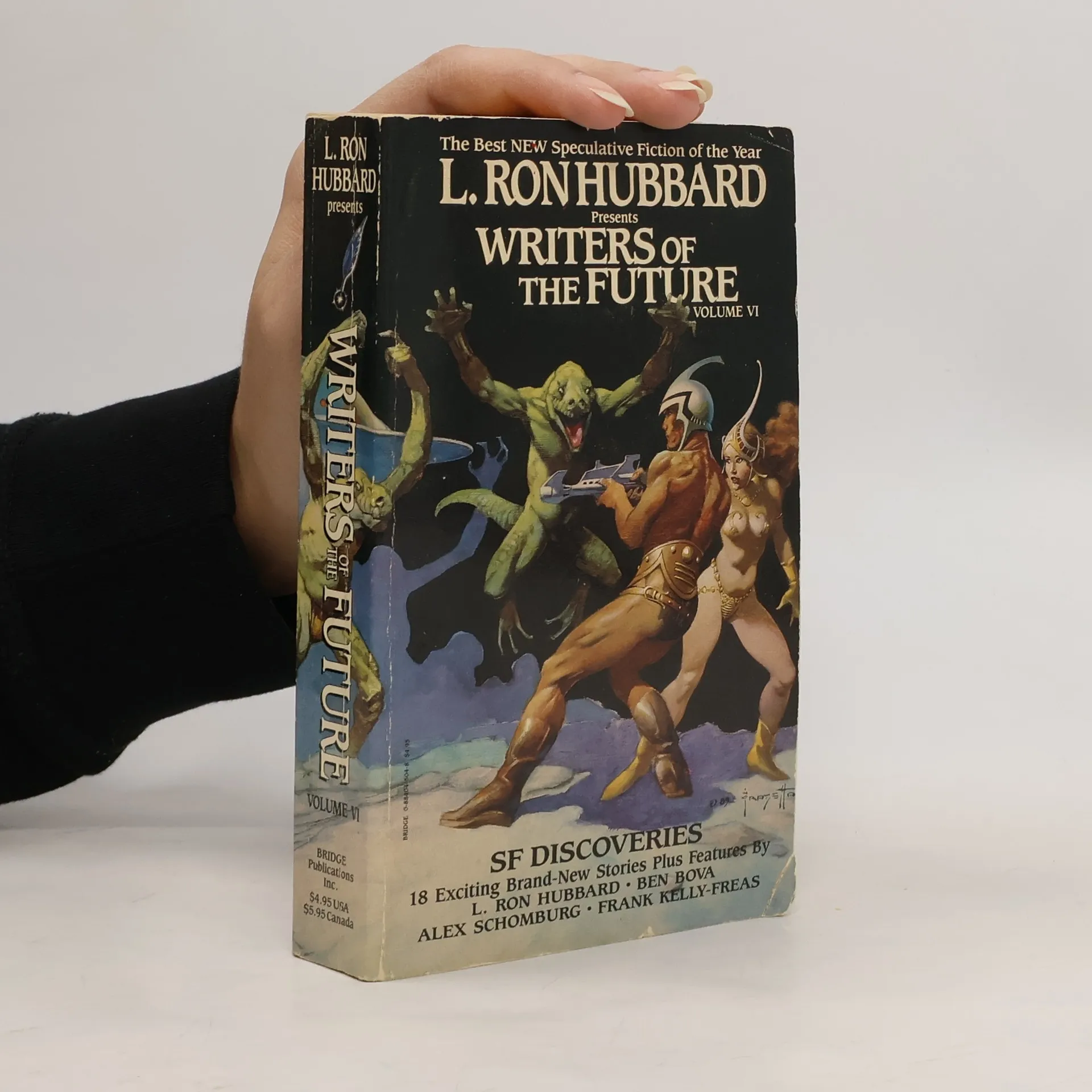
L. Ron Hubbard Presents Writers of the Future
- 409pagine
- 15 ore di lettura
Presents short stories of fantasy and horror which are set either in the future or in unknown worlds.
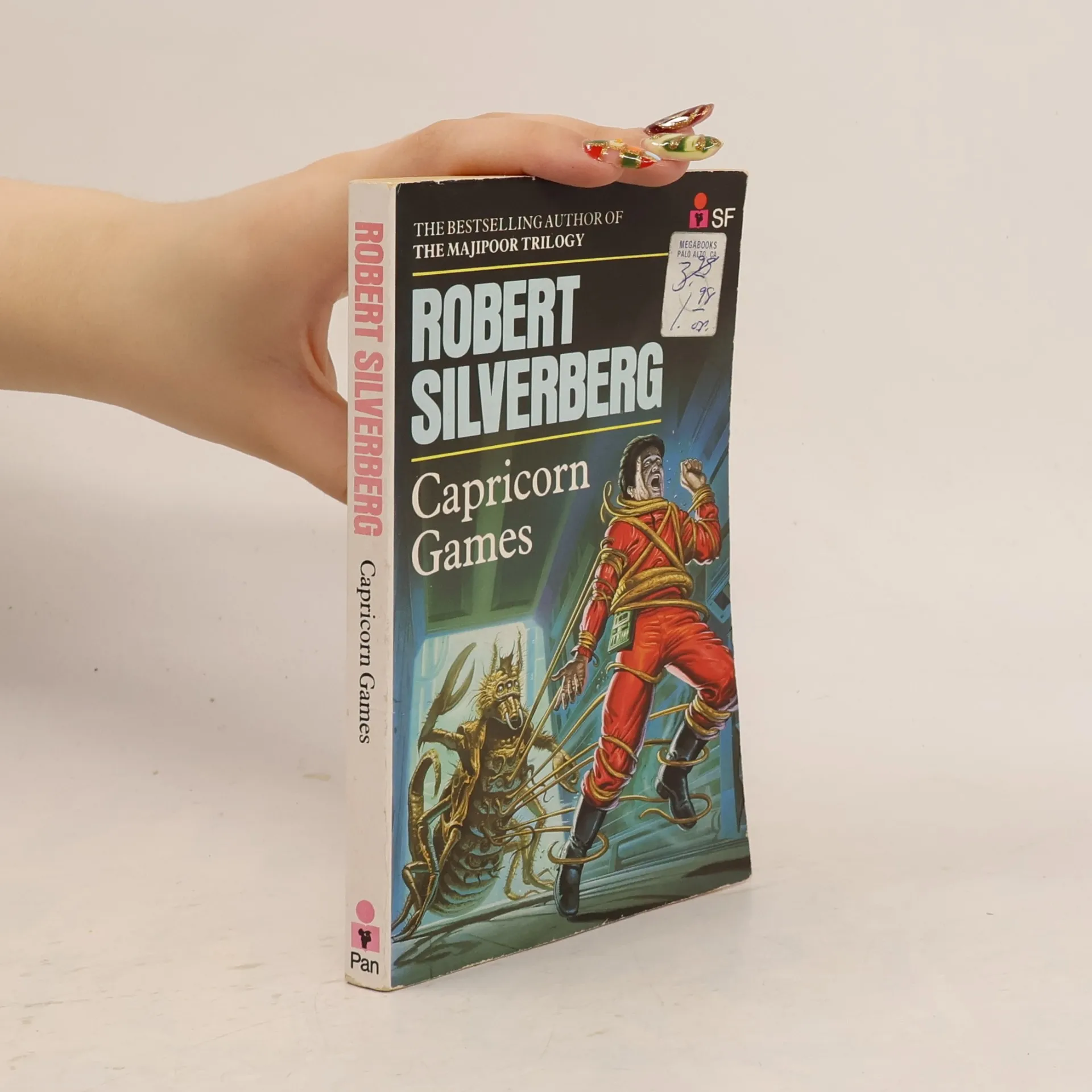
Capricorn Games
- 191pagine
- 7 ore di lettura
A woman attends a very strange party that includes a billionaire, a mind reader, a Byzantine Duke, and a man who has lived 1000 years, from whom she tries to find the secret to a long life. Contents: Ship-Sister, Star-Sister A Sea of Faces The Science Fiction Hall of Fame Ms. Found in an Abandoned Time Machine Ishmael in Love Getting Across The Dybbuk of Mazel Tov IV Capricorn Games Breckenridge and the Continuum
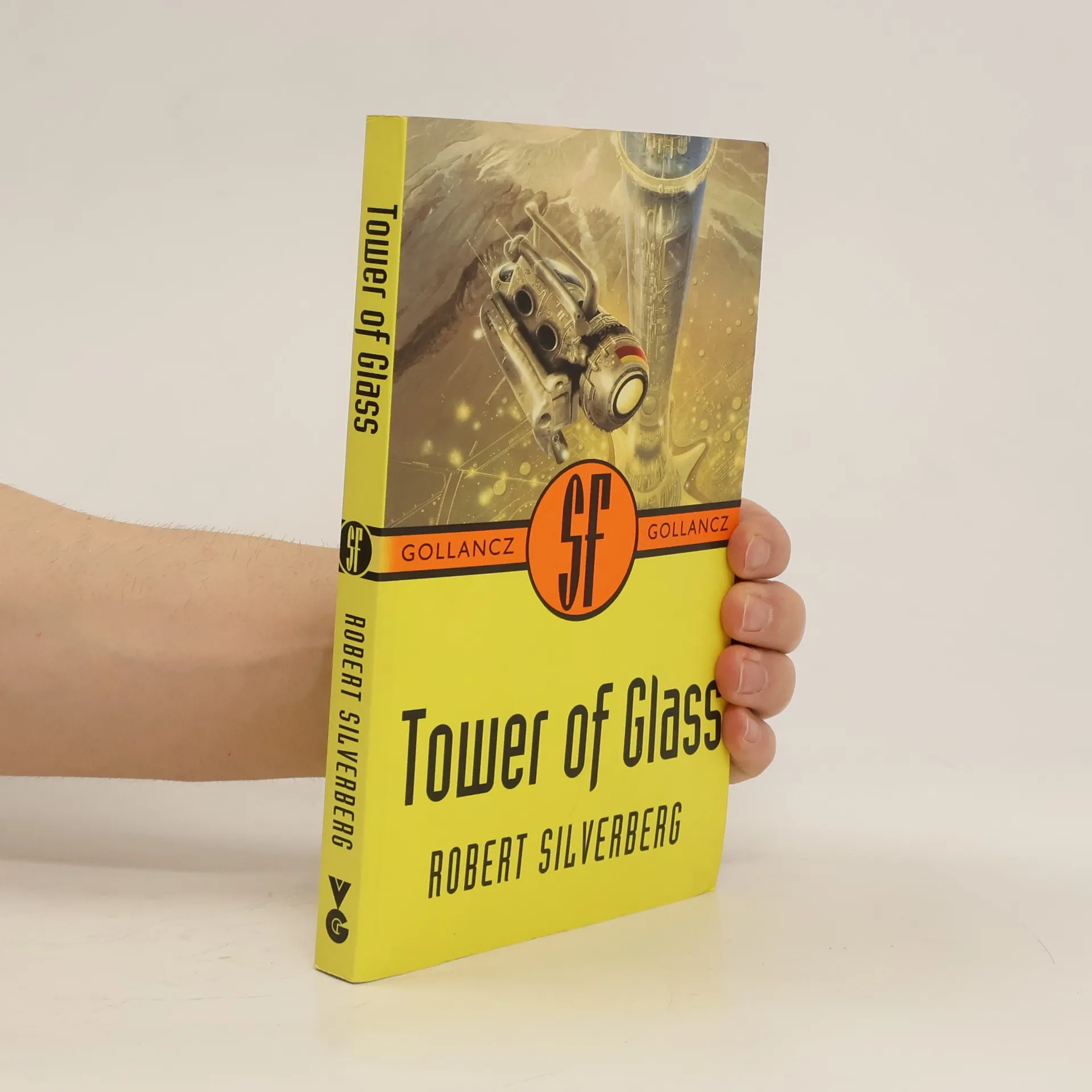
Simeon Krug is a man with a vision, and he has the vast wealth necessary to bring it into being. For Krug wishes to communicate with the stars, to answer signals from deep space. The colossal glass tower that he is building for the purpose soars high above the Arctic tundra, a sparkling monument to his determination and obsession. The androids who are working on it are perfect synthetic creations, created by Krug's own process in Krug's own factories, and their commitment to the project and their loyalty to Krug are beyond question. For they have made him their god and believe that through him they will become flesh and blood. But Krug is not a god, and when the androids learn the bitter truth their anger is terrible and uncontrollable and threatens much more than Krug's tower. Tower of Glass is a tense and powerful novel written with the intense creativity and ferocious imagination which characterize Silverberg's finest work . Dealing intelligently and forthrightly with important themes, it is science fiction at its thrilling best.
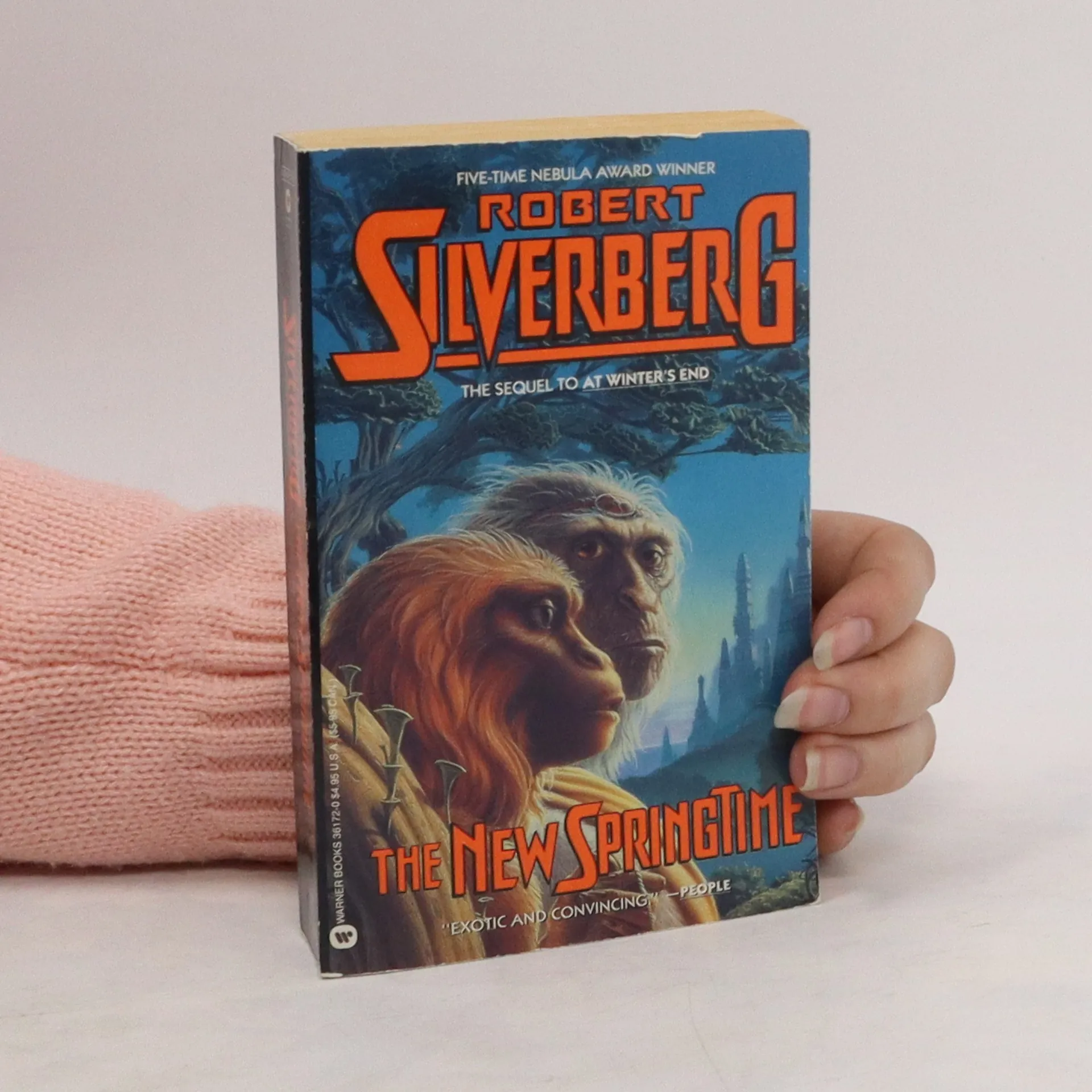
The New Springtime
- 472pagine
- 17 ore di lettura
Forty years after the foundation of a new settlement by Hresh and Taniane, the two capitals of the People are threatened by internal strife, factionalism, and a new war with the insect-like hjjks
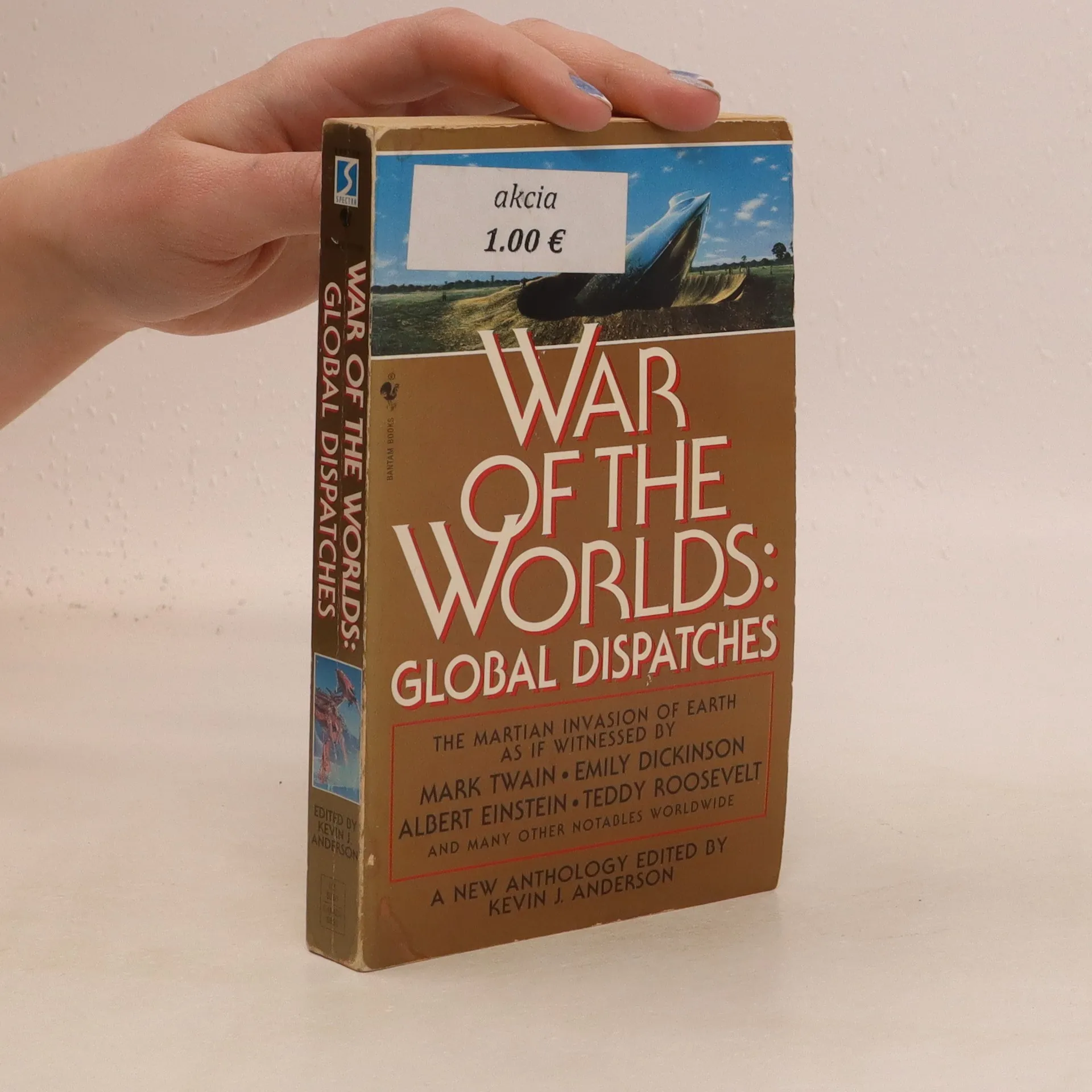
War of the Worlds: Global dispatches
- 352pagine
- 13 ore di lettura
In H.G. Wells' "The War of the Worlds", the fictional dispatches from a London newspaper reporter describe battles taking place around the globe. Now, readers experience the Martian invasion from other locales--as imagined by the genre's most gifted writers. Each story is told from the point-of-view of a historical or literary figure at the turn of the century, from Rudyard Kipling in India to the Dowager Empress in China.
Majipoor Chronicles
- 281pagine
- 10 ore di lettura
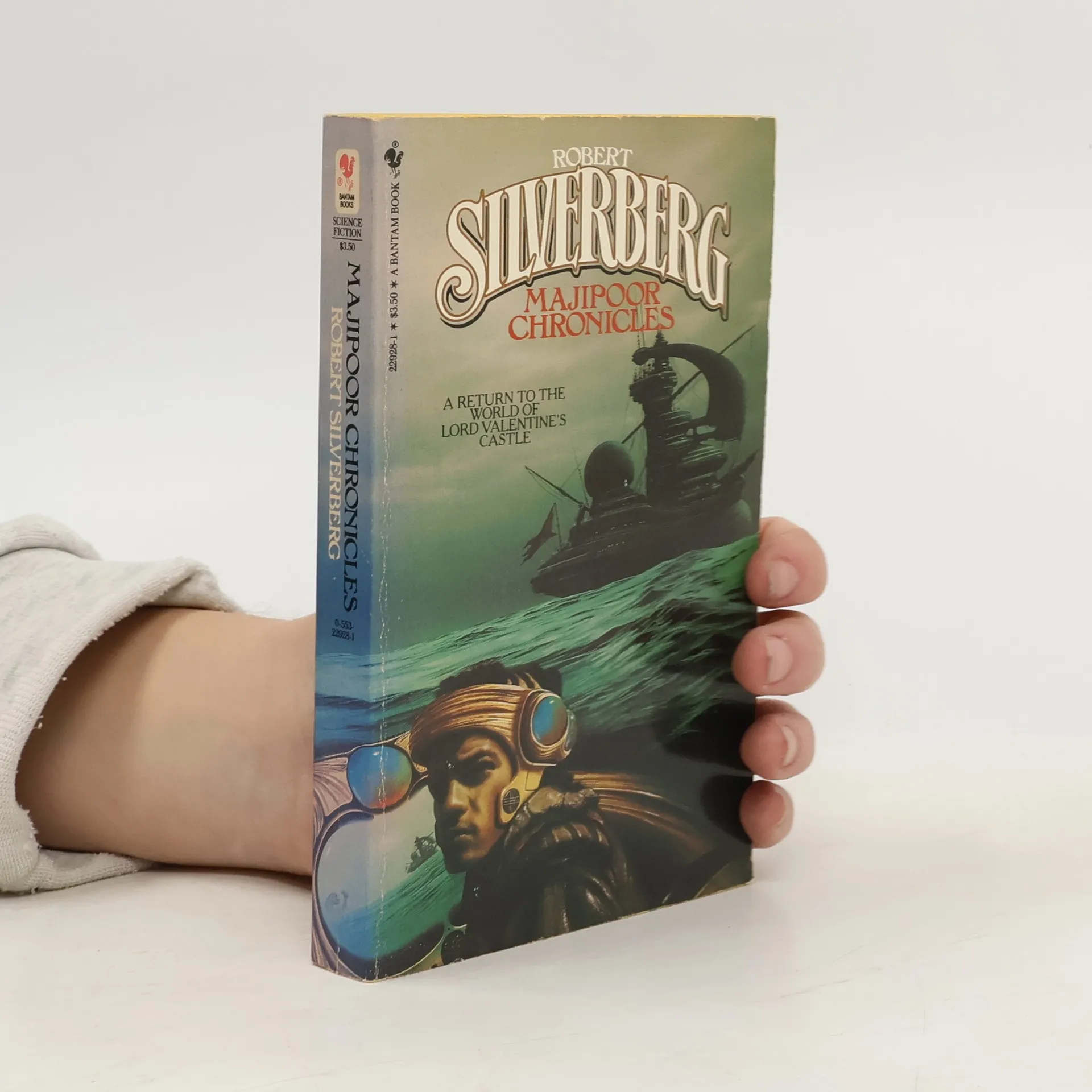
In the fourth year of the restoration of the Coronal Lord Valentine a great mischief has come over the soul of the boy Hissune, a clerk in the House of Records of the Labyrinth of Majipoor. These documents had been allowed to fall into disarray, no doubt for good reason, and now some malevolent destiny has chosen Hissune to put them to rights. So far as Hissune can see it is useless work, except that he will have a fine geography lesson, a vivid experience of the hugeness of Majipoor.
A humorous story of Earth's last gasp, humanity is going to hell and back like it's a shuttle ride. In the artificial purity of satellite air or beneath the bilious skies of Earth, despite newly evolved bacterial plagues and bribe-taking androids, the characters pursue self-interested destinies.
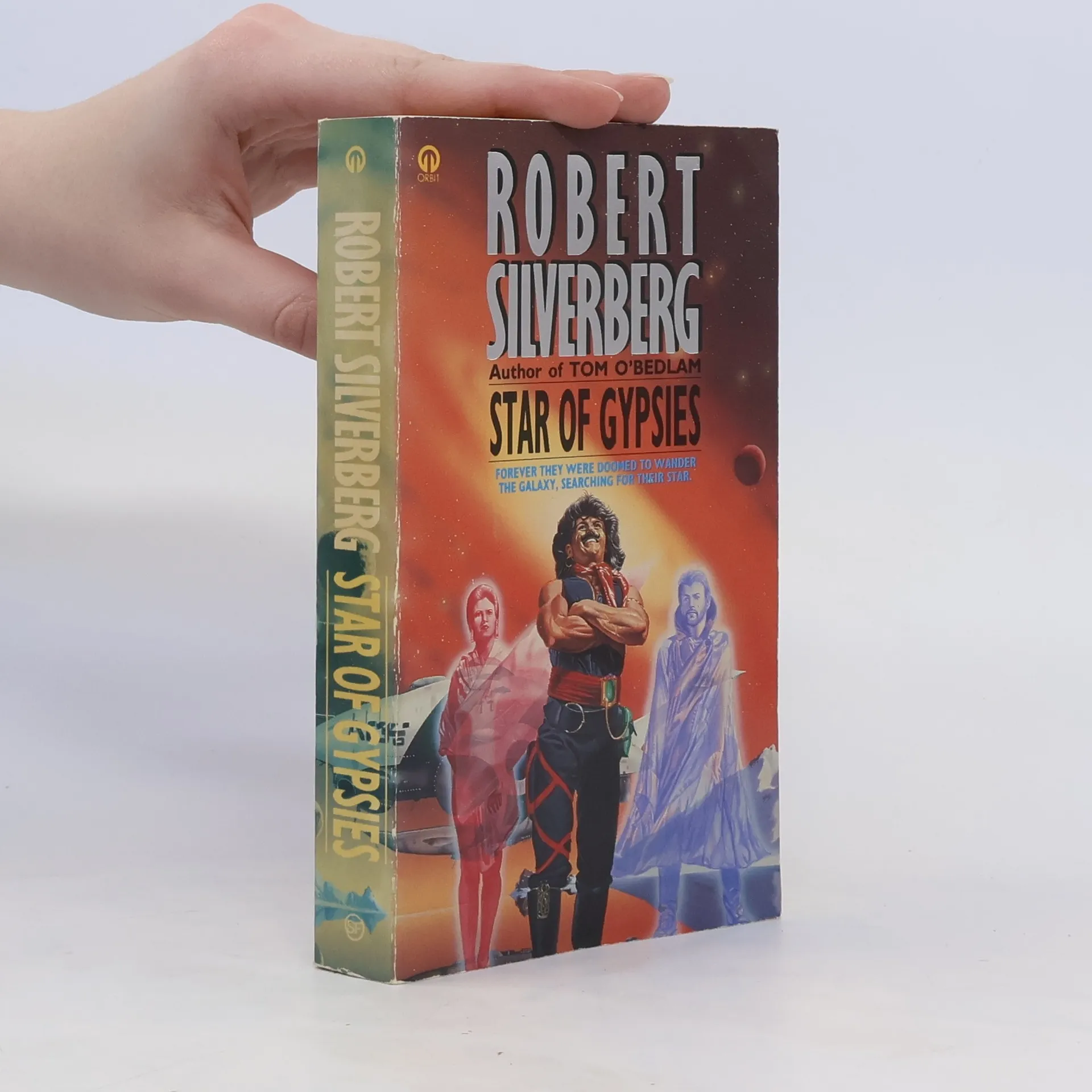
Yakoub was once the legendary king of the Rom, the Gypsy race that has evolved from the days of caravans into lords of the spaceways--the only pilots capable of steering ships safely between the many worlds of the galaxy. Weary and proud, Yakoub has relinquished his power and lives in exile on a distant, icy world. In his absence, chaos fills the vacuum of power. The fate of the entire galactic empire hangs in the balance. Yakoub must journey across the cosmos and fight to regain his throne. Only then can he fulfill his dream: to return his people to their ancestral home of Romany Star.The Rom need the Yakoub of legend once more. Can the once-mighty king overcome time and tyranny and inspire his people in their darkest hour?
Needle in a Timestack
- 180pagine
- 7 ore di lettura
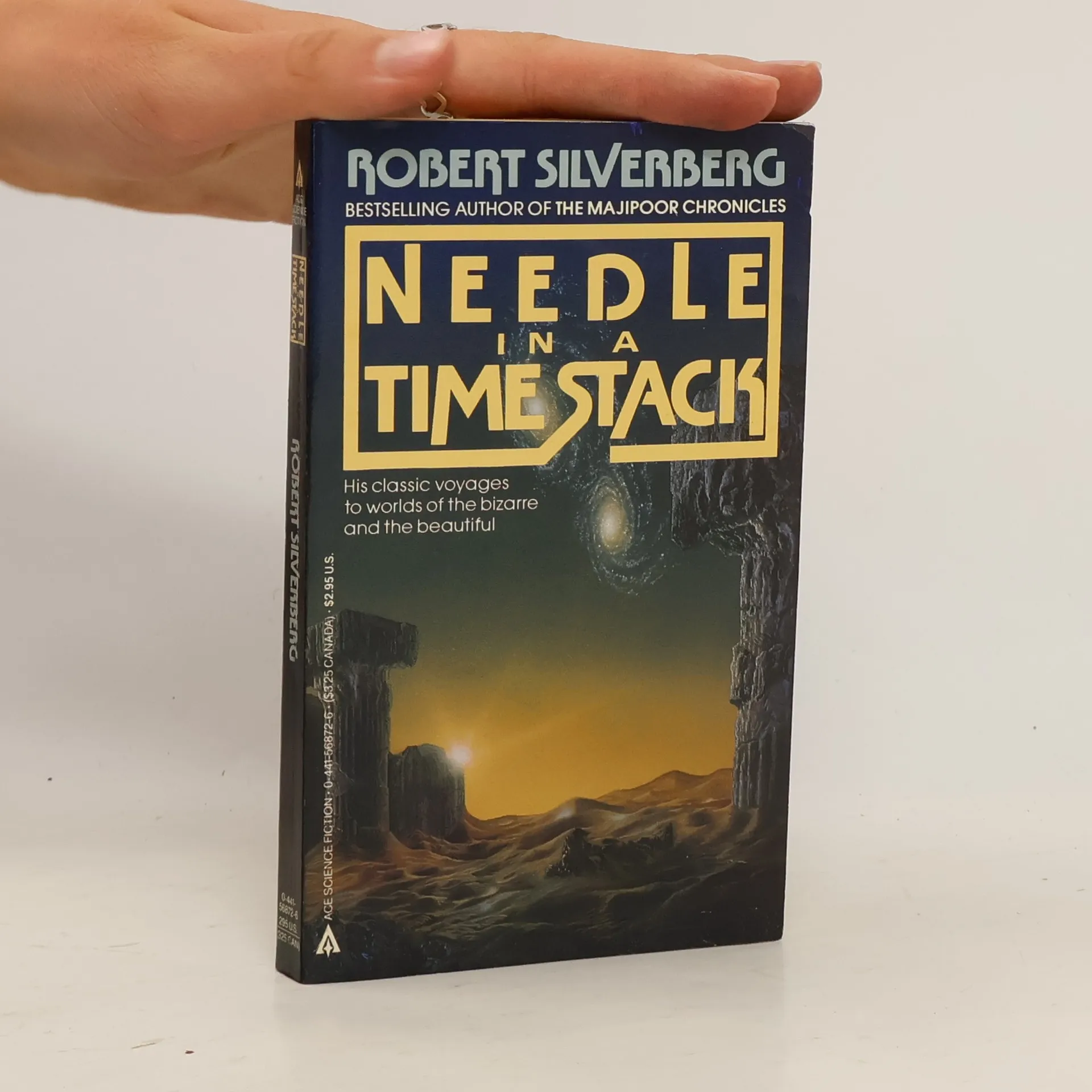
The Shadow of Wings The Iron Chancellor Birds of a Feather Absolutely Inflexible To See the Invisible Man Passport to Sirius The Pain Peddlers There Was an Old Woman... The Sixth Palace His Brother's Weeper
Ganymede, one of the moons of Jupiter, has what earth in the twenty-first century needs, radio-active minerals, and the Corporation intends to mine them. One small problem, Ganymede is inhabited by a primitive race, and there might be conflict. An exciting tale. Good tight copy
In a not-too-distant future, the assassination of an all-powerful New York City Mayor has plunged the five boroughs back into a dangerous cesspool of crime, drugs, and prostitution. Professional prognosticator Lew Nichols joins the campaign team of a fast-rising politico running for the city's top office, and is introduced to a man who privately admits to being able to view glimpses of the future. Lew becomes obsessed with capturing the man's gift and putting it to use for his candidate, but struggles to accept the strict terms he arranges with his mentor ... and the unforgiving predetermination of the future.
Robert Silverberg has been nominated for, and won, more awards for his fiction than any other writer in the SF genre. This classic, now finally back in print, sweeps us -- and Clay, the main character -- into Earth's far-away future on a panoramic, billion-year journey. "Wildly generous with image and sensation and with sexuality."--"The New York Times." "Silverberg is one of SF's eminences."--"Brian W. Aldiss." "A surreal allegory...it remains my personal favorite and I recommend it wholeheartedly."--"Brian Stableford "
The World Inside
- 167pagine
- 6 ore di lettura
In the highly structured and controlled utopian society of the year 2381, men and women who desire individuality and self-identity meet with inevitable disaster
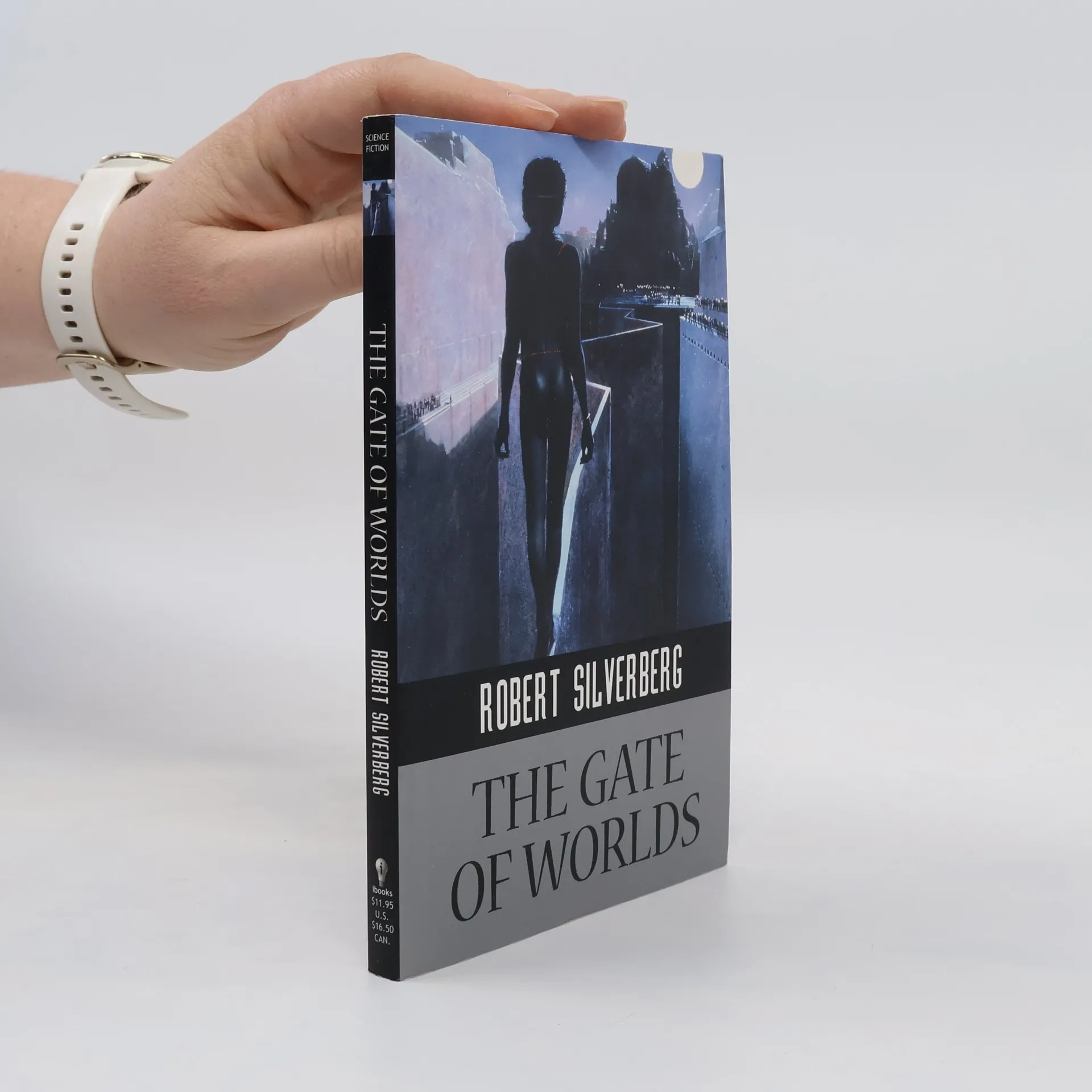
The Gate of the Worlds
- 208pagine
- 8 ore di lettura
Dan Beauchamp is a young Englishman whose heart longs for fortune and adventure. But industrial Mexico is a long way from primitive Britain, and Dan has a lot to learn.
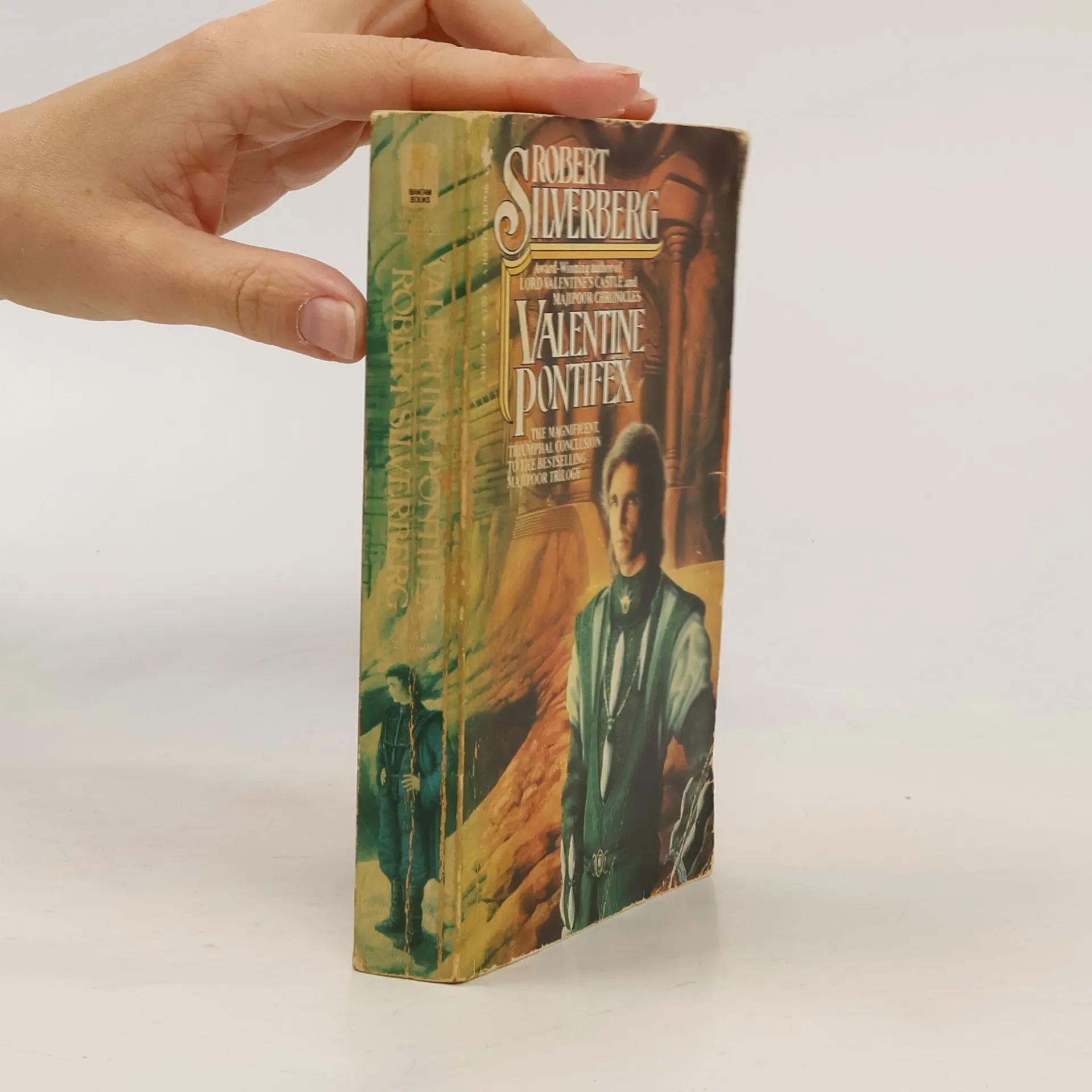
Valentine Pontifex
- 368pagine
- 13 ore di lettura
Dark dreams stir Lord Valentine's sleep. The Shapeshifters scheme in secret to regain their stolen world, and confusion and chaos are whispered on the winds of Majipoor.
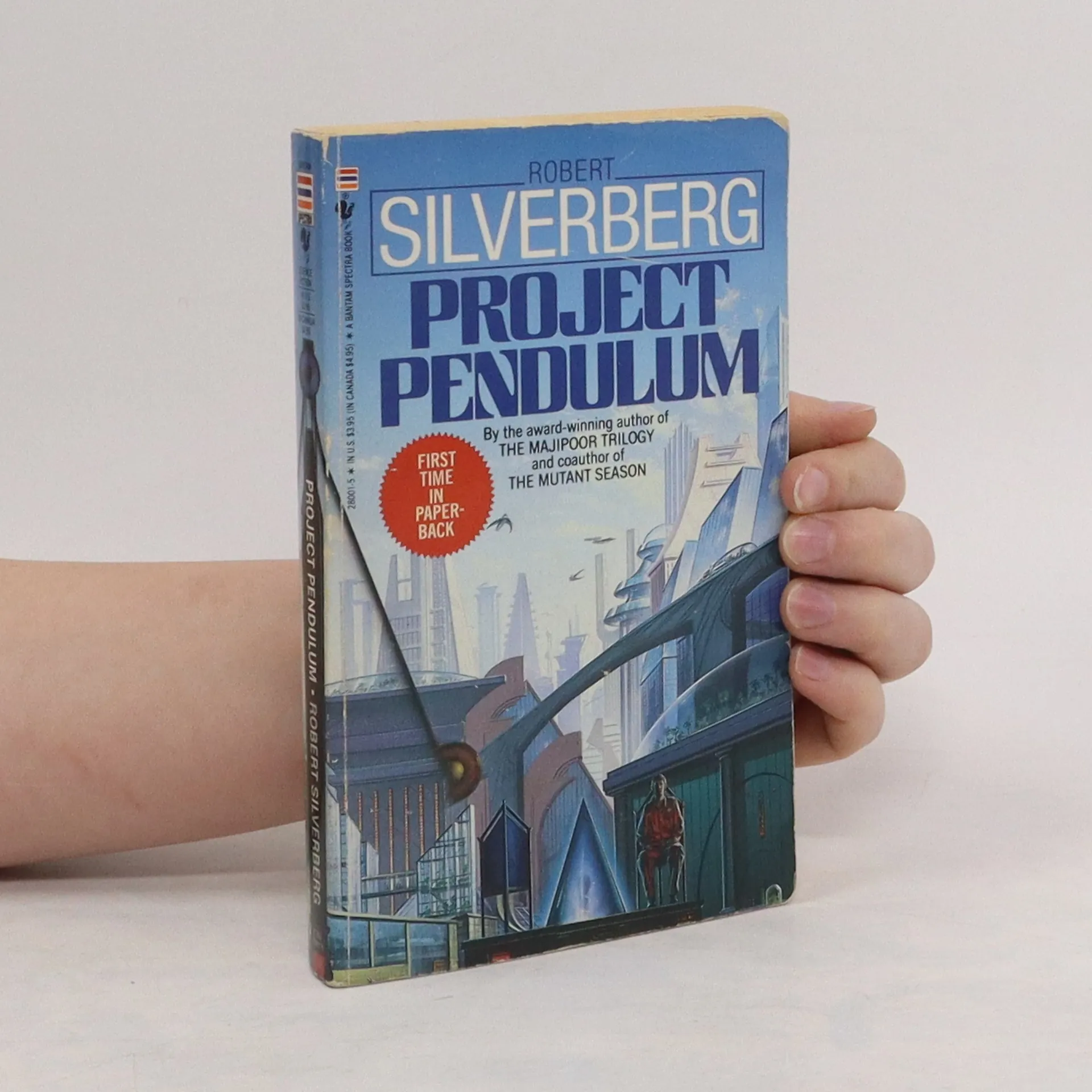
Silverberg presents a short novel about two people involved in the world's first time-travel experiment--one that sends them whirling pendulum-like into the distant past and unimaginable future. Reprint from Walker.
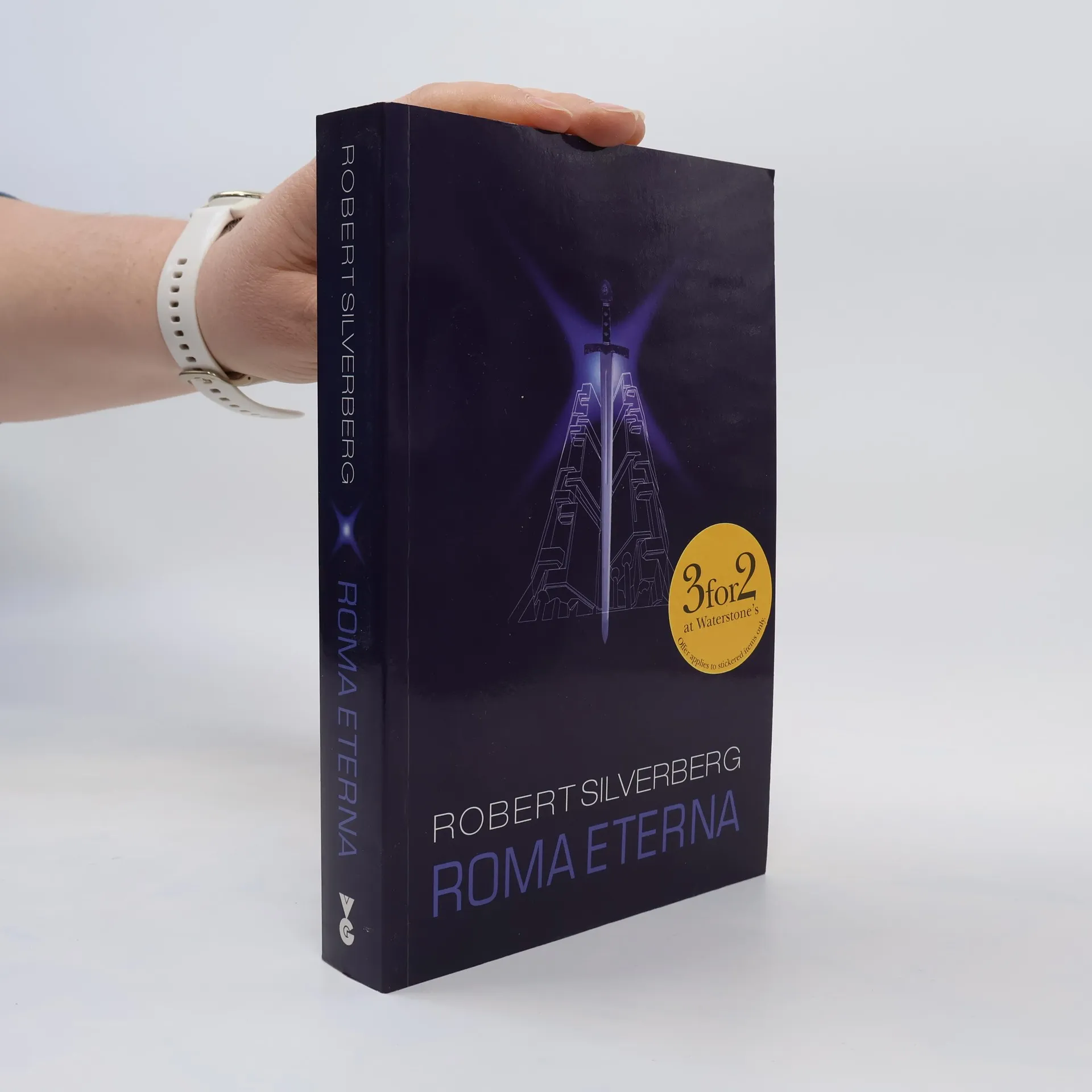
Roma Eterna
- 385pagine
- 14 ore di lettura
The Roman Empire never fell. Driven by political ambition and internal dissent, thrown into turmoil by rebellion and civil war, it changed and adapted, but it never fell. The balance of power between Byzantium in the east and Rome in the west ebbed and flowed, but the Empire never fell. And it continued to expand, taking in the New World, while still dominating the old. This ambitious and accomplished novel explores fifteen hundred years of alternate Roman history through the very human stories of some of those who lived through it: the soldier encountering the exoticism of the New World for the first time; the minor official exiled to Arabia for some misdemeanour whose meeting with a religious fanatic may have changed the course of history; the military hero seizing his destiny; the innocent British aristocrat witnessing the destruction of the royal family; the children who find the last emperor in a decaying wood are all vividly and memorably portrayed. Roma Eterna takes it's place among the great alternate histories.
Three thousand years after Earth's colonisation of the planet Borthan, stories of self-serving hypocrisy that occured among the first arrivals have bred a culture that forbids emotional sharing and denies the naturally human concept of 'self'. The result is a lasting peace, but at a terrible price. For it is a peace without love, without self, where even the mention of the word 'I' is taboo. Spurred on by the arrival of an Earthman with a self-baring drug, Kinnall Darival breaks the strict code of the Covenant to record the sordid details of his rebelious life from the days of his royal youth to self-appointed prophet of love. He begins his account with the greatest of heresies: 'I am Kinnall Darival and I mean to tell you all about myself.' Winner of the Nebula Award for best novel.
Manual of Surgical Therapeutics
- 449pagine
- 16 ore di lettura
Medical College of Wisconsin, Milwaukee. Ninth edition of a pocket manual to the nonoperative management of surgical patients, for residents and medical students. Previous edition 1993. Outline format. Wire spiral binding. 65 U.S. contributors.
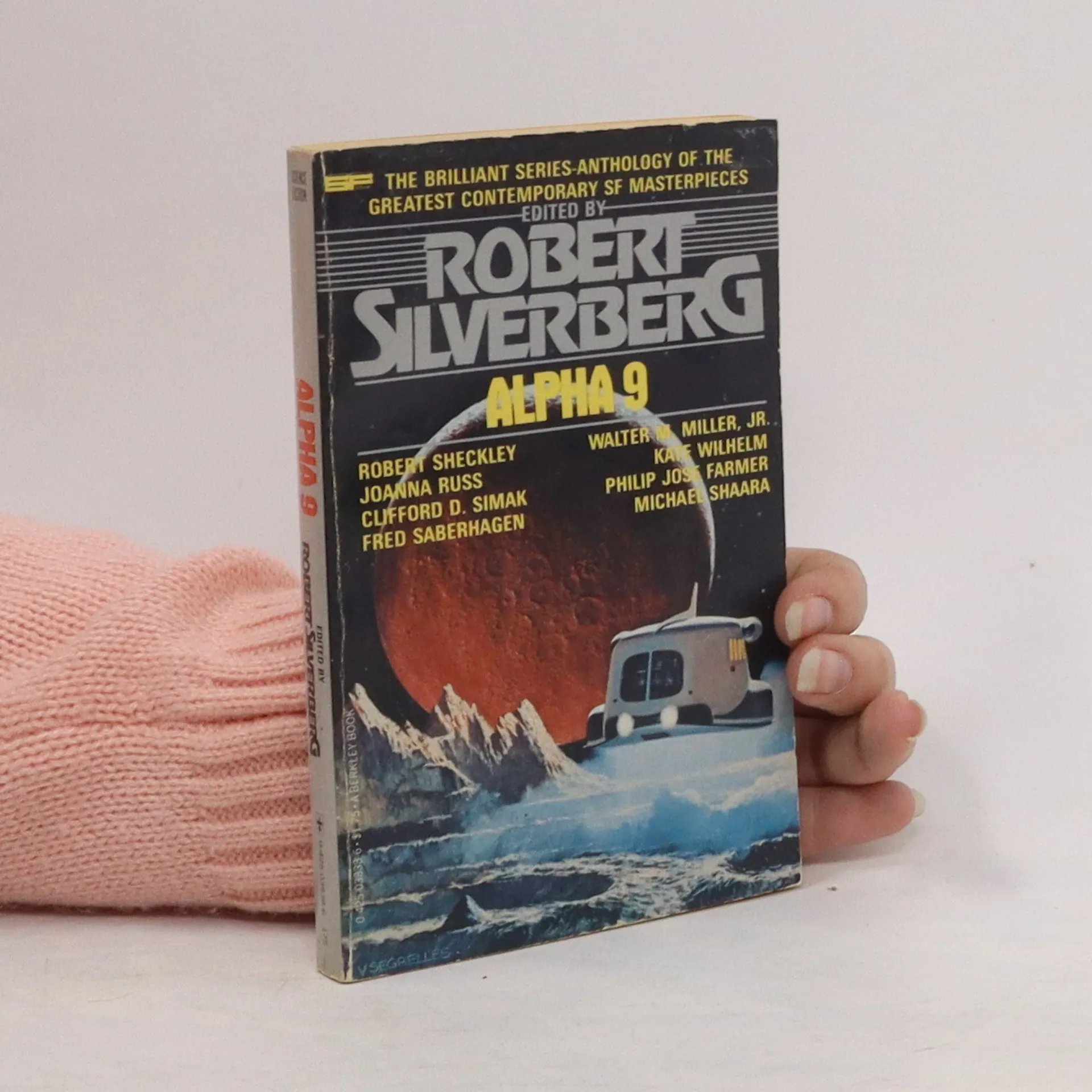
Includes:Introduction by Robert SilverbergDumb waiter by Walter M. Miller, Jr.The monsters by Robert SheckleyThe sliced-crosswise-only-on-Tuesday world by Philip José FarmerThe funeral by Kate WilhelmThe book by Michael ShaaraDusty zebra by Clifford D. SimakGoodlife by Fred SaberhagenNobody's home by Joanna Russ
Edited by Robert Silverberg.Includes: "The Lost Contient" by Norma Spinrad 1970African tourists visit a United States blighted by environmental catastrophe."Light of Other Days" by Bob Shaw 1966A young couple contemplates thier first purchase of "slow glass.""The Secret of Old Custard" by John Sladek 1966Surrealist paranoid humor?"Down among the Dead Men" by William Tenn 1954A drill sargent meets his new unit, composed of lab-developed men made from the remains of fallen soldiers. "With These Hands" by C.M. Kornbluth 1951A sculptor faces new technologies."Short in the Chest" by Idris Seabright 1954An andriod military psychologist provides advice."Brown Robert" by Terry Carr 1962The problems of time-travel."The Food Farm" by Kit Reed 1967A young woman and her food fixation. "An Honorable Death" by Gordon R. Dickson 1960Colonists of an alien world host a dinner party."Man of Parts" Horace L. Gold 1954A space pilot's mind is transfered into an conscious machine. "Painwise" by James Tiptree 1972A spacetraveler, anatomically altered for spacetravel battles with his computer chaperone.
Hawksbill Times Two
- 552pagine
- 20 ore di lettura
Set a billion years in the past, the narrative unfolds at Hawksbill Station, a unique time-travel facility. The story intricately weaves together the experiences of its characters as they navigate the challenges of living in a prehistoric world. Themes of survival, exploration, and the ethical dilemmas of time travel are explored, offering a thought-provoking look at humanity's place in the vast timeline of existence. The dual timeframes enhance the complexity of the plot, inviting readers to ponder the implications of their actions across time.
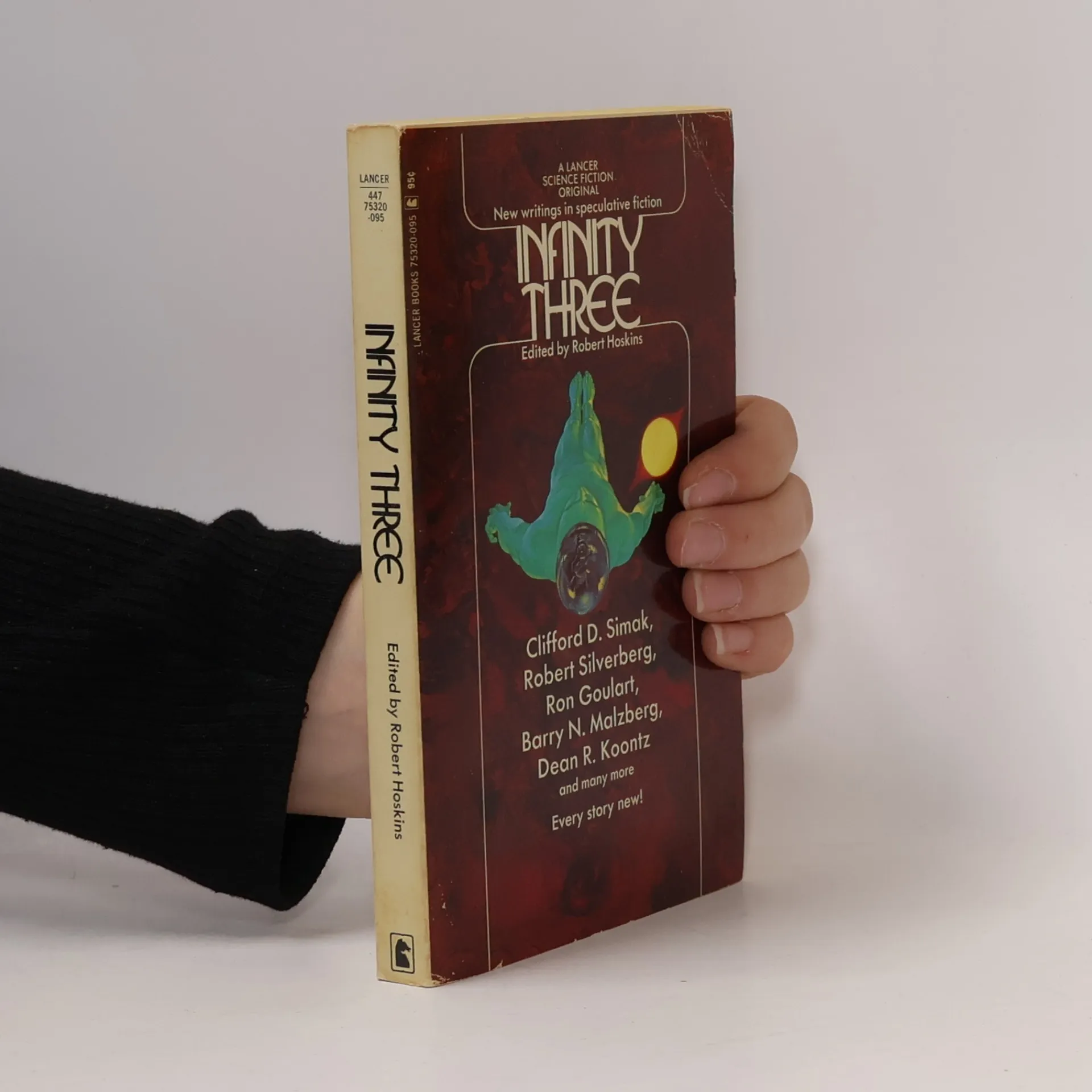
INFINITY THREE
New writings in speculative fiction
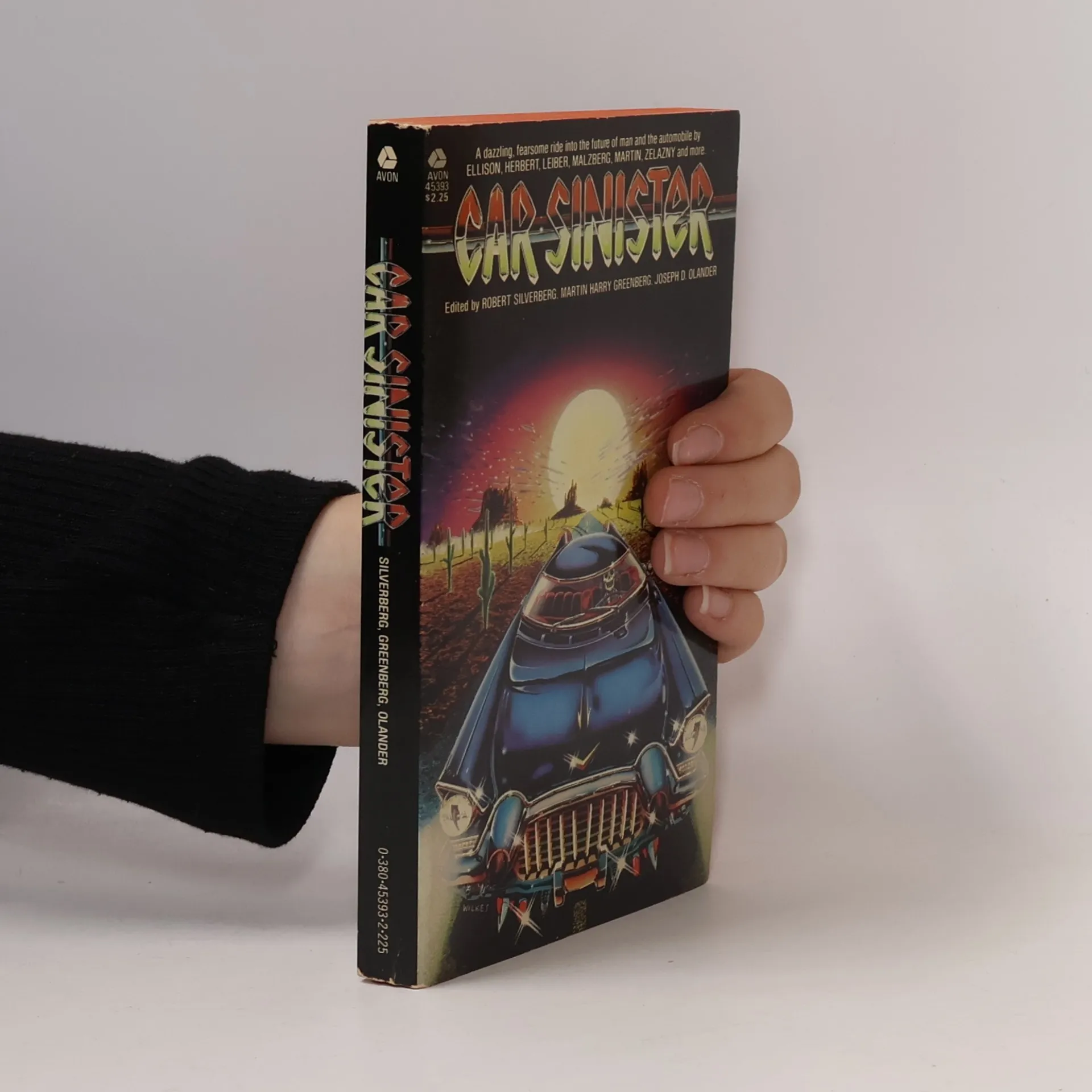
Car Sinister
- 254pagine
- 9 ore di lettura
The car is man's most personalized machine: for teenagers it is a rite of passage and a statement of freedom; for adults it is a reflection of success, taste, and hopes; and for an entire culture it is a great and industrious mode of transportation - driving, perhaps, on the road of destruction. And the automobile - thrilling, honking, speeding, never-shattering - haunts us with the dark possibility that when our age of motoring innocence is over, we may no longer be the masters. CAR SINISTER - a splendid, imaginative vision of what lies down the road for all of us.