Questo autore esplora l'applicazione di un'analisi rigorosa e logica per comprendere meglio la società. La sua prima carriera accademica si è concentrata su finanza pubblica e organizzazione industriale, pubblicando su riviste accademiche e scrivendo il suo primo libro. Un cambiamento fondamentale è avvenuto dopo aver contribuito a una revisione del sistema fiscale, che ha acceso un interesse nell'esposizione popolare dei concetti economici. Questa passione è stata poi incanalata in ulteriori scritti e in un ruolo di leadership presso un think tank noto per la sua analisi indipendente.
Why (almost) everything we are told about business is wrong
448pagine
16 ore di lettura
Exploring the fundamental essence and functions of business, this book offers a transformative perspective on its purpose and operations. It challenges conventional views and delves into the underlying principles that govern business activities. By examining the relationship between businesses and society, it encourages readers to rethink the role of commerce in contemporary life, advocating for a more meaningful and responsible approach to business practices.
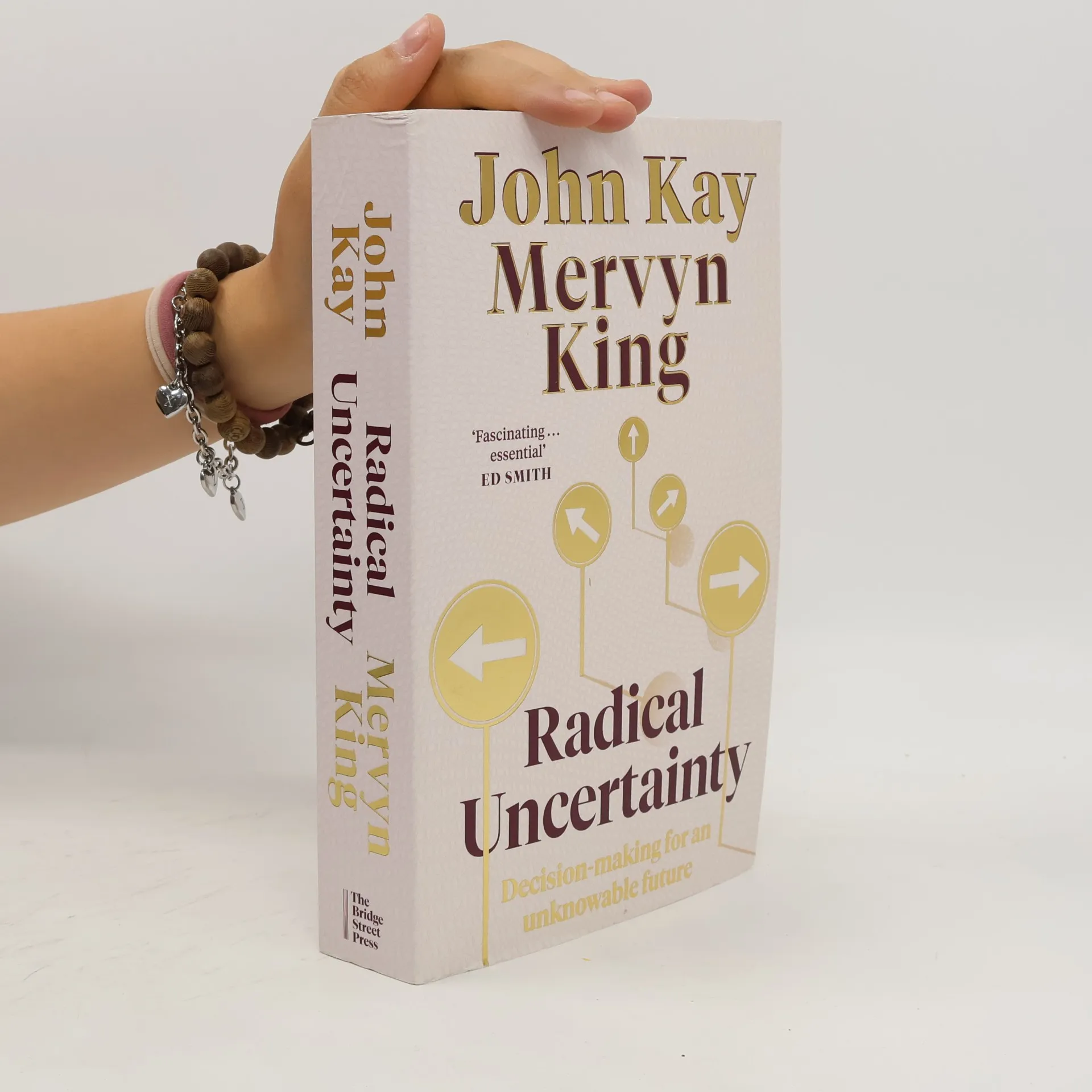
Uncertainty pervades the big decisions we all make in our lives. How much should we pay into our pensions each month? Should we take regular exercise? Expand the business? Change our strategy? Enter a trade agreement? Take an expensive holiday?We do not know what the future will hold. But we must make decisions anyway. So we crave certainties which cannot exist and invent knowledge we cannot have. But humans are successful because they have adapted to an environment that they understand only imperfectly. Throughout history we have developed a variety of ways of coping with the radical uncertainty that defines our lives.This incisive and eye-opening book draws on biography, history, mathematics, economics and philosophy to highlight the most successful - and most short-sighted - methods of dealing with an unknowable future Ultimately, the authors argue, the prevalent method of our age falls short, giving us a false understanding of our power to make predictions, leading to many of the problems we experience today.Tightly argued, provocative and written with wit and flair, RADICAL UNCERTAINTY is at once an exploration of the limits of numbers and a celebration of human instinct and wisdom.
We all depend on the finance sector. We need it to store our money, manage our payments, finance housing stock, restore infrastructure, fund retirement and support new business. But these roles comprise only a tiny sliver of the sector's activity: the vast majority of lending is within the finance sector. So what is it all for? What is the purpose of this activity? And why is it so profitable?Industry insider John Kay argues that the finance world's perceived profitability is not the creation of new wealth, but the sector's appropriation of wealth - of other people's money. The financial sector, he shows, has grown too large, detached itself from ordinary business and everyday life, and has become an industry that mostly trades with itself, talks to itself, and judges itself by reference to standards which it has itself generated. And the outside world has itself adopted those standards, bailing out financial institutions that have failed all of us through greed and mismanagement. We need finance, but today we have far too much of a good thing. In Other People's Money, John Kay shows, in his inimitable style, what has gone wrong in the dark heart of the finance sector.
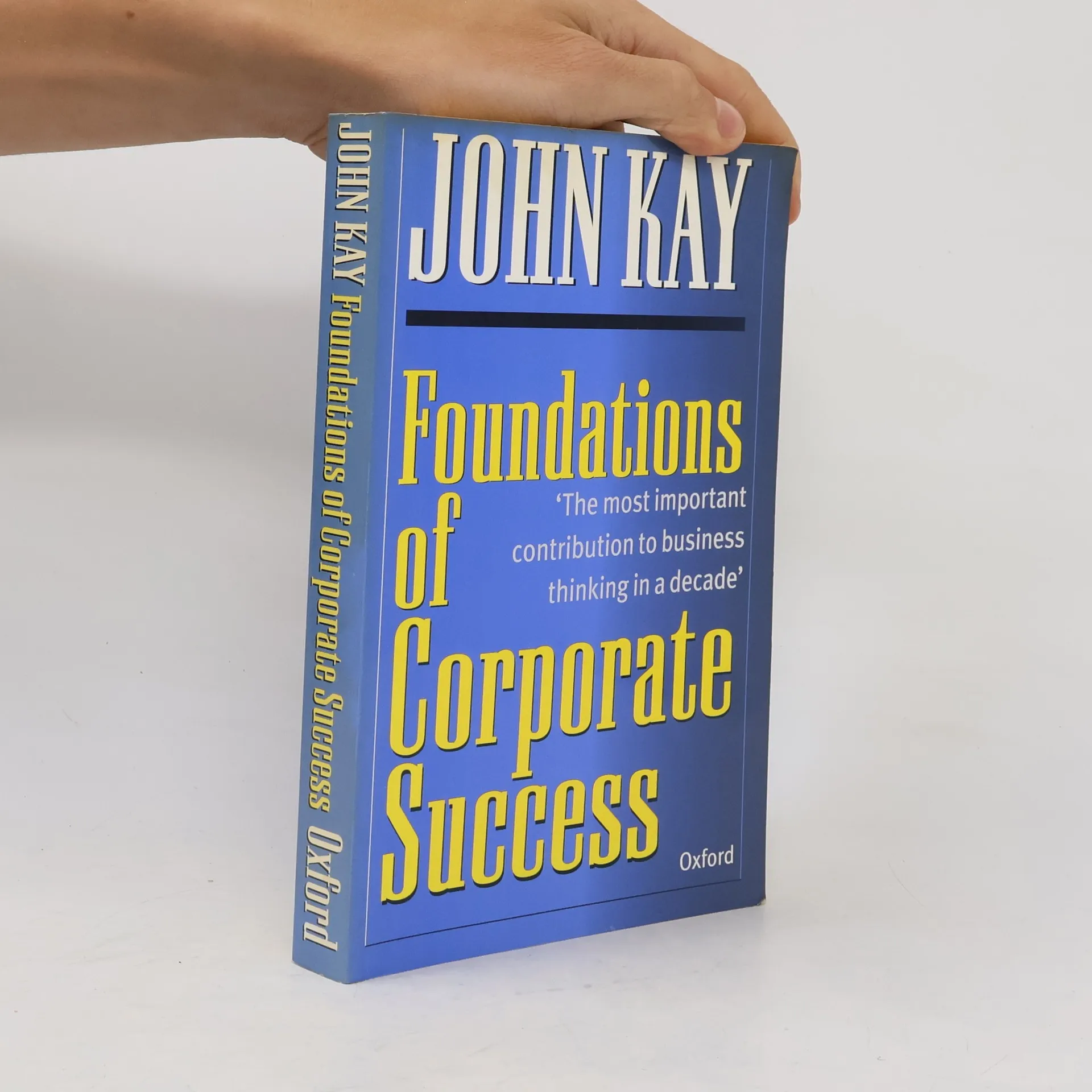
As the single market develops, this book - full of insight and rigour, yet lively in style - is probably the most important European contribution to strategic thinking for many years.
If you want to go in one direction, the best route may involve going in another. This is the concept of 'obliquity': paradoxical as it sounds, many goals are more likely to be achieved when pursued indirectly. Whether overcoming geographical obstacles, winning decisive battles or meeting sales targets, history shows that oblique approaches are the most successful, especially in difficult terrain.Pre-eminent economist John Kay applies his provocative, universal theory to everything from international business to town planning and from football to managing forest fires. He shows why the most profitable companies are not always the most profit-oriented; why the richest men and women are not the most materialistic; and why the happiest people are not necessarily those who focus on happiness.
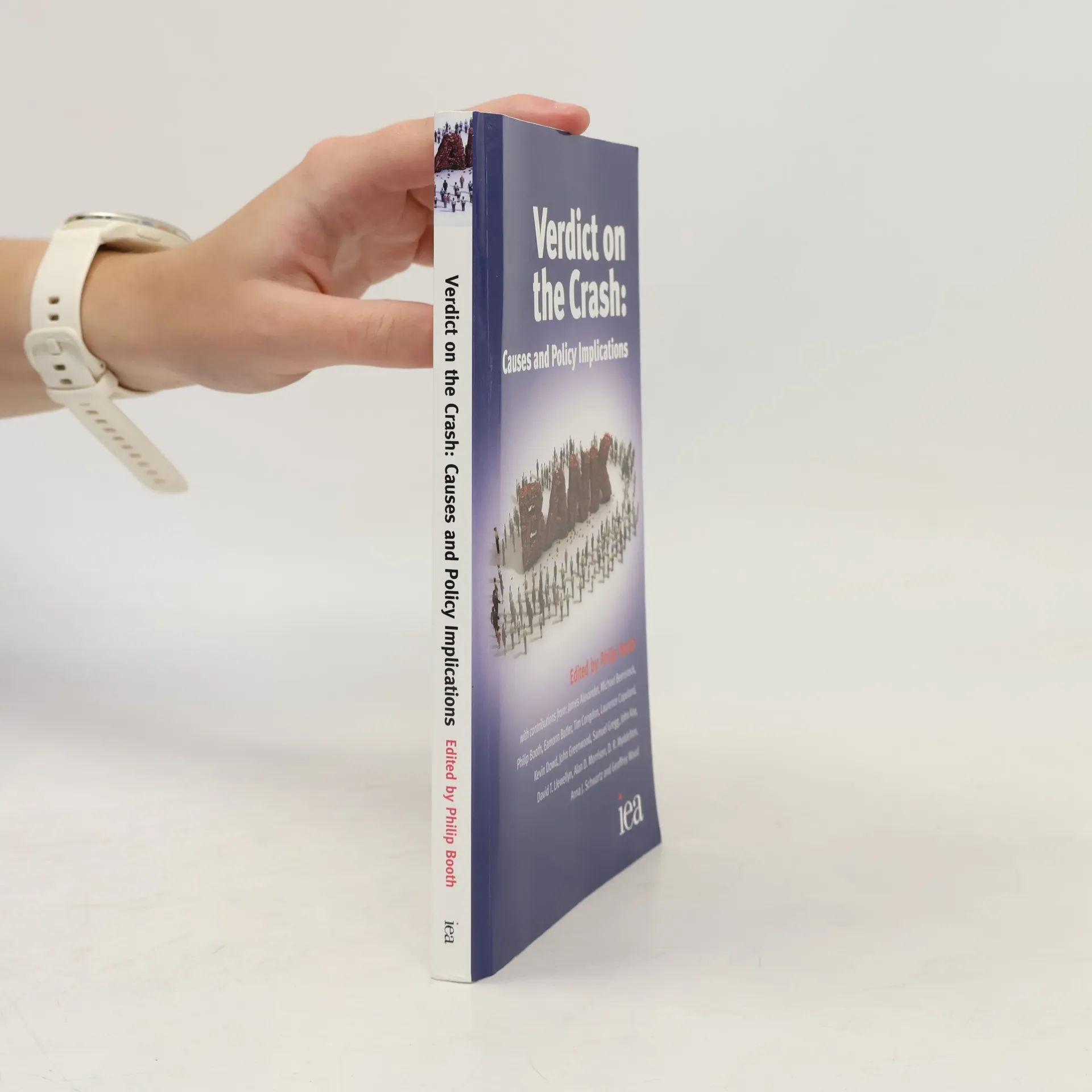
Challenging the belief that the banking crisis stemmed from inadequate regulation, this book argues that regulatory measures may have worsened the situation. The contributors, noted experts in finance, reveal that both statutory regulation and government policies failed, exacerbating risks and fostering an asset bubble through loose monetary policy. They advocate for targeted, non-intrusive regulatory tools to address specific banking weaknesses, making this work crucial for understanding the implications of recent financial events.
A Guide to Finance and Investment for Normally Intelligent People who Aren't in the Industry
241pagine
9 ore di lettura
This book provides a guide to the complexities of modern finance, both the basics of investment and the sophisticated innovations of the modern financial system. It explains how twice in the last decade - in the new economy bubble and the credit crunch -- the follies of finance have threatened the stability of the world economy. It describes an environment that is complex and sophisticated, but greedy, cynical and self-interested. This book explains how to put your finances in the only hands you can confidently trust -- your own. You will learn everything you need to be your own investment manager; to recognise your investment options, and the institutions that will try to sell them to you; to understand the principles of sound investment and the research that supports these principles. Since much of your portfolio will be in stocks and shares, this book describes why some companies succeed and others fail, and how to distinguish fact and fiction in what companies tell you. John Kay explains many meanings people attach to the term risk; the tools professionals use to analyse risk and the different tools you need to manage risk for yourself. You will learn a practical investment strategy and how to implement it. This is the only book about finance and investment you need, and the one you must have.
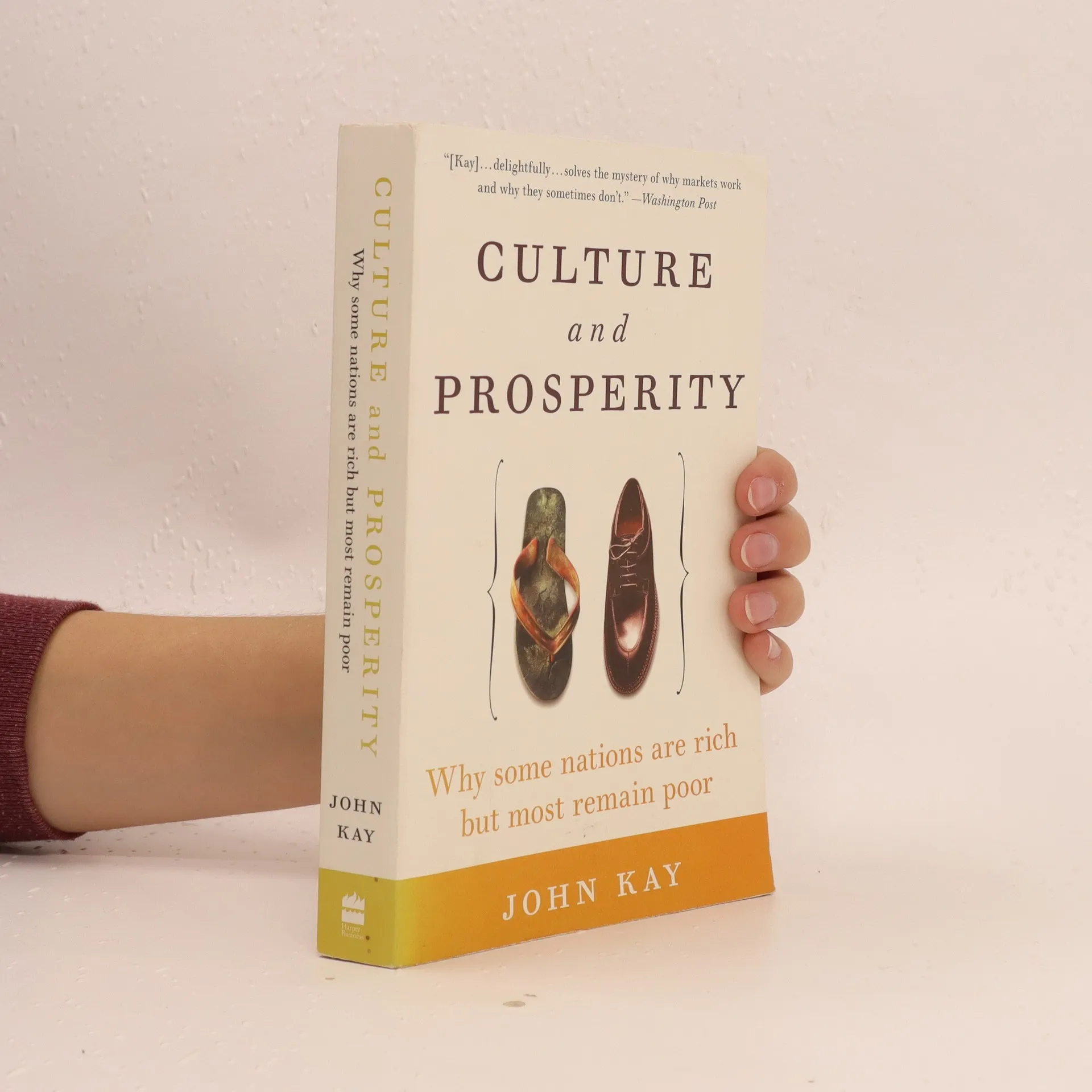
Why are some countries rich and others poor? Why does a farmer in Sweden have a higher standard of living than a farmer in South Africa? Why does a schoolteacher in Switzerland earn more than one in Chicago? According to leading economic theorist John Kay, economic markets are key to the wealth or poverty of the world's nations. In Culture and Prosperity, Kay explores why market economies outperform socialist or centrally directed markets -- and why the imposition of market institutions often fails. His search for the truth about markets takes him from the shores of Lake Zurich to the streets of Mumbai, through theories of evolutionary psychology and moral philosophy to the flower market at San Remo and Christie's salesroom in New York. Witty, engaging, and grounded in cutting-edge economic theory, Culture and Prosperity is essential for understanding the state of the world today.
The last decade has witnessed the introduction of an elaborate system of regulation in the UK. Whole segments of British industry are now operating under the supervision of regulatory bodies similar to the government departments they were designed to replace. Regulation has been an inevitable part of the structural changes in the 1980s, notably the privatization program and changes in the financial services industries. This book assesses these developments across a number of sectors (utilities, telecommunications, financial services, health, and higher education) and offers a range of perspectives for understanding the various objectives, mechanisms, and institutions involved. The book offers important insights into the way in which the structure of privatized industries interact with the form of regulation.
The debate over corporate governance, or how companies are controlled, has flourished vigorously for several years in the U.S. and has now spread to the U.K. This book collects papers by leading academics, bankers, and consultants which discuss major issues in corporate governance in the U.K., Germany, and Japan. It examines the role of shareholders, company boards, and managers under a market-based system as exists in the U.K. and the U.S. in comparison with the insider system found in Japan and, to a lesser extent, Germany. The issue of the effectiveness of the British system and how it might be made more efficient through increasing the accountability of company boards to shareholders, both directly and via the capital market, is extensively discussed.