Helga Hošková-Weissová è un'artista ceca la cui opera cattura la cruda realtà della vita nel ghetto di Theresienstadt. I suoi disegni e le sue annotazioni di diario, creati in condizioni immensamente difficili, costituiscono una potente testimonianza della resilienza umana di fronte alle avversità. Attraverso la sua arte, esplora temi di memoria, perdita e spirito indomito, creando opere che risuonano con un profondo messaggio umano.
»Draw what you see«, was my father´s response, when I managed to smuggle to the men´s barracks the drawings of children building a snowman. This was in December of 1941, shortly after we arrived in Theresienstadt.
That snowman was actually my last genuine drawing as a child. Through this sentence of my father´s, and through my own inner motivation, I felt called from now on to capture in my drawings the everyday life of the ghetto. The impressions that from this point in time would affect me, ended my childhood.
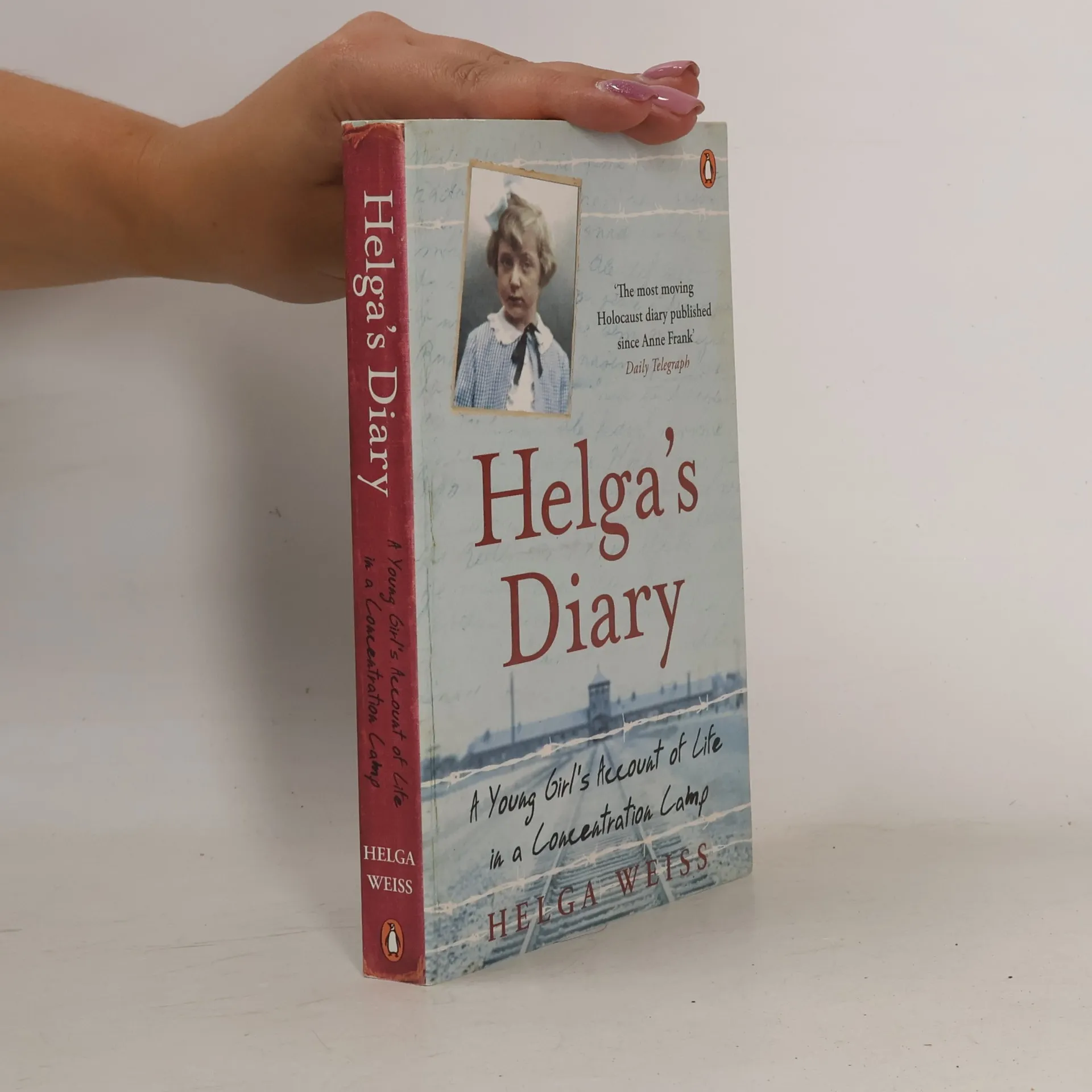
A Young Girl's Account of Life in a Concentration Camp
226pagine
8 ore di lettura
Helga's Diary offers a young girl's poignant first-hand account of life in a concentration camp during World War II. Beginning in 1938, eight-year-old Helga witnesses the rise of Nazi brutality in Prague, where her father loses his job, schools close, and her family is confined to their flat. As the situation worsens, deportations commence, and friends and family begin to vanish. In 1941, Helga and her parents are sent to Terezin, where they endure three years of hardship. In 1944, her father is deported to Auschwitz, and Helga and her mother choose to follow him, unaware of the horrors that await. Helga's uncle hides her diary in a wall to preserve it. At Auschwitz, her father is murdered, but Helga and her mother miraculously survive the camp and the chaos of the war's end, eventually returning to Prague. By the time she completes her diary at fifteen and a half, she is one of the few Jews left in the city. Written in pencil in school exercise books and translated for the first time, Helga's account is a vital testimony to the Holocaust. Born in Prague in 1929, Helga was one of only 100 children to survive the Holocaust out of 15,000 taken to Terezin. After the war, she became an accomplished artist, and her works from Terezin were published in 1998. Helga married musician Jiri Hosek in 1954 and still resides in her childhood home.
A Terezínbe, majd Auschwitzba deportált tizenötezer csehországi zsidó gyerek közül mindössze száz élte túl a holokausztot. Helga Weiss a száz túlélő egyike. Naplója megrázó és egészen egyedi dokumentum, amely Anne Frank naplójához hasonlóan örök érvényű olvasmány. Helga Weiss 1939-ben kislányként szenvedi el a náci megszállás első hullámát Prágában: apját elbocsátják a munkahelyéről, ő pedig nem járhat hagyományos iskolába. A növekvő náci brutalitás szemtanújaként kezd naplót írni. Ez a napló sok tekintetben emlékeztet Anne Frank feljegyzéseire: Helga egyidős Annával, s hozzá hasonlóan az éppen kamaszodó kislány szemével nézi maga körül az egyre borzasztóbbá váló világot. Próbál élni és túlélni, nem sejtve, hogy az egyre nehezebb körülmények nem a szabaduláshoz, hanem a legborzasztóbbhoz, a gettóhoz, majd a koncentrációs táborhoz vezetnek. 1941-ben szüleivel együtt a terezíni gettóba kerül, ahol bámulatos éleslátással örökíti meg családja mindennapjait: a nyomorúságos életkörülményeket, az éhezést és a kivégzéseket – csakúgy, mint a legrosszabb helyzetekben is létező örömöt és reményt. 1944-ben Helgát Auschwitzba deportálták. Mielőtt elhagyta volna a terezíni tábort, feljegyzéseit és rajzait a tábor nyilvántartó részlegénél dolgozó nagybátyja gondjaira bízta, aki egy téglafalba rejtette a papírokat. A dokumentumok a háború végeztével csodával határos módon előkerültek.
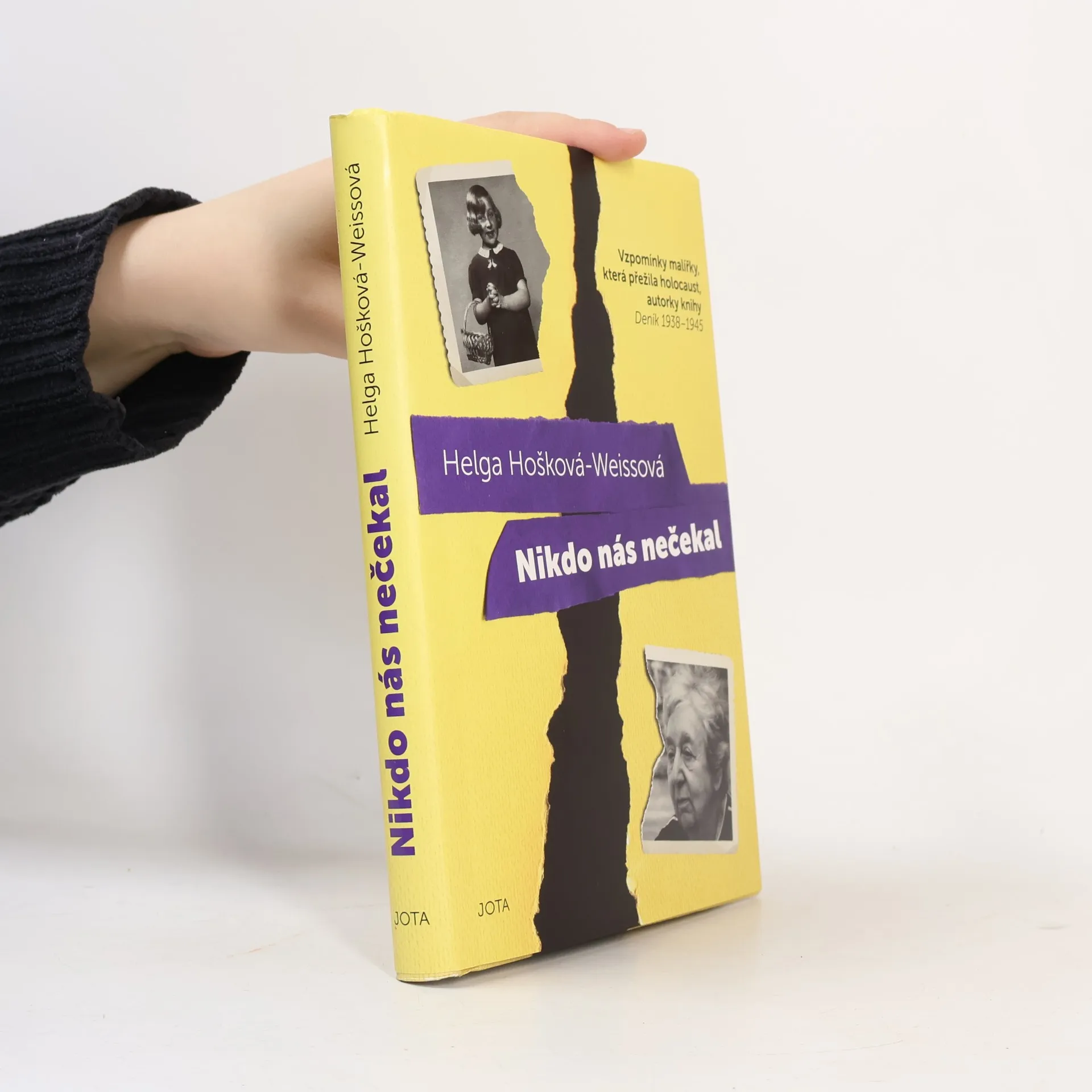
Autobiografie akademické malířky a přeživší holocaustu, Helgy Hoškové-Weissové, nabízí fascinující pohled na její život. Vzpomíná na idylické dětství v předválečné Praze a na rodinu, přičemž vypráví příběhy těch, kteří se již nikdy nevrátili z nacistických táborů. K válce se vrací jen okrajově, neboť většina jejího příběhu je zachycena v knize Deník 1938–1945, která se stala součástí učebnic historie. Klíčová je druhá část, kde se vrací do poválečné Prahy, kde na ni a její maminku nikdo nečekal. Popisuje lidi, kteří jim pomohli, i ty, kteří se k nim obrátili zády. Atmosféra v poválečném Československu je poznamenána údivem sousedů z jejich návratu a nepochopením jejich příběhu. Hošková-Weissová provází čtenáře svým životem, studiem a snahou začlenit se do společnosti, která ji však odmítá. Po překonání těžkostí dostuduje, vdá se a porodí děti, přičemž se ponoří do malování jako prostředku vyrovnání se s traumatem holocaustu. Po roce 1989 spoluzakládá Terezínskou iniciativu a přednáší po světě. Její příběh je svědectvím o době, která se nesmí opakovat, a pro její děti a vnuky nyní vypráví svůj příběh.
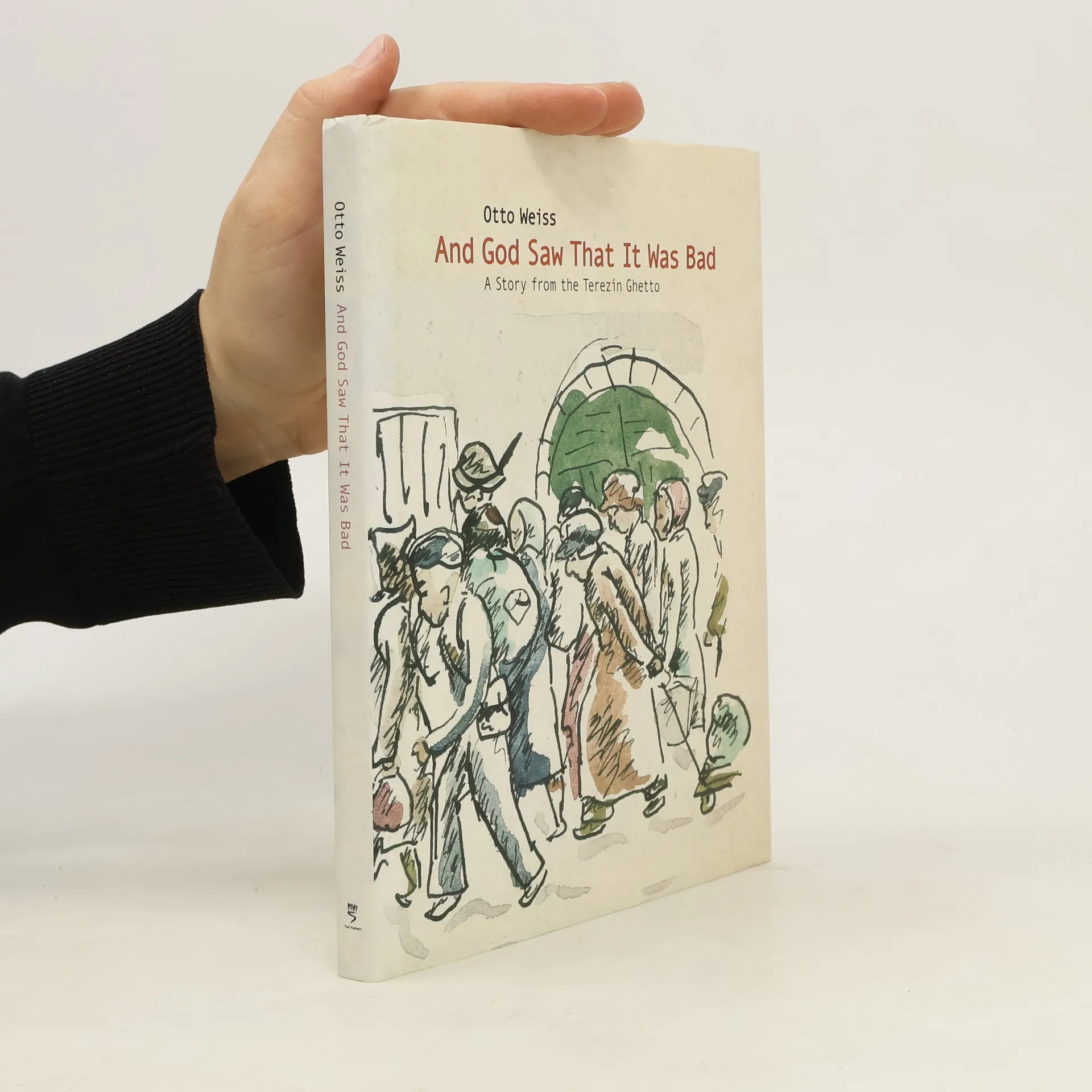
Diese Novelle von Otto Weiss (1898-1944), einem tschechischen Juden, ist ein einzigartiges literarisches Werk und historisches Zeugnis. Die Novelle wurde in Theresienstadt als Überraschungsgeschenk zum Geburtstag seiner Frau Irena verfasst und entstand mit der geheimen künstlerischen Unterstützung seiner jungen Tochter Helga. Vor seiner Deportation nach Auschwitz im Oktober 1944 gab Otto Weiss die Novelle einem Verwandten im Ghetto, der sie in den Magdeburger Baracken versteckte. »Und Gott sah, daß es schlecht war« beschreibt die Erfahrungen Gottes, der inkognito in menschlicher Gestalt als Aaron Gottesmann nach Theresienstadt kommt, um die Situation persönlich zu überprüfen. Gott findet seine Begegnung mit der Realität dieses Ghettos äußerst verstörend, und durch ihn deckt der Autor die Wahrheit über das Leben in Theresienstadt auf. Das Ergebnis ist ein seltenes, einzigartiges literarisches Dokument aus dem Holocaust. Weiss wurde im Oktober 1944 in Auschwitz-Birkenau ermordet. Seine Frau und Tochter überlebten und holten das Buch zurück.
This book is subtitled "A Humorous – If Possible – Novella from the Ghetto.” It was published in 1969 by a famous satirist from Prague, a co-creator of the "small form theater” and a contributor to the humorous Porcupine magazine. The author’s coming of age in the Terezín Ghetto presents a unique image amongst the volumes of the Holocaust literature, combining death and terror with absurdity and humor as well as stark openness. The traditional image of the world of adults viewed through the eyes of a child is constructed in a humorous manner, however, through laughter it also presents experience that is beyond description. The text, translated into English by Alex Zucker and with and epilogue by Jáchym Topol, is followed by personal memories of the author’s sister, film documentarian Zuzana Justmanová.