

"Si imprigiona chi ruba, si imprigiona chi violenta, si imprigiona anche chi uccide. Da dove viene questa strana pratica, e la singolare pretesa di rinchiudere per correggere, avanzata dai codici moderni? Forse una vecchia eredità delle segrete medievali? Una nuova tecnologia, piuttosto: la messa a punto, tra il XVI e il XIX secolo, di tutto un insieme di procedure per incasellare, controllare, misurare, addestrare gli individui, per renderli docili e utili nello stesso tempo. Sorveglianza, esercizio, manovre, annotazioni, file e posti, classificazioni, esami, registrazioni. Tutto un sistema per assoggettare i corpi, per dominare le molteplicità umane e manipolare le loro forze, si era sviluppato nel corso dei secoli classici negli ospedali, nell'esercito, nelle scuole, nei collegi, nelle fabbriche: la disciplina. Il XVIII secolo ha senza dubbio inventato la libertà, ma ha dato loro una base profonda e solida, la società disciplinare, da cui dipendiamo ancora oggi".
Alan Sheridan Libri


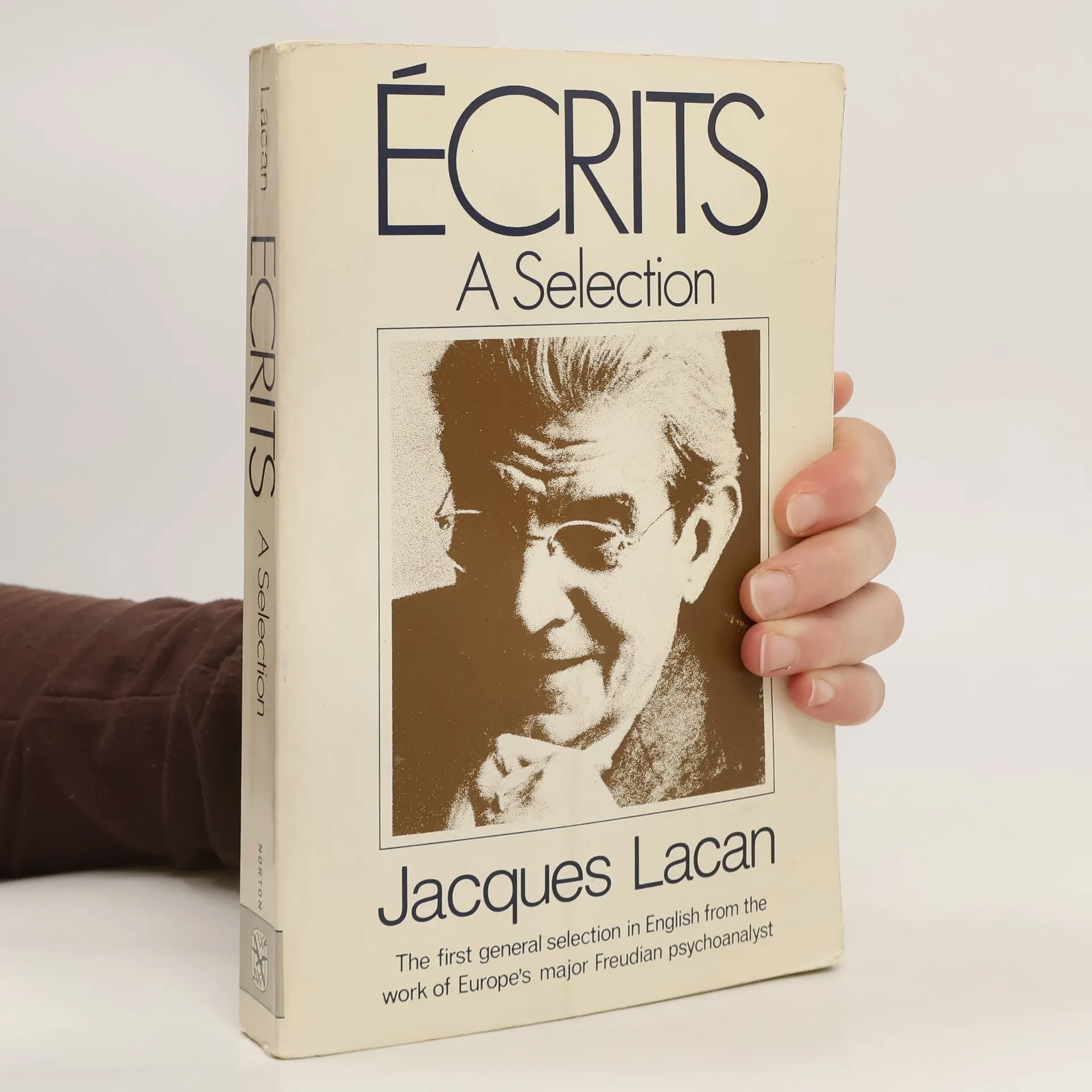
Écrits. A selection
- 338pagine
- 12 ore di lettura
Nine essays chosen by Lacan reveal the evolving thought of Europe's major Freudian psychoanalyst
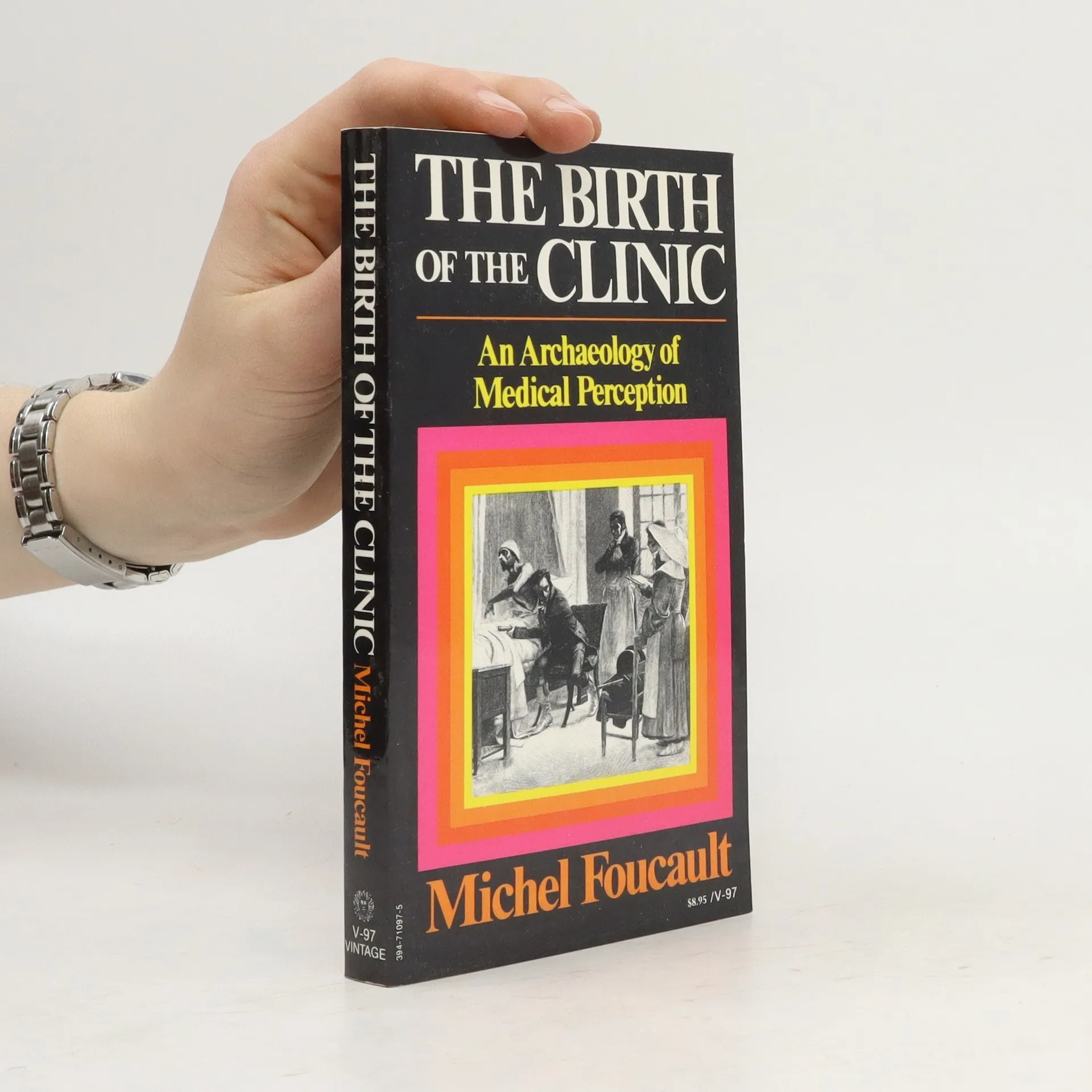
The birth of the clinic. An archeology of medical perception
- 215pagine
- 8 ore di lettura
Librarian note: an alternate cover for this edition can be found here. In the eighteenth century, medicine underwent a mutation. For the first time, medical knowledge took on a precision that had formerly belonged only to mathematics. The body became something that could be mapped. Disease became subject to new rules of classification. And doctors begin to describe phenomena that for centuries had remained below the threshold of the visible and expressible. In The Birth of the Clinic the philosopher and intellectual historian who may be the true heir to Nietzsche charts this dramatic transformation of medical knowledge. As in his classic Madness and Civilization, Michel Foucault shows how much what we think of as pure science owes to social and cultural attitudes — in this case, to the climate of the French Revolution. Brilliant, provocative, and omnivorously learned, his book sheds new light on the origins of our current notions of health and sickness, life and death.
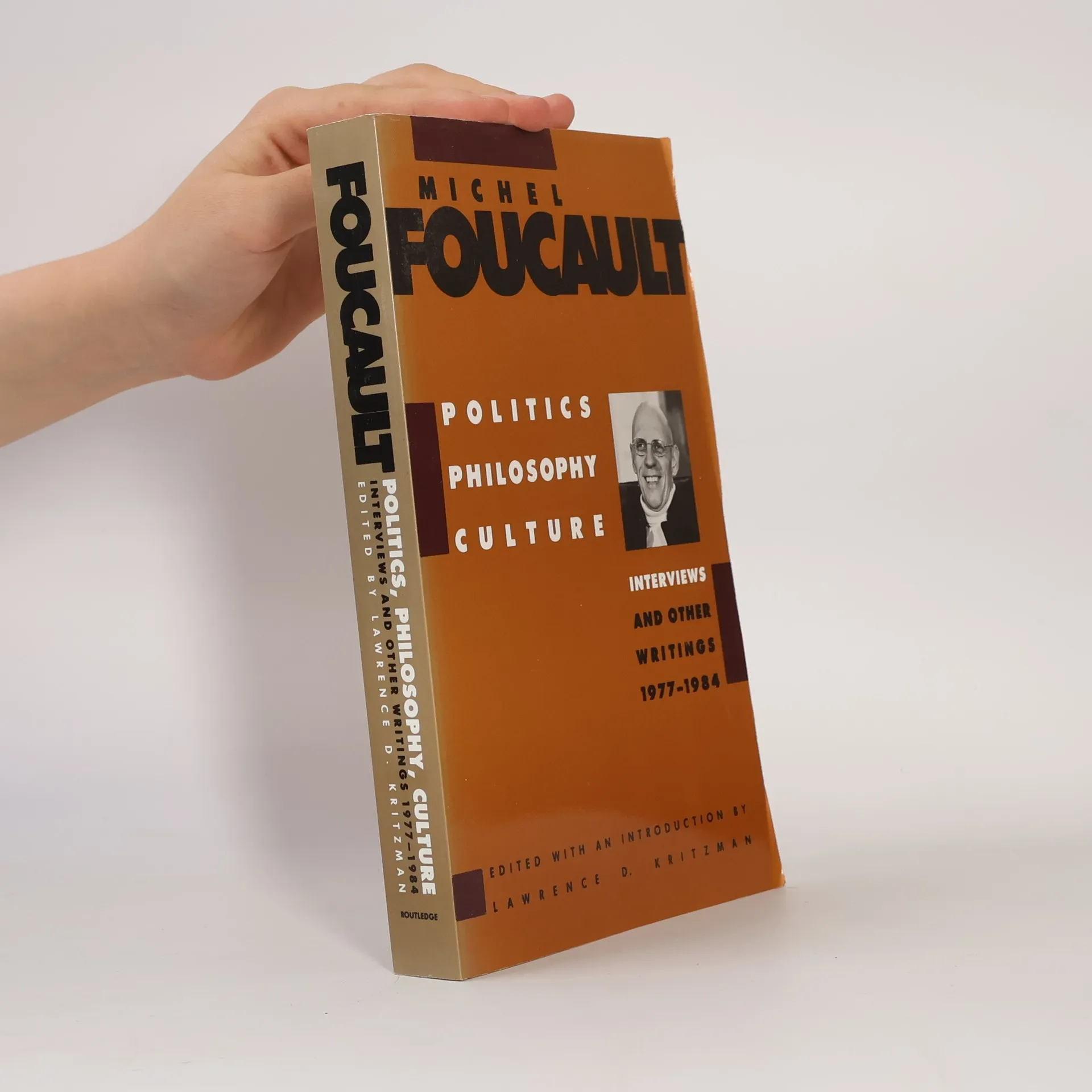
Politics, Philosophy, Culture contains a rich selection of interviews and other writings by the late Michel Foucault. Drawing upon his revolutionary concept of power as well as his critique of the institutions that organize social life, Foucault discusses literature, music, and the power of art while also examining concrete issues such as the Left in contemporary France, the social security system, the penal system, homosexuality, madness, and the Iranian Revolution.