

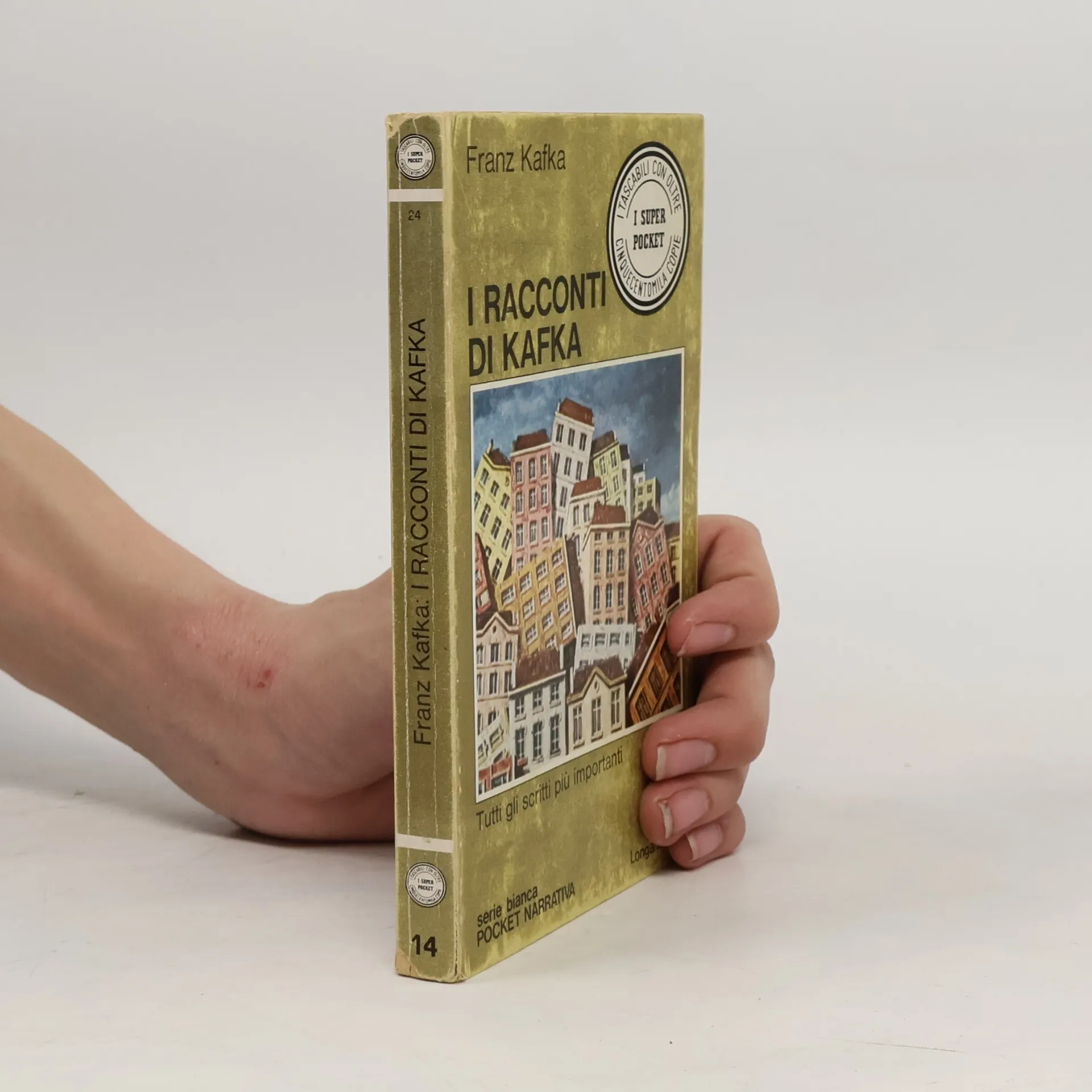
Il 14 agosto 1912 Franz Kafka affida a un editore di Lipsia i diciotto testi intitolati "Betrachtung". Costituiranno il suo primo libro, che dedicherà a Max Brod. Stupore, irritazione, ammirazione furono le reazioni suscitate all'epoca da questa pubblicazione. Sono vere e proprie miniature poetiche che mettono in risalto l'aspetto precursore dell'opera di Kafka. Vi si trovano riuniti, in un'atmosfera di libertà sperimentale, tutti i modelli e i temi narrativi presenti nei maggiori libri dell'autore. In una lettera a Felice Bauer del 29 dicembre 1912 Frank Kafka scrive a proposito di "Meditazione": "C'è invero un deplorevole disordine, o meglio, ci sono lampi di luce in una confusione infinita e bisogna veramente guardare molto da vicino per vederci qualcosa"
Stanley Corngold Libri
Stanley Corngold è un stimato professore emerito di letteratura tedesca e comparata. Le sue acclamate traduzioni approfondiscono le opere originali, offrendo ai lettori interpretazioni sfumate. L'approccio accademico di Corngold enfatizza l'analisi critica, gettando nuova luce su testi letterari classici e arricchendo la comprensione delle tradizioni letterarie tedesche. Il suo lavoro funge da ponte vitale per apprezzare la complessità di queste narrazioni durature.

The Mind in Exile
- 280pagine
- 10 ore di lettura
Between 1938 and 1941, Princeton became a hub for a remarkable group of émigré intellectuals, notably including Thomas Mann, Hermann Broch, Albert Einstein, and Eric Kahler, a lesser-known yet influential professor at the Institute for Advanced Study. This narrative explores their collaborative artistic, political, and intellectual endeavors during Mann's tenure as a Professor of Humanities. Frequently gathering at Kahler's or Mann's home, this collective was dubbed the "Kahler-Circle" by young poet Charles Greenleaf Bell. During this period, Mann completed his "Goethe-novel" Lotte in Weimar, crafted the surrealistic novella The Transposed Heads, and continued his epic tetralogy Joseph and His Brothers, sharing drafts with Kahler and Broch. Kahler provided critical feedback on Mann's fiction while discussing his own political essays. Although Einstein shared political views with Mann, he preferred the company of Kahler and Broch, whom he supported financially. Kahler was writing his notable work, Man the Measure, for which Einstein contributed a foreword. Corngold aims to illuminate the intertwined lives and thoughts of these four thinkers during a politically and culturally tumultuous time, utilizing rich sources like Mann's diaries and correspondence among the group, filling a gap in the understanding of their vibrant intellectual life.
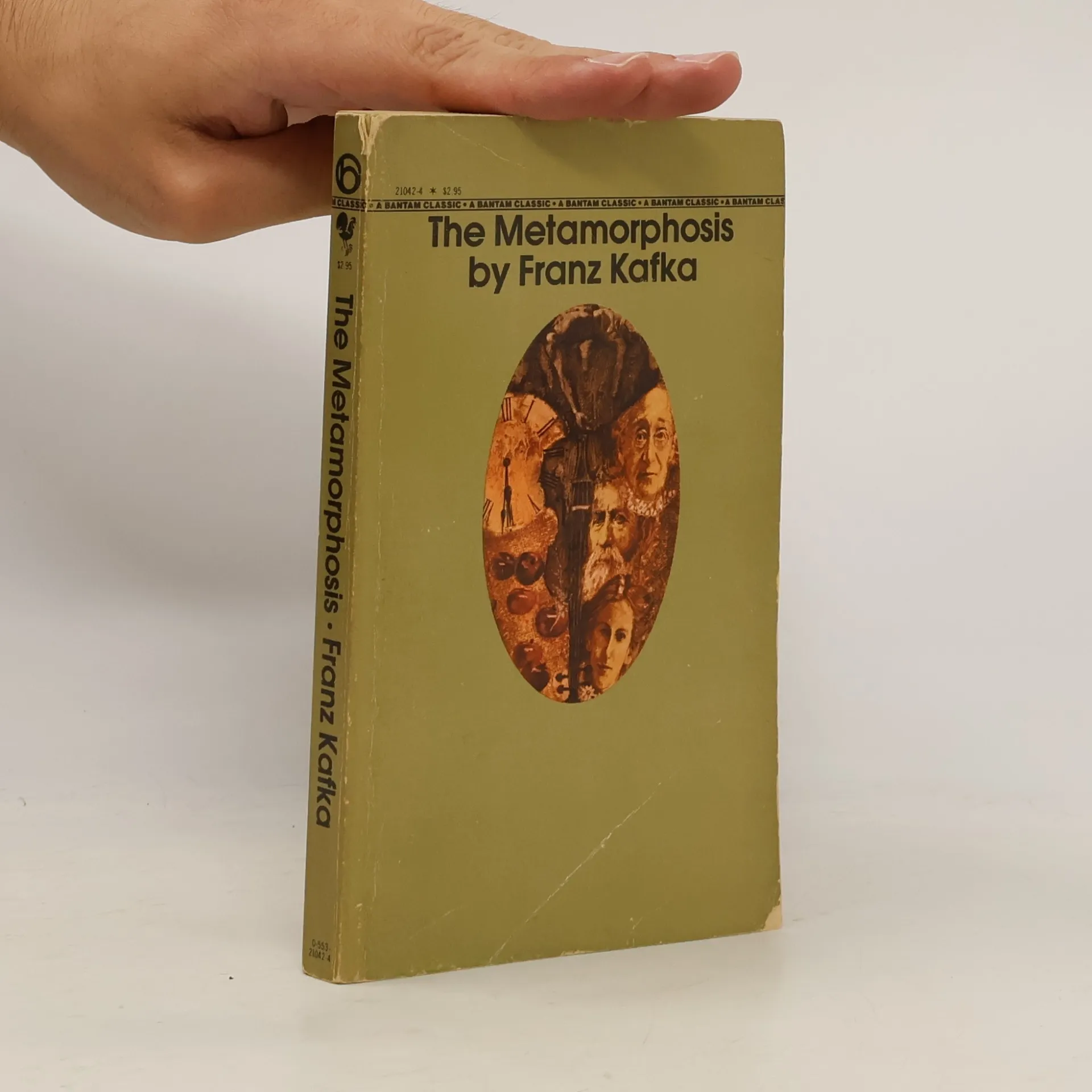
Bantam Classic: The Metamorphosis
- 201pagine
- 8 ore di lettura
For use in schools and libraries only. Writings by and about Kafka and textual notes accompany his translations of his early 20th-century work.