10 libri per 10 euro qui
Bookbot

Mario Praz

    6 settembre 1896 – 23 marzo 1982

    Mario Praz è stato un eminente critico il cui lavoro si è addentrato nelle fascinazioni estetiche e morbose della letteratura europea, in particolare durante l'epoca romantica. Il suo studio fondamentale ha esaminato meticolosamente gli intricati temi dell'erotismo e della morte che permeavano le opere degli autori tra la fine del XVIII e il XIX secolo. L'approccio di Praz è stato caratterizzato da un profondo impegno verso gli stili artistici e le correnti psicologiche dei suoi soggetti, offrendo ai lettori un'esplorazione avvincente delle sfumature più oscure dell'arte e della letteratura. La sua eredità comprende non solo l'analisi letteraria, ma anche spunti sulla storia dell'arte e della decorazione d'interni.

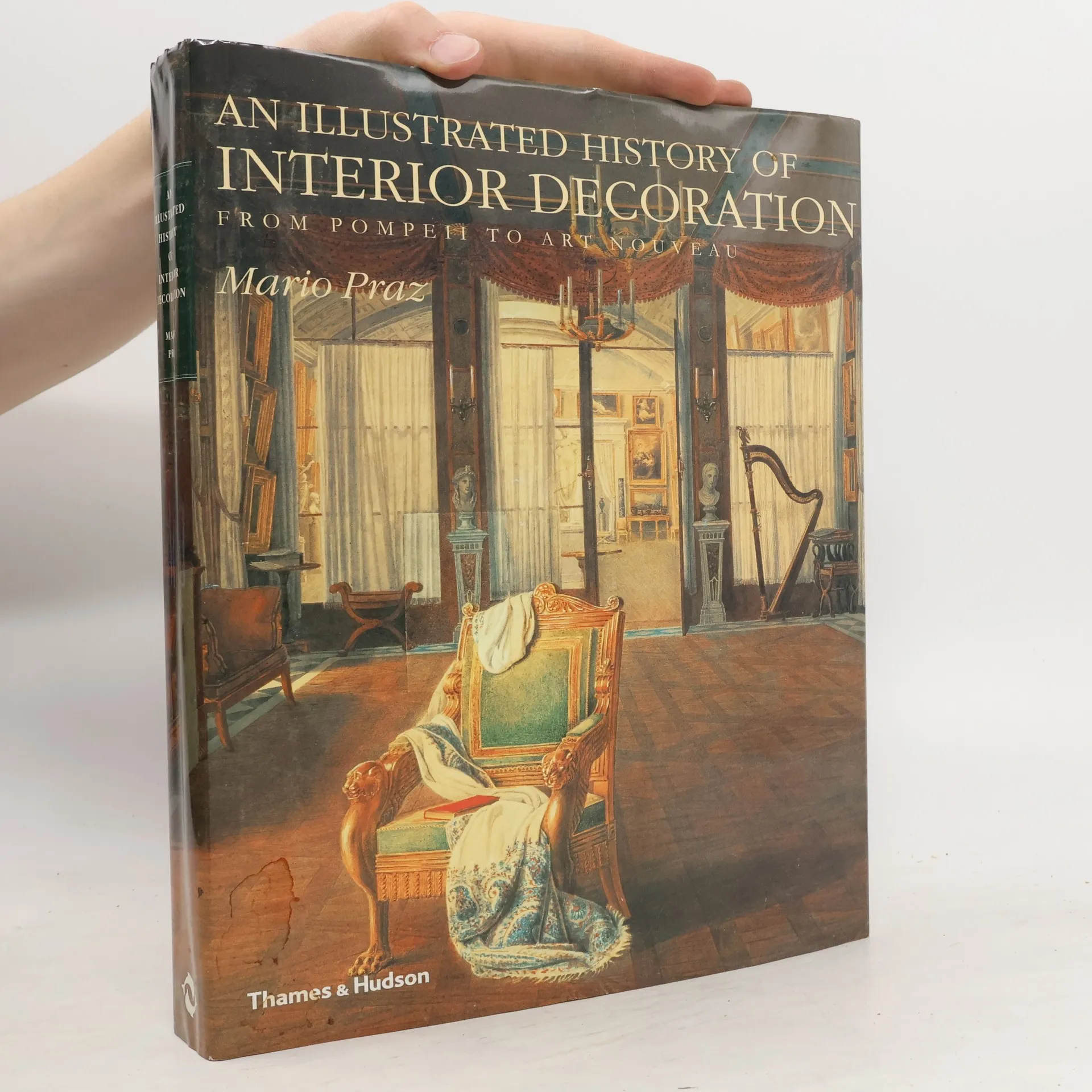
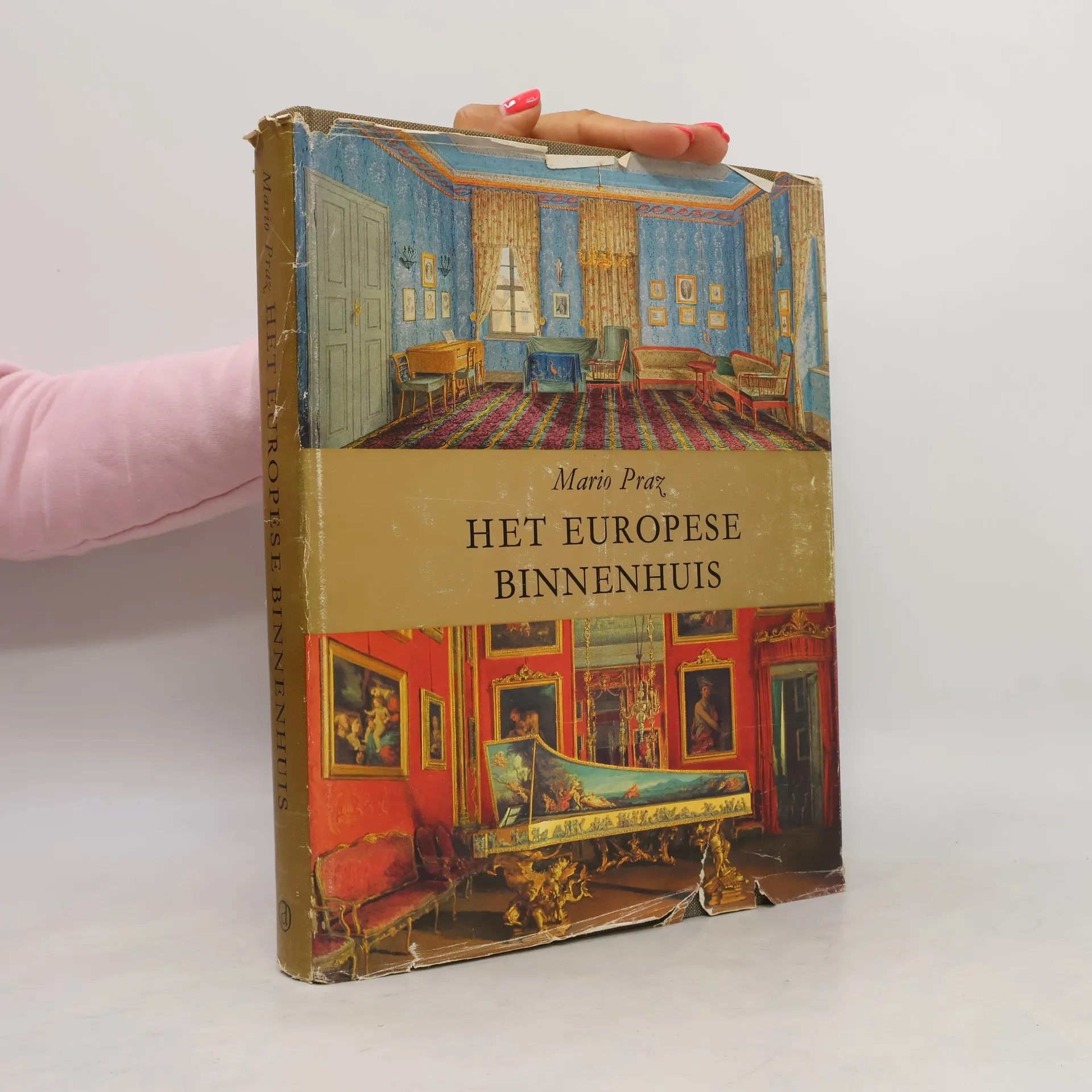
    An Illustrated History of Interior Decoration from Pompeii to Art Nouveau
    Classici - 656: Ivanhoe
    Il Nilo
    Voce dietro la scena
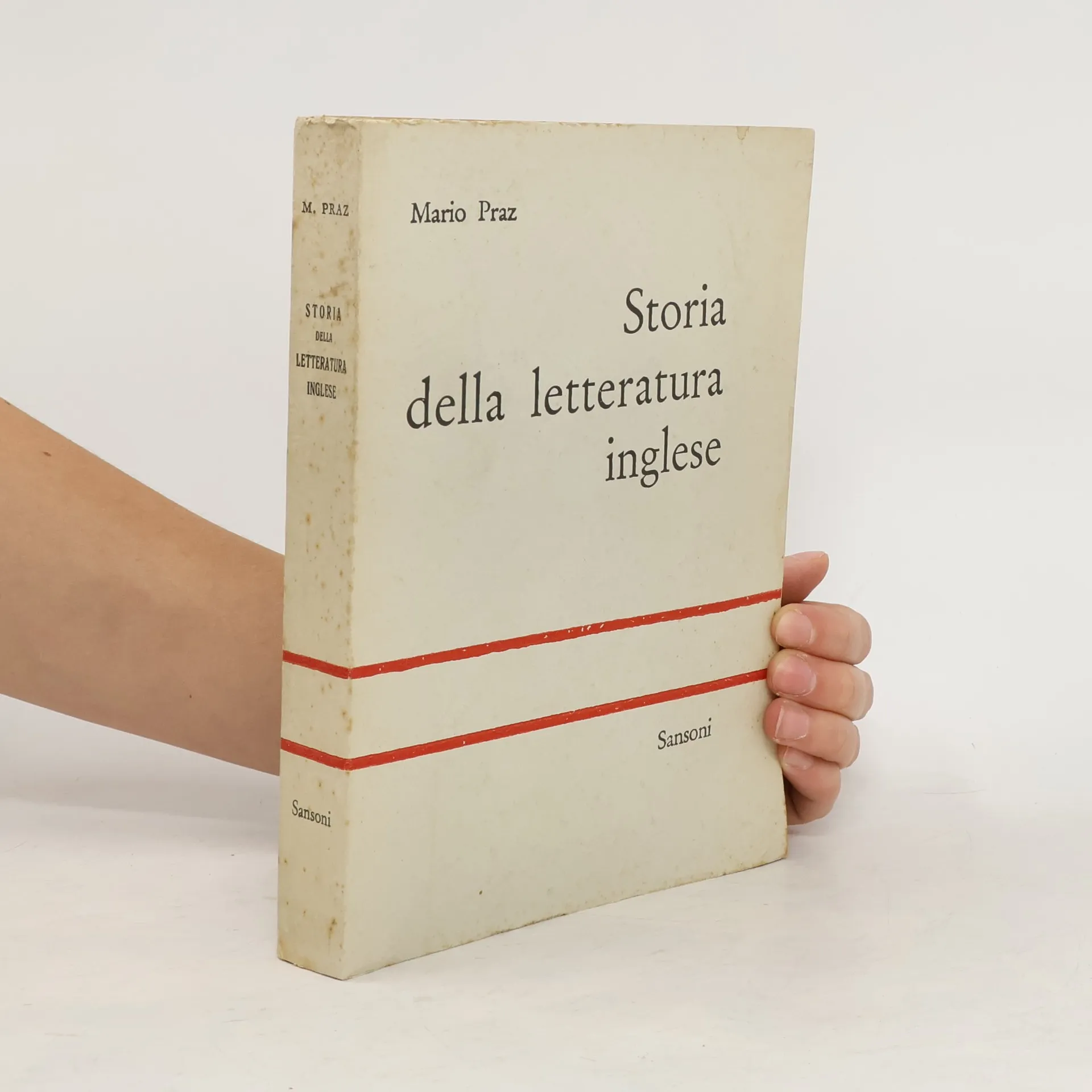
    Storia della letteratura inglese
    Shakespeare nostro contemporaneo
    • 2025

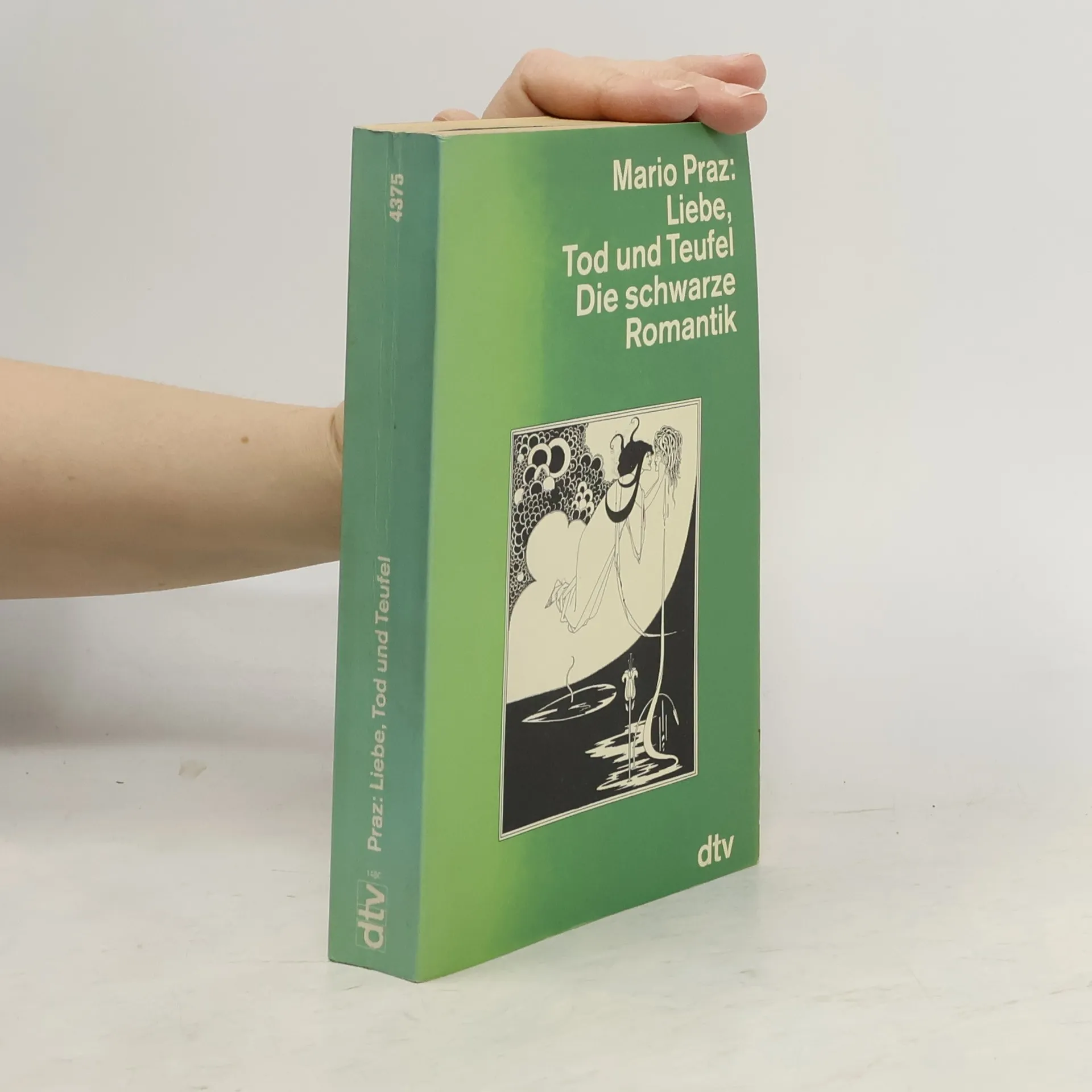
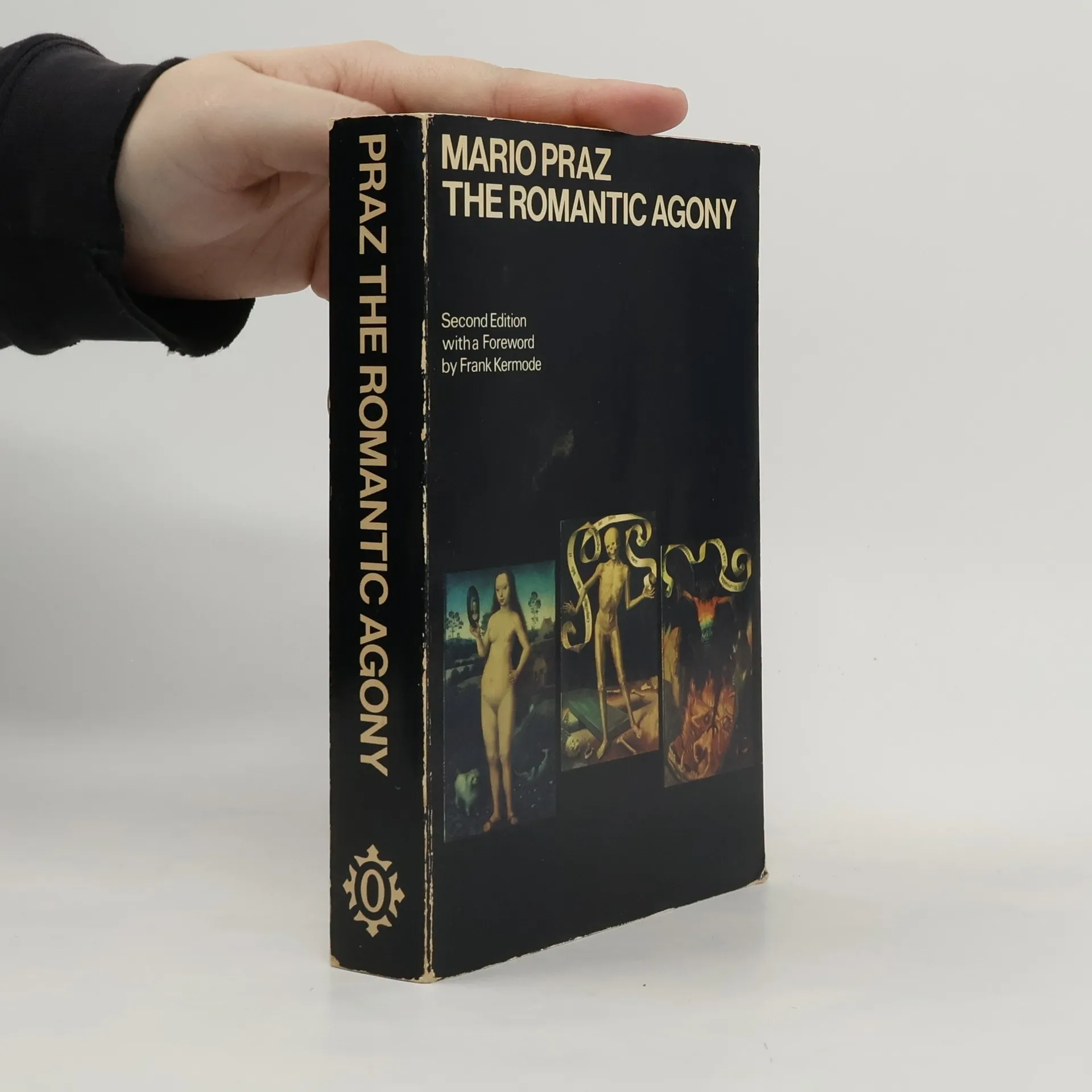
      Kniha vychází z přesvědčení, že literatura 19. století představuje organický celek, jehož jednotu zavedené formule romantismus, verismus, dekadence zastírají či fragmentarizují. Charakteristickým momentem této jednoty je orientace romantické a postromantické „imagery“ na téma pohlaví. Praz analyzuje tento fenomén v řadě pronikavých kapitol. První kapitola je věnována „kráse Medúzy“, tj. kráse, jež budí děs či smutek – motivu, jejž můžeme nalézt v dlouhé řadě textů od Goetha a Shelleyho po Baudelaira a D’Annunzia. Druhá kapitola je věnována metamorfózám „Satana“, prastarého symbolu (Tasso, Marino, Milton, Blake atd.), jenž znovu ožívá jakožto symbol transgrese v romantických figurách psanců, „osudových mužů“ či ve fenoménu vampyrismu. Sadistické tendence jsou zkoumány v kapitolách Ve znamení Božského Markýze, „La belle dame sans merci“ a „Byzanc“. Korpus soustavných a drobnohledných analýz uzavírá kapitola věnovaná D’Annunziovi a jeho „smyslné lásce ke slovu“. Prazova kniha patří k dnes již klasickým velkým syntézám typu Curtiovy Evropské literatury a latinského středověku, Frazerovy Zlaté ratolesti či Burckhardtovy Renesanční kultury v Itálii.
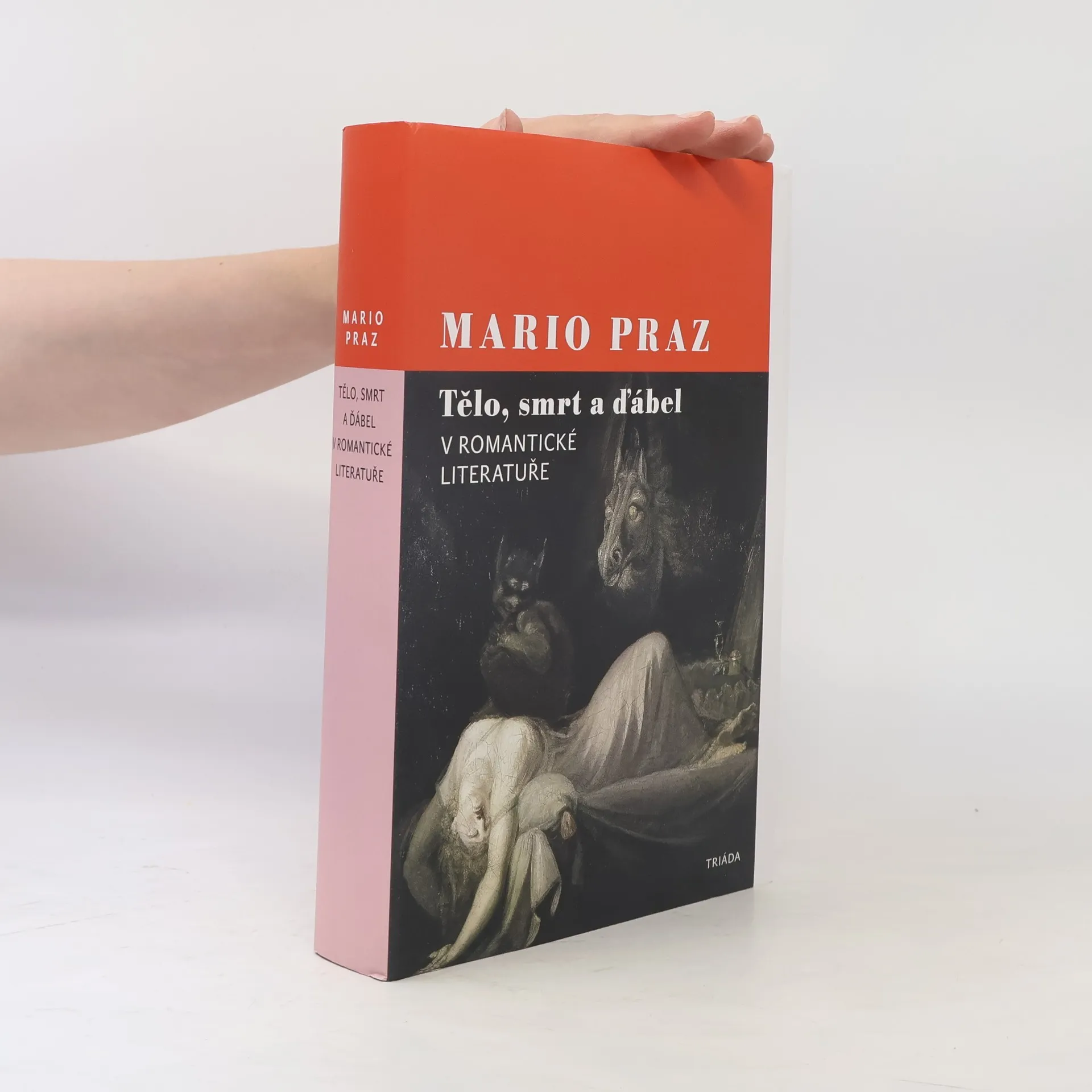
      Tělo, smrt a ďábel v romantické literatuře
    • 2012
    • 2010

      „Książka poświęcona jest w zasadniczej mierze rozważaniom nad literaturą romantyczną […] w jednym z najbardziej charakterystycznych aspektów – w aspekcie wrażliwości erotycznej. Jest to więc studium o stanach duchowych i osobliwościach obyczajów, ujęte według określonych typów bohaterów i wątków, które powracają z uporem niczym mity zrodzone ze wzburzonej krwi. […] Sądzę, że w żadnej innej epoce literackiej zmysły nie były w sposób bardziej oczywisty podstawowym tematem dzieł wyobraźni. Lepiej więc zbadać tę orientację w jej historycznym rozwoju, niż powtarzać ze słuchu i prawie bez zastanowienia ogólnikowe obwinienia o zmysłowość i perwersję, którymi krytycy tego okresu zazwyczaj kwitowali tego rodzaju zainteresowania twórców." Mario Praz

      Zmysły, śmierć i diabeł w literaturze romantycznej
    • 2009

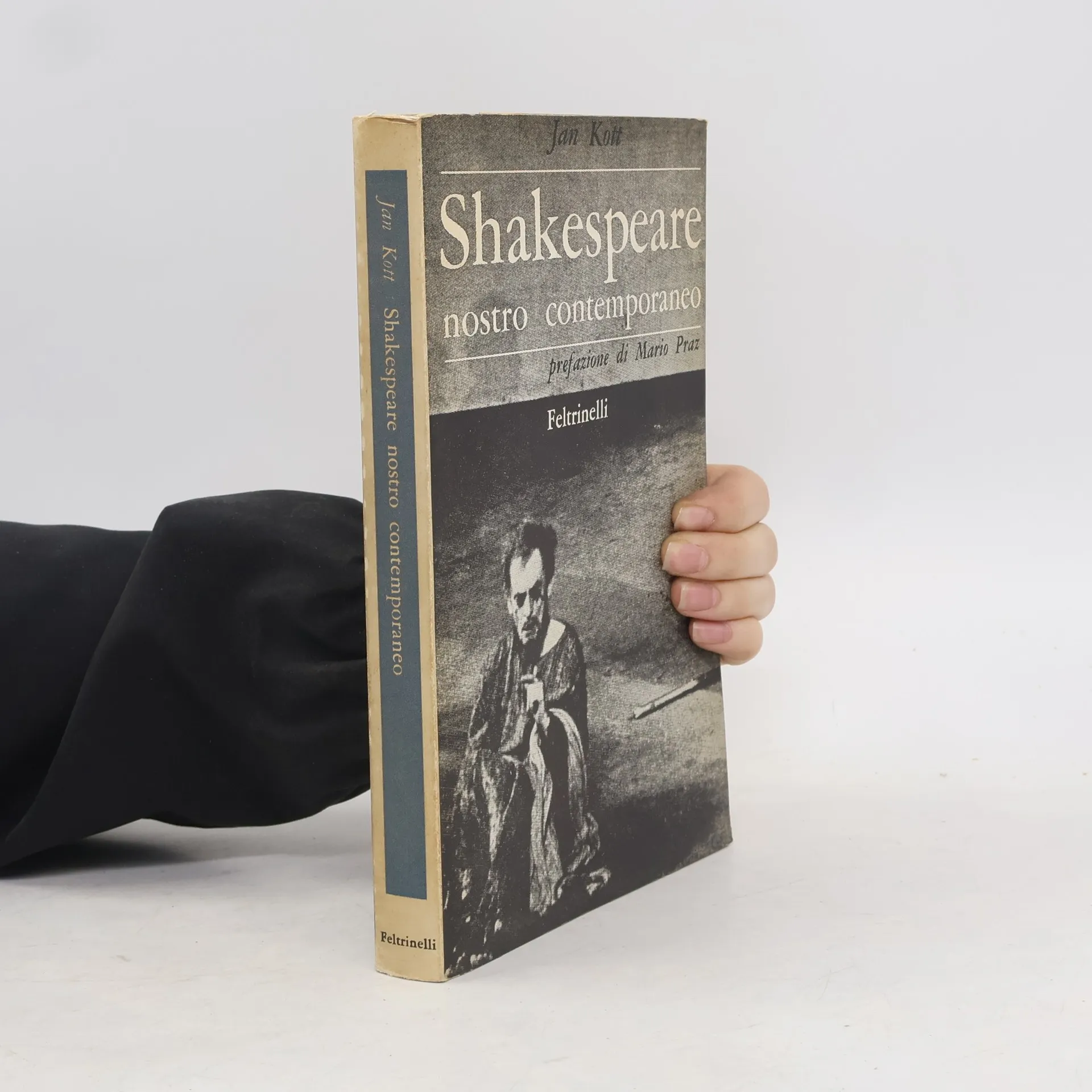
      E' possibile accostarsi a Shakespeare come a un contemporaneo senza falsare quei valori storici dai quali tuttavia non può prescindere la lettura di un testo poetico? Non è solo possibile, risponde Jan Kott, ma è questo l'unico modo di comprendere il grande drammaturgo elisabettiano. L'originalità dell'interpretazione passa attraverso questa intuizione di fondo: l'uomo, stritolato nell'ingranaggio della storia, ritrova la propria dimensione umana, la dimensione dell'intelligenza, interrogandosi sul senso della vita e del proprio destino.

      Shakespeare nostro contemporaneo
    • 2006

      The classic study of the timeless relationship between literature and the visual arts In his search for a common link between literature and the visual arts, Mario Praz draws on the abundant evidence of mutual understanding and correspondence they have long shared. Praz explains that within literature, each epoch has “its peculiar handwriting or handwritings, which, if one could interpret them, would reveal a character, even a physical appearance,” and while these characteristics belong to the general style of a given period, the personality of the writer does not fail to pierce through. Praz contends that something similar occurs in art. He shows how the likeness between the arts within various periods of history can ultimately be traced to structural similarities that arise out of the characteristic way in which the people of a certain epoch see and memorize facts aesthetically. Mnemosyne, at once the goddess of memory and the mother of the muses, presides over this view of the arts. In illustrating her influence, Praz ranges widely through Western sources, providing an incomparable tour of the literary and pictorial arts.

      Mnemosyne
    • 1999
    • 1998

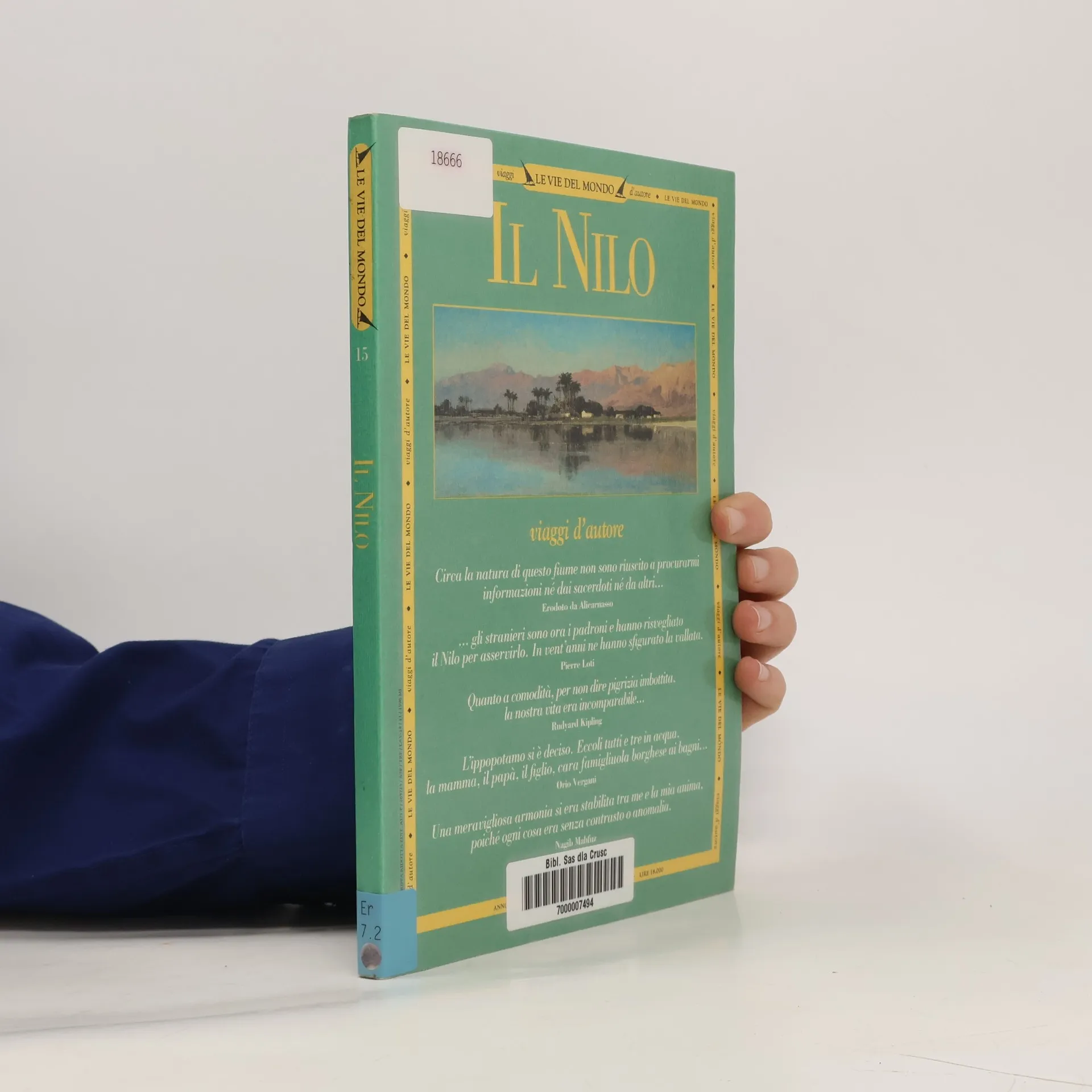
      Il Nilo

      • 164pagine
      • 6 ore di lettura
      Il Nilo