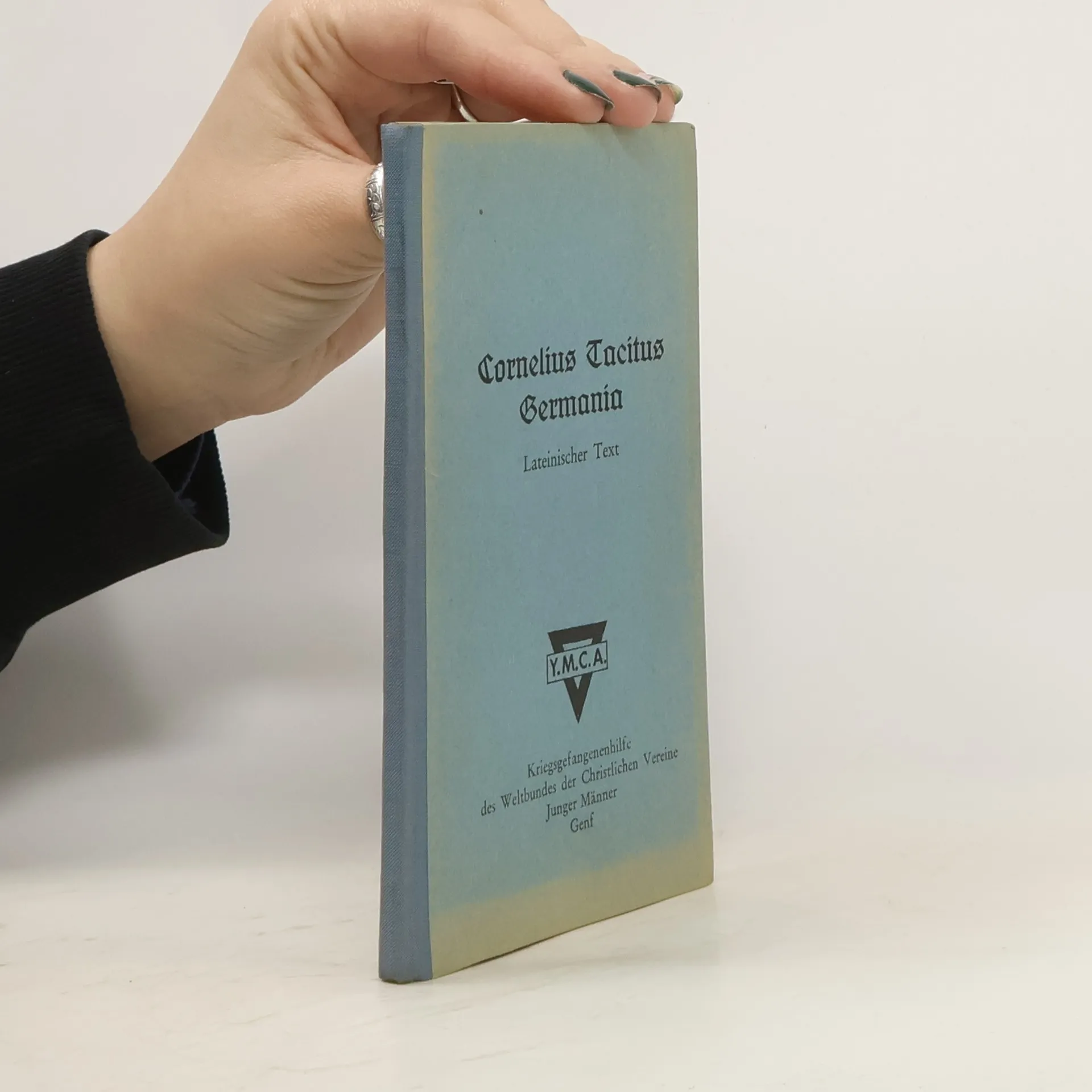
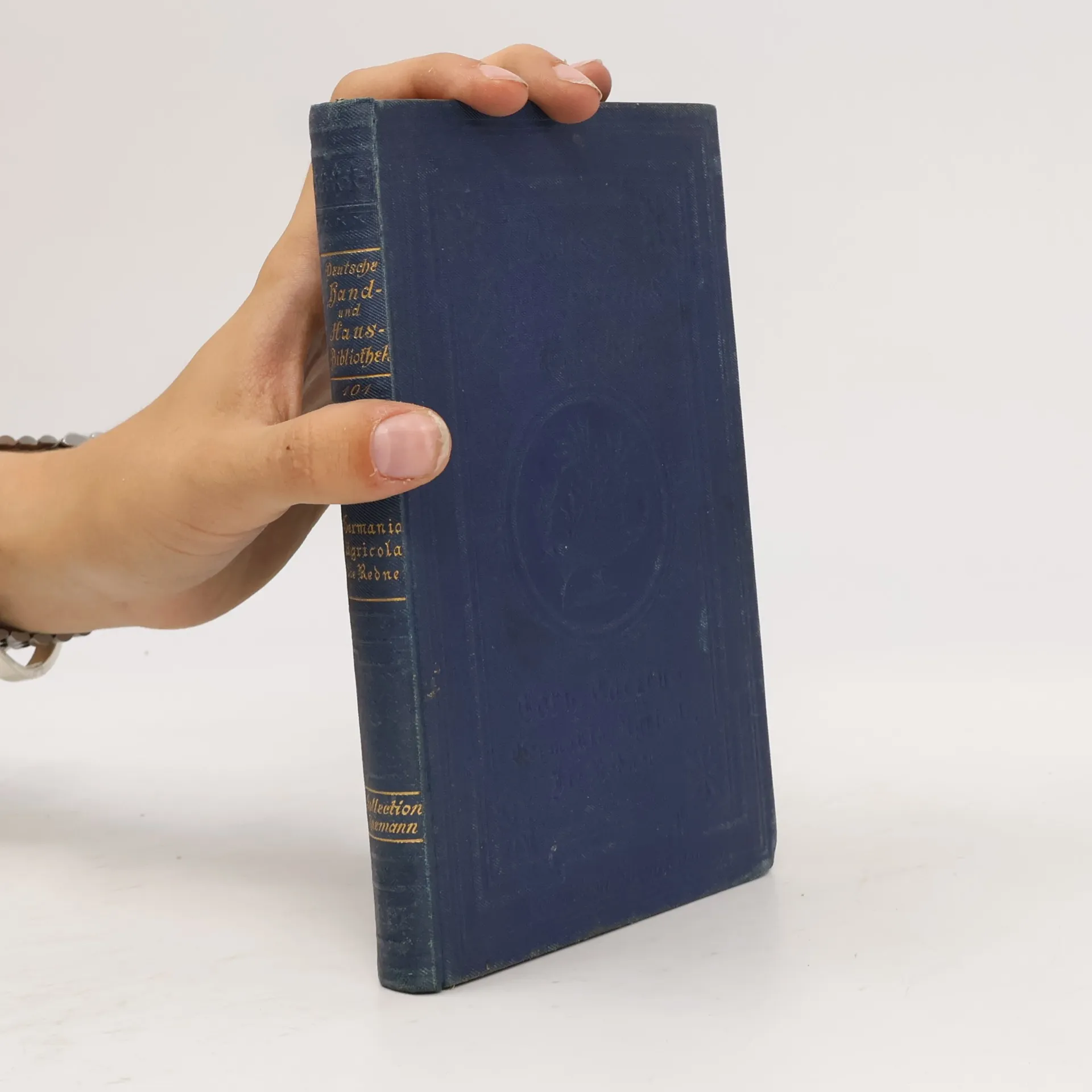
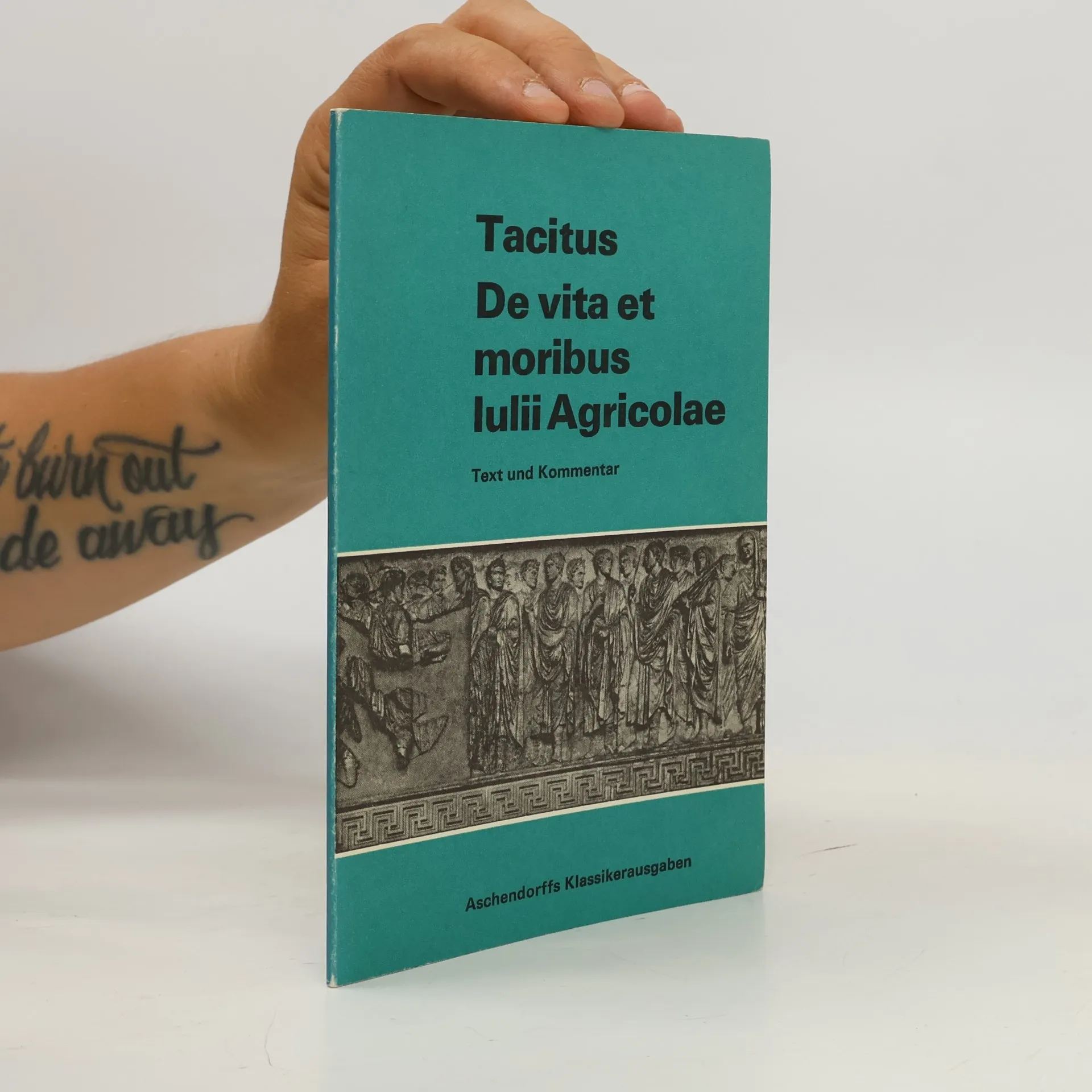
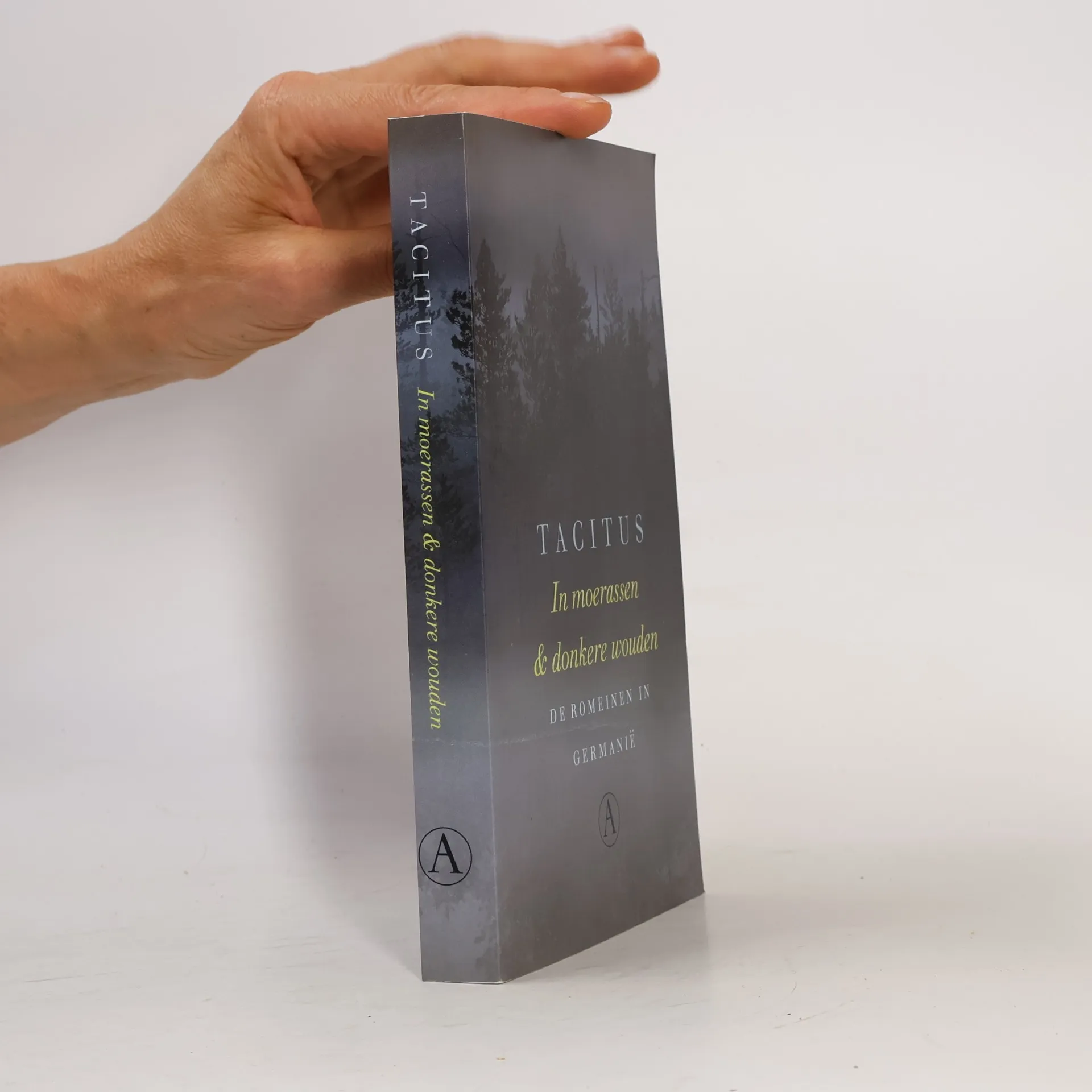
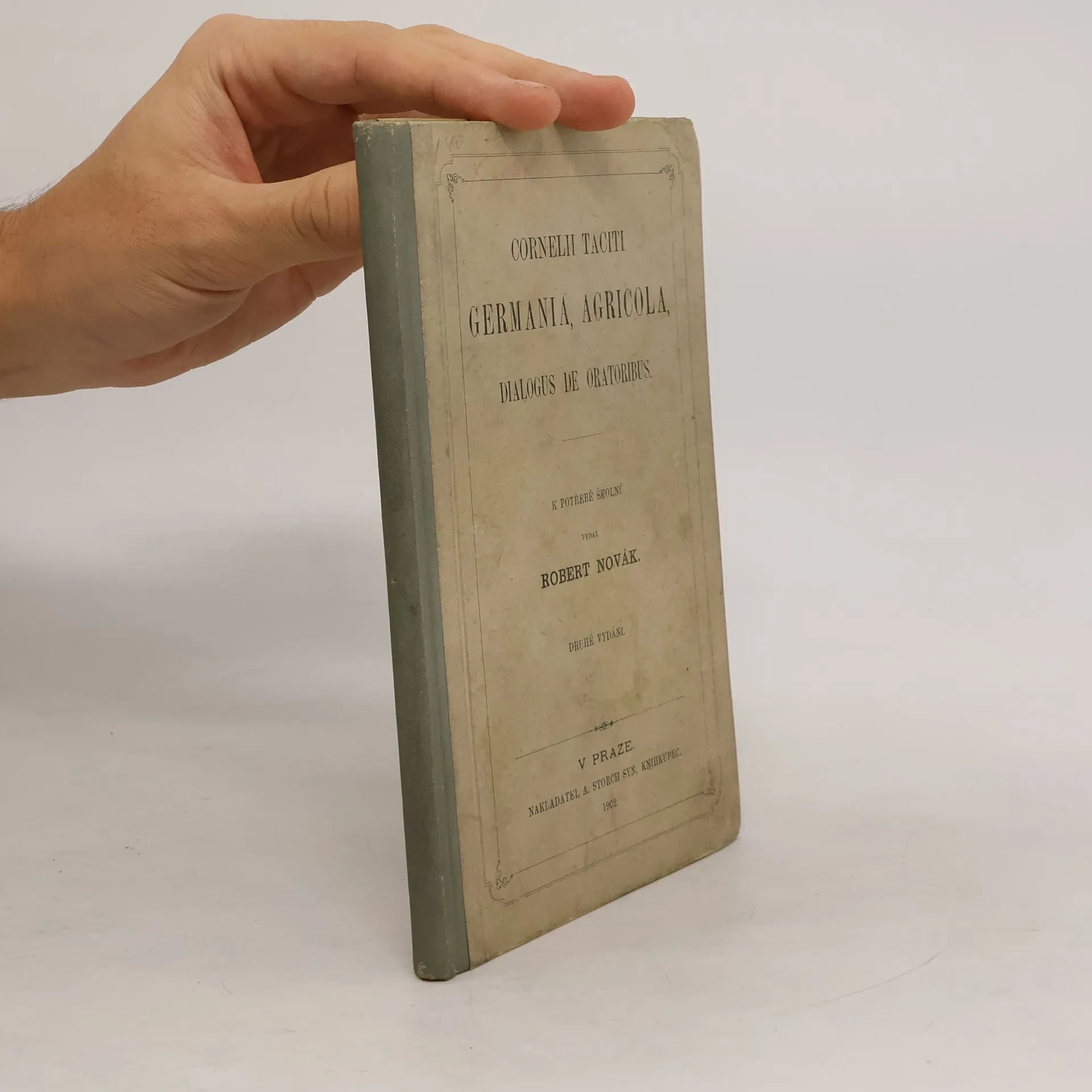
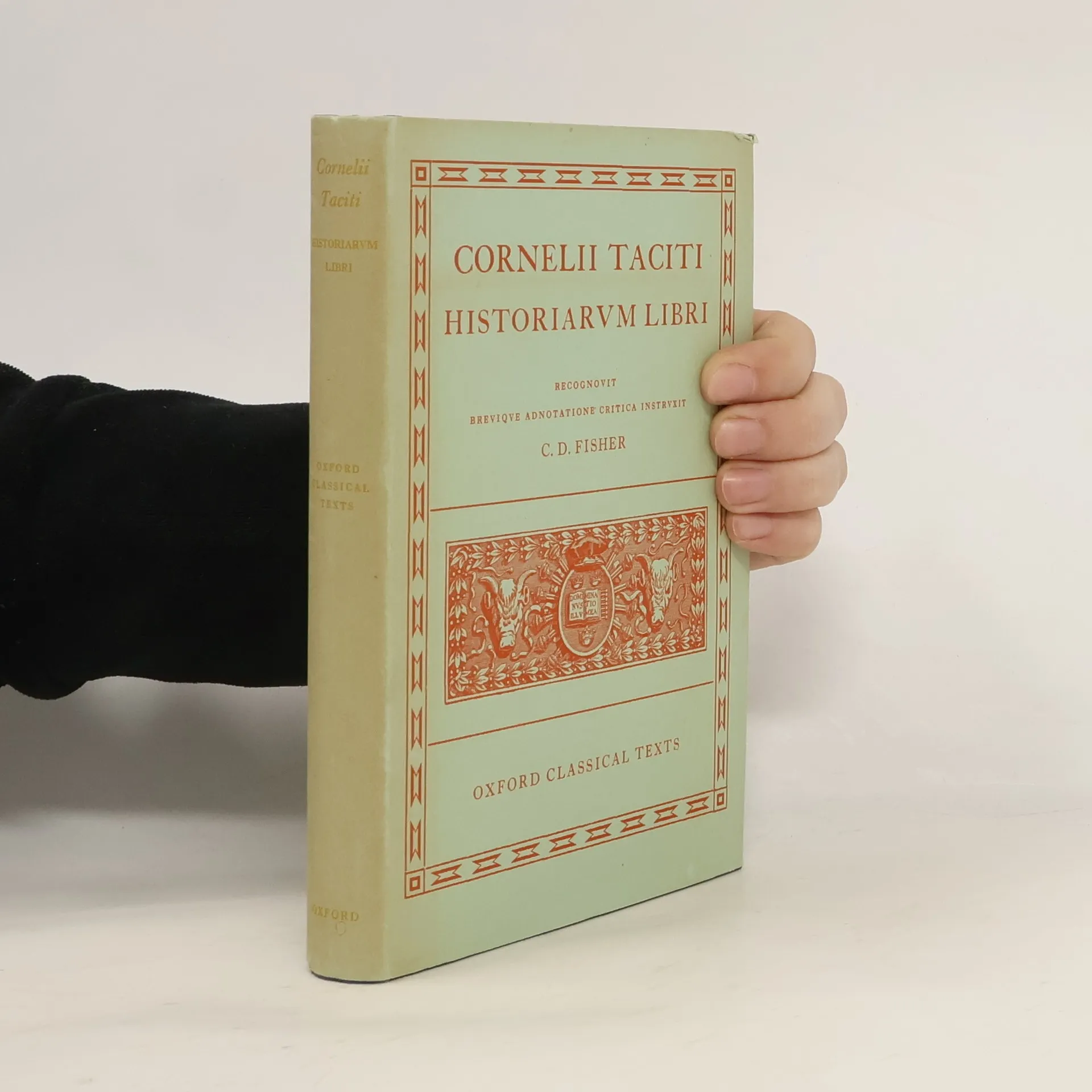
Publio Cornelio Tacito fu un senatore e storico romano vissuto nella tarda Età d'Argento della letteratura latina. Le sue opere sopravvissute esaminano i regni degli imperatori dalla morte di Augusto fino alla Prima guerra giudaico-romana. La scrittura di Tacito si distingue per la sua audacia e acutezza, con un uso compatto e talvolta non convenzionale del latino. Esplorò anche l'oratoria, le origini dei popoli germanici e la vita del suocero.
Iniziate intorno al 100 d.C., dovevano indagare solo sulle vicende dei trent'anni precedenti, da Nerone a Domiziano, ma furono punto d'avvio di un lungo flash-back che illumina su tutta la storia dell'impero. Testo a fronte.
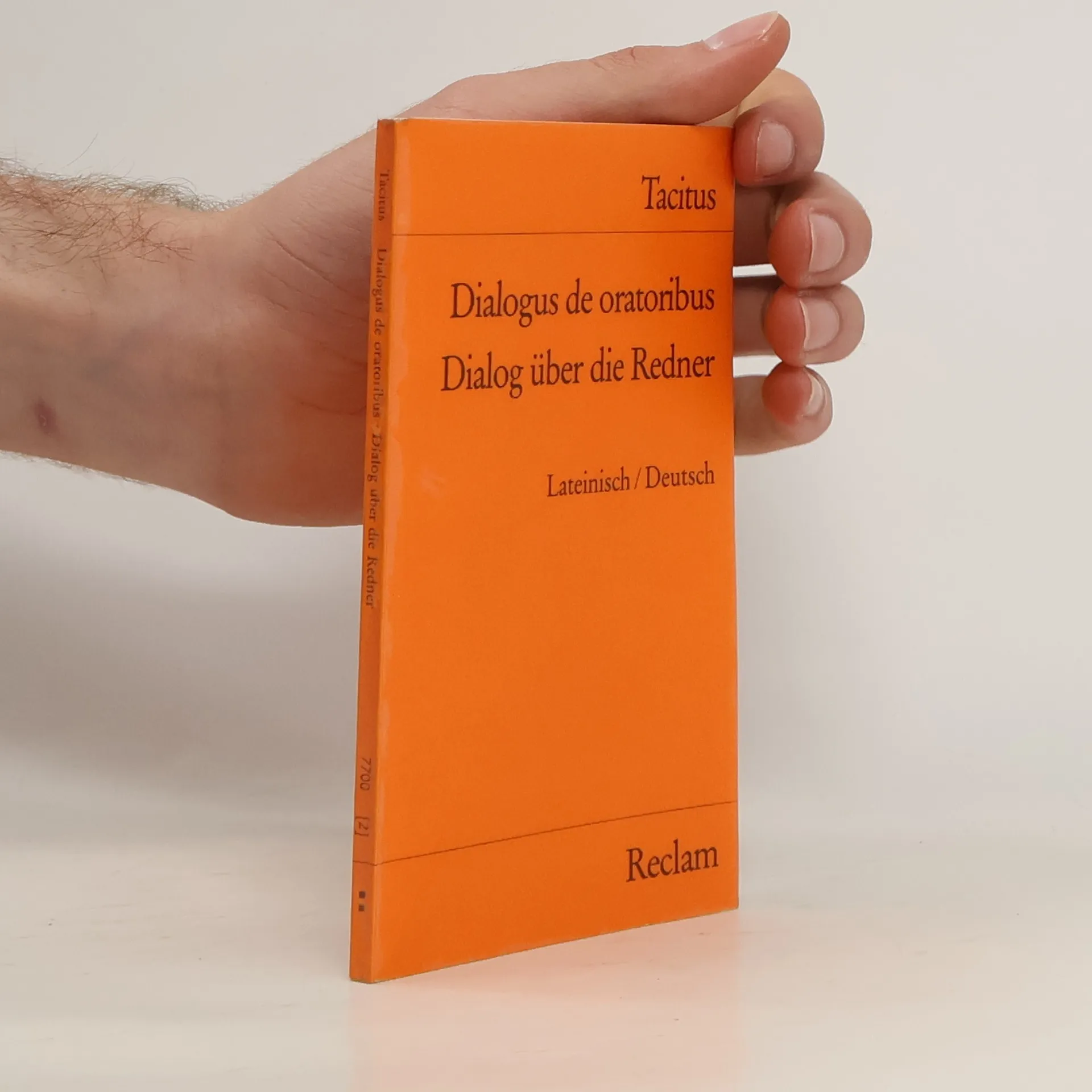
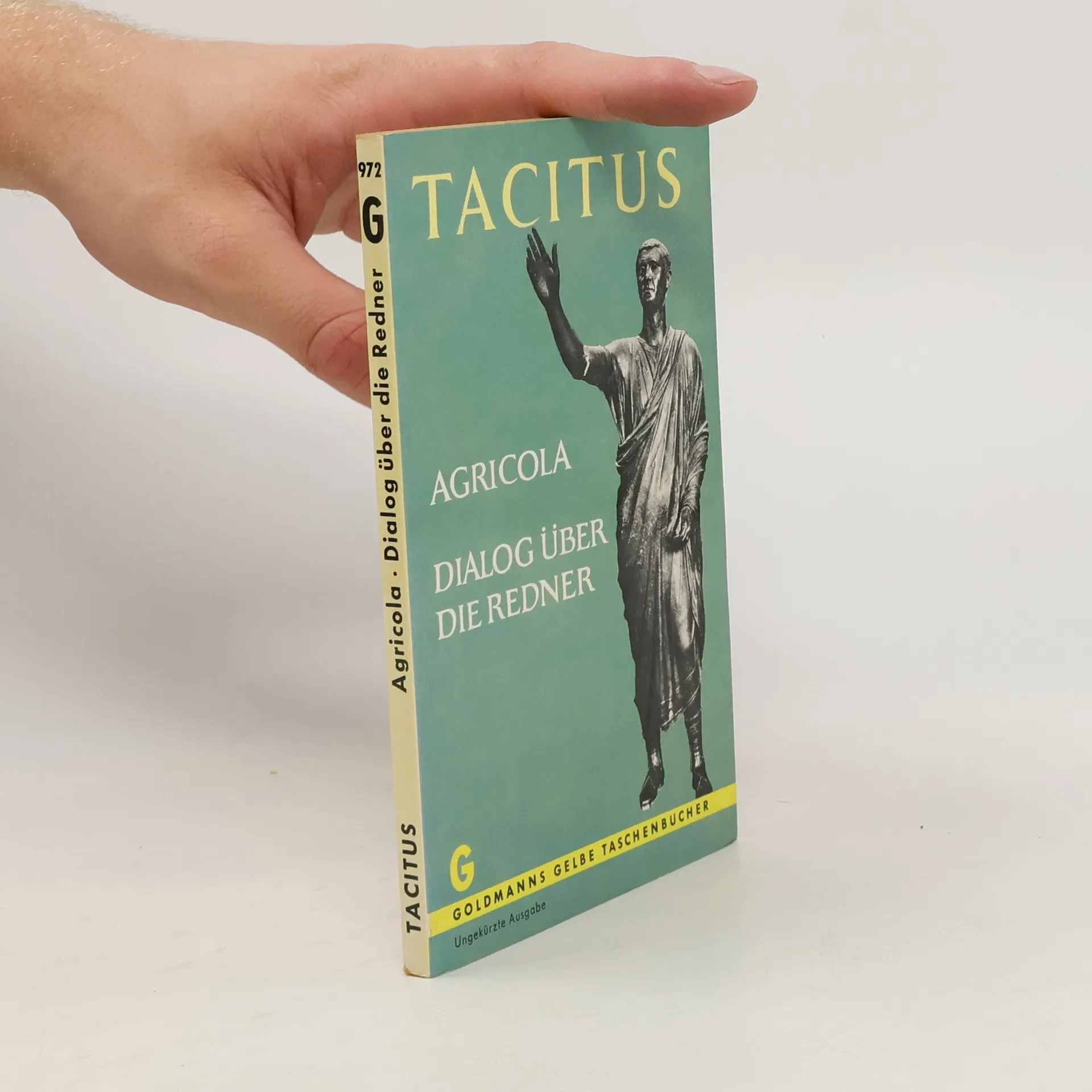
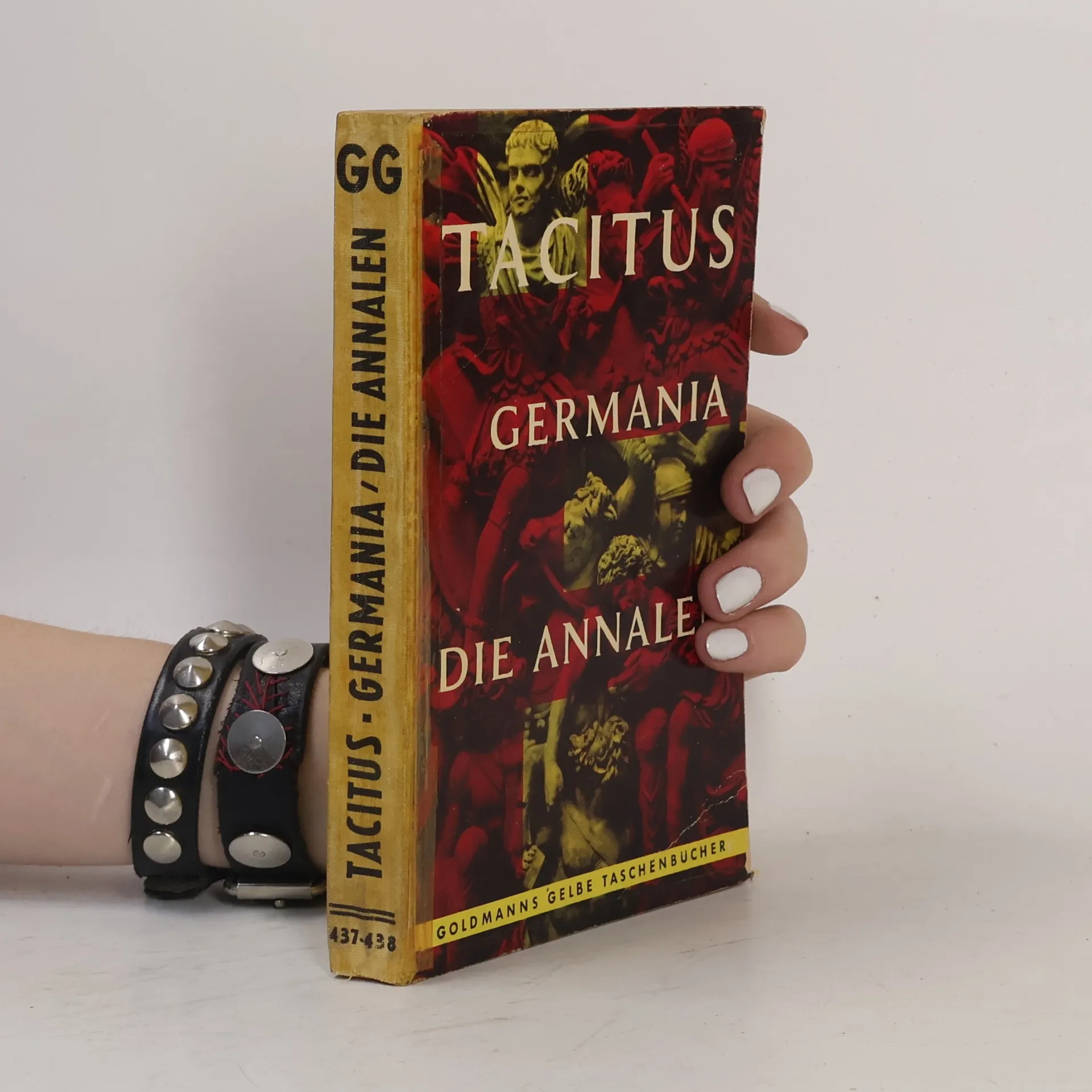
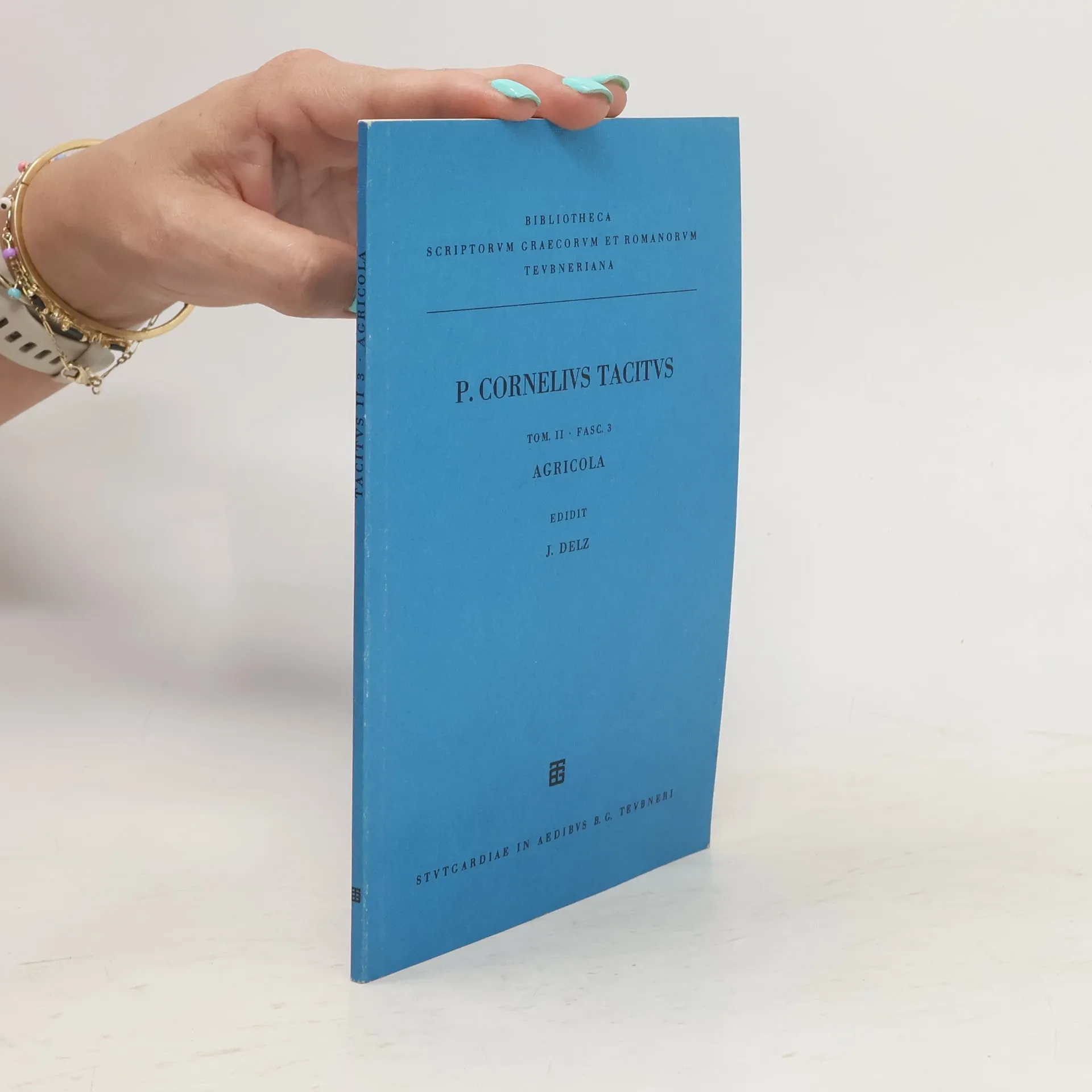
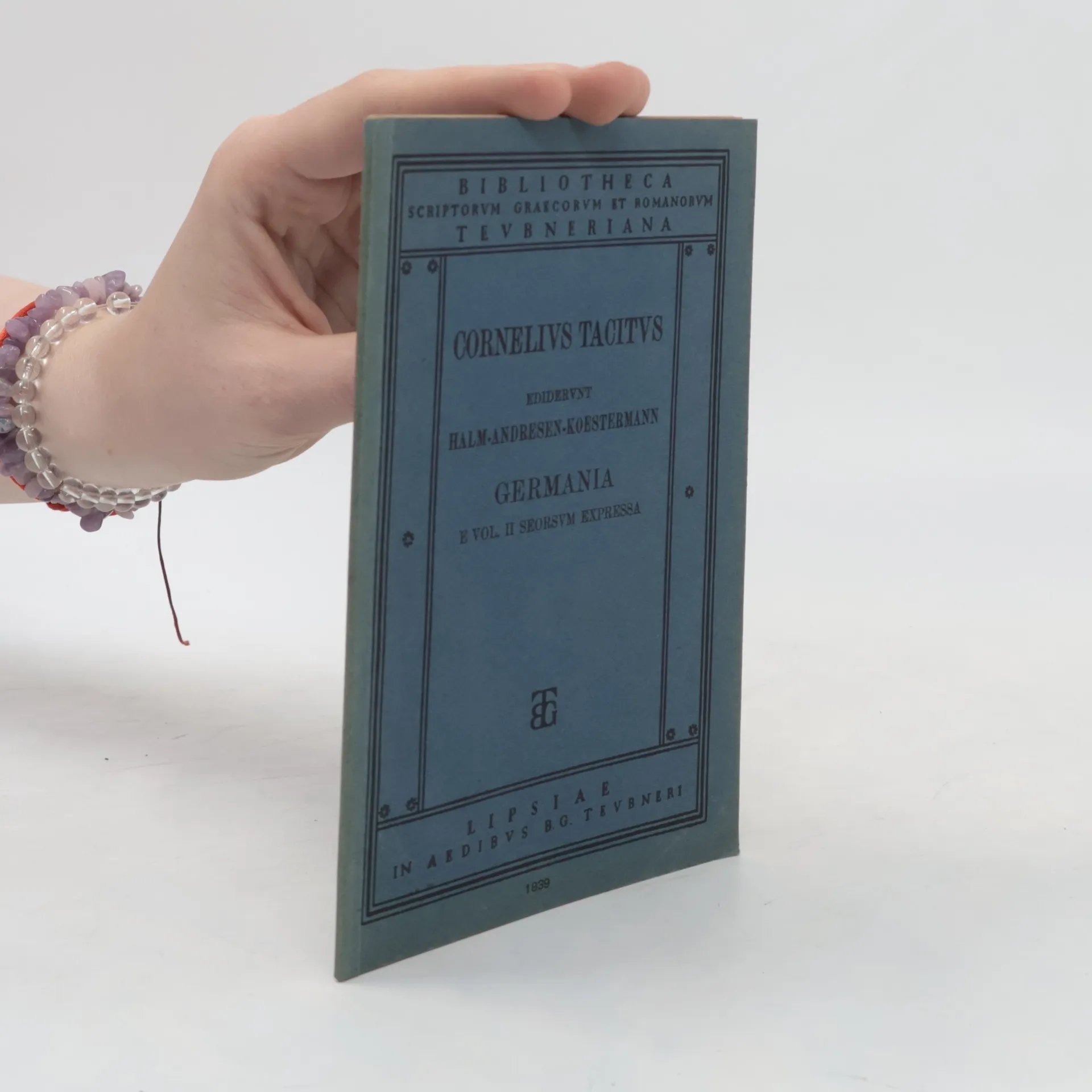
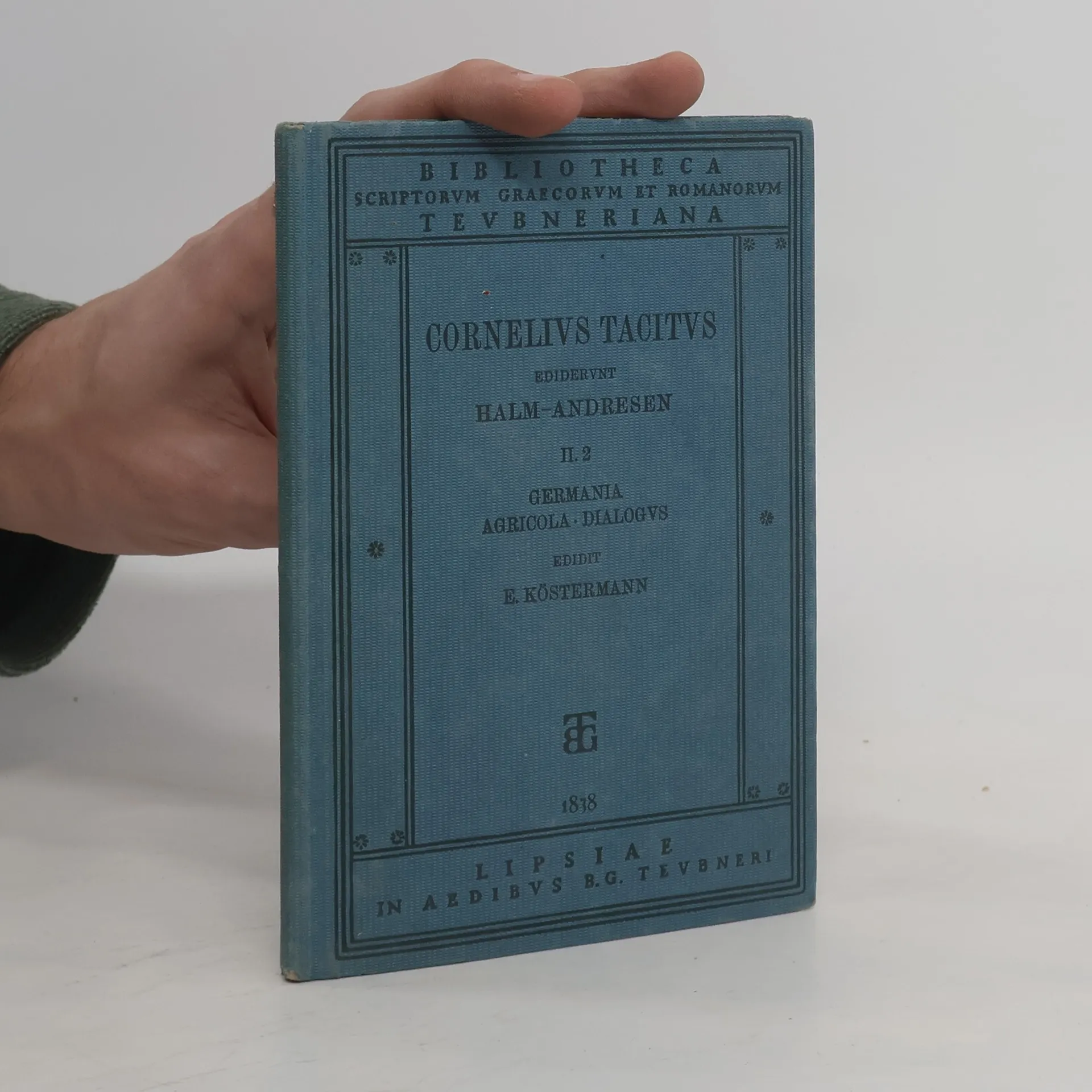
Le prime due monografie storiche di Tacito sono "Agricola" e "Germania": una commossa biografia del suocero caduto vittima della gelosia di Domiziano, la prima; una ricca e rigorosa descrizione etnico-geografica di popoli e luoghi tra il Danubio e il Reno la seconda, arricchita da intenti etico-politici. Nel "Dialogo sull'oratoria" si confronta l'eloquenza del passato con quella contemporanea e si individuano le cause della decadenza dell'oratoria nella mancanza di libertà civili e nella degenerazione politica e sociale di Roma
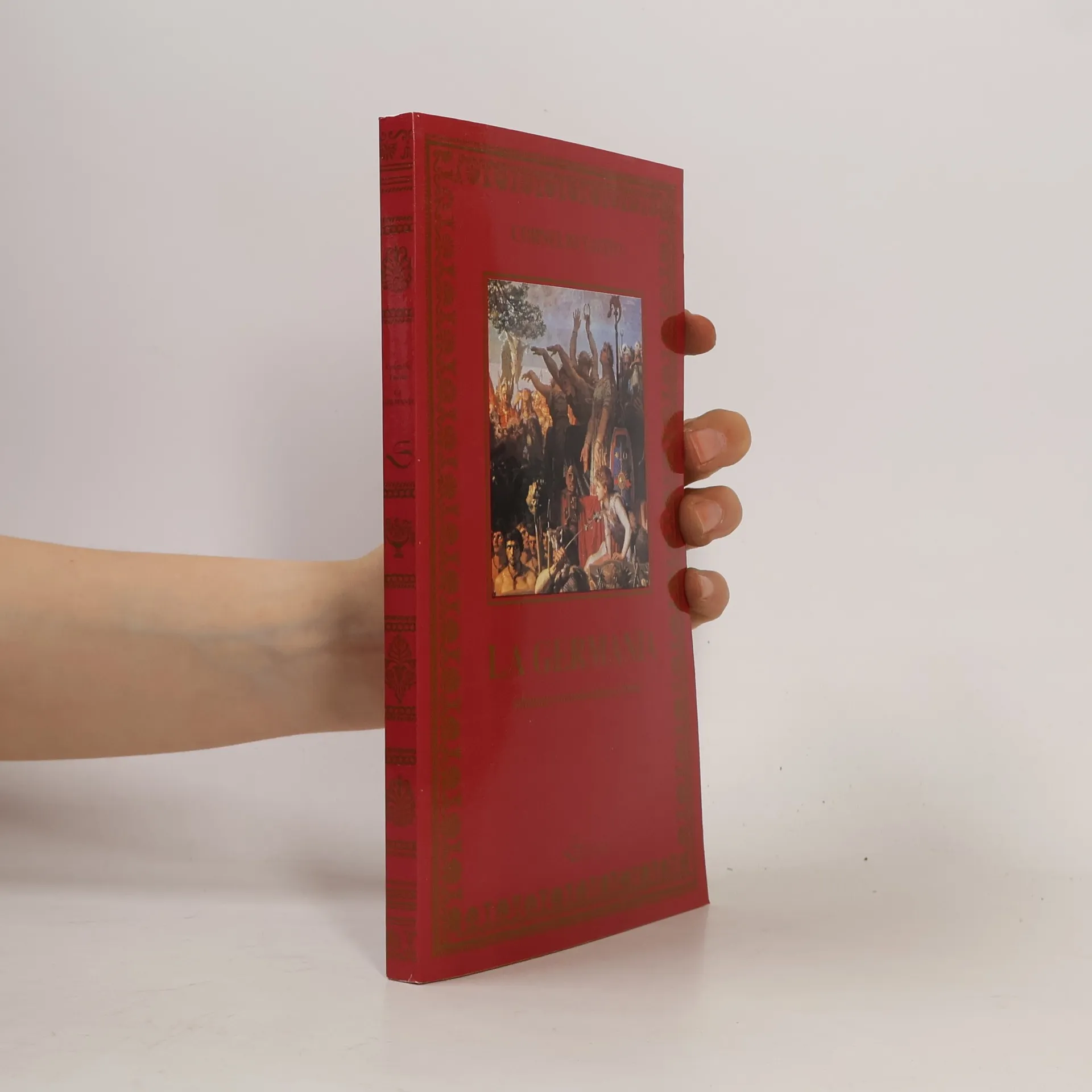
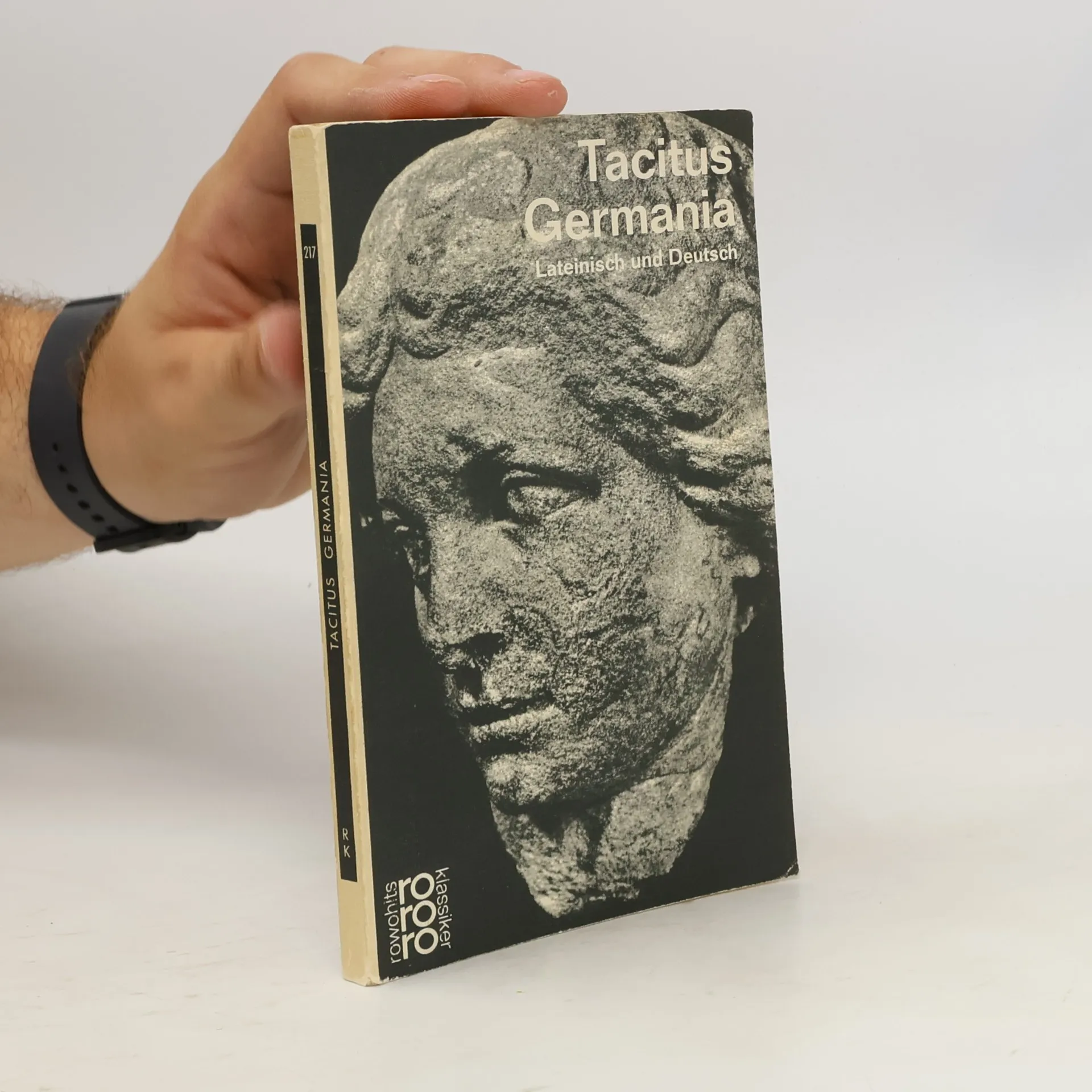
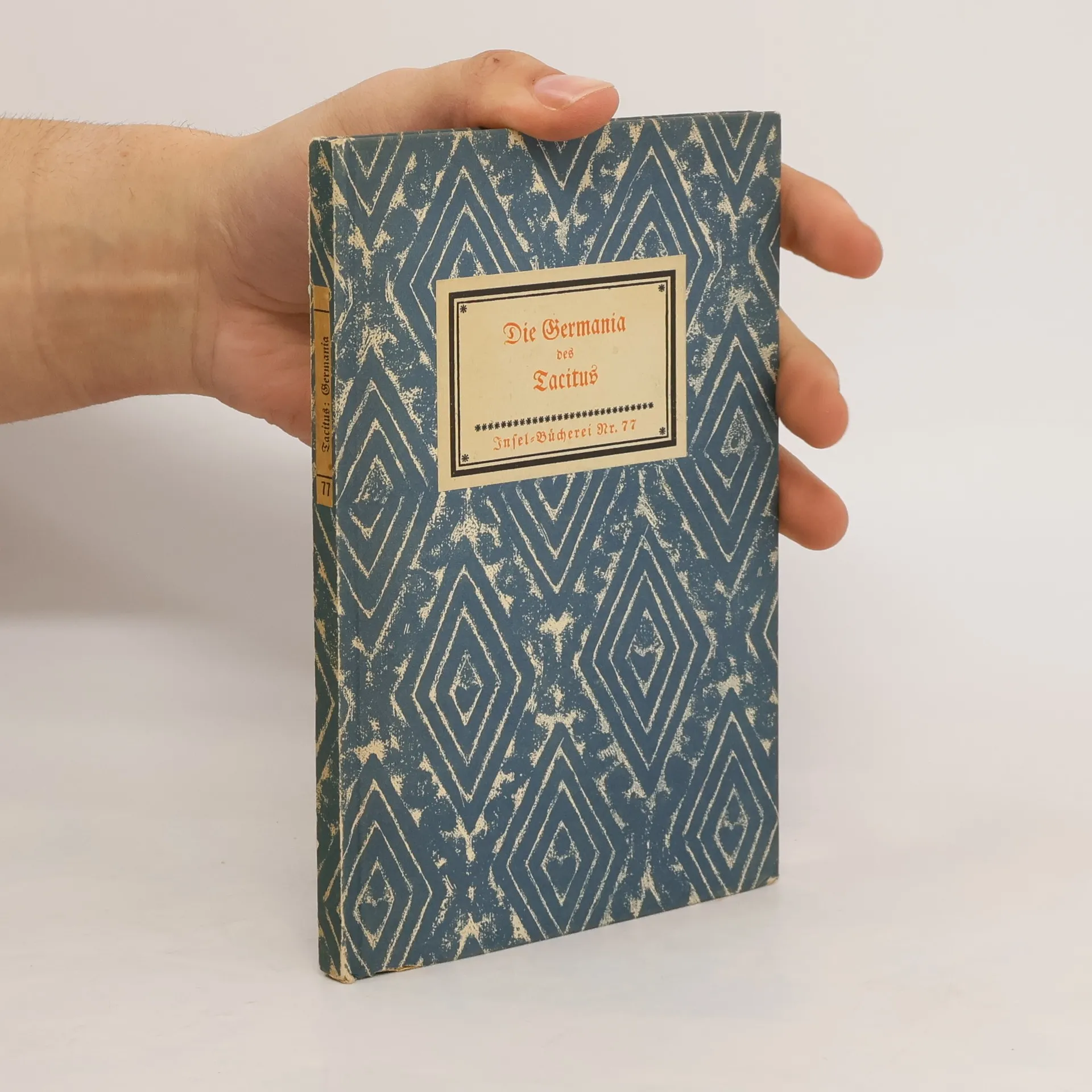
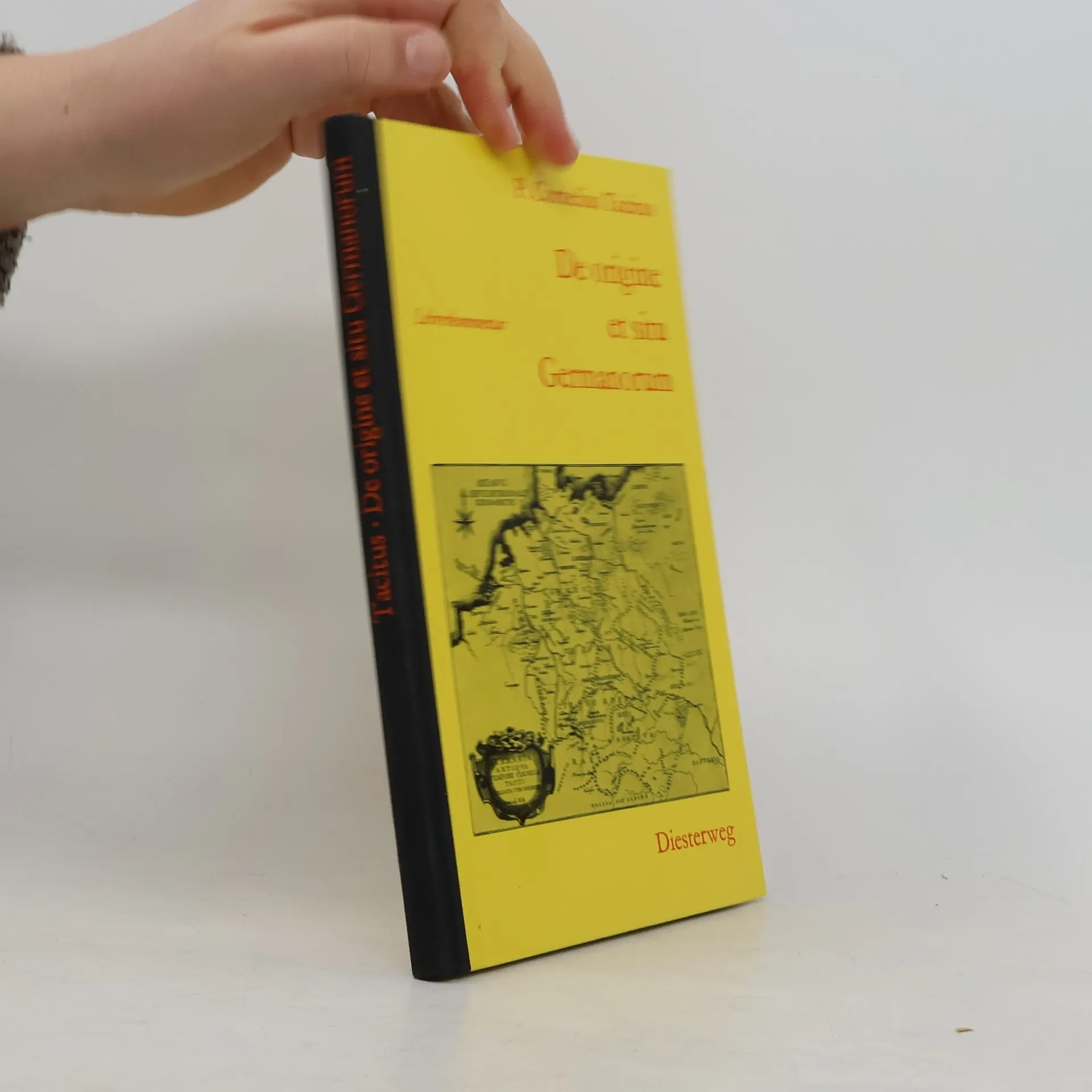
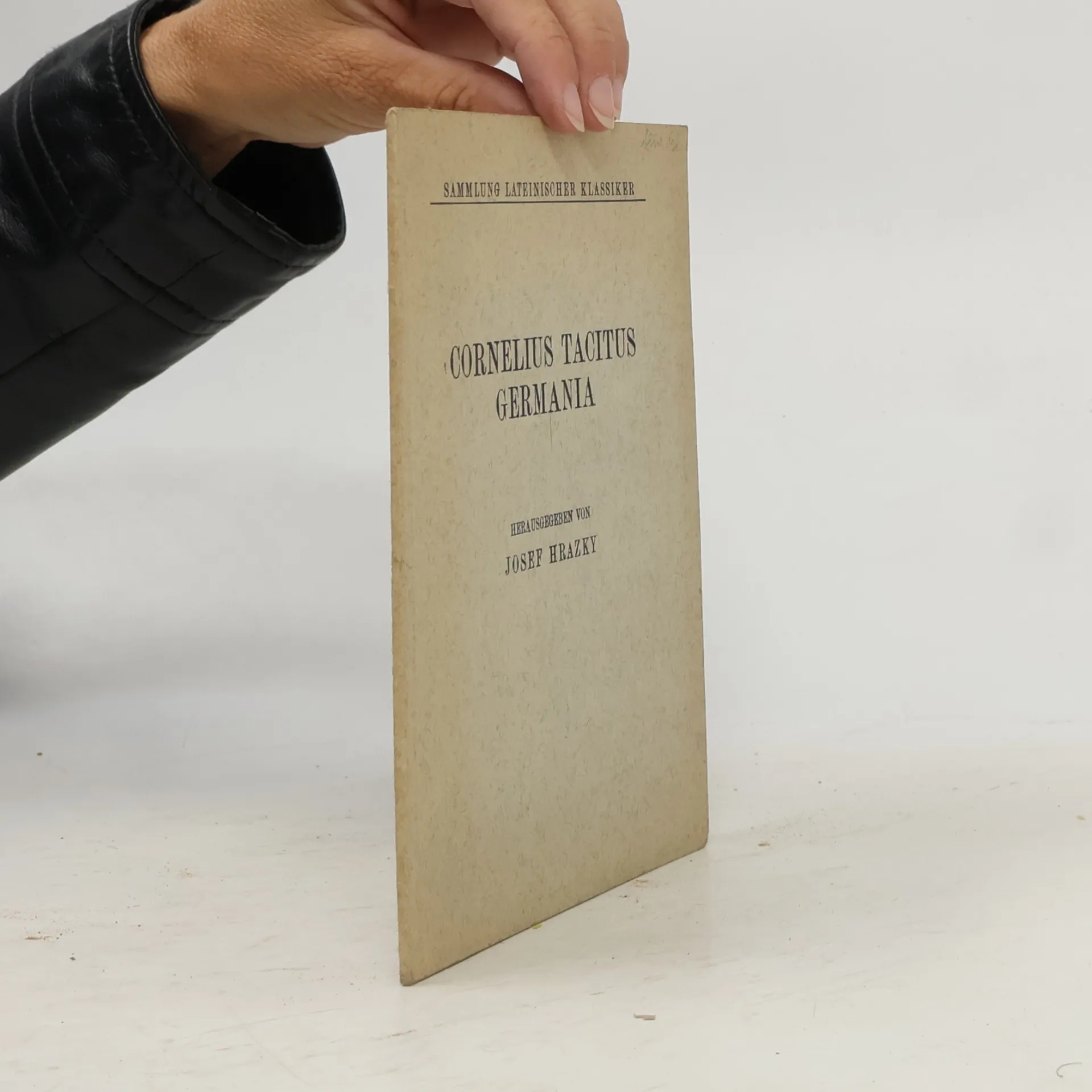
Tacito è il più importante storico romano dell'epoca imperiale. La sua opera "Germania", pubblicata nel 98 d.C., è uno dei suoi lavori più affascinanti. Suddivisa in 46 brevi sezioni, la prima parte esplora il territorio, le origini e le forme di vita dei Germani, mentre la seconda parte caratterizza i singoli tribù. Riscoperto durante il Rinascimento, il testo ha suscitato numerose controversie nel corso dei secoli. Aggiornato con i risultati delle indagini archeologiche, "Germania" contribuisce a far luce sulla preistoria dei popoli germanici e sul processo della loro espansione nell'Europa centrale.
This is a pre-1923 historical reproduction that was curated for quality. Quality assurance was conducted on each of these books in an attempt to remove books with imperfections introduced by the digitization process. Though we have made best efforts - the books may have occasional errors that do not impede the reading experience. We believe this work is culturally important and have elected to bring the book back into print as part of our continuing commitment to the preservation of printed works worldwide.
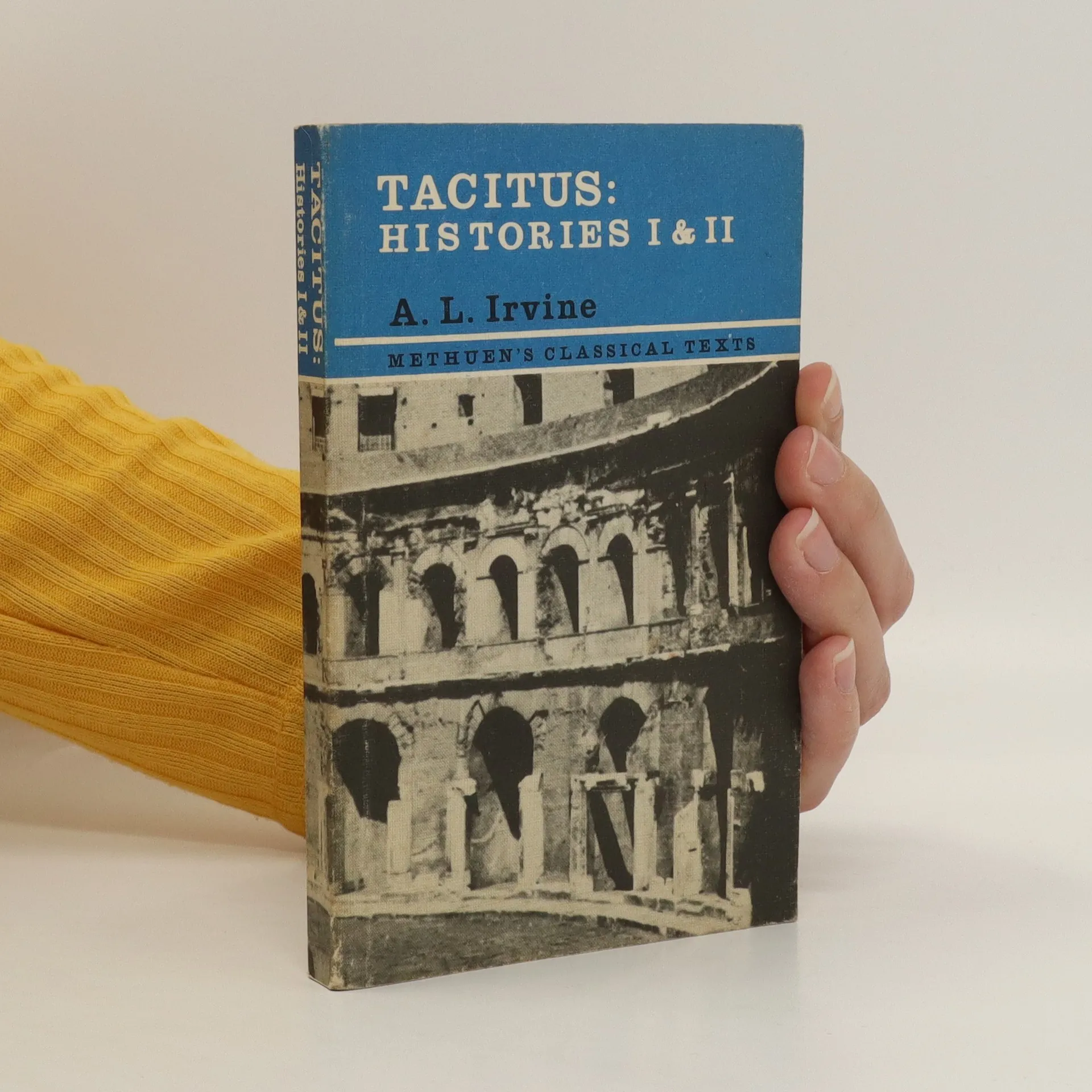
In The Histories Cornelius Tacitus, widely regarded as the greatest of all Roman historians, describes with cynical power the murderous `year of the Four Emperors' - AD 69 - when in just a few months the whole of the Roman Empire was torn apart by civil war. W.H. Fyfe's classic translation has been substantially revised and supplied with extensive historical and literary notes. The Introduction examines the subtleties of Tactitus' writing and gives the necessary political and social background.
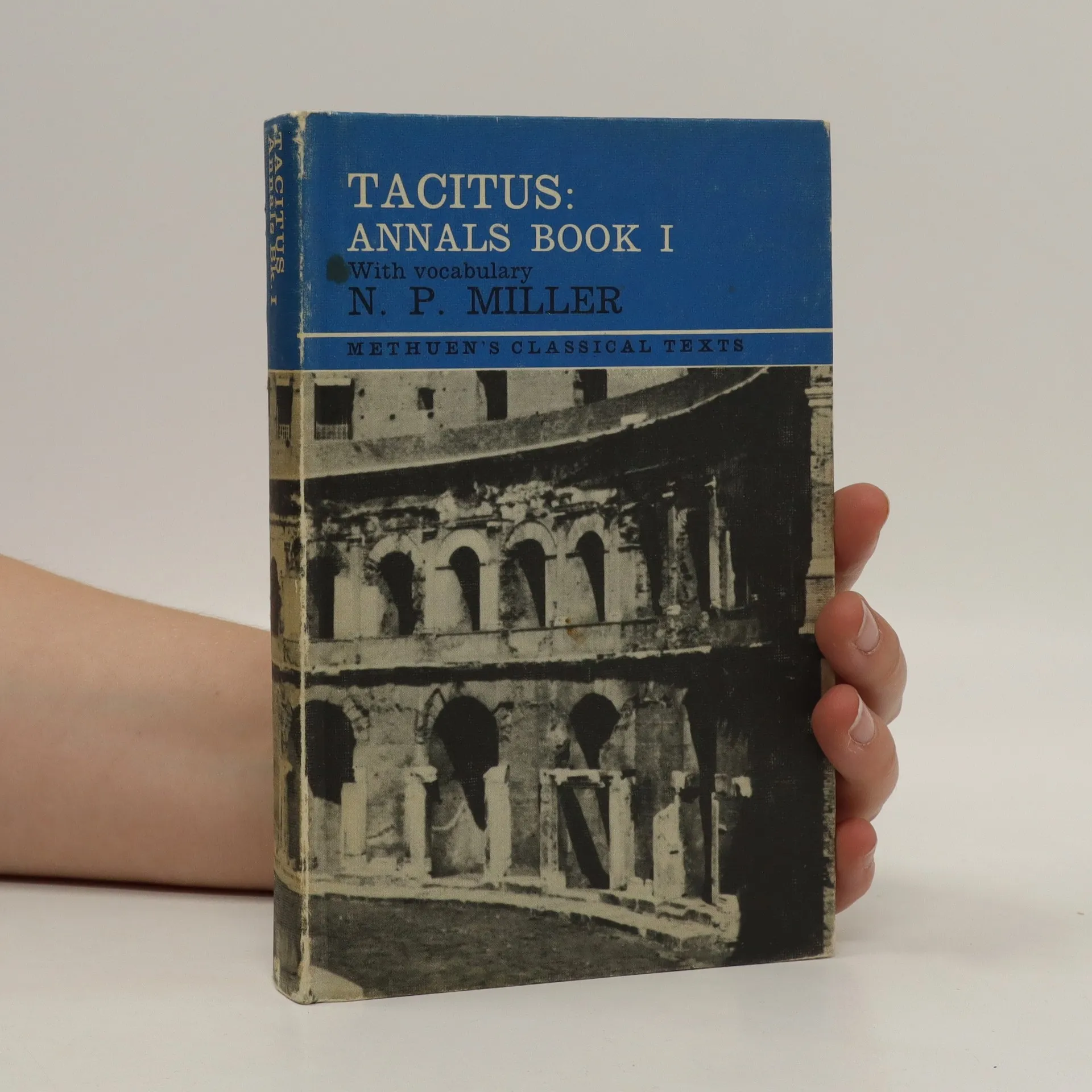
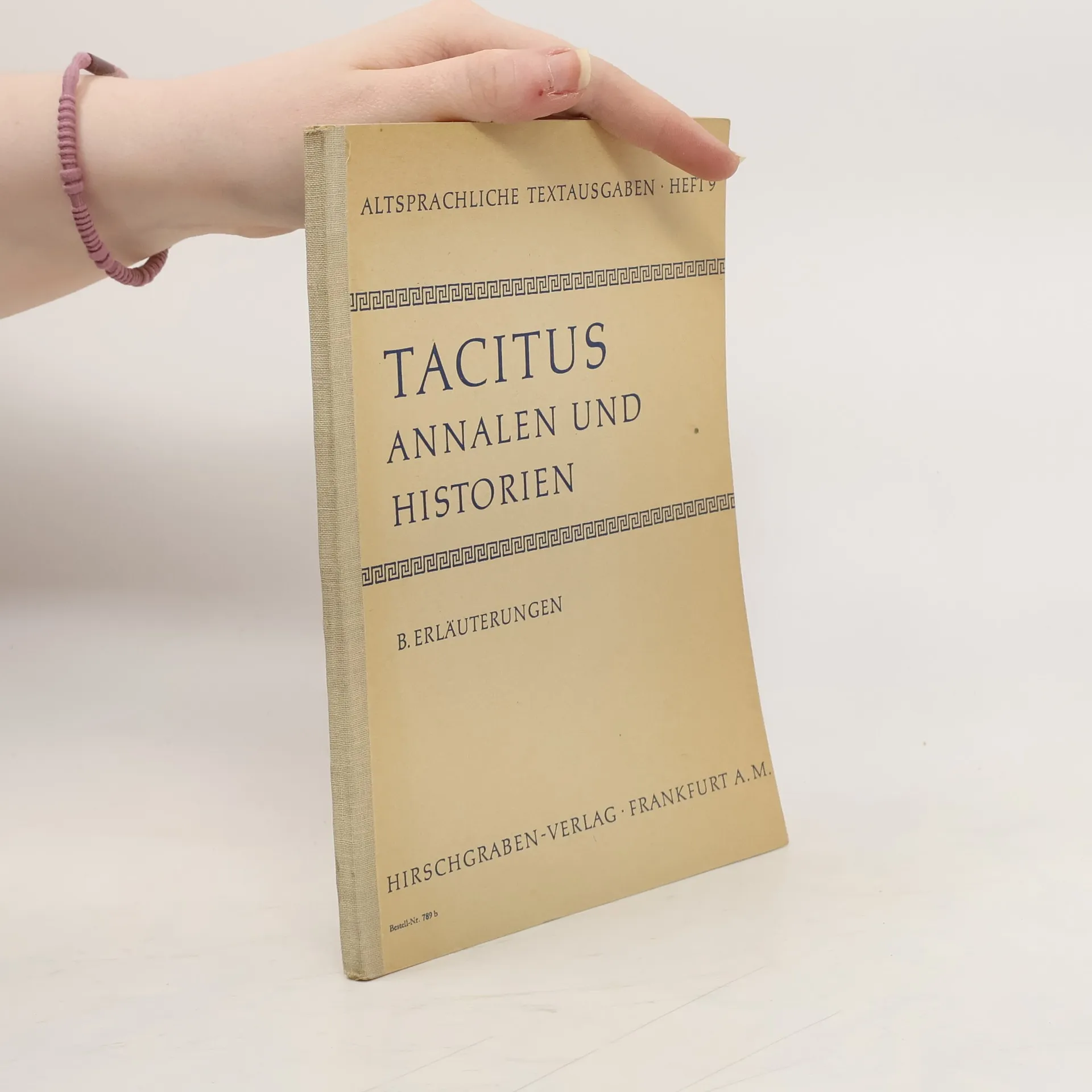
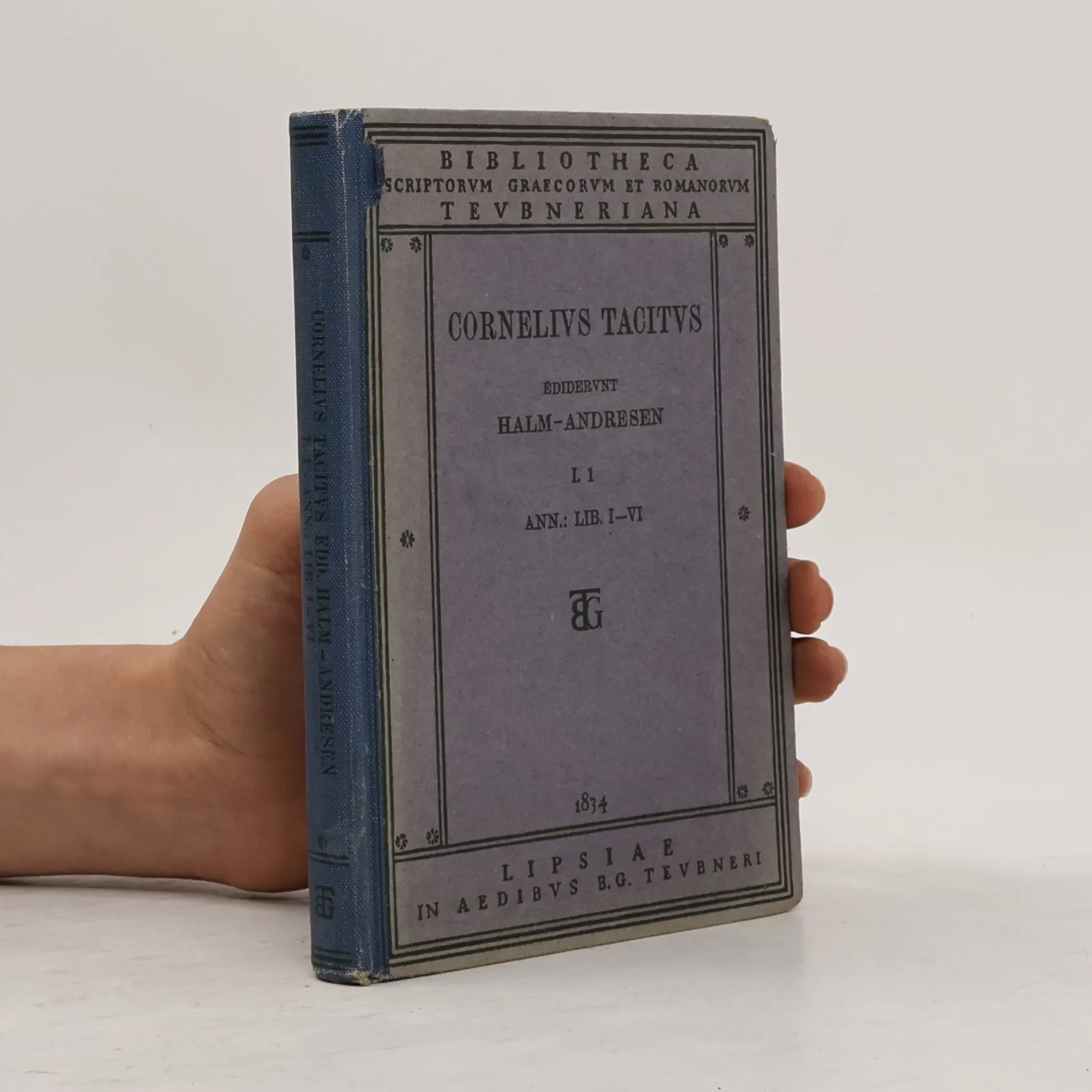
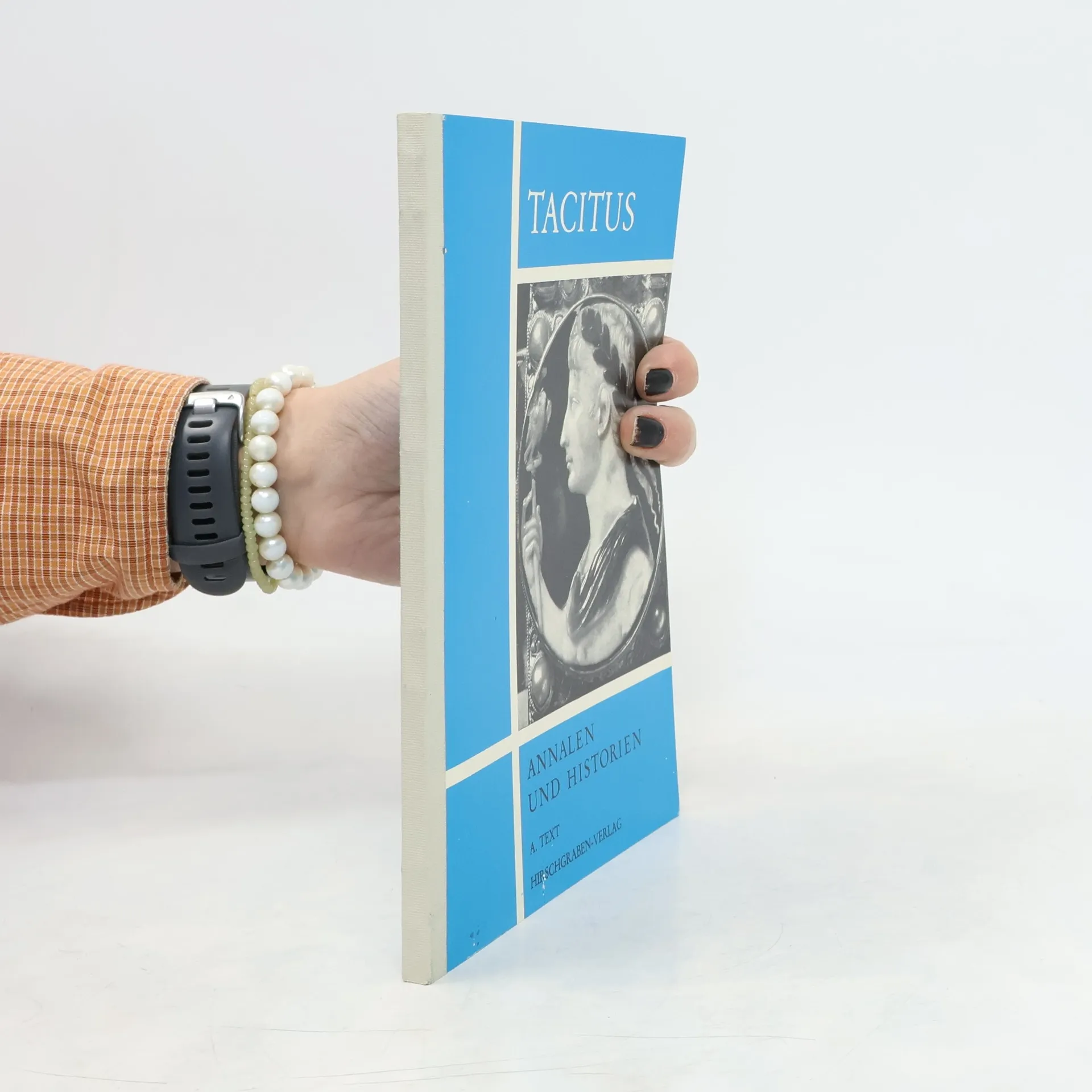
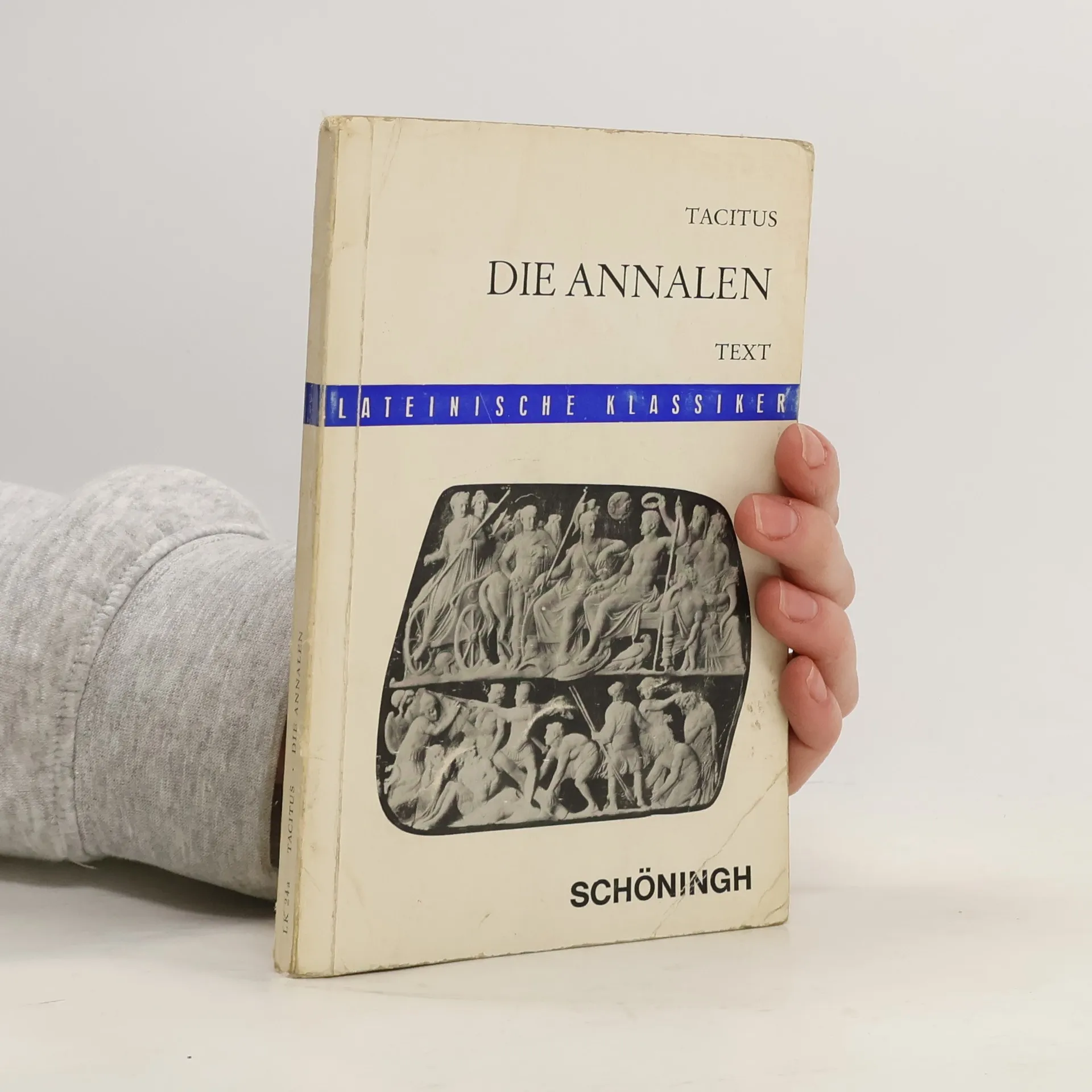
Gli Annali di Tacito raccontano i principali eventi storici dagli anni precedenti la morte di Augusto fino alla morte di Nerone nel 68 d.C. Con chiarezza e intensa vividezza, descrive il regno di terrore sotto il corrotto Tiberio, il grande incendio di Roma durante il periodo di Nerone, e le guerre, i veleni, gli scandali, le cospirazioni e gli omicidi che facevano parte della vita imperiale. Nonostante la sua affermazione di scrivere in modo oggettivo, il racconto di Tacito è fortemente critico nei confronti degli eccessi degli imperatori e teme per il futuro di Roma imperiale, mentre è anche pervaso da un desiderio per le sue glorie passate.
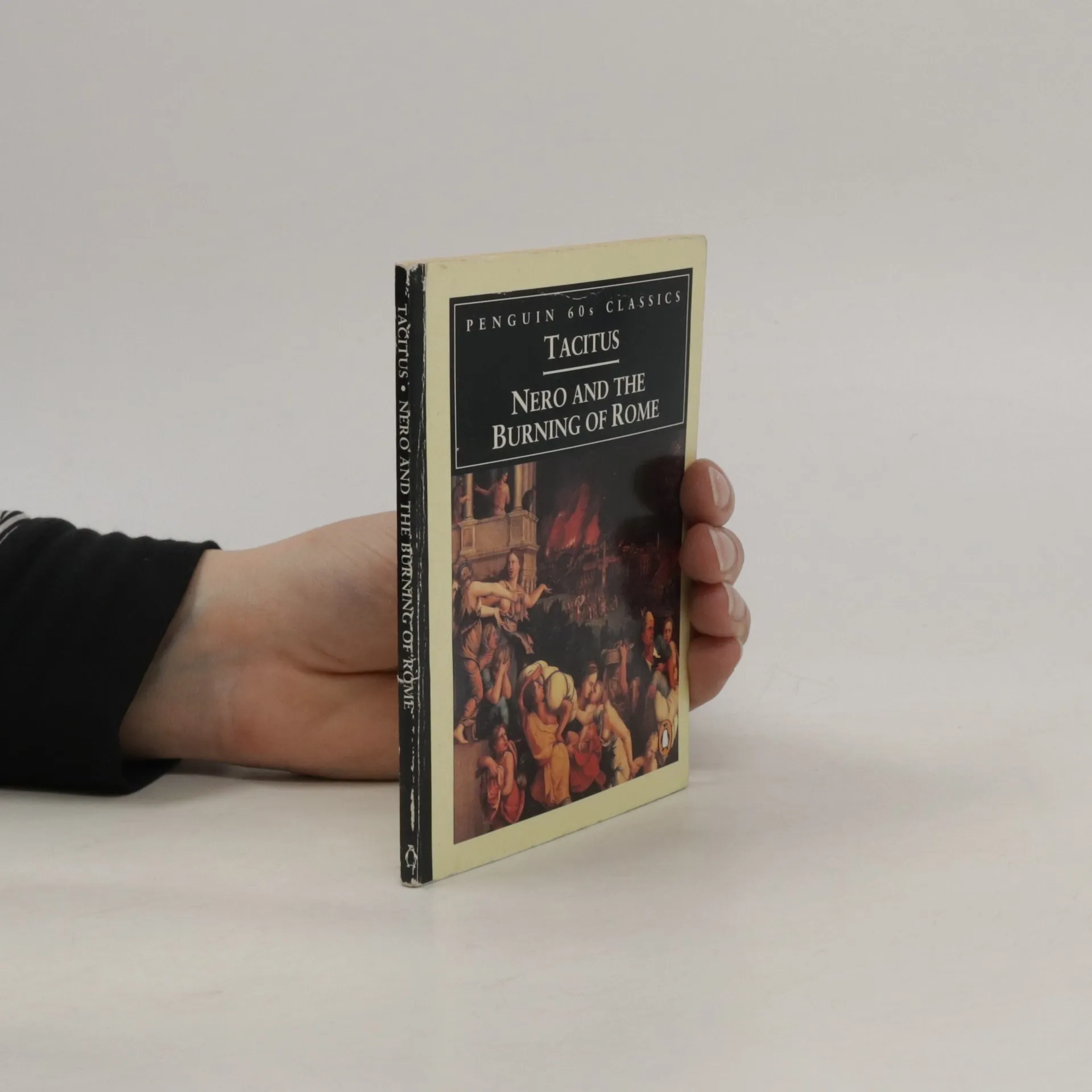
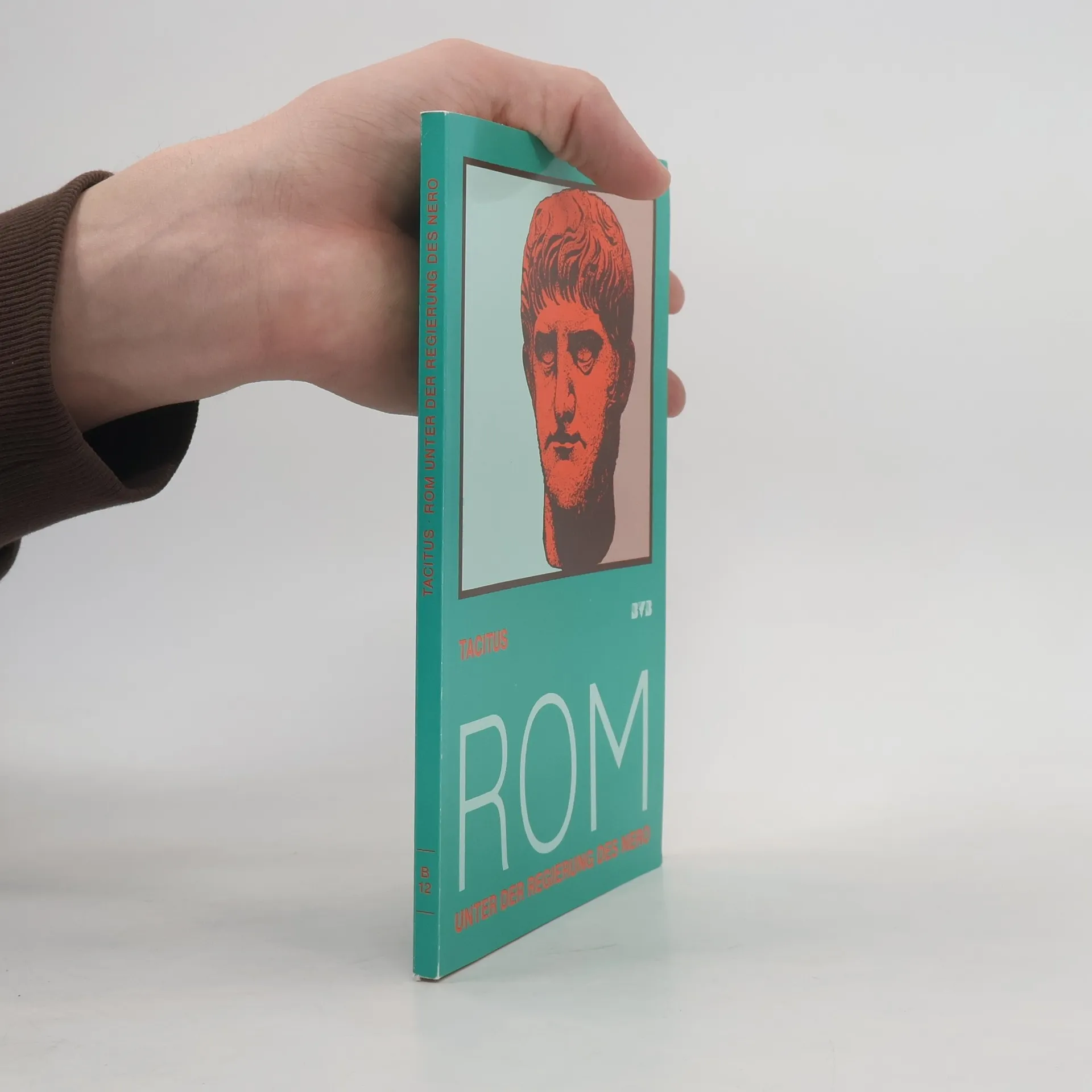
Chariot-racer, poet, performer and reveller Nero dominated Rome during his erratic and divisive reign. He was the murderer of, among many others, his own mother, brother and wife, but the plot to kill him, supported by Roman officers and philosophers alike, foundered in yet more bloodshed, including the death of Seneca. Tacitus' lively account of the politics and figures of the time, and of the fire that consumed much of Rome in AD 64, is taken from The Annals of Imperial Rome, translated by Michael Grant.
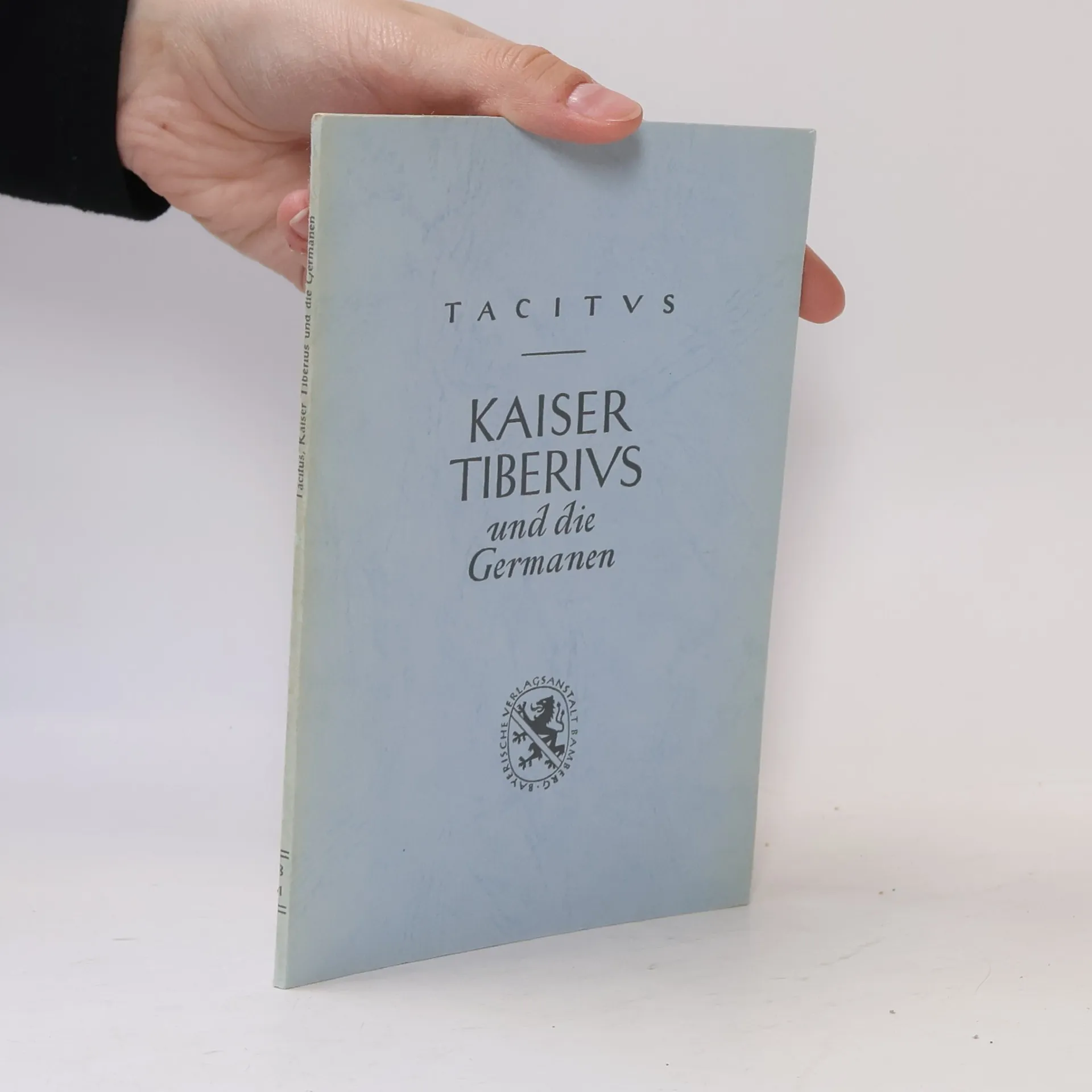
The book offers an in-depth commentary on Tacitus' detailed narrative of the final years of Emperor Tiberius, exploring the political intrigues, personal dynamics, and the societal impact of his rule. It delves into Tacitus' insights on power, corruption, and the complexities of imperial governance, providing readers with a comprehensive understanding of this pivotal historical period. The commentary enhances appreciation of Tacitus' literary style and historical significance, making it a valuable resource for students and enthusiasts of Roman history.
With His Account Of Germany, And Life Of Agricola, Translated By Thomas Gordon, Edited By Arthur Galton
192pagine
7 ore di lettura
Focusing on the reign of Tiberius, this work compiles key historical accounts from Tacitus's annals, offering insights into Roman politics and society. It includes Tacitus's observations on Germany and the life of Agricola, providing a broader understanding of Roman expansion and governance. Translated by Thomas Gordon and edited by Arthur Galton, this edition presents a thorough exploration of leadership and military strategy during a pivotal era in Roman history.
Focusing on accessibility, this publication is a reproduction of a historical work presented in large print, catering specifically to individuals with impaired vision. The Megali publishing house is dedicated to enhancing the reading experience for those who may struggle with standard text sizes, ensuring that important historical texts remain available and readable for a wider audience.
The publishing house Megali focuses on reproducing historical texts in large print, catering specifically to individuals with impaired vision. This initiative aims to enhance accessibility and ensure that important works are available to a wider audience, preserving the integrity of the original texts while improving readability.
The book is a reproduction of a historical work, specifically designed in large print to enhance readability for individuals with impaired vision. Published by Megali, a house dedicated to making historical texts more accessible, this edition aims to preserve the original content while catering to those who benefit from larger text formats.
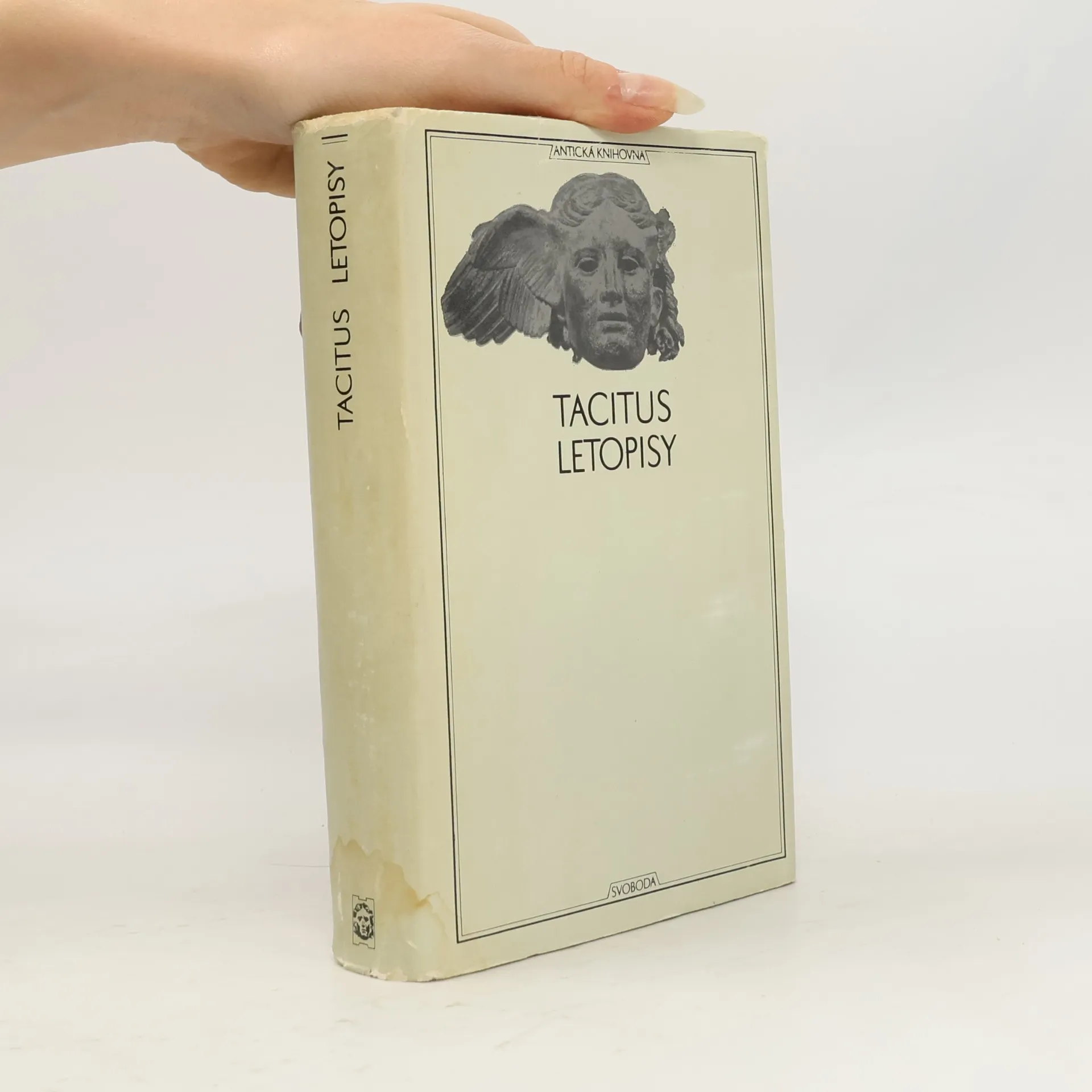
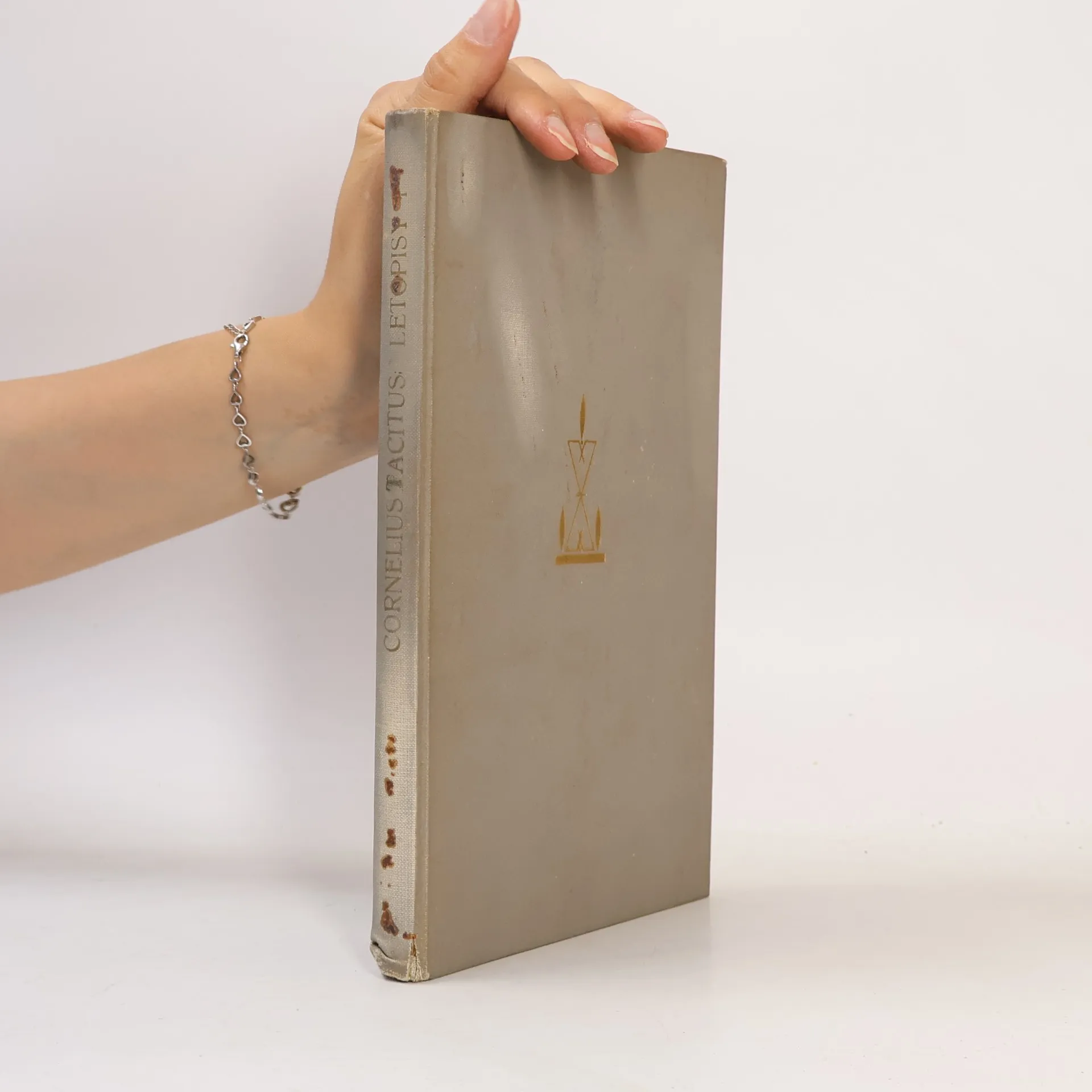
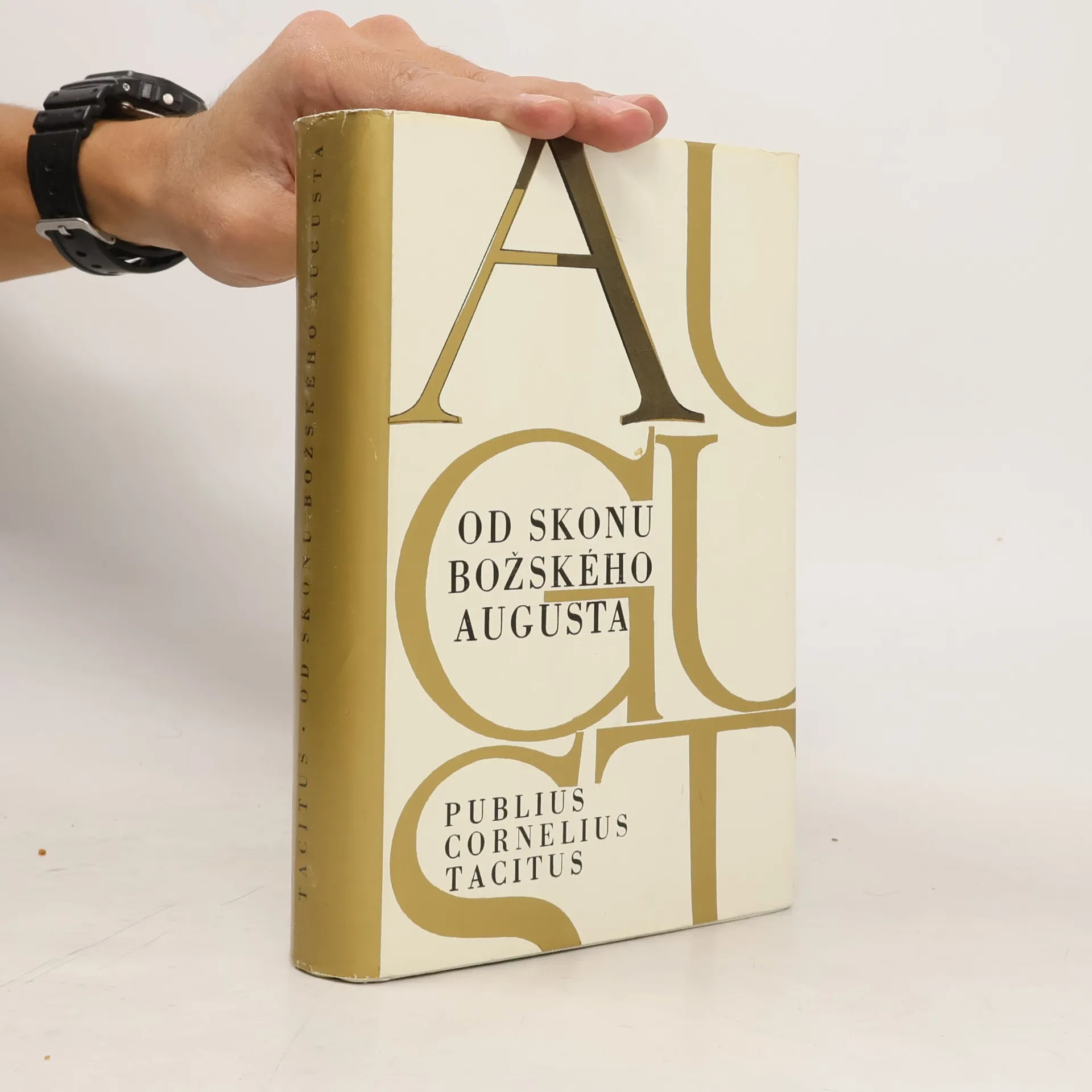
Letopisy (Annales) či Od smrti božského Augusta knihy – jak snad zněl původní název – patří k nejvýznamnějším dochovaným klenotům antické literatury. Tacitus v nich zachytil dobu raného císařství za vlády členů julsko-klaudijského rodu. Ke své činnosti přistoupil po odstranění zloducha Domitiana v klidných letech vlády Trajánovy. Uvolněná atmosféra mu dovolila volně popsat dobu, která už bezmála začala být idealizována, jako plastický obraz složený z postav velkých i malých samovládců, kariéristů, zvrhlíků i jimi zničených čestných osob.
Die Germania - auf den ersten Blick eine farbige Beschreibung der germanischen Völker - verfolgt ein klares propagandistisches Ziel: Der korrupten, unfreien und dekadenten Gesellschaft seiner Zeit stellt Tacitus das Idealbild einer auf Einfachheit, Freiheit, Ehre und Kampfesmut beruhenden Lebensweise gegenüber.
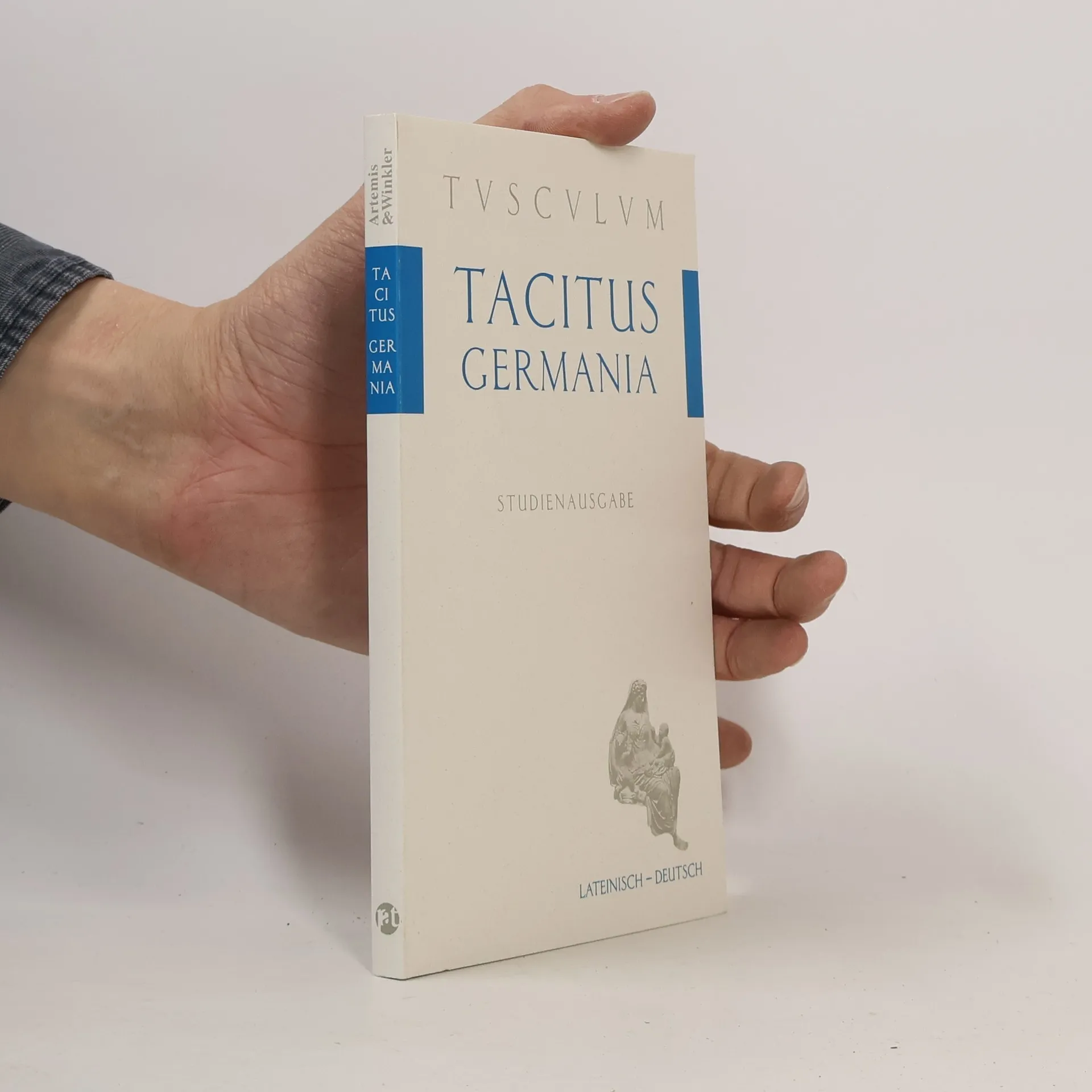
Tacitus, der bedeutendste römische Historiker der Kaiserzeit, verfasste 98 n. Chr. die »Germania«, die Herkunft, Lebensformen und Stämme der Germanen beschreibt. In 46 Sektionen thematisiert er deren Kultur, Religion und Gesellschaft. Diese zweisprachige Ausgabe enthält eine Übersetzung von Arno Mauersberger sowie Einleitung und Kommentar.
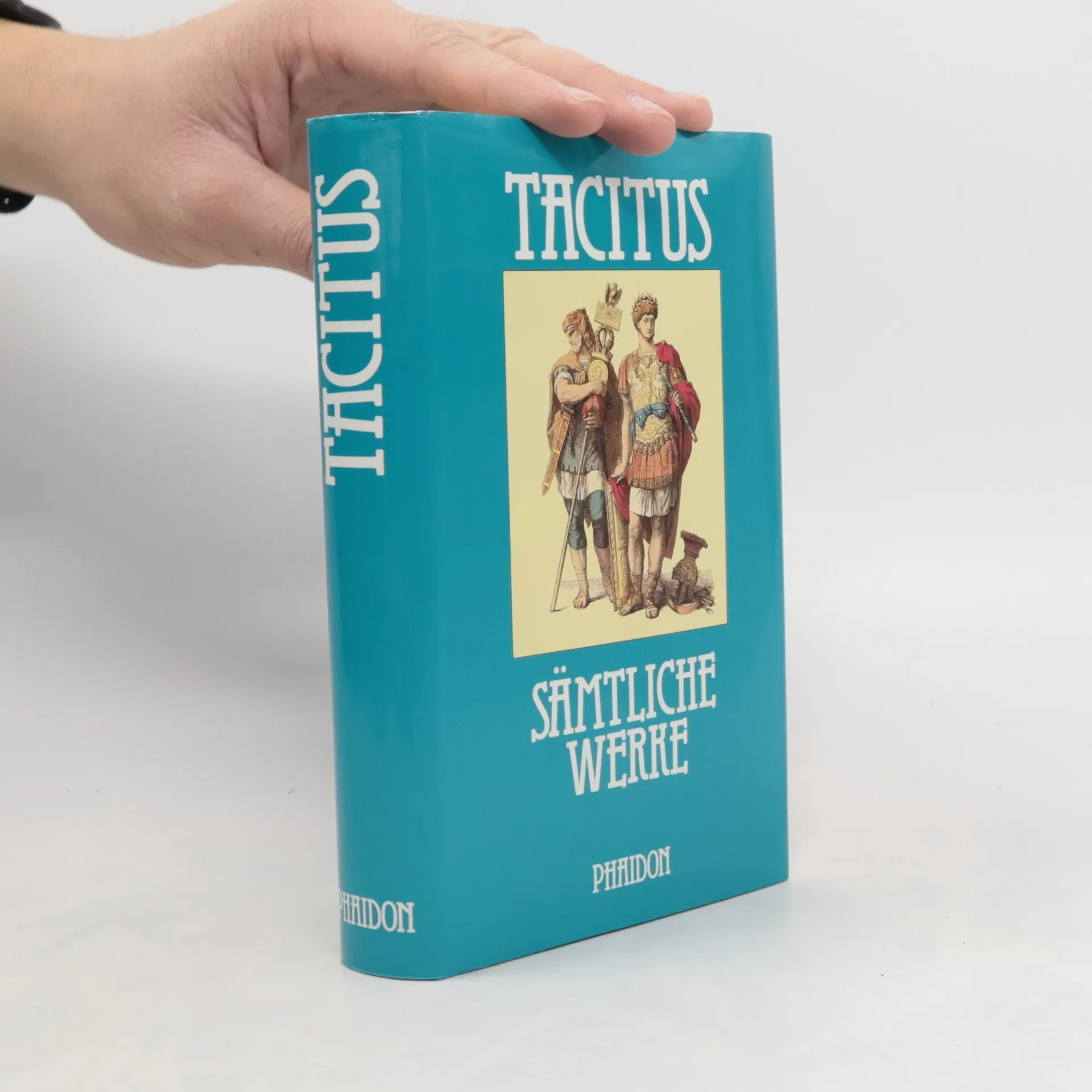
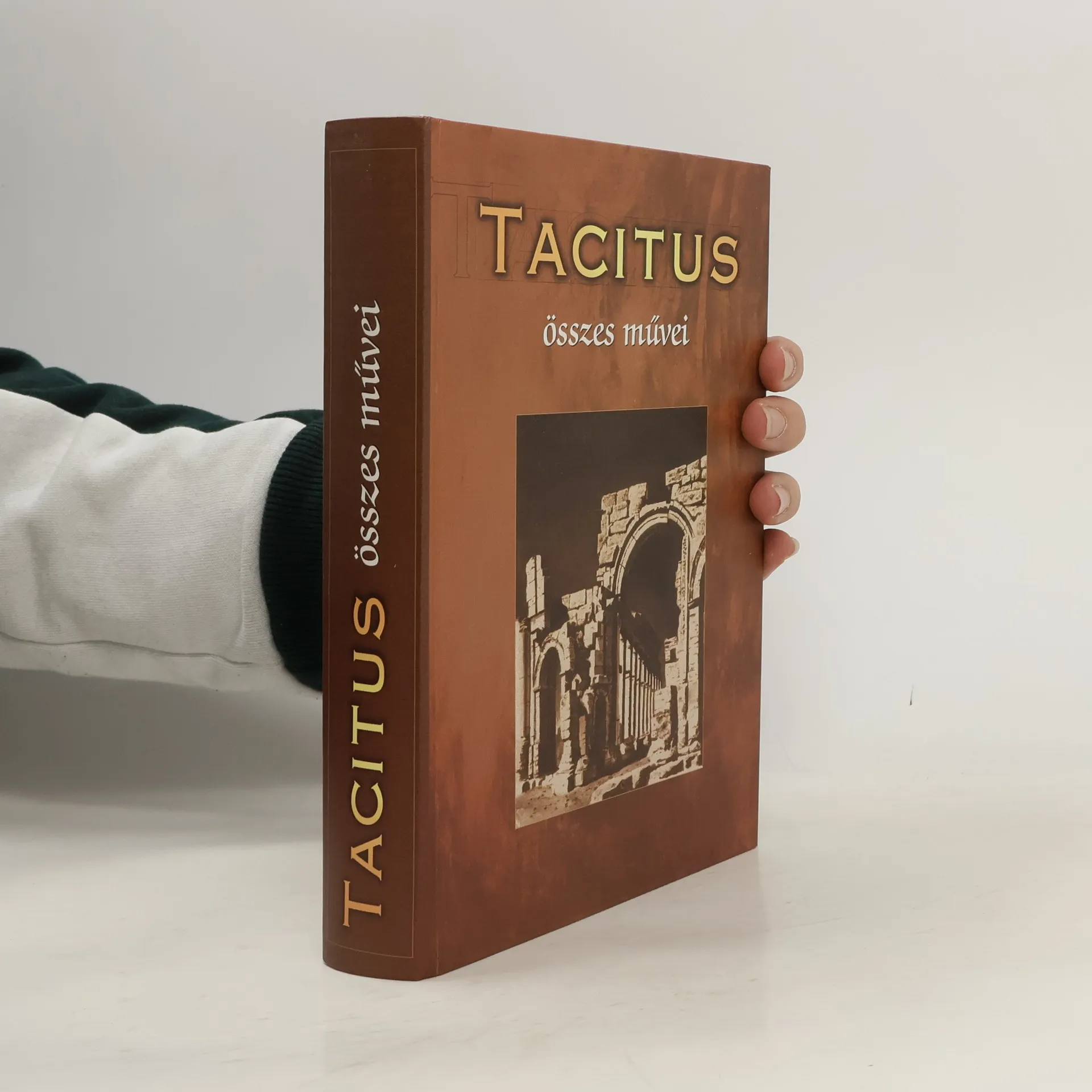
Mit Publius Cornelius Tacitus (ca. 55-120 n.Chr.) hat die römische Literatur einen ihrer großen Höhepunkte erreicht; dazu war Tacitus ein bedeutender Historiker seiner Zeit. Sämtliche uns erhaltenen Werke sind mehr oder weniger geschichtlichen Inhalts.
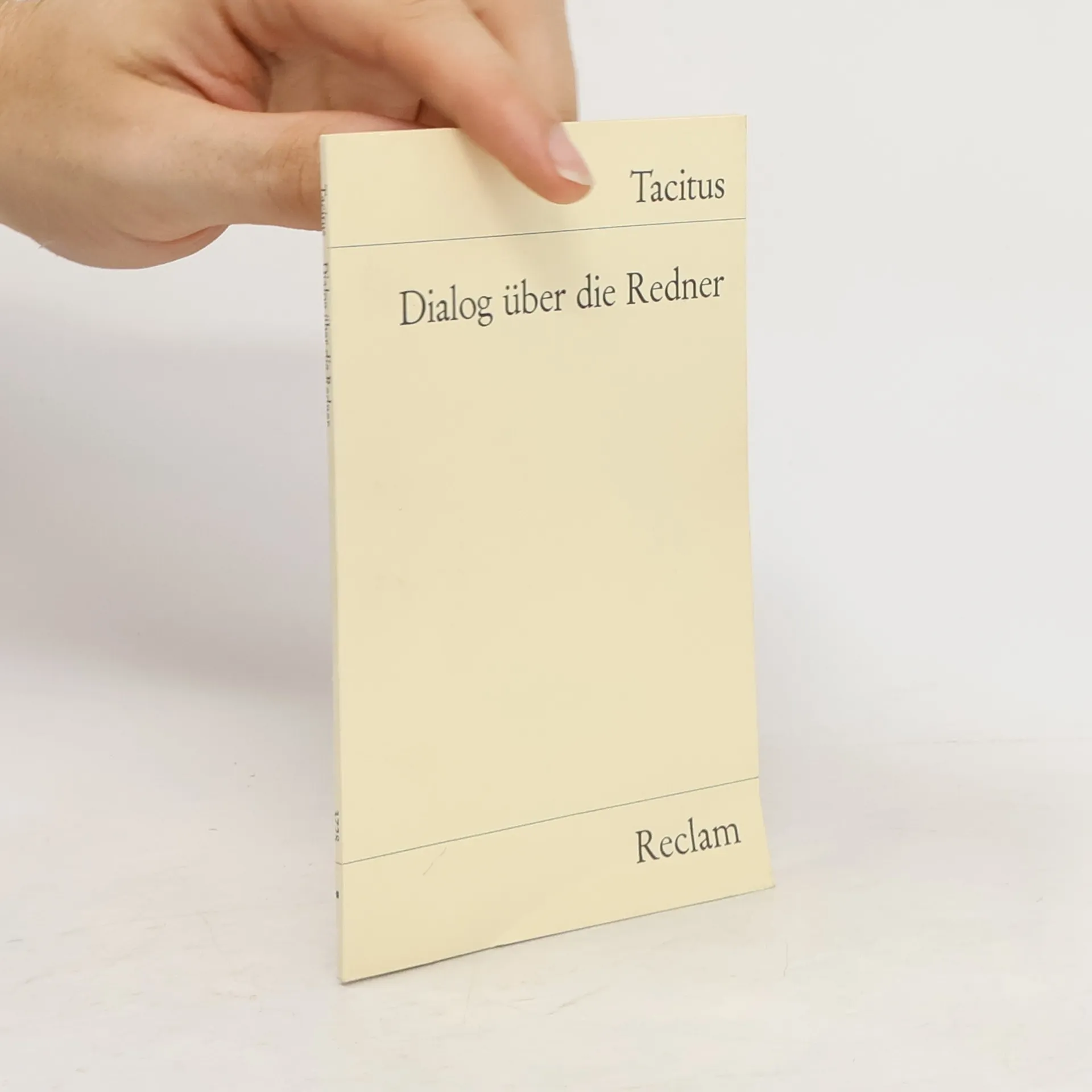
Dieses »goldene Büchlein« des Tacitus untersucht die Gründe für den Verfall der Beredsamkeit in seiner Zeit. Unter der Herrschaft der Kaiser scheint sie keinen Platz mehr zu haben. Der Verlust geistiger Freiheit – ein Thema, des Historikers würdig. Nach der Ausgabe von Helmut Gugel
Publius (or Gaius) Cornelius Tacitus (c. AD 56 - c. 120) war ein römischer Historiker und Politiker. Tacitus gilt als einer der größten römischen Historiker. Er lebte in der als Silbernes Zeitalter der lateinischen Literatur bezeichneten Zeit und ist bekannt für die Kürze und Kompaktheit seiner lateinischen Prosa sowie für seine tiefgründigen Einsichten in die Psychologie der Machtpolitik. Die erhaltenen Teile seiner beiden Hauptwerke - die Annalen und die Historien - untersuchen die Herrschaft der Kaiser Tiberius, Claudius, Nero und derjenigen, die im Jahr der vier Kaiser (69 n. Chr.) regierten. Diese beiden Werke umfassen die Geschichte des Römischen Reiches vom Tod Augustus' im Jahr 14 n. Chr. bis 70 n. Chr. im Ersten Jüdisch-Römischen Krieg von 66-73.
Los libros de este volumen abarcan los reinados de Claudio desde el año 47 –con los excesos de Mesalina, la boda del emperador con su sobrina Agripina, hija de Germánico y madre de Nerón, a quien Claudio adopta y casa con su hija Octavia, la muerte de Claudio envenenado por Agripina– y de Nerón hasta el 66: la inicial influencia benéfica de sus consejeros Séneca y Burro, el brutal asesinato de Agripina, la represión de la gran revuelta del 61 en Britania, el asesinato de Octavia, el incendio y la reconstrucción de Roma, la persecución de los cristianos, a quienes Nerón acusa de haberlo causado, la condena a muerte contra Séneca y Lucano y una larga cadena de hechos violentos, que Tácito deplora en uno de los últimos fragmentos conservados.Tácito concibe que la historia debe ser moral e instructiva, por lo que no se abstiene de elogiar o censurar acciones. Sin embargo, también aspira a entretener, y persigue siempre la variedad en los asuntos y su tratamiento, con una exhibición de habilidad retórica. Su estilo es original, distinto de todo el resto de la literatura latina. Adoptó muchos rasgos estilísticos de Salustio (sobre todo la brevedad) y rechazó el ornato ciceroniano. Sus concisas sententiae se tienen por las mejores de la prosa latina, debido a su excelencia tanto en la forma como en el contenido.
The book is structured into an introduction, a biography of Agricola, and an epitaph. The biography consists of three parts: Agricola's early life before governing Britain, his tenure as governor and the conquest of the land, and his final years after returning home. The middle section, detailing his administration in Britain, stands out due to its length and historical significance, contrasting with the purely biographical nature of the other two parts. The introduction includes a description of Britain and its inhabitants, an overview of previous attempts at conquest, lengthy speeches, and a detailed account of a battle. These elements seem somewhat out of place within the confines of a biography, leading to the belief that this section was originally intended for a larger historical work. Tacitus may have incorporated it into the biography after the completion of the latter. Regardless of whether the material was previously prepared or compiled from various sources, it underwent a new editing process for inclusion in this book. This is evident in the use of Agricola's years in office for the chronology of events, rather than the usual consul dates, and the inclusion of a brief note about the loss of his son.
Dílo římského historika přibližuje dobu 1. století po Kr, která je velikým přelomem dějin. Popisuje slavné i ponuré , radostné i smutné chvíle tehdejšího Říma, císaře, jeho okolí, šlechtu i řadové Římany.
Svazek obsahuje tři drobné práce a Tacitův první velký historický spis, nazvaný Dějiny. Hlavní část svazku vyplňují dochované knihy Dějin, v nichž Tacitus zachytil události v Římě a ve významných částech impéria v době po Neronově smrti až do prohlášení Vespasiana císařem. Kromě Dějin obsahuje svazek drobnějšíTacitovy spisy, jako je chvalořeč na Tacitova tchána Iutia Agricolu, informativní spis o germánských kmenech v evropském vnitrozemí a Rozprava o řečnících, která představuje zajímavou sondu do kulturního života Říma za utužujícíhose principátu. 25-056-76
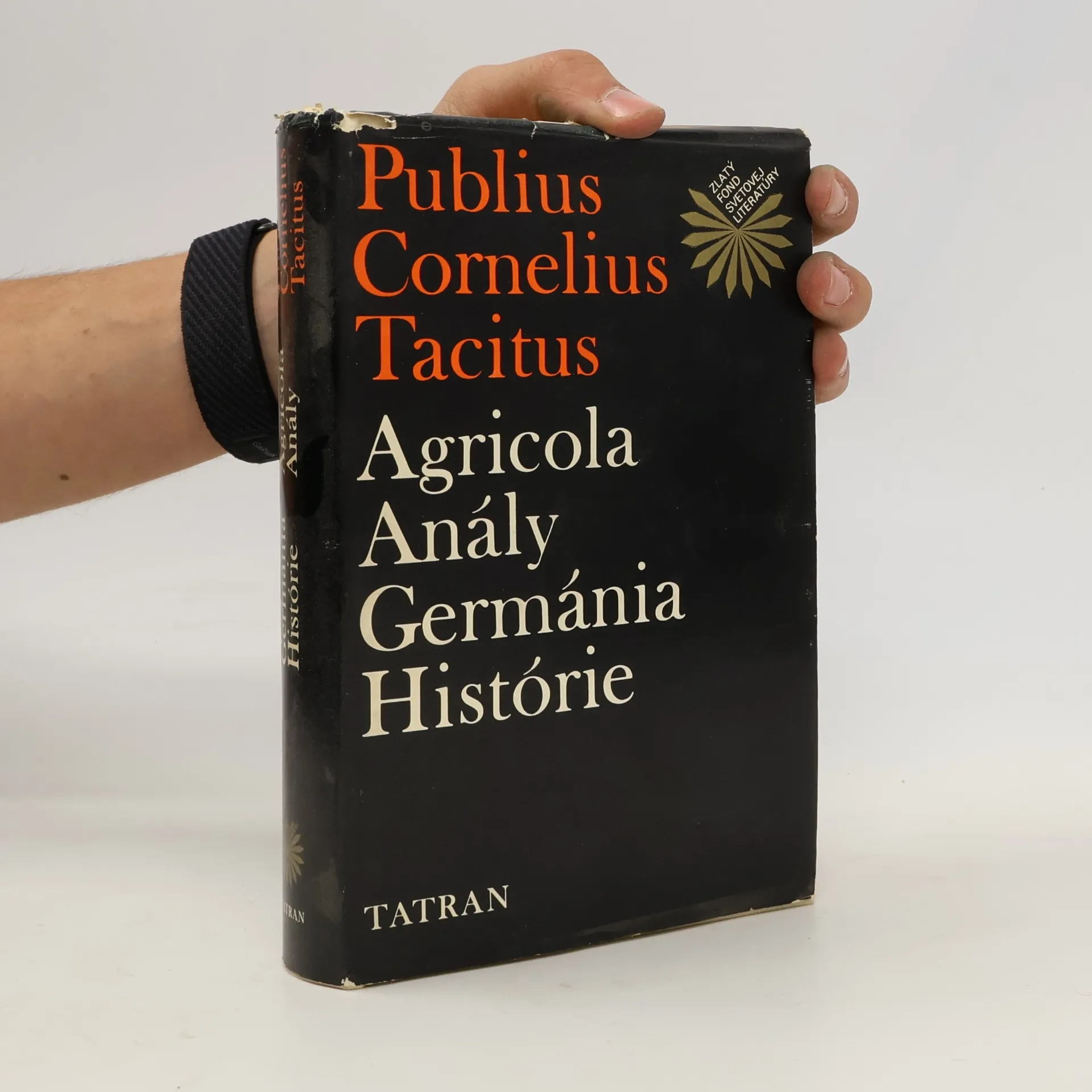
Kniha obsahuje historické diela, ktorých autorom je Publius Cornelius Tacitus - označovnaý za najväčšieho rímskeho historika a najväčšieho umelca medzi starovekými historikmi. V knihe nájdete aj diela Anály a Histórie, ktoré Tacitus napísal analisticky, avšak "jeho podanie má ďaleko od suchejfaktografie. Tacitus je vynikajúci psychológ, hľadá príčiny ľudského počínania, objasňuje a skúma charakterové vlastnosti významných mužov, tvorcov rímskych dejín ... Tacitus je mimoriadne dramatický obhajca a žalobca svojich postáv. Vytvoril si vlastný štýl, v ktorom v geniálnej symbióze dokázal spojiť úspornosť vo výraze, abruptné, takmer nedopovedané vyjadrovanie s efektými básnickými a rétorickým obrazmi."