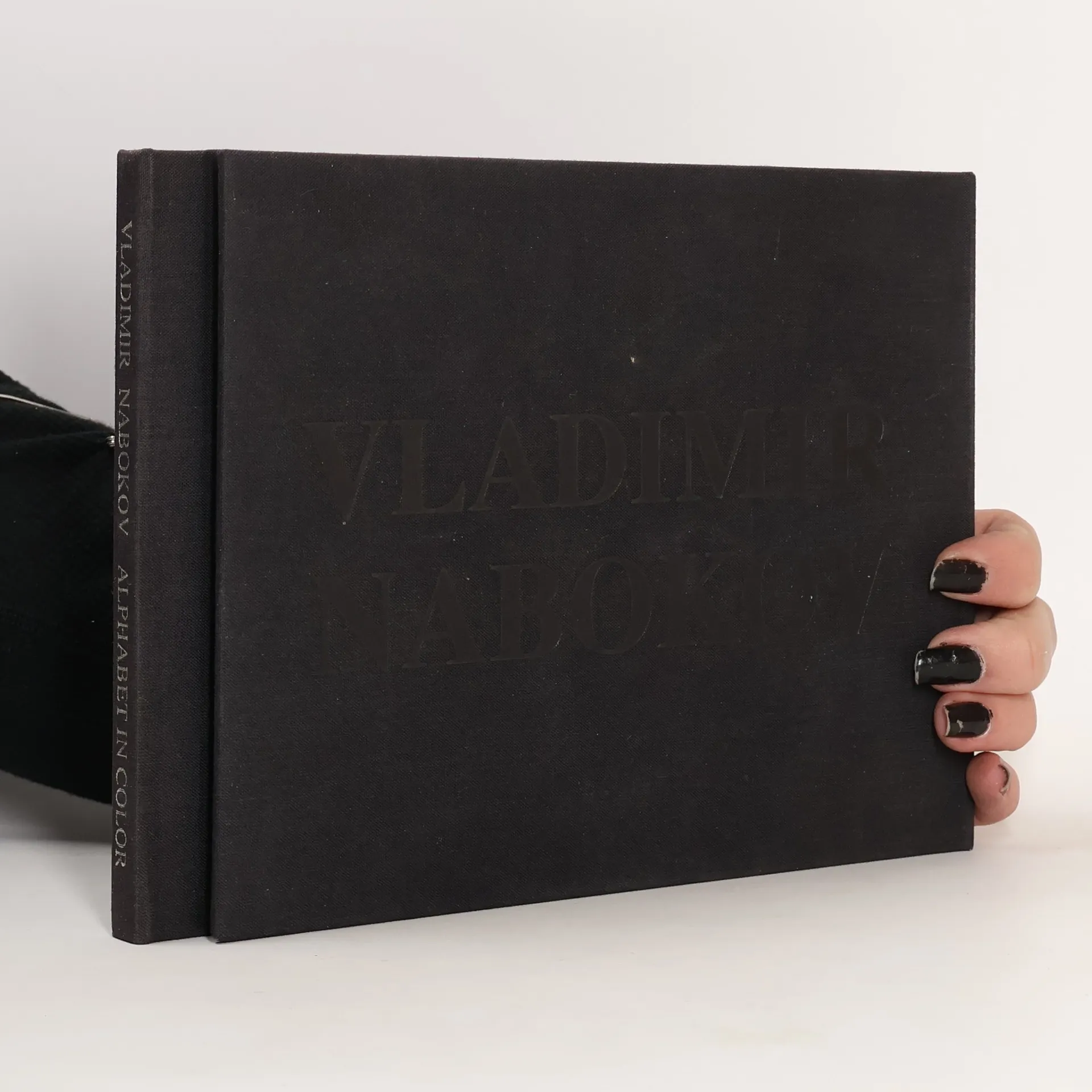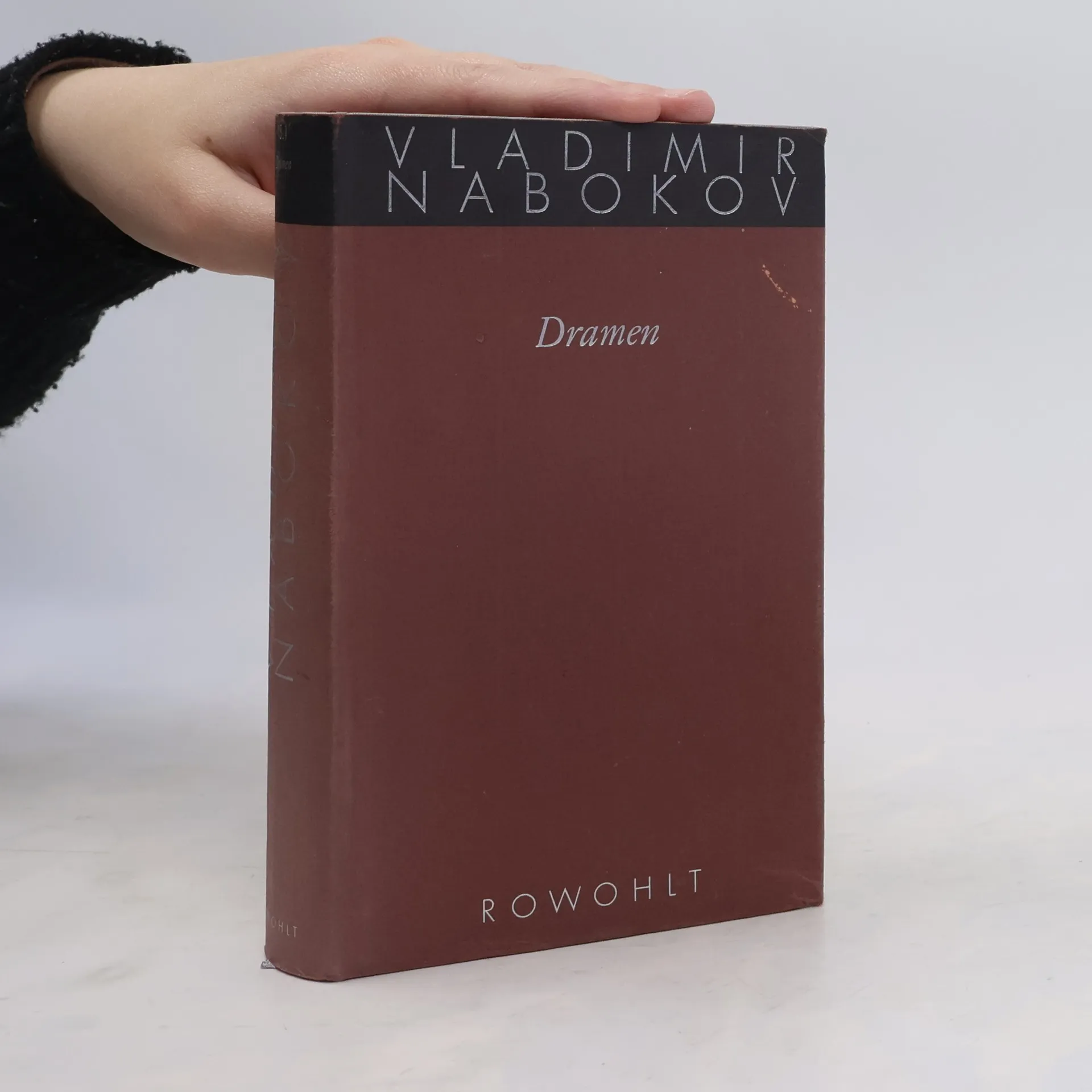
Bookbot

Vladimir Vladimirovič Nabokov

    10 aprile 1899 – 2 luglio 1977

    Vladimir Vladimirovich Nabokov, noto anche con lo pseudonimo di Vladimir Sirin, fu un romanziere russo-americano. Dopo aver scritto i suoi primi nove romanzi in russo, raggiunse la fama internazionale come maestro dello stile in prosa inglese. Le sue opere sono caratterizzate dall'amore per giochi di parole intricati e dettagli descrittivi, esemplificati in modo più celebre nel suo romanzo Lolita. La distintiva voce letteraria e lo stile sofisticato di Nabokov hanno consolidato la sua reputazione come figura di spicco nella letteratura mondiale.

    Vladimir Vladimirovič Nabokov
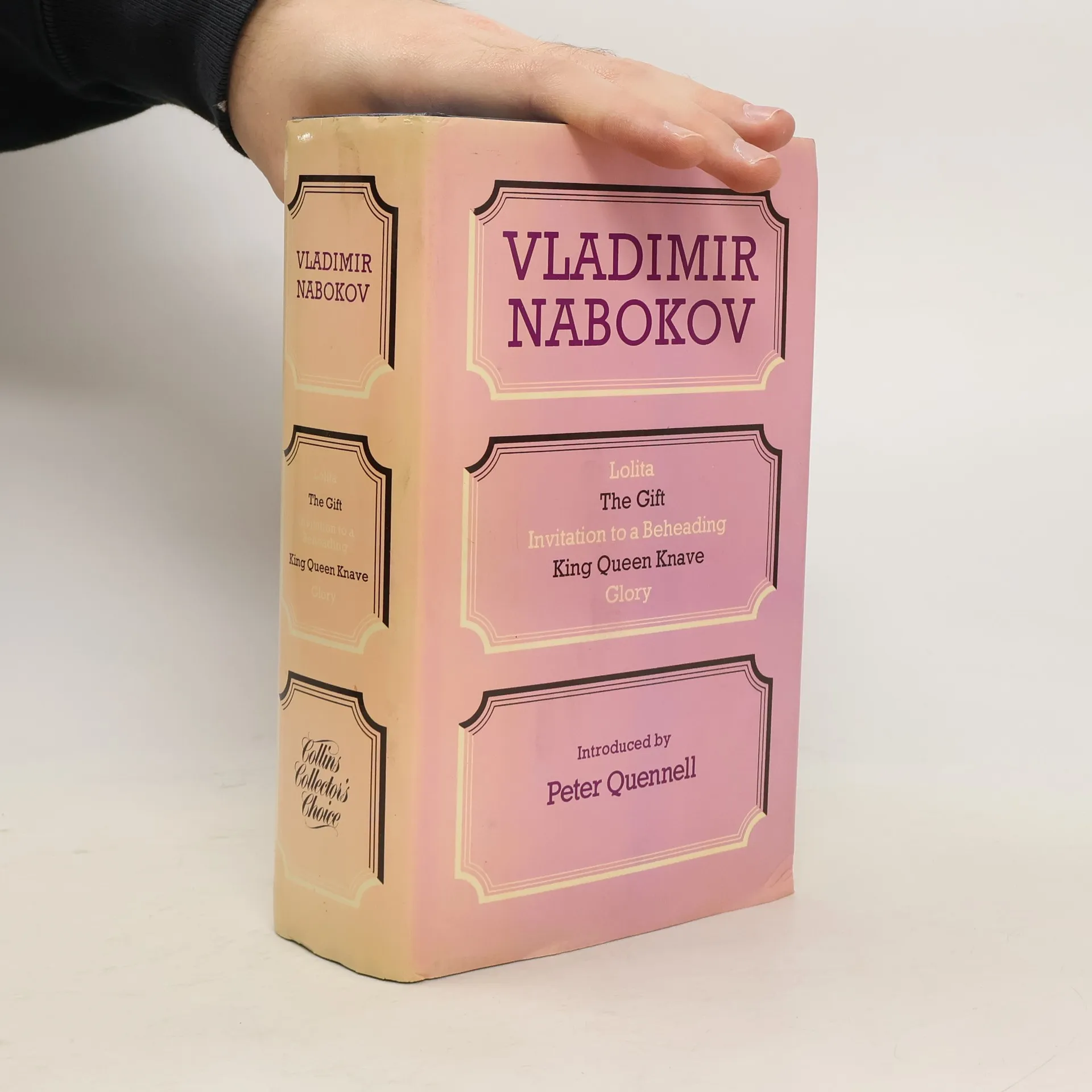
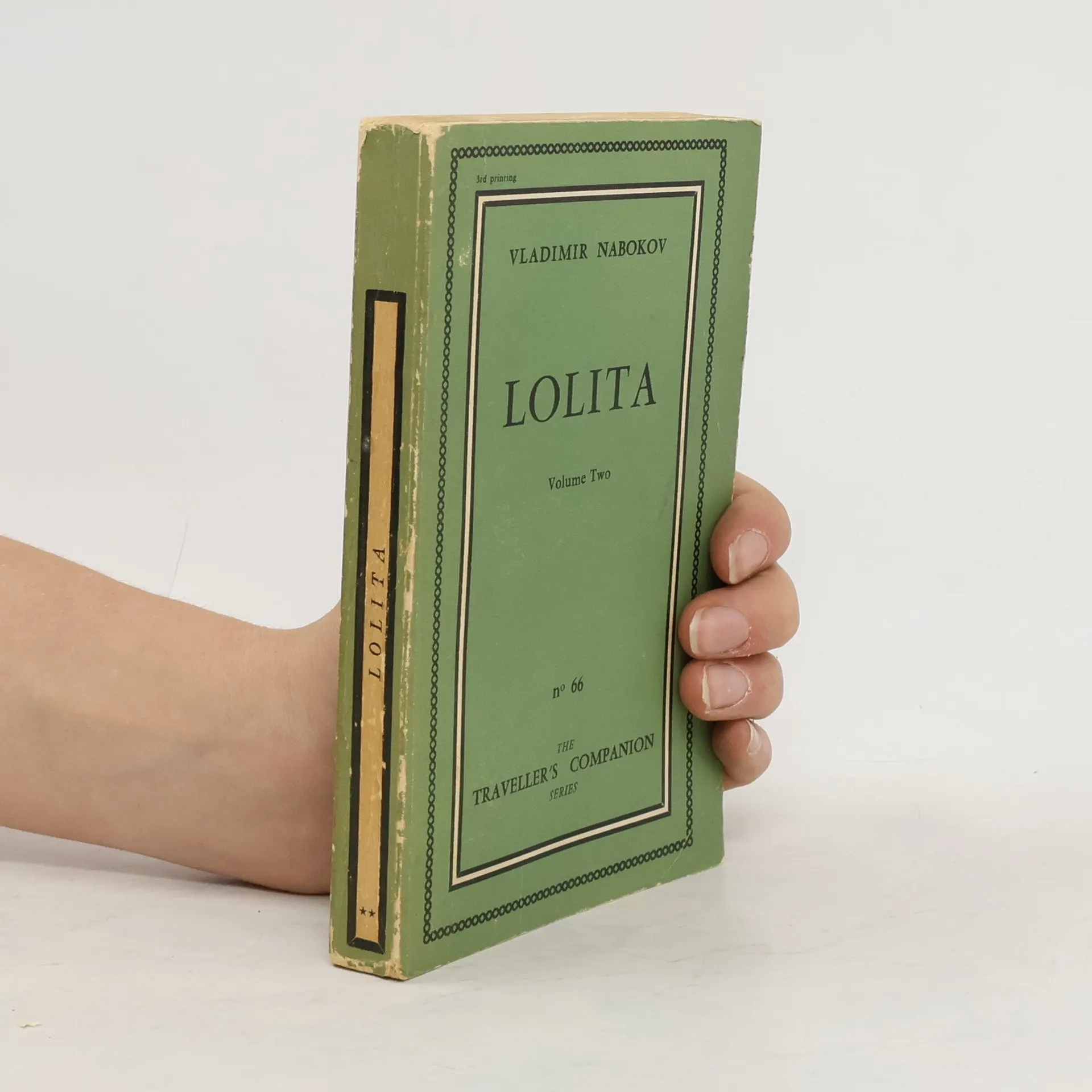
    Lolita
    La difesa di Luzin
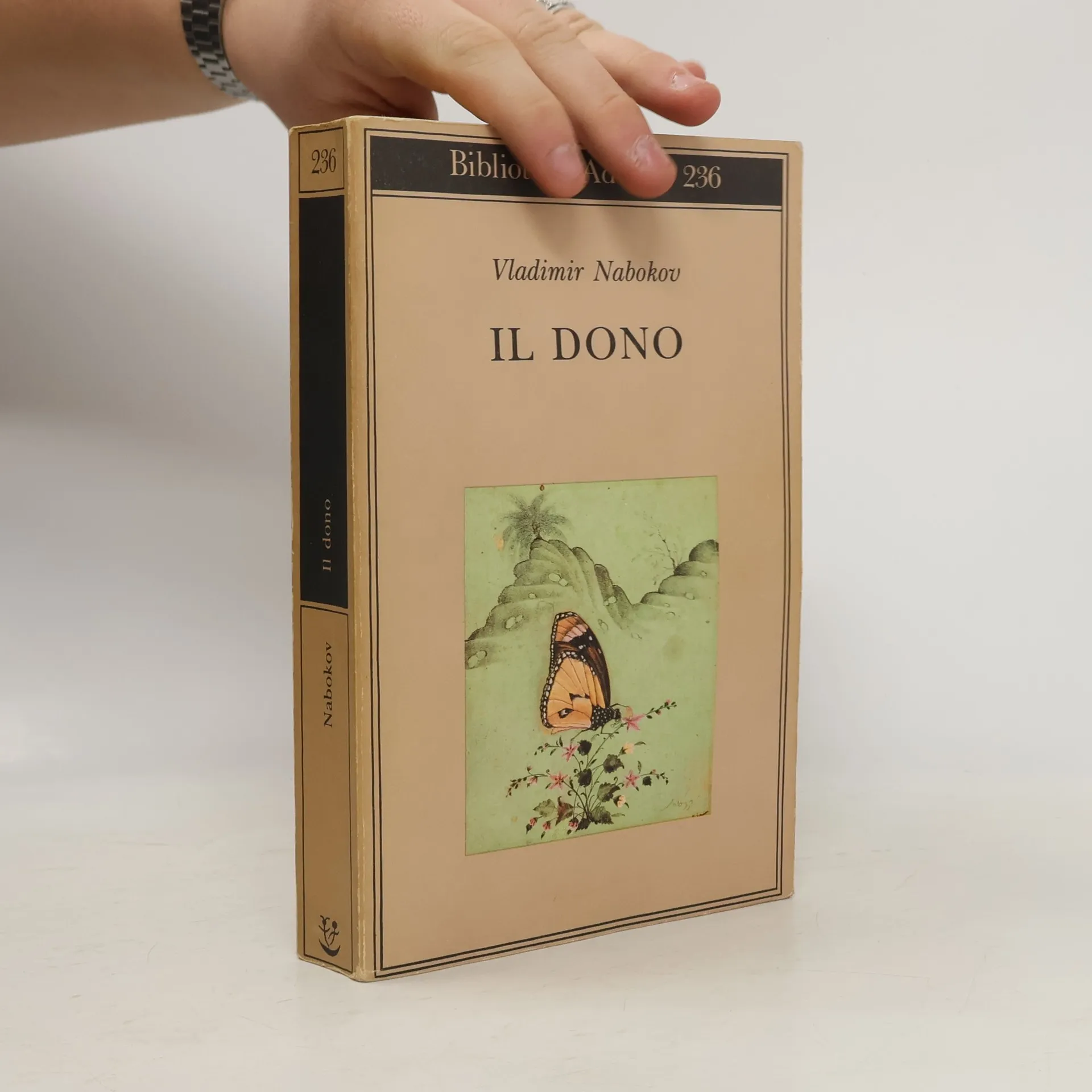
    Biblioteca Adelphi - 236: Il dono
    Re, donna, fante
    Ada o ardore
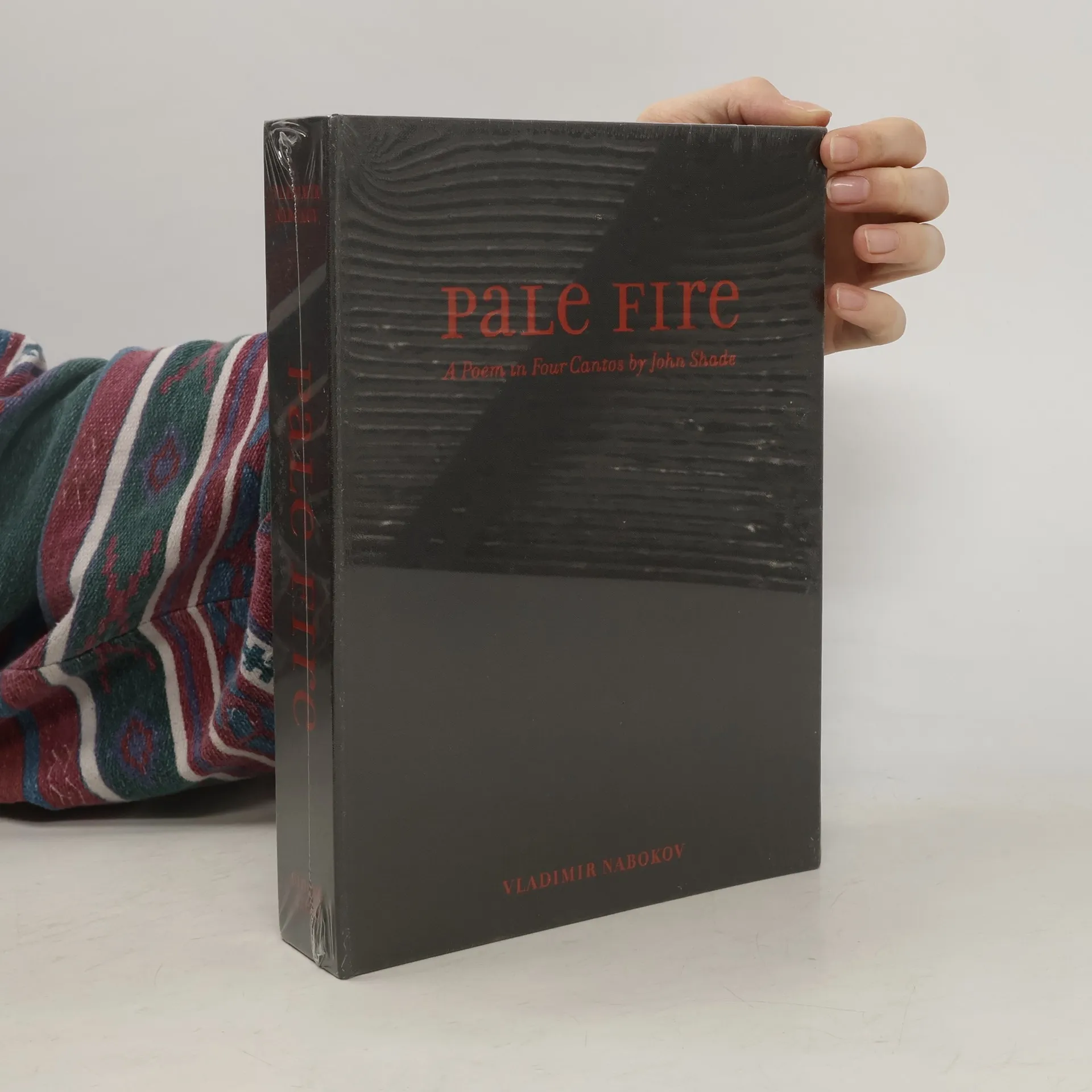
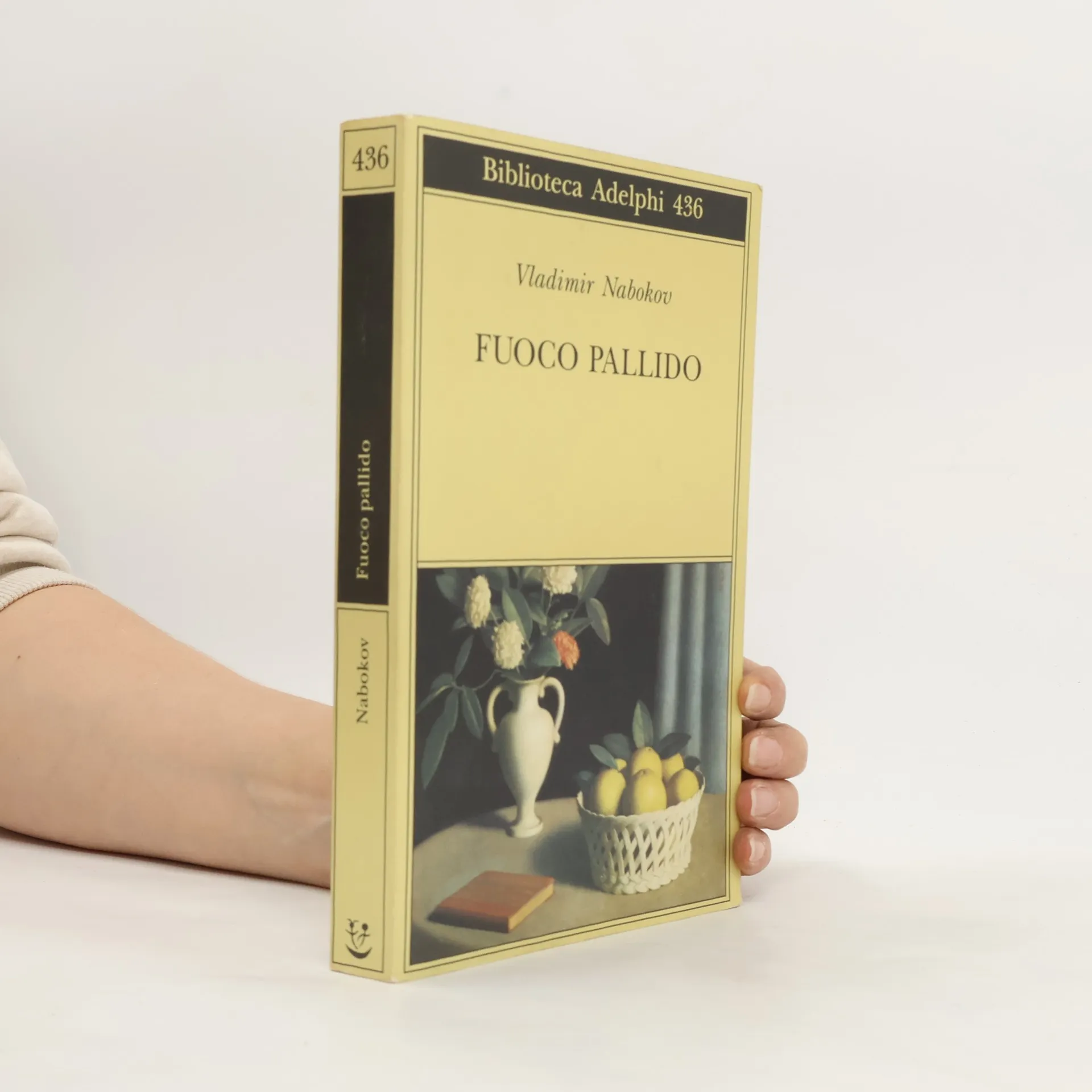
    Fuoco pallido
    • Fuoco pallido

      • 321pagine
      • 12 ore di lettura

      Nel dicembre del 1961, sei anni dopo la pubblicazione di Lolita, Nabokov termina un'opera audace e segreta, caratterizzata da un poema di 999 versi e un commento. Al centro del poema c'è John Shade, un sessantunenne poeta e professore al Wordsmith College, i cui ricordi si intrecciano con interrogativi metafisici sulla morte, accentuati dal suicidio della figlia. Nonostante il tono sereno e ironico della sua conclusione, Shade ignora che la morte è di nuovo in agguato. Il commento è affidato a Charles Kinbote, un visiting professor snob e bizzarro, che cerca di guidare il lettore verso una corretta interpretazione del poema, raccontando le avventure del suo presunto ispiratore, lui stesso, esule da Zembla, un regno europeo. Le sue note, tra gossip e accademia, parodiano i mondi contrapposti di Zembla e dell'America borghese che lo ha accolto. L'opera offre una complessa mimesi della realtà, ponendo interrogativi su Kinbote: è un re in esilio, un pedante profugo, o un soggetto psichiatrico? E il poema è autentico o una parodia? Con molteplici livelli di realtà, l'intreccio si sviluppa in una pastorale che esplode in commedia, culmina in un'elegia e si trasforma in racconto avventuroso, mantenendo come nota dominante la tragica solitudine. Scritto in inglese tra il 1960 e il 1961, il libro fu pubblicato nel 1962.
      Fuoco pallido
      4,2
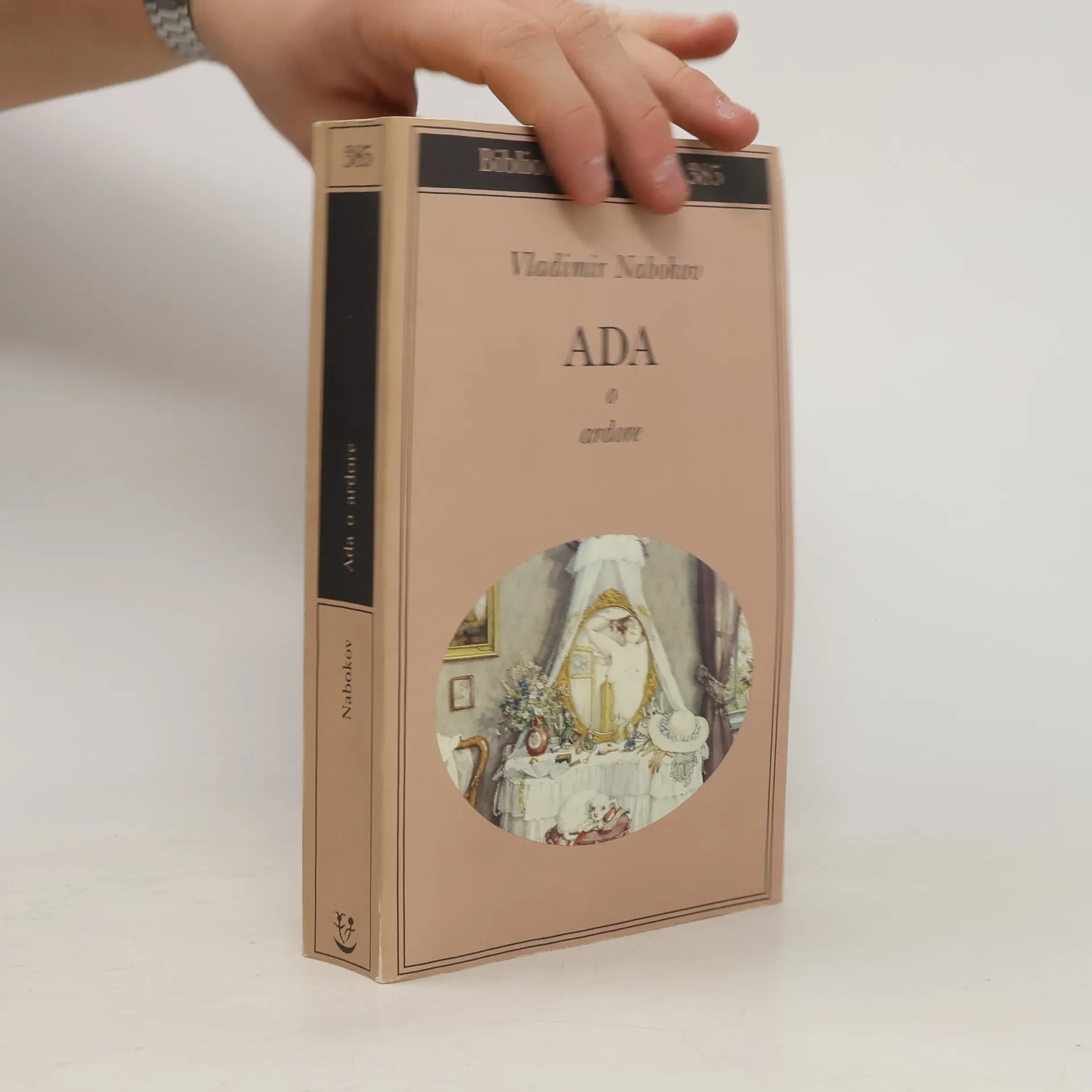
    • Ada o ardore

      • 640pagine
      • 23 ore di lettura

      Dopo aver raggiunto le vette dello scandalo e della gloria, dopo aver pubblicato capolavori come Il dono , Lolita o Fuoco pallido , Nabokov decise di scrivere un romanzo dove avrebbe sfrenato i suoi estri e i suoi capricci più nascosti e più cari, sfidando il lettore a seguirlo, come un seduttore irresistibile e sottilmente perverso. E fu Ada . Sarebbe stata una storia d'amore, di quell'amore "normale e misterioso" che è come la rosa vera mischiata alle altre in un negozio di fiori finti, "puor attraper le client". E anche una storia erotica. E, dietro a tutto, sarebbe stata una celebrazione del dettaglio. "Il dettaglio è sempre benvenuto" diceva Nabokov. Dettaglio è "l'evento senza precedenti e irripetibile" che si staglia fra miliardi di simili - e con ciò in fondo obbliga la letteratura a esistere, se non altro per repplicargli con un tessuto di parole che dell'irripetibile mostri qualche filo. Ogni lettore, non appena comincerà ad addentrarsi in Ada , avrà l'impressione di trovarsi davanti a uno di quei libri in cui l'autore ha inteso mettere tutto, come in una vasta arca, grande quanto un leggendario maniero familiare o per lo meno la sua sterminata e veleggiante soffitta. E in quella soffitta costellata di segreti, come nel parco di quel maniero, cosparso di nascondigli erotici, sarà felice di perdersi. Scritto in inglese, Ada è stato pubblicato per la prima volta nel 1969.

      Ada o ardore
      4,2
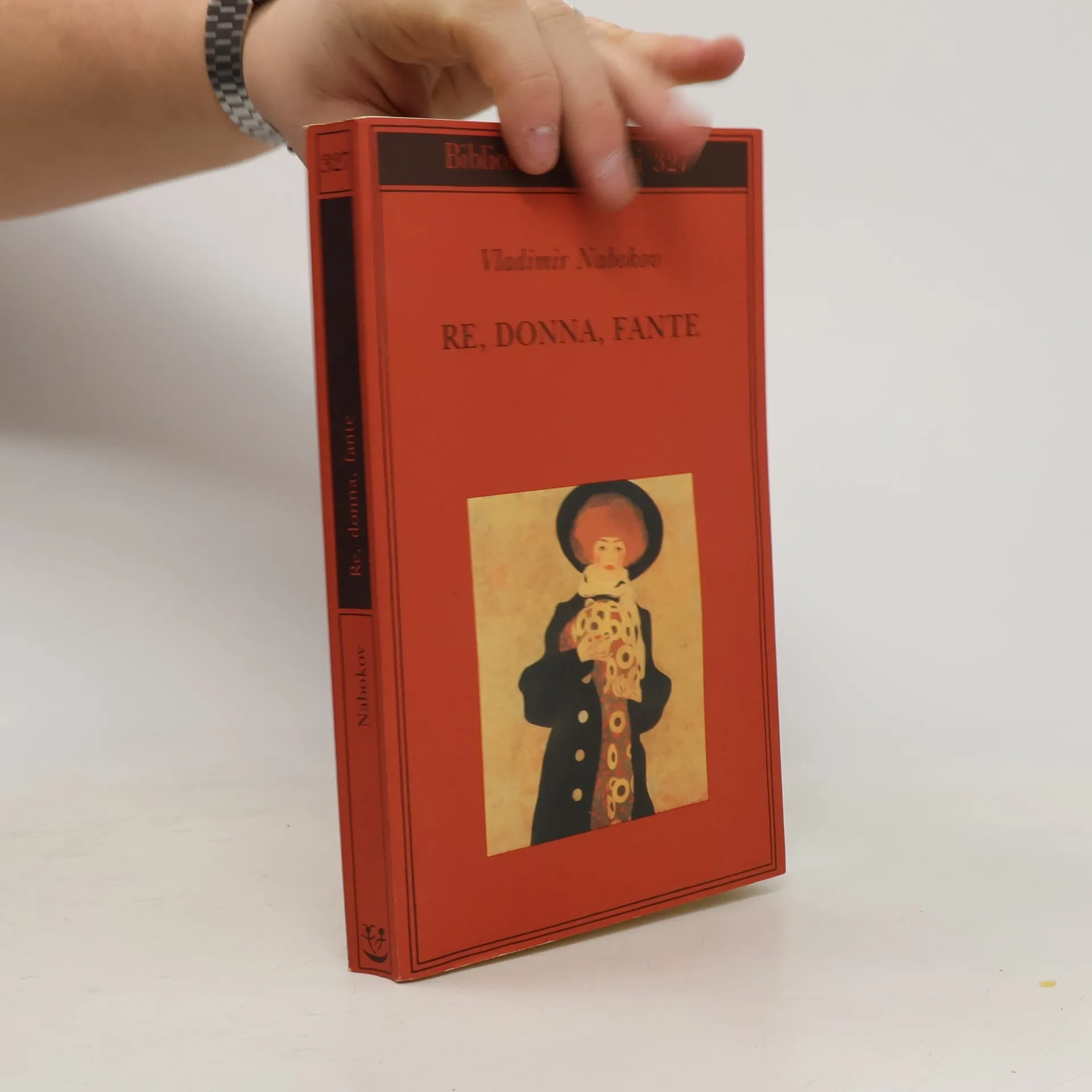
    • Re, donna, fante

      • 290pagine
      • 11 ore di lettura

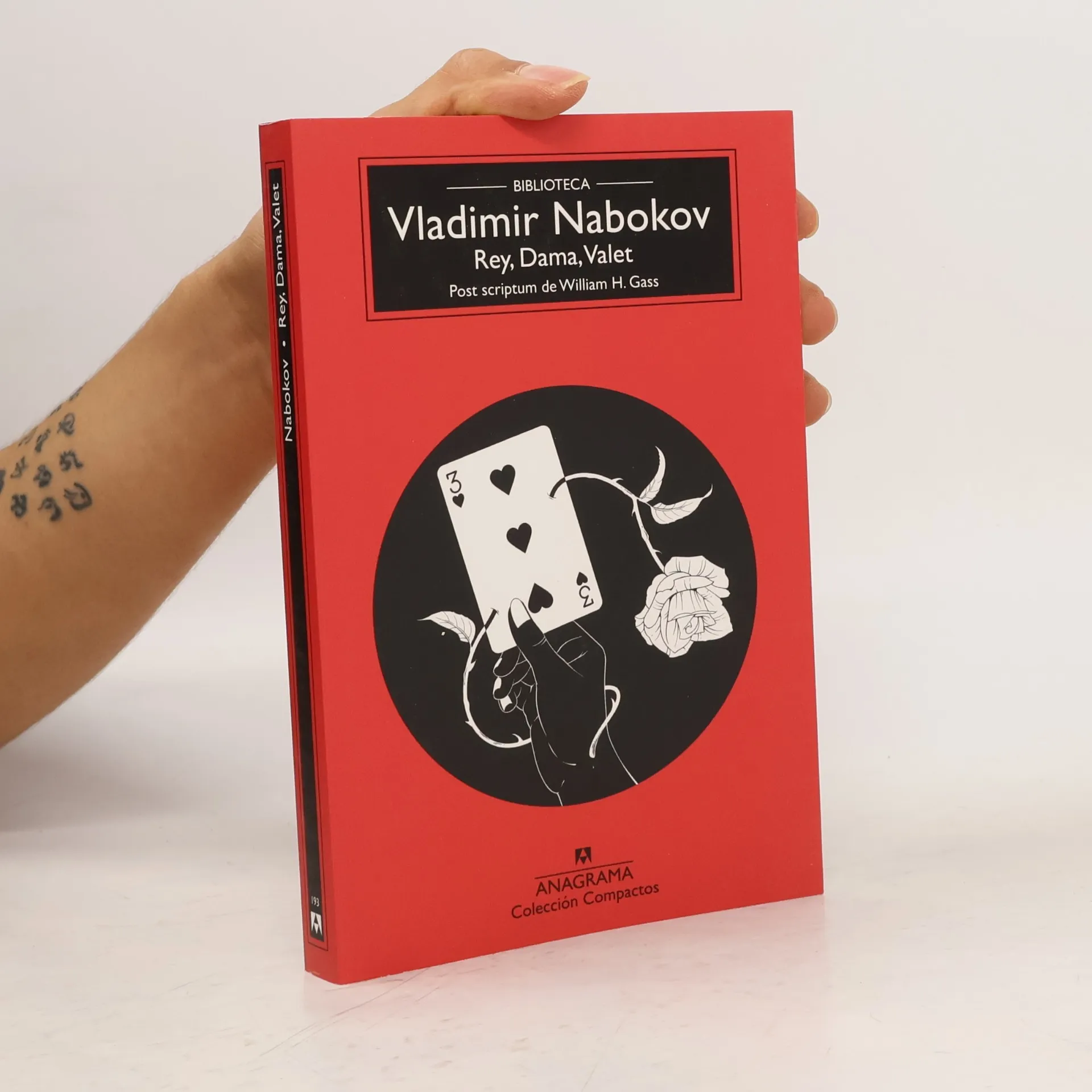
      Come un organismo che guizza e respira, questo romanzo nato due volte nell’universo creativo di Nabokov – all’origine in russo e quarant’anni dopo in inglese – vive nell’occhio che coglie il gesto più remoto e più preciso dell’esperienza comune, quello che infallibilmente colpirà il segno e accenderà la «scintilla sensoriale». Il naturalista incantatore si concentra sul dettaglio, lo isola, lo disperde, lo rifrange e con noncuranza ci restituisce una realtà chiara e non più revocabile. In una Berlino immaginaria, riflessa nelle vetrine, nelle pozzanghere, nelle lenti degli occhiali e negli specchi – quelli che riverberano un’identità molteplice e quelli che ingigantiscono e deformano i tratti –, Nabokov seziona e riassume tre figure e tre gradi della coscienza, tre stadi della percezione di sé e degli altri: dal malessere profondo e ottundente alla gretta volgarità con il suo lessico primitivo, fino a un intreccio più sottile di aspettative e delusioni. Giocando con le visite a sorpresa di amanti e di mariti, con il trompe-l’œil di falsi sbocchi e interpretazioni, con manichini semoventi e incidenti automobilistici, Nabokov ci descrive la bellezza vuota e rapace di una donna fredda, l’estasi labile e sgomenta di chi l’ammira, la felice astrazione di chi guarda e non vede. Re, donna, fante è apparso dapprima in russo nel 1928 e poi in inglese nel 1968.

      Re, donna, fante
      4,2
    • Biblioteca Adelphi - 236: Il dono

      • 474pagine
      • 17 ore di lettura

      Scritto fra il 1935 e il 1937, l'ultimo romanzo russo di Nabokov è un'opera complessa e ricca, al centro della quale si trova l'iniziazione alla letteratura, all'amore e all'età adulta di un giovane emigrato russo nella Berlino degli anni Venti. Il protagonista sembra riflettere Nabokov stesso, ma la narrazione si sviluppa in un gioco di rimandi e rifrazioni che sfida ogni identificazione. Questo romanzo è anche un tributo alla letteratura russa, ricco di allusioni e influenze degli autori che hanno plasmato lo stile nabokoviano. La figura centrale è quella del padre, l'esploratore Konstantin Godunov-Cerdyncev, un uomo che possiede conoscenze uniche e guarda verso "azzurri paesi". La peculiarità dell'opera risiede nella sua struttura, che racchiude una pluralità di romanzi riflessi l'uno nell'altro, culminando in una narrazione che si intreccia con la scrittura del libro stesso. Questo esempio di "libro sul libro" continua a influenzare la forma del romanzo contemporaneo, esplorando la riflessione della parola su se stessa, simile al teorema di Gödel. Pubblicato a puntate nel 1937-38, il romanzo ha visto la sua prima edizione integrale nel 1952. Questa traduzione dal testo originale è accompagnata da un saggio di Serena Vitale, che illumina la vivida luce russa che pervade l'opera.
      Biblioteca Adelphi - 236: Il dono
      4,0
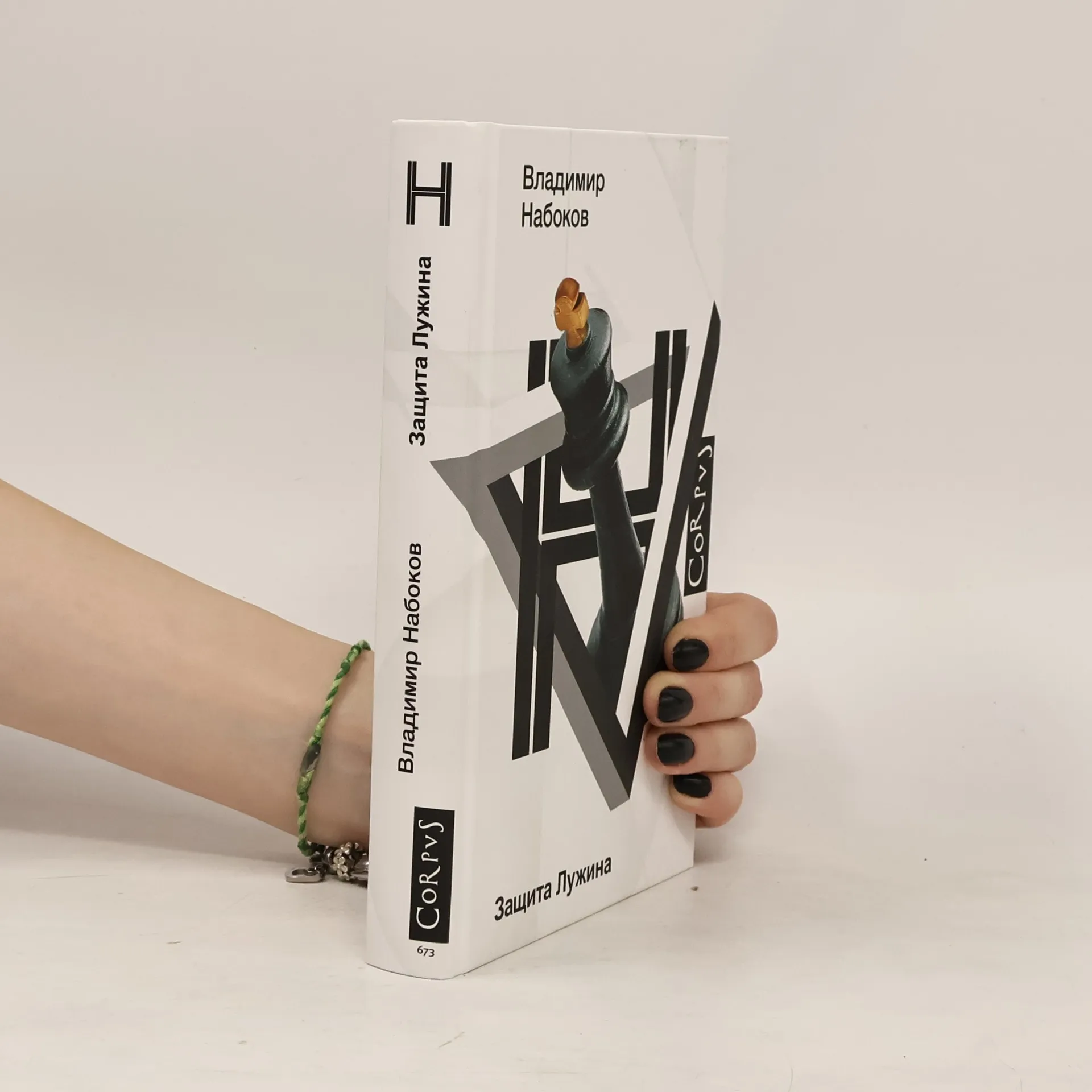
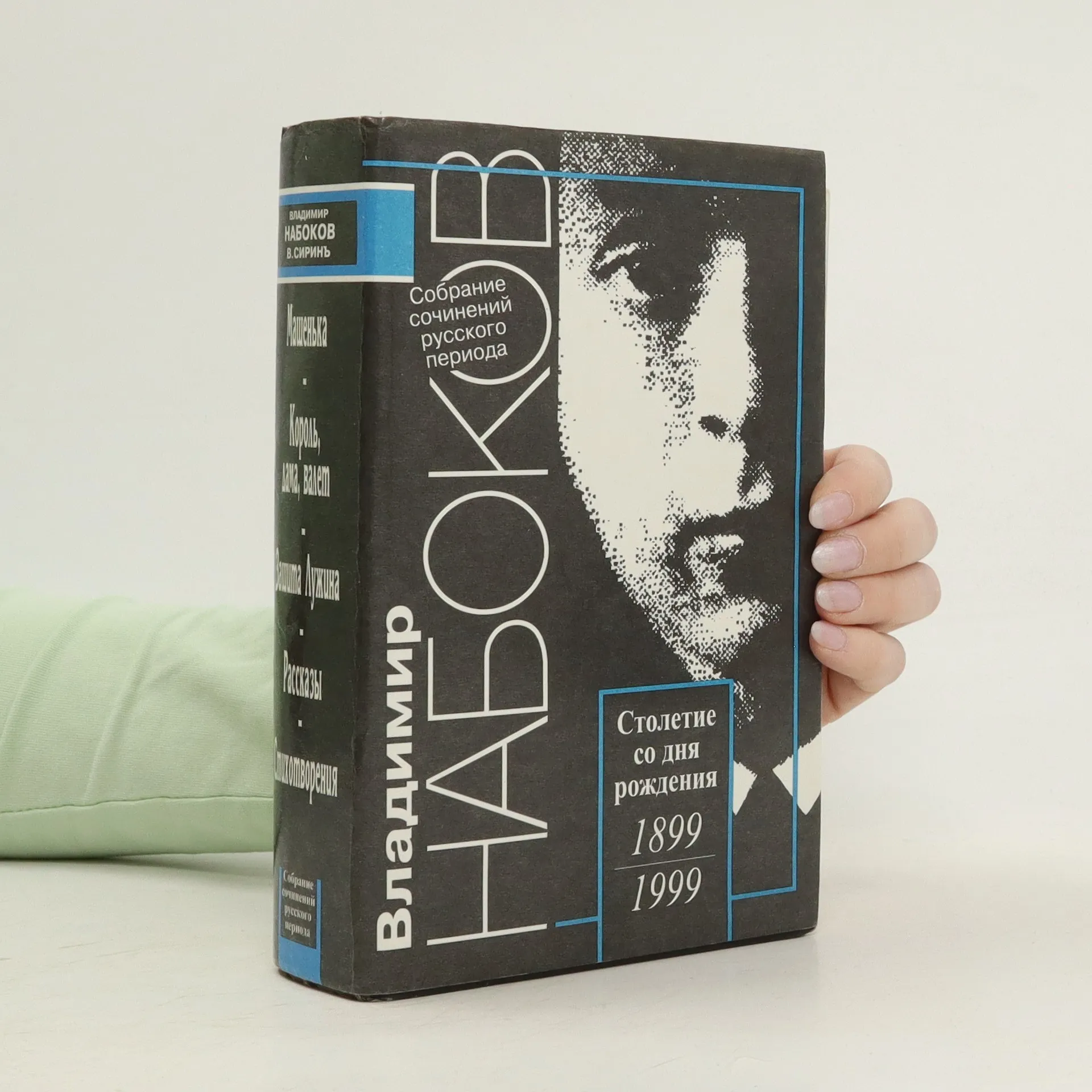
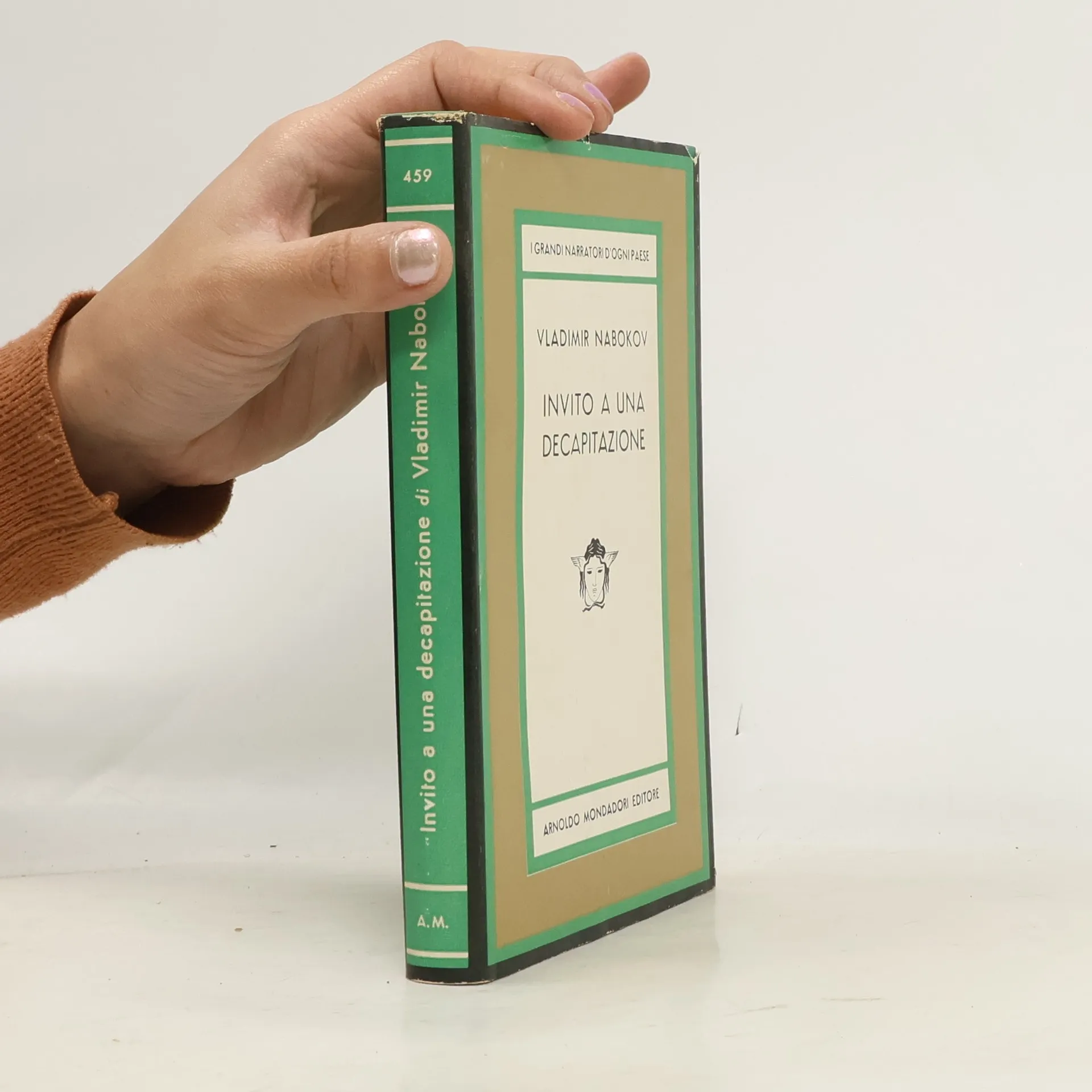
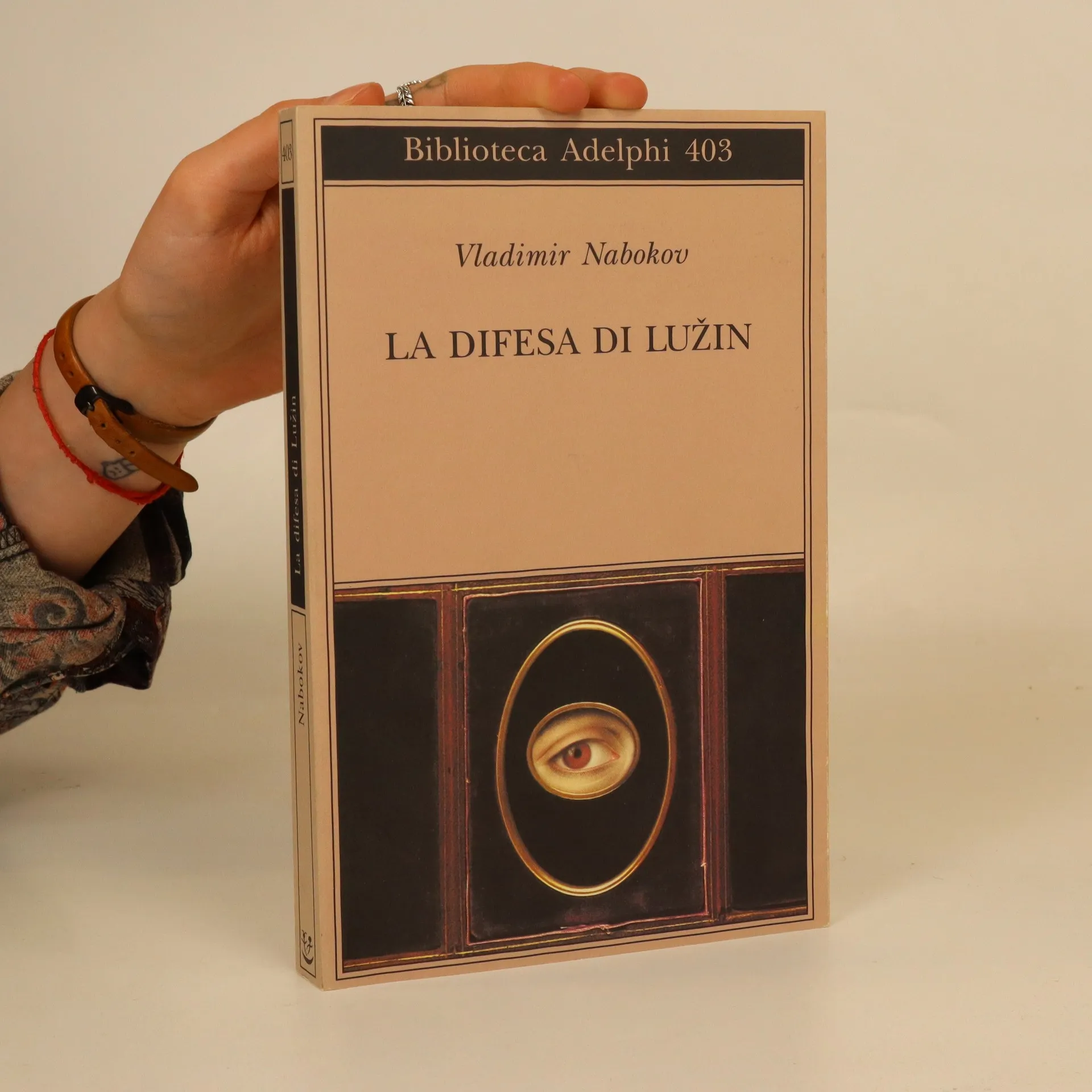
    • Un piccolo ragazzo venne e con un solo colpo mise al tappeto noi, vecchi – si lamentava Bunyin alla fine degli anni Venti. Questo ragazzo è Szmirin, vero nome Nabokov, che in seguito divenne famoso come scrittore americano: l'autore di Lolita. Gli "anziani" si riferiscono agli scrittori emigrati. Il colpo è rappresentato da alcuni romanzi straordinari, senza pari. La Difesa di Luzin (1930) racconta di come un solitario genio degli scacchi impazzisca. Gradualmente, lo avvolge l'ossessione di essere coinvolto in una partita di scacchi su scala mondiale, vedendo complotti e mosse ostili in ogni gesto e parola. Questo romanzo ci aiuta a comprendere perché Nabokov si definisse "un folle equilibrato": rappresenta in modo così autentico il processo di follia, che a volte il lettore sente il mondo vacillare insieme al protagonista. Tuttavia, l'autore si muove con sicurezza tra ricordi, mosse di scacchi e ossessioni, giocando con maestria e ironia, osservando la lotta del suo goffo eroe e il tragico epilogo della Difesa di Luzin.

      La difesa di Luzin
      4,0
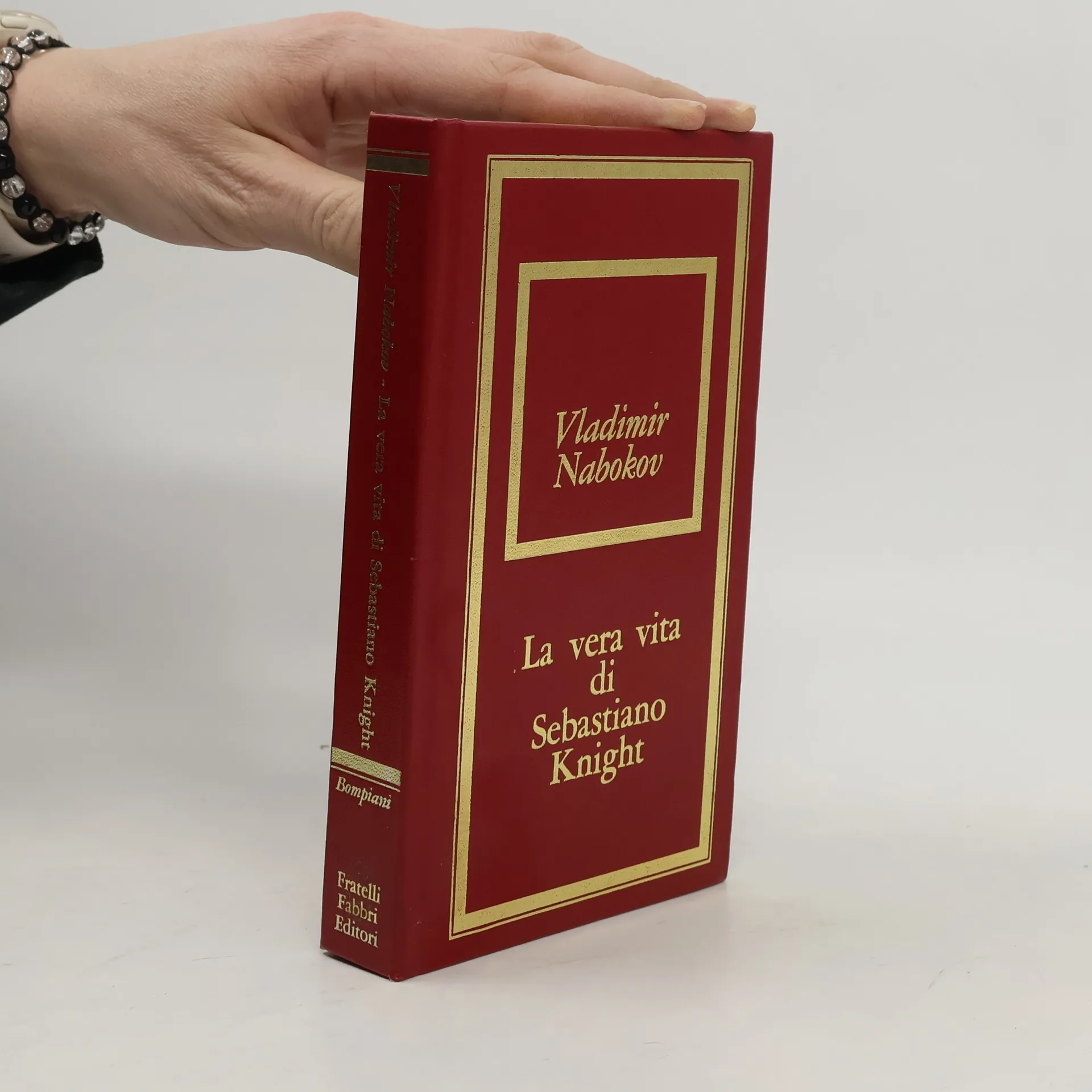
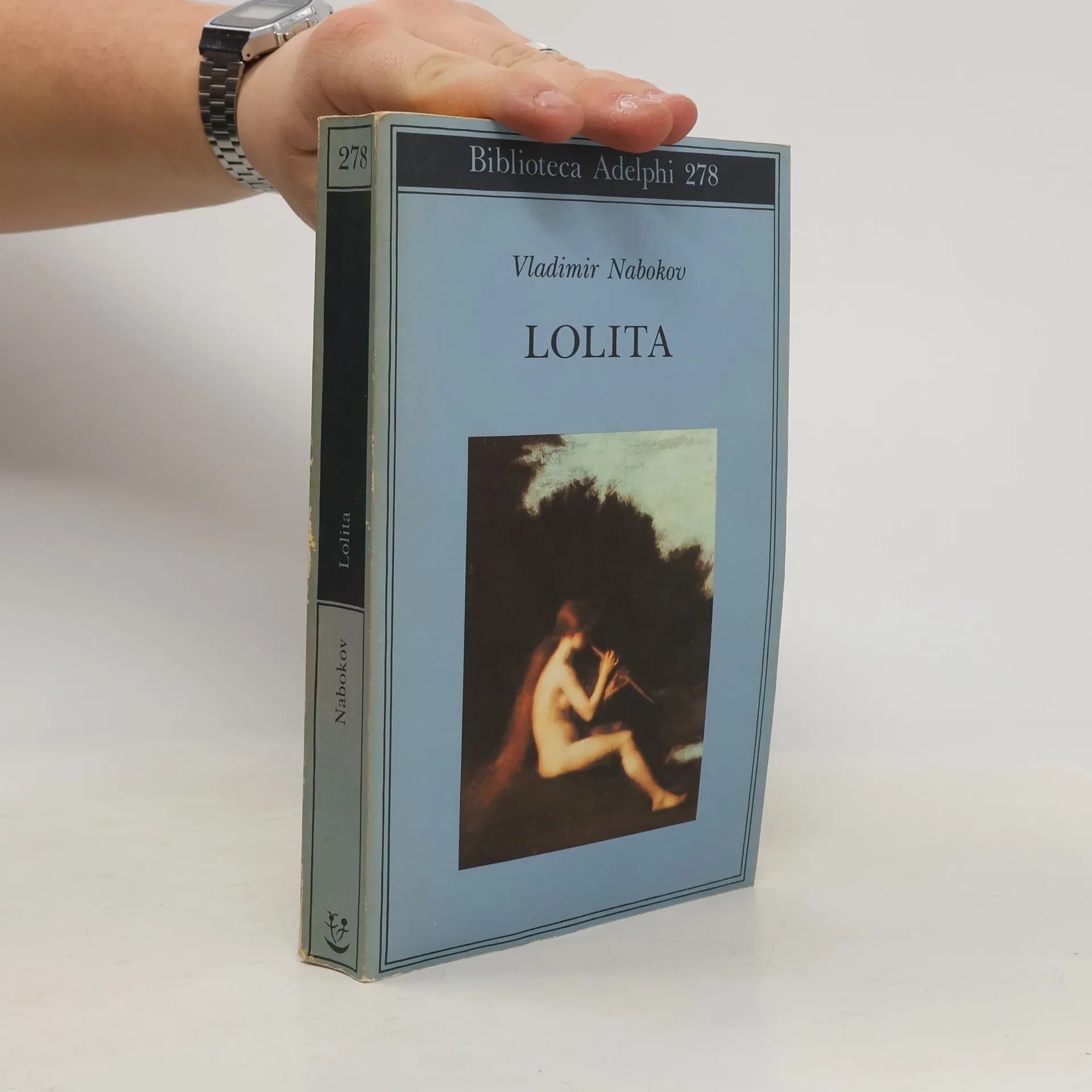
    • Lolita

      • 319pagine
      • 12 ore di lettura

      «Lolita, luce della mia vita, fuoco dei miei lombi. Mio peccato, anima mia. Lo-li-ta: la punta della lingua compie un percorso di tre passi sul palato per battere, al terzo, contro i denti. Lo. Li. Ta. «Era Lo, semplicemente Lo al mattino, ritta nel suo metro e quarantasette con un calzino solo. Era Lola in pantaloni. Era Dolly a scuola. Era Dolores sulla linea tratteggiata dei documenti. Ma tra le mie braccia era sempre Lolita.» Previously-published edition with same ISBN here: https://www.goodreads.com/book/show/4...

      Lolita
      4,0
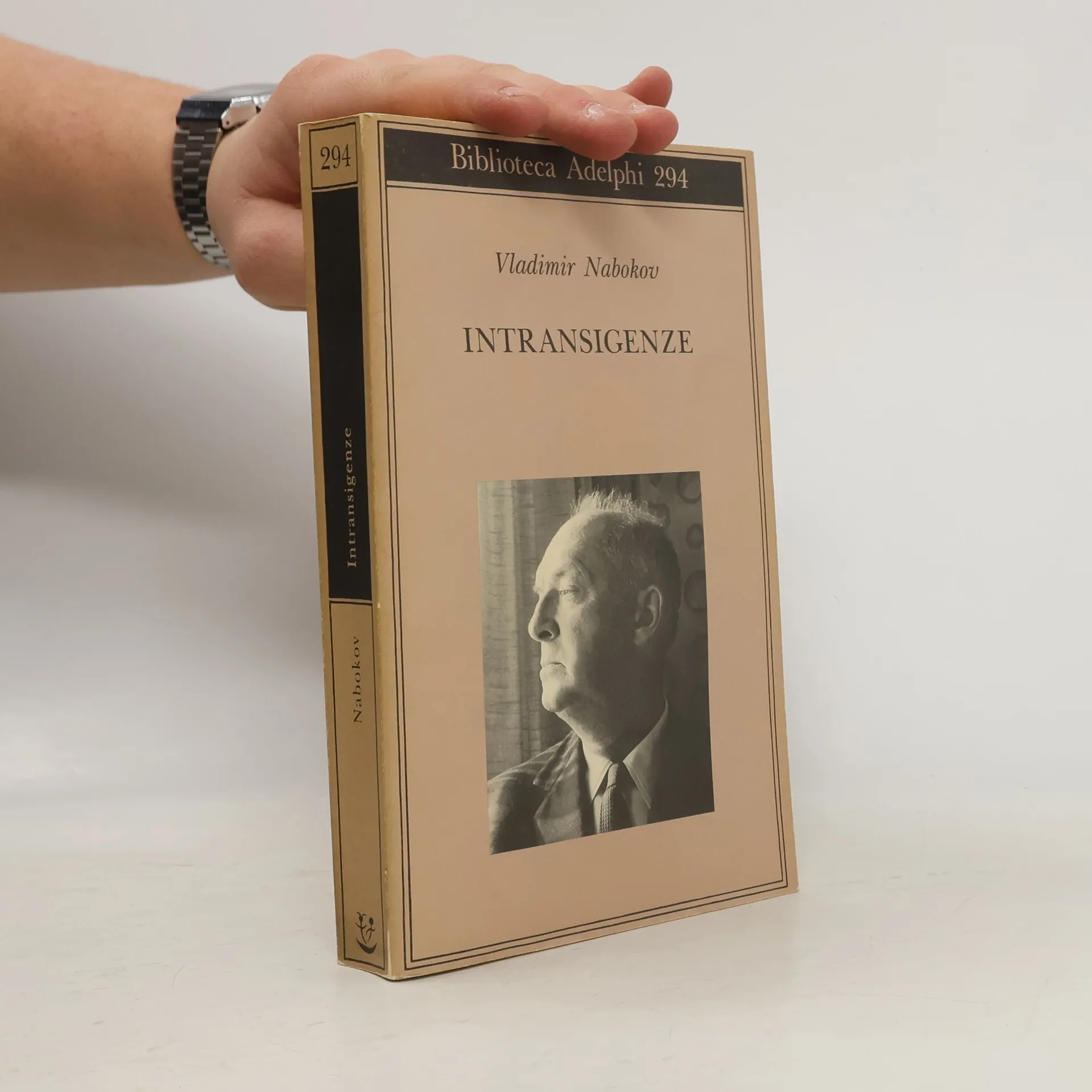
    • Biblioteca Adelphi - 294: Intransigenze

      • 394pagine
      • 14 ore di lettura

      Nabokov detestava le interviste, ma, con la sua crescente celebrità, non poté evitarle. I giornalisti diventavano un pretesto per una straordinaria reinvenzione, in cui cercava di eliminare ogni traccia di spontaneità e apparente conversazione. Il risultato era una sorta di concrezione madreporica, in cui si accumulavano le intransigenze dello scrittore, le sue reazioni ai grandi temi e alle sciocchezze del momento. Fin dalla Prefazione, Nabokov dichiara: «Penso come un genio, scrivo come un autore eminente e parlo come un bambino», un’introduzione alle sue provocazioni che spaziano dalla letteratura all’arte, dalla politica alla psicoanalisi. I bersagli delle sue critiche sono innumerevoli, con pochi che si salvano. Tra questi ci sono Joyce, Kafka, Pushkin e Tolstoj, mentre Dostoevskij, Balzac, D.H. Lawrence e Sartre subiscono il suo sarcasmo. Molte delle sue provocazioni, oggi, appaiono chiaroveggenti. Anche quando esagera, Nabokov ci offre rivelazioni che una visione equilibrata ignora, svelando, pagina dopo pagina, tratti e momenti della sua vita in una sorta di obliqua autobiografia.

      Biblioteca Adelphi - 294: Intransigenze
      3,8
    • Biblioteca Adelphi - 361: Pnin

      • 187pagine
      • 7 ore di lettura

      In una carrozza semideserta di un treno che attraversa la campagna, un uomo con una grande testa calva e un corpo robusto, ma con gambe sottili e calzini scarlatti a losanghe lilla, è il professor Timofej Pavlovic Pnin. Esule negli Stati Uniti, insegna lingua russa all’Università di Waindell e si dirige verso una conferenza in un circolo femminile. Tuttavia, la sua passione per gli orari ferroviari lo porta a prendere il treno sbagliato. Questo inizio emblematico segna il tono ironico e affettuoso del ritratto di un émigré che cerca di adattarsi a una nuova civiltà, combattendo contro un mondo che sembra ostile. Pnin perde tutte le sue battaglie: con l’ex moglie Liza, divenuta «americana»; con il figlio Victor, che vive in un universo a lui estraneo; e con le manovre accademiche del campus, che lo sopraffanno. Anche la sua comunità di compatrioti è chiusa in diatribe meschine e nel tentativo di rivivere un passato irripetibile. Pnin si rifugia oniricamente in quel passato, creando pagine mirabili che oscillano tra comicità e malinconia, rivelando la complessità della sua esistenza e la sua lotta per trovare un posto nel mondo.

      Biblioteca Adelphi - 361: Pnin
      3,8
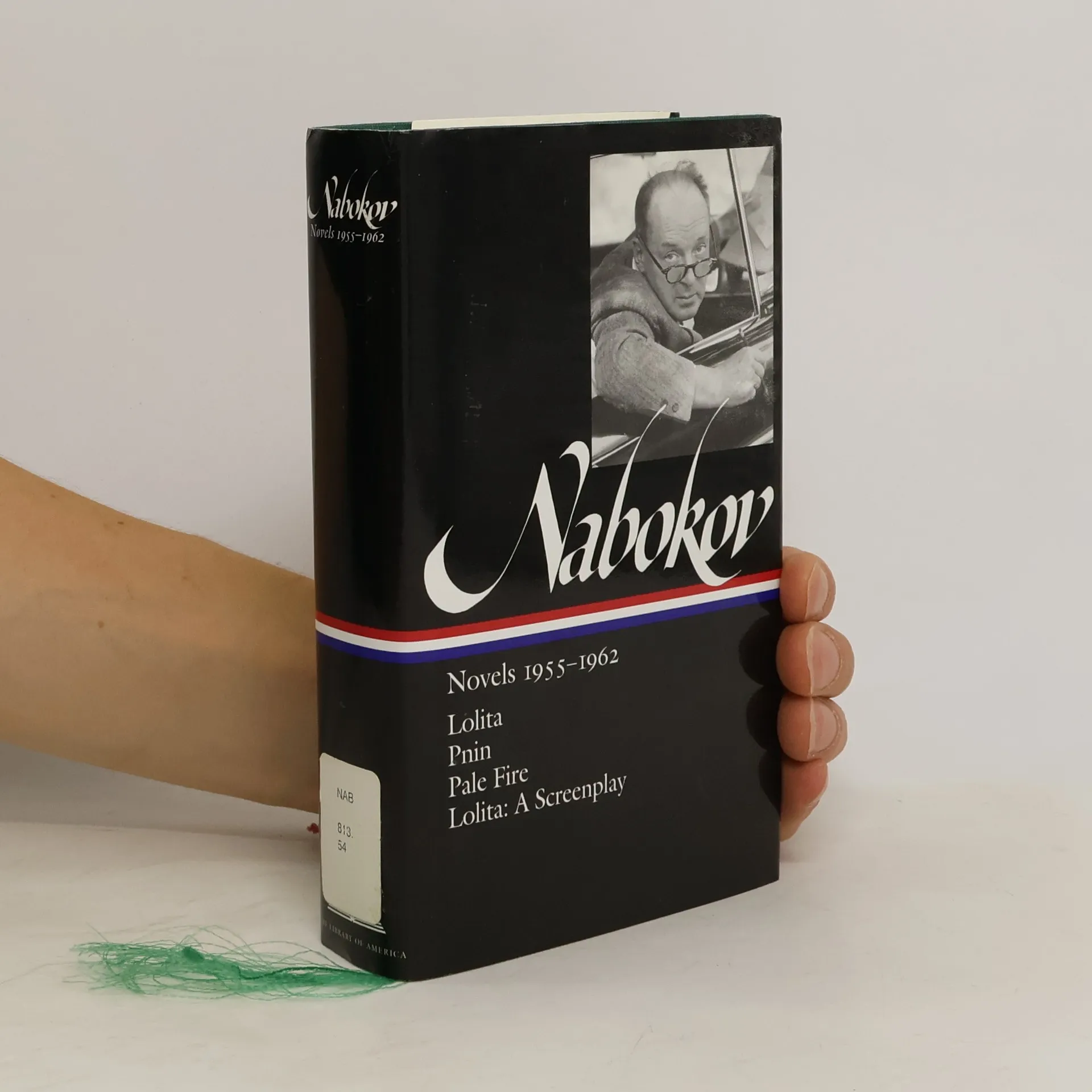
    • After a brilliant literary career in Russian, Vladimir Nabokov came to the United States and went on to an even more brilliant one in English-earning a place as one of the greatest writers of his adopted home. This second volume begins with the controversial novel, Lolita, the satiric and poignant "confession" of a middle-aged European's passionate obsession with a 12-year-old American "nymphet," and the story of their wanderings across late 1940s America. Nabokov's original film adaptation is also included. Pnin is a comic masterpiece about an emigré professor in an American college town who never quite masters its language, politics, or train schedule. Pale Fire is an ostensibly autobiographical poem with wildly digressive commentary by an unbalanced academic. All texts have been corrected based on the author's own copies. Two companion volumes collect The Real Life of Sebastian Knight; Bend Sinister; Speak, Memory; and Ada; Transparent Things; and Look at the Harlequins!

      Vladimir Nabokov: Novels 1955-1962 (LOA #88)
      4,4
    • Pale Fire

      A Poem in Four Cantos by John Shade

      • 50pagine
      • 2 ore di lettura

      Many think Pale Fire Vladimir Nabokov's greatest novel. At its heart beats the 999-line poem, "Pale Fire," penned by the distinguished American poet John Shade. This first-ever facsimile edition of the poem shows it to be not just a fictional device but a masterpiece of American poetry, albeit by an invented persona -- "the greatest of invented poets," according to Nabokov's own accurate evaluation. This attractive box contains two booklets, the poem "Pale Fire" in a handsome pocket edition and the book of essays by renowned Nabokov authority Brian Boyd and poet R.S. Gwynn, as well as facsimiles of the index cards that John Shade (like his maker, Nabokov) used for composing his poem, printed exactly as Vladimir Nabokov described them. Artist Jean Holabird, who conceived the project, illustrates key details of the poem's pattern and pathos. 40 Pages in Book 1 "Pale Fire," 48 Pages in Book 2 "Pale Fire" Reflections, 80 Index Cards 2 Paperback Books in a deluxe box

      Pale Fire
      4,4
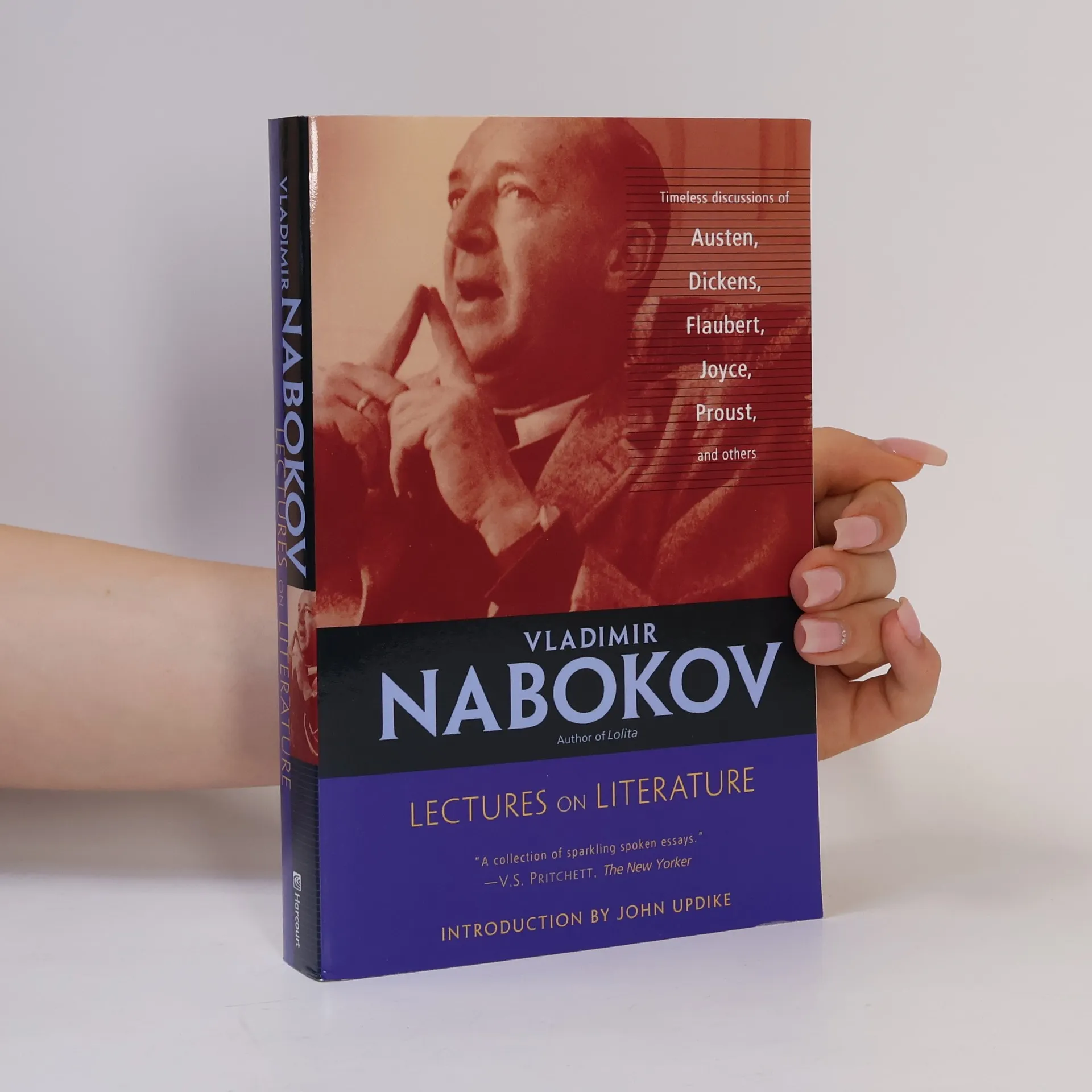
    • Lectures on Literature

      • 416pagine
      • 15 ore di lettura

      For two decades, first at Wellesley and then at Cornell, Nabokov introduced undergraduates to the delights of great fiction. Here, collected for the first time, are his famous lectures, which include Mansfield Park, Bleak House, and Ulysses. Edited and with a Foreword by Fredson Bowers; Introduction by John Updike; illustrations.

      Lectures on Literature
      4,4
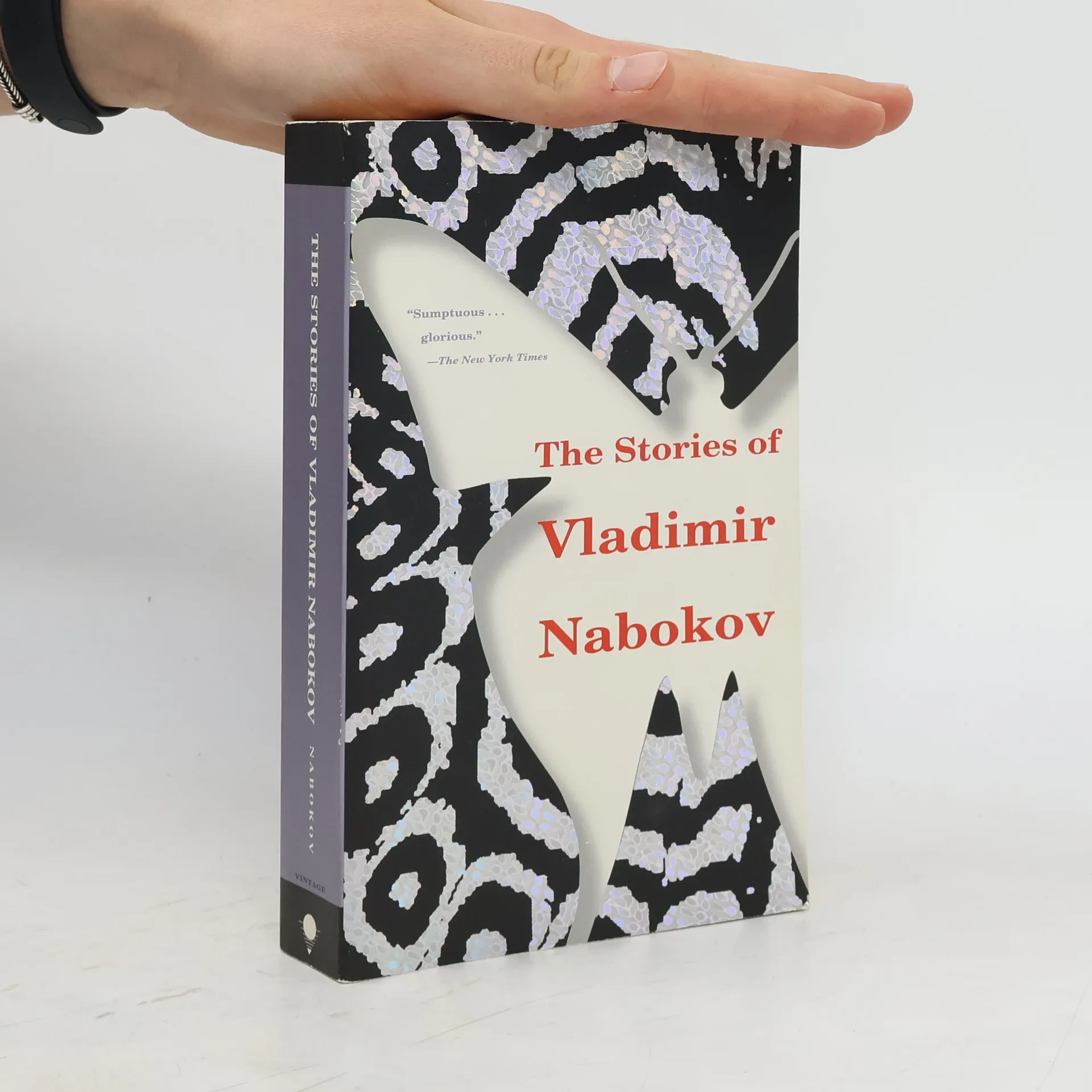
    • Collected Stories

      • 688pagine
      • 25 ore di lettura

      Includes sixty-five stories of magic and melancholy that display a range of inventiveness, with fairy tales, intellectual games and glimpses into lives of ambiguity and loss.

      Collected Stories
      4,4
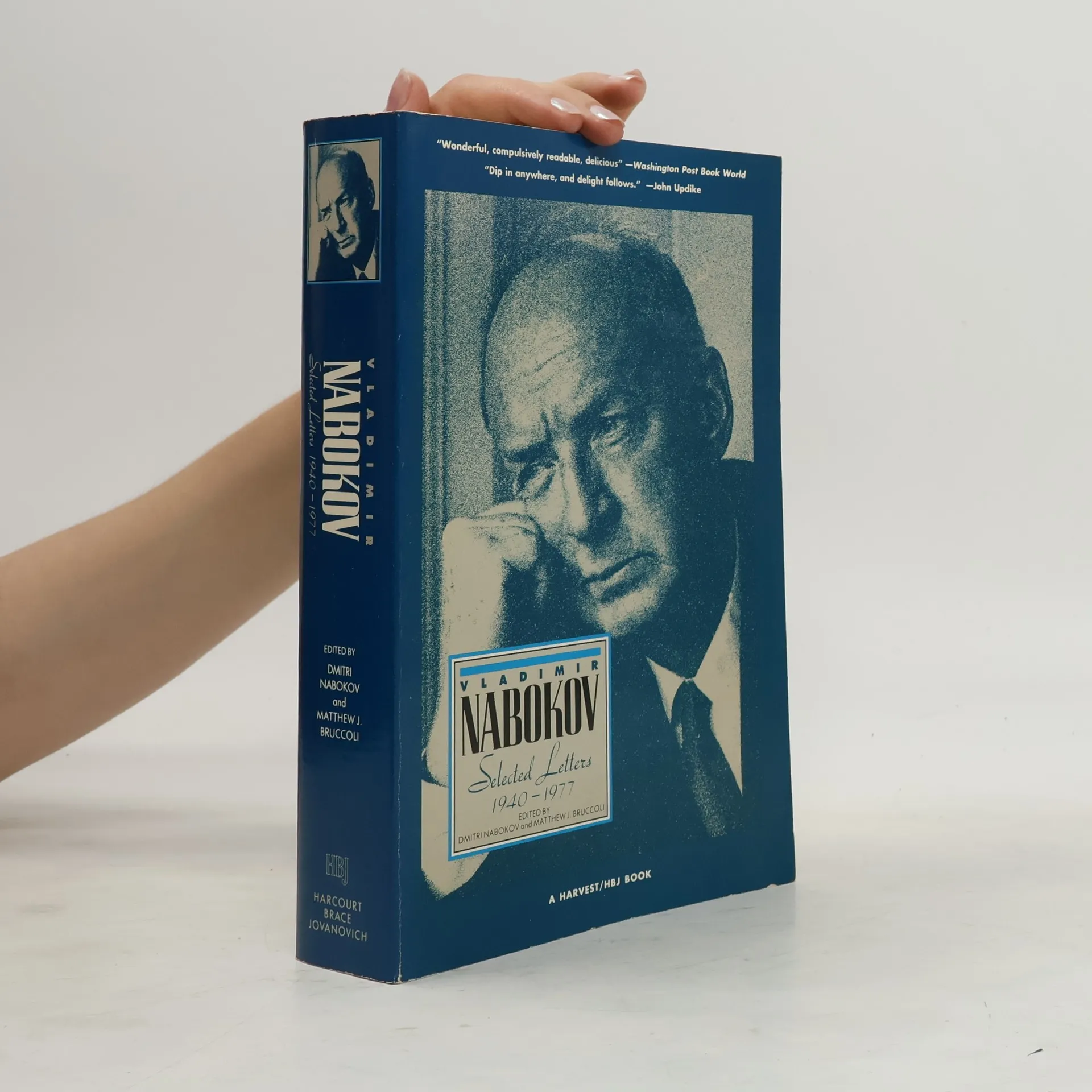
    • Vladimir Nabokov

      Selected Letters, 1940-1977

      • 624pagine
      • 22 ore di lettura

      Over four hundred letters chronicle the author's career, recording his struggles in the publishing world, the battles over "Lolita," and his relationship with his wife.

      Vladimir Nabokov
      4,3
    • Lance

      • 64pagine
      • 3 ore di lettura

      The illegible signature of teetering disaster' Three great stories - The Aurelian, Signs and Symbols and Lance - the last both a derisive attack on science-fiction and an attempt to imagine the real pain and horror that would accompany space travel.

      Lance
      4,0
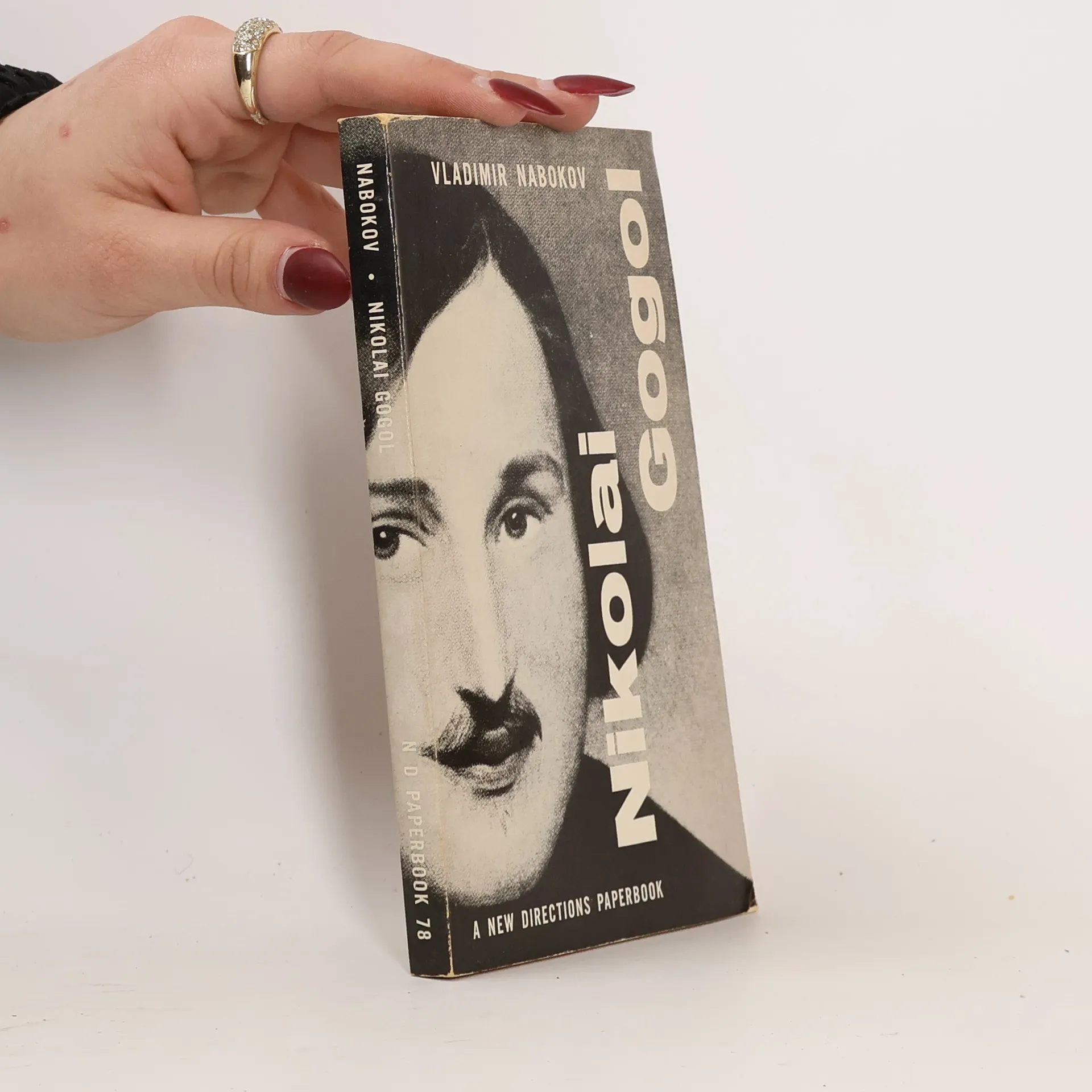
    • Nikolai Gogol was one of the great geniuses of nineteenth century Russian literature, with a command of the irrational unmatched by any writer before or since. His strange tales, though often read as forceful demands for social change, were displays of the fantasies of the human spirit. This book tells his story.

      Nikolai Gogol
      4,2
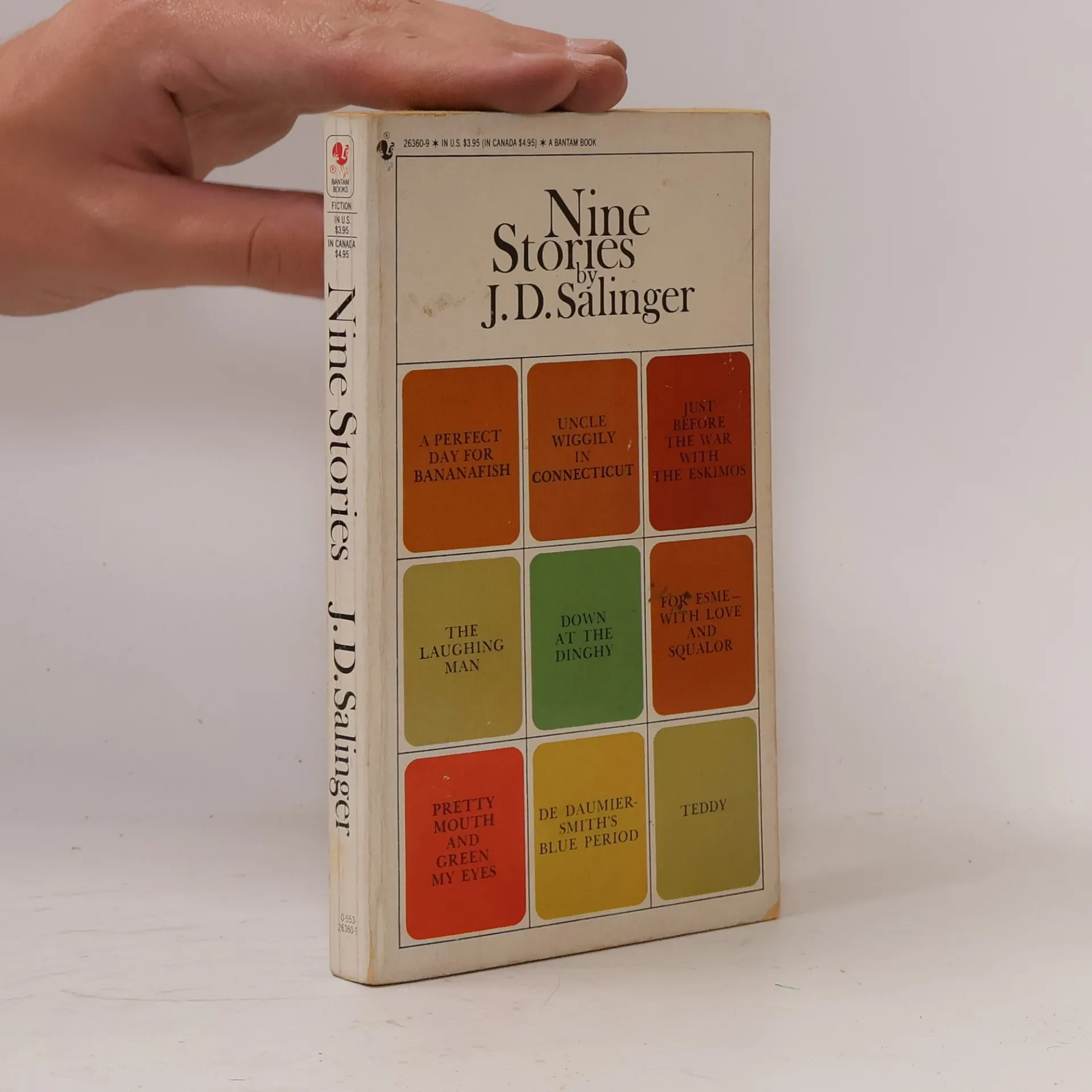
    • Indhold: A perfect day for bananafish ; Uncle Wiggily in Connecticut ; The laughing man ; Down at the Dinghy ; Just before the war with the Eskimos ; For Esmé - with love and squalor ; Pretty mouth and green my eyes ; De Daumier-Smith's blue period ; Teddy.

      For Esme with Love And Squalor
      4,2
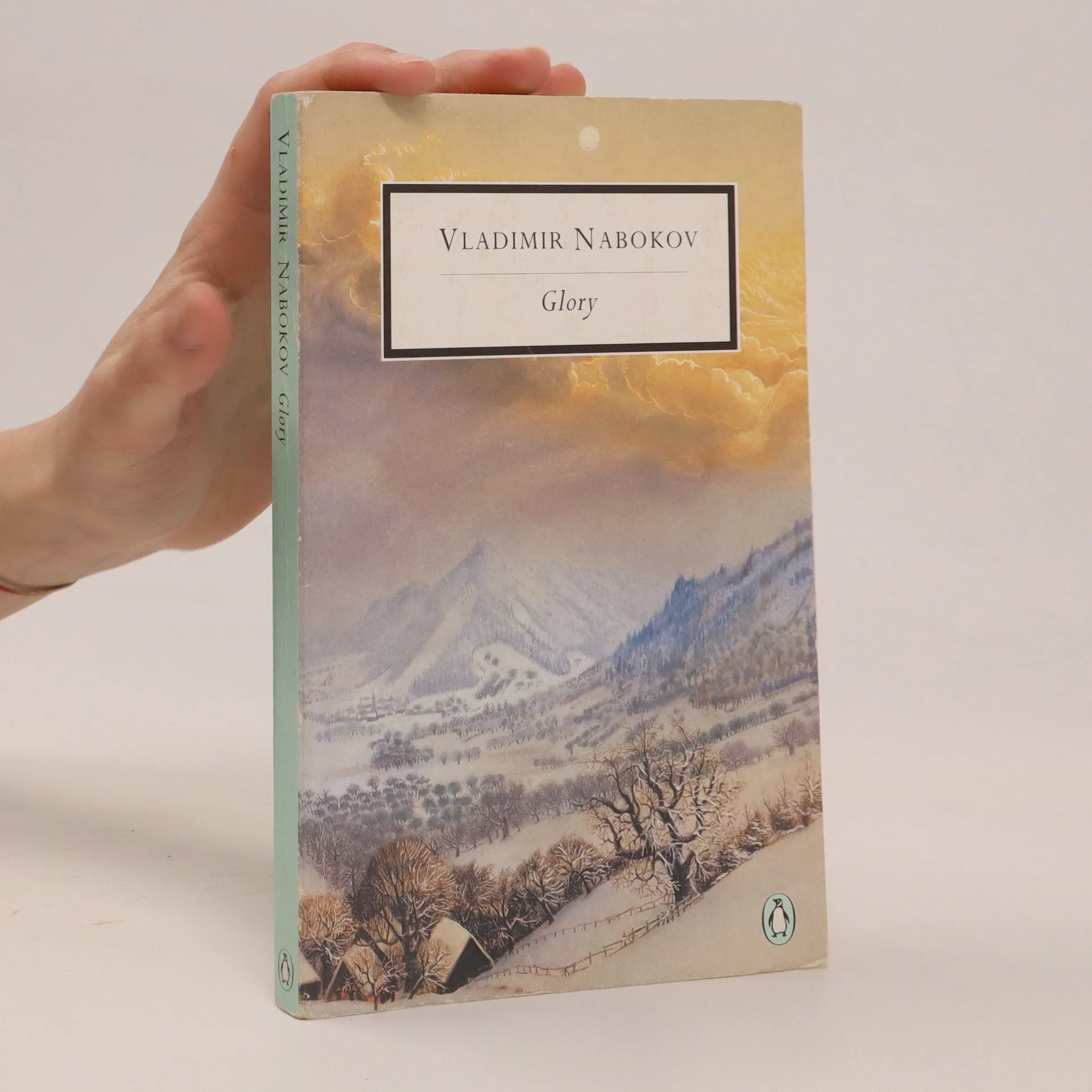
    • Glory

      • 192pagine
      • 7 ore di lettura

      A novel by the author of Mary, The Eye, The Real Life of Sebastian Knight, Transparent Things and Lolita.

      Glory
      4,2
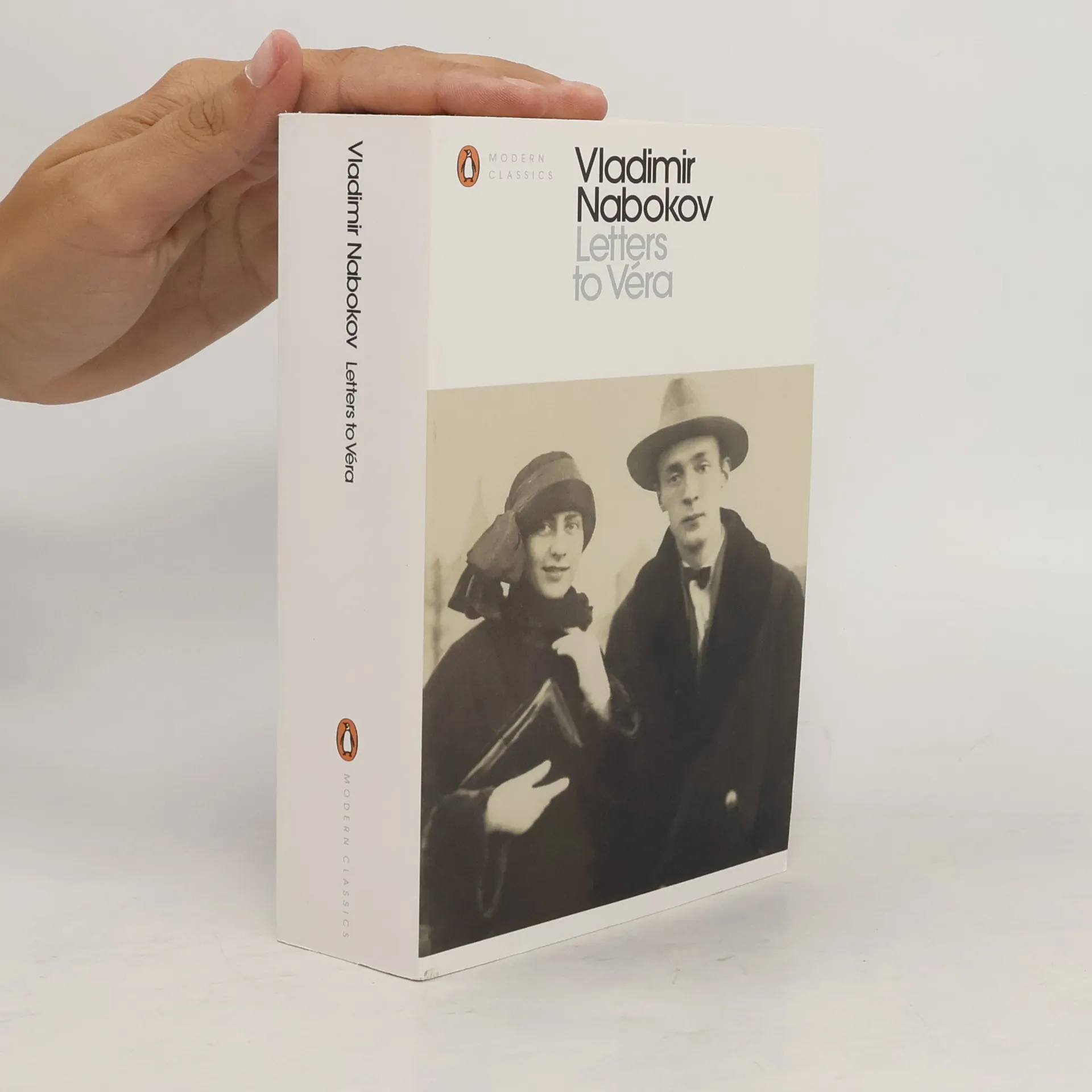
    • Letters to Véra

      • 864pagine
      • 31 ore di lettura

      'You are lovely . . . And all your letters, too, are lovely, like the white nights' Nabokov's passion for his wife spanned over half a century, from the first poem he wrote for her in 1923, after only hours in her company, to when he dedicated his last book 'To Véra'. Though they were rarely apart, he wrote countless letters to Véra, now published for the first time and revealing in Nabokov the man what he valued most in art: 'curiosity, tenderness, kindness, ecstasy'. Edited and translated by Olga Voronina and Brian Boyd 'Revelatory . . . here is Nabokov with his guard down.' William Boyd, Guardian, Books of the Year 'Sentences of pure magic.' Philip Hensher, Spectator 'Tinged with a sensuous immediacy of detail, Letters to Vérais a record of rapture.' Ian Thomson, Observer

      Letters to Véra
      4,2
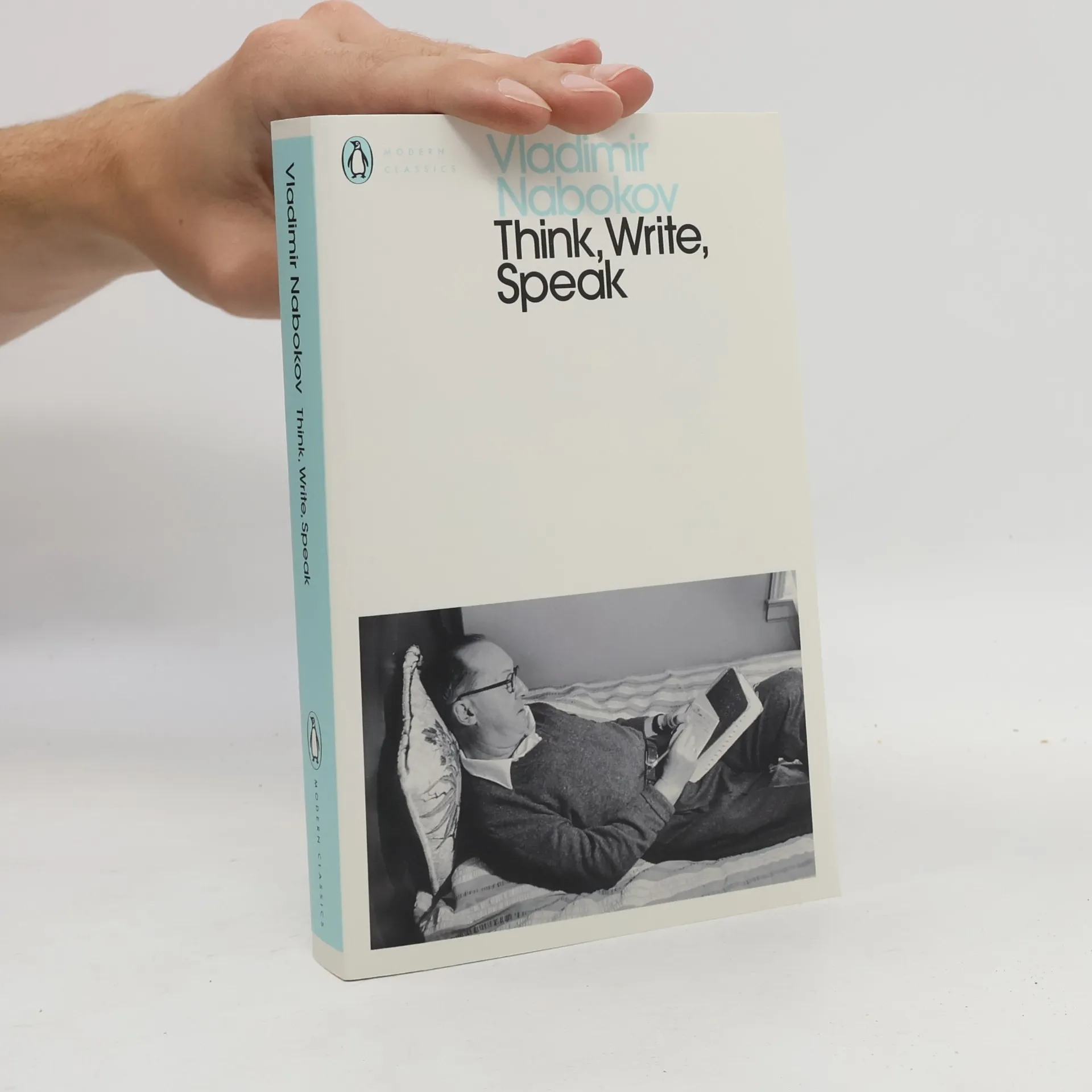
    • The last major collection of Nabokov's published material, Think, Write, Speak brings together a treasure trove of previously uncollected texts from across the author's extraordinary career. Each phase of his wandering life is included, from a precocious essay written while still at Cambridge in 1921, through his fame in the aftermath of the publication of Lolita to the final, fascinating interviews given shortly before his death in 1977. Introduced and edited by his biographer Brian Boyd, this is an essential work for anyone who has been drawn into Nabokov's literary orbit. Here he is at his most inspirational, curious, misleading and caustic. The seriousness of his aesthetic credo, his passion for great writing and his mix of delight and dismay at his own, sudden global fame in the 1950s are all brilliantly delineated here.

      Think, Write, Speak. Uncollected Essays, Reviews, Interviews and Letters to the Editor
      4,2
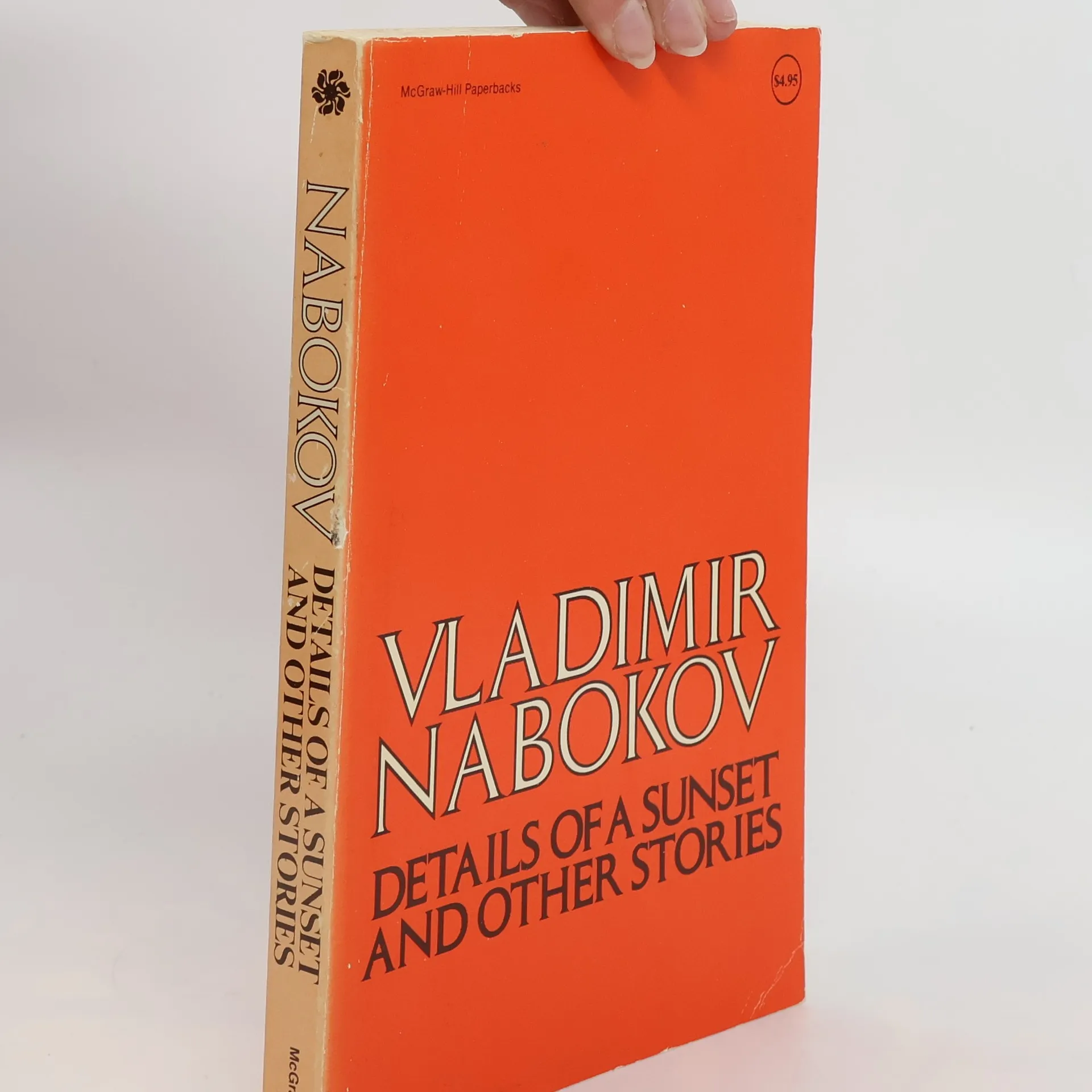
    • Details of a sunset --Bad day --Orache --Return of Chorb --Passenger --Letter that never reached Russia --Guide to Berlin --Doorbell --Thunderstorm --Reunion --Slice of life --Christmas --Busy man.

      Details of a Sunset: and Other Stories
      4,2
    • The Nabokov-Wilson Letters

      • 346pagine
      • 13 ore di lettura

      "Simon Karlinsky has substantially expanded and revised the first edition of Vladimir Nabokov and Edmund Wilson's correspondence to include fifty-nine letters discovered subsequent to the book's original publication in 1979. Since then five volumes of Edmund Wilson's diaries have been published, as well as a volume of Nabokov's correspondence with other people and Brian Boyd's definitive two-volume biography of Nabokov. The additional letters and a considerable body of new annotations clarify the correspondence, tracing in greater detail the two decades of close friendship between the writers. This expanded edition also reveals their growing animosity, perceptible in repeated disagreements on such subjects as Russian history and revolution and the value of certain authors. The decades of friendship and mutual appreciation came to a dramatic end in 1965, with Wilson's vehement attack in print on Nabokov's annotated edition of Pushkin's novel Eugene Onegin. These letters outline the mutual affection and closeness of the two writers, but also reveal the slow crescendo of mutual resentment, mistrust and rejection."--BOOK JACKET.

      The Nabokov-Wilson Letters
      3,5
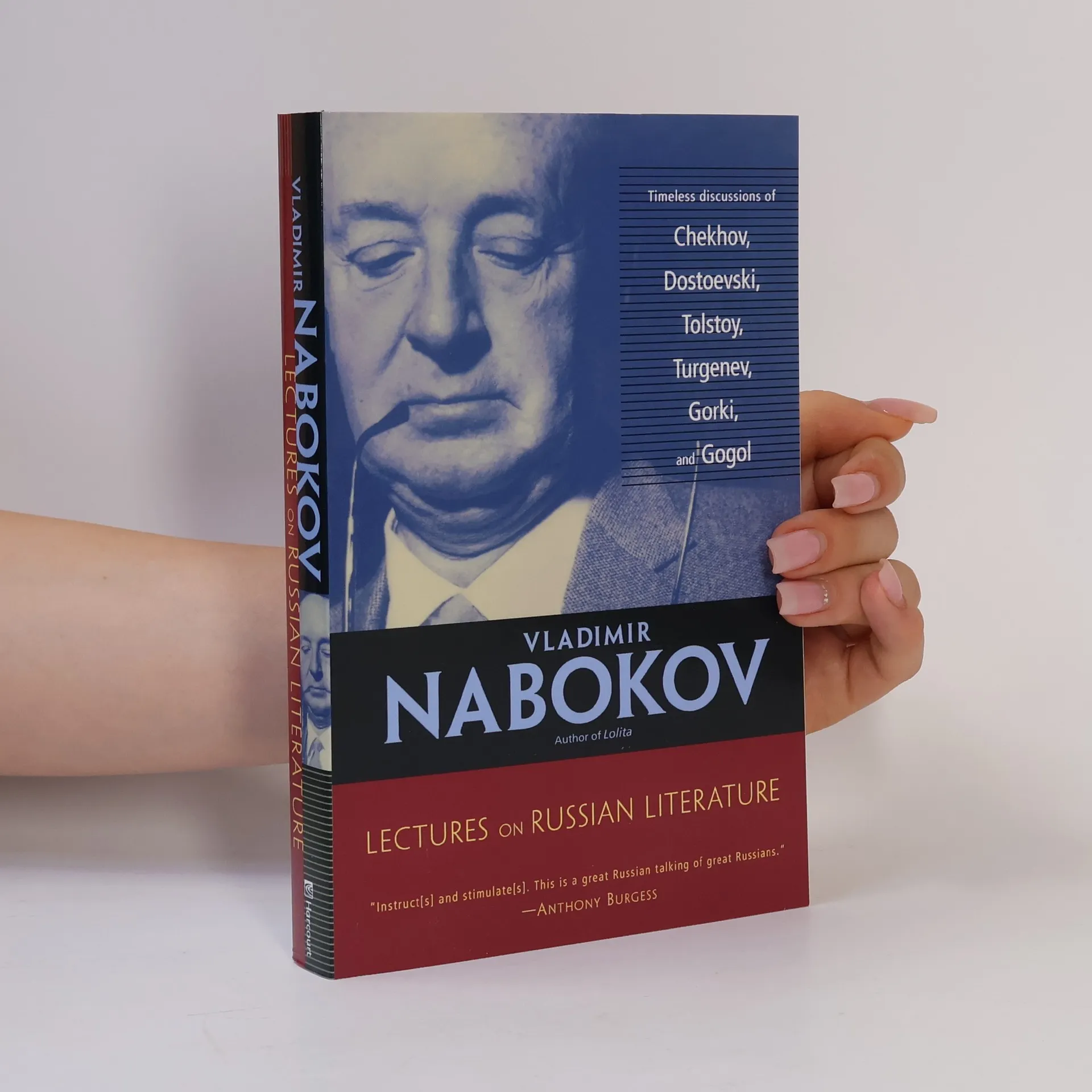
    • Picador Books: Lectures on Russian Literature

      Chekhov, Dostoevski, Gogol, Gorky, Tolstoy, Turgenev

      • 352pagine
      • 13 ore di lettura

      This volume complements the widely praised Lectures on Literature, which the Washington Post Book World ranked with "with Flaubert's letters, James' prefaces and Woolf's diaries as privileged, nourishing, irreplaceable meditations on the art of fiction." If Nabokov sparkled in those lectures on European authors, here in his commentaries on the great 19th-century Russian writers - Gogol, Turgenev, Gorki, Dostoevski, Tolstoy, Chekhov - he is completely in his element. "Not only did these writers represent to him the absolute height of Russian literature (with Pushkin, of course)," Fredson Bowers notes, "but they also flourished counter to the utilitarianism that he despised both in the social critics of the time and, more bitingly, in its later Soviet development." They were the last unfettered voices of his lost homeland. As Nabokov guides readers through intricacies of plot and character, meticulously supplemented with facts about 19th-century Russian, he again demonstrates his brilliance as a teacher and his ability to enchant. Thirty-eight illustrations give evidence of the care with which he prepared these celebrated lectures.

      Picador Books: Lectures on Russian Literature
      3,7
    • A Hero of Our Time

      • 192pagine
      • 7 ore di lettura

      In five linked episodes, Lermontov builds up the portrait of a man caught up in and expressing the sickness of his times. A marvelous novel and an early landmark in Russian literature, A Hero of Our Time served as an inspiration for many later Russian authors, including Tolstoy and Dostoyevsky.

      A Hero of Our Time
      4,1
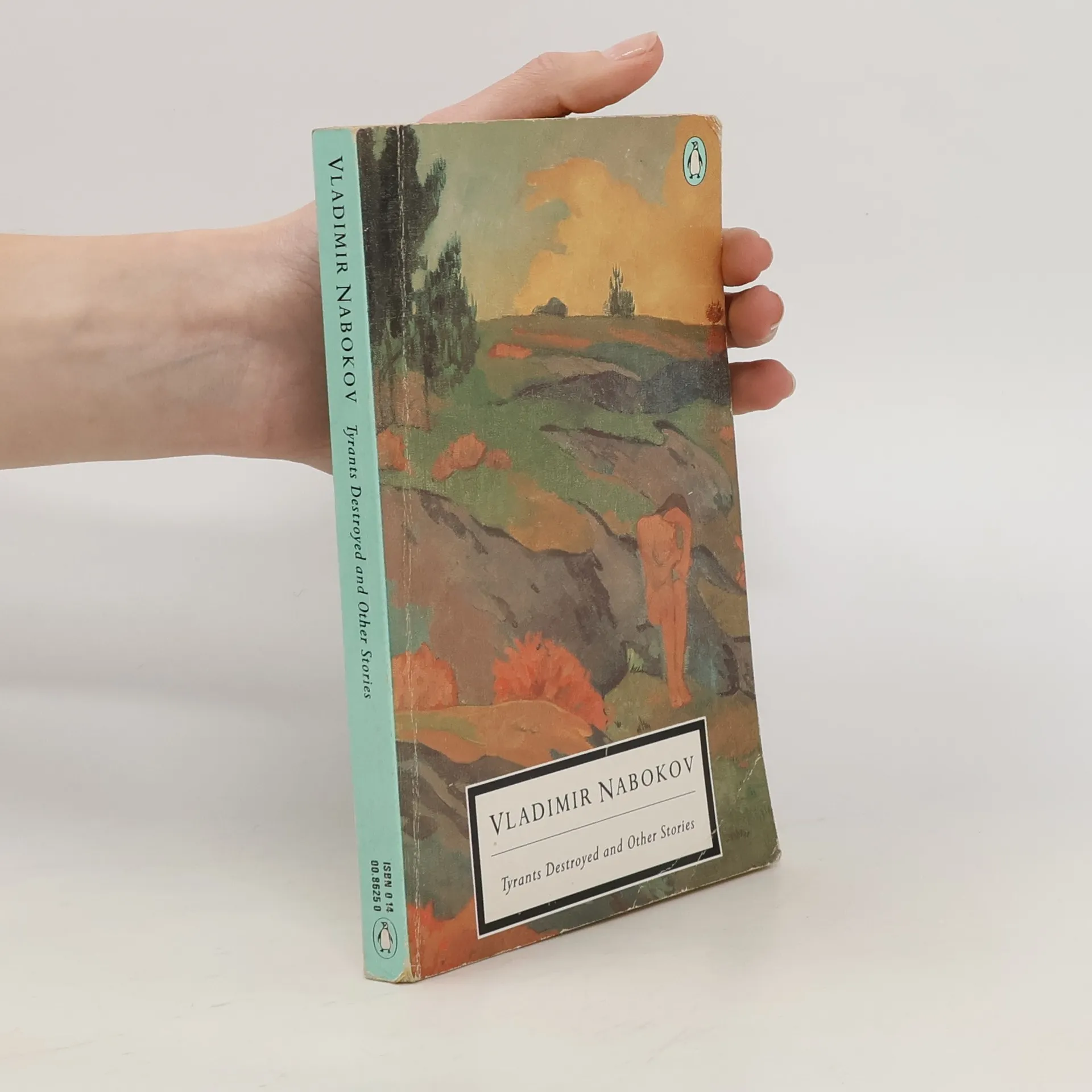
    • Tyrants Destroyed and Other Stories

      • 224pagine
      • 8 ore di lettura

      Tyrants Destroyed and Other Stories, is a collection of 13 short stories by Vladimir Nabokov written between 1924 and 1939. The first 12 stories were written while the author was living abroad in Berlin, Paris and Menton. (Originally from Saint Petersburg the Nabokov family emigrated in exil to Europe in 1919 following the Russian Revolutions of 1917). The thirteenth story alone was composed originally in English (written in Ithaca Up-state New York 1951). The other titles in the collection have been translated into English by Dmitri Nabokov in collaboration with the author. Contents: Foreword by Vladimir Nabokov, 31 December 1974. 1. Tyrants Destroyed 2. A Nursery Tale 3. Music 4. Lik 5. Recruiting 6. Terror 7. The Admiralty Spire 8. A Matter of Chance 9. In Memory of L. I. Shigaev 10. Bachmann 11. Perfection 12. Vasiliy Shishkov 13. The Vane SIsters.

      Tyrants Destroyed and Other Stories
      3,9
    • Think, Write, Speak

      • 576pagine
      • 21 ore di lettura

      'Masterly, hilarious, truly insightful' - Philip Hensher, The Spectator A Times Literary Supplement Book of the Year 2019 The last major collection of Nabokov's published material, Think, Write, Speak brings together a treasure trove of previously uncollected texts from across the author's extraordinary career. Each phase of his wandering life is included, from a precocious essay written while still at Cambridge in 1921, through his fame in the aftermath of the publication of Lolita to the final, fascinating interviews given shortly before his death in 1977. Introduced and edited by his biographer Brian Boyd, this is an essential work for anyone who has been drawn into Nabokov's literary orbit. Here he is at his most inspirational, curious, playful, misleading and caustic. The seriousness of his aesthetic credo, his passion for great writing and his mix of delight and dismay at his own, sudden global fame in the 1950s are all brilliantly delineated.

      Think, Write, Speak
      4,0
    • Nabokov's first novel is now available in a trade paper edition. Here is the dark tale of a handsome officer who lives next door to his lover's husband in a dreary Berlin boarding house.

      Mary
      4,1
    • In this collection of interviews, articles, and editorials, Vladimir Nabokov ranges over his life, art, education, politics, literature, movies, and modern times, among other subjects. Strong Opinions offers his trenchant, witty, and always engaging views on everything from the Russian Revolution to the correct pronunciation of Lolita.

      Strong Opinions
      4,1
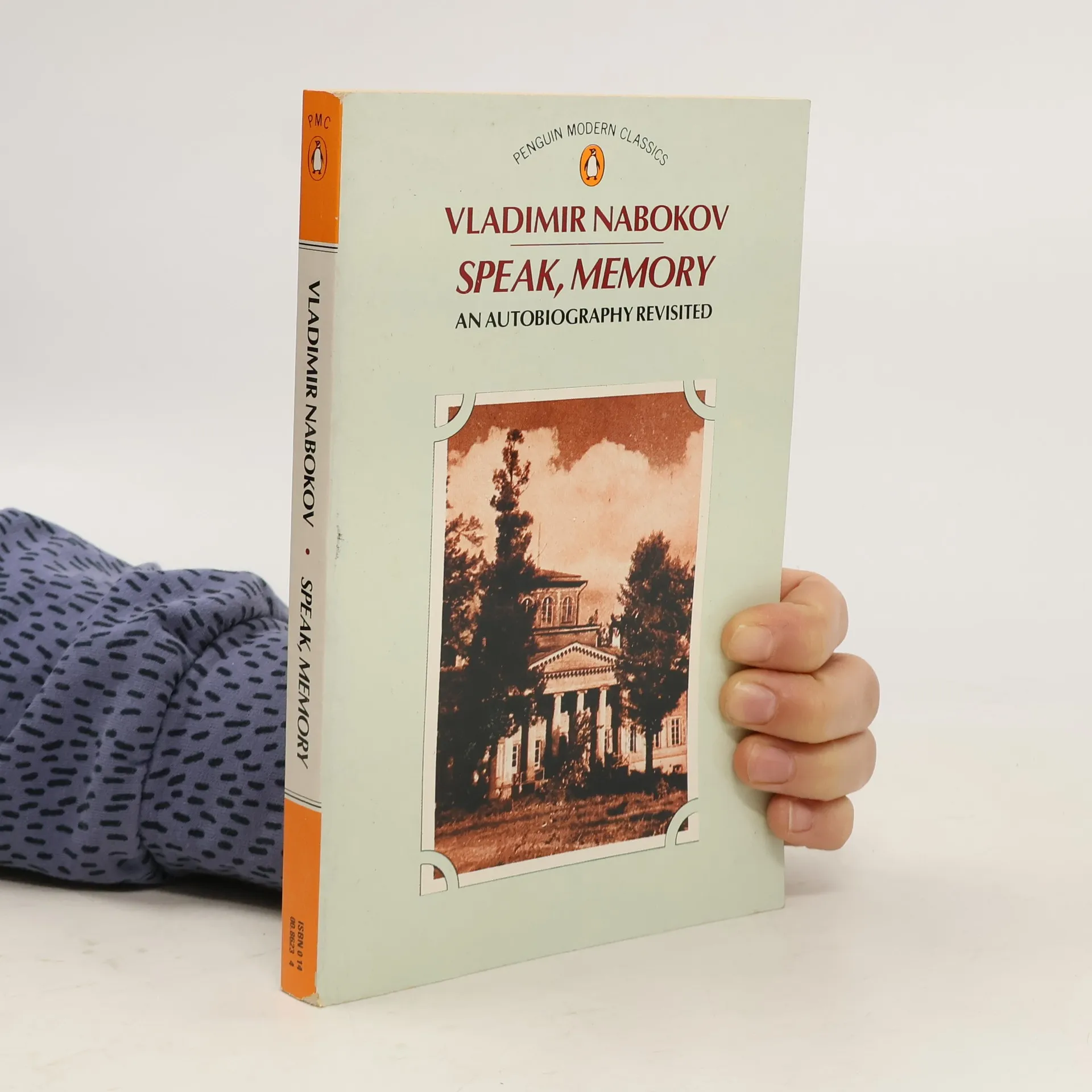
    • Speak, Memory

      An Autobiography Revisited

      • 256pagine
      • 9 ore di lettura

      From one of the 20th century's great writers comes one of the finest autobiographies of our time. Speak, Memory, first published in 1951 as Conclusive Evidence and then assiduously revised in 1966, is an elegant and rich evocation of Nabokov’s life and times, even as it offers incisive insights into his major works, including Lolita, Pnin, Despair, The Gift, The Real Life of Sebastian Knight, and The Luhzin Defense. One of the 20th century’s master prose stylists, Vladimir Nabokov was born in St. Petersburg in 1899. He studied French and Russian literature at Trinity College, Cambridge, then lived in Berlin and Paris, where he launched a brilliant literary career. In 1940 he moved to the United States, and achieved renown as a novelist, poet, critic, and translator. He taught literature at Wellesley, Stanford, Cornell, and Harvard. In 1961 he moved to Montreux, Switzerland, where he died in 1977.

      Speak, Memory
      4,1
    • The Chronicles of Sin: Lust

      Lascivious Love Stories and Passionate Poems

      • 129pagine
      • 5 ore di lettura

      All the yearning, the passion, and the wantonness of lust are explored in this broad-ranging anthology of sensual stories, poems, and fables on a perennially hot topic. From Italo Calvino's humorous observations in The Loves of the Tortoises and Simone de Beauvoir's bittersweet reflections in The Prime of Life to the dark desires of The Vampire Lestat and the taboo obsession of Lolita, Lust offers an uncensored collection by some of the world's most respected writers, both classic and contemporary. With an elegant, two-color design as alluring as its contents are captivating, Lust makes a thoroughly pleasurable gift for a lover, or a perfect literary bedside companion.

      The Chronicles of Sin: Lust
      3,8
    • Laughter in the Dark

      • 208pagine
      • 8 ore di lettura

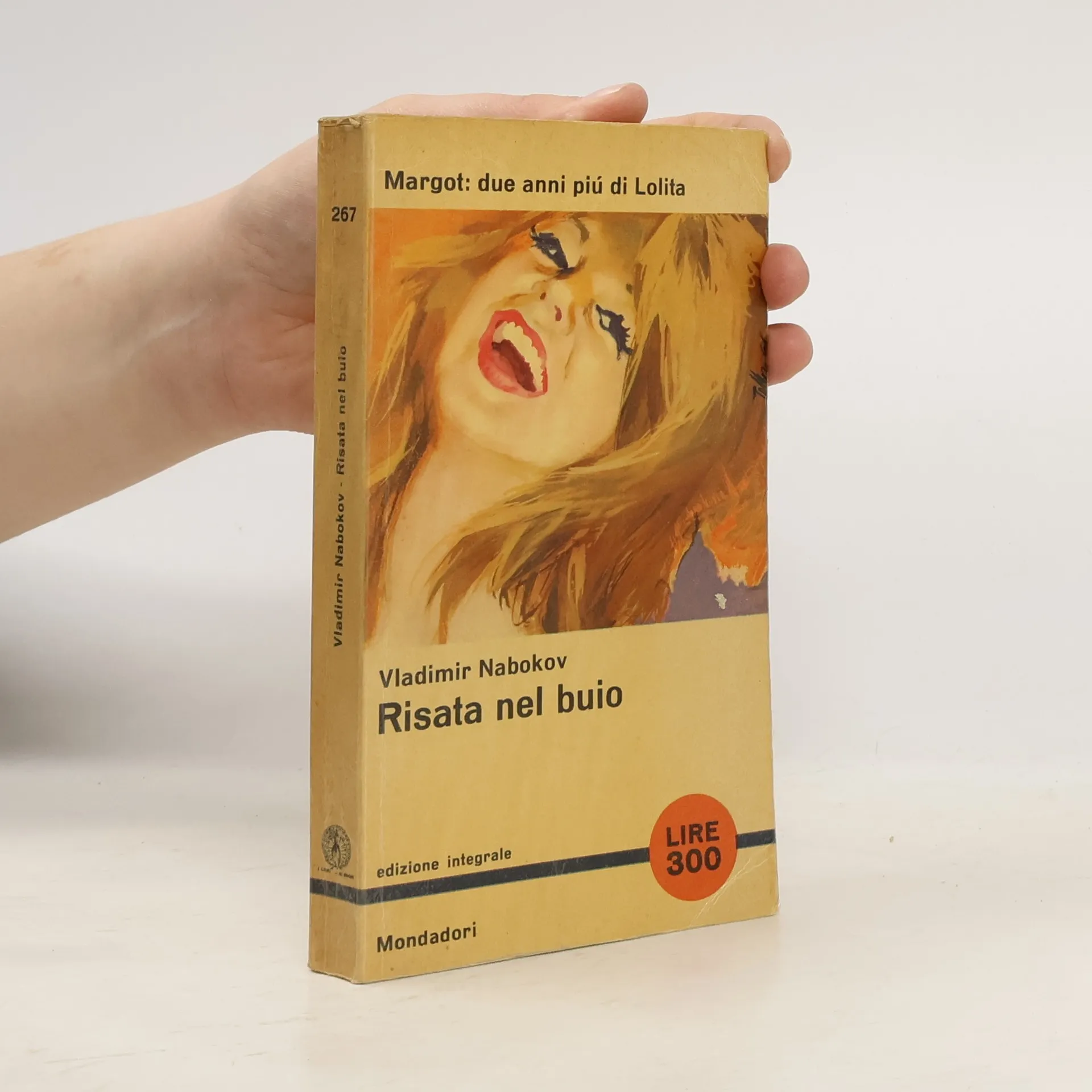
      Albinus - rich, married middle-aged and respectable - is an art critic and aspiring filmmaker who lusts after the coquettish young cinema usherette Margot. Gradually he seduces her and convinces himself he is irresistible to her, but Margot has other plans. She wants to be a film star, and when Albinus introduces her to the American movie producer Axel Rex, she sees her chance - and plotting, duplicity and tragedy ensue.

      Laughter in the Dark
      4,0
    • The Defense

      • 192pagine
      • 7 ore di lettura

      The narrative centers on Luzhin, a chess prodigy whose extraordinary talent transforms his perception of reality. As he ascends to become an International Grandmaster, his intense love for chess isolates him from the world around him. The story culminates in a dramatic confrontation with the Italian Grandmaster Turati, showcasing Luzhin's strategic brilliance. Rich in metaphor and imagery, this early work by Nabokov captures the emotional depth and complexity of its protagonist, reflecting the warmth that the author cherished in this novel.

      The Defense
      3,3
    • In "Invitation to a Beheading," Cincinnatus C. faces execution for an undefined crime in a surreal world reminiscent of Kafka's works. As he navigates absurdity in prison, interacting with bizarre characters, he ultimately wills away his executioners and the reality around him, challenging the nature of existence itself.

      Invitation to a Beheading
      4,0
    • The Real Life of Sebastian Knight

      • 192pagine
      • 7 ore di lettura

      Spurred on by admiration for his novelist half-brother and irritation at the biography written about him by Mr Goodman ('his slapdash and very misleading book'), the narrator, V, sets out to record Sebastian Knight's life as he understands it. schovat popis

      The Real Life of Sebastian Knight
      4,0
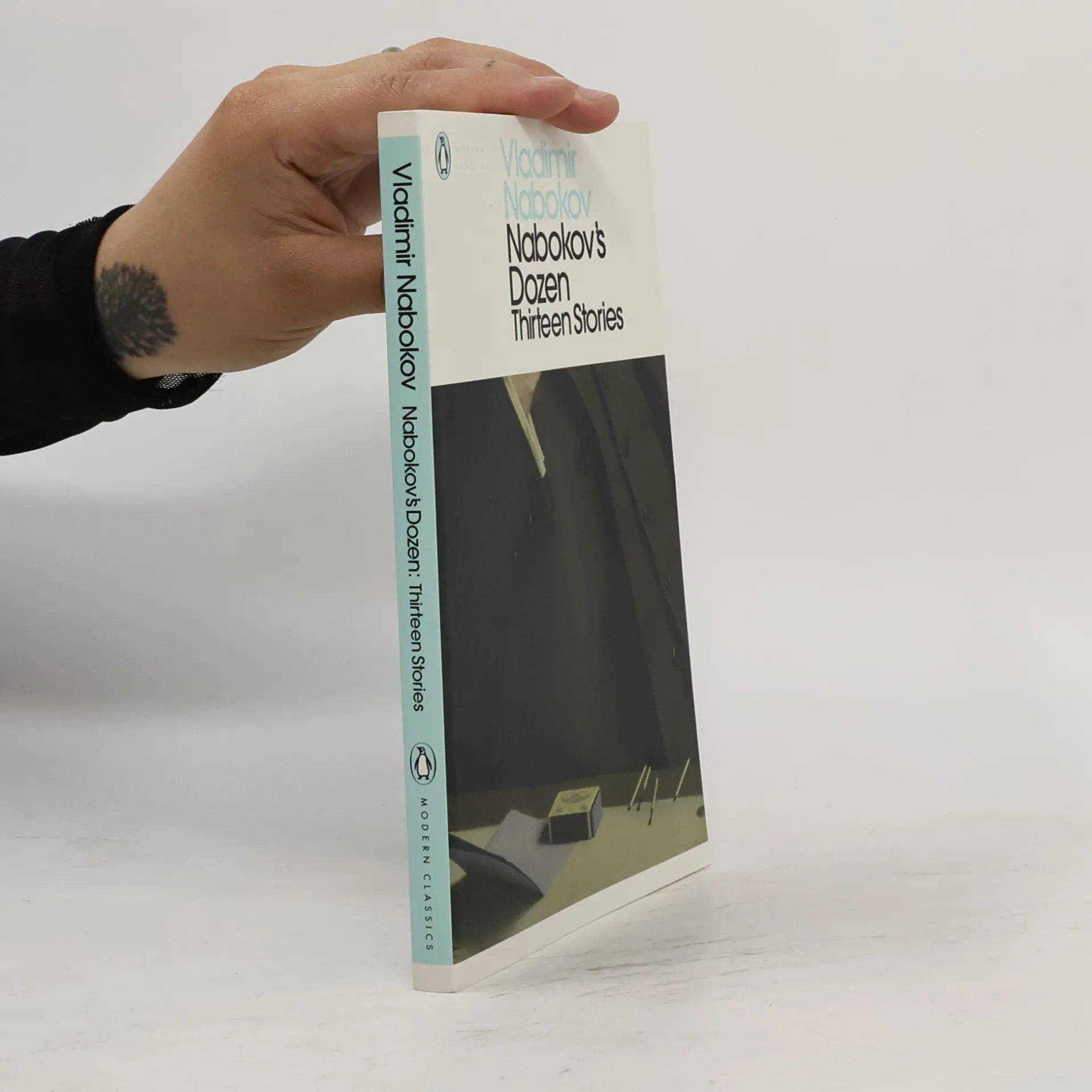
    • In some of these stories shadowy people pass through, cooped up by life, mangled by it, with nowhere to escape to. Their dreams lie stifled, smothered by routine and repetition, and frustrations lurk in all the corners. In others, elusive glimpses of fleeting happiness, which flutter away before they can be snatched, waylay their victims. Like the shimmer of the sea, the gleam of a glass caught by the sun, they sparkle brilliantly only to dissolve again. Two of the stories, 'First Love' and 'Mademoiselle O', are autobiographical, and 'The Assistant Producer' is based on real events, but the rest are pure flights of fantasy - or the stuff that life is weaved of?

      Nabokov's Dozen
      3,9
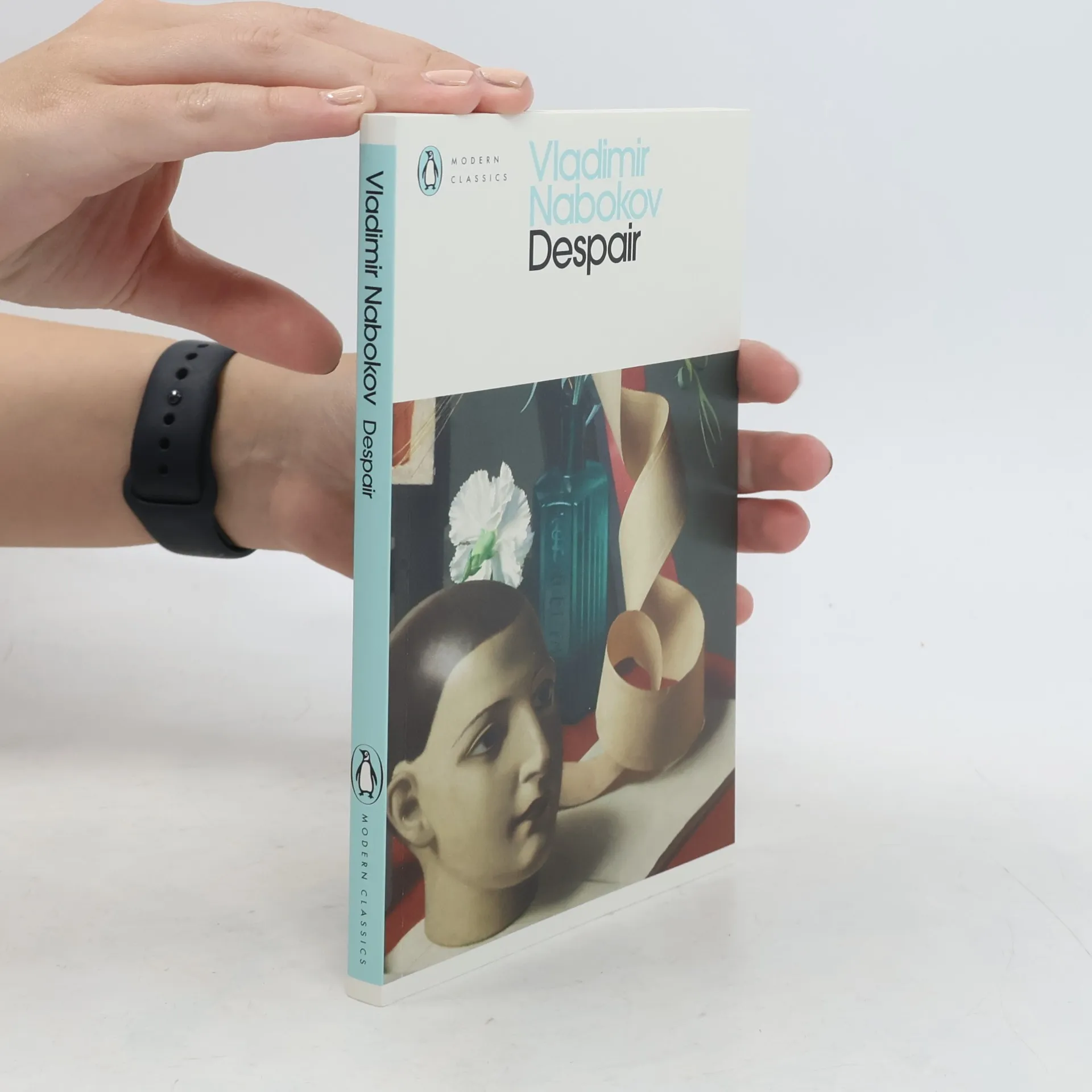
    • Extensively revised by Nabokov in 1965--thirty years after its original publication--Despair is the wickedly inventive and richly derisive story of Hermann, a man who undertakes the perfect crime--his own murder

      Despair
      3,9
    • Cloud, Castle, Lake

      • 64pagine
      • 3 ore di lettura

      In May 2005 Penguin will publish 70 unique titles to celebrate the company's 70th birthday. The titles in the Pocket Penguins series are emblematic of the renowned breadth of quality of the Penguin list and will hark back to Penguin founder Allen Lane's vision of good books for all'. shocked a generation when Putnam, now a part of the Penguin group, published Lolita the account of one man's longing for a very young girl in 1955. Stylish, intricate and sensuous, these wickedly inventive stories are a rich combination of humour and horror: exploring questions of literature, love, madness and memory.

      Cloud, Castle, Lake
      3,9
    • The World of the Short Story

      A 20th Century Collection

      • 847pagine
      • 30 ore di lettura

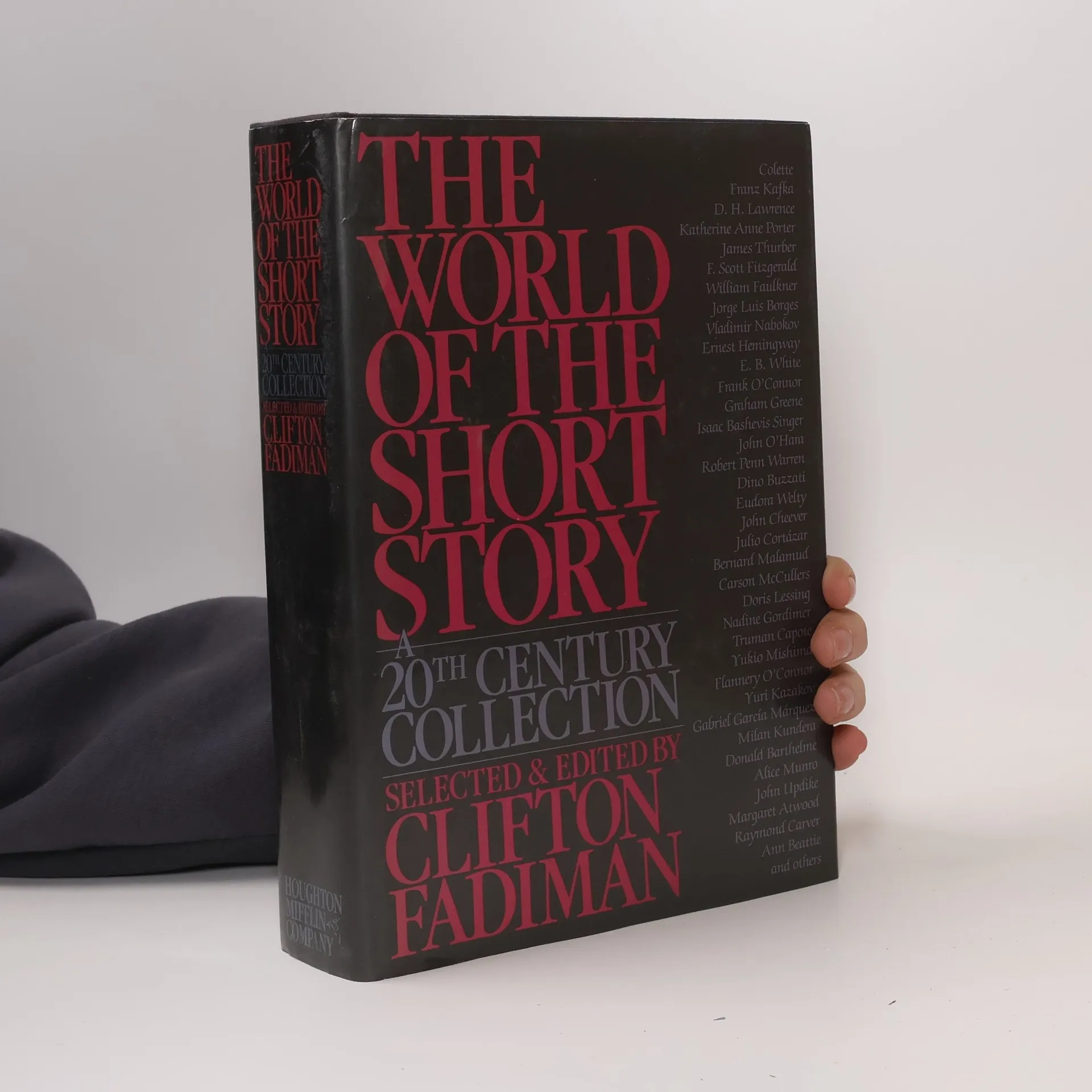
      At age 82, Clifton Fadiman continues his prolific publishing career, here presenting 62 of the world's best short stories from 16 countries. His criteria? "Each story had to be both interesting and of high literary merit." Fadiman fulfills both requirements and much more, offering a cornucopia of superior 20th-century writers that includes Franz Kafka, D. H. Lawrence, Isaac Babel, F. Scott Fitzgerald, William Faulkner, Ernest Hemingway, John Cheever, Sean O'Faolain, Graham Greene, Robert Penn Warren, Colette, John Updike, Donald Barthelme, and James Thurber. (Regrettably, J. D. Salinger is not included due to lack of permission.) Here is a truly remarkable collection of this century's short stories that readers from all over the world will read with delight.

      The World of the Short Story
      3,8
    • In this moving, amusing story of a seeming born loser at odds with the New World, there is all the pathos of a generation cruelly and irrecoverably severed from its past.

      Pnin
      3,9
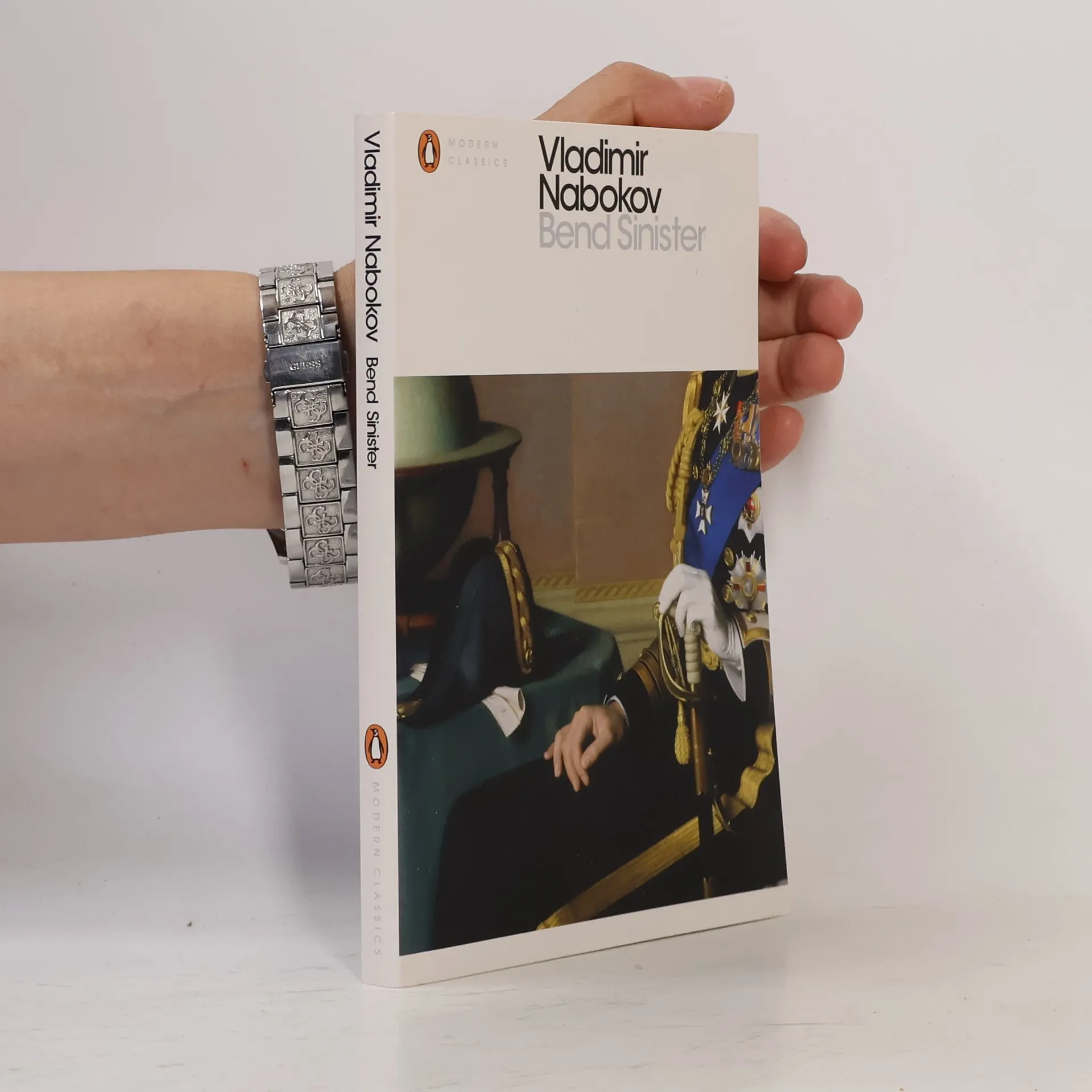
    • The first novel Nabokov wrote while living in America and the most overtly political novel he ever wrote, Bend Sinister is a modern classic. While it is filled with veiled puns and characteristically delightful wordplay, it is, first and foremost, a haunting and compelling narrative about a civilized man caught in the tyranny of a police state. Professor Adam Krug, the country's foremost philosopher, offers the only hope of resistance to Paduk, dictator and leader of the Party of the Average Man. In a folly of bureaucratic bungling and ineptitude, the government attempts to co-opt Krug's support in order to validate the new regime.

      Bend Sinister
      3,8
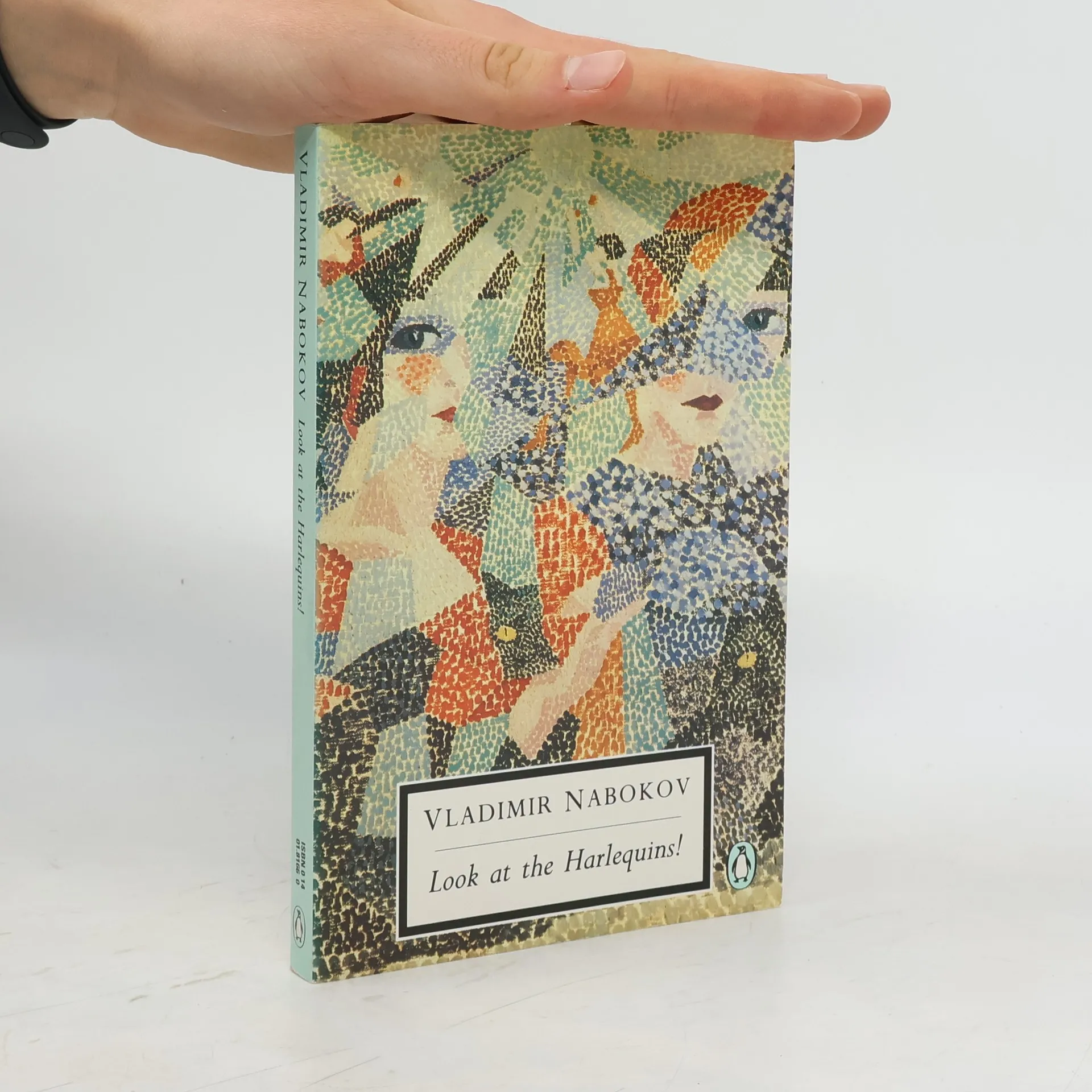
    • Look at the Harlequins!

      • 272pagine
      • 10 ore di lettura

      Focusing on the central figures of his life--his four wives, his books, and his muse, Dementia--the book leads us to suspect that the fictions Vadim has created as an author have crossed the line between his life's work and his life itself, as the worlds of reality and literary invention grow increasingly indistinguishable.

      Look at the Harlequins!
      3,8
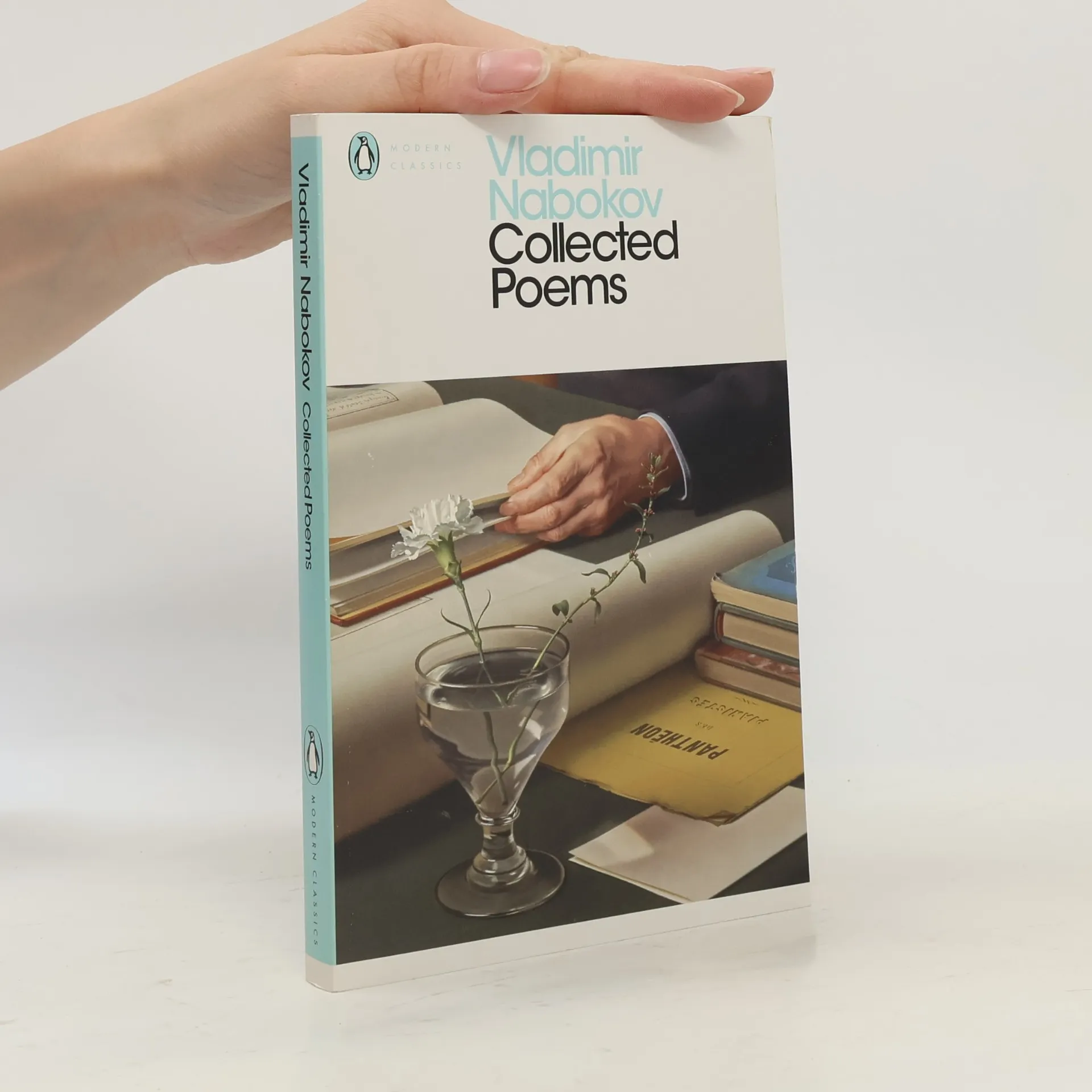
    • Features a collection of Nabokov's poems span the decades of his career, from 'Music', written in 1914, to the short, playful 'To Vera', composed in 1974. this title also includes verse written on America, lepidoptery, sport, and love.

      Collected Poems
      3,7
    • Smurov, a fussily self-conscious Russian tutor, shoots himself after a humiliating beating by his mistress' husband. Unsure whether his suicide has been successful or not, Smurov drifts around Berlin, observing his acquaintances, but finds he can discover very little about his own life from the opinions of his distracted, confused fellow-emigres.

      The Eye
      3,7
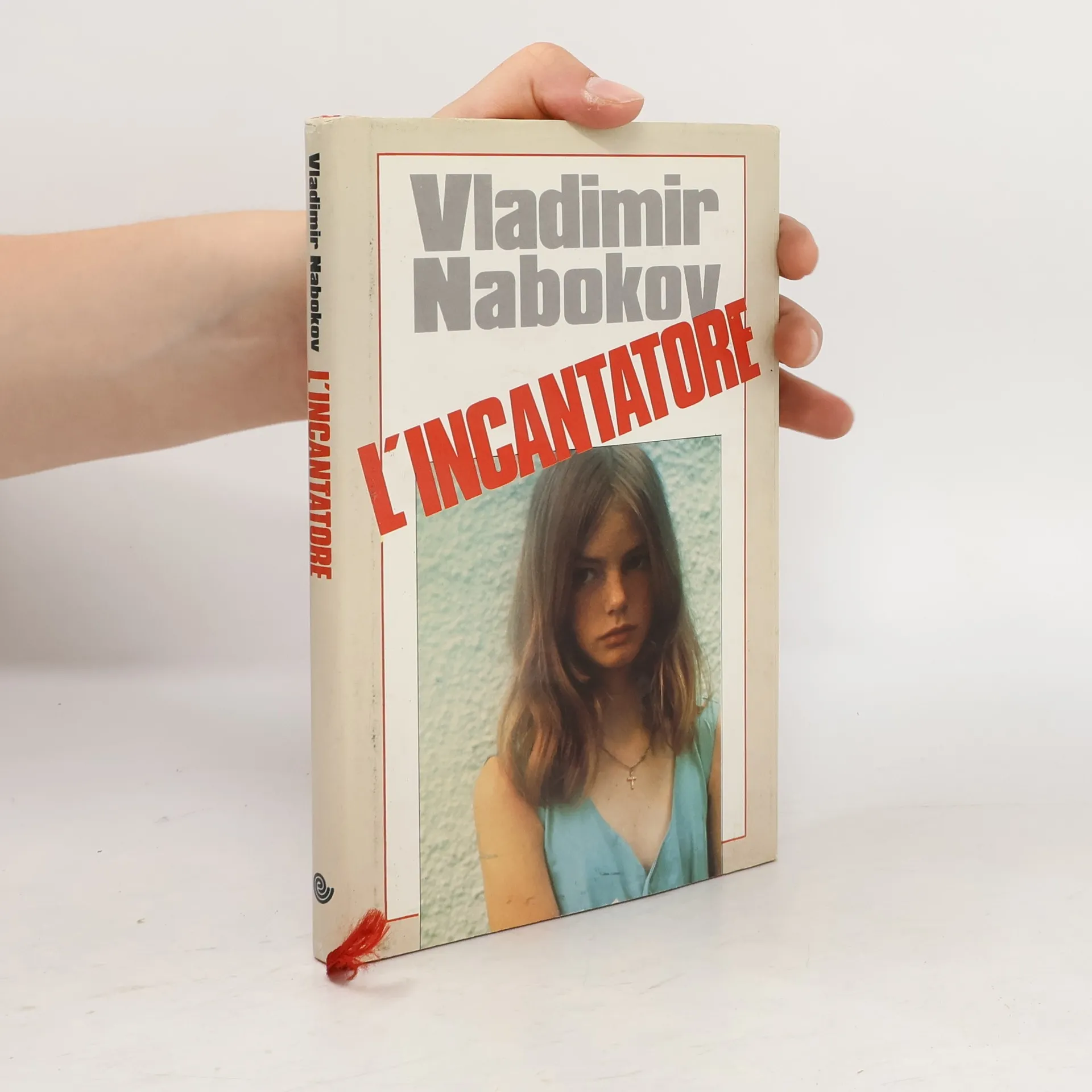
    • The enchanter

      • 128pagine
      • 5 ore di lettura

      Beginning the theme that continued with LOLITA, a man attempts to justify his erotic obsession with a young girl by marrying her ailing mother, whose death soon leaves him as the sole guardian of the pre-pubescent child.

      The enchanter
      3,7
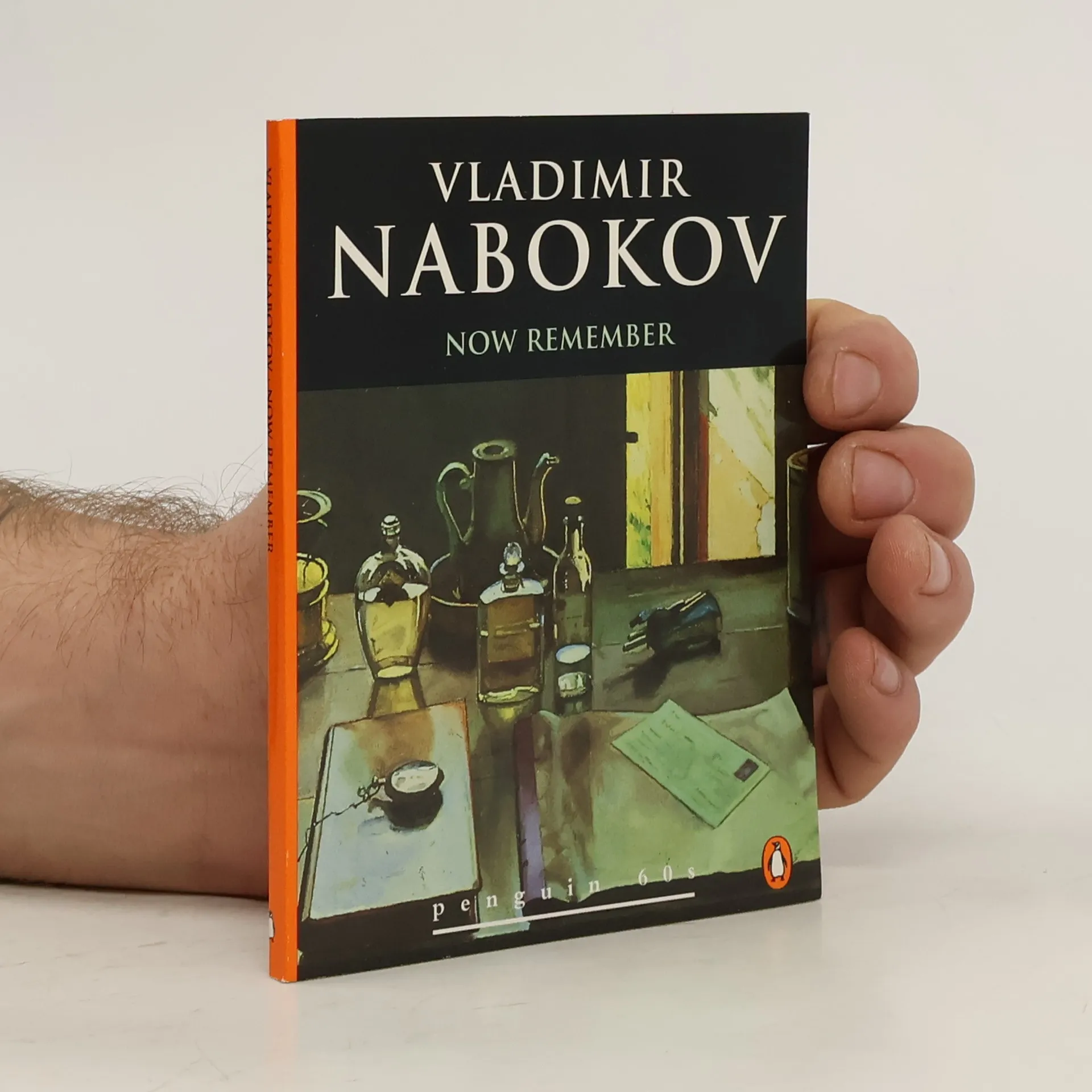
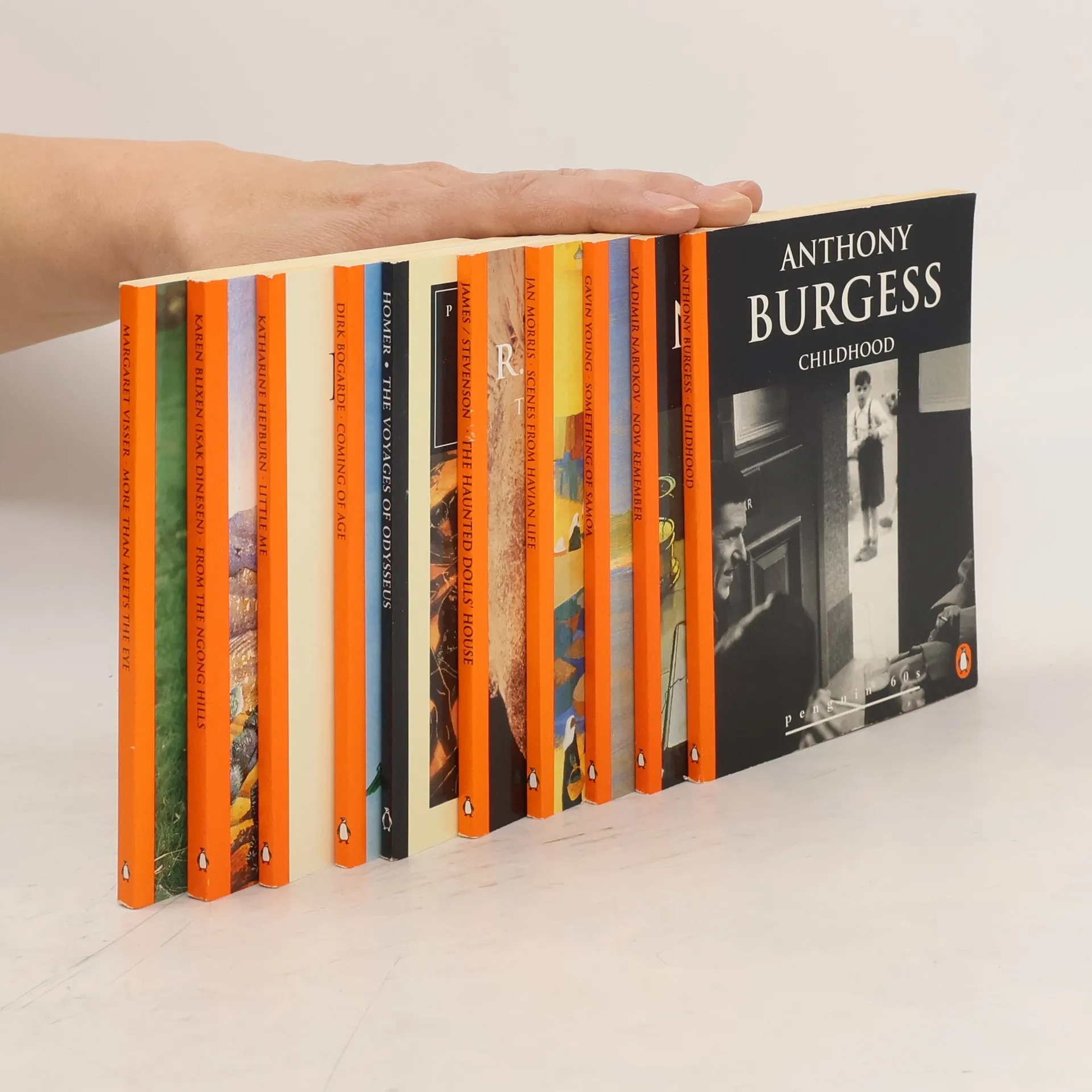
    • This Penguin 60, from the Biography collection, is an excerpt taken from his autobiographical work Speak, Memory.

      Now Remember
      3,4
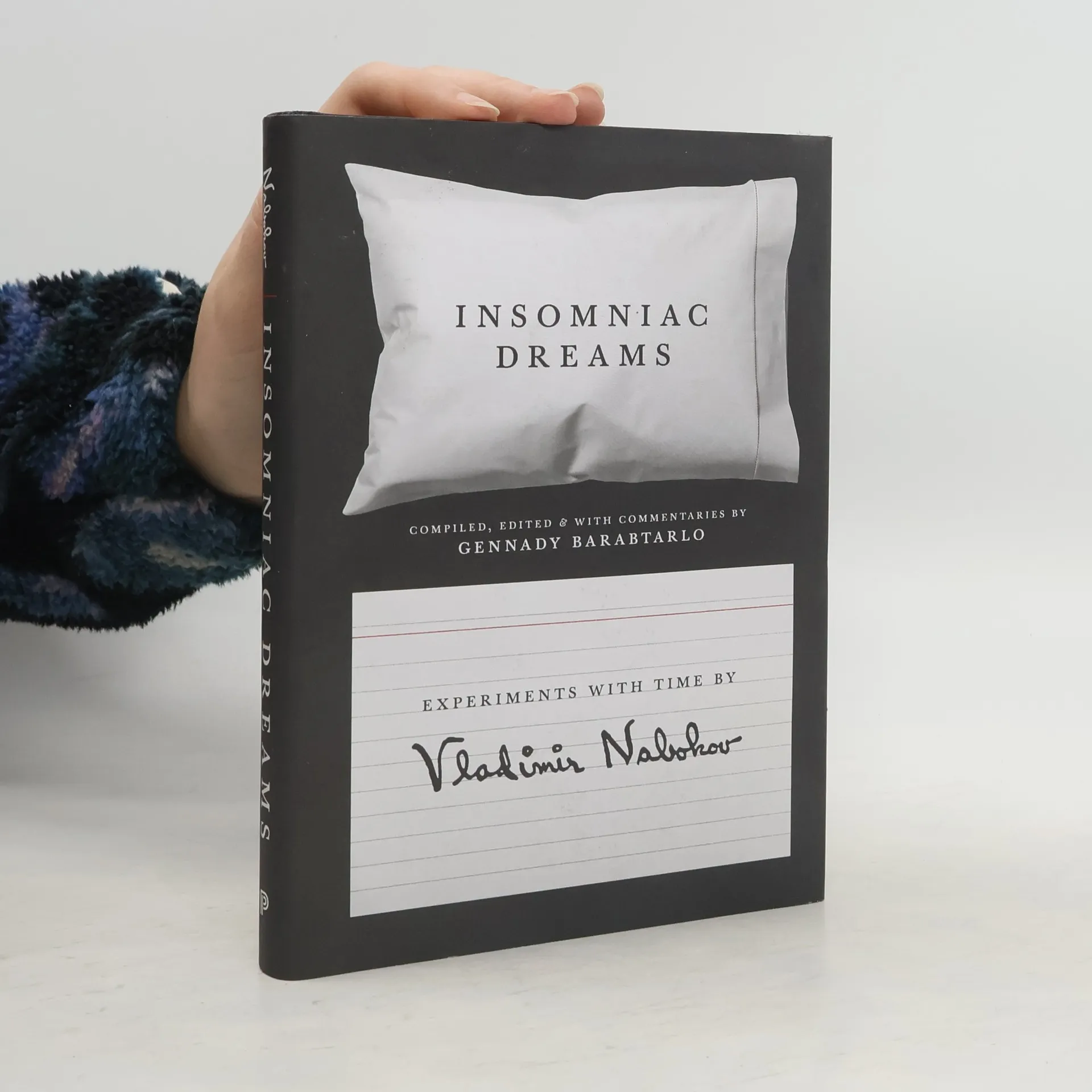
    • Insomniac Dreams

      • 224pagine
      • 8 ore di lettura

      Nabokov's amazing records of his dreams are priceless, and their publication will create a much-deserved critical buzz. They show Nabokov at his most vulnerable, raw, and genuine, giving us rare glimpses into his past, his feelings about his parents, his relationship with his wife and son, and his anxieties and hopes. This is a very important book.--Galya Diment, University of Washington

      Insomniac Dreams
      3,5
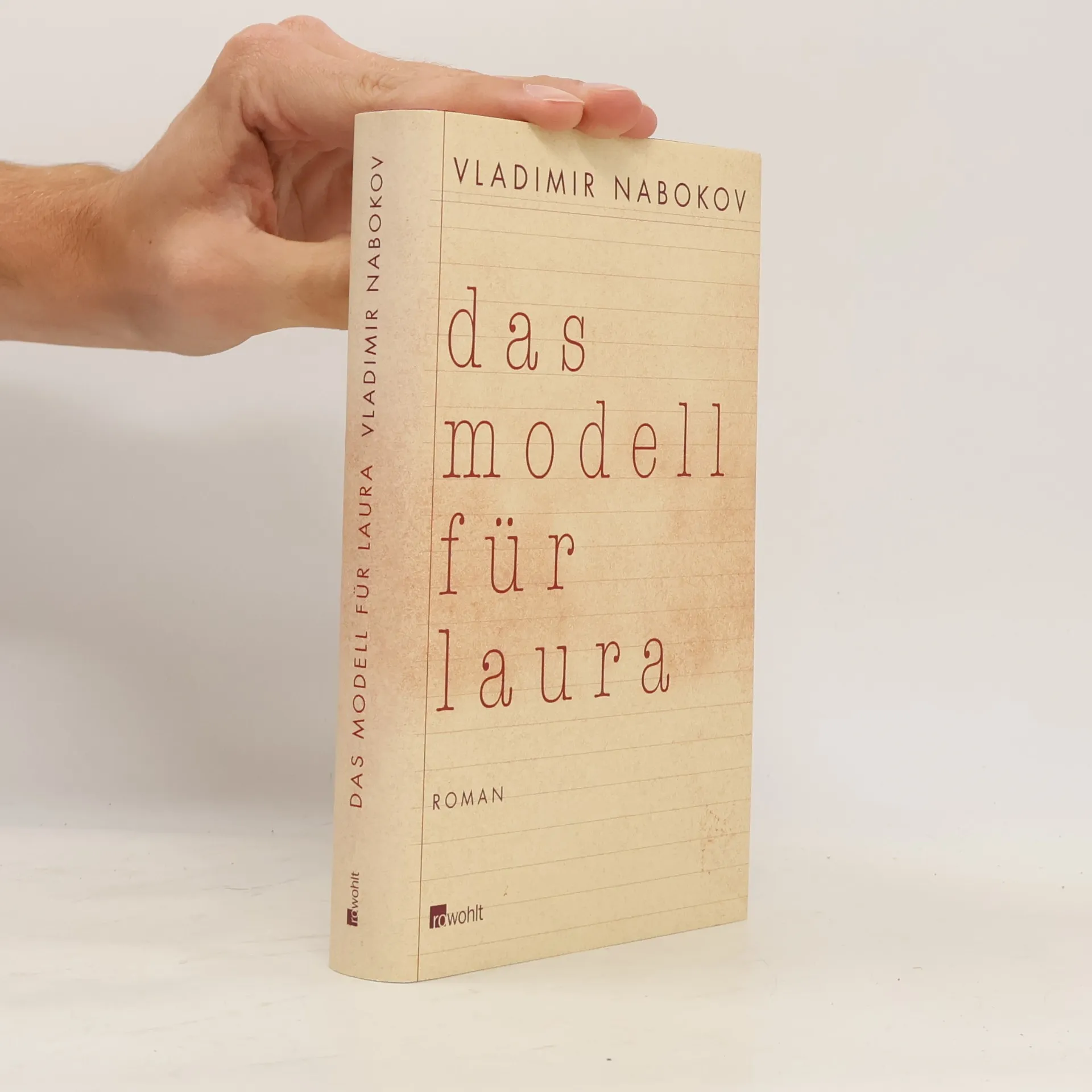
    • Das Modell für Laura

      (Sterben macht Spaß) - Romanfragment auf 138 Karteikarten

      Vladimir Nabokov wird am 22. April 1899 in St. Petersburg geboren. Nach der Oktoberrevolution flieht die Familie 1919 nach Westeuropa. 1919 –1922 in Cambridge Studium der russischen und französischen Literatur. 1922 – 1937 in Berlin, erste Veröffentlichungen unter dem Pseudonym W. Sirin. 1937–1940 nach der Flucht aus Nazideutschland in Südfrankreich und Paris, seit 1940 in den USA. 1961–1977 wohnte Nabokov im Palace Hotel in Montreux. Er starb am 2. Juli 1977.

      Das Modell für Laura
      3,3
    • Die Kunst des Lesens

      Meisterwerke der europäischen Literatur. Jane Austen, Charles Dickens, Gustave Flaubert, Robert Louis Stevenson, Marcel Proust, Franz Kafka, James Joyce

      "Wer liest, sollte liebevoll auf Einzelheiten achten. Gegen den Mondschein der Verallgemeinerung ist nichts einzuwenden, vorausgesetzt, er zeigt sich, nachdem die sonnigen Kleinigkeiten des Buches liebevoll zusammengetragen wurden." - In seinen legendären Vorträgen zur Weltliteratur geht es Vladimir Nabokov immer wieder um das sprechende Detail und die Liebe zum Text, der sich unseren Verallgemeinerungen auf wunderbare Weise entzieht und gerade dadurch neue Horizonte öffnet.Mit Texten über Fjodor Dostojewskij, Jane Austen, Gustave Flaubert und andere.

      Die Kunst des Lesens
      4,8
    • Dvaadvacet próz, jež tvoří druhý ze tří svazků souborného vydání Nabokovovy povídkové tvorby, přesvědčivě dokládá rychlý rozvoj autorova prozaického nadání i schopnost vracet se v nových a nápaditých variacích ke klíčovým tématům a motivům. Vstup do druhého desetiletí berlínského pobytu přináší v Nabokovově díle nové obrazy života v emigraci a reminiscence dětství v předrevolučním Rusku, spolu s nimi však i rostoucí pozornost vůči zostřující se atmosféře nacistického Německa. Přes mimořádnou vnímavost k podrobnostem a proměnám okolního světa ale Nabokov zůstává i v prózách ze třicátých let především tvůrcem bytostně zaujatým obecnými tématy lidské existence a formálním a estetickým potenciálem literárního textu. Čtrnáct z textů svazku vychází česky vůbec poprvé, překlady ostatních byly pro nové vydání revidovány nebo nahrazeny dosud nepublikovanými.

      Povídky / 2 1930-1937
      4,5
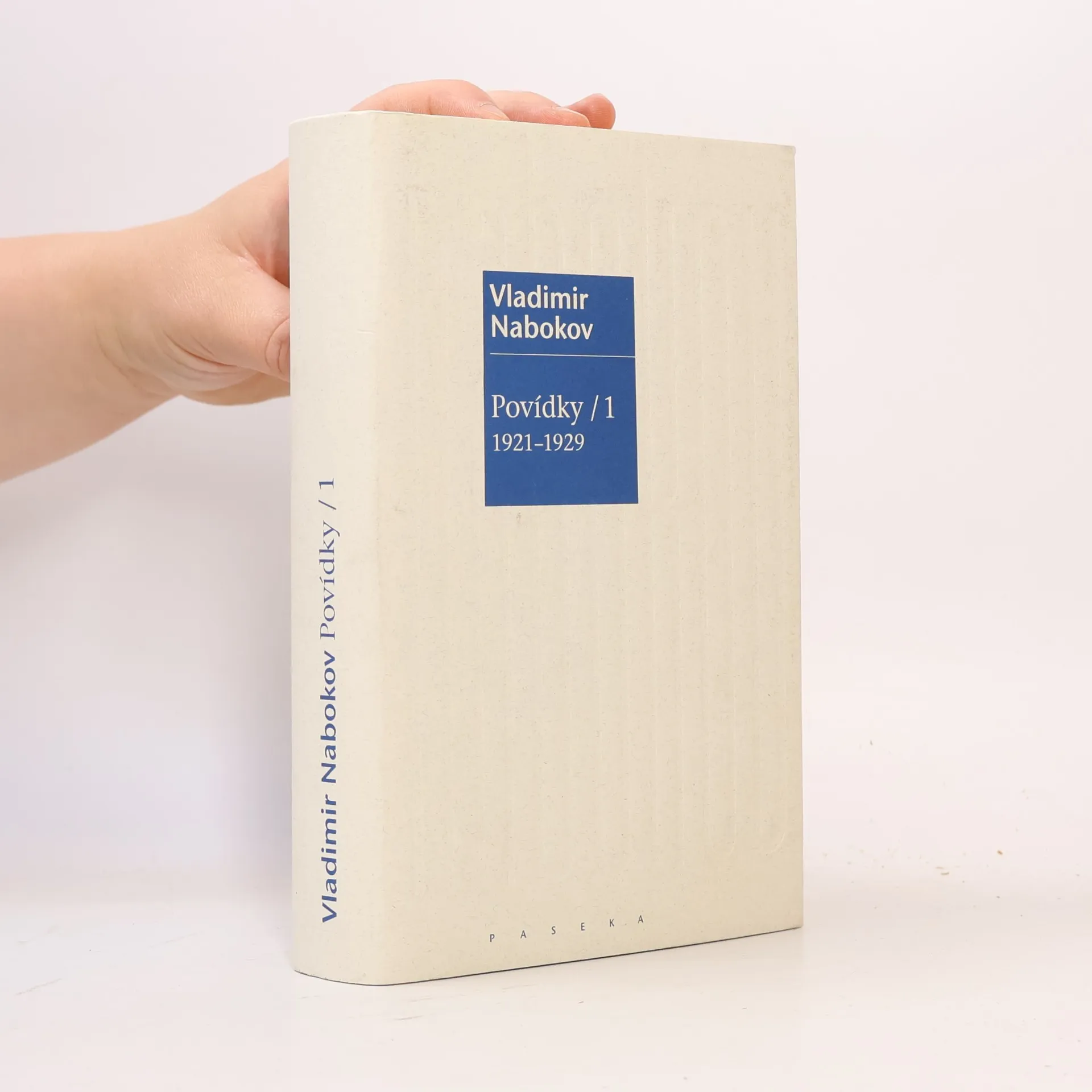
    • Povídky. 1. : 1921-1929

      • 340pagine
      • 12 ore di lettura

      První ze tří svazků shrnujících česky poprvé Nabokovovo povídkové dílo přináší v chronologickém pořadí devětadvacet próz, které autor napsal během svého pobytu v berlínském exilu v letech 1921–29. Již v nich lze rozeznat výjimečné vypravěčské umění, bohatou obraznost a metaforičnost, smysl pro humor i přesné a zároveň neotřelé vidění okolního světa, jež se později staly charakteristickými znaky Nabokovova stylu. Čtrnáct z povídek obsažených ve svazku vychází v českém překladu poprvé.

      Povídky. 1. : 1921-1929
      4,5
    • "Русское детство Набокова" - так можно было бы назвать этот оригинальный сборник, в который кроме автобиографии "Другие берега" вошли рассказы "Письмо в Россию", "Обида", "Лебеда", "Адмиралтейская игла", а также стихотворения разных лет. Сборник снабжен обширным комментарием.

      Популярная библиотека: Другие берега
      5,0
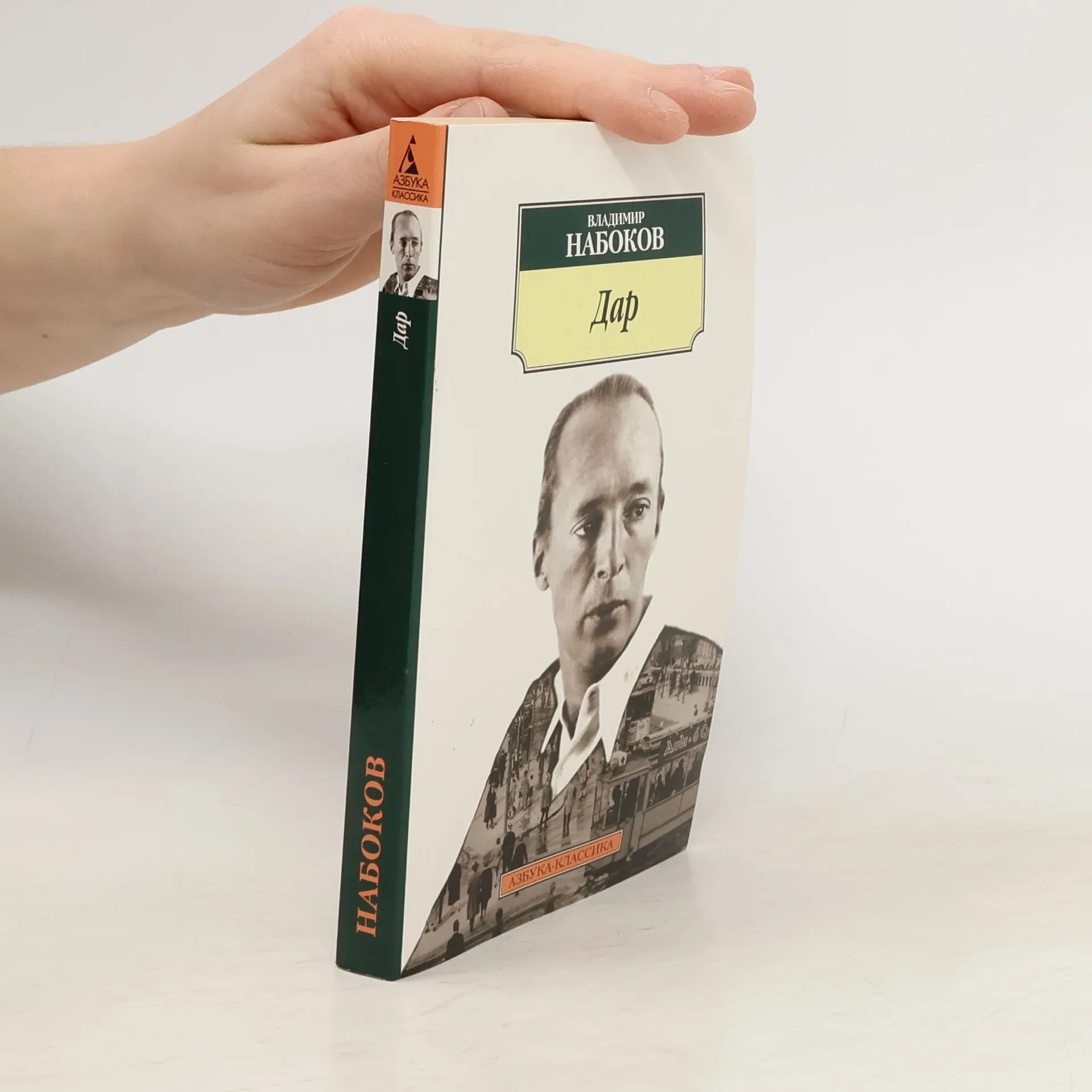
    • Азбука-Классика: Дар

      • 4212pagine
      • 148 ore di lettura

      Роман полон светлого оптимизма, потому что всемирные гуманитарные ценности, независимые от идеологии общества - добротерпение, порядочность, сострадание к людям - остаются с героями, несмотря ни на какие обстоятельства

      Азбука-Классика: Дар
      4,5
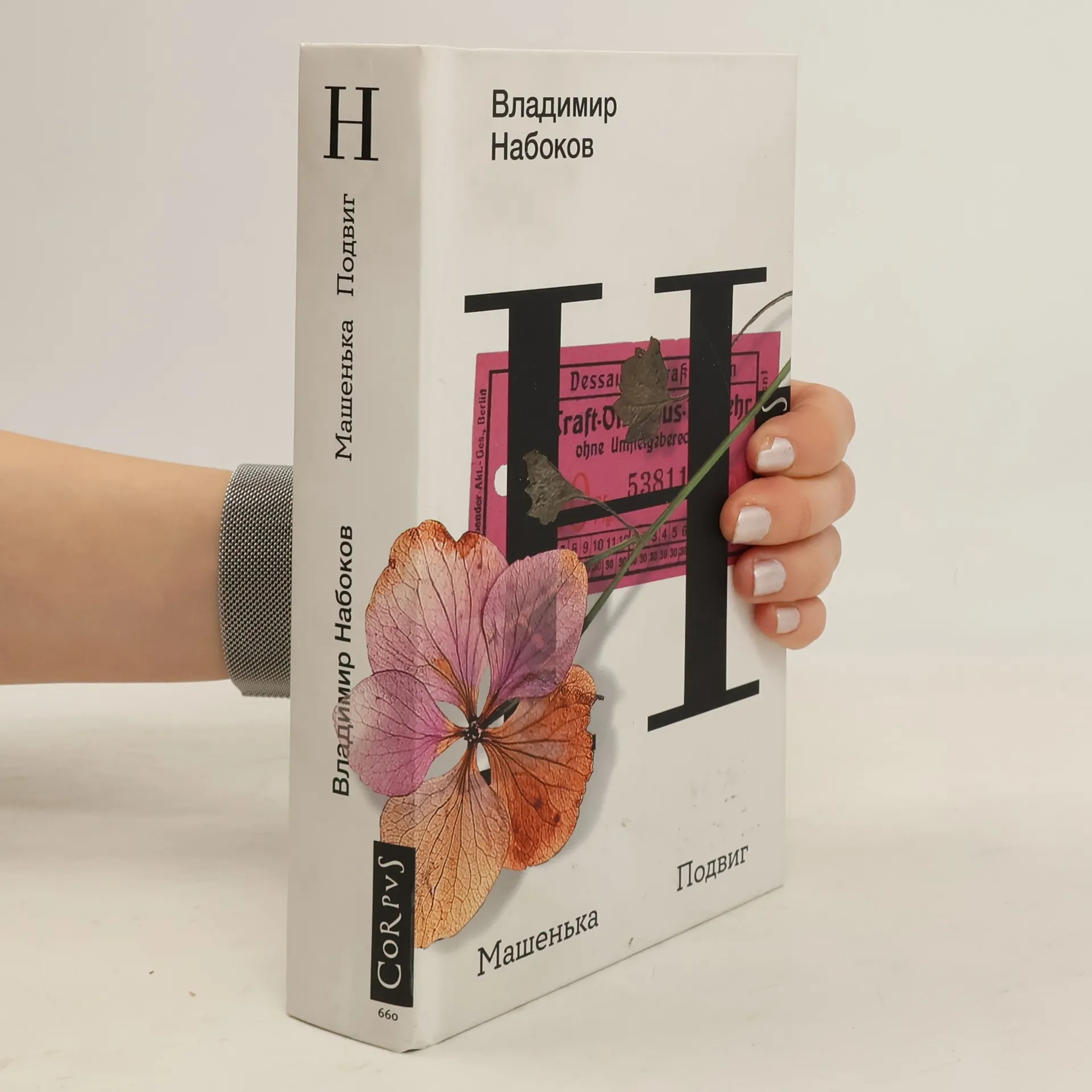
    • Машенька / Подвиг

      • 416pagine
      • 15 ore di lettura

      В книгу включены два романа классика литературы русского зарубежья Владимира Набокова, написанные в русскоязычный, «сиринский» период его творчества. «Машенька» (1925–1926, опубл. 1926) – первый и наиболее автобиографичный роман писателя, книга о «странностях воспоминанья», о прихотливом переплетении узоров русского прошлого и берлинского настоящего в жизни эмигранта Льва Ганина, воскрешающего в памяти историю своей первой любви. «Подвиг» (1930, опубл. 1931–1932) повествует о судьбе Мартына Эдельвейса – молодого русского эмигранта со швейцарскими корнями, чей жизненный путь пролегает едва ли не через всю Европу, отчасти совпадая с эмигрантскими маршрутами автора и заставляя вспомнить старинное значение слова "подвиг" – путешествие, странствие, движение. Мартын упорно ищет себя – в творчестве, в труде, в любви, в спорте, в разнообразных проверках собственной смелости, – а в финале романа вступает на стезю истинного подвига: отвергая возможность легального возвращения в Россию, он тайно, с риском для жизни, переходит русскую границу и исчезает в таинственном сумраке лесной тропы…

      Машенька / Подвиг
      4,4
    • Возвращение Чорба

      • 192pagine
      • 7 ore di lettura

      Рассказы Набокова прославлены в принципе значительно меньше, чем его романы. Однако `малые` произведения этого писателя занимают в его творчестве совершенно особое, самостоятельное место, и каждый из них, по справедливому замечанию критиков, стилистически`выполняет собственные и несколько иные задачи` (иные – конечно же, по отношению к `крупным` набоковским произведениям). Итак, `реалистическое письмо` - или `лабораторное творчество`? А может быть, просто новое `возвращение в утраченное время`? Каждый читатель решит это для себя сам…

      Возвращение Чорба
      4,4
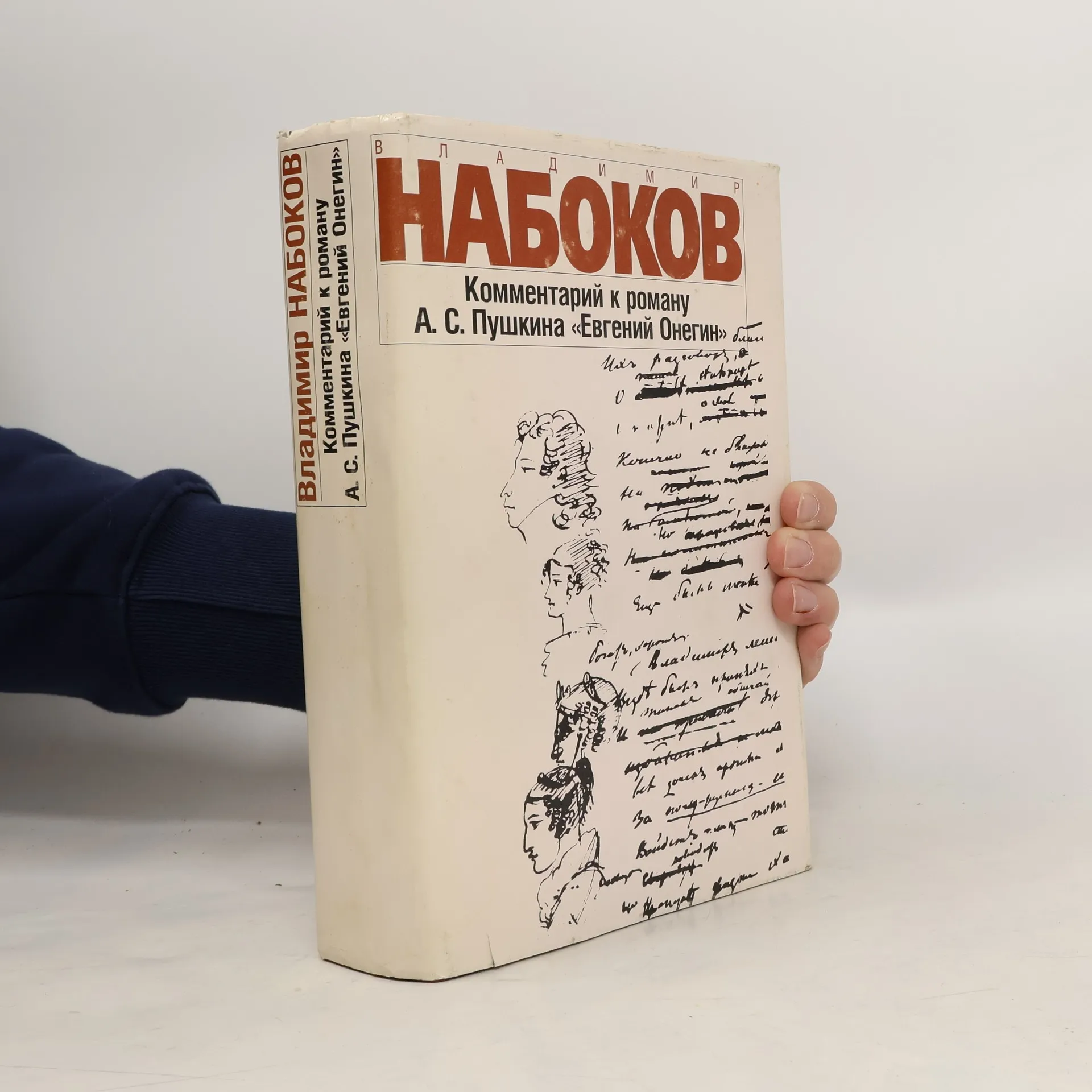
    • Это первая публикация русского перевода знаменитого `Комментария` В. В. Набокова к пушкинскому роману. Издание на английском языке увидело свет еще в 1964 г. и с тех пор неоднократно переиздавалось. Набоков выступает здесь как филолог и литературовед, человек огромной эрудиции, великолепный знаток быта и культуры пушкинской эпохи. Набоков - комментатор полон неожиданностей: он то язвительно - насмешлив, то восторженно - эмоционален, то рассудителен и предельно точен. В качестве приложения в книгу включеныстатьи Набокова `Абрам Ганнибал`, `Заметки о просодии` и `Заметки переводчика`. В книге представлено факсимильное воспроизведение прижизненного пушкинского издания `Евгения Онегина` (1837) с примечаниями самого поэта. Издание представляет интерес для специалистов - филологов, литературоведов, переводчиков, преподавателей, а также всех почитателей творчества Пушкина и Набокова.

      Комментарий к роману А. С. Пушкина `Евгений Онегин`
      4,3
    • Der neue Nachbar

      Erzählungen 1925 - 1934

      "Der neue Nachbar" enthält die Erzählungen aus den Jahren 1925-1934, in denen Vladimir Nabokov in Berlin lebte. "Tschorbs Rückkehr" und "Berlin, ein Stadtführer" entstehen 1925 und weisen auf das hin, was kommen sollte: Fortan wird Nabokov seine Leser aus ihrer gewohnten Welt-Perspektive herausreißen, wird "Kunst" für ihn gleichbedeutend sein mit der Bereitschaft, die Welt mit einem Sinn für das Wahrnehmbare zu betrachten, wie durch ein Teleskop oder Mikroskop.

      Der neue Nachbar
      4,5
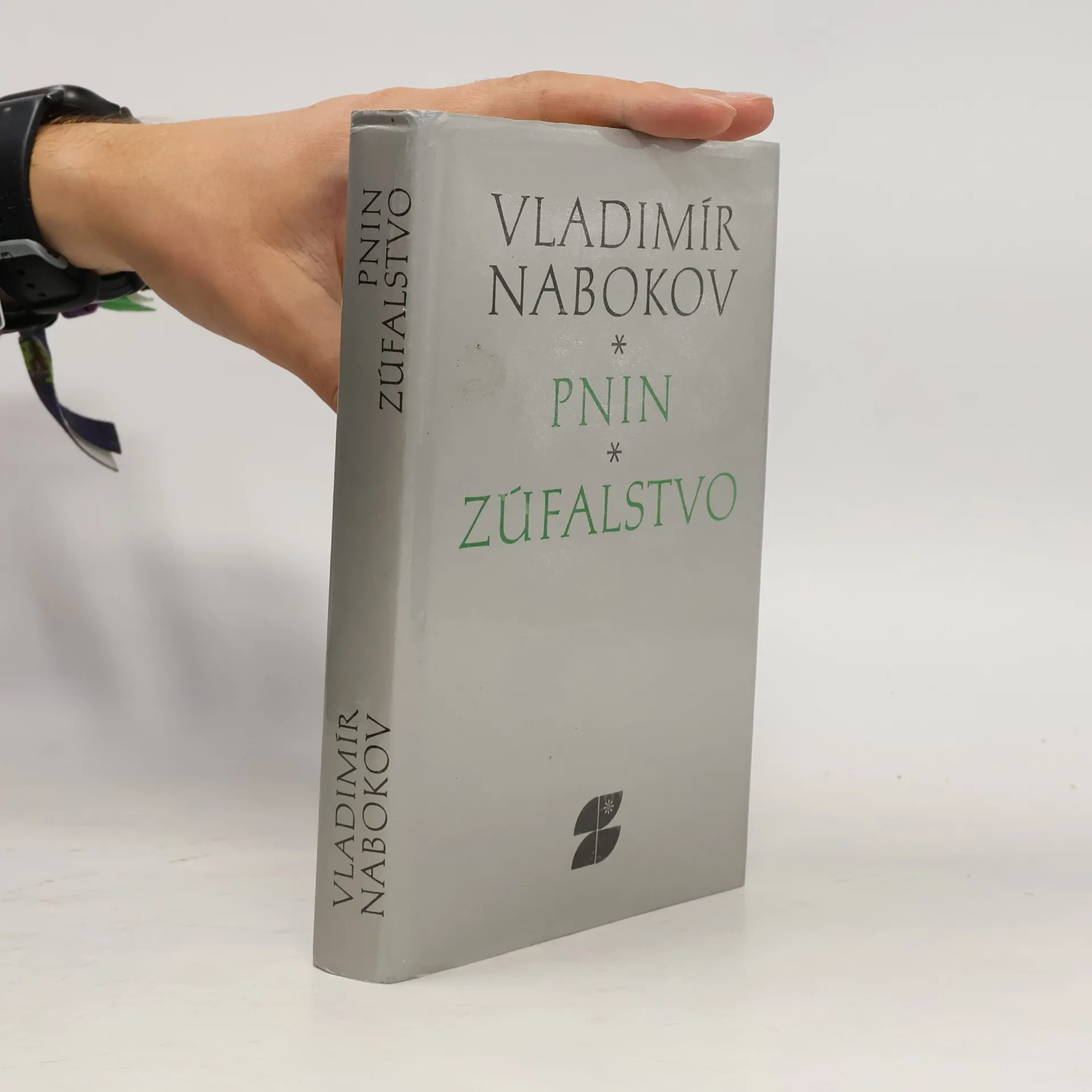
    • Příběh „věčného exulanta“ Timofeje Pavloviče Pnina a jeho hořce komické konfrontace s americkým akademickým prostředím i se západním světem vůbec patří k Nabokovovým čtenářsky nejvděčnějším románům. Postava nepřízní osudu stíhaného ruského profesora vyučujícího na provinční americké univerzitě v něm autorovi umožnila rozehrát řadu nezapomenutelných epizod, ale i nenápadnou a důvtipnou hru s literárními konvencemi. Próza Zúfalstvo je sedmým beletristickým dílem ruskoamerického spisovatele, autora proslulé Lolity. Kniha vyšla v r. 1936 v ruštině a už o rok později byla přeložena do angličtiny. Příběh setkání hrdiny s dvojníkem je Nabokovovi záminkou k příznačným postřehům, ironickým pozorováním a jedovatým sarkasmům, které rozhodně nejsou pouhým pozadím kriminální zápletky.

      Pnin / Zúfalstvo
      5,0
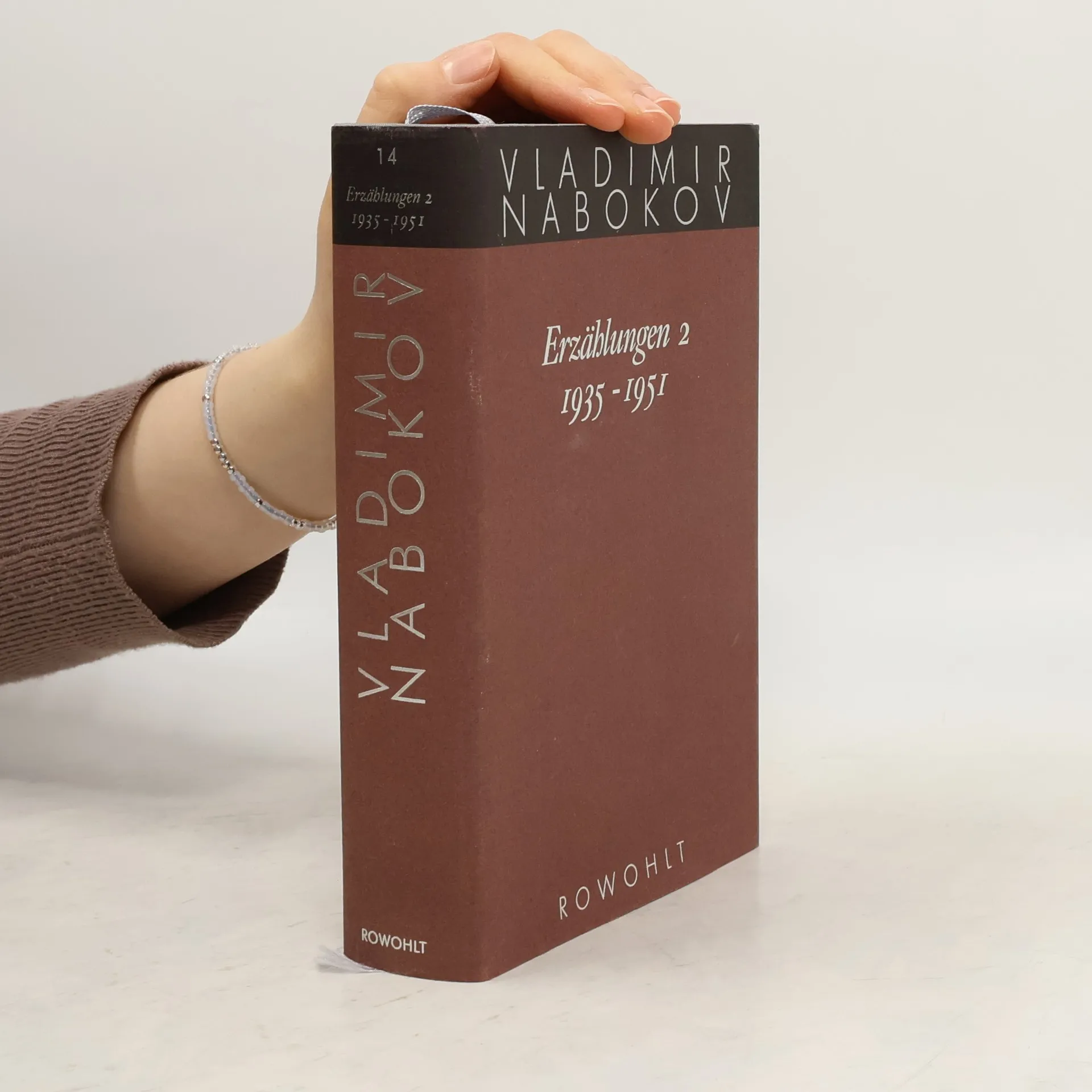
    • Die Jahre zwischen 1935 und 1951, der Zeitraum, den der zweite Band der "Erzählungen" dieser Werkausgabe umfasst - bergen für Nabokov und seine Familie unter anderem die entscheidenden Ereignisse der wiederholten Flucht vor den Nationalsozialisten. Die Erzählungen, die in jener Zeit entstanden, sind in drei Sprachen geschrieben. Die Mehrheit noch in russisch, eine in französisch, von 1943 an dann alle in englisch. Der Autor hat einen Großteil der russischen später selbst, oft zusammen mit seinem Sohn Dimitri, ins Englische übertragen, und nach diesen definitiven Textfassungen wurden sie in ihrer Mehrzahl zum ersten Mal ins Deutsche übersetzt. Der vorliegende zweite Band enthält, in chronologischer Reihenfolge wie der erste, die reifen Erzählungen Nabokovs, darunter die im Herbst 1939 in Paris geschriebene Novelle "Der Zauberer", "eine Art Prä-Lolita", in der der Autor, sechzehn Jahre vor Erscheinen seines berühmtesten Romans, das Lolita-Thema findet und darstellt.

      Gesammelte Werke - 14: Erzählungen 2. 1935-1951
      4,0
    • La méprise

      • 308pagine
      • 11 ore di lettura

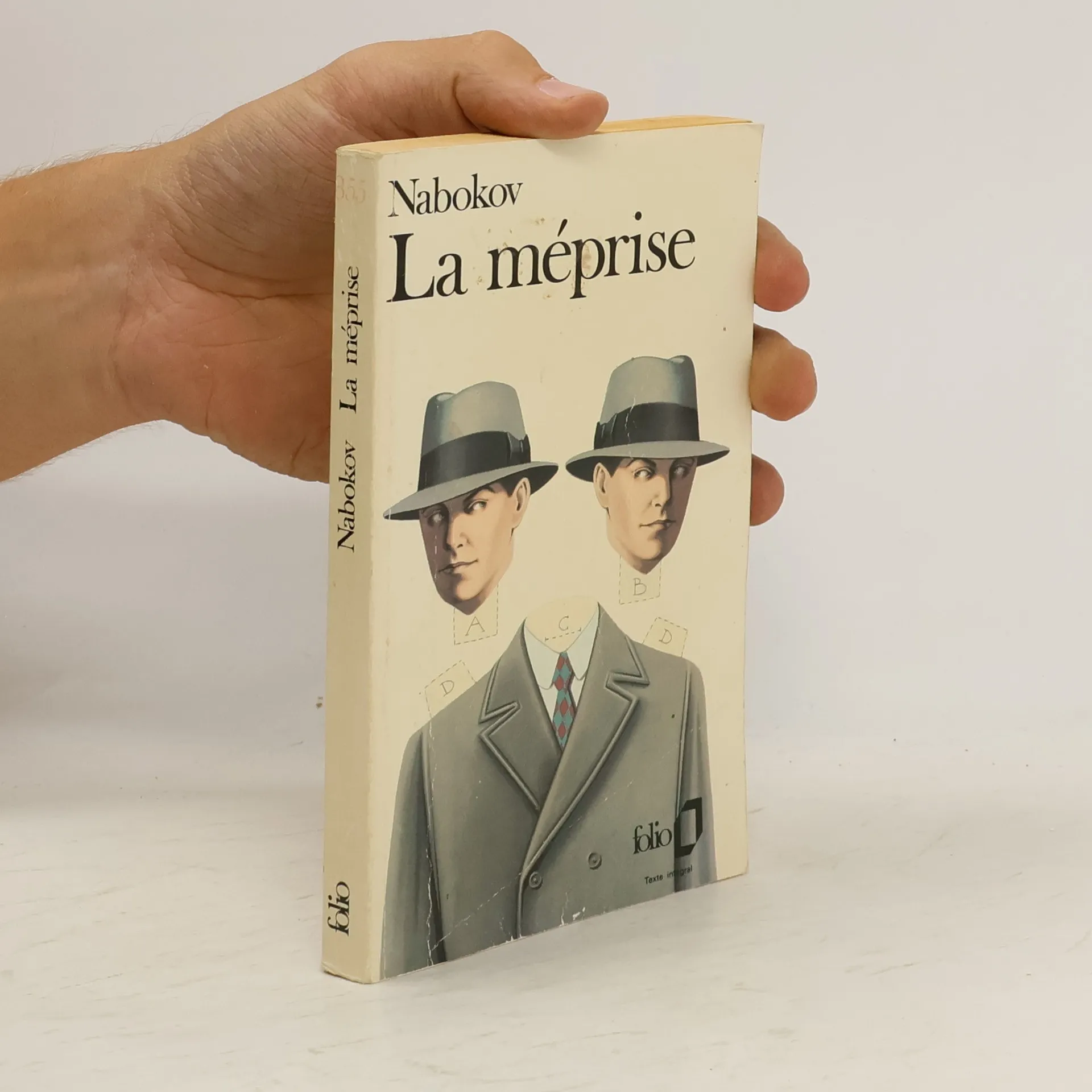
      "La méprise, dans un esprit de parenté absolu avec le reste de mes livres, n'a aucun commentaire social à faire, ni aucun message à accrocher entre ses dents. Ce livre n'exalte pas l'organe spirituel de l'homme et n'indique pas à l'humanité quelle est la porte de sortie. Il contient bien moins "d'idées" que tous ces plantureux et vulgaires romans que l'on acclame si hystériquement dans la petite allée des rumeurs entre les balivernes et les huées. [...]Hermann et Humbert sont identiques comme deux dragons peints par le même artiste à différentes périodes de sa vie peuvent se ressembler. Tous deux sont des vauriens névrosés ; cependant il existe une verte allée du Paradis où Humbert a le droit de se promener à la nuit tombée une fois dans l'année ; mais l'Enfer ne mettra jamais Hermann en liberté surveillée."Vladimir Nabokov.

      La méprise
      4,0
    • Der im vorrevolutionären Russland geborene Autor Vadim Vadimowitsch N. hat lebenslang an den Folgen seiner nicht ganz geklärten, aber hohen Abkunft und seiner künstlerischen Seele zu tragen. Ein Linksrechts-Tick, der in seiner Vorstellung jede Kehrtwendung vereitelt, bringt ihm die Orientierung so sehr durcheinander, dass er sich für verrückt halten muss. Vielleicht hängt seine «geistige Krankheit, mit der Mahnung seiner Großtante Baronin Bredow, geborene Tolstoi, zusammen, bei der er aufwuchs: «Sieh doch die Harlekins!» — «Was für Harlekins? Wo?» — «Oh, überall. Rings um dich herum. Bäume und Wörter sind Harlekins. Erfinde die Welt! Erfinde Wirklichkeit!» Dies nun befolgt unser Autor bis zum Exzess...

      Sieh doch die Harlekins
      4,0
    • Mit «Gelächter im Dunkel» und «Verzweiflung», den beiden Romanen dieses Bandes, geht Nabokovs erste russische Phase zu Ende. Sie entstanden, kurz bevor er erzählerisch neu ansetzte: «Gelächter im Dunkel» 1931, «Verzweiflung» 1932. Beide spielen Ende der zwanziger Jahre in Berlin, aber nur der erste ganz unter Deutschen. Mit dem früheren Roman «König Dame Bube» zusammen sind sie Nabokovs kinohafteste Werke, und beide wurden sie viel später tatsächlich verfilmt, «Gelächter im Dunkel» von Tony Richardson und «Verzweiflung» von Rainer Werner Fassbinder. Nabokov hatte es sich zum Prinzip gemacht, niemandem einen Blick in seine Werkstatt zu gewähren. Als er seinen russischen Roman «Camera obscura» unter dem Titel «Gelächter im Dunkel» 1937 selbst ins Englische übersetzte, bearbeitete er ihn so stark, daß in gewisser Hinsicht ein neuer Roman entstand. Dieser Band enthält im Anhang auch die erste Übersetzung der Urfassung und erlaubt dem neugierigen Leser erstmals einen Vergleich beider Textfassungen – er gewährt ihm damit mittelbar doch einen Blick in Nabokovs Werkstatt.

      Gelächter im Dunkel / Verzweiflung / Camera obscura
      4,0
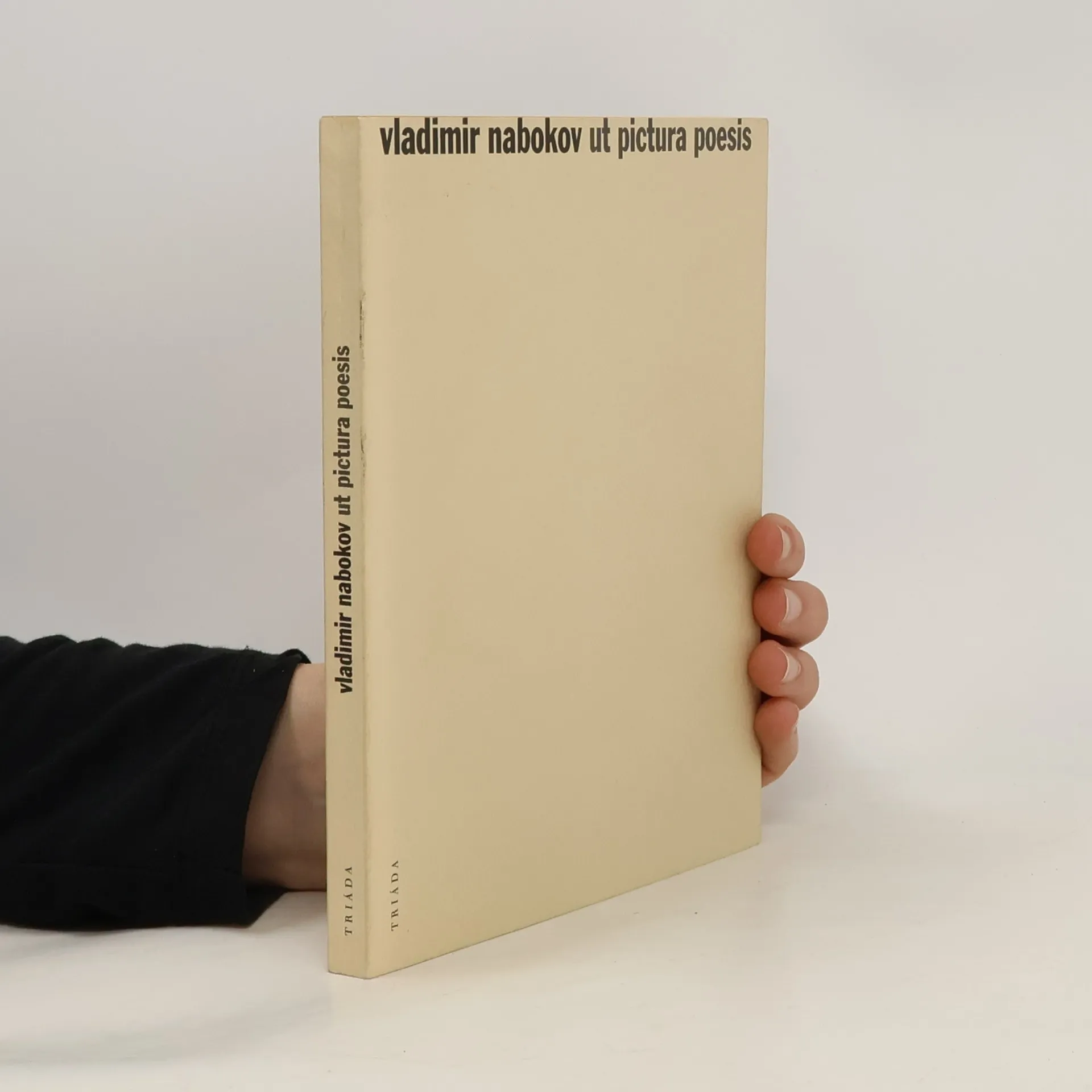
    • Ut pictura poesis

      • 127pagine
      • 5 ore di lettura

      Vybrané básně z let 1918-1973. Výběr z Nabokovovy poezie, který souzní s lyrismem jeho tvorby prozaické.

      Ut pictura poesis
      4,3
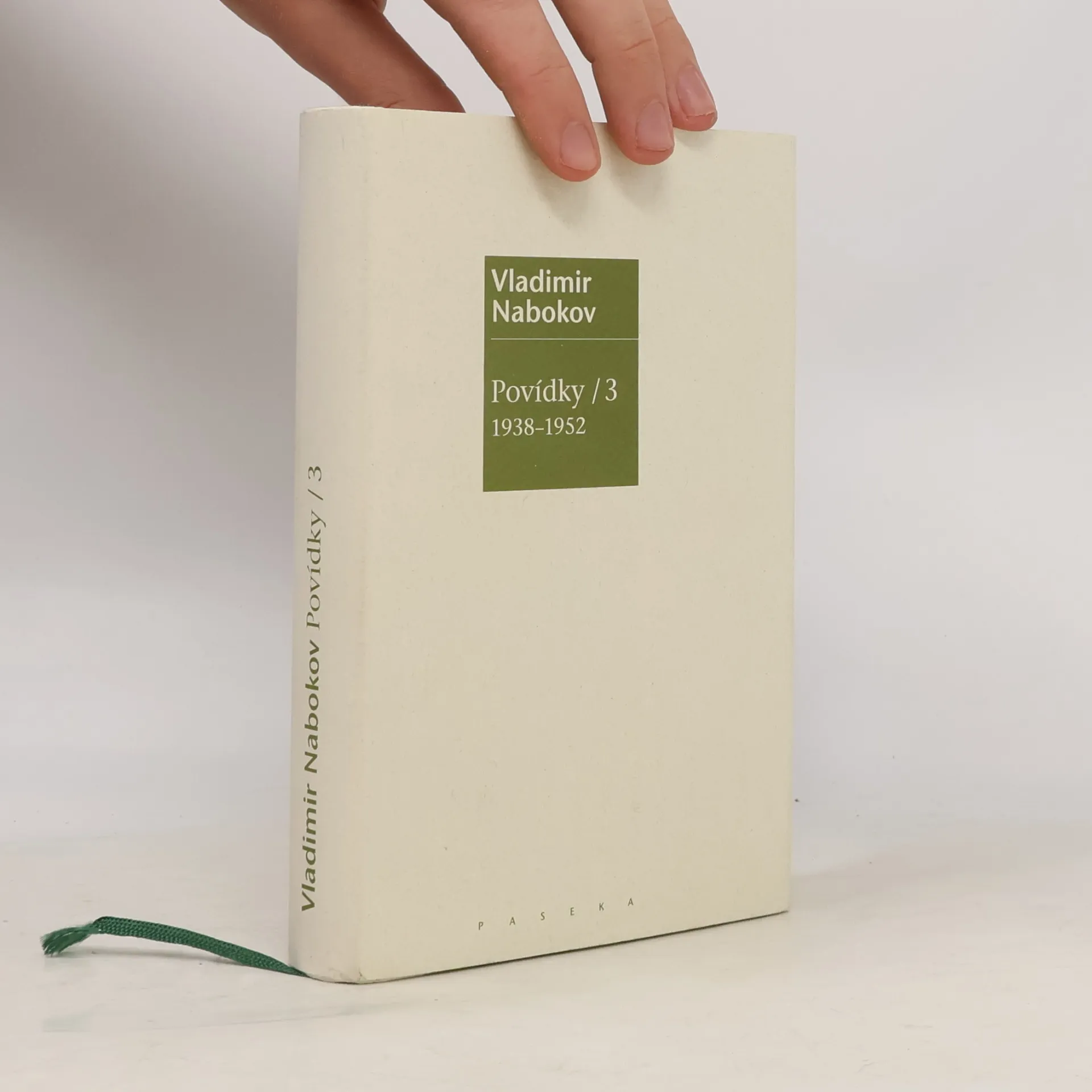
    • Závěrečnou část souborného vydání povídkového díla Vladimira Nabokova tvoří šestnáct próz z let 1938–1952, z větší části spadajících již do americké etapy autorovy literární dráhy. Svazek doplňují autorské a editorské komentáře a doslov k celému souboru, nabízejícímu českým čtenářům poprvé možnost seznámit se s významnou částí Nabokovovy beletristické tvorby v úplnosti. Doslov napsala Kamila Chlupáčová.

      Povídky 3
      4,3
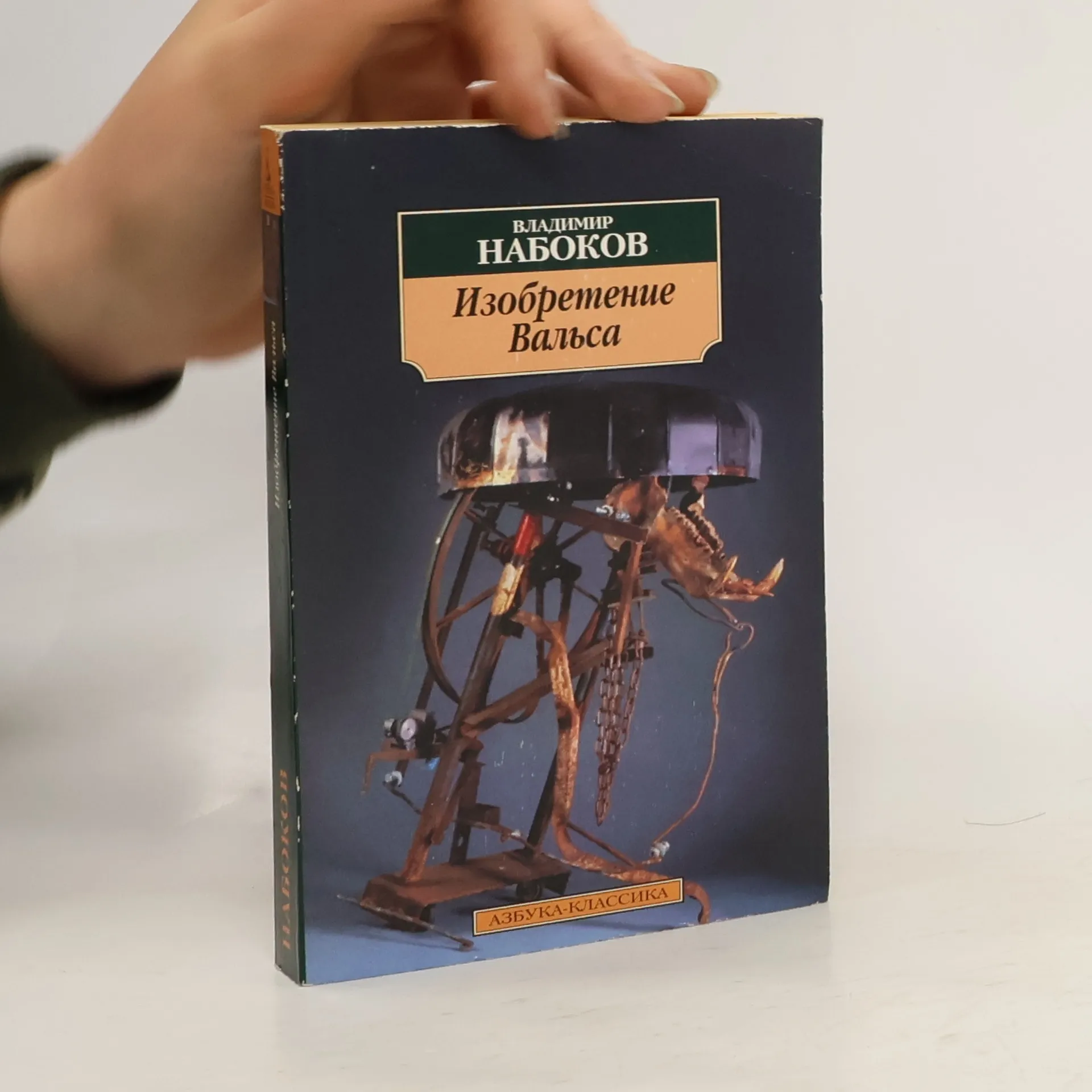
    • Изобретение вальса

      пьесы

      • 281pagine
      • 10 ore di lettura

      Что роднит драматургию Набокова с его стихами и прозой? Как минимум - незримо или зримо присутствующая Россия. Как максимум - тоска по родине, эта "давно разоблаченная морока". Ранние романтические пьесы ("Смерть", "Полюс", "Дедушка", "Скитальцы") написаны в 1923-1924 годах в Берлине; "Событие" и "Изобретение вальса" - во Франции в 1938 году. Постоянное осмысление феномена смерти и растущая по мере временного отдаления тоска по России, столь феерически разрешившаяся в романе "Дар" (1937) и "Других берегах" (1954), - вот два полюса, обеспечившие электрический разряд набоковского творчества. Смерть Дедушка Скитальцы Полюс Событие Изобретение Вальса

      Изобретение вальса
      4,2
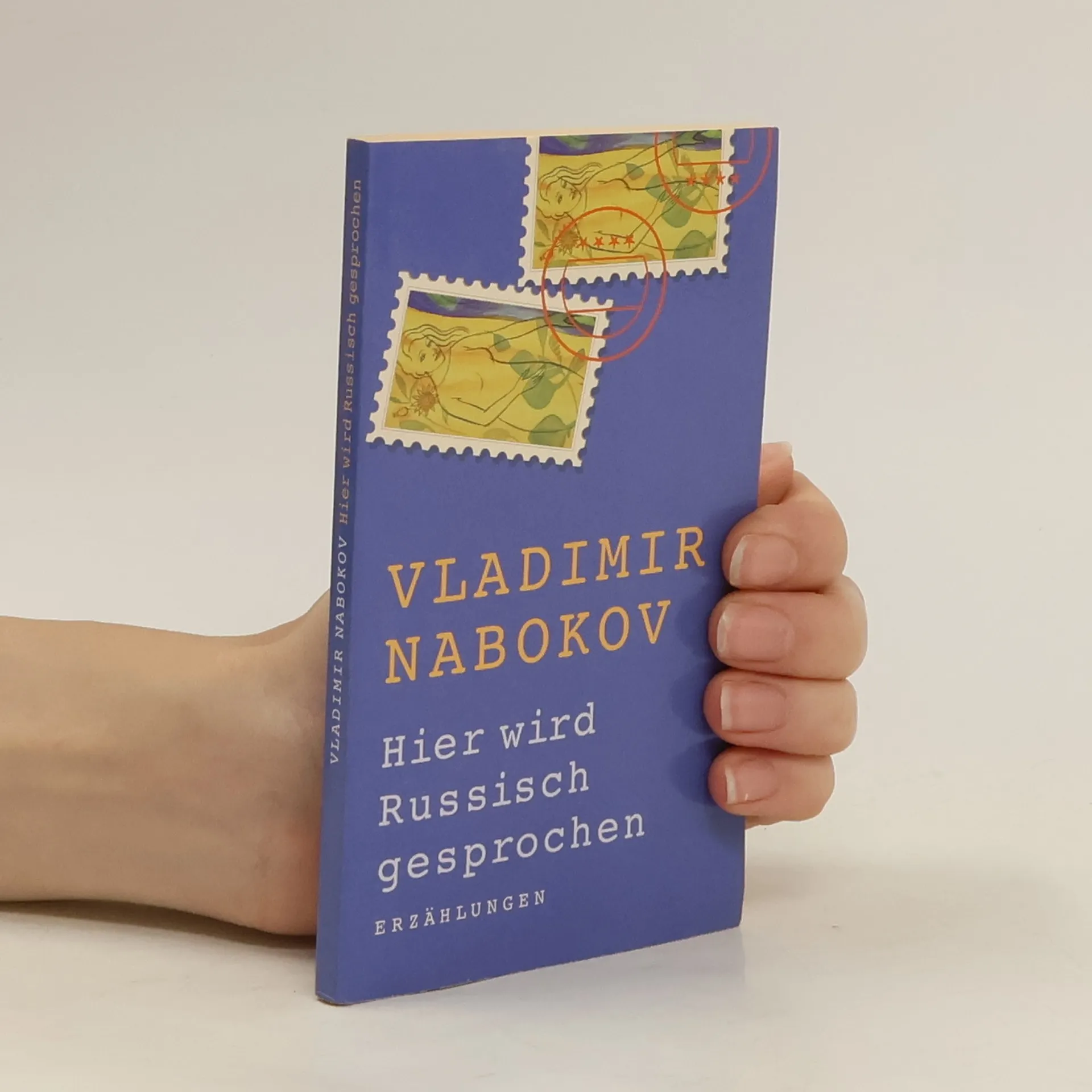
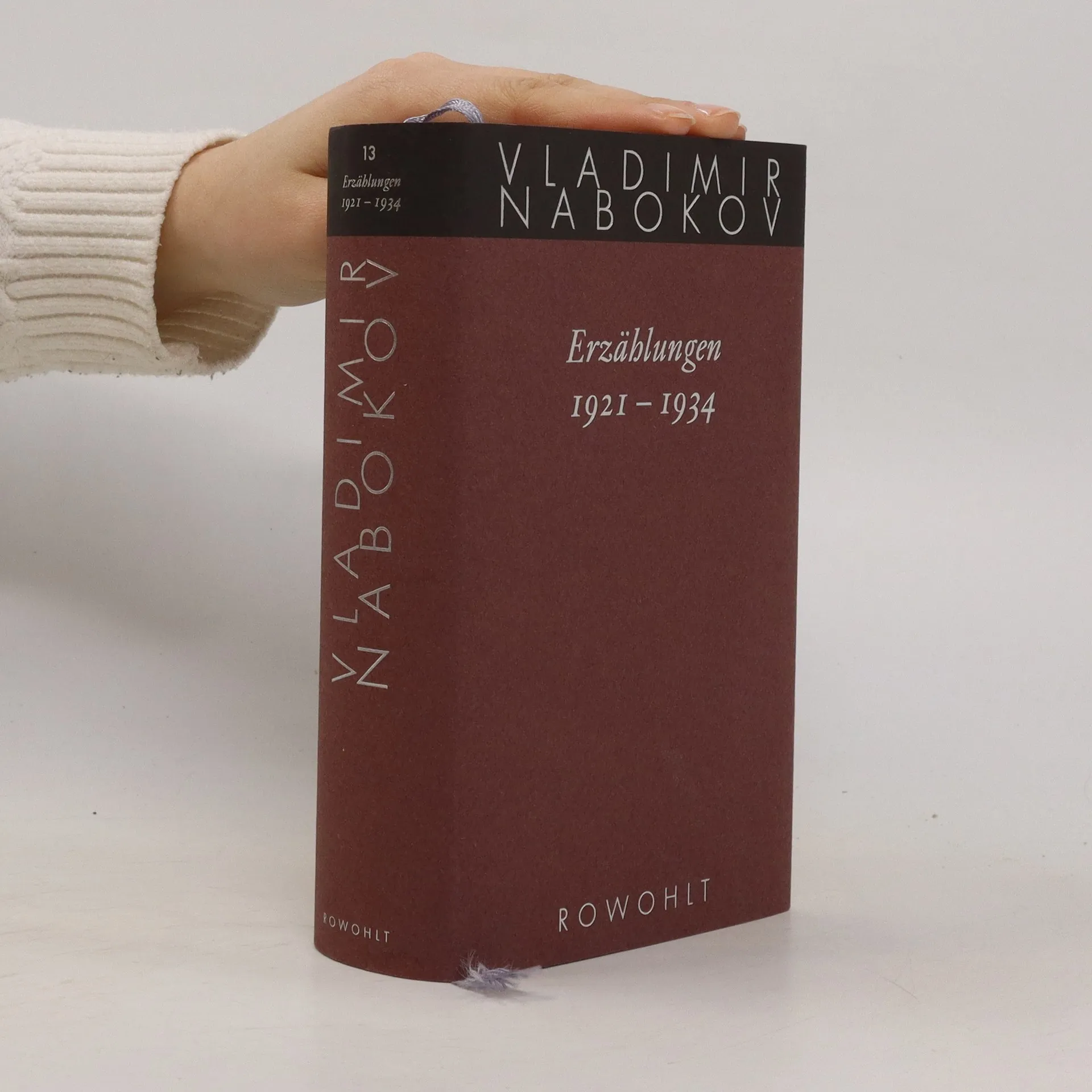
    • Anfang 1921 erschien in der russischen Tageszeitung "Rul" in Berlin die erste Kurzgeschichte des gerade 21jährigen Vladimir Nabokov unter dem Pseudonym W. Sirin. In den darauffolgenden Jahren, im Zeitraum von 1921 bis 1934, den der erste Band der Erzählungen umfasst, findet Nabokov die Richtung seines künstlerischen Wegs. Fortan wird er seine Leser aus ihrer gewohnten Welt-Perspektive herausreißen, wird "Kunst" für ihn gleichbedeutend sein mit der Bereitschaft, die Welt mit einem Sinn für das Wunderbare zu betrachten, wie durch ein Teleskop oder ein Mikroskop. Sechs der frühen Erzählungen aus der Berliner Zeit werden in diesem Band erstmals veröffentlicht.

      Erzählungen 1921-1934
      4,0