



Parametri
Maggiori informazioni sul libro
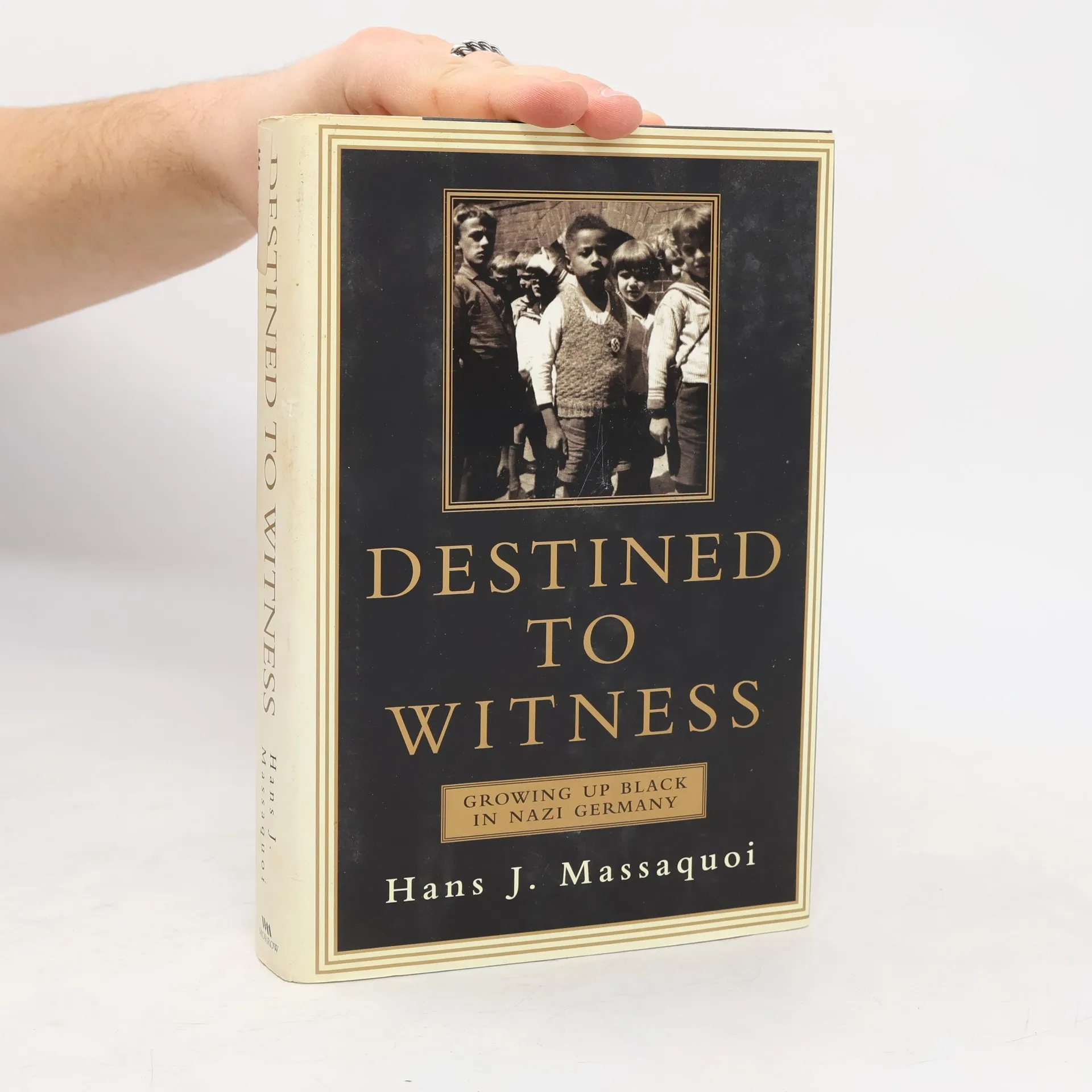
Many Holocaust survival stories focus on disguise, as Jews often had to impersonate others to survive. Imagine a person born as a target of Nazi hatred with no option for disguise. Hans, the son of a wealthy African and a white German nurse, initially lived a privileged life. However, due to concerns about his health, his mother stayed in Germany while his father and grandfather returned to Liberia. Their circumstances changed drastically, and they became part of Hamburg's impoverished working class, living in a cramped attic without hot water or electricity. This shift marked the beginning of their hardships. For twelve harrowing years after Hitler's rise, Hans, like all non-Aryans, faced dehumanization and danger from the Nazis. He lived in constant fear of death, whether from Gestapo executioners or Allied bombings, until liberation by British troops in 1945. What distinguishes Hans's story is his visibility as an easily recognizable target, isolated from any racial community. This memoir is a powerful testament of courage, emotion, and intellect that resonates with readers everywhere.



Acquisto del libro
Destined to witness, Hans J. Massaquoi
- Lingua

- Pubblicato
- 1999
- Rilegatura
- (Copertina rigida)
Metodi di pagamento
Qui potrebbe esserci la tua recensione.
- Titolo
- Destined to witness
- Lingua
- Inglese
- Autori
- Hans J. Massaquoi
- Editore
- Morrow
- Pubblicato
- 1999
- Formato
- Copertina rigida
- ISBN10
- 0688171559
- ISBN13
- 9780688171551
- Serie
- Tag
- Saggistica, Tema stórico, Storia, Storie vere, Biografie, Autobiografie e memorie, Germania, Storia Militare, Seconda guerra mondiale, Razza, Razzismo, Terzo Reich (Germania nazista), 1933-1945, Periodo post-bellico
- Titolo originale
- Destined to witness
- Valutazione
- 4,3 su 5
- Descrizione
- Many Holocaust survival stories focus on disguise, as Jews often had to impersonate others to survive. Imagine a person born as a target of Nazi hatred with no option for disguise. Hans, the son of a wealthy African and a white German nurse, initially lived a privileged life. However, due to concerns about his health, his mother stayed in Germany while his father and grandfather returned to Liberia. Their circumstances changed drastically, and they became part of Hamburg's impoverished working class, living in a cramped attic without hot water or electricity. This shift marked the beginning of their hardships. For twelve harrowing years after Hitler's rise, Hans, like all non-Aryans, faced dehumanization and danger from the Nazis. He lived in constant fear of death, whether from Gestapo executioners or Allied bombings, until liberation by British troops in 1945. What distinguishes Hans's story is his visibility as an easily recognizable target, isolated from any racial community. This memoir is a powerful testament of courage, emotion, and intellect that resonates with readers everywhere.