

Esaurito ma molto ricercato!

Maggiori informazioni sul libro
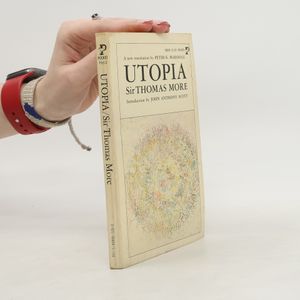
In Utopia, Thomas More gives us a traveller's account of a newly discovered island where the inhabitants enjoy a social order based on natural reason and justice, and human fulfilment is open to all. As the traveller, Raphael, describes the island to More, a bitter contrast is drawn between this rational society and the custom-driven practices of Europe. So how can the philosopher try to reform his society? In his fictional discussion, More takes up a question first raised by Plato and which is still a challenge in the contemporary world. In the history of political thought few works have been more influential than Utopia, and few more misunderstood.


Pubblicazione

- 2024

- 2024
- 2023
- 2023
- 2022
- 2022
- 2022
- 2022
- 2022
- 2022
- 2021
- 2021
- 2021
- 2021
- 2021
- 2021

- 2020
- 2020
- 2020
- 2020
- 2019
- 2019
- 2019
- 2018
- 2018
- 2018
- 2018
- 2018
- 2018
- 2018
- 2018
- 2018

- 2017
- 2017
- 2017
- 2016
- 2015
- 2014
- 2014
- 2013

- 2012
- 2012
- 2011
- 2011
- 2011
- 2011
- 2011

- 2010
- 2010
- 2010
- 2010
- 2009
- 2009
- 2008
- 2008

- 2006
- 2005
- 2005
- 2004

- 2001
- 1999







Acquisto del libro
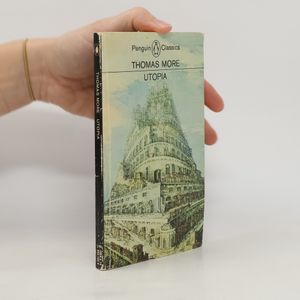
Utopia, Thomas Morus
- Lingua

- Pubblicato
- 2020
- Rilegatura
- (Copertina rigida)
Metodi di pagamento
Qui potrebbe esserci la tua recensione.
- Titolo
- Utopia
- Lingua
- Inglese
- Autori
- Thomas Morus
- Editore
- Penguin Books, Limited
- Pubblicato
- 2020
- Formato
- Copertina rigida
- Pagine
- 256
- ISBN10
- 0241382688
- ISBN13
- 9780241382684
- Serie
- Tag
- Narrativa, Temi religiosi, Tematica filosofica, Fantascienza, Classici, Politica, Tensione, Società, Inghilterra, Futuro, Isole, Socialismo, Utopie, Umanesimo, Stato, Esperimenti mentali
- Prima pubblicazione
- 1516
- Titolo originale
- Utopia
- Valutazione
- 3,45 su 5
- Descrizione
- In Utopia, Thomas More gives us a traveller's account of a newly discovered island where the inhabitants enjoy a social order based on natural reason and justice, and human fulfilment is open to all. As the traveller, Raphael, describes the island to More, a bitter contrast is drawn between this rational society and the custom-driven practices of Europe. So how can the philosopher try to reform his society? In his fictional discussion, More takes up a question first raised by Plato and which is still a challenge in the contemporary world. In the history of political thought few works have been more influential than Utopia, and few more misunderstood.