





Un classico molto coinvolgente
Il libro è attualmente esaurito
Serie
Maggiori informazioni sul libro
Like all of Hawthorne's novels, this work features a slender plot and few characters that significantly influence the story's development. Its dramatic force relies on the mental states of the characters and their relationships—particularly the dynamics of conscience between the wronged and the wrongdoers. The narrative's central theme is the burden of unacknowledged sin, exemplified by the remorse and suffering of Rev. Arthur Dimmesdale. In stark contrast to his concealed agony is Hester, who bears the weight of her transgression through the letter she wears. This has a dual effect: it fosters her growth into a benevolent and thoughtful person while simultaneously isolating her from society, ultimately leading her to contemplate escape and a return to sin. Roger Chillingworth represents a refined form of revenge, adding complexity to the story. One of the most striking moments occurs in "The Minister's Vigil" in chapter twelve. The work, while sharing thematic elements with Hawthorne's shorter stories, possesses a startling and dramatic quality that captivated a broader audience. Although it was not fully understood by all, it was recognized for its unique quality, solidifying Hawthorne's national reputation.
Pubblicazione



- 2024

- 2024
- 2024
- 2024
- 2024
- 2023
- 2023
- 2023
- 2023
- 2023
- 2023
- 2023
- 2023
- 2023
- 2023
- 2023
- 2023
- 2023
- 2023
- 2023
- 2023
- 2022
- 2022
- 2022
- 2021
- 2021
- 2021
- 2021
- 2020
- 2020
- 2020
- 2020
- 2020
- 2019
- 2019
- 2019
- 2019
- 2019
- 2019

- 2018
- 2018
- 2018
- 2018
- 2018
- 2018
- 2018
- 2018
- 2018
- 2018
- 2018

- 2017
- 2017
- 2017


- 2016
- 2016
- 2016
- 2016
- 2016


- 2015
- 2015

- 2015
- 2015
- 2014
- 2014
- 2014
- 2014
- 2013
- 2013


- 2012
- 2012
- 2012
- 2011
- 2011
- 2011
- 2011
- 2011
- 2011
- 2011
- 2010
- 2010
- 2010



- 2009
- 2009



- 2008
- 2008



- 2006
- 2006
- 2006





- 2000

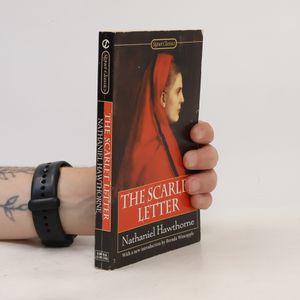


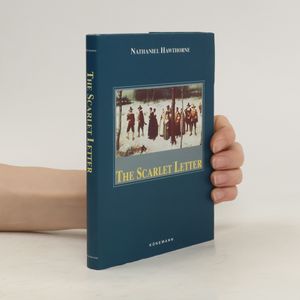

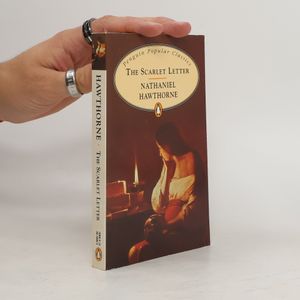


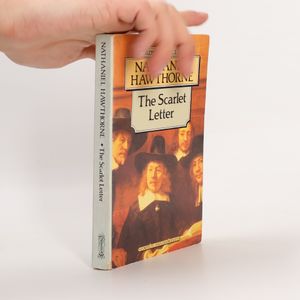
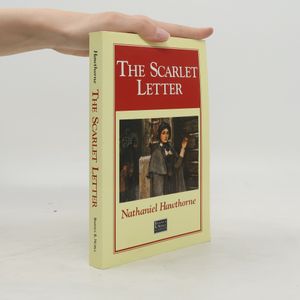
- 1992
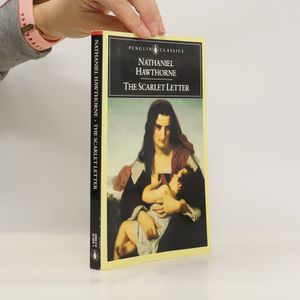




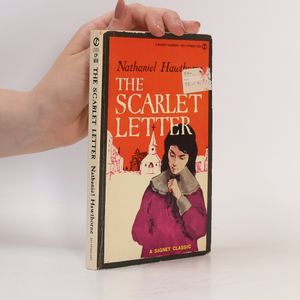







Acquisto del libro
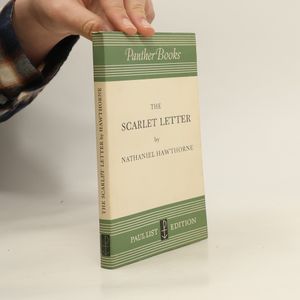
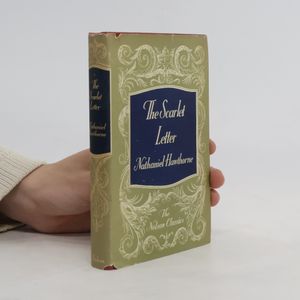
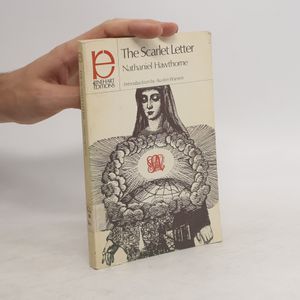
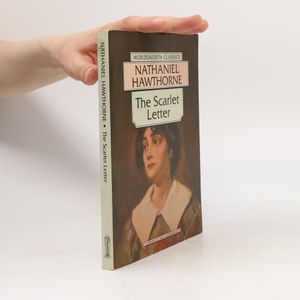
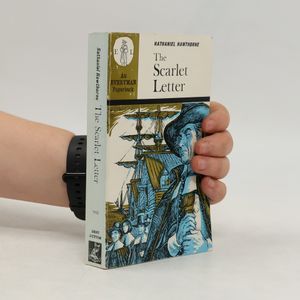
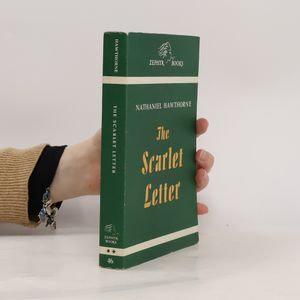
The Scarlet Letter, Nathaniel Hawthorne
- Lingua

- Pubblicato
- 2015
- Rilegatura
- (In brossura)
Metodi di pagamento

Segreto, colpa e ipocrisia puritana. Hester Prynne è costretta a indossare la lettera scarlatta come marchio del suo peccato. Hawthorne esplora le tensioni tra morale sociale e coscienza individuale, offrendo un classico senza tempo sulla colpa, la redenzione e il coraggio di vivere secondo le proprie convinzioni.
- Titolo
- The Scarlet Letter
- Lingua
- Inglese
- Autori
- Nathaniel Hawthorne
- Pubblicato
- 2015
- Formato
- In brossura
- Pagine
- 175
- ISBN10
- 1512090565
- ISBN13
- 9781512090567
- Serie
- Classici Manga
- Tag
- Narrativa, Prosa storica, Young Adult, Temi religiosi, Amore, Classici, USA, Bambini, Letteratura Americana, Scuola, Segreti, Adattato in un film, America, Seicento, Infedeltà, Moralità, Pregiudizi, Genitori single, Boston, Nuova Inghilterra, Puritani
- Prima pubblicazione
- 1850
- Titolo originale
- The Scarlet Letter
- Valutazione
- 3,45 su 5
- Descrizione
- Like all of Hawthorne's novels, this work features a slender plot and few characters that significantly influence the story's development. Its dramatic force relies on the mental states of the characters and their relationships—particularly the dynamics of conscience between the wronged and the wrongdoers. The narrative's central theme is the burden of unacknowledged sin, exemplified by the remorse and suffering of Rev. Arthur Dimmesdale. In stark contrast to his concealed agony is Hester, who bears the weight of her transgression through the letter she wears. This has a dual effect: it fosters her growth into a benevolent and thoughtful person while simultaneously isolating her from society, ultimately leading her to contemplate escape and a return to sin. Roger Chillingworth represents a refined form of revenge, adding complexity to the story. One of the most striking moments occurs in "The Minister's Vigil" in chapter twelve. The work, while sharing thematic elements with Hawthorne's shorter stories, possesses a startling and dramatic quality that captivated a broader audience. Although it was not fully understood by all, it was recognized for its unique quality, solidifying Hawthorne's national reputation.