

Maggiori informazioni sul libro
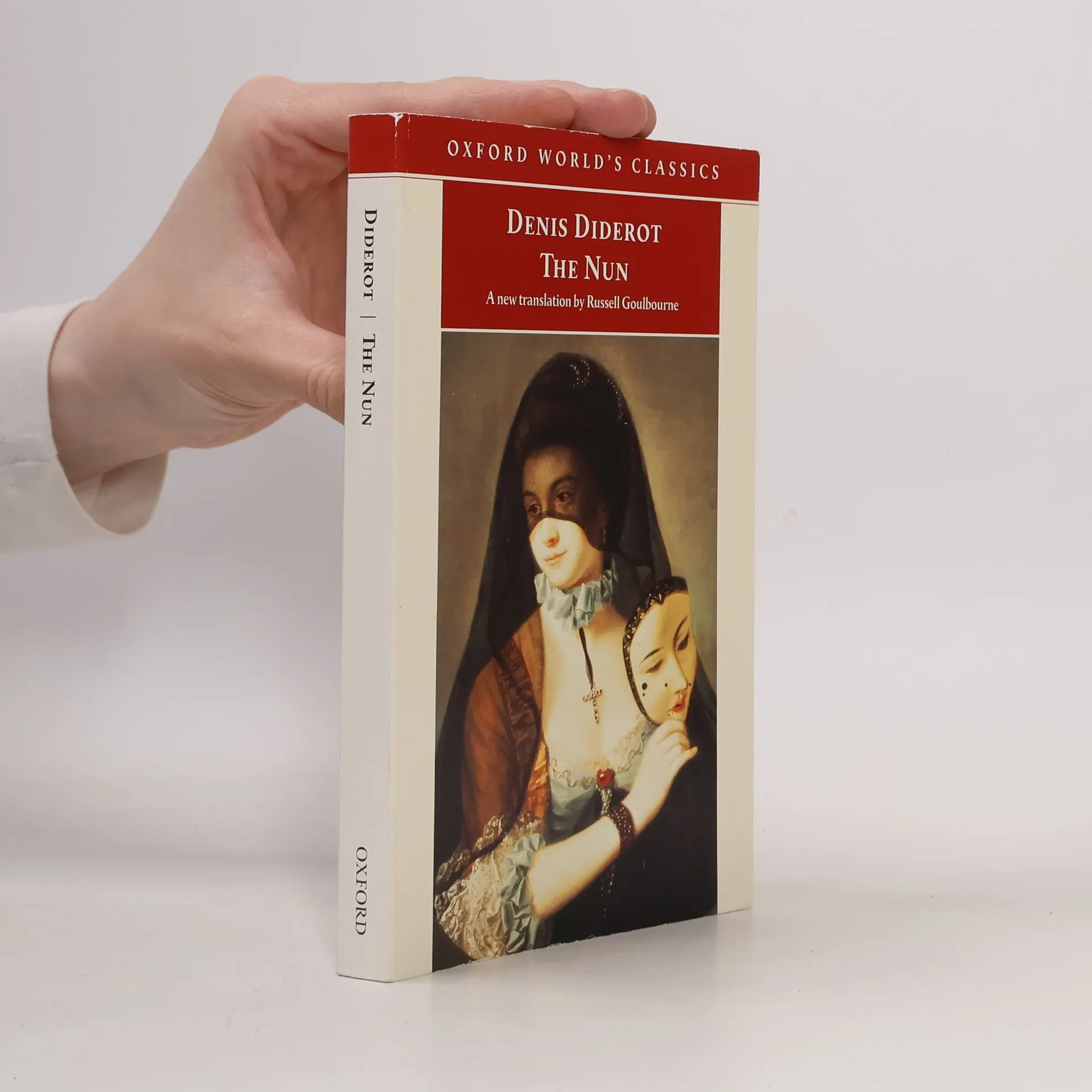
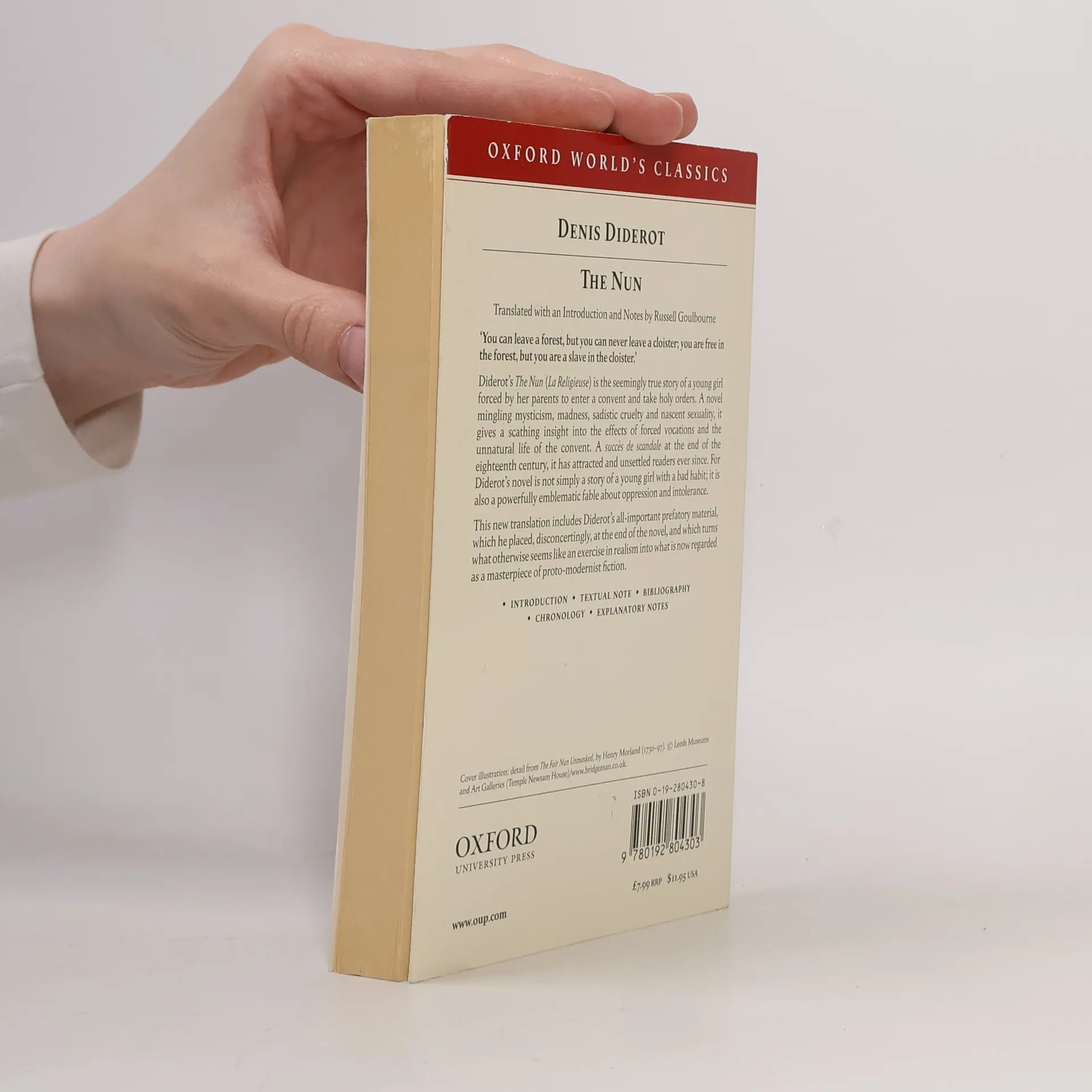
Diderot's The Nun (La Religieuse) is the seemingly true story of a young girl forced by her parents to enter a convent and take holy orders. A novel mingling mysticism, madness, sadistic cruelty and nascent sexuality, it gives a scathing insight into the effects of forced vocations and the unnatural life of the convent. A succès de scandale at the end of the eighteenth century, it has attracted and unsettled readers ever since. For Diderot's novel is not simply a story of a young girl with a bad habit; it is also a powerfully emblematic fable about oppression and intolerance.This new translation includes Diderot's all-important prefatory material, which he placed, disconcertingly, at the end of the novel, and which turns what otherwise seems like an exercise in realism into what is now regarded as a masterpiece of proto-modernist fiction.




Acquisto del libro
The Nun, Denis Diderot
- Lingua

- Pubblicato
- 2005
- Rilegatura
- (In brossura)
Metodi di pagamento
Qui potrebbe esserci la tua recensione.
- Titolo
- The Nun
- Lingua
- Inglese
- Autori
- Denis Diderot
- Editore
- Oxford University Press, USA
- Pubblicato
- 2005
- Formato
- In brossura
- Pagine
- 234
- ISBN10
- 0192804308
- ISBN13
- 9780192804303
- Serie
- Tag
- Temi religiosi, Tematica filosofica, Amore, Fantascienza, Classici, Francia, Romanzi sociali, Divertimento, Letteratura francese, Violenza, Satira, XVIII secolo, Destino, Intrighi, Illuminismo, Monasteri, abbazie, Fantascienza Umoristica, Suore, Ipocrisia
- Prima pubblicazione
- 1780
- Titolo originale
- La Religieuse
- Valutazione
- 3,75 su 5
- Descrizione
- Diderot's The Nun (La Religieuse) is the seemingly true story of a young girl forced by her parents to enter a convent and take holy orders. A novel mingling mysticism, madness, sadistic cruelty and nascent sexuality, it gives a scathing insight into the effects of forced vocations and the unnatural life of the convent. A succès de scandale at the end of the eighteenth century, it has attracted and unsettled readers ever since. For Diderot's novel is not simply a story of a young girl with a bad habit; it is also a powerfully emblematic fable about oppression and intolerance.This new translation includes Diderot's all-important prefatory material, which he placed, disconcertingly, at the end of the novel, and which turns what otherwise seems like an exercise in realism into what is now regarded as a masterpiece of proto-modernist fiction.