



Maggiori informazioni sul libro
On December 14, 1911, the classical age of polar exploration concluded when Norway's Roald Amundsen reached the South Pole, a month ahead of Britain's Robert Scott, who tragically perished on his return journey just 11 miles from safety. Ironically, Scott became a legend, celebrated as a heroic failure and a symbol of ambition and persistence, while Amundsen's achievements faded into obscurity. Biographer Huntford, in his 1979 work, sought to restore Amundsen's legacy, presenting a detailed account of this historic race. He aims to demythologize Scott, contrasting the amateur explorer's approach with Amundsen's professional rigor. Amundsen meticulously prepared, learning from Eskimos and embracing essential tools like skis and dogs, which ultimately aided his success. In Huntford's view, Amundsen embodies the "last great Viking," while Scott is depicted as "recklessly incompetent," whose decisions led to his team's demise. Despite Scott's flaws, his eloquent diaries captured public attention, contributing to his enduring fame. Ultimately, both explorers were valiant yet deeply flawed, with Scott seeking to be a heroic figure while Amundsen simply aimed to be first at the pole, and both achieved their goals.



Acquisto del libro
The Last Place on Earth, Roland Huntford, Martin Shaw
- Lingua

- Pubblicato
- 1983
- product-detail.submit-box.info.binding
- (In brossura),
- Condizioni del libro
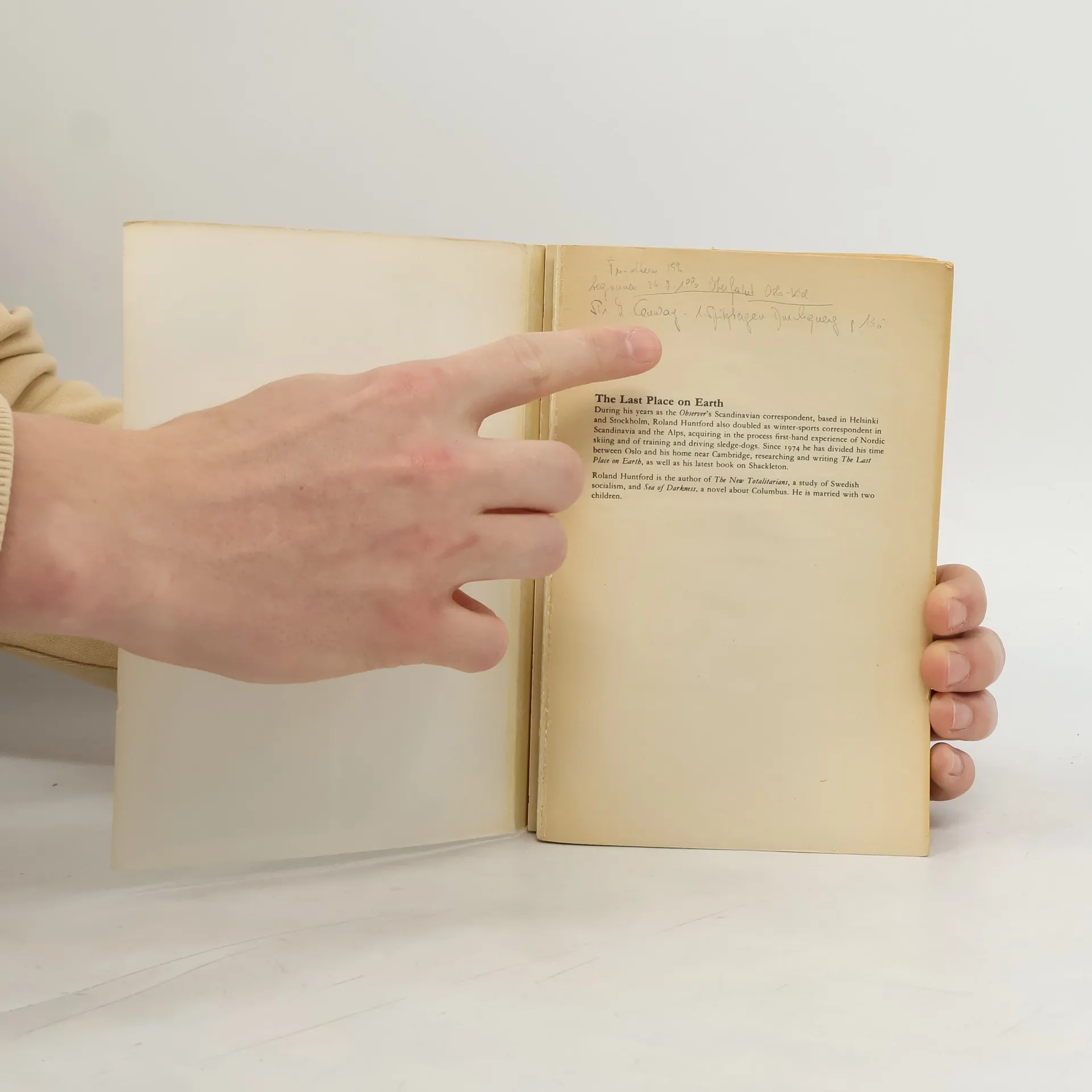
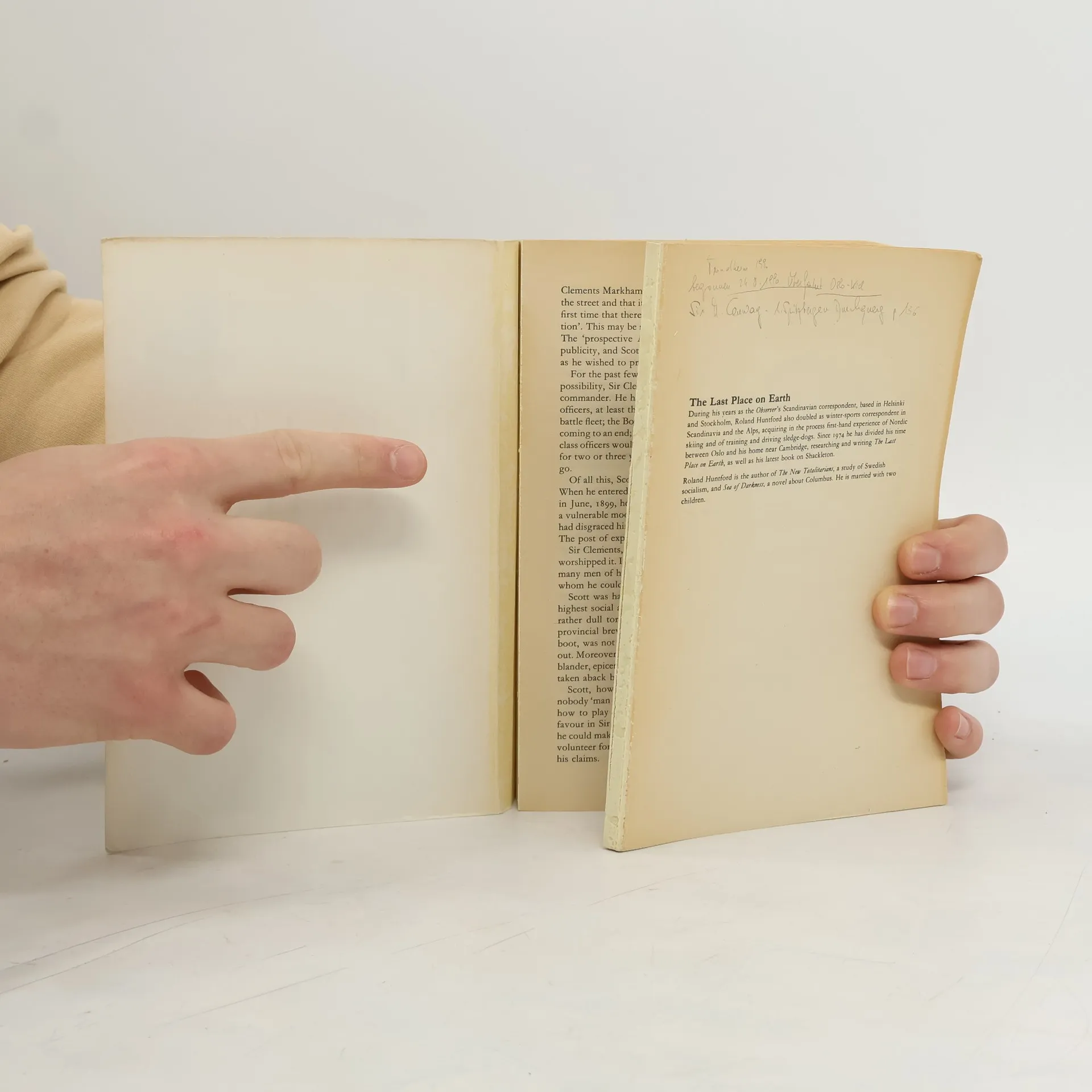
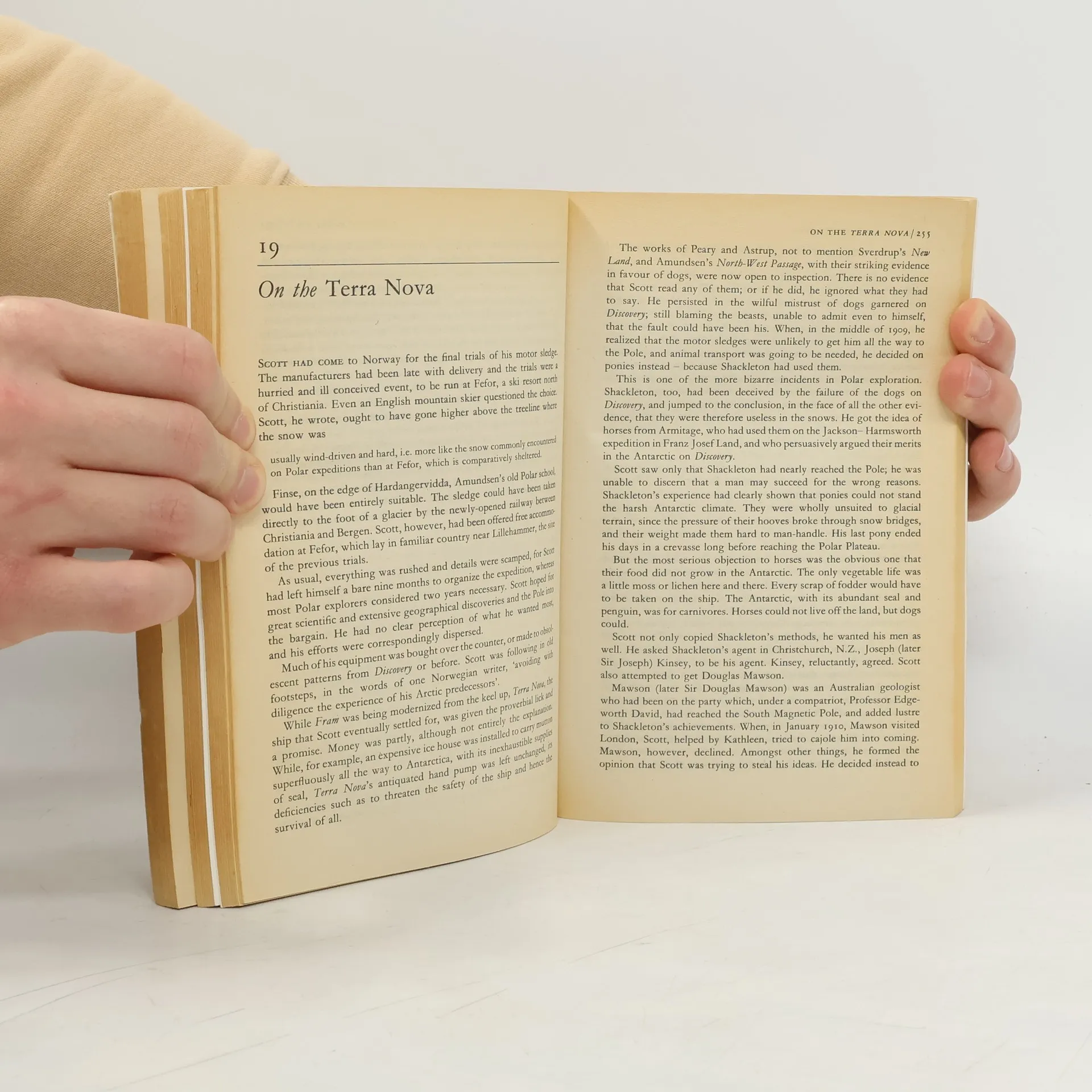
- Danneggiato
- Prezzo
- 5,95 €
Metodi di pagamento
Qui potrebbe esserci la tua recensione.
- Titolo
- The Last Place on Earth
- Lingua
- Inglese
- Autori
- Roland Huntford, Martin Shaw
- Editore
- Pan Books (London)
- Pubblicato
- 1983
- Formato
- In brossura
- Pagine
- 565
- ISBN10
- 0330288164
- ISBN13
- 9780330288163
- Serie
- Tag
- Saggistica, Tema stórico, Storia, Mappe e viaggi, Storie vere, Biografie, Viaggi, Avventura, Autobiografie e memorie, Ghiaccio, ghiacciai, Antartide, Polo Sud, Ricerca polare
- Titolo originale
- Scott and Amundsen
- Valutazione
- 4,3 su 5
- Descrizione
- On December 14, 1911, the classical age of polar exploration concluded when Norway's Roald Amundsen reached the South Pole, a month ahead of Britain's Robert Scott, who tragically perished on his return journey just 11 miles from safety. Ironically, Scott became a legend, celebrated as a heroic failure and a symbol of ambition and persistence, while Amundsen's achievements faded into obscurity. Biographer Huntford, in his 1979 work, sought to restore Amundsen's legacy, presenting a detailed account of this historic race. He aims to demythologize Scott, contrasting the amateur explorer's approach with Amundsen's professional rigor. Amundsen meticulously prepared, learning from Eskimos and embracing essential tools like skis and dogs, which ultimately aided his success. In Huntford's view, Amundsen embodies the "last great Viking," while Scott is depicted as "recklessly incompetent," whose decisions led to his team's demise. Despite Scott's flaws, his eloquent diaries captured public attention, contributing to his enduring fame. Ultimately, both explorers were valiant yet deeply flawed, with Scott seeking to be a heroic figure while Amundsen simply aimed to be first at the pole, and both achieved their goals.