

Parametri
- 326pagine
- 12 ore di lettura
Maggiori informazioni sul libro
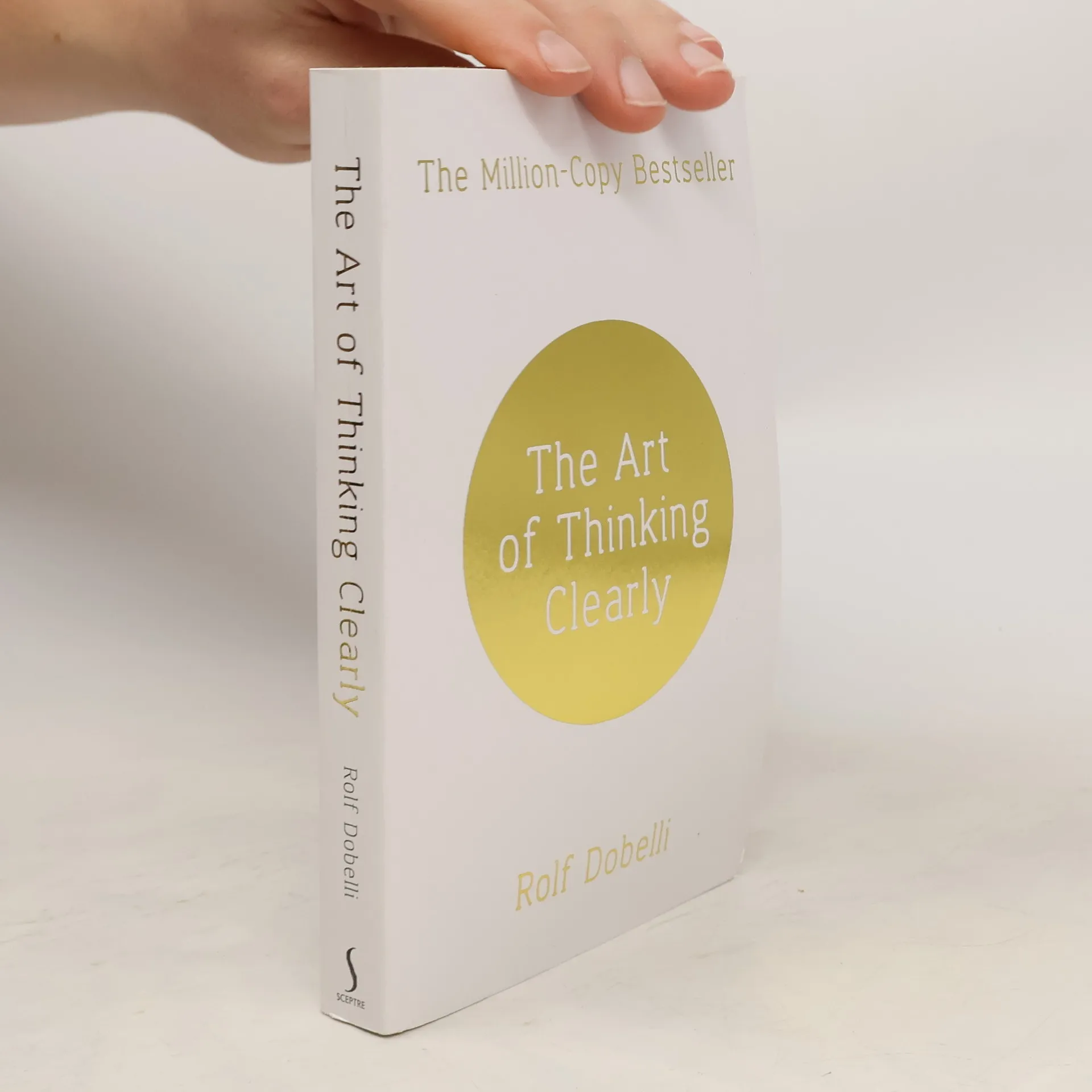
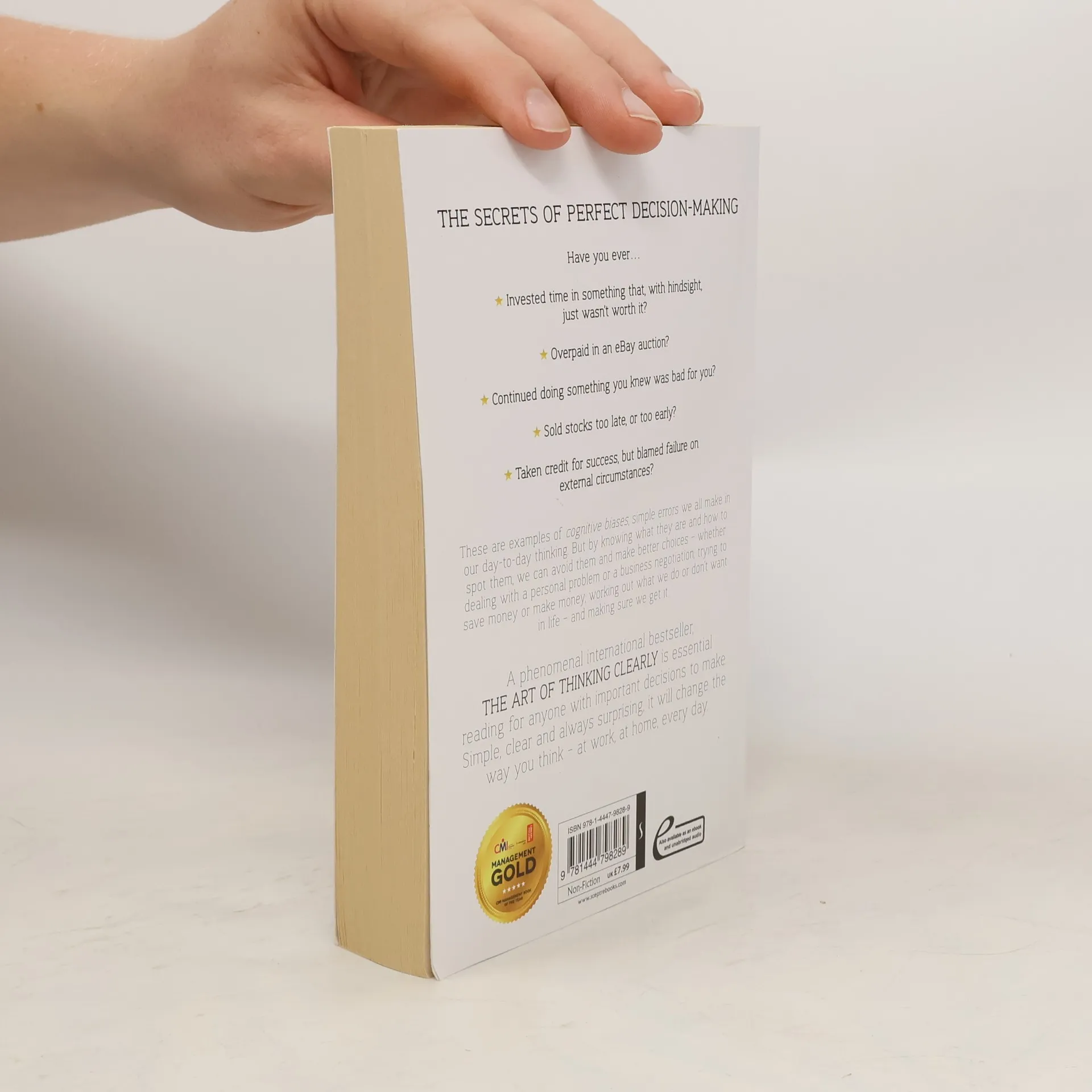
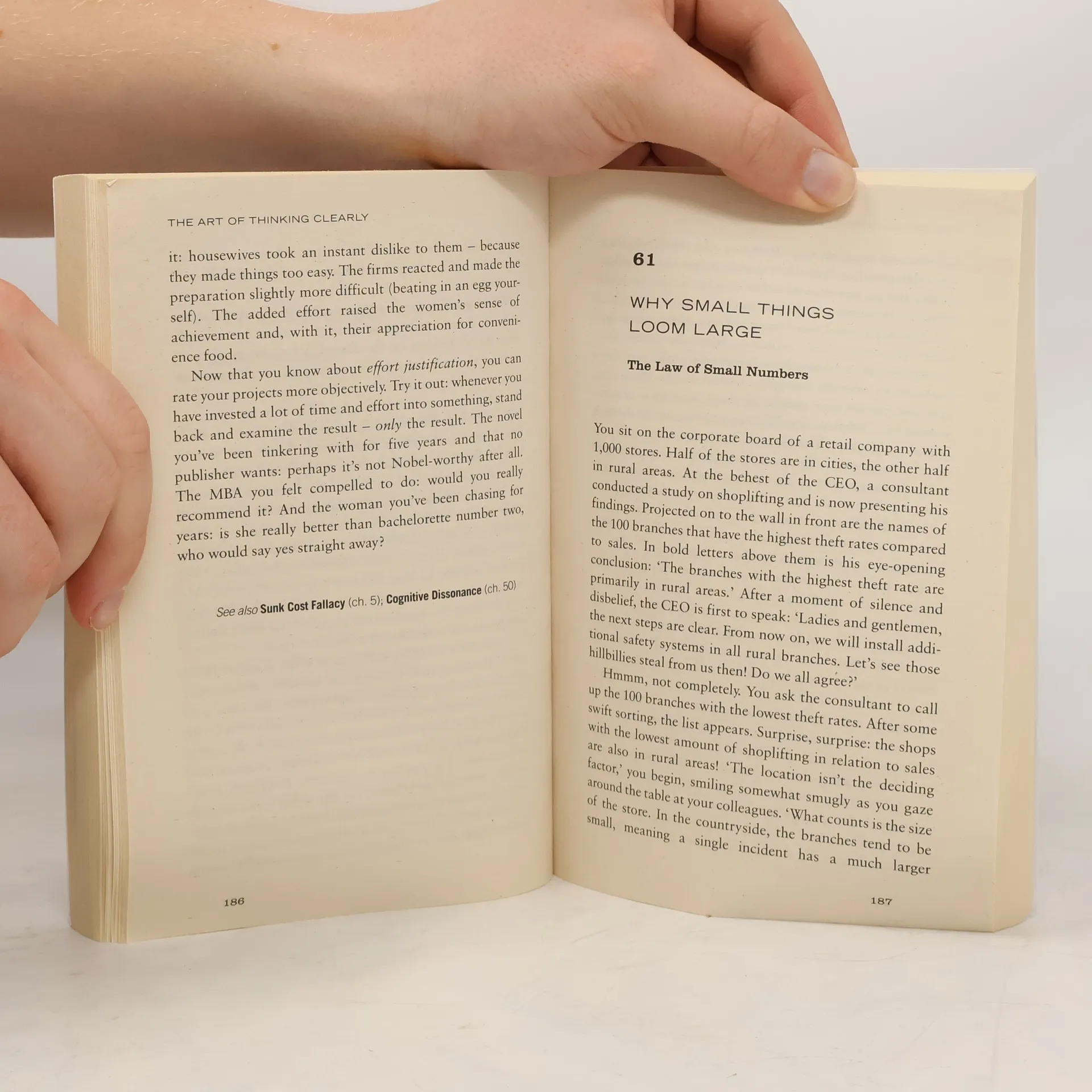
In engaging prose and with practical examples and anecdotes, an eye-opening look at human reasoning and essential reading for anyone with important decisions to make. Have you ever: • Invested time in something that, with hindsight, just wasn't worth it? • Overpayed in an Ebay auction? • Continued doing something you knew was bad for you? • Sold stocks too late, or too early? • Taken credit for success, but blamed failure on external circumstances? • Backed the wrong horse? These are examples of cognitive biases, simple errors we all make in our day-to-day thinking. But by knowing what they are and how to spot them, we can avoid them and make better choices-whether dealing with a personal problem or a business negotiation; trying to save money or make money; working out what we do or don't want in life: and how best to get it. Simple, clear and always surprising, this indispensable book will change the way you think and transform your decision-making-work, at home, every day. It reveals, in 99 short chapters, the most common errors of judgment, and how to avoid them.




Acquisto del libro
The Art of Thinking Clearly, Rolf Dobelli
- Lingua

- Pubblicato
- 2014
- product-detail.submit-box.info.binding
- (In brossura)
Metodi di pagamento
Qui potrebbe esserci la tua recensione.
- Lingua
- Inglese
- Autori
- Rolf Dobelli
- Editore
- Hachette
- Pubblicato
- 2014
- Formato
- In brossura
- Pagine
- 326
- ISBN10
- 1444798286
- ISBN13
- 9781444798289
- Serie
- Tag
- Saggistica, Commercio, Auto-aiuto, Temi psicologici, Manuali e guide, Crescita personale, Ricerca, Statistica, Logica, Coaching, Pensiero, Comportamento, etologia, Decisione, Teoria della Conoscenza, Errori, Ragione
- Prima pubblicazione
- 2011
- Titolo originale
- Die Kunst des klaren Denkens
- Valutazione
- 3,85 su 5
- Descrizione
- In engaging prose and with practical examples and anecdotes, an eye-opening look at human reasoning and essential reading for anyone with important decisions to make. Have you ever: • Invested time in something that, with hindsight, just wasn't worth it? • Overpayed in an Ebay auction? • Continued doing something you knew was bad for you? • Sold stocks too late, or too early? • Taken credit for success, but blamed failure on external circumstances? • Backed the wrong horse? These are examples of cognitive biases, simple errors we all make in our day-to-day thinking. But by knowing what they are and how to spot them, we can avoid them and make better choices-whether dealing with a personal problem or a business negotiation; trying to save money or make money; working out what we do or don't want in life: and how best to get it. Simple, clear and always surprising, this indispensable book will change the way you think and transform your decision-making-work, at home, every day. It reveals, in 99 short chapters, the most common errors of judgment, and how to avoid them.