



Maggiori informazioni sul libro
Humans are often seen as primitive beings, reacting instinctively with biases and illusions. However, cognitive scientist and rational optimist Steven Pinker argues that this view is incomplete. A mere list of human shortcomings cannot account for our remarkable achievements: the discovery of natural laws, the transformation of our environment, and the enhancement of our lives. If humans were inherently irrational, how did we establish the very standards of rationality that we often fail to meet? This inquiry is particularly relevant today, as humanity reaches unprecedented scientific milestones while simultaneously grappling with misinformation, conspiracy theories, and 'post-truth' discourse. Pinker emphasizes the importance of rationality, offering essential tools for logical thinking, critical analysis, and understanding probability, correlation, and causation. As society faces the consequences of past decisions and the potential pitfalls of current choices, rationality emerges as a crucial asset for individuals and leaders alike. Pinker, a staunch advocate for human progress, illustrates how we can cultivate rationality in our lives and the public sphere, providing a toolkit for navigating the complexities of our existence and shaping our futures.






Acquisto del libro
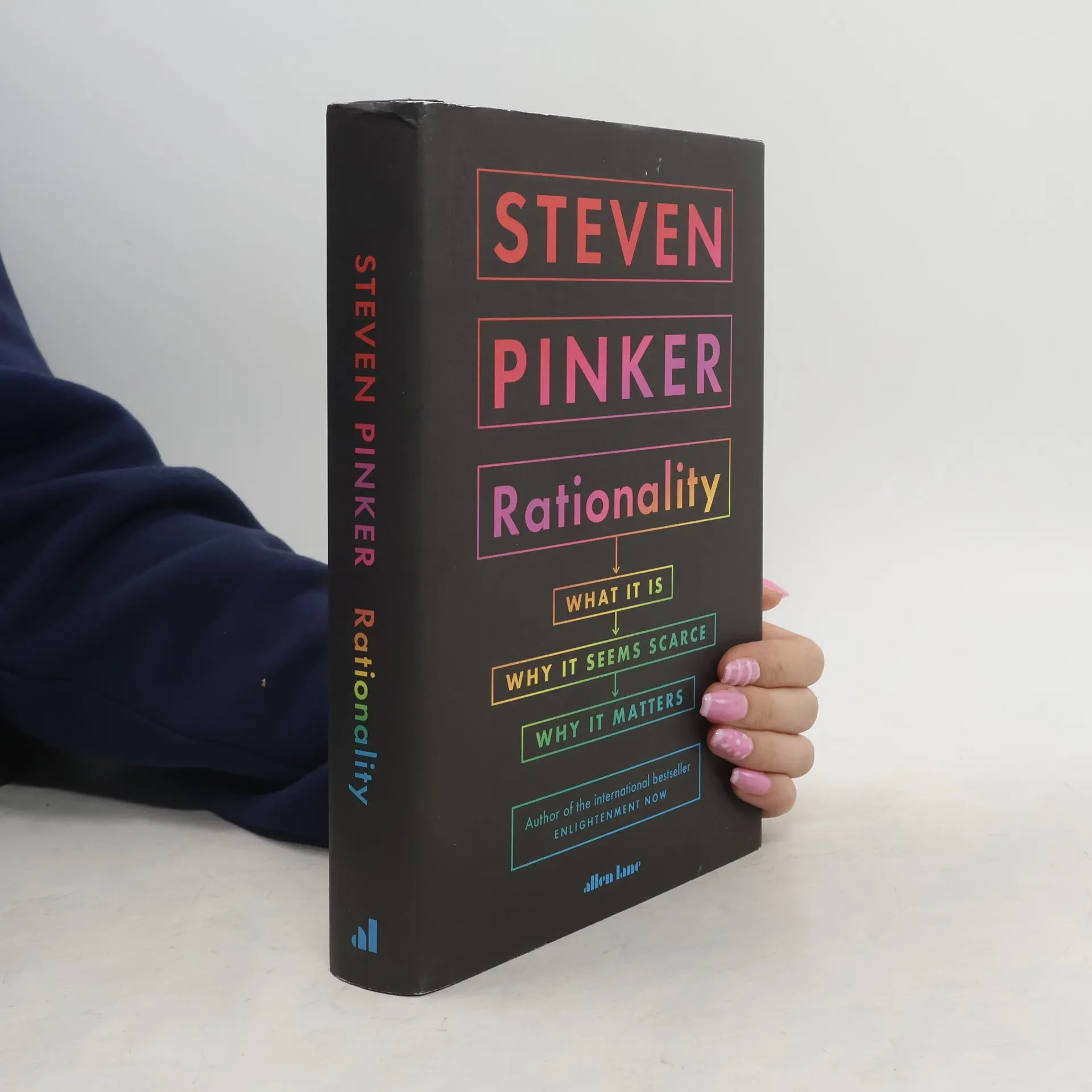
Rationality, Steven Pinker
- Lingua

- Pubblicato
- 2021
- Rilegatura
- (Copertina rigida)
Metodi di pagamento
Qui potrebbe esserci la tua recensione.
- Titolo
- Rationality
- Lingua
- Inglese
- Autori
- Steven Pinker
- Editore
- Allen Lane
- Pubblicato
- 2021
- Formato
- Copertina rigida
- ISBN10
- 0241380278
- ISBN13
- 9780241380277
- Serie
- Tag
- Saggistica, Scienze sociali, Scienze politiche & Politica, Temi psicologici, Tematica filosofica, Filosofia, Psicologia, Politica, Scienza, Giornalismo narrativo, Sociologia, Regali per il nonno, Logica, Pensiero Critico, Razionalità
- Prima pubblicazione
- 2021
- Titolo originale
- Rationality: What It Is, Why It Seems Scarce, Why It Matters
- Valutazione
- 3,8 su 5
- Descrizione
- Humans are often seen as primitive beings, reacting instinctively with biases and illusions. However, cognitive scientist and rational optimist Steven Pinker argues that this view is incomplete. A mere list of human shortcomings cannot account for our remarkable achievements: the discovery of natural laws, the transformation of our environment, and the enhancement of our lives. If humans were inherently irrational, how did we establish the very standards of rationality that we often fail to meet? This inquiry is particularly relevant today, as humanity reaches unprecedented scientific milestones while simultaneously grappling with misinformation, conspiracy theories, and 'post-truth' discourse. Pinker emphasizes the importance of rationality, offering essential tools for logical thinking, critical analysis, and understanding probability, correlation, and causation. As society faces the consequences of past decisions and the potential pitfalls of current choices, rationality emerges as a crucial asset for individuals and leaders alike. Pinker, a staunch advocate for human progress, illustrates how we can cultivate rationality in our lives and the public sphere, providing a toolkit for navigating the complexities of our existence and shaping our futures.