





Una meraviglia assoluta. Sherlock Holmes nel XVI secolo. Ricco di citazioni letterarie e trucchi magistrali per ingannare il lettore ignaro. Impossibile smettere di leggerlo.
Questo è quello che aggiungi al carrello
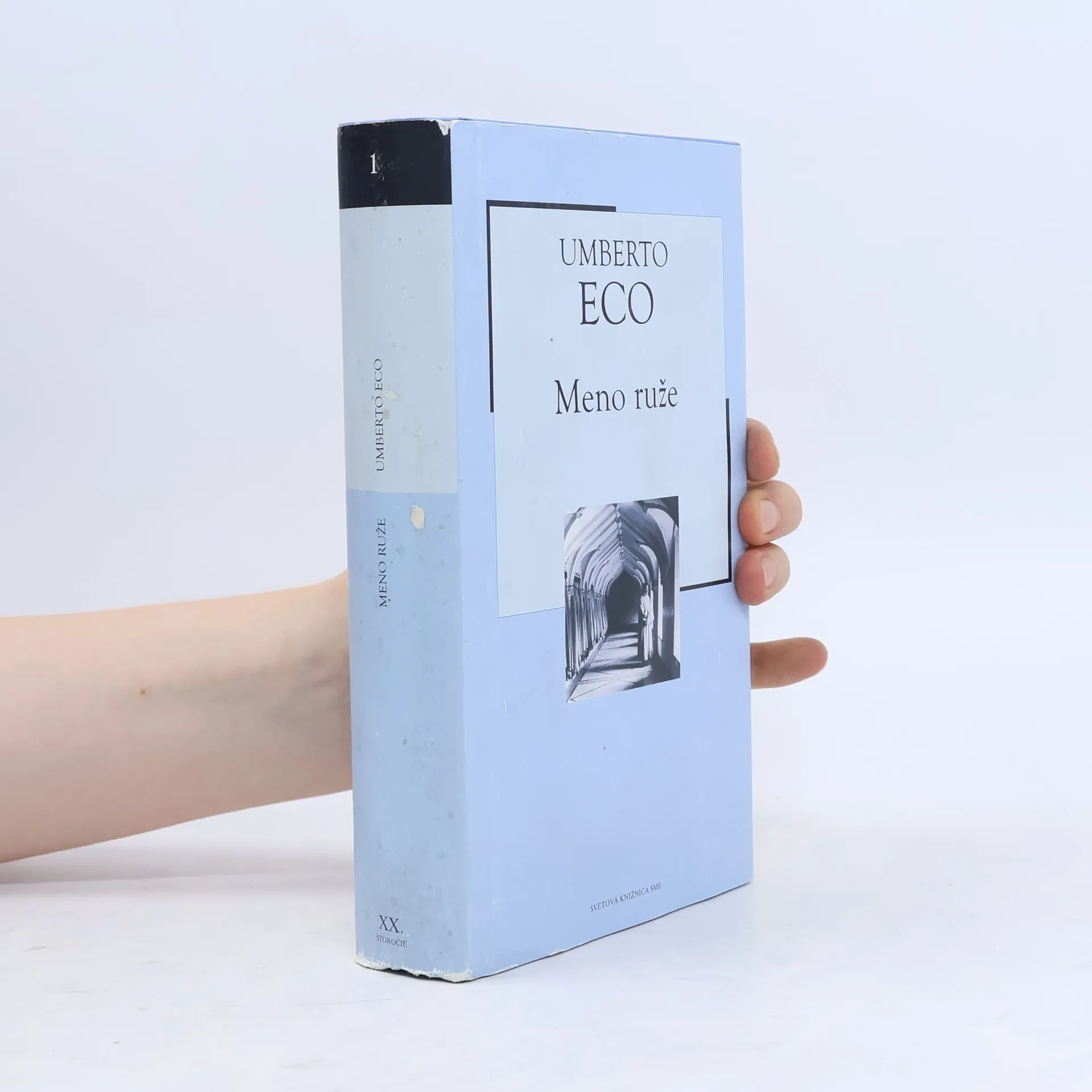
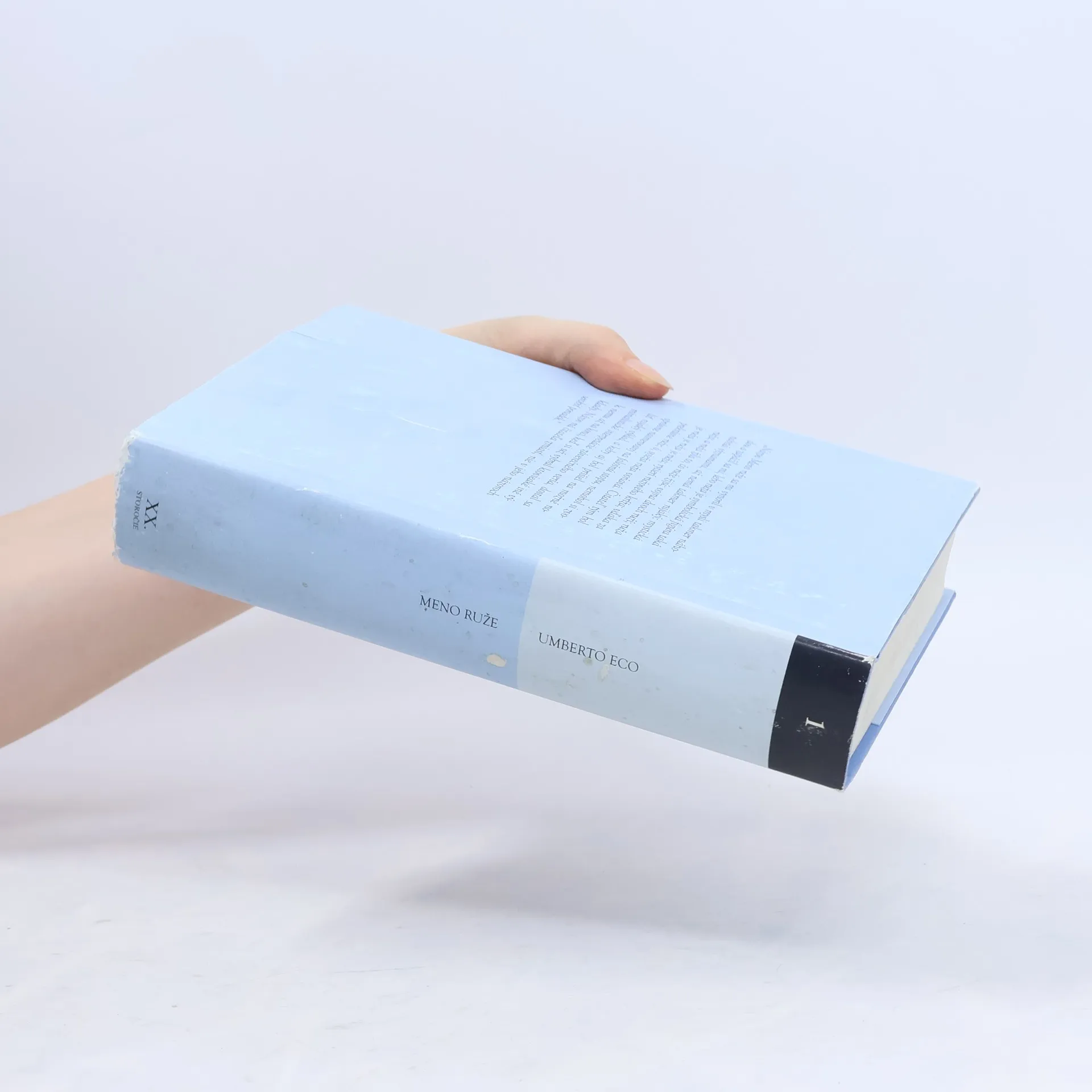
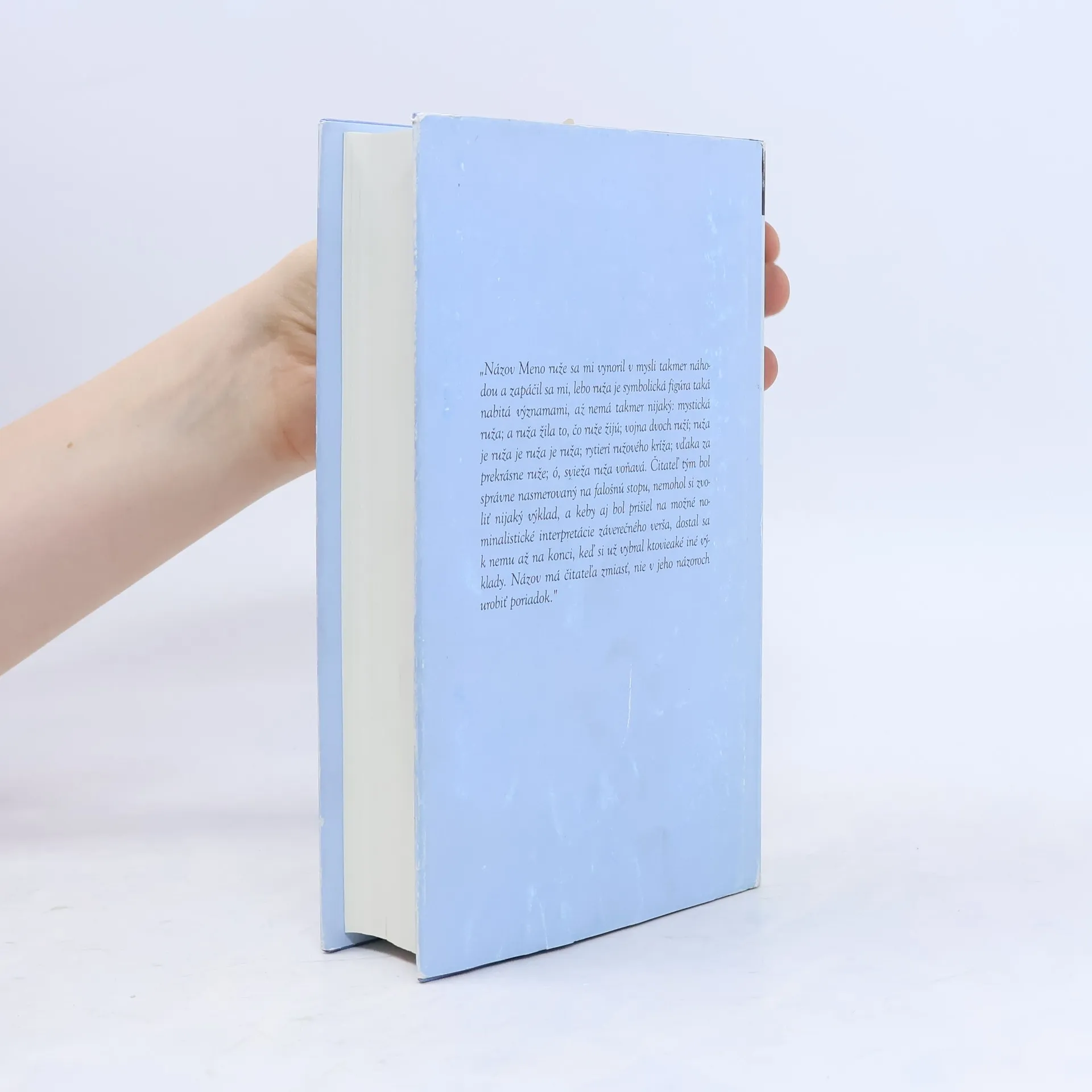
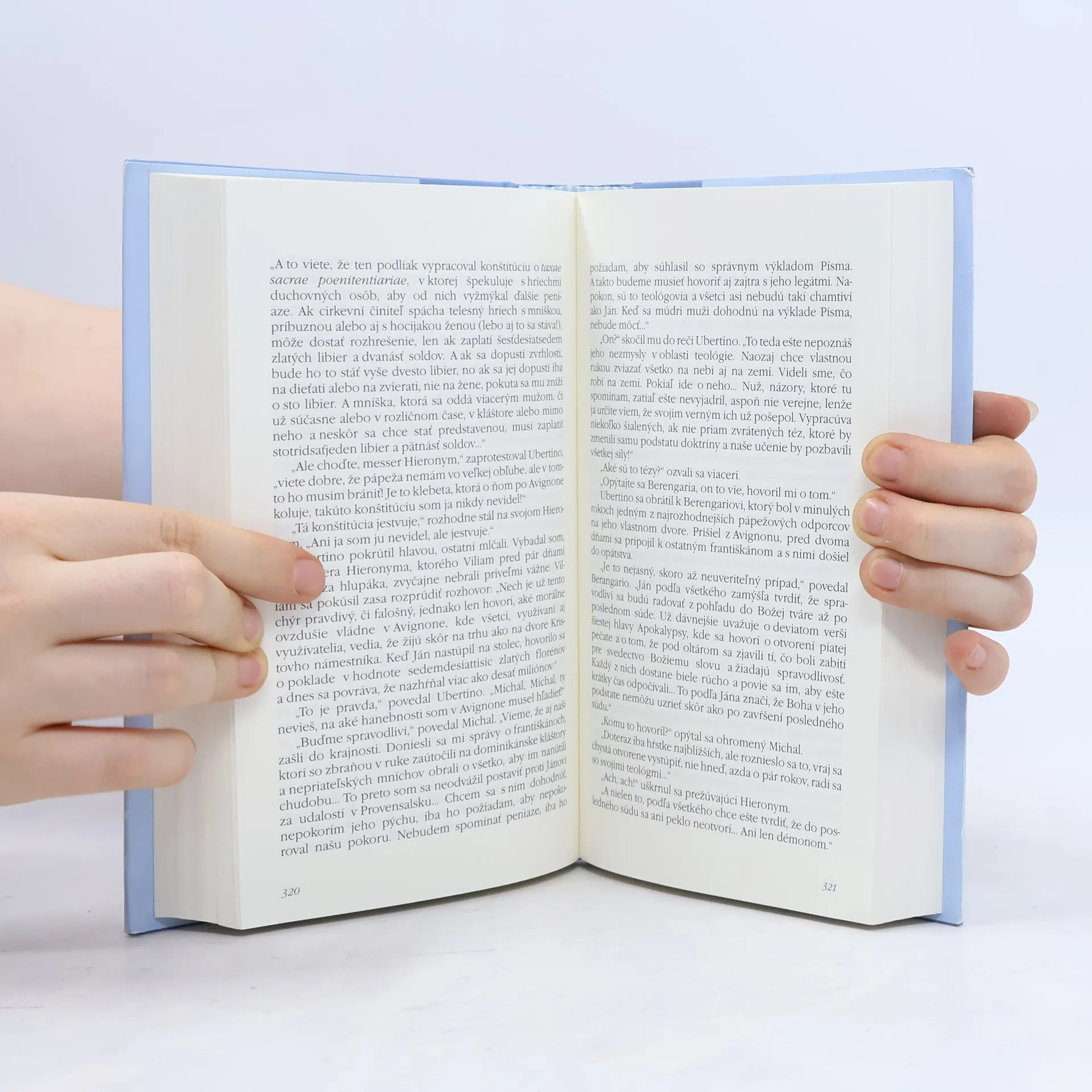
Parametri
- 598pagine
- 21 ore di lettura
Maggiori informazioni sul libro
The year is 1327. Franciscans in a wealthy Italian abbey are suspected of heresy, and Brother William of Baskerville arrives to investigate. When his delicate mission is suddenly overshadowed by seven bizarre deaths, Brother William turns detective. His tools are the logic of Aristotle, the theology of Aquinas, the empirical insights of Roger Bacon—all sharpened to a glistening edge by wry humor and a ferocious curiosity. He collects evidence, deciphers secret symbols and coded manuscripts, and digs into the eerie labyrinth of the abbey, where “the most interesting things happen at night.”
Ci sono attualmente del libroMeno ruže 1 (2004 ) in magazzino.
Acquisto del libro
Meno ruže 1, Umberto Eco, Adriana Ferenčíková
- Lingua

- Pubblicato
- 2004
- product-detail.submit-box.info.binding
- (Copertina rigida),
- Condizioni del libro
- Danneggiato
- Prezzo
- 4,62 €
Metodi di pagamento
- Titolo
- Meno ruže 1
- Lingua
- Slovacco
- Autori
- Umberto Eco, Adriana Ferenčíková
- Editore
- Petit Press
- Pubblicato
- 2004
- Formato
- Copertina rigida
- Pagine
- 598
- ISBN10
- 808558509X
- ISBN13
- 9788085585094
- Serie
- Tag
- Narrativa, Gialli & Thriller, Prosa storica, Gialli, Spiritualità e Religione, Classici, Tensione, Temi cristiani, Adattato in un film, Misterioso, Gialli Storici, Biblioteche, Monasteri, abbazie, Inquisizione, Semiotica, Labirinto, Biblioteche Monastiche
- Prima pubblicazione
- 1980
- Titolo originale
- Il nome della rosa
- Valutazione
- 4,15 su 5
- Descrizione
- The year is 1327. Franciscans in a wealthy Italian abbey are suspected of heresy, and Brother William of Baskerville arrives to investigate. When his delicate mission is suddenly overshadowed by seven bizarre deaths, Brother William turns detective. His tools are the logic of Aristotle, the theology of Aquinas, the empirical insights of Roger Bacon—all sharpened to a glistening edge by wry humor and a ferocious curiosity. He collects evidence, deciphers secret symbols and coded manuscripts, and digs into the eerie labyrinth of the abbey, where “the most interesting things happen at night.”