


Maggiori informazioni sul libro
Herman Melville's thrilling nautical adventure—a timeless allegory and an epic saga of heroic determination and conflict. At the heart of Moby-Dick is the powerful, unknowable sea—and Captain Ahab, a brooding, one-legged fanatic who has sworn vengeance on the mammoth white whale that crippled him. Narrated by Ishmael, a wayfarer who joins the crew of Ahab’s whaling ship, this is the story of that hair-raising voyage, and of the men who embraced hardship and nameless horrors as they dared to challenge God’s most dreaded creation and death itself for a chance at immortality. A novel that delves with astonishing vigor into the complex souls of men, Moby-Dick is an impassioned drama of the ultimate human struggle that the Atlantic Monthly called “the greatest of American novels.” With an Introduction by Elizabeth Renker and an Afterword by Christopher Buckley


Pubblicazione





- 2024

- 2023
- 2023
- 2023
- 2023
- 2023
- 2023
- 2023
- 2023
- 2023
- 2023
- 2023
- 2023
- 2023
- 2023
- 2022
- 2022

- 2021
- 2021
- 2021
- 2021
- 2021
- 2021


- 2020
- 2020
- 2020
- 2020
- 2020
- 2020
- 2020
- 2020
- 2020
- 2020
- 2020
- 2020
- 2020
- 2020
- 2020
- 2020
- 2020

- 2019
- 2019
- 2019
- 2019
- 2019
- 2019
- 2019
- 2019
- 2018
- 2018
- 2018
- 2018
- 2018
- 2018
- 2018
- 2018
- 2018
- 2018
- 2018
- 2018
- 2018
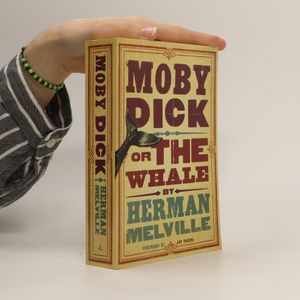

- 2017

- 2016
- 2016

- 2016
- 2016
- 2016

- 2015
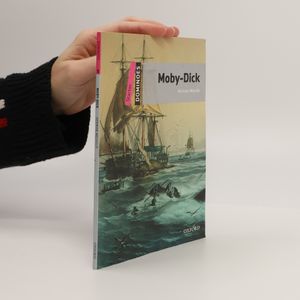

- 2014
- 2014



- 2013
- 2013

- 2013
- 2012
- 2012
- 2012
- 2011
- 2011
- 2011
- 2011
- 2011
- 2011
- 2011
- 2011
- 2010
- 2010
- 2010



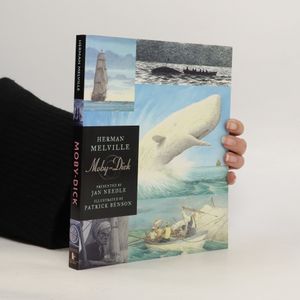
- 2009
- 2009
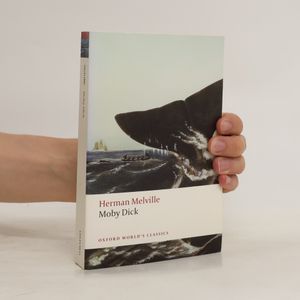

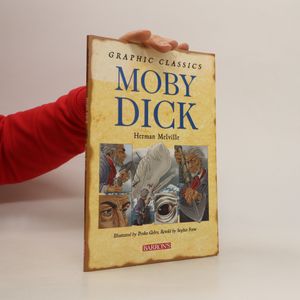
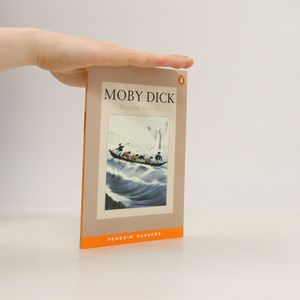


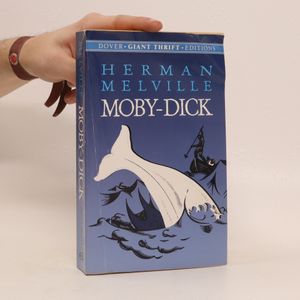

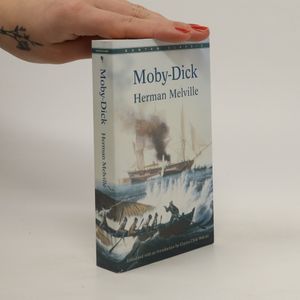

- 2001


- 1997










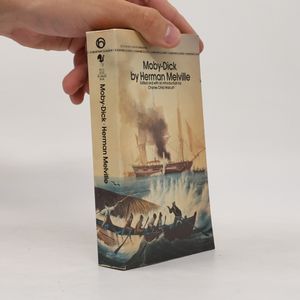


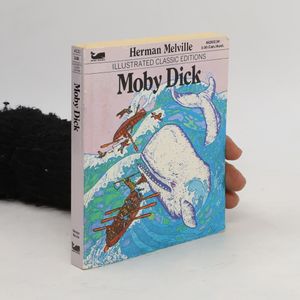







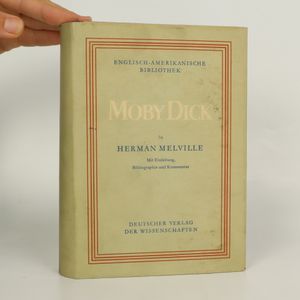

















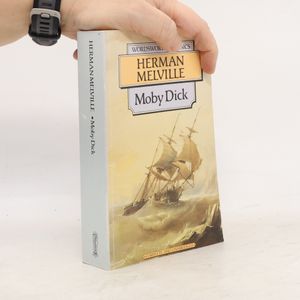


Acquisto del libro
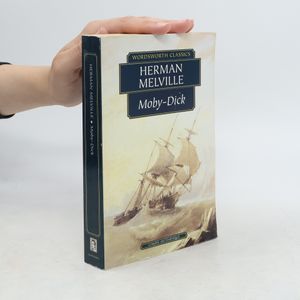
Moby Dick, Herman Melville
- Lingua

- Pubblicato
- 2013
- Rilegatura
- (In brossura)
Metodi di pagamento
Qui potrebbe esserci la tua recensione.
- Titolo
- Moby Dick
- Lingua
- Inglese
- Autori
- Herman Melville
- Editore
- Penguin Putnam Inc
- Pubblicato
- 2013
- Formato
- In brossura
- Pagine
- 624
- ISBN10
- 0451532287
- ISBN13
- 9780451532282
- Serie
- Tag
- Narrativa, Avventura, Classici, Letteratura Americana, Adattato in un film, Mare e oceani, Navigazione marittima, Cacciatori, Classicismo, Marinai, Balene, Baleneria, Premio Josef Jungmann, Moby Dick
- Prima pubblicazione
- 1851
- Titolo originale
- Moby Dick or the White Whale
- Valutazione
- 3,95 su 5
- Descrizione
- Herman Melville's thrilling nautical adventure—a timeless allegory and an epic saga of heroic determination and conflict. At the heart of Moby-Dick is the powerful, unknowable sea—and Captain Ahab, a brooding, one-legged fanatic who has sworn vengeance on the mammoth white whale that crippled him. Narrated by Ishmael, a wayfarer who joins the crew of Ahab’s whaling ship, this is the story of that hair-raising voyage, and of the men who embraced hardship and nameless horrors as they dared to challenge God’s most dreaded creation and death itself for a chance at immortality. A novel that delves with astonishing vigor into the complex souls of men, Moby-Dick is an impassioned drama of the ultimate human struggle that the Atlantic Monthly called “the greatest of American novels.” With an Introduction by Elizabeth Renker and an Afterword by Christopher Buckley