

Maggiori informazioni sul libro
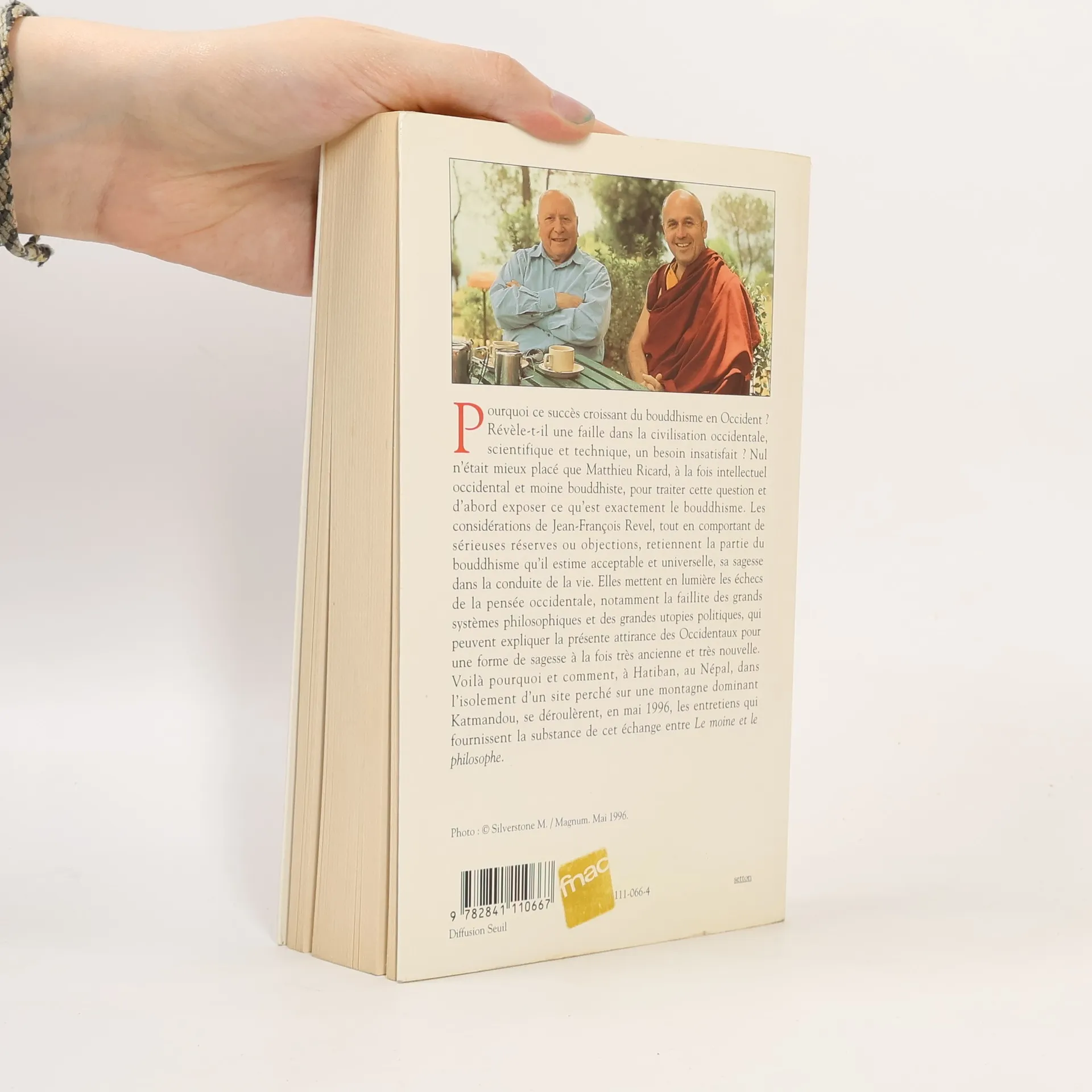
This book features dialogues between Jean-François Revel, a French philosopher and journalist known for his critiques of Christianity and Communism, and his son Matthieu Ricard, a former scientist turned Buddhist monk in the Himalayas. Their conversations, held over ten days in Katmandu, cover a wide array of topics, including the nature of Buddhism, its appeal in the West, beliefs in reincarnation, and the contrasts between Buddhist and Christian monastic practices. They also explore how Western science and individualism complicate authentic Buddhist practice. Despite the straightforwardness of their questions, Revel and Ricard provide nuanced, personal insights rather than simplistic answers. The book serves as an accessible introduction to Buddhist principles, enriched by Tibetan history and Ricard's personal experiences in practicing Buddhism. Ultimately, Ricard emphasizes that no dialogue can replace the silence of personal experience, which is essential for true understanding. The work encourages readers to reflect on how they engage with their daily lives.


Pubblicazione

Acquisto del libro
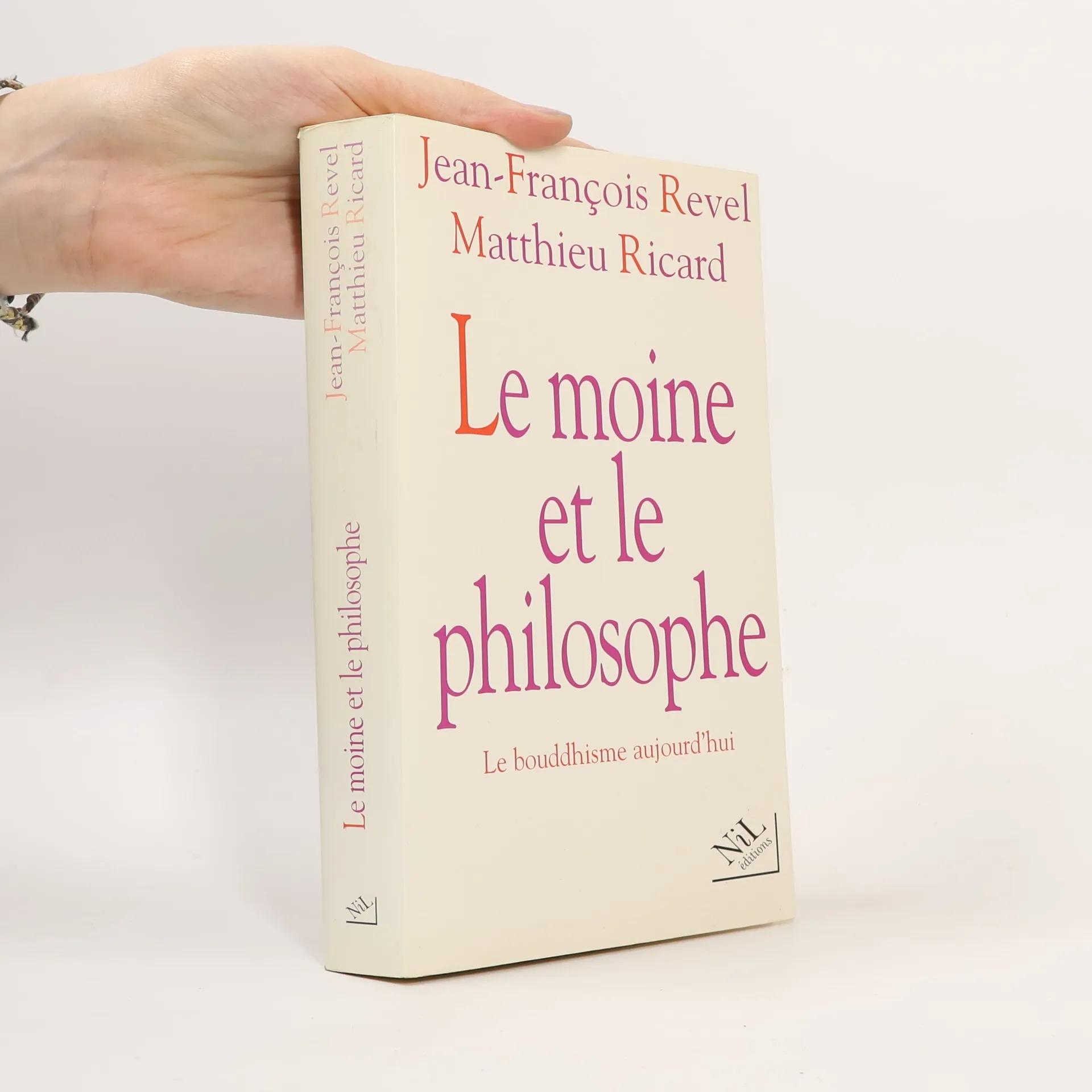
Le moine et le philosophe, Jean-François Revel, Ricard Matthieu
- Lingua

- Pubblicato
- 1997
- Rilegatura
- (In brossura)
Metodi di pagamento
Qui potrebbe esserci la tua recensione.
- Titolo
- Le moine et le philosophe
- Sottotitolo
- Le bouddhisme aujourd'hui
- Lingua
- Francese
- Editore
- NiL Editions
- Pubblicato
- 1997
- Formato
- In brossura
- Pagine
- 416
- ISBN10
- 2841110664
- ISBN13
- 9782841110667
- Serie
- Titolo originale
- Le moine et le philosophe
- Valutazione
- 4,15 su 5
- Descrizione
- This book features dialogues between Jean-François Revel, a French philosopher and journalist known for his critiques of Christianity and Communism, and his son Matthieu Ricard, a former scientist turned Buddhist monk in the Himalayas. Their conversations, held over ten days in Katmandu, cover a wide array of topics, including the nature of Buddhism, its appeal in the West, beliefs in reincarnation, and the contrasts between Buddhist and Christian monastic practices. They also explore how Western science and individualism complicate authentic Buddhist practice. Despite the straightforwardness of their questions, Revel and Ricard provide nuanced, personal insights rather than simplistic answers. The book serves as an accessible introduction to Buddhist principles, enriched by Tibetan history and Ricard's personal experiences in practicing Buddhism. Ultimately, Ricard emphasizes that no dialogue can replace the silence of personal experience, which is essential for true understanding. The work encourages readers to reflect on how they engage with their daily lives.