

Il libro è attualmente esaurito
Maggiori informazioni sul libro
Set against the backdrop of ancient Rome, this tragedy explores themes of loyalty and political ambition. It begins with the celebration of Caesar's victory over Pompey's sons, highlighting the fickle nature of public allegiance. The tribunes Flavius and Marrullus confront the revelers, criticizing their shift in loyalty and attempting to restore order. The play delves into the complexities of power dynamics and the consequences of political decisions, drawing from historical events to illustrate the tension between personal and public interests.

Pubblicazione

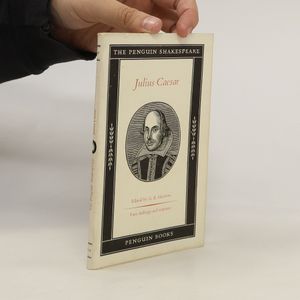
- 2024

- 2024
- 2023
- 2023
- 2023
- 2022
- 2022
- 2022
- 2022
- 2022
- 2022
- 2021
- 2021
- 2021
- 2018
- 2018
- 2017
- 2017
- 2016
- 2016
- 2015
- 2014
- 2014
- 2014
- 2013
- 2013
- 2012
- 2012
- 2012
- 2012
- 2012
- 2012
- 2012
- 2012
- 2012
- 2012
- 2012
- 2011
- 2011
- 2011
- 2011
- 2011
- 2011
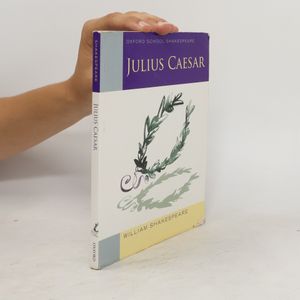
- 2010
- 2010
- 2009


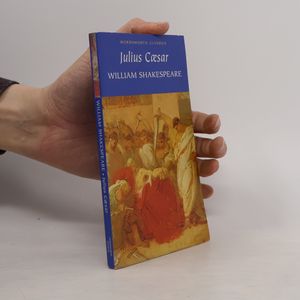

- 2003


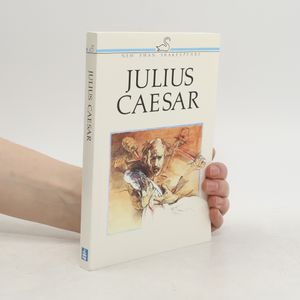
- 2000

- 1998
- 1997


- 1992













Acquisto del libro
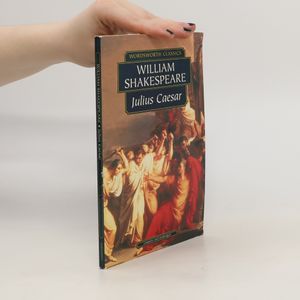
Julius Caesar, William Shakespeare
- Lingua

- Pubblicato
- 2018
- product-detail.submit-box.info.binding
- (In brossura)
Metodi di pagamento
Qui potrebbe esserci la tua recensione.
- Titolo
- Julius Caesar
- Lingua
- Inglese
- Autori
- William Shakespeare
- Editore
- Sovereign
- Pubblicato
- 2018
- Formato
- In brossura
- Pagine
- 122
- ISBN13
- 9781787248144
- Serie
- Tag
- Narrativa, Tema stórico, Classici, Guerre, Omicidi, Morte, Letteratura inglese, Opere teatrali, Tradimento, Roma, Rom, Tragedia, Drammi inglesi, Drammi storici, Gaio Giulio Cesare
- Prima pubblicazione
- 1599
- Titolo originale
- The Tragedy of Julius Caesar
- Valutazione
- 3,75 su 5
- Descrizione
- Set against the backdrop of ancient Rome, this tragedy explores themes of loyalty and political ambition. It begins with the celebration of Caesar's victory over Pompey's sons, highlighting the fickle nature of public allegiance. The tribunes Flavius and Marrullus confront the revelers, criticizing their shift in loyalty and attempting to restore order. The play delves into the complexities of power dynamics and the consequences of political decisions, drawing from historical events to illustrate the tension between personal and public interests.