






Valutazione del libro
Maggiori informazioni sul libro
The author left a career in international banking to embark on a quest to understand global poverty and find new ways of tackling it. From her first stumbling efforts as a young idealist venturing forth in Africa to the creation of the trailblazing organization she runs today, the author tells stories with unforgettable characters: women dancing in a Nairobi slum, unwed mothers starting a bakery, courageous survivors of the Rwandan genocide, entrepreneurs building services for the poor against impossible odds. She shows how traditional charity often fails, but how a new form of philanthropic investing called "patient capital" can help make people self-sufficient and can change millions of lives. More than just an autobiography or a how-to guide to addressing poverty, This book is a call to action that challenges us to grant dignity to the poor and to rethink our engagement with the world. -- From book jacket
Acquisto del libro
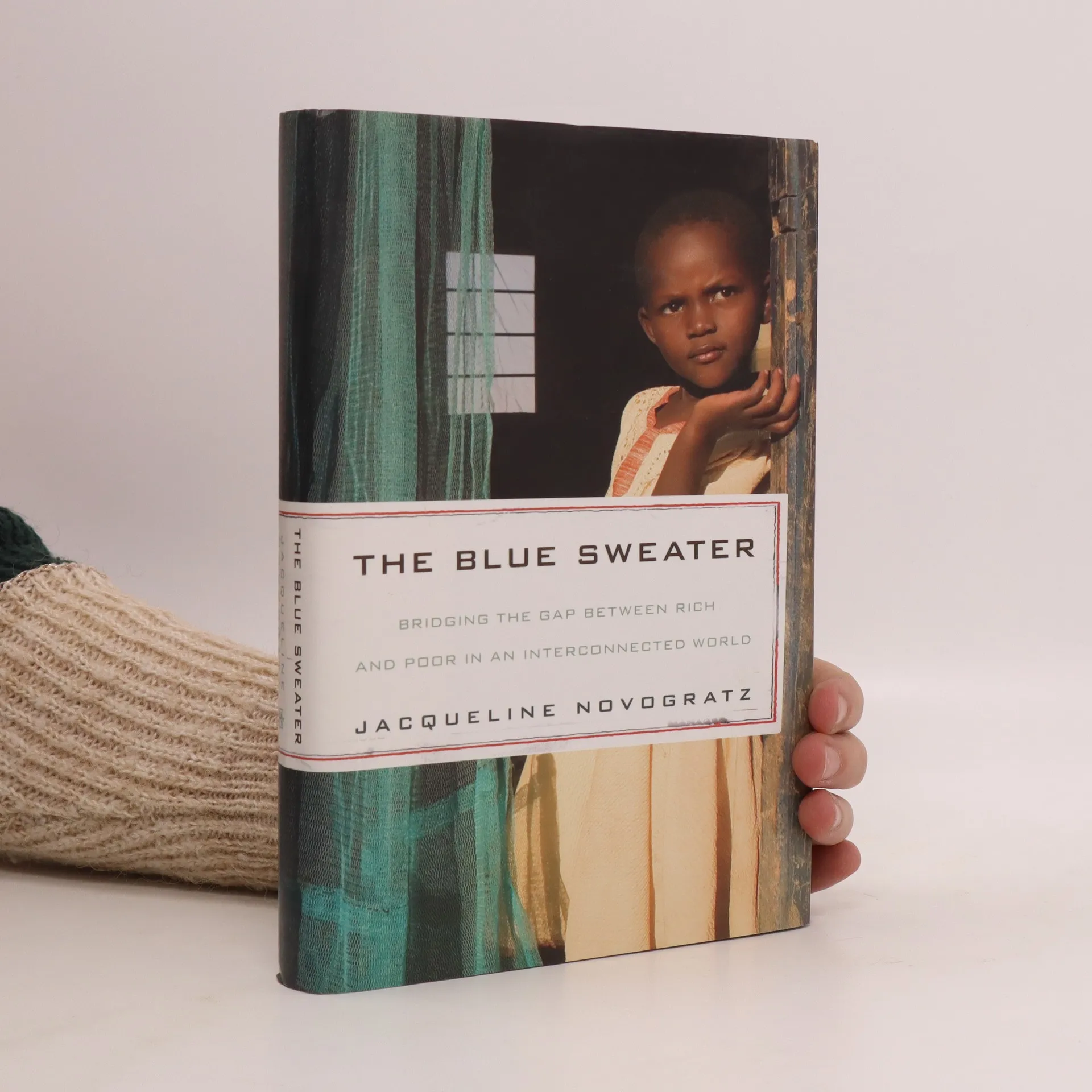
The Blue Sweater: Bridging the Gap Between Rich and Poor in an Interconnected World, Jacqueline Novogratz
- Lingua

- Pubblicato
- 2009
- Rilegatura
- (Copertina rigida)
Metodi di pagamento
Qui potrebbe esserci la tua recensione.
- Titolo
- The Blue Sweater: Bridging the Gap Between Rich and Poor in an Interconnected World
- Lingua
- Inglese
- Autori
- Jacqueline Novogratz
- Editore
- Rodale
- Pubblicato
- 2009
- Formato
- Copertina rigida
- ISBN10
- 1594869154
- ISBN13
- 9781594869150
- Serie
- Categoria
- Valutazione
- 4 su 5
- Descrizione
- The author left a career in international banking to embark on a quest to understand global poverty and find new ways of tackling it. From her first stumbling efforts as a young idealist venturing forth in Africa to the creation of the trailblazing organization she runs today, the author tells stories with unforgettable characters: women dancing in a Nairobi slum, unwed mothers starting a bakery, courageous survivors of the Rwandan genocide, entrepreneurs building services for the poor against impossible odds. She shows how traditional charity often fails, but how a new form of philanthropic investing called "patient capital" can help make people self-sufficient and can change millions of lives. More than just an autobiography or a how-to guide to addressing poverty, This book is a call to action that challenges us to grant dignity to the poor and to rethink our engagement with the world. -- From book jacket