

Maggiori informazioni sul libro
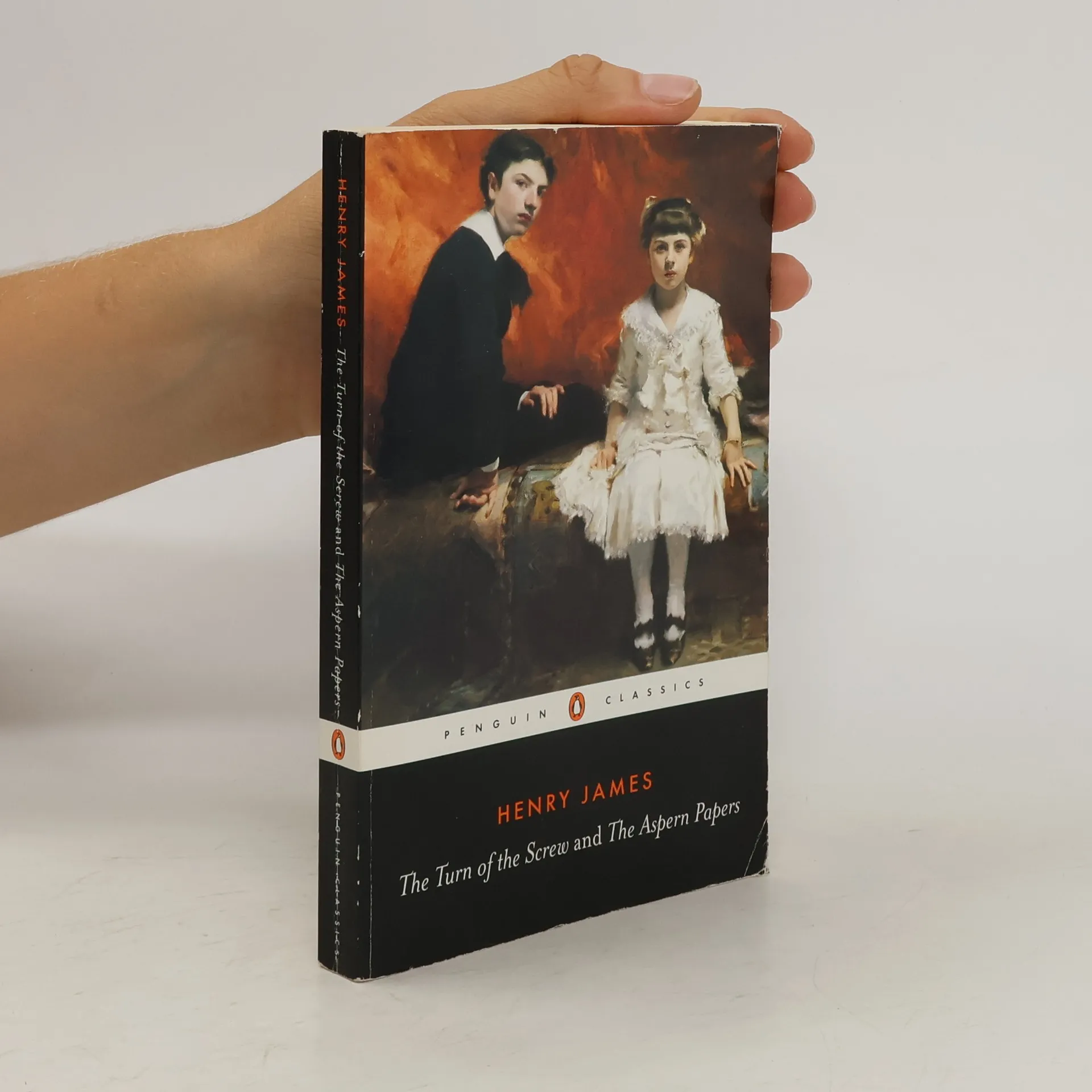
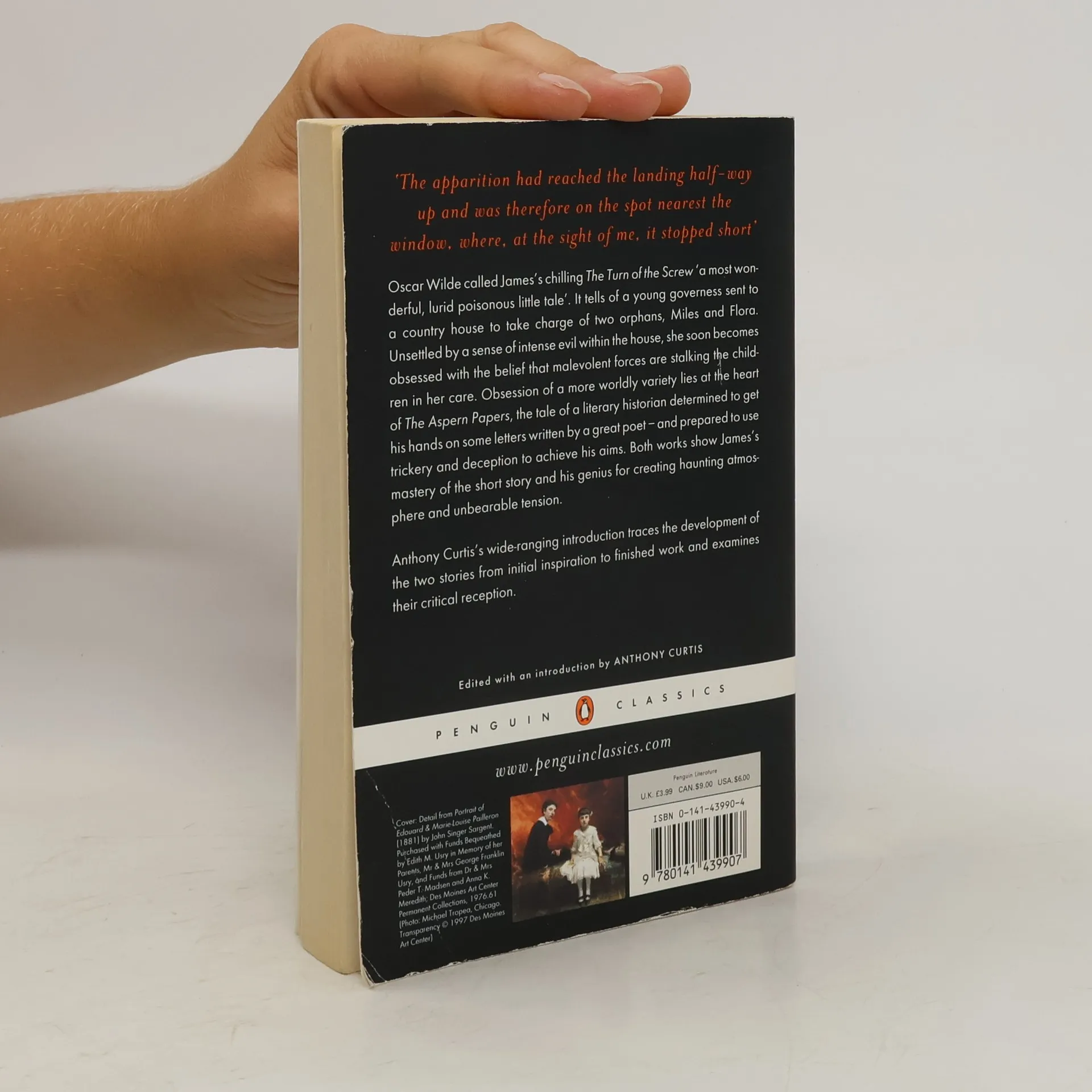
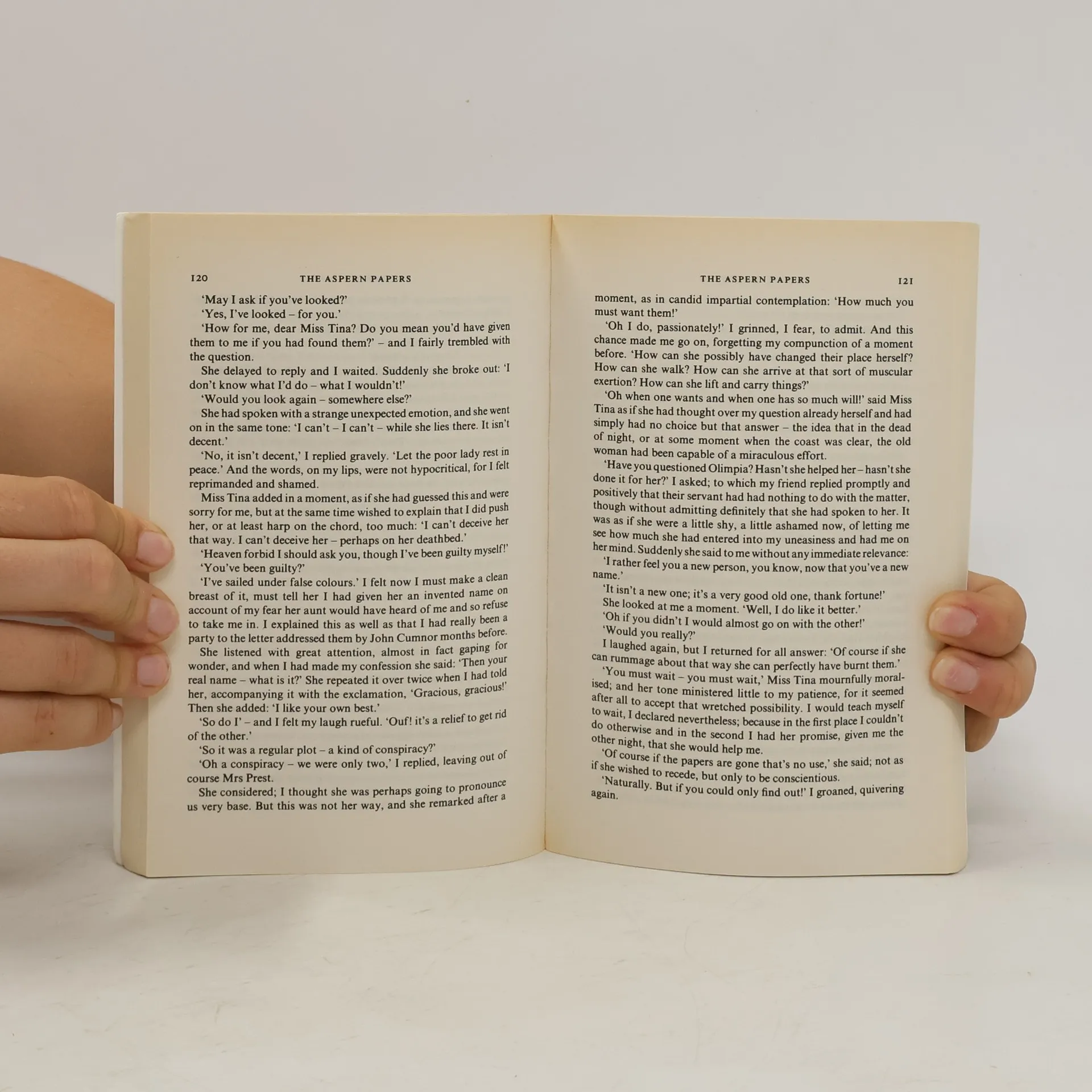
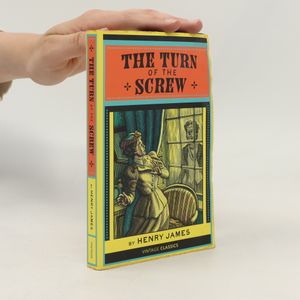
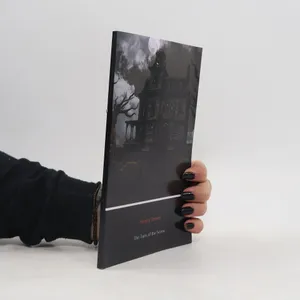
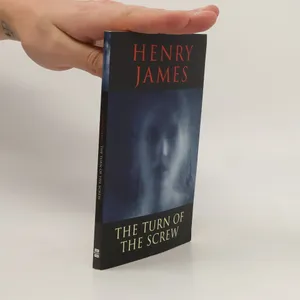
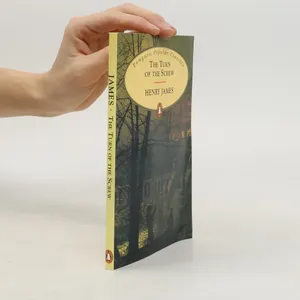
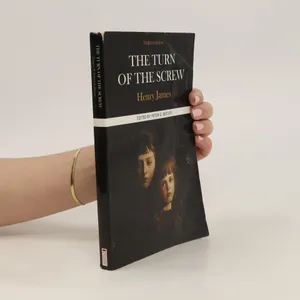
'The apparition had reached the landing half-way up and was therefore on the spot nearest the window, where, at the sight of me, it stopped short'Oscar Wilde called James's chilling The Turn of the Screw 'a most wonderful, lurid poisonous little tale.' It tells of a young governess sent to a country house to take charge of two orphans, Miles and Flora. Unsettled by a sense of intense evil within the house, she soon becomes obsessed with the belief that malevolent forces are stalking the children in her care. Obsession of a more worldly variety lies at the heart of The Aspern Papers, the tale of a literary historian determined to get his hands on some letters written by a great poet-and prepared to use trickery and deception to achieve his aims. Both works show James's mastery of the short story and his genius for creating haunting atmosphere and unbearable tension.Anthony Curtis's wide-ranging introduction traces the development of the two stories from initial inspiration to finished work and examines their critical reception.


Pubblicazione
- 2024

- 2023
- 2023
- 2023
- 2023
- 2023
- 2022
- 2022
- 2022
- 2022
- 2021
- 2021
- 2021
- 2021
- 2021
- 2020
- 2020
- 2020
- 2020
- 2020
- 2020
- 2020
- 2020
- 2020
- 2020
- 2020
- 2020
- 2020
- 2020
- 2020
- 2020
- 2020
- 2020
- 2020
- 2020
- 2020















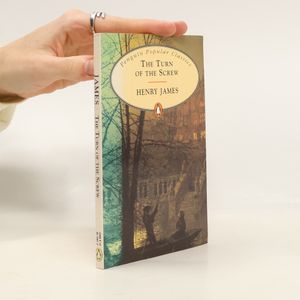
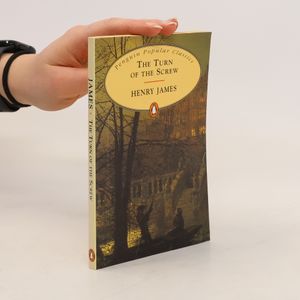
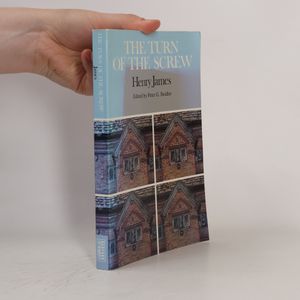
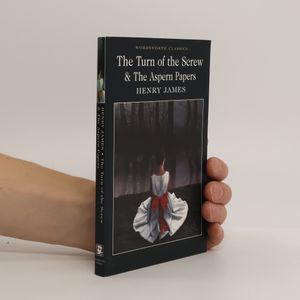














Acquisto del libro
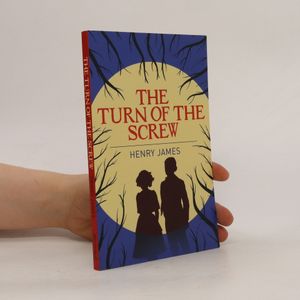
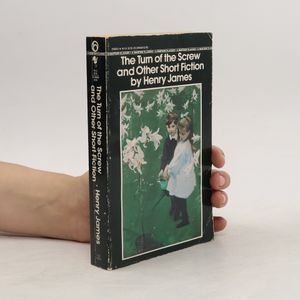
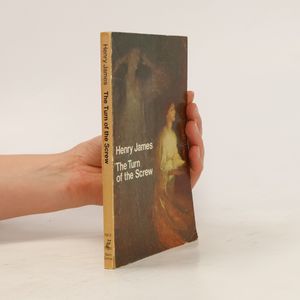
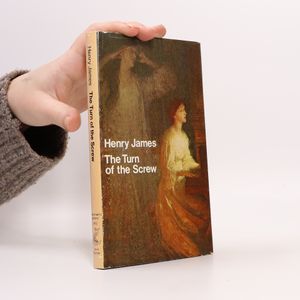
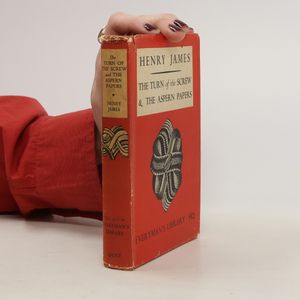
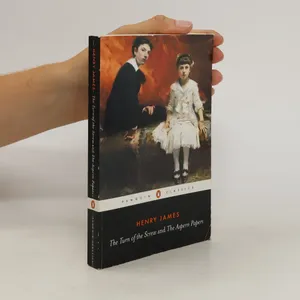
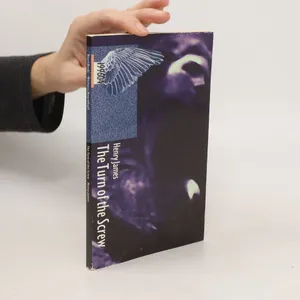
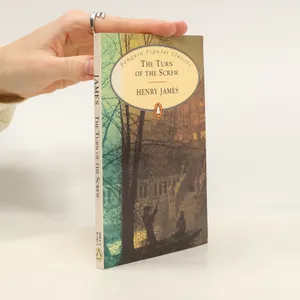
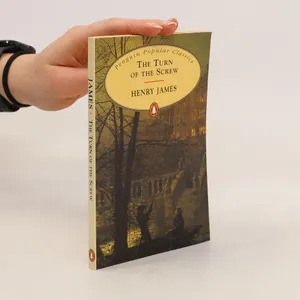
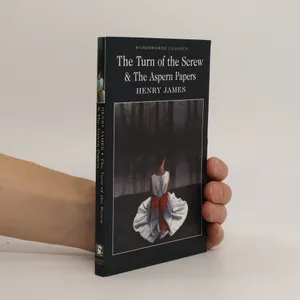
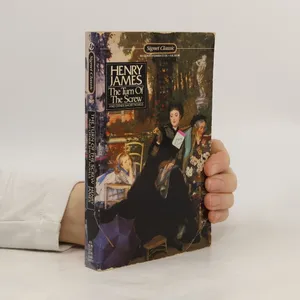
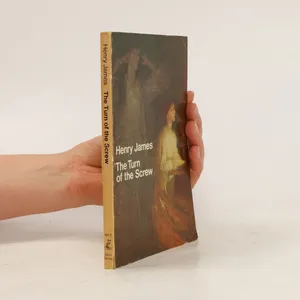
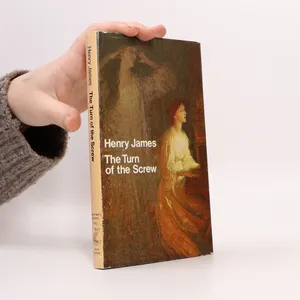
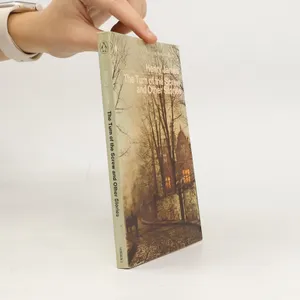
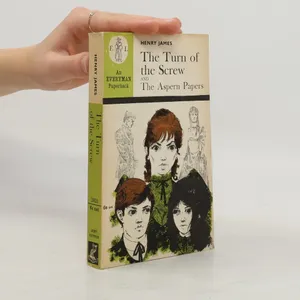
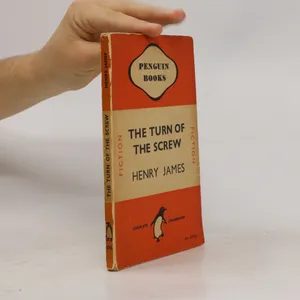
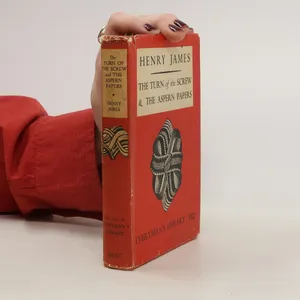
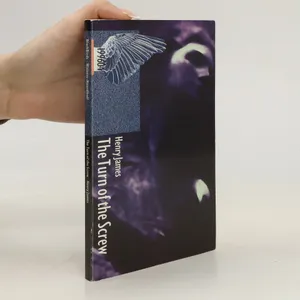
The Turn of the Screw and The Aspern Papers, Henry James
- Lingua

- Pubblicato
- 2003
- Rilegatura
- (In brossura)
Metodi di pagamento
Qui potrebbe esserci la tua recensione.
- Lingua
- Inglese
- Autori
- Henry James
- Editore
- Penguin
- Pubblicato
- 2003
- Formato
- In brossura
- Pagine
- 272
- ISBN10
- 0141439904
- ISBN13
- 9780141439907
- Serie
- Tag
- Narrativa, Tema stórico, Temi psicologici, Classici, Racconti, Horror, Letteratura Americana, Fenomeni soprannaturali, Morte, XIX Secolo, Inghilterra, Regali per gli uomini, Adattato in un film, Critica letteraria, Novelletti, Fantasmagorie e fantasmi, Racconti horror, Gotico, Letture obbligatorie, Epoca Vittoriana, Horror gotico, Horror soprannaturale, Adattato in una serie, Tata, Case Infestate, Forma Ich
- Prima pubblicazione
- 1898
- Titolo originale
- The Turn of the Screw
- Valutazione
- 3,4 su 5
- Descrizione
- 'The apparition had reached the landing half-way up and was therefore on the spot nearest the window, where, at the sight of me, it stopped short'Oscar Wilde called James's chilling The Turn of the Screw 'a most wonderful, lurid poisonous little tale.' It tells of a young governess sent to a country house to take charge of two orphans, Miles and Flora. Unsettled by a sense of intense evil within the house, she soon becomes obsessed with the belief that malevolent forces are stalking the children in her care. Obsession of a more worldly variety lies at the heart of The Aspern Papers, the tale of a literary historian determined to get his hands on some letters written by a great poet-and prepared to use trickery and deception to achieve his aims. Both works show James's mastery of the short story and his genius for creating haunting atmosphere and unbearable tension.Anthony Curtis's wide-ranging introduction traces the development of the two stories from initial inspiration to finished work and examines their critical reception.