

Esaurito ma molto ricercato!
Valutazione del libro
Parametri
- 808pagine
- 29 ore di lettura
Maggiori informazioni sul libro
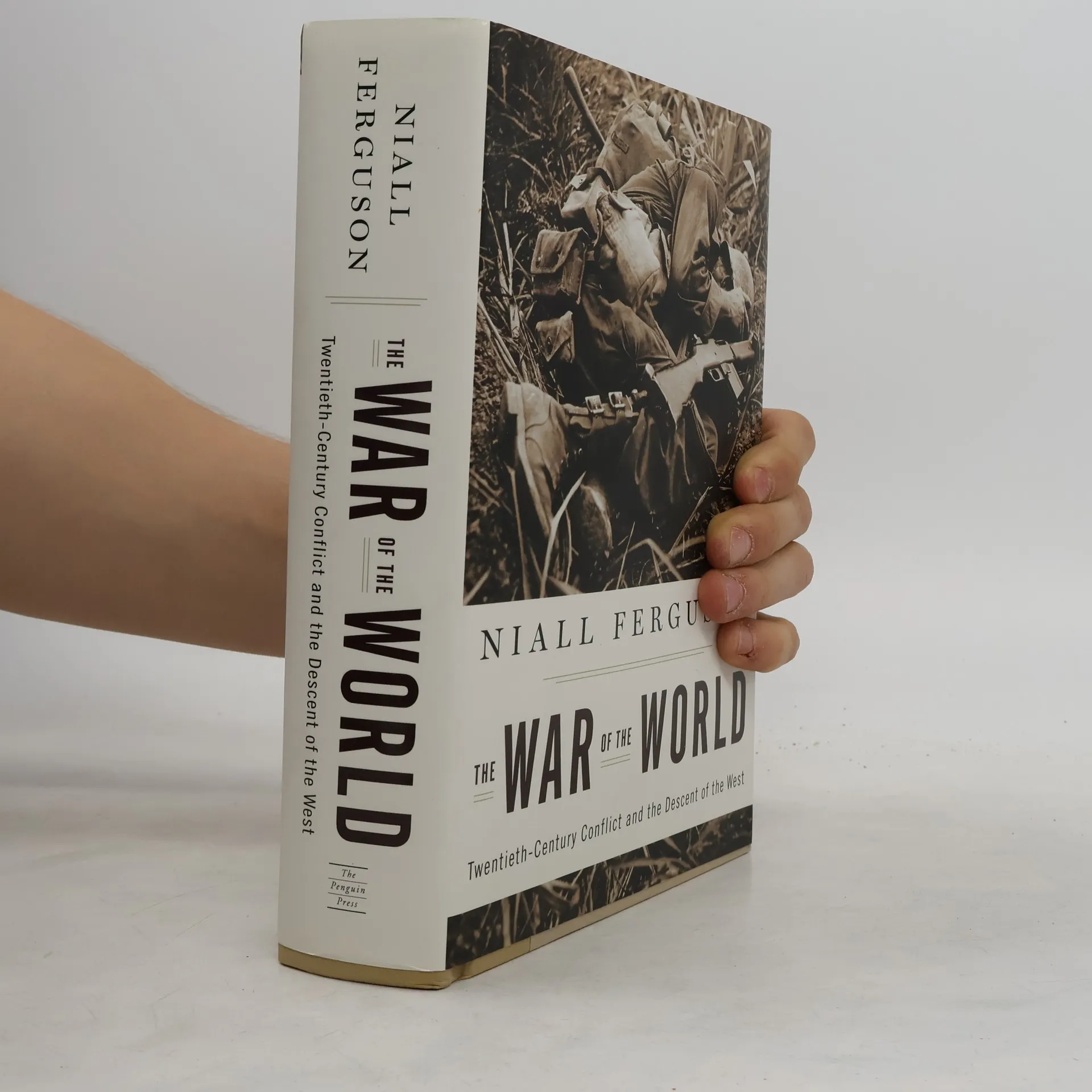
Astonishing in its scope and erudition, this is the magnum opus that Niall Ferguson's numerous acclaimed works have been leading up to. In it, he grapples with perhaps the most challenging questions of modern history: Why was the twentieth century history's bloodiest by far? Why did unprecedented material progress go hand in hand with total war and genocide? His quest for new answers takes him from the walls of Nanjing to the bloody beaches of Normandy, from the economics of ethnic cleansing to the politics of imperial decline and fall. The result, as brilliantly written as it is vital, is a great historian's masterwork.





Acquisto del libro
The War of the World, Niall Ferguson
- Lingua

- Pubblicato
- 2006
- product-detail.submit-box.info.binding
- (Copertina rigida)
Ti avviseremo via email non appena lo rintracceremo.
Metodi di pagamento
Qui potrebbe esserci la tua recensione.
- Titolo
- The War of the World
- Sottotitolo
- Twentieth-Century Conflict and the Descent of the West
- Lingua
- Inglese
- Autori
- Niall Ferguson
- Editore
- Penguin Press HC, The
- Pubblicato
- 2006
- Formato
- Copertina rigida
- Pagine
- 808
- ISBN10
- 1594201005
- ISBN13
- 9781594201004
- Serie
- Tag
- Saggistica, Scienze sociali, Tema stórico, Storia, Scienze politiche & Politica, Politica, Storia Militare, Prosa di guerra, Guerre, Seconda guerra mondiale, XX Secolo, Storia d'Europa, Olocausto, Nazismo, Prima guerra mondiale (1914–1918), Comunismo, Adolf Hitler, Guerra Fredda, Josif Vissarionovič Stalin, 1879-1953, Genocidio, Guerra di Corea
- Prima pubblicazione
- 2006
- Titolo originale
- The War of the World: History's Age of Hatred
- Valutazione
- 4,05 su 5
- Descrizione
- Astonishing in its scope and erudition, this is the magnum opus that Niall Ferguson's numerous acclaimed works have been leading up to. In it, he grapples with perhaps the most challenging questions of modern history: Why was the twentieth century history's bloodiest by far? Why did unprecedented material progress go hand in hand with total war and genocide? His quest for new answers takes him from the walls of Nanjing to the bloody beaches of Normandy, from the economics of ethnic cleansing to the politics of imperial decline and fall. The result, as brilliantly written as it is vital, is a great historian's masterwork.