

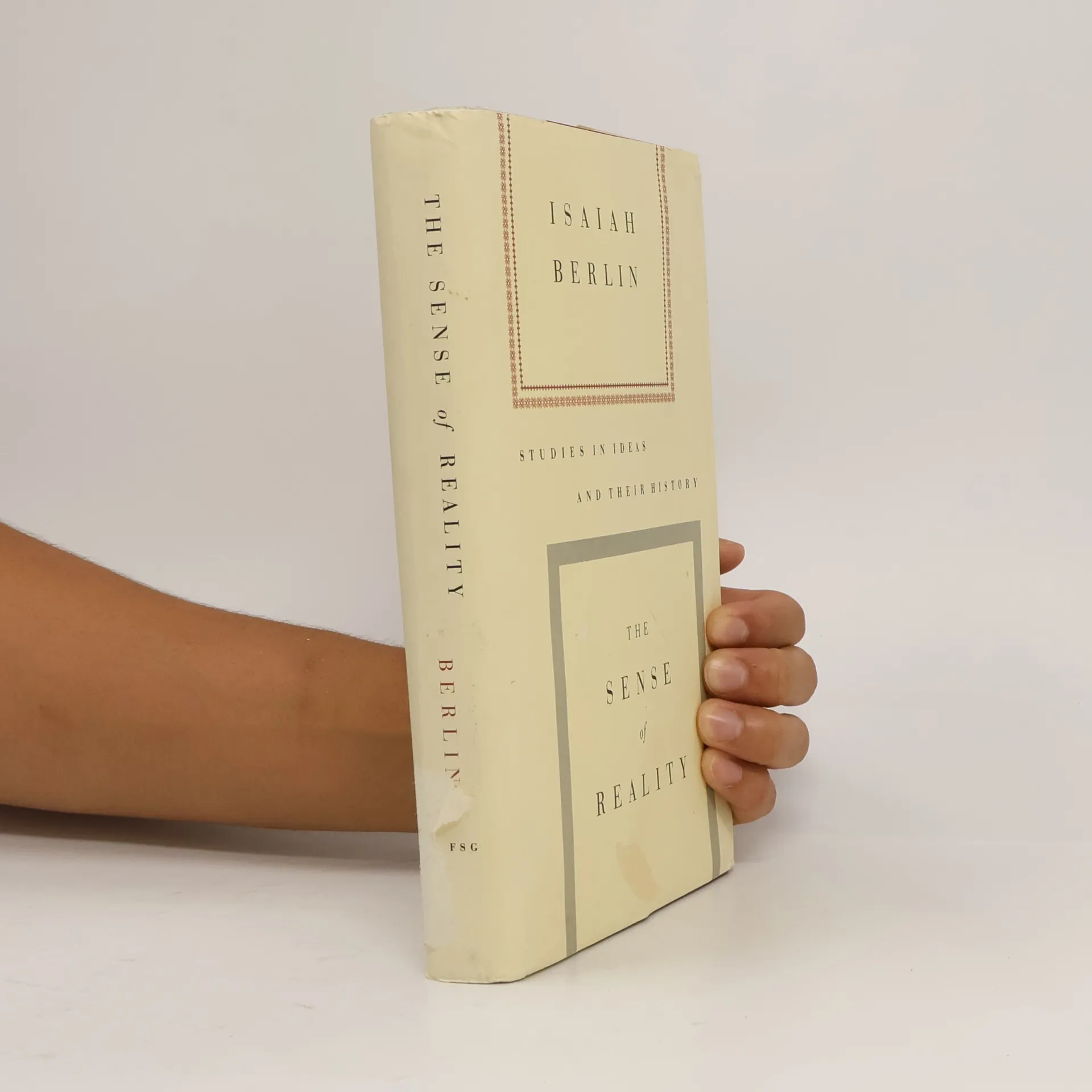
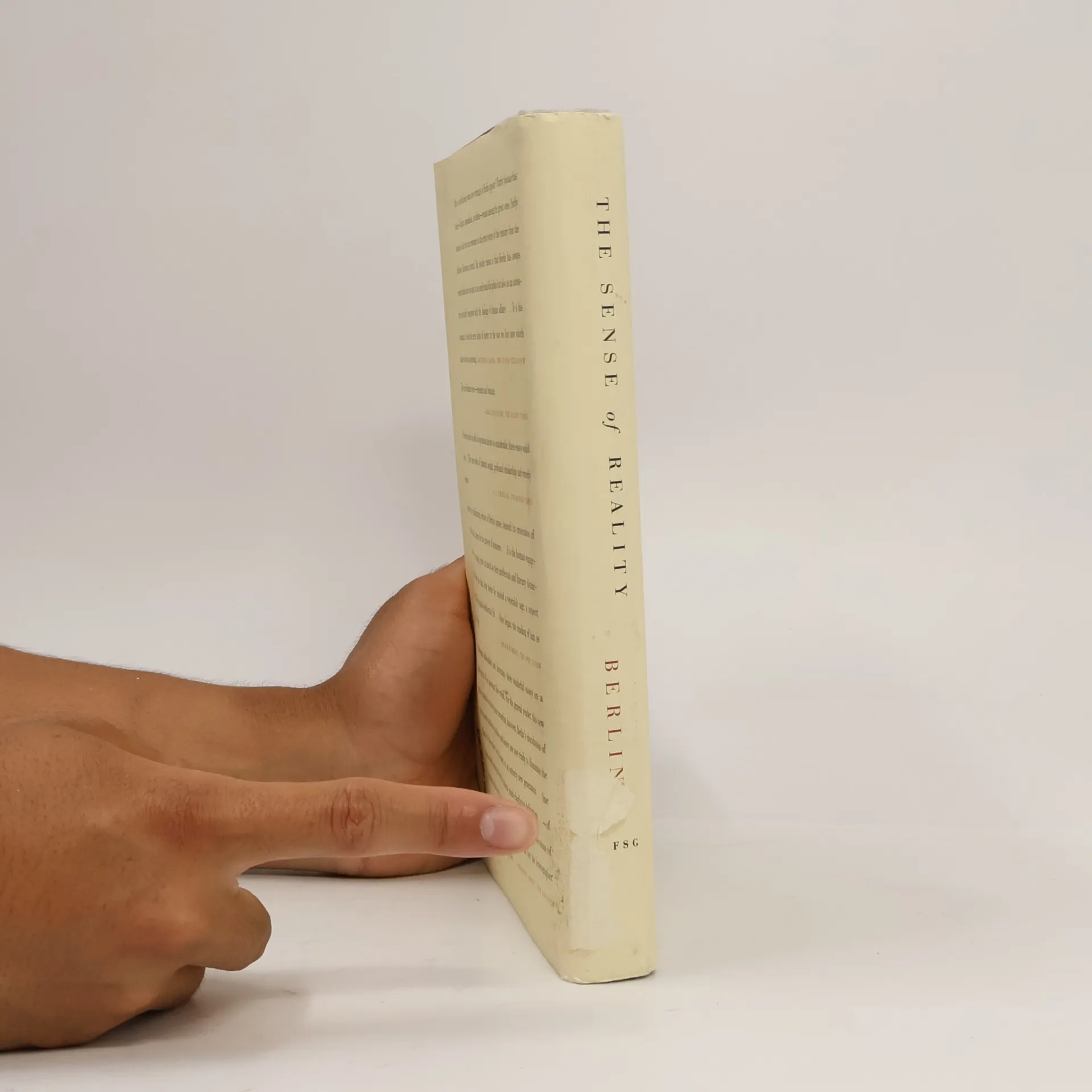
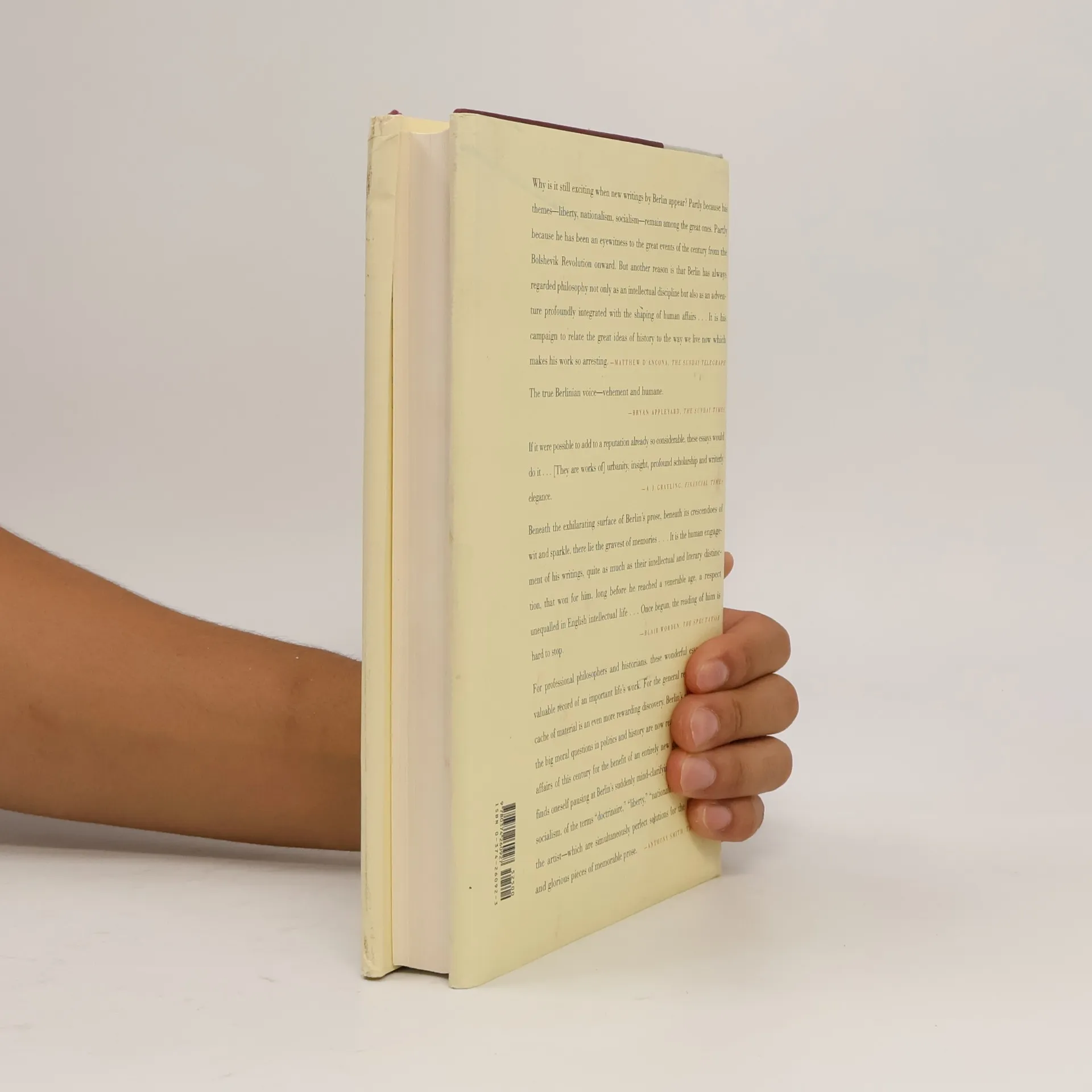
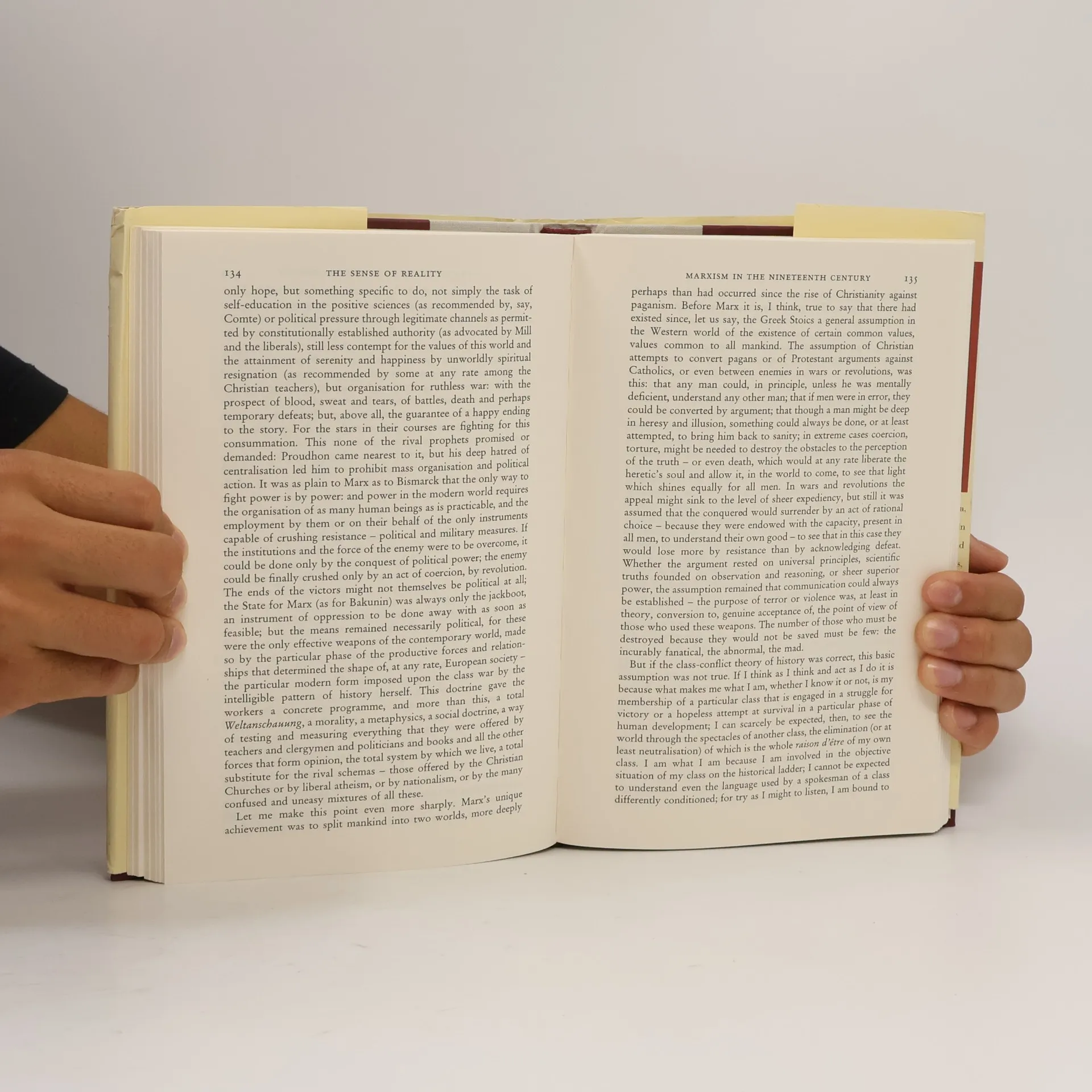
Parametri
- 278pagine
- 10 ore di lettura
Maggiori informazioni sul libro
Isaiah Berlin's The Sense of Reality at last makes available an important body of previously unknown work by one of our leading historians of ideas and one of the finest essayists writing in English. Eight of the nine pieces included here are published for the first time, and their range is characteristically wide. The subjects explored include realism in history, judgment in politics, the history of socialism, the nature and impact of Marxism, the radical cultural revolution instigated by the Romantics, Russian notions of artistic commitment, and the origins and practice of nationalism. The title essay, starting from the impossibility of historians being able to re-create a bygone epoch, is a superb centerpiece.


Acquisto del libro
The Sense of Reality, Isaiah Berlin, Patrick Gardiner, Henry Hardy
- Lingua

- Pubblicato
- 1997
- product-detail.submit-box.info.binding
- (Copertina rigida),
- Condizioni del libro
- Danneggiato
- Prezzo
- 12,34 €
Metodi di pagamento
Qui potrebbe esserci la tua recensione.
- Titolo
- The Sense of Reality
- Lingua
- Inglese
- Autori
- Isaiah Berlin, Patrick Gardiner, Henry Hardy
- Editore
- Farrar, Straus and Giroux
- Pubblicato
- 1997
- Formato
- Copertina rigida
- Pagine
- 278
- ISBN10
- 0374260923
- ISBN13
- 9780374260927
- Serie
- Tag
- Saggistica, Scienze sociali, Tema stórico, Storia, Storie vere, Scienze politiche & Politica, Tematica filosofica, Filosofia, Politica, Giornalismo d’opinione & Saggi
- Valutazione
- 4,65 su 5
- Descrizione
- Isaiah Berlin's The Sense of Reality at last makes available an important body of previously unknown work by one of our leading historians of ideas and one of the finest essayists writing in English. Eight of the nine pieces included here are published for the first time, and their range is characteristically wide. The subjects explored include realism in history, judgment in politics, the history of socialism, the nature and impact of Marxism, the radical cultural revolution instigated by the Romantics, Russian notions of artistic commitment, and the origins and practice of nationalism. The title essay, starting from the impossibility of historians being able to re-create a bygone epoch, is a superb centerpiece.