

Parametri
- 116pagine
- 5 ore di lettura
Maggiori informazioni sul libro
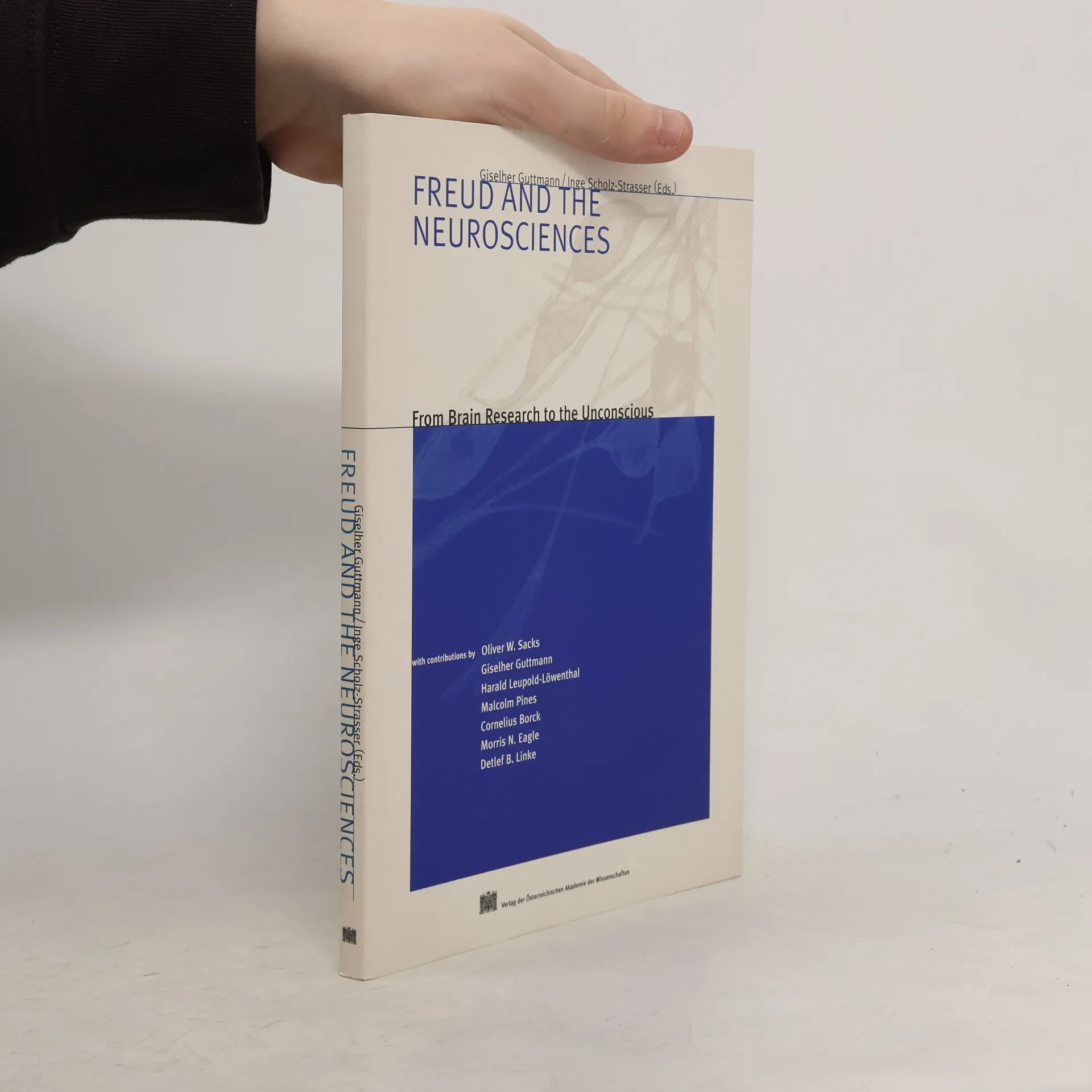
While still a student, Freud published his first research papers on neurology, showcasing his early scientific career that began with physiological studies on eels and progressed to the nervous system of the river crayfish. Confronted by a physicalistic-scientific worldview from his teachers, Freud embraced it, leading to the development of his earliest psychological theory. Although he later rejected the model that sought to explain the psyche through brain physiology, his scientific curiosity remained focused on uncovering the precise structure of the psyche. The authors argue that the foundations of psychoanalysis are rooted in the same scientific principles that shaped Freud's early neuroscientific research, suggesting that he never fully abandoned this epistemological orientation, even in his later works. The book includes contributions from various scholars, discussing topics such as Freud's dual identity as a neurologist and psychoanalyst, the influence of neurological models on psychoanalysis, and the visual representation of nerve cells and psychical mechanisms. It also examines Freud's legacy in relation to defenses, somatic symptoms, and neurophysiology, as well as concepts like discharge, reflex, free energy, and encoding.
Acquisto del libro
Freud and the Neurosciences, Giselher Guttmann, Inge Scholz-Strasser, Oliver Sacks, Harald Leupold-Löwenthal, Malcolm Pines, Cornelius Borck, Morris N. Eagle, Detkef B. Linke
- Lingua

- Pubblicato
- 1998
- Rilegatura
- (In brossura)
Metodi di pagamento
Qui potrebbe esserci la tua recensione.
- Titolo
- Freud and the Neurosciences
- Lingua
- Tedesco
- Autori
- Giselher Guttmann, Inge Scholz-Strasser, Oliver Sacks, Harald Leupold-Löwenthal, Malcolm Pines, Cornelius Borck, Morris N. Eagle, Detkef B. Linke
- Pubblicato
- 1998
- Formato
- In brossura
- Pagine
- 116
- ISBN10
- 3700127405
- ISBN13
- 9783700127406
- Serie
- Tag
- Letteratura specialistica, Psicoterapia, Psychoanalisi, Neuroscienze, Cervello, Neurologia, Sigmund Freud, Neuropsicologia, Neurobiologia, Inconscio
- Valutazione
- 4 su 5
- Descrizione
- While still a student, Freud published his first research papers on neurology, showcasing his early scientific career that began with physiological studies on eels and progressed to the nervous system of the river crayfish. Confronted by a physicalistic-scientific worldview from his teachers, Freud embraced it, leading to the development of his earliest psychological theory. Although he later rejected the model that sought to explain the psyche through brain physiology, his scientific curiosity remained focused on uncovering the precise structure of the psyche. The authors argue that the foundations of psychoanalysis are rooted in the same scientific principles that shaped Freud's early neuroscientific research, suggesting that he never fully abandoned this epistemological orientation, even in his later works. The book includes contributions from various scholars, discussing topics such as Freud's dual identity as a neurologist and psychoanalyst, the influence of neurological models on psychoanalysis, and the visual representation of nerve cells and psychical mechanisms. It also examines Freud's legacy in relation to defenses, somatic symptoms, and neurophysiology, as well as concepts like discharge, reflex, free energy, and encoding.